
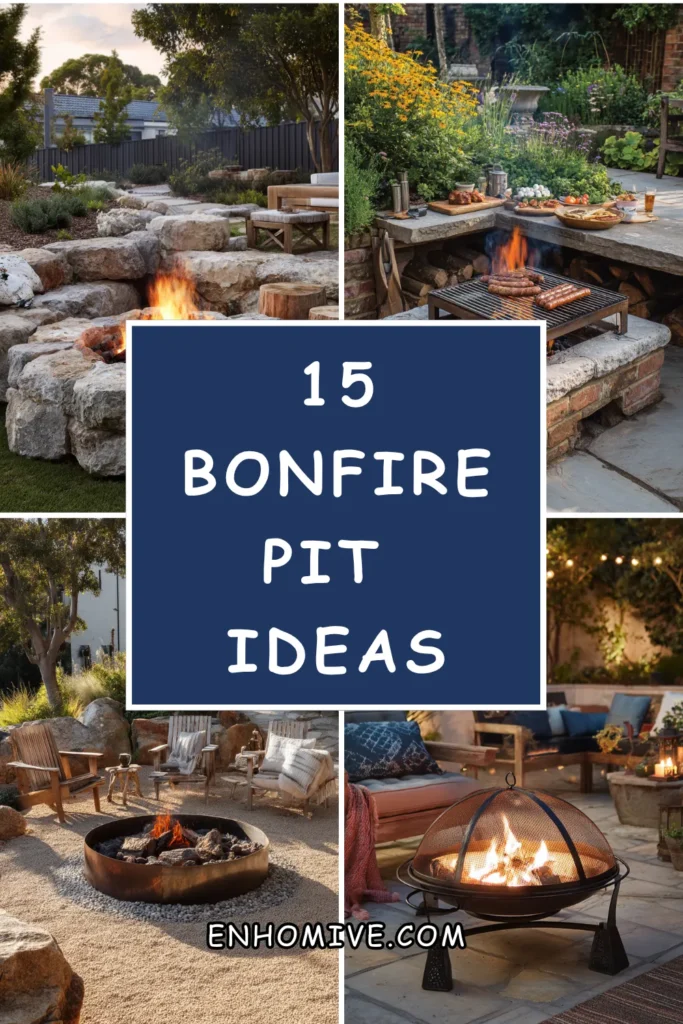
15 Bonfire Pit Ideas
A bonfire pit is one of the most socially magnetic and atmospherically powerful features a garden can contain. There is something deeply primal about gathering around an open fire outdoors. The warmth, the light, the sound of crackling wood, and the particular quality of conversation that only happens when people sit together around a flame.
A well-designed bonfire pit transforms an ordinary backyard into a genuine outdoor destination, extending the usable season of the garden well into the cooler months and creating a focal point that draws people together with an effortlessness that no other garden feature can match. Here are 15 bonfire pit ideas that are modern, practical, and genuinely inspiring.
1. The Classic In-Ground Fire Pit
An in-ground fire pit. a circular excavation in the ground lined with heat-resistant brick, stone, or concrete block and surrounded by a ring of large stones or a poured concrete collar at ground level. is the most permanent, most traditional, and most visually integrated bonfire pit available.
The in-ground format keeps the fire low and close to the ground, creating an intimate gathering atmosphere and reducing the wind exposure that above-ground fire pits can suffer. Excavate to a depth of approximately 30cm, line the base with a layer of gravel for drainage, and finish the interior walls with fire-resistant brick or stone for a permanent installation of genuine quality.
2. The Raised Stone Circle Fire Pit
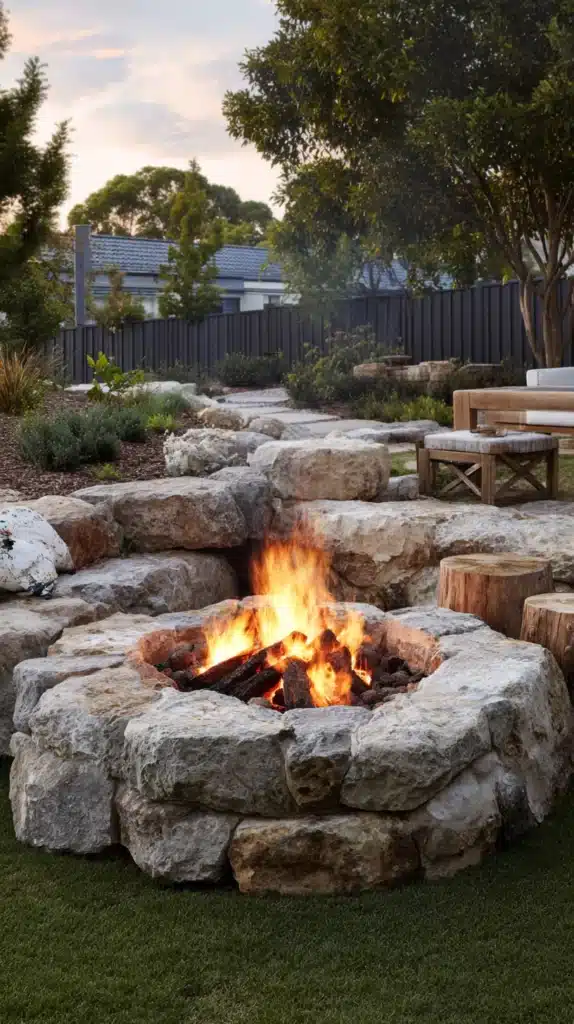
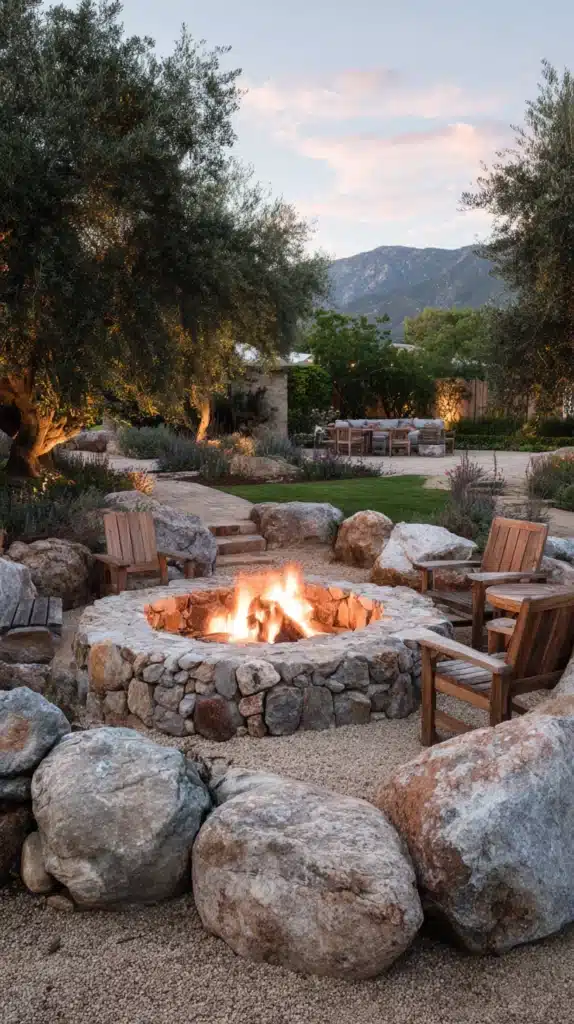
A raised stone circle fire pit. a ring of large natural stones, dry-stacked boulders, or cut stone blocks built to a height of 30 to 45cm above the surrounding ground. creates a bonfire pit of natural beauty and practical effectiveness.
The raised walls contain the fire safely, provide a surface on which people can rest their feet or balance a drink, and create a defined focal point within the garden that reads as a considered landscape feature even when the fire is not burning. Choose grey limestone, warm sandstone, or dark basalt for the stone ring to suit the overall material palette of the garden.
3. A Steel Fire Bowl on a Gravel Pad
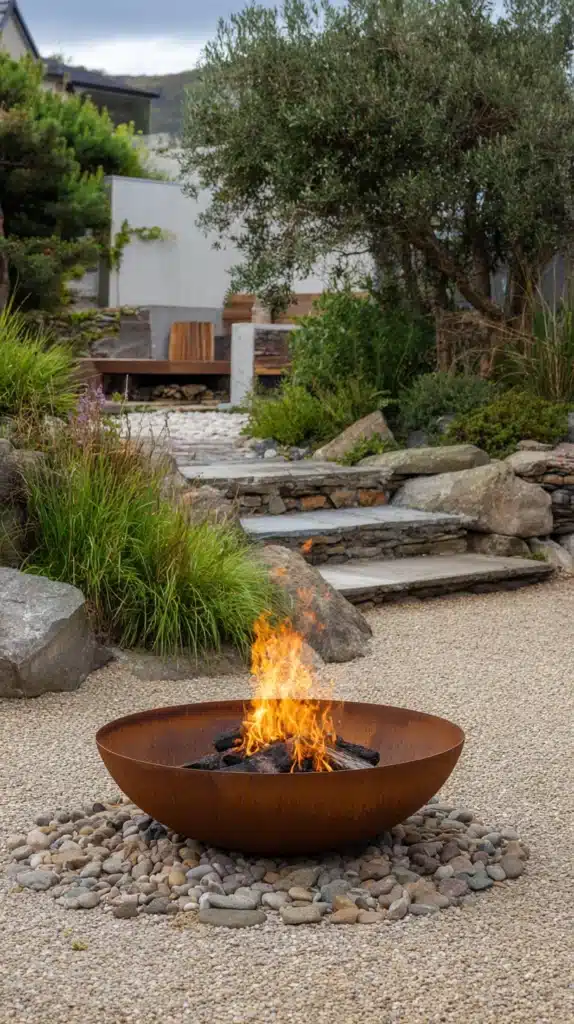
A large steel fire bowl positioned on a defined gravel pad creates a bonfire pit installation of contemporary simplicity and practical flexibility.
The steel bowl contains the fire safely above the ground, the gravel pad protects the surrounding surface from heat and embers, and the defined circular or square pad creates a clear gathering zone around the fire that gives the installation a designed quality even in its simplest form. Choose a corten steel fire bowl that weathers to a warm rust patina over time for a material quality that improves with every season of outdoor use.
4. The Sunken Conversation Pit with Fire
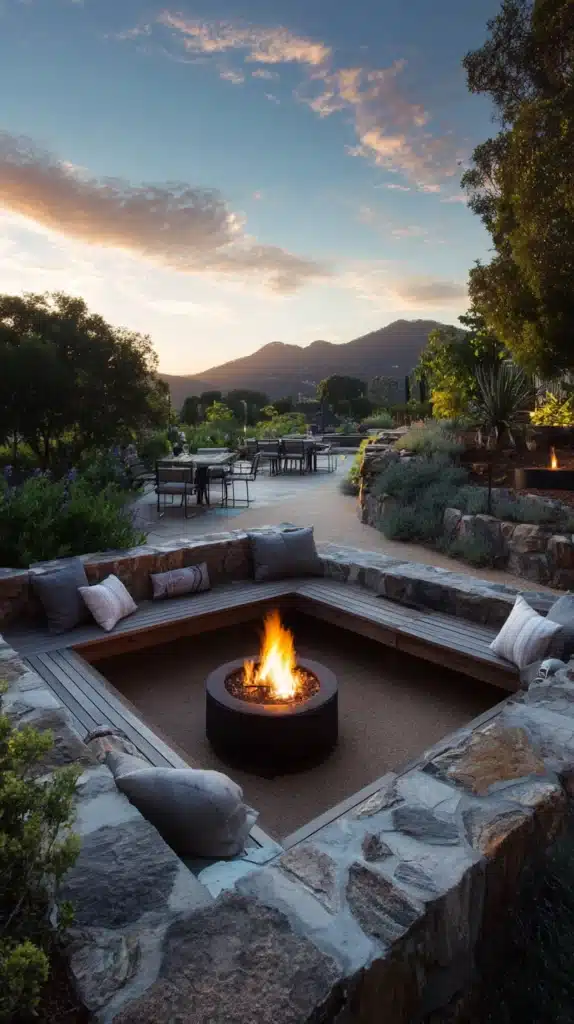
A sunken conversation pit. a below-grade seating area with built-in bench seating surrounding a central fire pit. is one of the most dramatic and most sociable bonfire pit configurations available.
The sunken format creates an intimate, enclosed gathering space that feels separated from the surrounding garden, sheltered from the wind, and entirely focused on the fire at its center. Build the seating from stone, brick, or poured concrete and finish the bench surfaces with weatherproof timber or stone coping for a comfortable, durable seating surface that suits the outdoor context.
5. A Brick Fire Pit with Cooking Grate
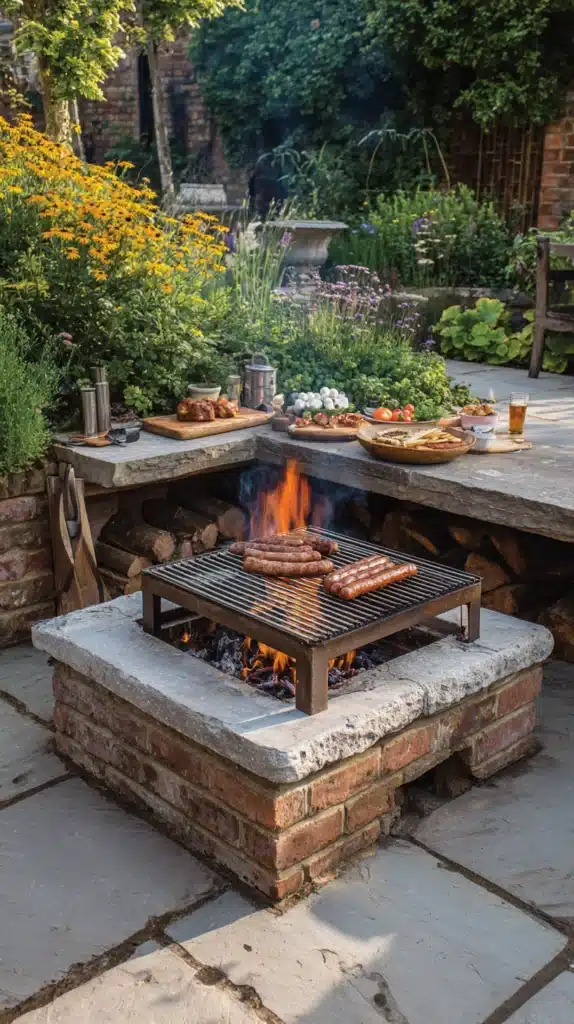
A brick fire pit constructed from fire-resistant engineering bricks in a square or circular format, fitted with a removable steel cooking grate at various heights above the fire base, creates a bonfire pit that functions as both a social fire and an outdoor cooking installation.
The cooking grate allows grilling, toasting, and campfire cooking that makes the bonfire pit the center of genuine outdoor entertaining. Build the brick pit to a height of approximately 40cm for comfortable standing-height cooking and include a ledge or shelf within the brick structure for resting tools and food.
6. The Portable Cast Iron Fire Pit
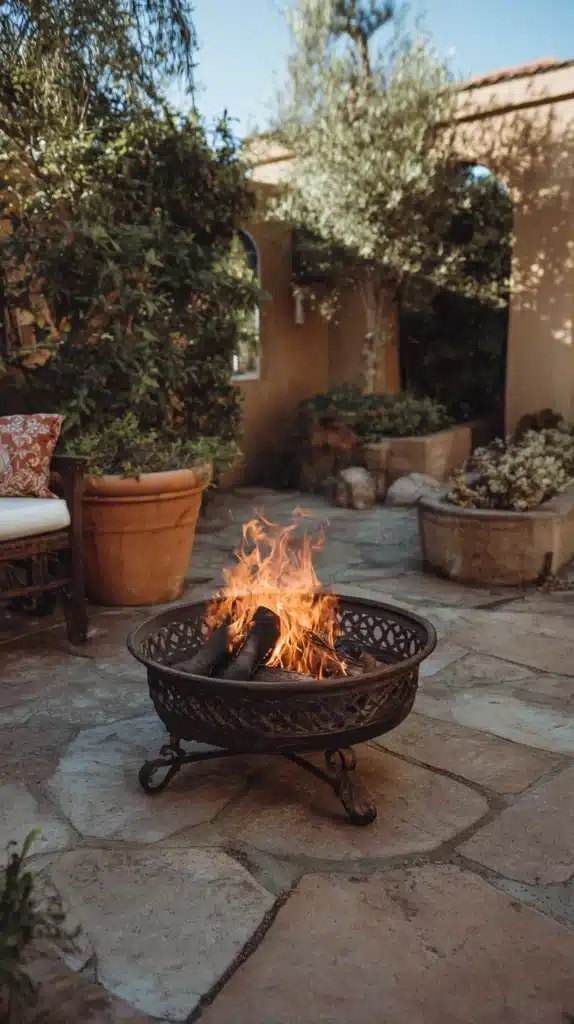
A portable cast iron fire pit is the most accessible, most flexible, and most immediately deployable bonfire pit option available. Cast iron retains and radiates heat exceptionally well, creating a warming fire that performs significantly better than thin steel alternatives at equivalent fuel consumption.
A cast iron fire pit on decorative legs can be positioned anywhere in the garden on a heat-resistant surface, moved to follow the sun or avoid the wind, and stored under cover through the winter months to extend its working life considerably.
7. A Fire Pit with Integrated Seating Wall
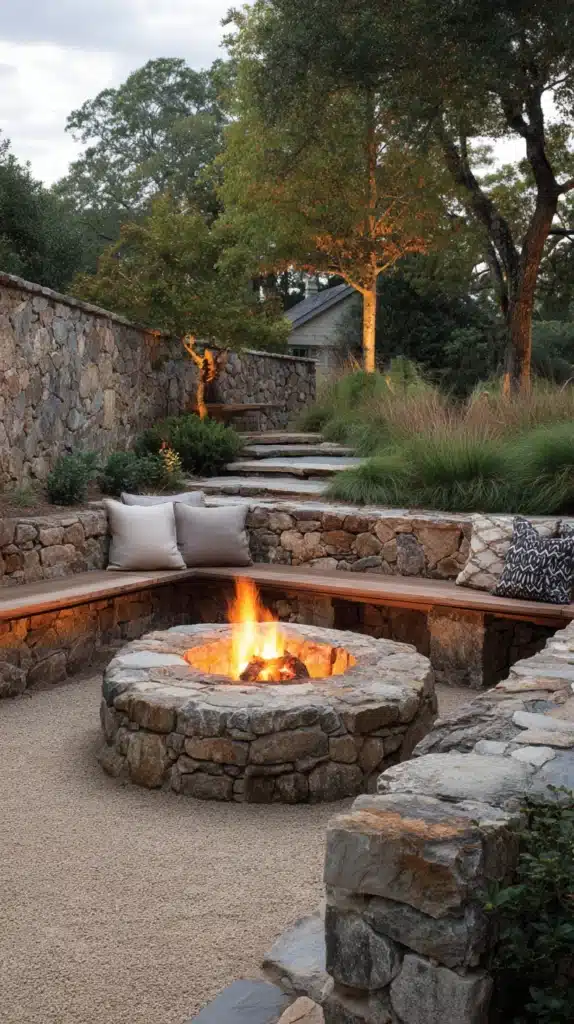
A bonfire pit surrounded by a low dry-stone or mortared stone seating wall creates a self-contained outdoor room in which the fire and the seating are conceived as a single integrated installation rather than a fire pit with furniture arranged around it.
The stone seating wall provides permanent, weather-resistant seating that requires no cushions or maintenance, defines the gathering space clearly within the larger garden, and creates a visual enclosure that makes the fire feel more intimate and more protected. Top the wall with a smooth stone coping for comfortable seating.
8. The Scandinavian-Style Steel Fire Basket
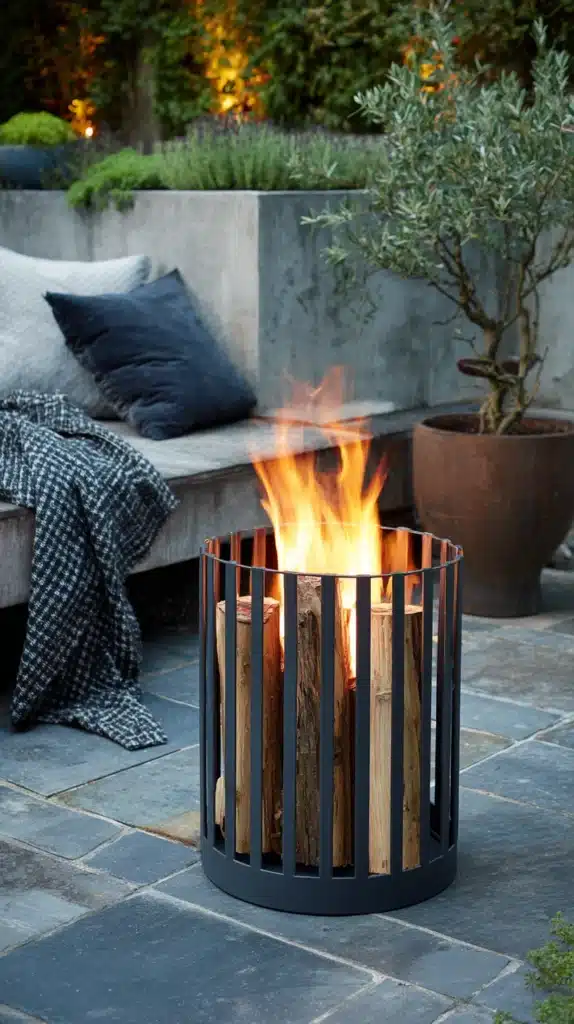
A tall, narrow steel fire basket in the Scandinavian tradition. an open steel frame that holds logs vertically in a tight bundle and burns them from the top down in the Swedish torch style. creates a bonfire pit of exceptional visual drama and surprising efficiency.
The vertical burning format produces a tall, bright flame from a compact footprint, making it ideal for gardens where a large fire pit would be impractical. Position the fire basket on a large flat stone or a concrete pad for safe operation and gather seating in a close circle around its warm, upright flame.
9. A Paved Patio Fire Pit Zone
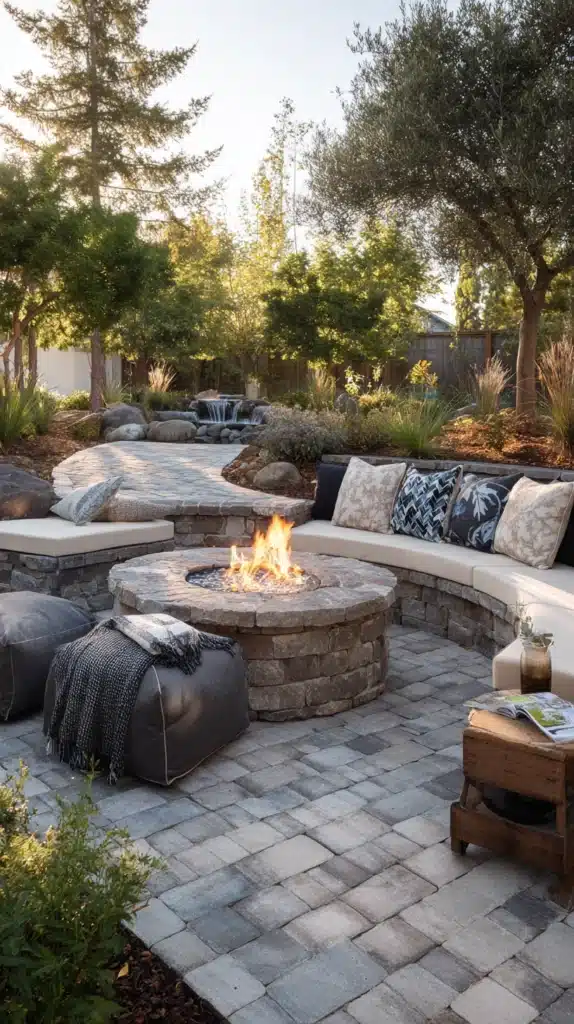
Designating a specific zone within an existing paved patio as a dedicated fire pit area. defined by a change in paving material, a circular pattern within the surrounding paving, or a raised stone ring set flush with the patio surface. integrates the bonfire pit seamlessly into the existing outdoor living space without creating a separate destination area in the garden.
A fire pit zone within a patio allows the seating arrangement to serve both the fire and the wider patio space, maximizing the functional use of the outdoor area in every season.
10. A Fire Pit with a Spark Screen
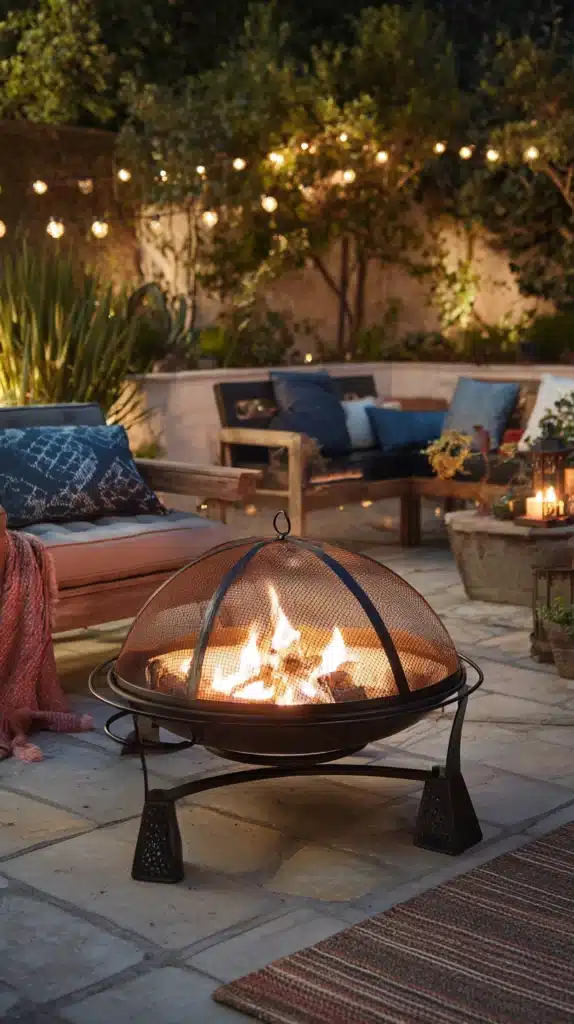
Adding a fitted spark screen to any bonfire pit is one of the most important safety upgrades and one of the most practical bonfire pit hacks available. A domed or flat spark screen of fine steel mesh placed over the fire pit opening prevents embers and sparks from escaping the pit and landing on surrounding surfaces, clothing, or garden furniture.
This single addition makes a bonfire pit significantly safer for use near timber decking, dry grass, and garden structures and allows the fire to be left burning with less intensive supervision during a gathering.
11. The Recycled Metal Container Fire Pit
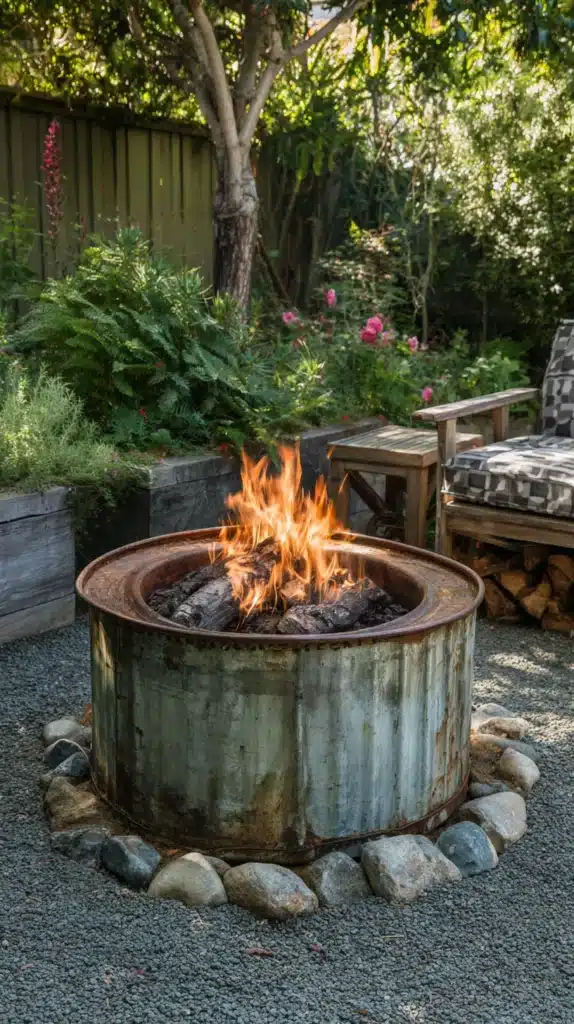
A large recycled metal container. a retired galvanized water tank, a steel wine barrel, an old cast iron cauldron, or a repurposed industrial drum. converted into a bonfire pit creates a garden feature of considerable character and material authenticity.
Drill drainage holes in the base of the container, fill the bottom with a layer of gravel, and the converted container is ready to function as a fully effective bonfire pit with a unique visual identity that no manufactured fire pit product can replicate. The repurposed quality of the material gives the fire pit a story that enhances its appeal considerably.
12. A Fire Pit Surrounded by Decomposed Granite
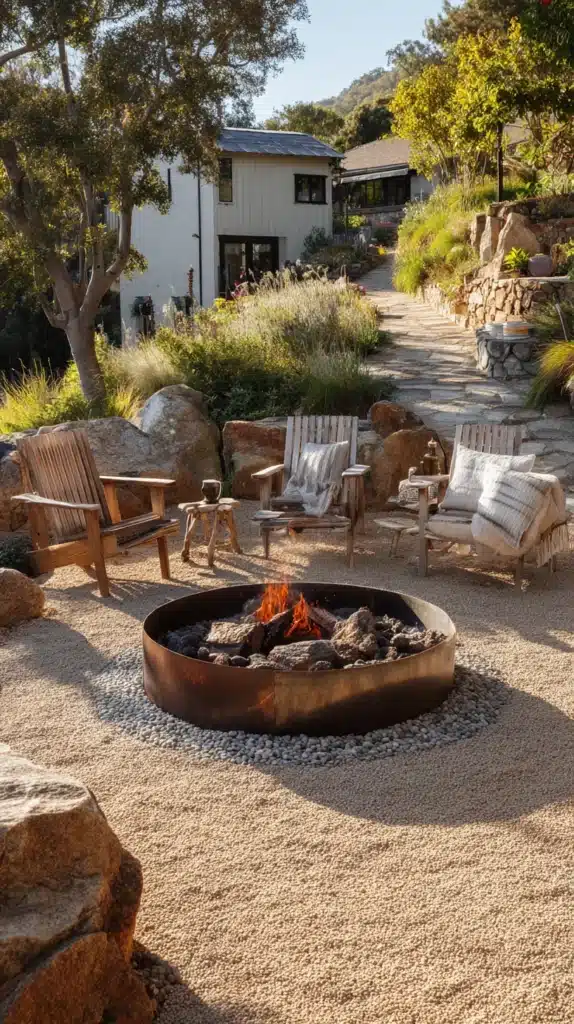
Surrounding an in-ground or above-ground fire pit with a generous area of decomposed granite creates a low-maintenance, fire-safe gathering zone that is comfortable underfoot, visually warm, and entirely appropriate as a surface immediately surrounding an open fire.
Decomposed granite is non-combustible, self-compacting, and available in warm golden and grey tones that complement the natural materials typically used in fire pit construction. Define the decomposed granite zone with a simple steel or stone edging to prevent migration into the surrounding lawn or garden beds.
13. A Fire Pit with Overhead String Lights
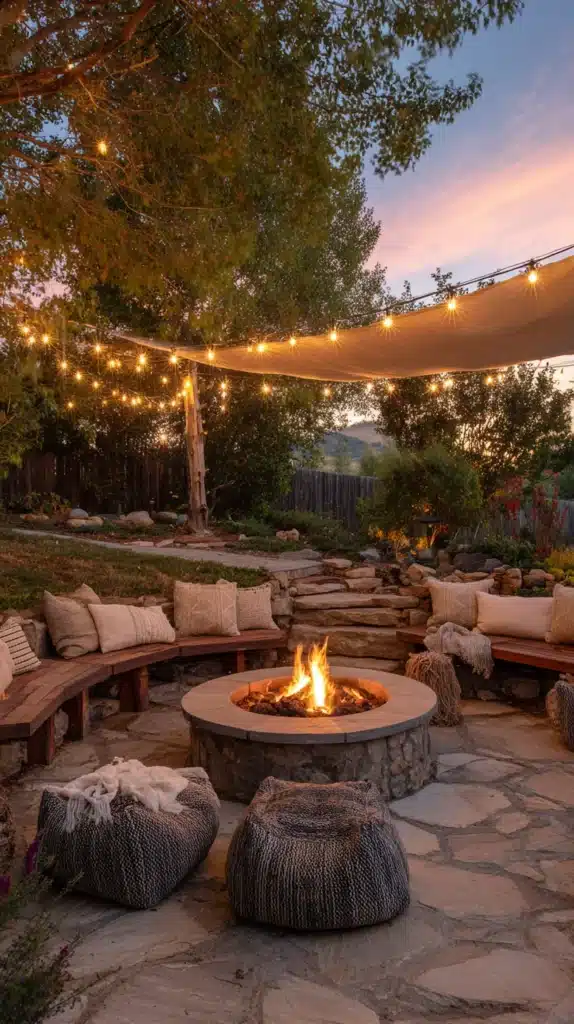
Combining a bonfire pit with an overhead canopy of string lights creates an evening gathering space of exceptional atmospheric beauty. The warm glow of the fire below and the warm twinkle of the string lights above create a layered lighting environment that makes every gathering around the fire feel genuinely special.
Suspend the string lights between the house wall and a series of freestanding posts positioned around the perimeter of the fire pit seating area at a height that creates a generous canopy without being so low as to present a safety concern near the fire.
14. A Fire Pit Built Into a Hillside
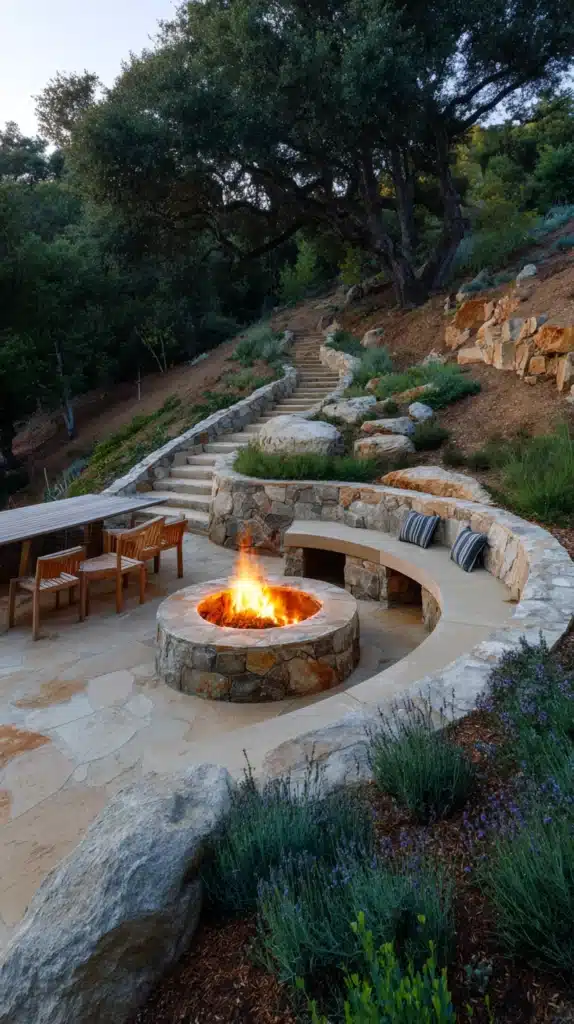
A bonfire pit built into an existing slope or hillside within the garden. using the natural topography of the site to create an amphitheater-like seating arrangement of graded terraces surrounding the fire at the lowest point. creates one of the most dramatic and most site-specific bonfire pit configurations available.
The hillside provides natural seating on its graded terraces, the fire pit sits at the natural focal point of the lowest level, and the whole arrangement feels grown from the landscape rather than imposed upon it. Stabilize the terrace edges with stone retaining walls or timber sleepers for safety and permanence.
15. The Year-Round Fire Pit Entertainment Area
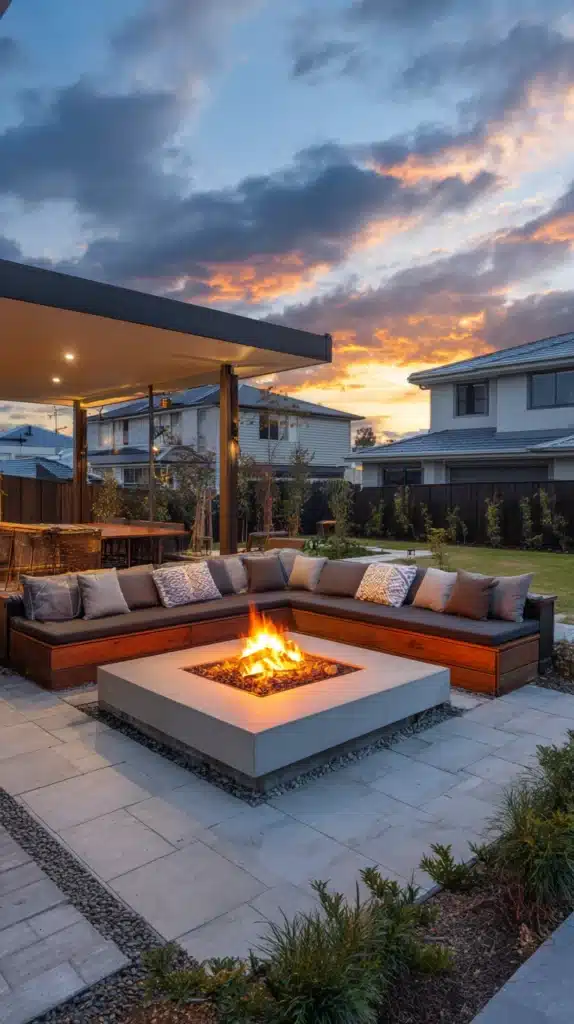
The most ambitious and most rewarding bonfire pit idea is to design the fire pit as the center of a complete year-round outdoor entertainment area. a defined zone within the garden with permanent seating, overhead shelter, integrated lighting, storage for firewood and fire tools, and a surface of durable, fire-safe paving or gravel that makes the area as functional in November as it is in July.
A fire pit area designed for year-round use rather than summer-only enjoyment becomes one of the most consistently used and most genuinely valued spaces in the entire property, earning its investment many times over through the additional outdoor living hours it enables through every season of the year.
Fire as a Design Element
A well-designed bonfire pit does more than provide warmth and light. It creates the conditions for the kind of slow, unhurried, deeply enjoyable outdoor time that modern life rarely offers spontaneously. Design it with care, build it with quality materials, and it will become the heart of the garden and the heart of the household’s outdoor life for years to come.