

Deep Clean Your Microwave in 5 Minutes With Lemon
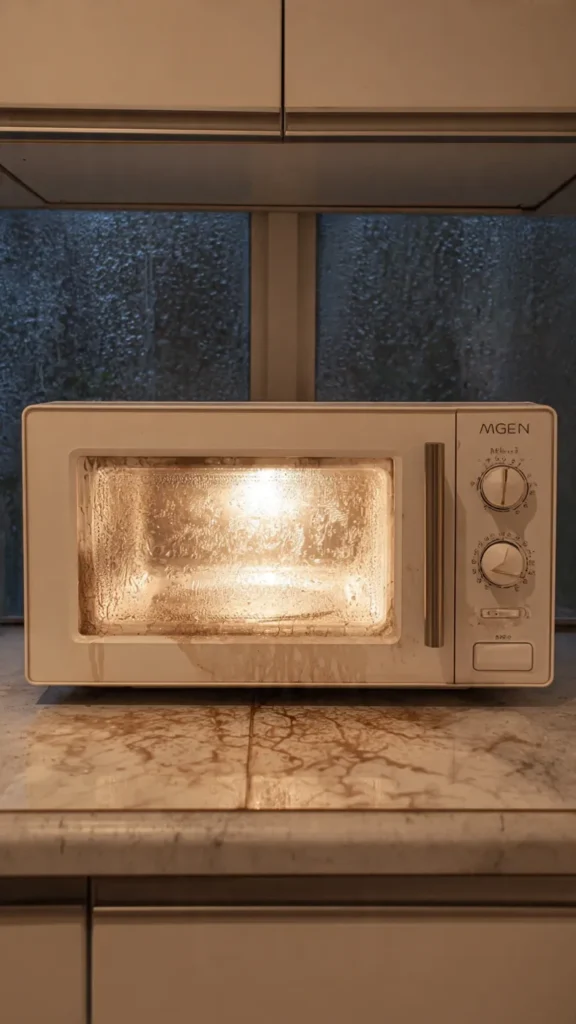
Your microwave is disgusting. Open the door and look at the ceiling. See those dried splatters? Food exploded weeks ago and it’s been sitting there ever since, getting harder and crustier.
The walls have grease stains. The bottom has mystery spills. It smells weird when you open the door. And every time you heat something, you’re cooking next to all that old food residue.
You know you should clean it, but scrubbing dried food off the inside of a microwave sounds awful. Here’s the good news: you don’t have to scrub at all.

One lemon and 5 minutes is all you need.
Why Lemon Works So Well
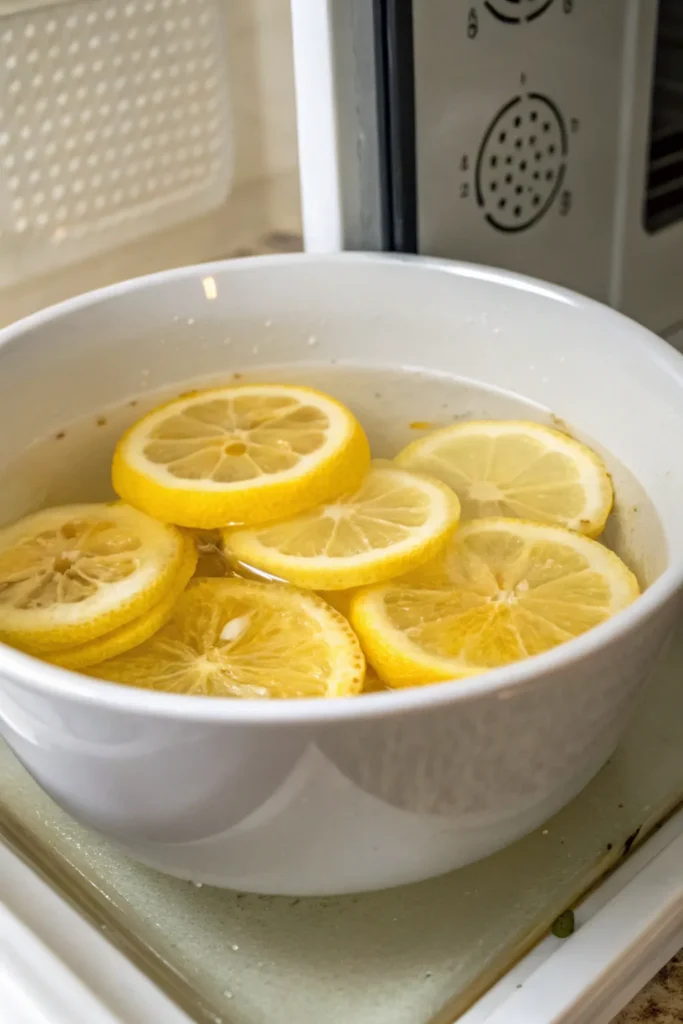
Lemons aren’t just for lemonade. They’re one of nature’s best cleaning tools, and they work like magic in microwaves.
What lemon does:
- The acid breaks down grease and food stains
- Steam loosens dried, stuck-on food
- Natural oils cut through grime
- Kills bacteria naturally
- Leaves a fresh, clean smell (not chemical)
When you heat lemon water in the microwave, it creates steam. That steam coats every surface inside and softens all the crud. Then it wipes away easily—no scrubbing needed.
Why this beats other methods:
- No harsh chemicals
- No toxic fumes
- No elbow grease required
- Takes minutes, not hours
- Costs pennies
- Smells amazing instead of like cleaning products
What You Need
Supplies:
- 1 lemon
- Water
- Microwave-safe bowl
- Sponge or cloth
- Dish soap (optional)
That’s it. You probably have everything already.
Which bowl to use:
- Glass or ceramic works best
- Needs to hold at least 2 cups of water
- Must be microwave-safe (no metal)
- A large measuring cup works perfectly
The 5-Minute Method: Step by Step
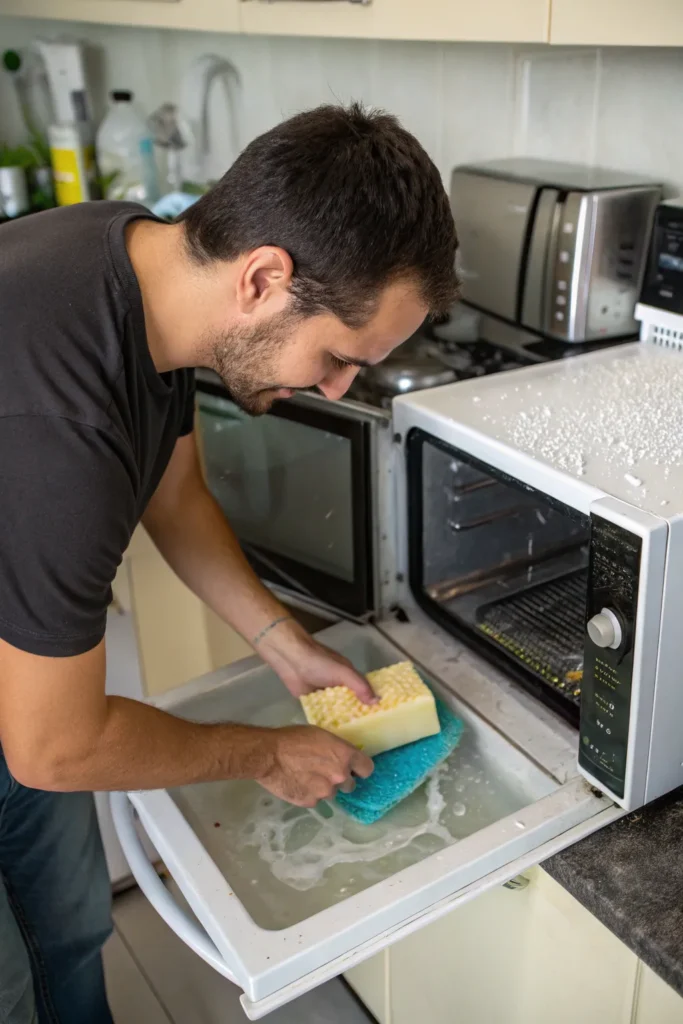
This is so simple you can do it while making breakfast or waiting for coffee.
Step 1: Prepare the lemon water (30 seconds)
Cut the lemon in half. Squeeze the juice into the bowl. Don’t worry about getting every drop—just squeeze it once or twice.
Drop the lemon halves into the bowl too. The peels contain oils that help with cleaning and make everything smell great.
Fill the bowl with about 1-2 cups of water. The lemon halves should float.
Step 2: Microwave on high (3 minutes)
Put the bowl in the microwave. Heat on high for 3 minutes.
The water will boil and create lots of steam. This is exactly what you want. The steam fills the microwave and softens all the dried food.
Important: Don’t open the door yet. Let the bowl sit inside for another 2-3 minutes after the timer goes off. This lets the steam keep working.
Step 3: Remove the bowl carefully (10 seconds)
The bowl will be HOT. Use oven mitts or a thick towel to remove it.
Be careful—the water is boiling and the bowl is very hot. Set it aside somewhere safe.
Step 4: Wipe everything down (1-2 minutes)
Take your sponge or cloth and start wiping. You’ll be amazed—everything comes off with almost no effort.
What to wipe:
- Start with the ceiling (food drips down if you start elsewhere)
- Wipe the walls
- Clean the bottom
- Don’t forget the door (inside)
- Wipe the turntable/rotating plate
The food just slides off. No scrubbing. No soaking. It’s almost satisfying how easy it is.
Step 5: Clean the turntable and door (1 minute)
Remove the glass turntable and wash it in the sink with dish soap and water. It takes 30 seconds.
Wipe down the inside of the door with your damp cloth. Clean the door seal too—food gets stuck there.
Step 6: Final wipe (30 seconds)
Do one more quick wipe of the inside with a clean damp cloth. This removes any loosened food you might have missed.
Leave the door open for a few minutes to air dry.
Done. Total time: 5 minutes. Total scrubbing: zero.
No Lemon? Alternative Methods That Work
Don’t have a lemon? These work almost as well.
Option 1: Vinegar
- Mix 1/2 cup white vinegar with 1 cup water
- Microwave for 3 minutes
- Let sit for 3 minutes
- Wipe clean
- Smell goes away quickly
Option 2: Baking soda
- Mix 2 tablespoons baking soda in 1 cup water
- Microwave for 3 minutes
- Let sit for 3 minutes
- Wipe clean
- Good for odors
Option 3: Dish soap
- Add a few drops of dish soap to 1 cup water
- Microwave for 3 minutes
- Let sit for 3 minutes
- Wipe clean
- Best for grease
Option 4: Orange or lime
- Works exactly like lemon
- Same fresh citrus smell
- Same cleaning power
Lemon is best, but any of these work if you’re in a pinch.
Dealing with Really Stubborn Stains
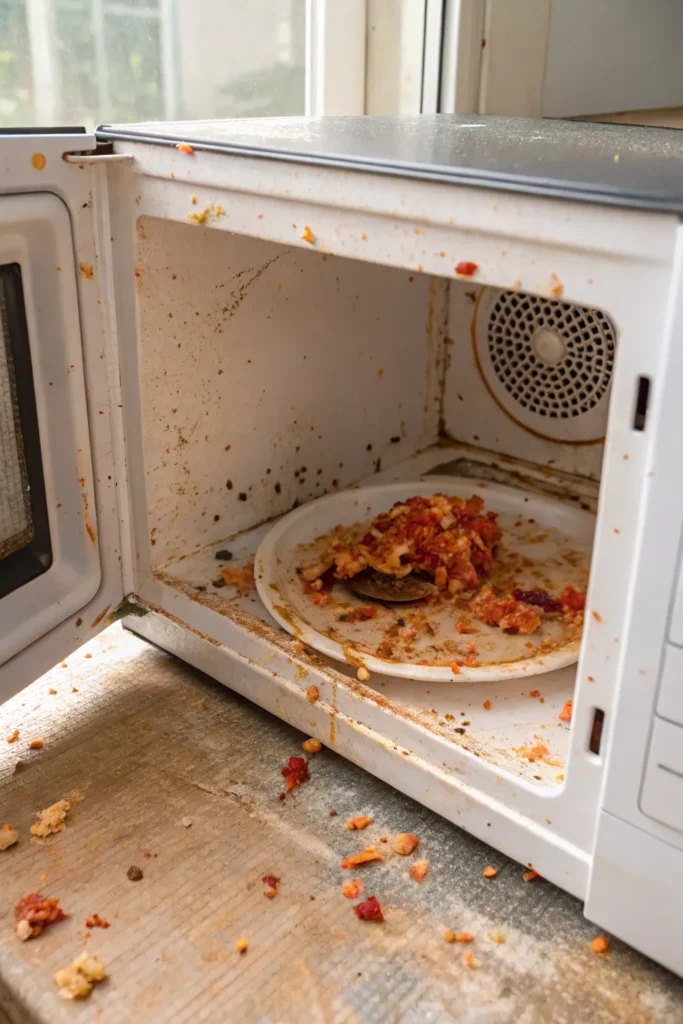
Most of the time, the basic lemon method handles everything. But if you have dried food that’s been there for months, you might need extra help.
For super stubborn spots:
Round 1:
- Do the regular lemon steam method
- Wipe away what comes off easily
- Don’t scrub yet
Round 2:
- Dip your cloth in the hot lemon water
- Hold it on the stubborn spot for 30 seconds
- The extra heat and acid will soften it
- Wipe away gently
Round 3 (if needed):
- Make a paste: baking soda + a little water
- Apply to the stubborn spot only
- Let sit for 2 minutes
- Wipe away with a damp cloth
- Should come right off
For burnt-on food:
- Steam twice with lemon water
- Use a plastic scraper (not metal)
- Scrape gently after steaming
- Never use abrasive scrubbers
For grease stains:
- Add a drop of dish soap to your lemon water
- Steam as usual
- The soap cuts through grease
- Wipe clean
Cleaning the Outside of Your Microwave
While you’re at it, clean the outside too. It only takes an extra minute.
Exterior cleaning:
Control panel:
- Dampen cloth with plain water
- Wipe gently
- Don’t let water drip into buttons
- Dry immediately
Door (outside):
- Use damp cloth
- Wipe away fingerprints and splatters
- Dry with clean towel
- For stainless steel, wipe with the grain
Top and sides:
- These collect dust and grease
- Wipe with damp cloth
- Use dish soap if greasy
- Dry completely
Vents:
- Use a dry cloth or small brush
- Wipe away dust
- Don’t push dust into vents
- Check manufacturer’s cleaning instructions
A fully clean microwave inside and out takes maybe 7-8 minutes total.
Removing Microwave Odors
Sometimes microwaves smell bad even after cleaning. Lemon helps with this too.
For lingering odors:
Lemon freshener:
- After cleaning, leave the lemon halves in a bowl inside
- Close the door
- Leave overnight
- Absorbs odors naturally
Baking soda method:
- Put open box of baking soda inside
- Leave for 24 hours
- Absorbs all odors
- Throw away the baking soda after
Coffee grounds:
- Put 2 tablespoons grounds in a bowl
- Leave inside overnight
- Neutralizes food smells
- Works great after fish or popcorn
Vanilla extract:
- Mix 2 tablespoons vanilla with 1 cup water
- Microwave for 30 seconds
- Leave door closed for 1 hour
- Smells amazing
Prevention:
- Cover food when heating
- Wipe spills immediately
- Clean weekly
- Don’t let odors build up
How Often Should You Clean Your Microwave?
Light use (1-2 times daily):
- Deep clean: once a month
- Quick wipe: once a week
- Spot clean: as needed
Heavy use (5+ times daily):
- Deep clean: once a week
- Quick wipe: every few days
- Spot clean: daily
After major spills:
- Clean immediately
- Don’t let it sit and harden
- Takes 30 seconds when fresh
- Takes 5 minutes when dried
Signs it’s time to clean:
- You can see food splatters
- It smells when you open the door
- Food takes longer to heat (buildup affects efficiency)
- You’re embarrassed to open it in front of guests
Regular cleaning is faster than dealing with months of buildup. The lemon method is so easy there’s no excuse not to do it weekly.
Common Mistakes to Avoid
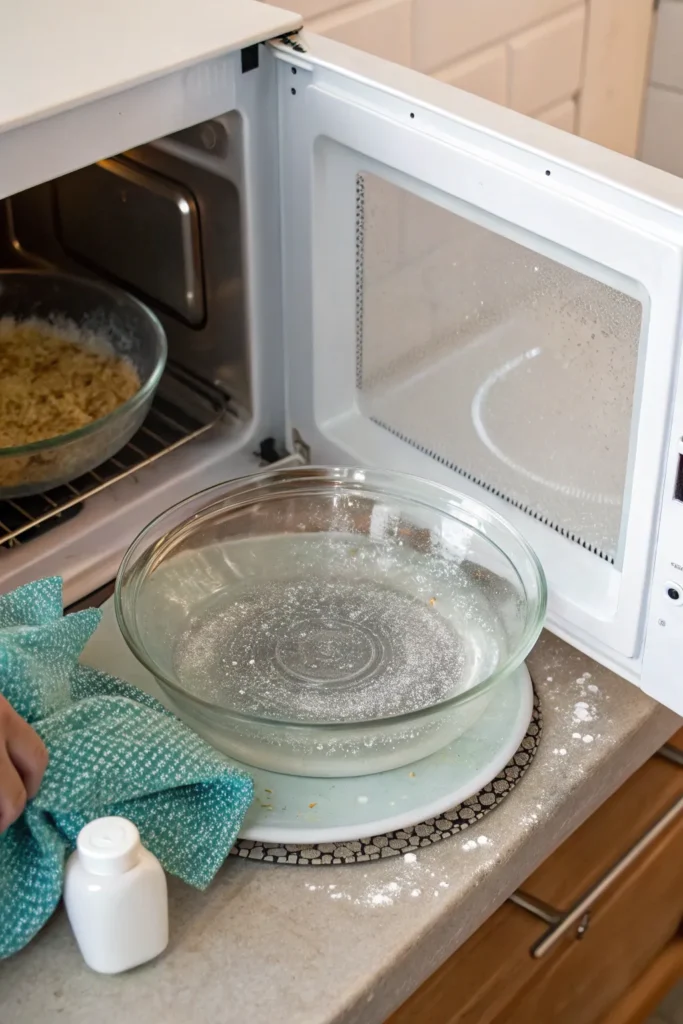
Mistake 1: Not waiting after heating
People remove the bowl right away and the steam escapes. Wait the extra 2-3 minutes. The steam needs time to work.
Mistake 2: Using too little water
If the bowl runs dry, you could damage your microwave. Use at least 1 cup of water, preferably 2.
Mistake 3: Heating too long
More time doesn’t mean cleaner. Three minutes is perfect. Longer wastes electricity and doesn’t help more.
Mistake 4: Forgetting the turntable
The glass plate gets just as dirty as the inside. Take it out and wash it in the sink.
Mistake 5: Using abrasive scrubbers
Steel wool or rough scrubbers can damage the interior coating. Use soft sponges or cloths only.
Mistake 6: Not cleaning the door seal
Food and grime build up in the rubber seal around the door. Wipe it with a damp cloth every time you clean.
Preventing Future Messes
The best clean is the one you don’t have to do. Keep your microwave cleaner longer with these tips.
Cover your food:
- Use a microwave-safe lid
- Or a paper towel
- Or a microwave cover
- Catches splatters before they hit the walls
Use lower power settings:
- High power makes food splatter more
- Medium power heats more gently
- Takes a bit longer but makes less mess
Don’t overfill containers:
- Leave space at the top
- Prevents boiling over
- Reduces splatters
Wipe spills immediately:
- Keep a damp cloth near the microwave
- Wipe fresh spills right away
- Takes 5 seconds when fresh
- Takes 5 minutes when dry
Heat in shorter intervals:
- Check food every 30-60 seconds
- Stop before it explodes
- Gives you more control
Use the right containers:
- Microwave-safe bowls with high sides
- Not flat plates (food slides off)
- Not shallow containers (food boils over)
Why This Method Is Better Than Chemical Cleaners
Commercial microwave cleaners:
- Cost $4-8 per bottle
- Contain harsh chemicals
- Smell terrible
- Can leave residue that heats with your food
- Require rinsing
- Some are toxic if ingested
Lemon and water:
- Costs about 25 cents
- Completely natural and safe
- Smells amazing
- No residue concerns
- No rinsing needed
- Safe if you accidentally heat food right after
Results are the same or better. The only difference is lemon is safer, cheaper, and smells better.
The Science Behind Why It Works
Understanding why this works helps you trust the method.
Steam softening:
- Heat turns water into steam
- Steam is 100% humidity
- Saturates dried food
- Breaks the bond with the surface
- Food becomes soft and wipeable
Acid cleaning:
- Lemon juice is citric acid
- Acid breaks down food proteins
- Dissolves grease and oil
- Loosens mineral deposits
- Makes everything easier to remove
Essential oils:
- Lemon peel contains d-limonene
- Natural degreaser
- Antibacterial properties
- Pleasant scent
- Enhances cleaning power
Temperature:
- Heat speeds up chemical reactions
- Makes cleaning more effective
- Kills bacteria and germs
- Sanitizes while cleaning
It’s not magic—it’s science. And it works every single time.
Bonus Uses for That Lemon Water
Don’t throw away the lemon water after cleaning. You can use it for other things.
Other uses:
- Clean your kitchen sink
- Wipe down countertops
- Clean the stovetop
- Freshen garbage disposal
- Wipe cabinet fronts
- Clean cutting boards
The lemon water is still effective even after microwaving. Waste not, want not.
The Bottom Line
Cleaning your microwave doesn’t have to be a dreaded chore. With one lemon and 5 minutes, you can have a spotless, fresh-smelling microwave.
The method:
- Lemon halves + water in a bowl
- Microwave for 3 minutes
- Let sit 2-3 minutes (door closed)
- Wipe everything down
- Done
Why it works:
- Steam softens dried food
- Lemon acid breaks down grease
- No scrubbing required
- Completely natural and safe
When to do it:
- Weekly for heavy users
- Monthly for light users
- Immediately after major spills
What you get:
- Sparkling clean microwave
- Fresh citrus smell
- Zero chemical residue
- Takes 5 minutes
- Costs about 25 cents
The secret:
- Let the steam sit for a few minutes
- Don’t rush the process
- Let the lemon do the work
- You just wipe, don’t scrub
Try it right now:
- Grab a lemon from your kitchen
- Cut it and put it in a bowl with water
- Microwave for 3 minutes
- Wait 2-3 more minutes
- Wipe it clean
- Marvel at how easy it was
Once you try this method, you’ll never scrub your microwave again. You’ll wonder why you didn’t know about this years ago.
Your microwave can be the cleanest appliance in your kitchen. And it only takes one lemon and 5 minutes to get there.