
Deep Clean Your Oven Naturally Using Baking Soda and Vinegar
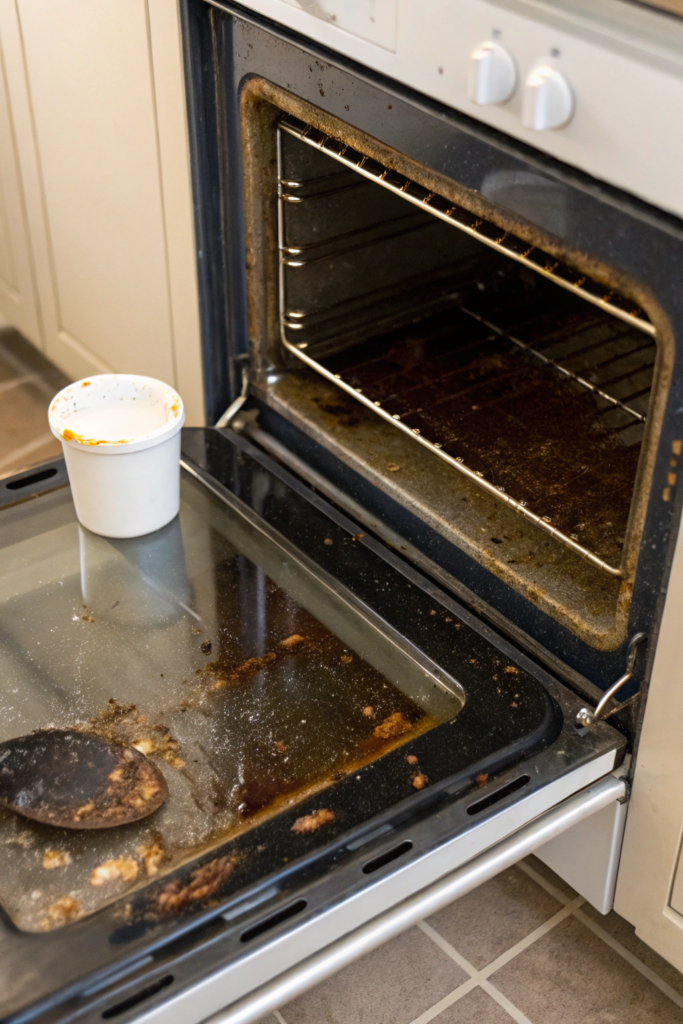
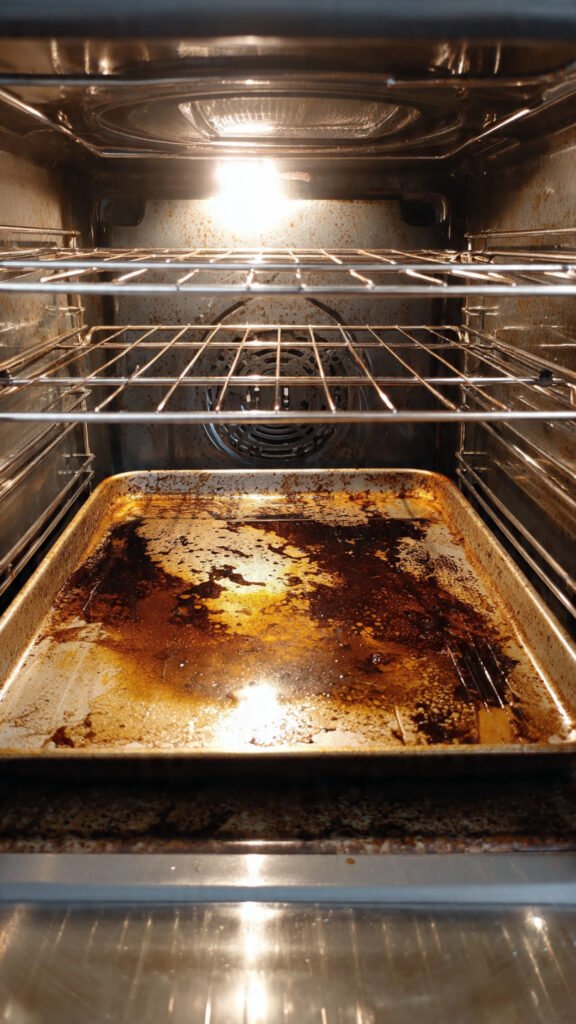
Your oven is probably dirtier than you think. Every time you cook, grease splatters on the walls. Food drips on the bottom. Over time, these spots turn into hard, black crusty patches that seem impossible to remove.
Most people reach for harsh chemical oven cleaners. These products smell awful, burn your skin if you touch them, and fill your kitchen with toxic fumes. Plus, you’re supposed to rinse them away, but do they ever really come off completely?
There’s a better way. Two simple ingredients from your kitchen can clean your oven just as well: baking soda and vinegar.
Why Baking Soda and Vinegar Work So Well
Baking soda is a gentle scrubber:
- It’s mildly abrasive, which means it scrubs away dirt without scratching
- When mixed with water, it forms a paste that sticks to oven walls
- It breaks down grease and makes it easier to wipe away
Vinegar cuts through grease:
- The acid in vinegar dissolves baked-on food
- It reacts with baking soda to create bubbles that lift dirt
- It leaves no harmful residue behind
Together they make a powerful team:
- Safe to use around food
- Won’t burn your hands or lungs
- Cost just pennies compared to chemical cleaners
- Actually work better than most store-bought products
What You’ll Need
Supplies:
- 1/2 cup baking soda
- Water
- White vinegar in a spray bottle
- Rubber gloves (optional but recommended)
- Damp cloth or sponge
- Plastic or silicone spatula
- Small bowl for mixing
That’s it. No special equipment. No expensive products. Just things you probably already have.
Step-by-Step Cleaning Process
Step 1: Remove Everything from Your Oven
Take out the oven racks, thermometer, pizza stone, or anything else inside. You’ll clean the racks separately later.
This gives you clear access to all the dirty surfaces. You can’t clean properly if things are in the way.
Step 2: Make Your Baking Soda Paste
Put 1/2 cup of baking soda in a small bowl. Add water a little bit at a time—maybe 2-3 tablespoons. Mix it together.
You want a paste that’s like thick glue or toothpaste. Not too watery, not too dry. It should spread easily but stay where you put it.
Step 3: Spread the Paste Everywhere
Put on your rubber gloves. Use your hands or a spatula to spread the paste all over the inside of your oven.
Focus on these areas:
- The bottom where drips collect
- The sides and walls
- The glass door (inside)
- The top/ceiling of the oven
- Around the heating elements (but not ON them)
The paste will turn brown as it touches the grease. That’s normal. It means it’s working.
Step 4: Let It Sit Overnight
This is the secret. Leave the paste on for at least 12 hours. Overnight is perfect.
The baking soda needs time to break down all that baked-on grease and food. Don’t rush this step. Go to bed and let it work while you sleep.
Step 5: Wipe Out the Dried Paste
The next day, the paste will be dry. Take a damp cloth and start wiping it out.
Use a plastic spatula to scrape off thick areas. Be gentle so you don’t scratch the oven surface. Keep rinsing your cloth and wiping until most of the paste is gone.
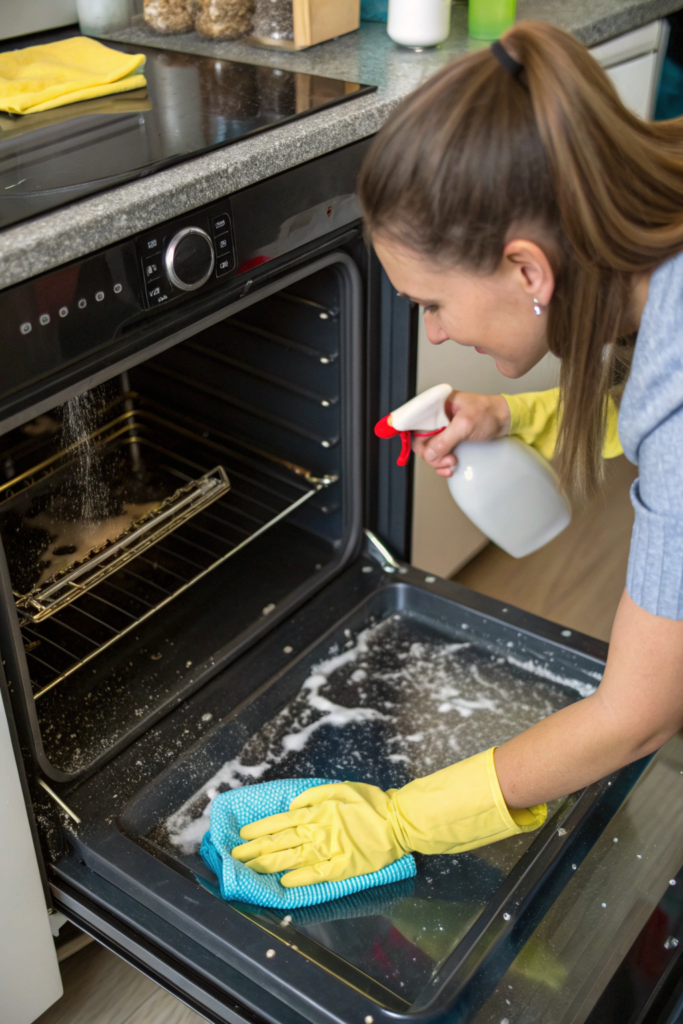
Step 6: Spray with Vinegar
Fill a spray bottle with white vinegar. Spray it all over the inside of the oven, especially where you still see baking soda residue.
The vinegar will react with the baking soda and foam up. This is good. The bubbles help lift away the last bits of grease.
Step 7: Final Wipe Down
Take your damp cloth and wipe everything clean. Keep rinsing the cloth and wiping until the oven is completely clean.
You might need to spray vinegar and wipe a few times to get all the baking soda out. Take your time.
Step 8: Clean the Oven Racks
While the paste is working in your oven, you can clean the racks.
Easy method:
- Put racks in your bathtub
- Cover them with hot water
- Add 1/2 cup baking soda
- Let them soak overnight
- Scrub with a sponge in the morning
- Rinse and dry
Alternative method:
- Sprinkle baking soda on the racks
- Spray with vinegar
- Let sit for 30 minutes
- Scrub with a brush
- Rinse clean
Tips for Better Results
For really tough stains:
- Add more baking soda to those spots
- Make a thicker paste
- Let it sit for 24 hours instead of 12
- You might need to repeat the process
Don’t forget these spots:
- The door between the glass panes (if you can access it)
- The rubber seal around the door
- The bottom drawer if your oven has one
- Control knobs (remove and soak them)
Safety reminders:
- Never spray vinegar directly on heating elements
- Make sure the oven is completely cool before starting
- Wear gloves if you have sensitive skin
- Open windows for fresh air
How Often Should You Deep Clean?
Light use (cooking 2-3 times per week):
- Deep clean every 3-4 months
- Wipe up spills immediately when they happen
Heavy use (cooking daily):
- Deep clean every 1-2 months
- Do quick cleanings in between
After big spills:
- Clean as soon as the oven cools down
- Fresh spills are much easier to remove than old ones
Quick maintenance between deep cleans keeps your oven from getting too dirty. Wipe it out once a week with a damp cloth. It takes two minutes and saves hours later.
Common Mistakes to Avoid
Mistake 1: Not waiting long enough
People spread the paste and try to wipe it off after 30 minutes. That doesn’t work. The baking soda needs time. Be patient.
Mistake 2: Using too much water in the paste
If your paste is too runny, it will drip down and pool at the bottom. It won’t stick to the walls where you need it. Make it thick.
Mistake 3: Forgetting the door
The oven door gets just as dirty as the inside, but people often skip it. Don’t forget to clean both sides of the door.
Mistake 4: Scrubbing too hard
Baking soda does the work. You don’t need to scrub like crazy. Gentle wiping is enough. If something won’t come off, add more paste and wait longer.
Why This Method Beats Chemical Cleaners
Chemical cleaners:
- Cost $5-10 per bottle
- Contain dangerous chemicals
- Smell terrible
- Can damage your lungs
- Leave residue that might affect food taste
- Require lots of rinsing
Baking soda and vinegar:
- Cost less than $2 total
- Completely safe and natural
- No bad smell
- Won’t hurt you if you breathe them
- Safe around food
- Rinse away easily with just water
The results are the same or better. The only difference is time. Chemical cleaners work faster, but they come with risks. Baking soda takes longer but it’s safer and cheaper.
What About Self-Cleaning Ovens?
Dealing with Specific Oven Problems
Many ovens have a “self-clean” feature. It heats the oven to 900°F and burns everything to ash. Sounds great, right?
Problems with self-cleaning:
- Uses a lot of electricity
- Heats up your whole kitchen
- Creates terrible smoke and smell
- Can damage oven parts over time
- Doesn’t always clean everything
Baking soda and vinegar work just as well without these problems. Even if you have a self-cleaning oven, you can use this natural method instead.
Burnt sugar or candy:
- While still warm (not hot), sprinkle with salt
- Let it cool completely
- Apply thick baking soda paste
- Wait 24 hours
- Should scrape off easily
Grease puddles on the bottom:
- Sprinkle with baking soda first to absorb grease
- Scoop out the paste
- Apply fresh paste
- Wait overnight
- Wipe clean
Smoke marks on ceiling:
- These are the hardest to remove
- Use extra thick paste
- May need to apply twice
- Let each application sit 12+ hours
Glass door streaks:
- After cleaning, spray with vinegar only
- Wipe with newspaper instead of cloth
- Newspaper leaves no streaks
Making Cleaning Easier Next Time
Prevention is key:
Put aluminum foil on the bottom of your oven. When food drips, it hits the foil instead of the oven. Just replace the foil when it gets dirty.
Use a baking sheet under pies or casseroles that might bubble over. Catch the drips before they hit the oven.
Wipe up fresh spills as soon as the oven cools. Fresh spills take 30 seconds to clean. Old spills take 30 minutes.
Keep your supplies ready:
- Store baking soda under the sink
- Keep a spray bottle of vinegar handy
- Have cleaning cloths in an easy spot
When cleaning is easy and supplies are ready, you’re more likely to do it regularly.
The Bottom Line
You don’t need harsh chemicals to have a clean oven. Baking soda and vinegar work just as well and they’re safe for your family.
The process is simple:
- Make a paste with baking soda and water
- Spread it all over the inside
- Wait overnight
- Wipe it out
- Spray with vinegar
- Wipe clean
What you get:
- A sparkling clean oven
- No toxic fumes
- Money saved
- Peace of mind
The only thing you need is patience. Let the baking soda do its job overnight. Don’t rush it.
Start tonight:
- Mix your paste
- Spread it in your oven
- Go to bed
- Wake up to an almost-clean oven
Tomorrow morning, you’ll spend 15 minutes wiping. That’s it. Your oven will look like new, and you did it without breathing in chemicals or spending a fortune.
Try it once and you’ll never buy chemical oven cleaner again.