
15 Desert Landscaping Ideas for Dry Climates
Desert landscaping, often called xeriscaping, has evolved far beyond the stereotype of barren yards filled with rocks and cacti.
Modern desert landscape design embraces the natural beauty of arid environments while creating stunning outdoor spaces that conserve water, require minimal maintenance, and celebrate the unique flora and geology of dry climates.
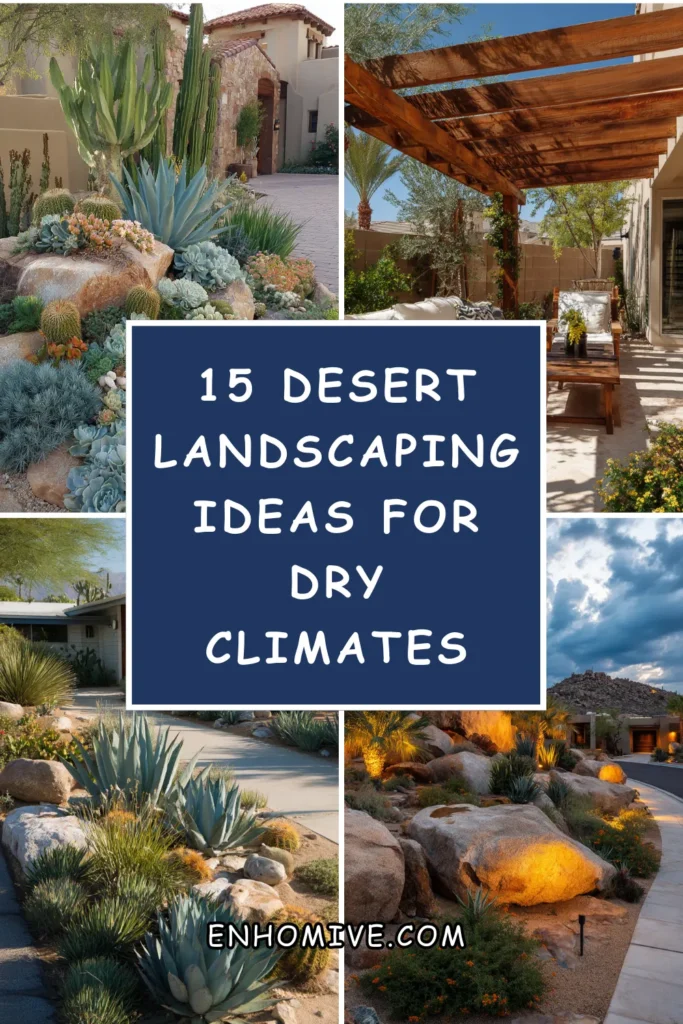
Whether you live in the American Southwest, Mediterranean regions, or other areas with limited rainfall, these fifteen landscaping ideas will help you create an outdoor oasis that thrives in drought conditions while reducing water consumption and maintenance demands.
The result is a sustainable, beautiful landscape that works with nature rather than against it.
1. Embrace Native Desert Plants
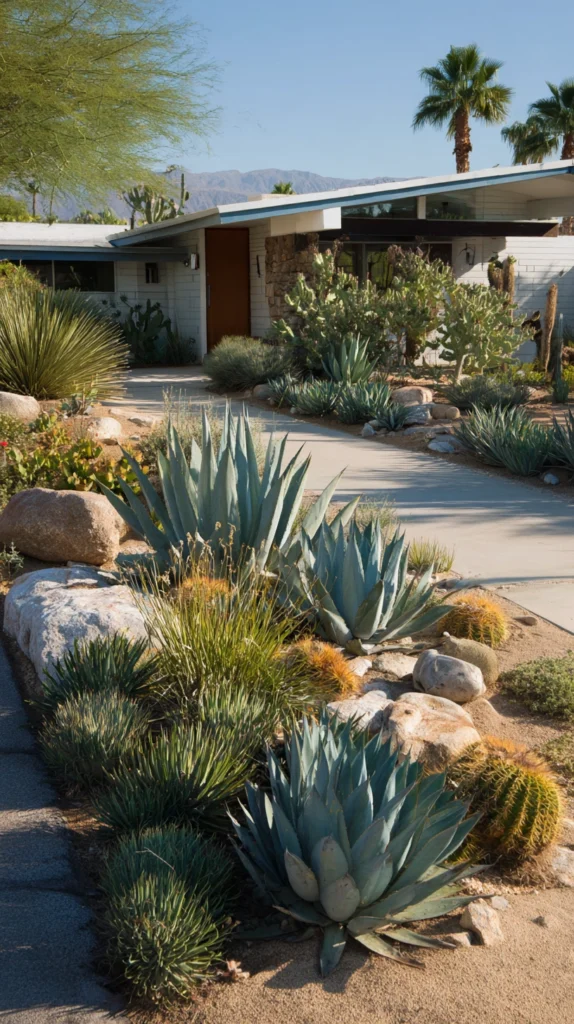
Native plants are the foundation of successful desert landscaping because they’ve evolved over millennia to thrive in your specific climate with minimal water. Agaves, yuccas, ocotillo, palo verde trees, and desert willows provide structure, texture, and seasonal interest while requiring far less water than traditional lawn grass or non-native ornamentals.
Native plants also support local wildlife, including pollinators, birds, and beneficial insects that contribute to a healthy ecosystem. Research which plants are indigenous to your specific region rather than importing desert plants from other areas, as even desert species have particular requirements based on elevation, temperature ranges, and rainfall patterns.
2. Create Gravel Gardens with Purpose
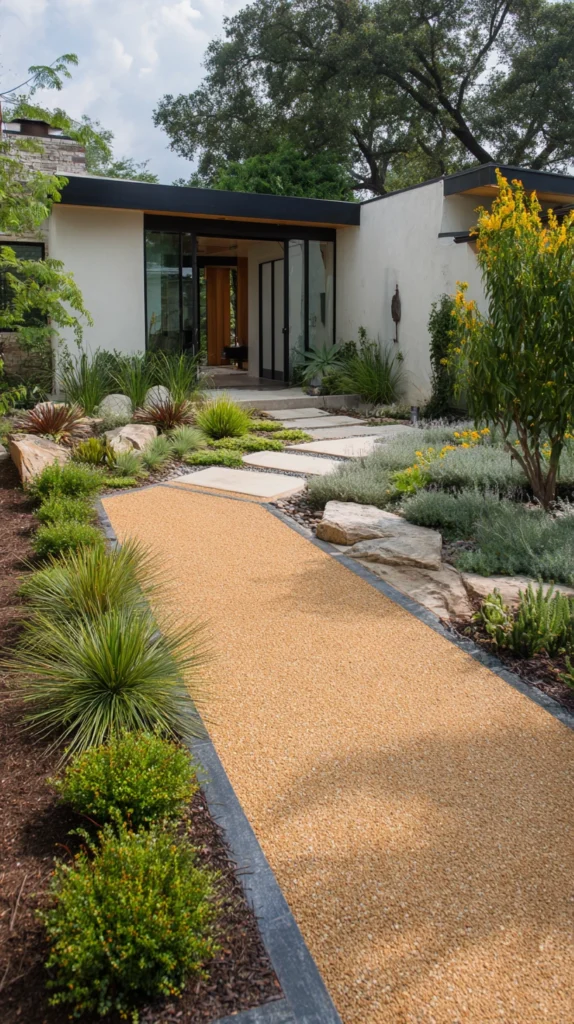
Gravel isn’t just a practical ground cover for desert landscapes; it’s a design element that can create sophisticated, intentional outdoor spaces. Use different colors and sizes of gravel to define pathways, create visual interest, and establish distinct zones within your yard. Decomposed granite, crushed stone, and pea gravel come in shades ranging from warm terra cotta and gold to cool grays and blacks.
Layer gravel over landscape fabric to suppress weeds while allowing water to penetrate the soil. Gravel gardens require minimal maintenance, stay cool underfoot compared to concrete, and provide excellent drainage during occasional heavy rains.
3. Install a Dry Creek or Arroyo
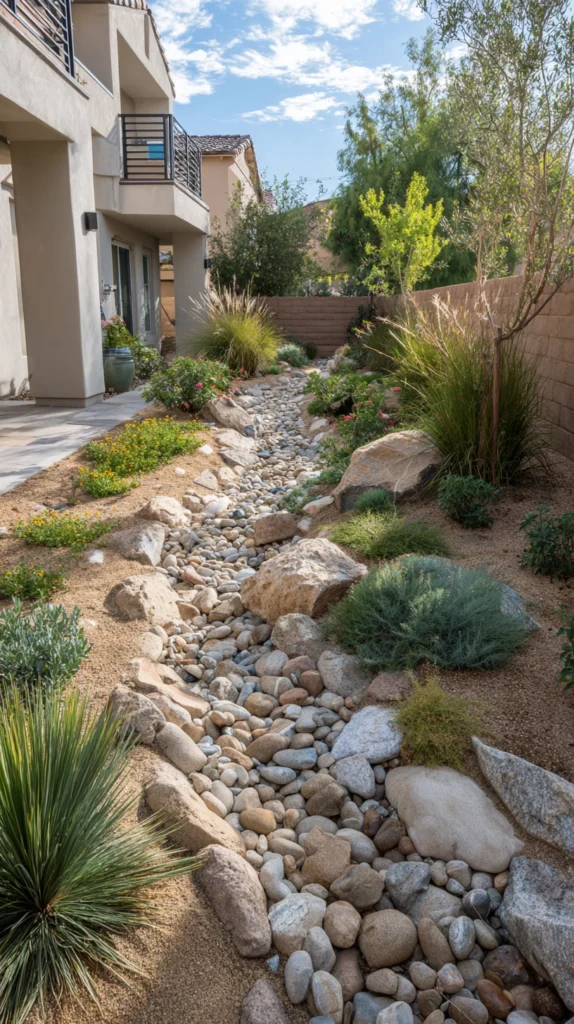
A dry creek bed or arroyo serves both aesthetic and functional purposes in desert landscapes. These features channel water during rare rainfall events while creating dramatic focal points during dry periods. Use smooth river rocks, boulders, and drought-tolerant plants along the banks to create a naturalistic look.
The curving lines of a dry creek add movement and guide the eye through your landscape, breaking up expanses of gravel or hardscape. During monsoon season, the temporary transformation into a flowing stream becomes a spectacular event that connects your landscape to the natural desert environment.
4. Build Outdoor Living Spaces with Shade Structures
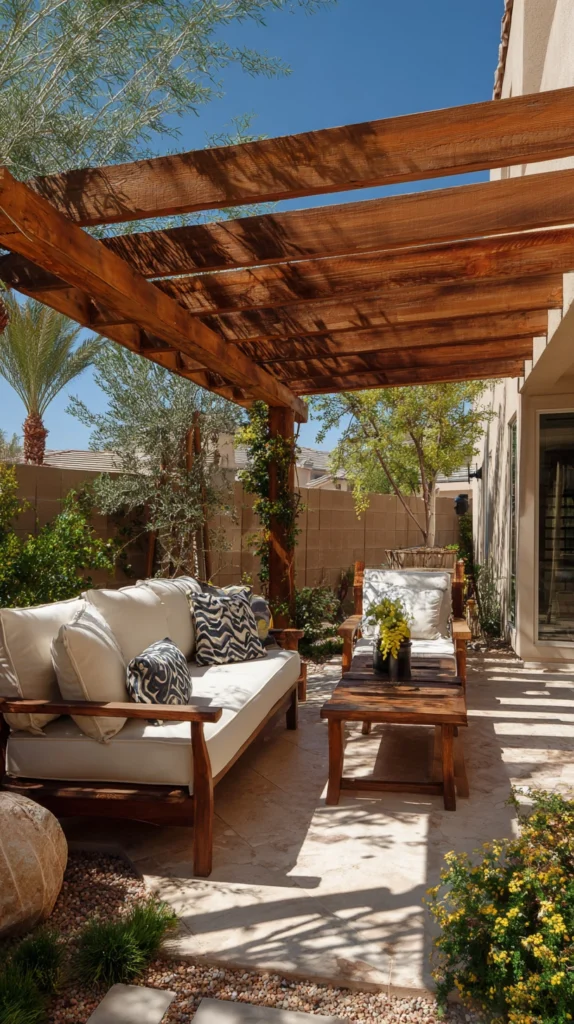
Desert living extends outdoors, making comfortable, shaded spaces essential for enjoying your landscape. Pergolas, ramadas, shade sails, and covered patios provide relief from intense sun while creating outdoor rooms for dining, relaxing, and entertaining.
Design these structures to allow winter sun penetration while blocking harsh summer rays. Natural materials like weathered wood beams complement desert aesthetics, while modern metal structures create contemporary looks. Incorporate ceiling fans or misters for additional cooling, and furnish these spaces with weather-resistant furniture that can withstand temperature extremes and intense UV exposure.
5. Use Boulders as Sculptural Elements
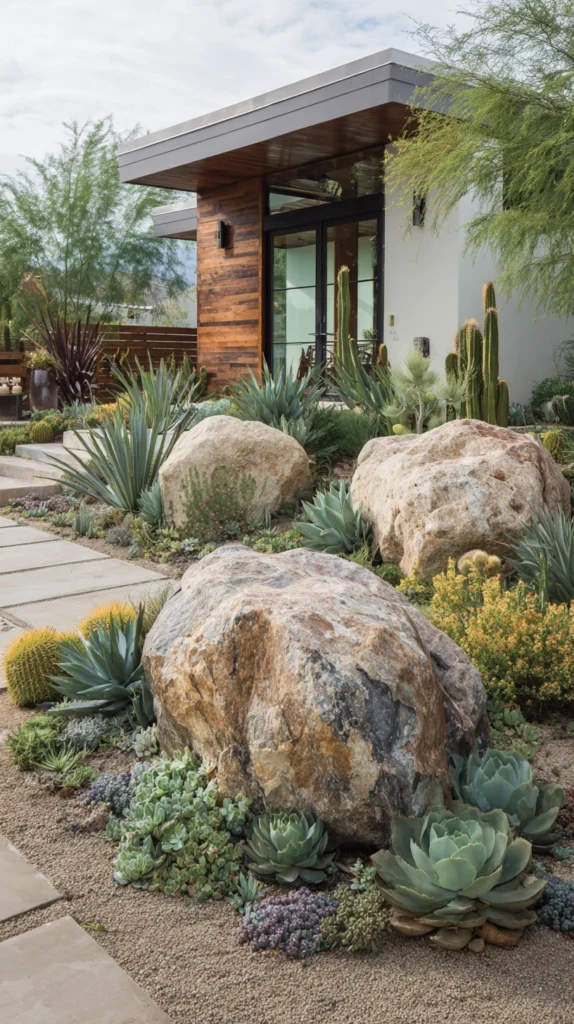
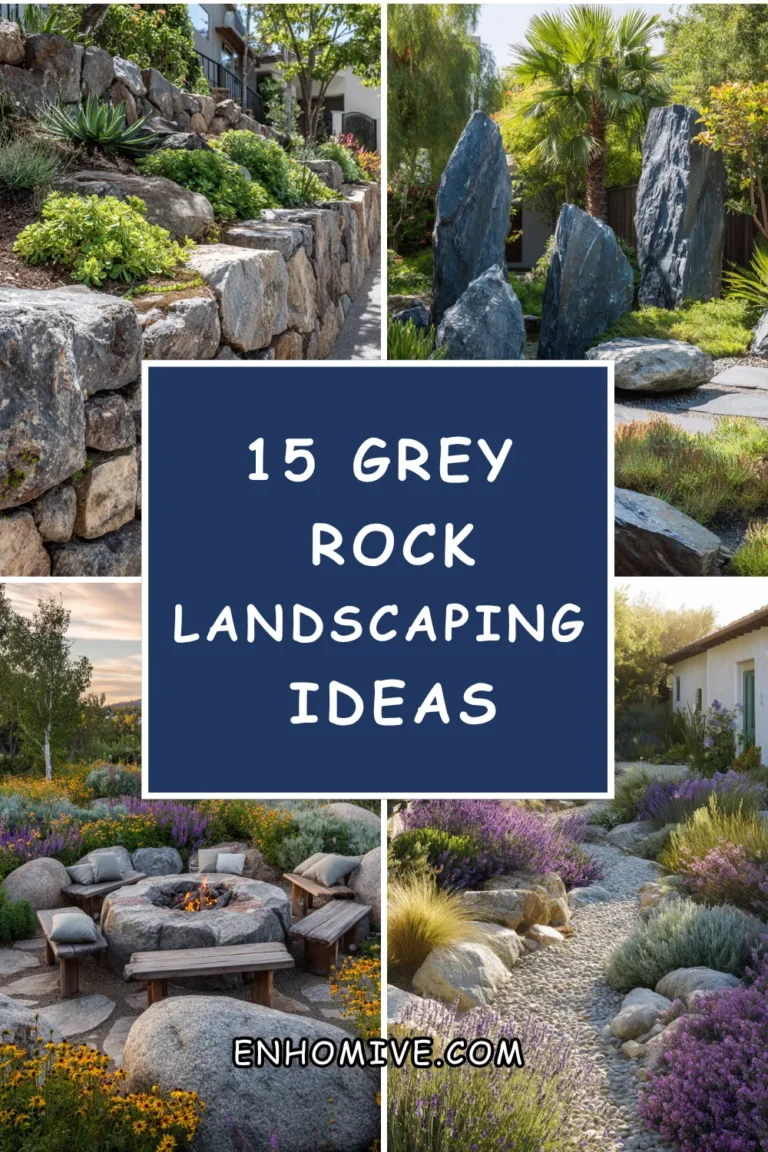
Large boulders serve as natural sculptures in desert landscapes, adding instant maturity, scale, and drama. Native stone connects your landscape to the surrounding geology and provides visual weight that anchors planting beds and defines spaces.
Partially bury large boulders to create a natural appearance rather than simply placing them on the surface. Group rocks in odd numbers and vary sizes for the most pleasing compositions. Boulders also provide thermal mass that moderates temperature fluctuations, create microclimates for plants, and offer habitats for beneficial wildlife like lizards and desert birds.
6. Plant Accent Trees Strategically
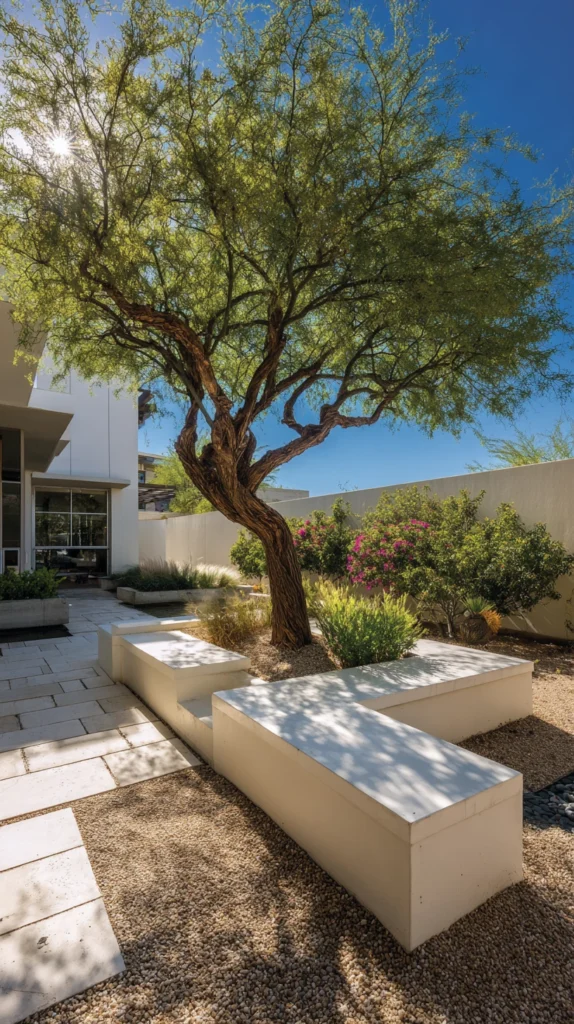
While desert landscapes can’t support water-hungry shade trees, many beautiful drought-tolerant trees thrive in arid conditions and provide valuable shade, wildlife habitat, and seasonal interest. Mesquite, palo verde, ironwood, acacia, and desert willow are excellent choices that offer filtered shade, interesting bark, and spring blooms.
Plant trees on the south and west sides of your home to reduce cooling costs, and position them to shade outdoor living spaces. Accent trees create vertical interest in predominantly horizontal desert landscapes and serve as focal points that draw the eye upward.
7. Create Succulent and Cactus Collections
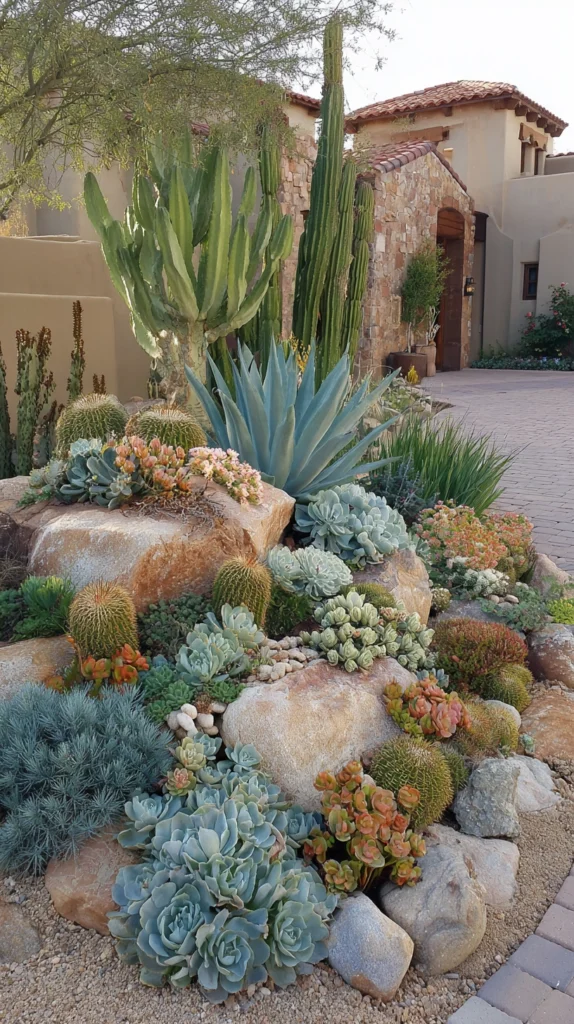
Succulents and cacti offer incredible diversity in form, texture, color, and bloom, making them perfect for creating living collections that function as outdoor art installations. Combine tall columnar cacti like saguaro or organ pipe with rounded barrel cacti, sprawling prickly pear, and architectural agaves to create dynamic compositions.
Add smaller succulents like echeveria, sedum, and aloe for textural contrast and color variation. Group plants with similar water needs together, and arrange them in natural-looking clusters rather than regimented rows. Many cacti produce spectacular flowers in vibrant colors, providing seasonal displays that rival traditional gardens.
8. Design with Hardscaping and Pathways
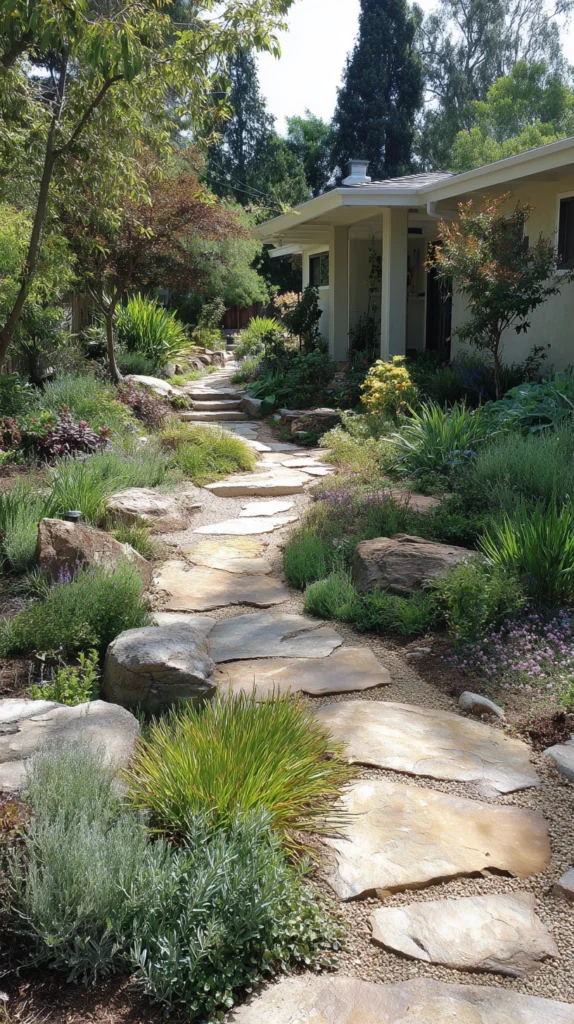
In desert landscapes, hardscaping often dominates softscaping, making the choice and design of patios, pathways, and walls especially important. Flagstone, pavers, decomposed granite paths, and stained concrete can all work beautifully depending on your aesthetic preferences.
Create meandering paths that invite exploration and discovery rather than straight lines that feel institutional. Use hardscaping to define outdoor rooms, create level areas on sloped lots, and connect different zones of your landscape. Choose materials in earthy tones that complement your home’s architecture and the natural desert palette.
9. Incorporate Water Features Wisely
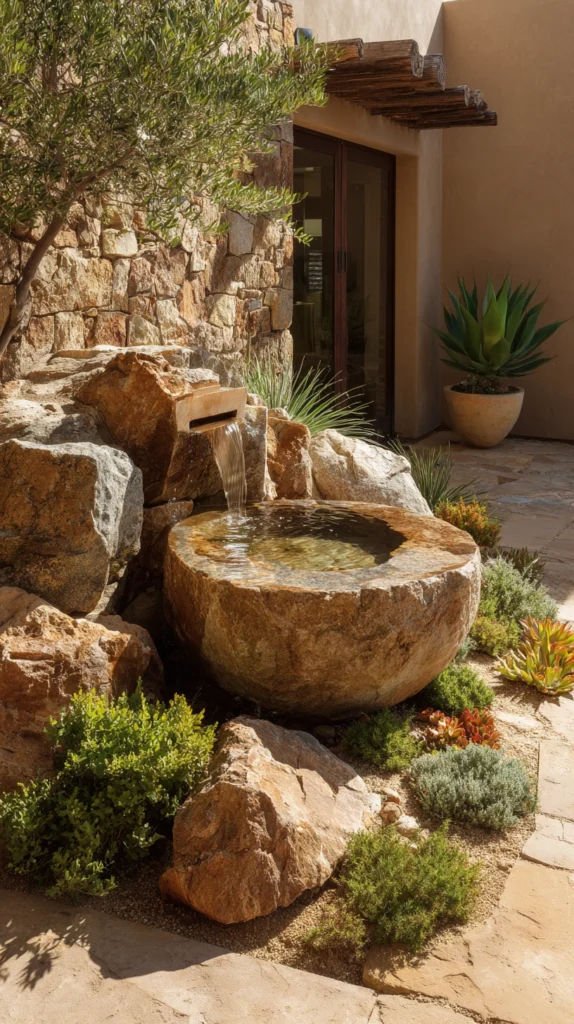
While it might seem counterintuitive in a water-conserving landscape, small water features can actually be quite efficient and provide enormous sensory impact. A bubbling fountain, recirculating waterfall, or small reflecting pool uses minimal water through recirculation and creates cooling sounds and visual refreshment.
Water features attract birds and other wildlife, adding life and movement to your landscape. Use natural stone, copper, or pottery vessels that complement desert aesthetics. Position water features near outdoor seating areas where you’ll enjoy them most, and maintain them properly to prevent water loss through evaporation or leaks.
10. Plant Ornamental Grasses
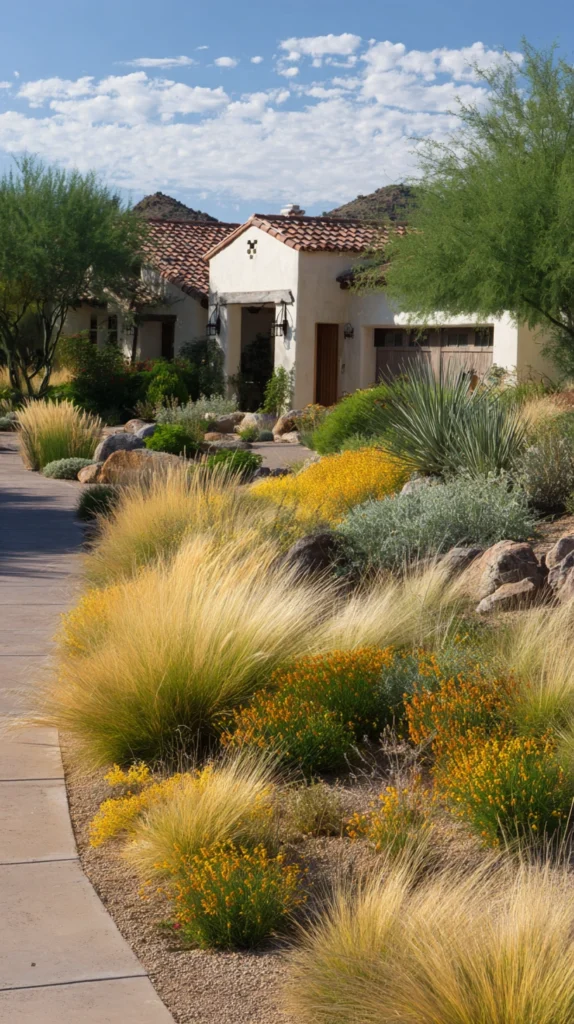
Drought-tolerant ornamental grasses add movement, softness, and seasonal interest to desert landscapes that might otherwise feel static. Mexican feather grass, blue grama, deer grass, and various muhly varieties thrive in dry conditions while providing textural contrast to the rigid forms of cacti and succulents.
Ornamental grasses soften hardscaping edges, catch light beautifully, and many produce stunning seed heads or flowers. They’re also important for wildlife, providing cover and food for birds. Allow grasses to naturalize in drifts rather than planting them in rigid rows for the most authentic, relaxed appearance.
11. Create Colorful Seasonal Displays
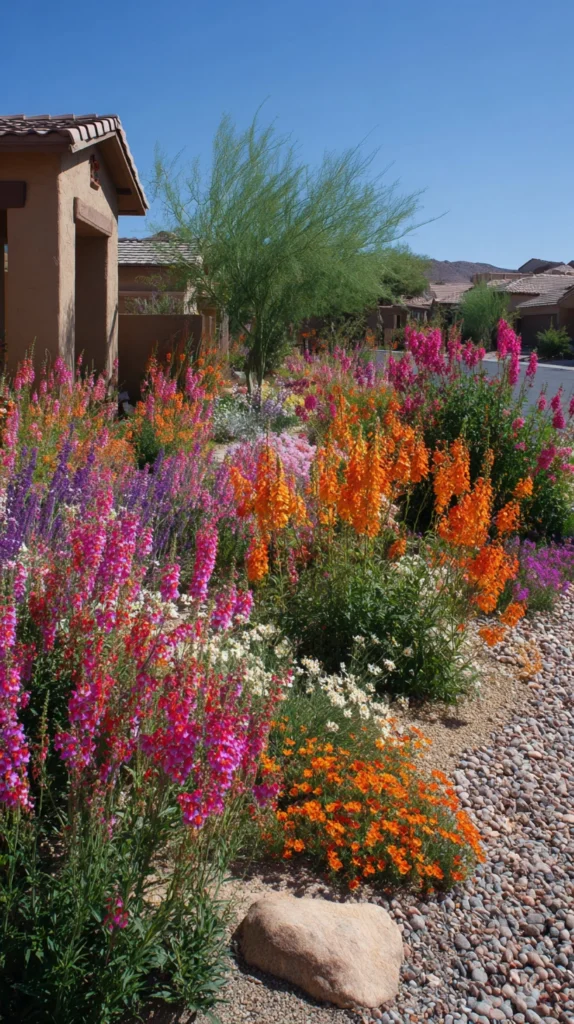
Desert landscapes can showcase brilliant seasonal color through strategic planting of drought-adapted perennials and carefully chosen annuals. Penstemon, desert marigold, brittlebush, globe mallow, and fairy duster provide reliable blooms throughout the year.
Desert wildflowers create spectacular spring displays after wet winters. Red yucca, hesperaloe, and autumn sage bloom reliably through hot summers when many other plants rest. Layer plants with different bloom times to ensure year-round interest, and accept that desert gardens have natural dormant periods when plants conserve energy and water.
12. Establish Mulch Beds Properly
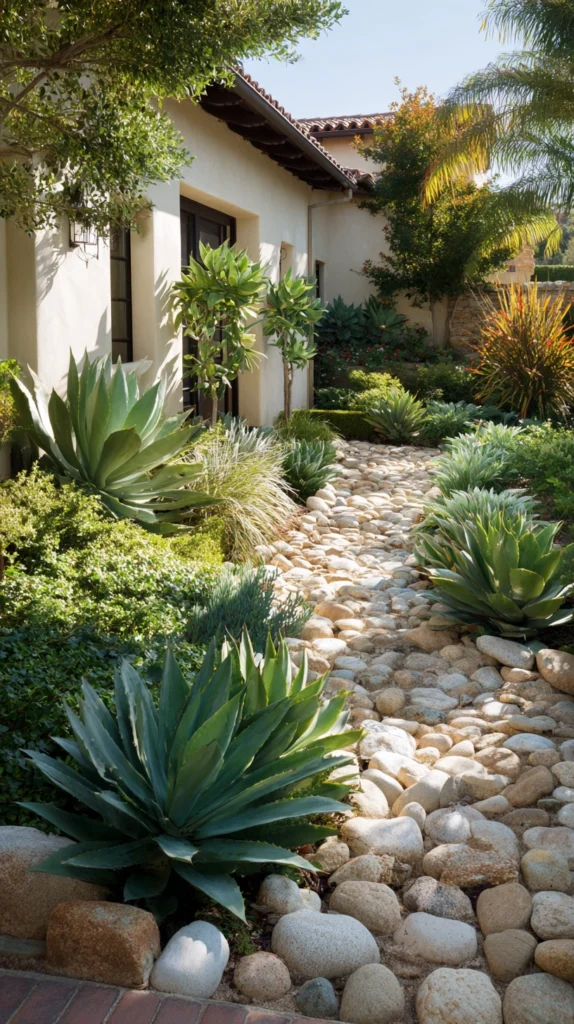
Organic mulch plays a crucial role in desert landscapes by moderating soil temperature, conserving moisture, suppressing weeds, and gradually improving soil as it decomposes. However, desert mulch differs from traditional bark mulch used in temperate climates.
Use decomposed granite, pea gravel, or small stones in areas where you want permanent coverage, and reserve organic mulches like shredded bark or wood chips for planting beds where soil improvement is desired. Apply mulch two to three inches deep around plants, keeping it away from stems and trunks to prevent rot. Refresh organic mulch as it decomposes and migrates into the soil.
13. Design Sustainable Irrigation Systems
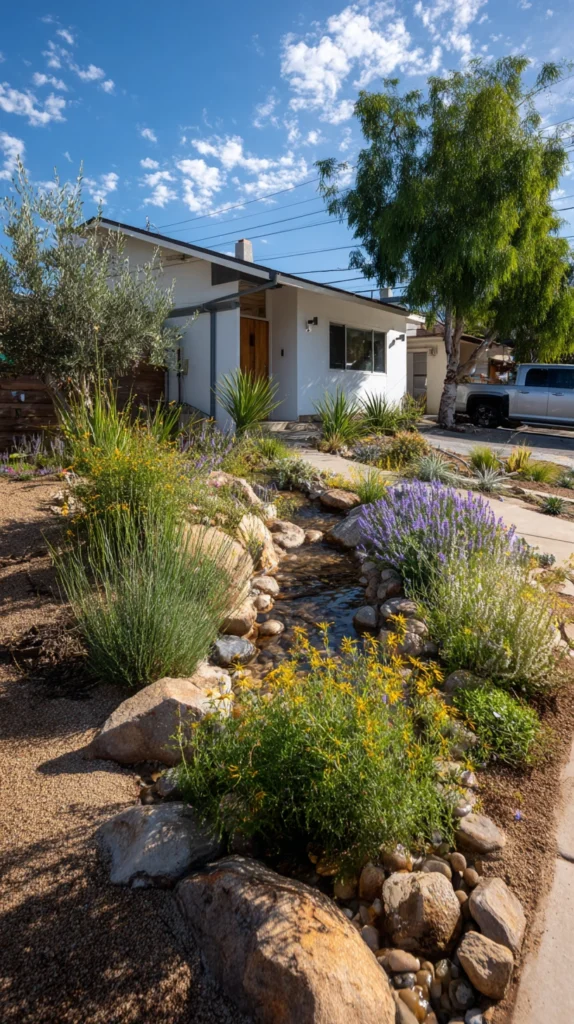
Even drought-tolerant plants need establishment irrigation and occasional supplemental watering during extreme drought. Design efficient irrigation systems using drip lines, bubblers, and micro-sprayers that deliver water directly to root zones with minimal waste.
Zone your irrigation based on plant water needs, placing high-water plants together and separating them from true xeric plants that need little to no supplemental water once established. Install smart controllers that adjust watering based on weather conditions, and commit to reducing irrigation over time as plants mature and develop deep root systems.
14. Incorporate Desert-Adapted Groundcovers
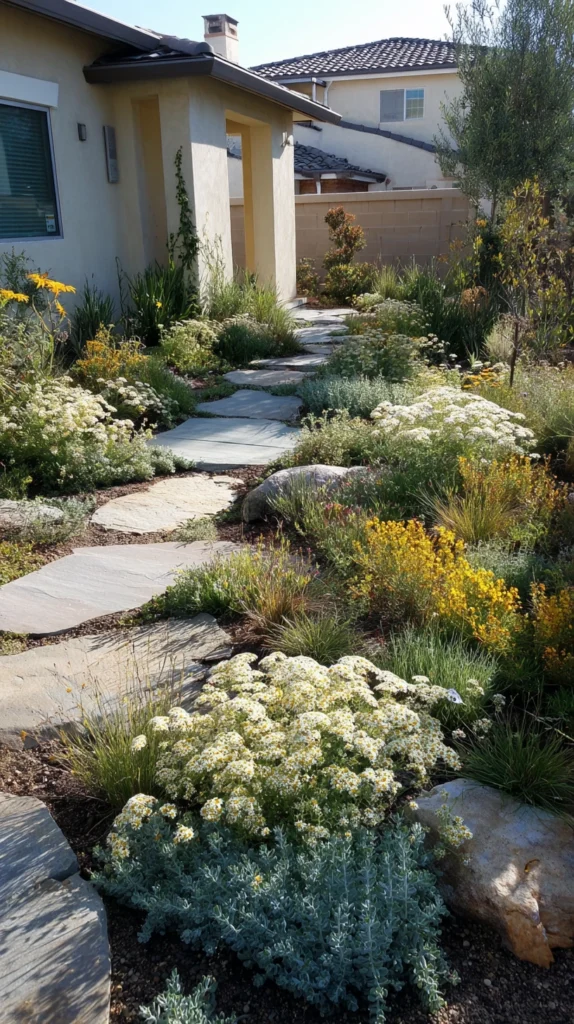
Groundcovers provide living alternatives to gravel in desert landscapes while requiring minimal water and maintenance. Trailing lantana, damianita, verbena, and various low-growing succulents spread to cover the ground while adding color and texture.
These plants help prevent erosion, cool the soil, and create transitions between hardscaping and taller plants. Some groundcovers tolerate light foot traffic, making them useful near pathways and between stepping stones. Choose groundcovers appropriate for your sun exposure, as many perform differently in full sun versus partial shade.
15. Light Your Landscape Dramatically
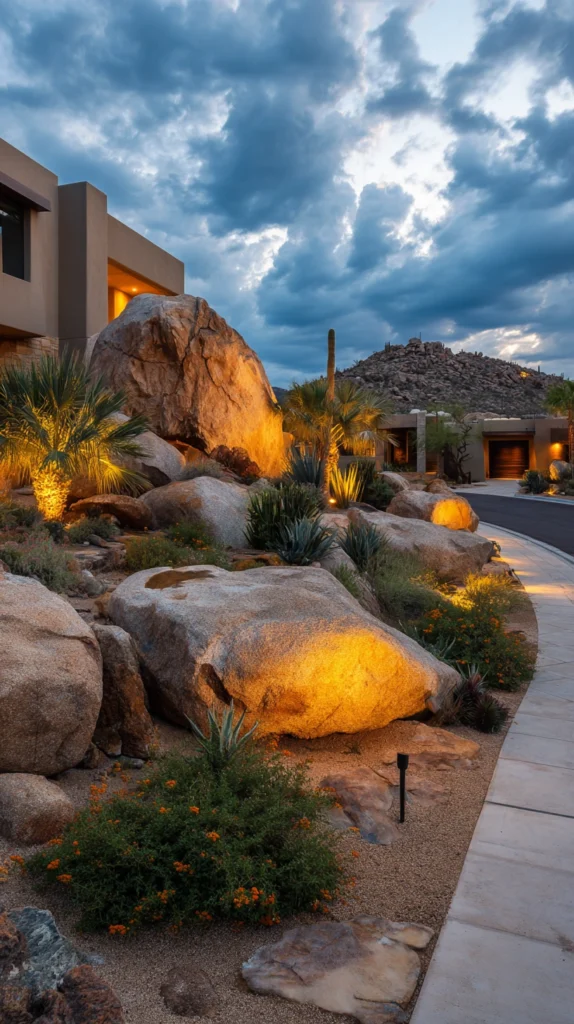
Desert landscapes offer exceptional opportunities for dramatic nighttime lighting that transforms your outdoor space after dark. Uplighting showcases the sculptural forms of cacti, accent trees, and boulders, creating dramatic shadows and highlighting unique plant shapes.
Path lighting ensures safe navigation while adding ambiance, and accent lights on architectural features or water features extend the usability and enjoyment of your outdoor spaces. Use warm-toned LED fixtures that are energy-efficient and long-lasting. Consider the view from inside your home as well, designing your lighting scheme to create beautiful nighttime vistas through windows.
Embracing Desert Beauty
Desert landscaping represents a fundamental shift in how we think about outdoor spaces, moving away from attempting to recreate English gardens or tropical paradises in environments where they don’t belong. By working with the natural conditions of arid climates rather than fighting against them, you create landscapes that are more sustainable, more beautiful, and more connected to their place.
The key is education, patience during plant establishment, and appreciation for the unique aesthetic that desert landscapes offer. The result is an outdoor space that conserves precious water resources while providing beauty, habitat, and enjoyment for years to come.