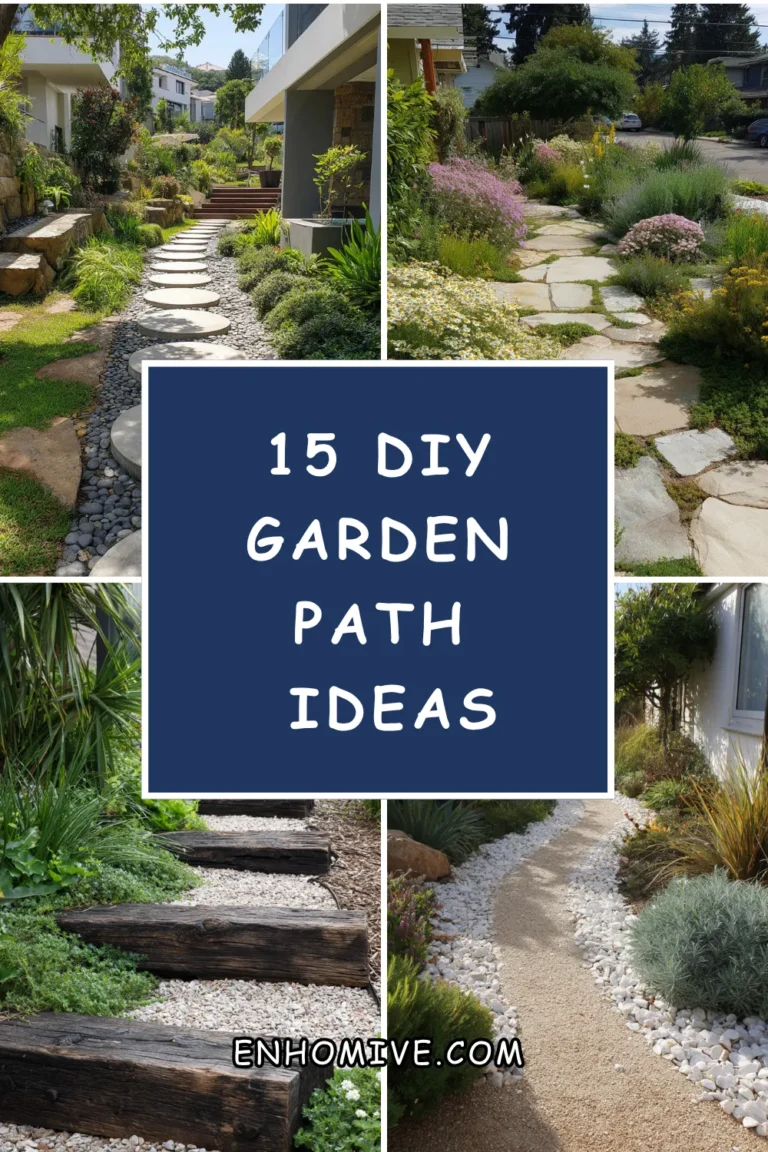

15 DIY Raised Garden Bed Ideas for Easy Gardening
Raised garden beds have revolutionized home gardening by making it more accessible, productive, and manageable for gardeners of all experience levels.
These elevated growing spaces offer superior drainage, better soil quality control, extended growing seasons, and ergonomic benefits that reduce back strain and knee pain.
Whether you’re working with a compact urban balcony, a sprawling suburban yard, or anything in between, raised beds can transform your gardening experience.
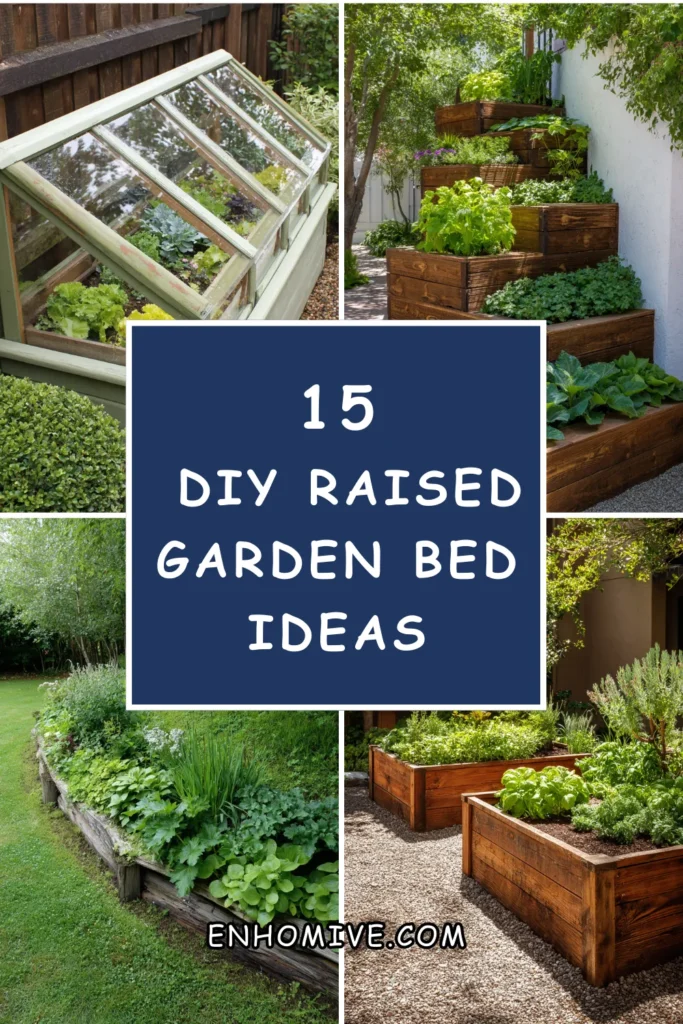
The beauty of building your own raised beds lies in the customization possibilities—you can tailor dimensions, materials, and features to your specific space, budget, and gardening goals.
These fifteen DIY ideas range from simple weekend projects to more ambitious builds, ensuring there’s an option perfect for your skill level and garden vision.
1. Classic Cedar Frame Beds
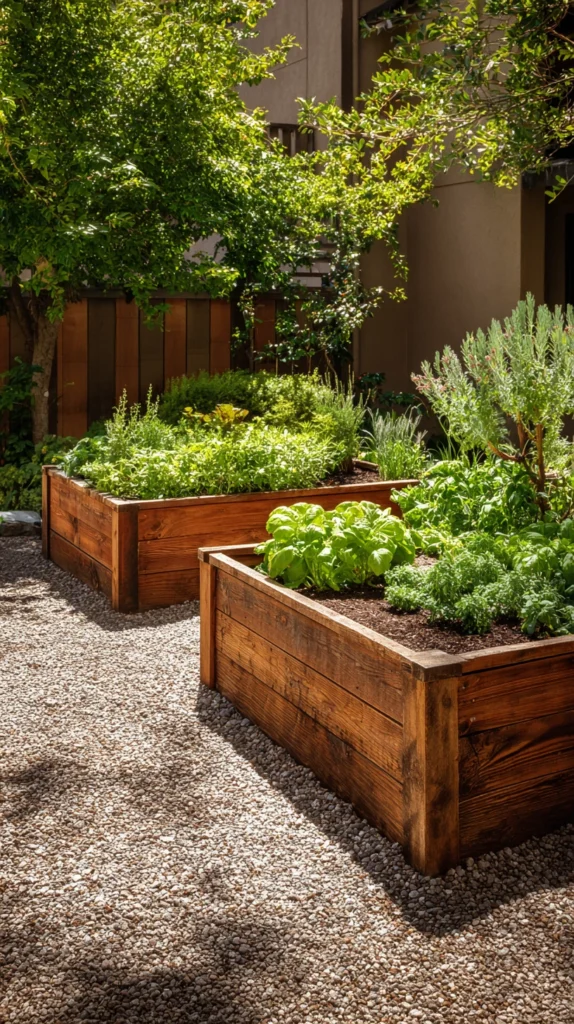
Cedar remains the gold standard for raised garden beds thanks to its natural rot resistance, beautiful appearance, and longevity without chemical treatment. Build a simple rectangular frame using 2×6 or 2×8 cedar boards cut to your desired length and secured at the corners with exterior wood screws or galvanized corner brackets.
For beds deeper than eight inches, stack two frames and secure them together. The standard recommendation is four feet wide by eight feet long, which provides ample growing space while keeping the center accessible from either side without stepping on the soil.
Line the bottom with hardware cloth to prevent burrowing pests, and leave the bed bottomless to allow natural drainage and beneficial soil organisms to move freely. This classic design works anywhere and ages beautifully to a silvery gray patina if left untreated.
2. Cinder Block Raised Beds
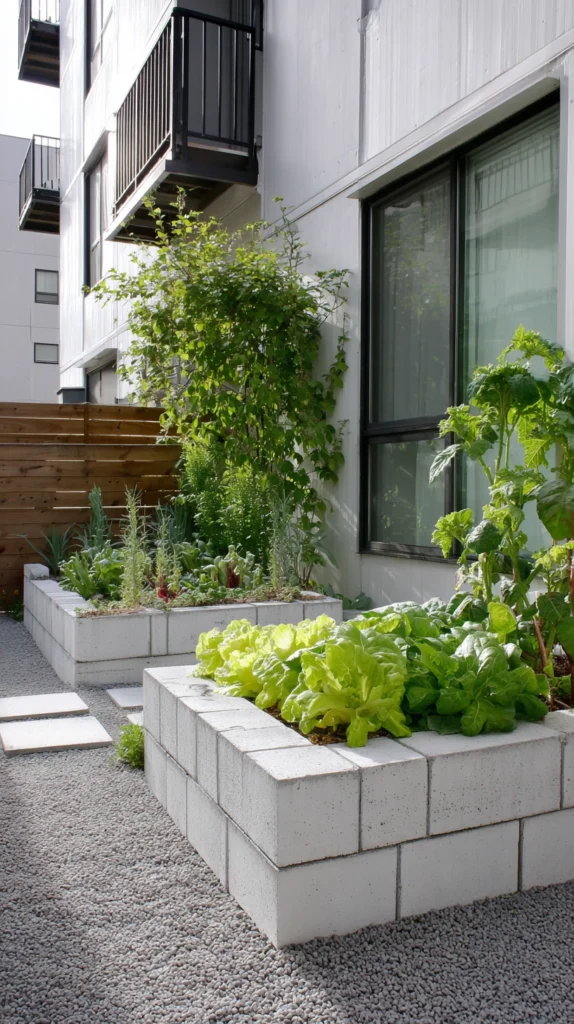
Repurpose concrete cinder blocks to create sturdy, permanent raised beds with built-in planting pockets. Arrange the blocks in a rectangular or square shape with the holes facing upward, stacking them two or three levels high for adequate depth.
The hollow cores of the blocks can be filled with soil and used to grow herbs, flowers, or compact vegetables, maximizing your planting space. This design requires no special tools or woodworking skills—simply stack and fill. The thermal mass of concrete blocks also provides temperature regulation, absorbing heat during the day and releasing it at night to extend your growing season. Paint the blocks in coordinating colors for visual appeal, or leave them natural for an industrial-chic aesthetic that suits modern landscapes.
3. Pallet Wood Garden Boxes
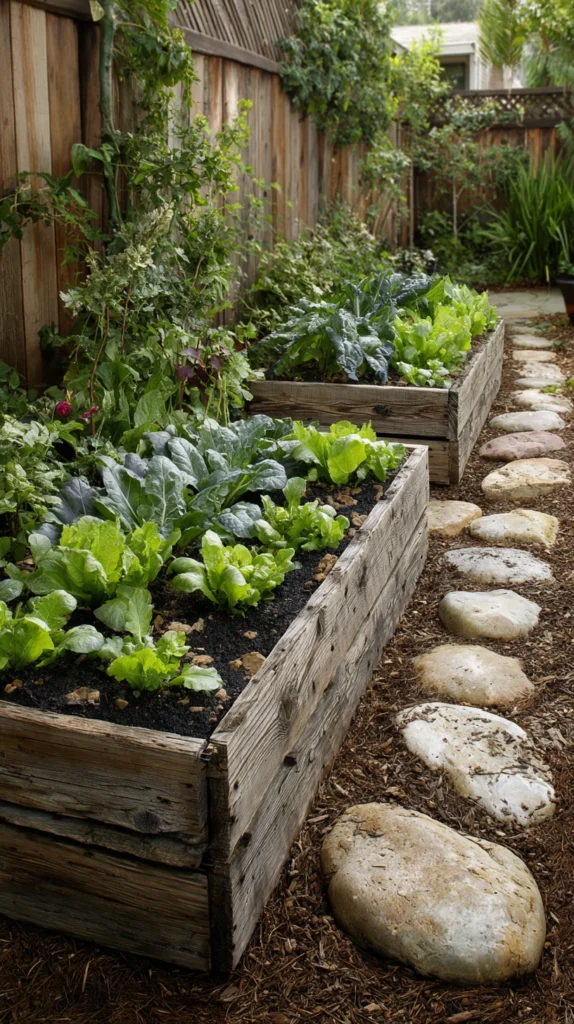
Transform free or inexpensive wooden pallets into charming rustic garden beds while embracing sustainable repurposing. Disassemble pallets carefully to harvest the boards, or use whole pallets as bed sides by standing them on edge and securing corners with metal brackets or screws.
The weathered appearance of pallet wood adds instant character to garden spaces and pairs beautifully with cottage-style or informal landscapes. Before using pallet wood, verify it’s heat-treated (marked HT) rather than chemically treated to ensure it’s safe for growing edibles. Reinforce corners with stakes driven into the ground for additional stability, and consider lining the interior with landscape fabric to prevent soil from washing through gaps between boards while maintaining drainage.
4. Corrugated Metal Beds
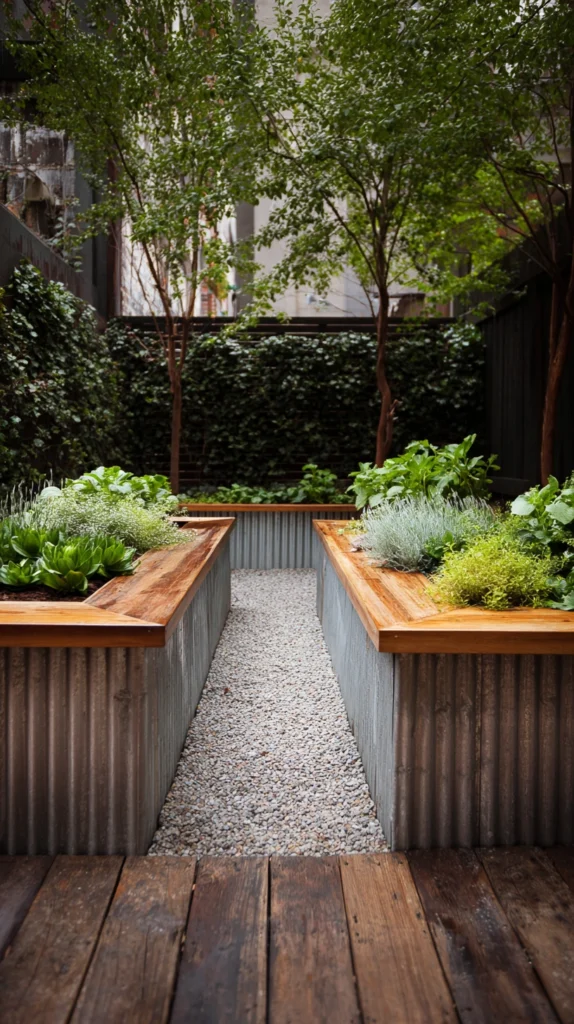
Create modern, durable raised beds using corrugated metal roofing panels or livestock water troughs. The industrial aesthetic works beautifully in contemporary landscapes and provides excellent durability and pest resistance.
For a custom build, cut corrugated metal to height and bend it into rectangular or circular shapes, securing corners with pop rivets or screws and washers. Add a wooden top rail around the perimeter for a finished look and to protect hands from sharp edges.
Metal beds heat up quickly in spring, giving you a jump start on the growing season, though they may require more frequent watering in intense summer heat. Galvanized steel resists rust effectively and develops an attractive weathered patina over time. This approach delivers maximum durability with minimal maintenance.
5. Tiered Cascade Beds
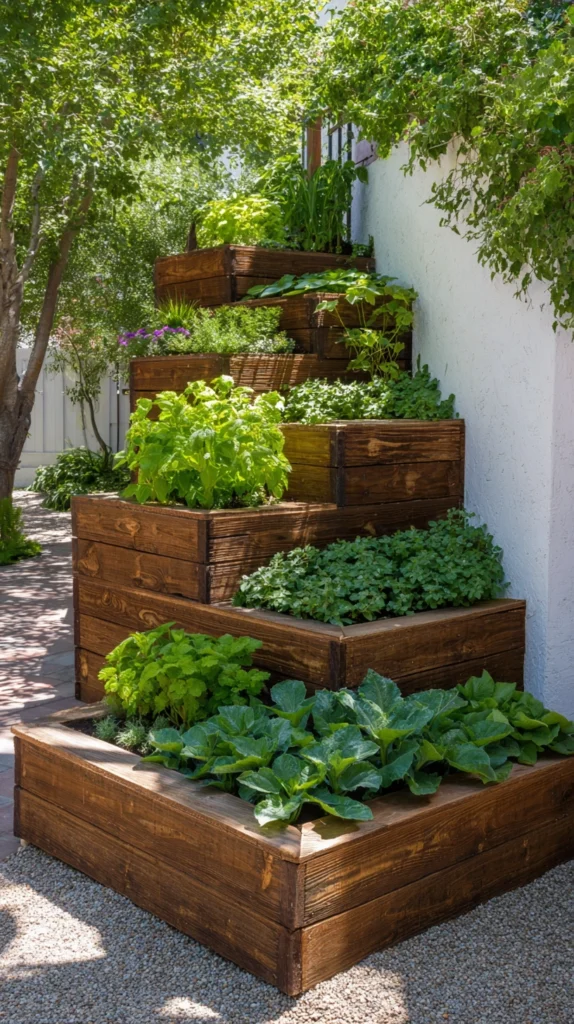
Maximize vertical space and create visual drama with tiered raised beds that cascade down a slope or create elevation on flat ground. Build three or more rectangular beds in graduating sizes, arranging them pyramid-style with the largest at the bottom.
Each tier should be set back from the one below to ensure all plants receive adequate sunlight. This design works spectacularly for herbs, strawberries, and compact vegetables while creating an impressive focal point in the garden. The tiered structure also improves drainage naturally and makes harvesting easy since plants are at various convenient heights. Use matching materials throughout for cohesion, and consider adding drip irrigation that flows from top to bottom, utilizing gravity to water all levels efficiently.
6. Galvanized Stock Tank Gardens
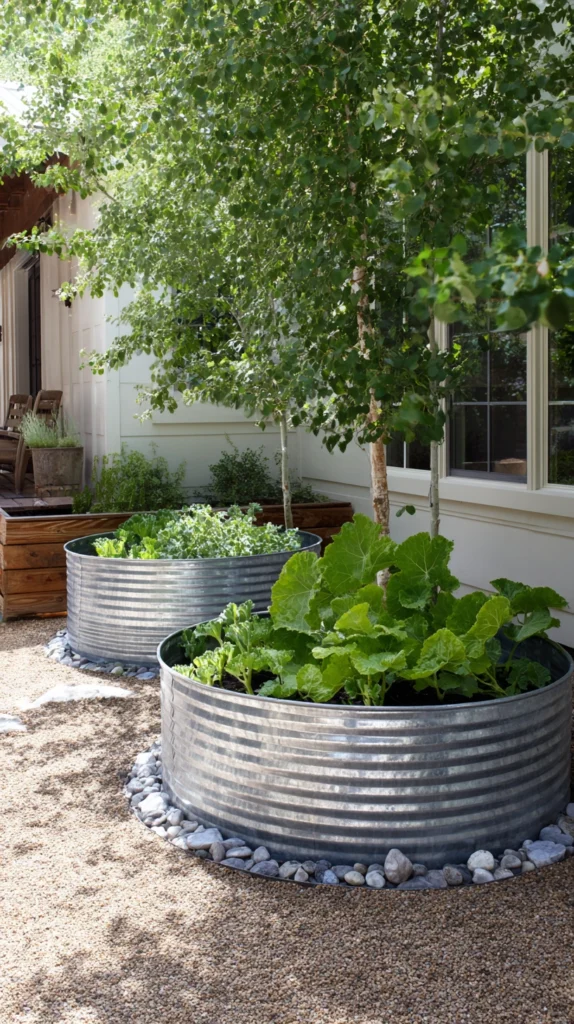
Repurpose large galvanized stock tanks—typically used for livestock watering—into instant raised beds with vintage farmhouse appeal. These ready-made containers require minimal modification: simply drill drainage holes in the bottom every six to eight inches, and they’re ready to fill and plant. Stock tanks come in round and oval shapes ranging from two to eight feet in diameter, providing flexibility for different spaces.
The tall sides offer excellent depth for root vegetables and perennials, while the metal construction ensures decades of use. Position tanks on level ground or create a gravel base for stability, and consider adding casters to smaller tanks to create movable garden beds that can follow the sun or be relocated for winter protection.
7. Straw Bale Raised Beds
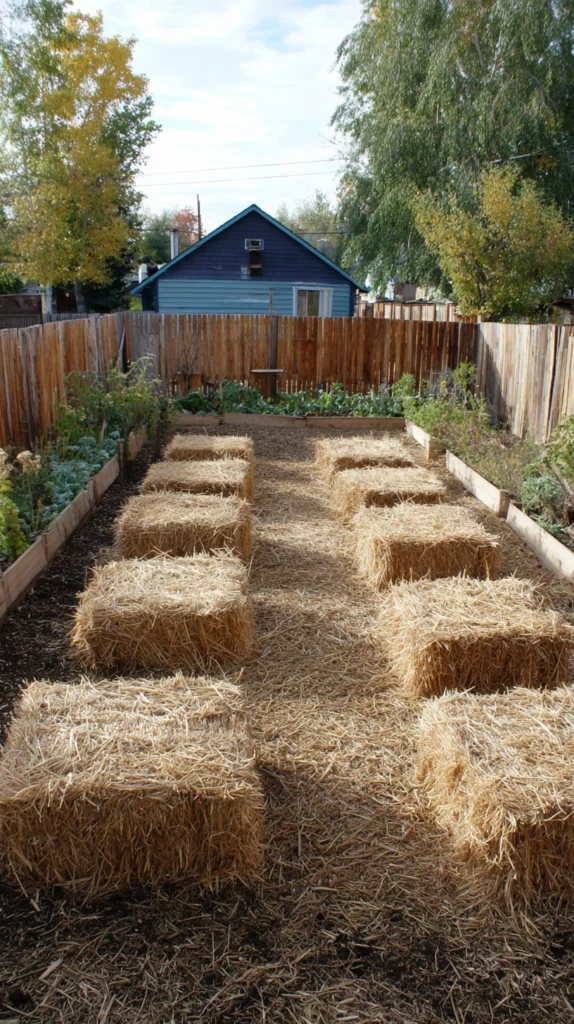
For a temporary, sustainable option that builds soil while you garden, create raised beds directly from straw bales. Arrange bales in a rectangular shape to form walls, condition them over two weeks by watering and adding nitrogen, then top with several inches of compost or soil for planting.
The bales themselves become planting medium as they decompose, and the hollow center can accommodate deep-rooted crops. This method is perfect for first-time gardeners testing locations before committing to permanent beds, or for anyone dealing with contaminated soil who needs an immediate growing solution. By season’s end, the decomposed straw provides excellent compost to enrich your garden. This approach requires annual replacement but offers unmatched ease of construction and soil-building benefits.
8. Keyhole Garden Design
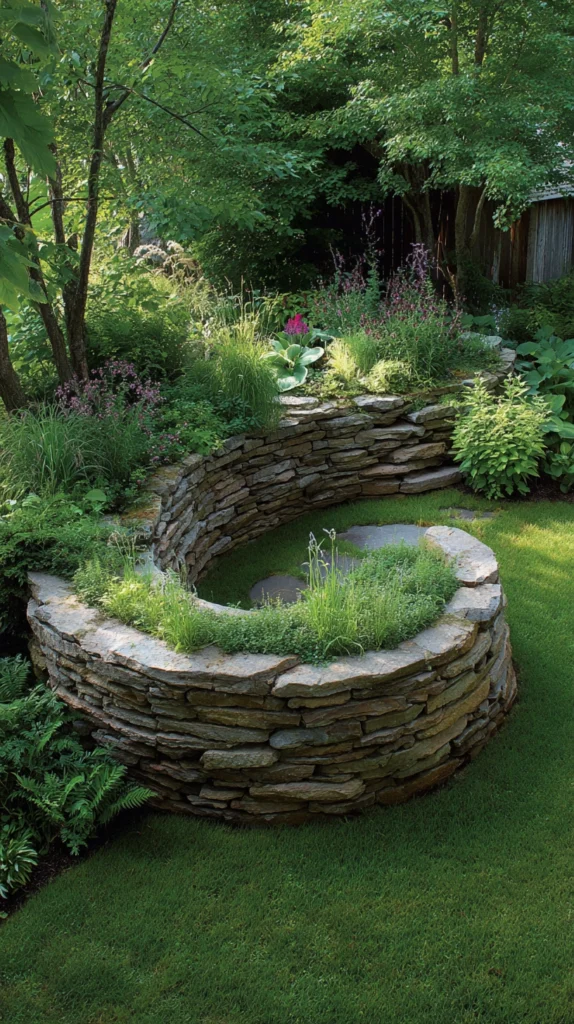
Build a circular raised bed with a composting basket in the center, creating a productive, self-fertilizing growing system inspired by African permaculture. Construct the outer circle from stacked stone, brick, or wood, leaving a wedge-shaped opening like a keyhole for access to the center.
Install a wire mesh basket or wooden frame in the middle for composting, and build the bed higher toward the center so it slopes gently downward. As you add kitchen scraps and garden waste to the central basket, nutrients leach into the surrounding soil, continuously feeding your plants. This design maximizes space efficiency, reduces water needs, and creates a striking garden focal point that combines form and function beautifully.
9. Elevated Table-Height Beds
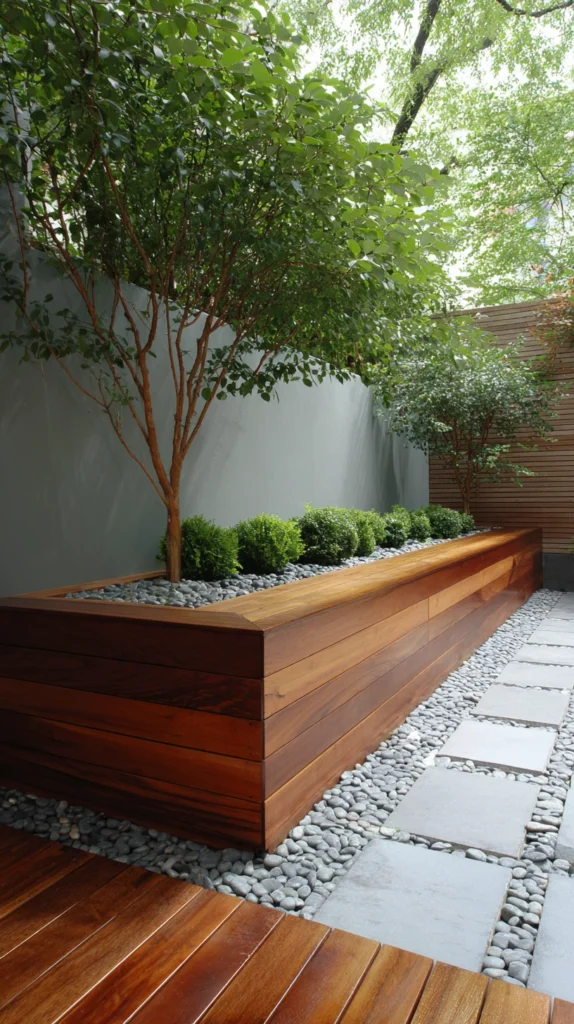
Construct waist-high raised beds on legs for the ultimate in accessible gardening, perfect for those with mobility limitations or anyone who prefers standing while tending plants. Build a sturdy frame from 4×4 posts as legs with 2×6 or 2×8 boards creating the planting box on top.
Make beds at least eight to twelve inches deep to accommodate most vegetables and ensure legs are firmly braced with cross-supports for stability. Line the bottom with landscape fabric or hardware cloth to retain soil while allowing drainage, and drill several drainage holes around the perimeter. These elevated beds work beautifully on patios or decks, bringing the garden up close to outdoor living spaces and making fresh herbs immediately accessible to the kitchen. Add wheels to create mobile gardens that can be repositioned as needed.
10. Composite Decking Beds
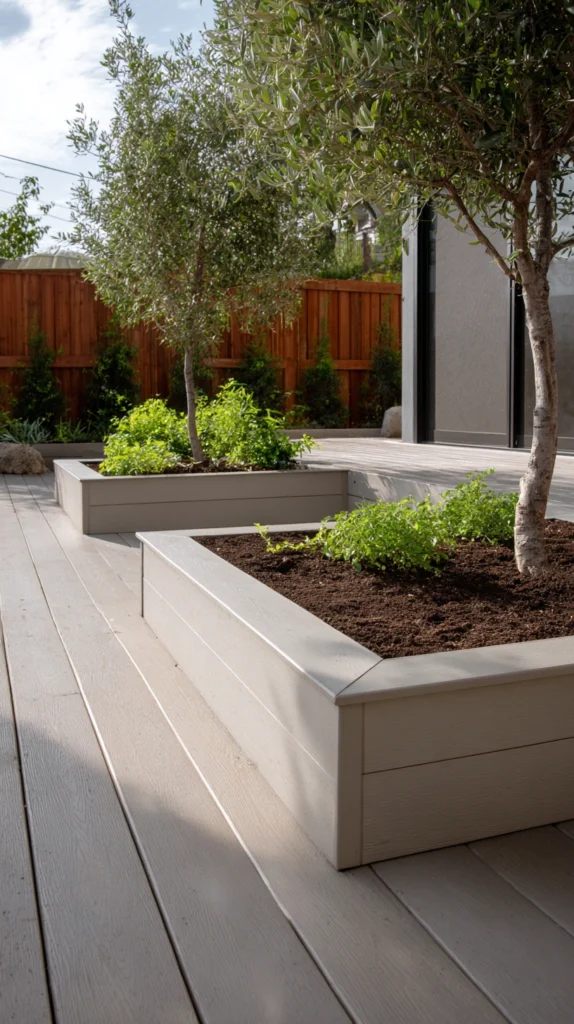
Utilize composite decking materials to build virtually maintenance-free raised beds that resist rotting, warping, and insect damage indefinitely. Composite boards made from recycled plastic and wood fibers offer the look of wood without the degradation, making them ideal for long-term garden infrastructure.
Cut and assemble composite boards just like wood using standard tools and galvanized fasteners. While the upfront cost exceeds natural wood, the longevity and zero-maintenance requirements make composites economically sound over time. These beds never need staining, sealing, or replacing, and they won’t leach chemicals into your soil. The clean, uniform appearance suits contemporary landscapes beautifully, and the material comes in various colors to complement your outdoor aesthetic.
11. Reclaimed Window Frame Cold Frame Beds
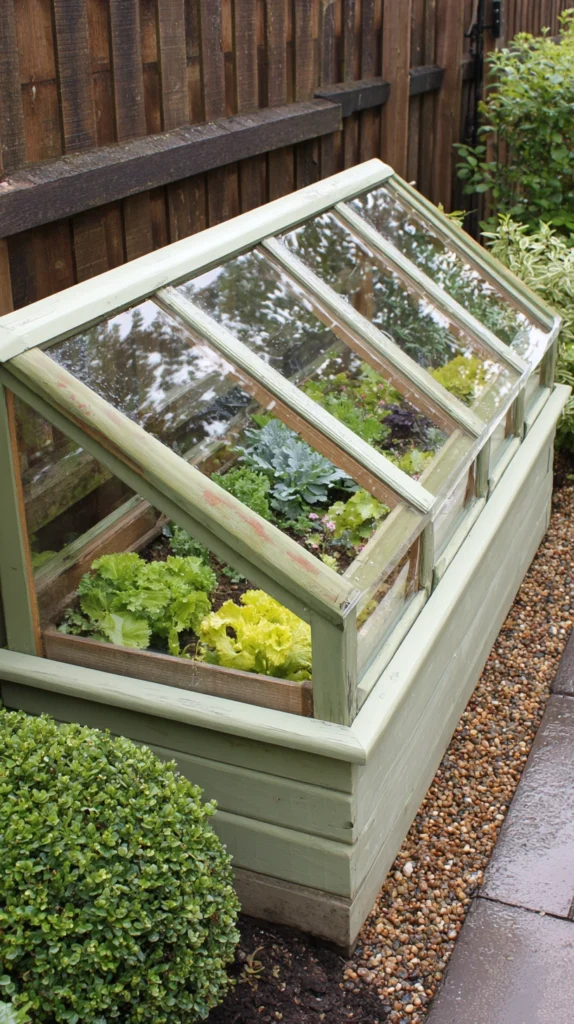
Combine a traditional raised bed with a removable cold frame top created from reclaimed windows, extending your growing season at both ends. Build a standard wooden raised bed, then construct a hinged lid framework that holds old windows in a sloped position to shed rain and capture maximum sunlight.
The glass or clear plastic covering creates a greenhouse effect that protects plants from frost, allows earlier spring planting, and extends fall harvests well into winter. Add a thermometer inside to monitor temperature and prop the lid open on warm days to prevent overheating. This design is perfect for dedicated gardeners seeking year-round production in temperate climates, and the vintage windows add charming character to functional garden infrastructure.
12. Woven Willow or Branch Beds
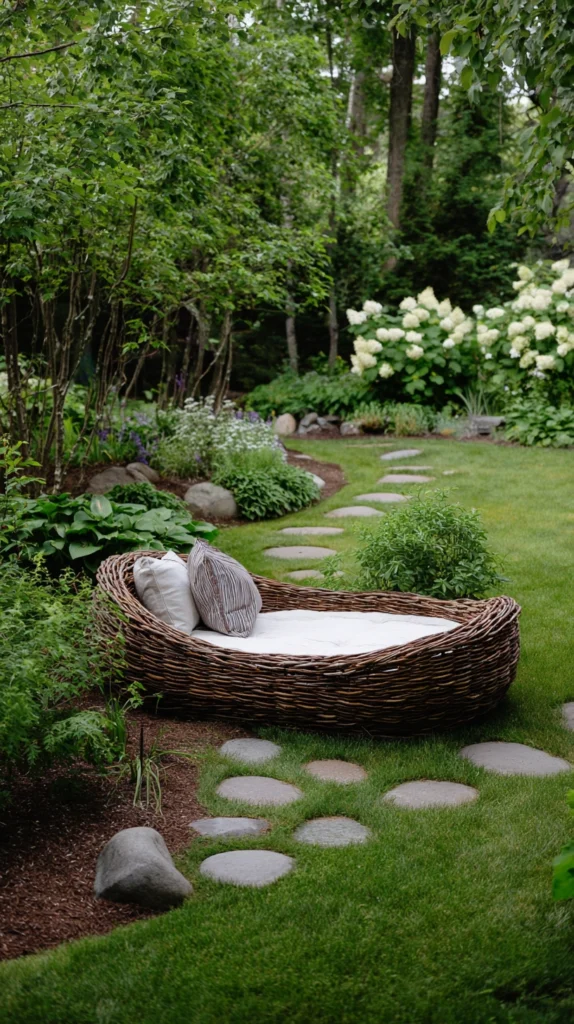
Embrace natural aesthetics by weaving flexible willow branches, grapevines, or other pliable woody materials into rustic raised bed walls. Drive sturdy vertical stakes into the ground at regular intervals to create your bed’s perimeter, then weave horizontal branches between them in a basket-weave pattern, packing them tightly for soil retention.
This ancient technique creates beautiful, organic-looking beds that blend seamlessly into naturalistic gardens and cottage landscapes. While less permanent than wood or metal options, woven beds last several seasons and can be easily reconstructed. The woven walls allow excellent air circulation and create habitat for beneficial insects. Line the interior with landscape fabric if your weave has large gaps, and embrace the rustic, handcrafted aesthetic that makes your garden feel artisan and intentional.
13. Concrete Block and Wood Hybrid
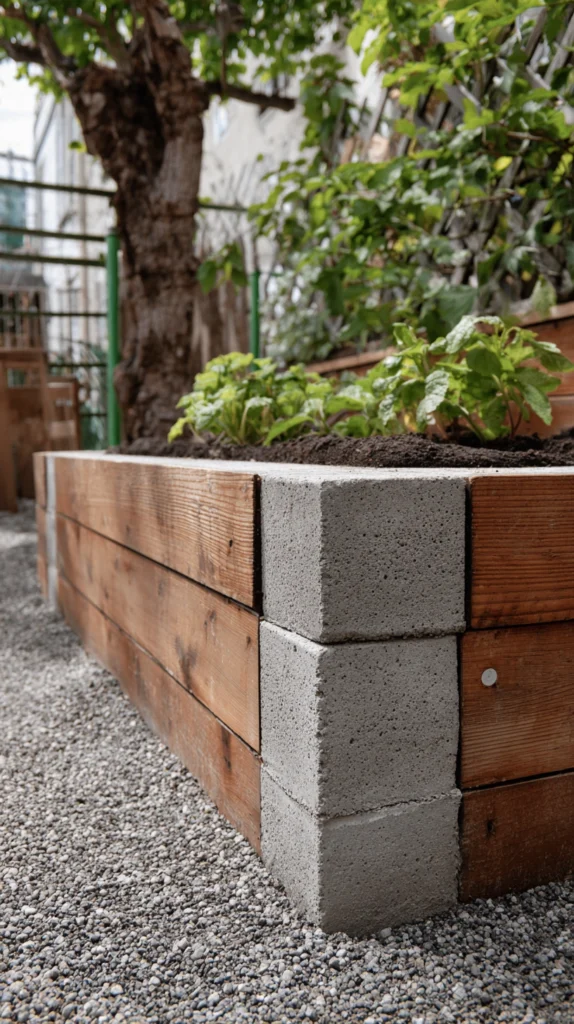
Combine the permanence of concrete blocks with the warmth of wood by using concrete blocks as corner posts and structural supports with wooden boards spanning between them. This hybrid approach reduces wood usage and cost while creating incredibly sturdy beds that can be built higher without bowing.
Stack concrete blocks at each corner to your desired height, then slide 2×10 or 2×12 boards through the hollow cores of aligned blocks, creating a frame that’s locked in place by the blocks’ weight. This design allows easy height adjustment and can be disassembled and relocated if needed. The concrete corners also provide excellent spots for solar lights or decorative caps, and the hollow cores can be planted with cascading flowers or herbs for additional beauty and productivity.
14. Hugelkultur Mounded Beds
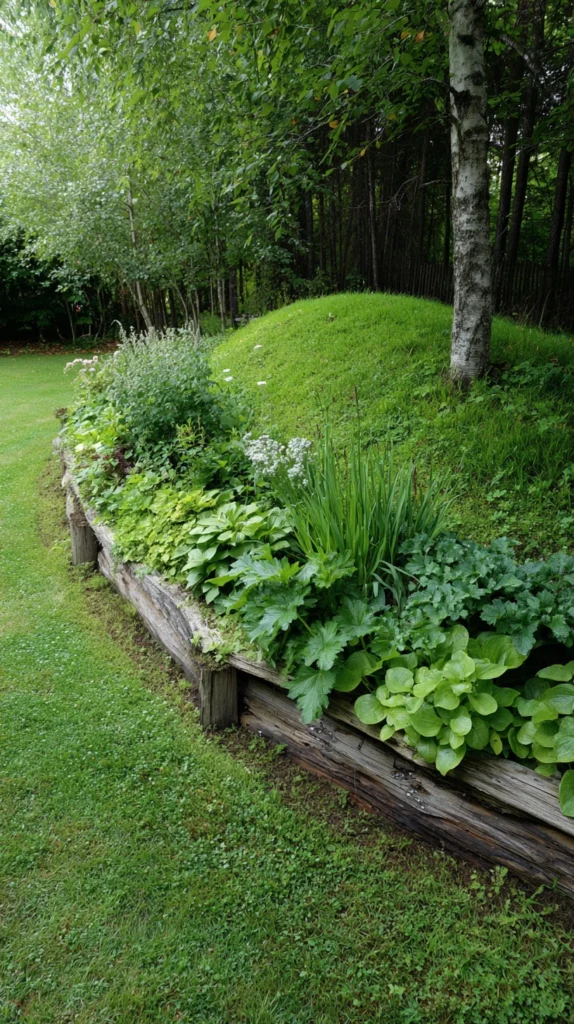
Build raised beds on top of buried logs and woody debris, creating a hugelkultur system that improves fertility, water retention, and drainage while utilizing yard waste productively. Dig a shallow trench, layer logs and branches in the bottom, cover with leaves and grass clippings, then top with quality soil and compost, mounding it higher than ground level.
As the buried wood slowly decomposes over years, it releases nutrients, creates air pockets for roots, and acts like a sponge holding moisture. Border the mounded bed with stones, logs, or low wooden frames to define edges and prevent erosion. This permaculture technique creates exceptionally fertile, self-sustaining growing spaces that improve with age and require minimal watering once established. The initial effort pays dividends for many years.
15. Modular Connecting Beds
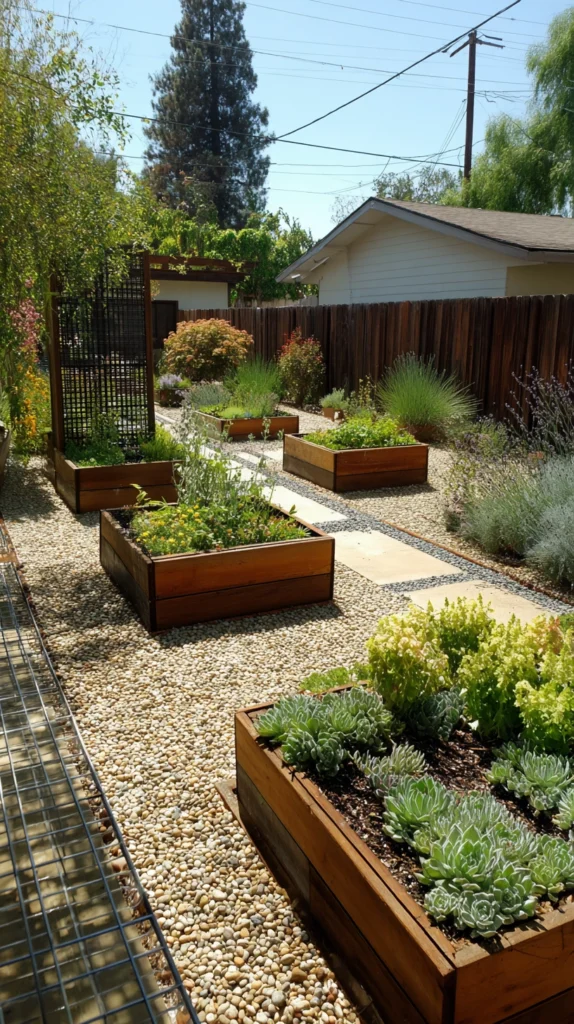
Build a system of smaller, standardized raised beds that connect together, allowing you to expand your garden over time and create custom configurations. Use identical dimensions for all beds—perhaps three feet by three feet or four feet by four feet—building them from your preferred material. This modular approach lets you start small and add beds seasonally as budget and ambition allow. The uniform size simplifies crop rotation, makes building efficient once you’ve mastered the first bed, and creates visual cohesion in the garden.
Leave walking paths between beds for access, or position beds in creative patterns like checkerboards, L-shapes, or concentric squares. The flexibility to expand, rearrange, or remove beds makes this approach perfect for renters or anyone who values adaptability in their garden design.
Building for Success
Regardless of which design you choose, certain principles ensure raised bed success. Orient beds receive at least six to eight hours of sunlight daily for vegetable production, or embrace shadier locations for lettuce and herbs that tolerate partial shade.
Fill beds with quality soil mixed specifically for raised beds or create your own blend of compost, peat moss or coconut coir, and vermiculite. Install irrigation systems before filling beds to simplify future watering, and consider adding trellises, hoops for row covers, or other supports during initial construction rather than retrofitting later.
The investment of time and materials in building raised beds pays immediate dividends in easier maintenance, better harvests, and more enjoyable gardening. Start with one or two beds to learn what works for your space and style, then expand your raised bed garden as your confidence and ambition grow. The satisfaction of building your own growing spaces and harvesting from beds you constructed yourself adds immeasurable pleasure to an already rewarding pursuit.