
15 Driveway Border Landscaping Ideas: Elevate Your Home’s First Impression
Your driveway isn’t just a functional path for vehicles—it’s the runway to your home, the first design statement visitors encounter, and a significant portion of your property’s visual real estate. Modern driveway border landscaping transforms this utilitarian space into a curated arrival experience that signals the design sophistication waiting beyond your front door.
Today’s approach moves far beyond predictable rows of shrubs, embracing architectural plants, sculptural hardscaping, and bold material combinations that create compelling visual narratives. These fifteen ideas demonstrate how strategic border landscaping can redefine your property’s curb appeal with the kind of effortless elegance that appears spontaneous but is anything but.
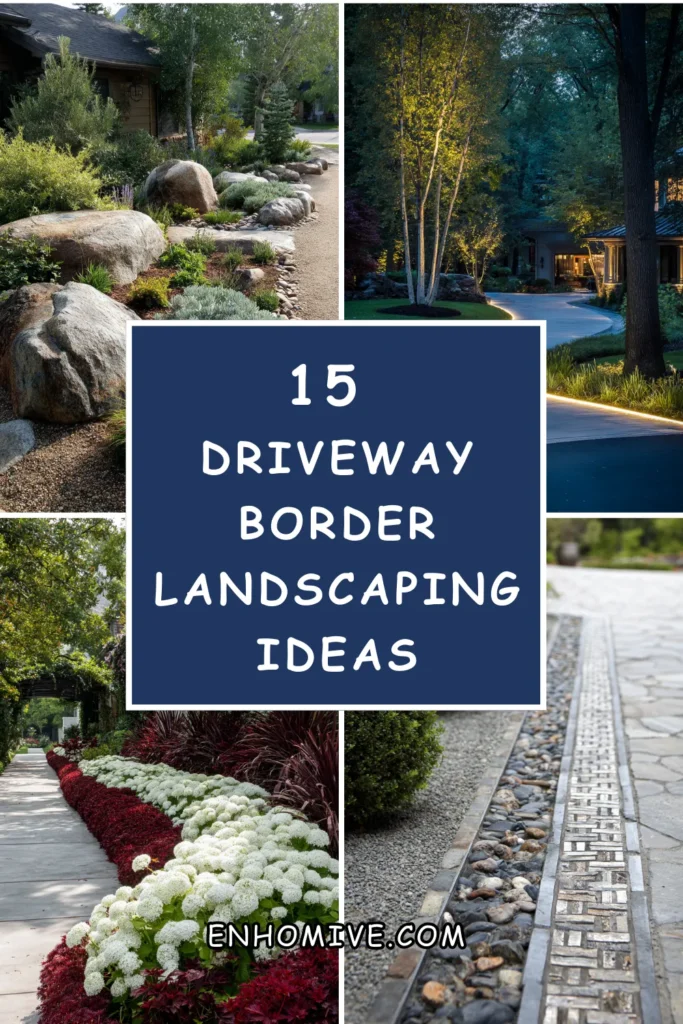
This is landscaping that understands contemporary design language—clean lines meeting organic forms, intentional restraint punctuated by dramatic moments, and the confidence to let quality materials and plant selections speak for themselves.
1. Minimalist Steel Edging with Ornamental Grasses
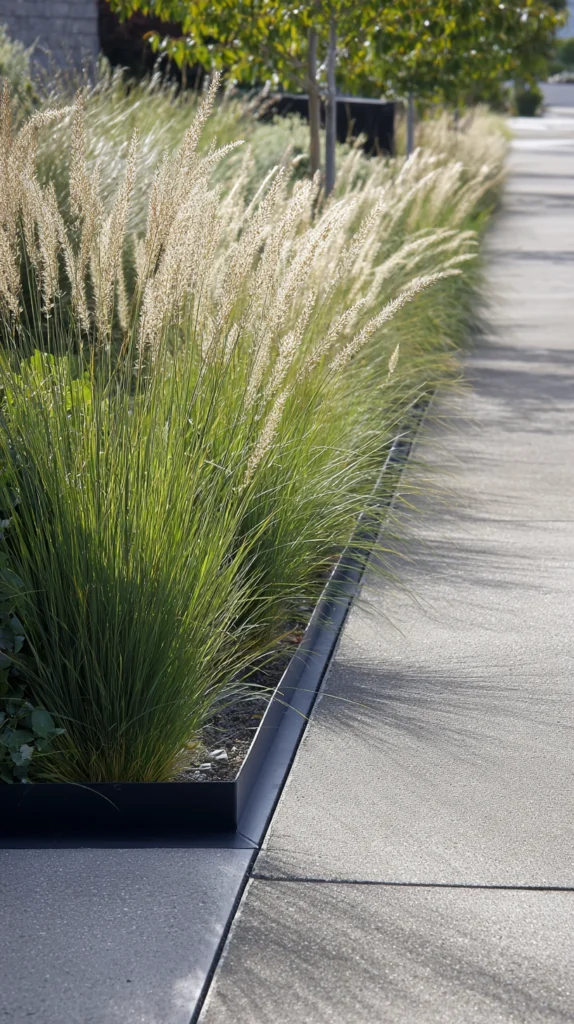
Define your driveway with razor-thin steel edging in matte black or weathering corten that creates a crisp, contemporary boundary between pavement and planting. The clean line provides architectural definition while virtually disappearing visually, allowing the plantings to command attention.
Fill the border with a monochromatic mass planting of ornamental grasses—Karl Foerster feather reed grass for vertical drama, or Mexican feather grass for movement and texture. The grasses’ flowing forms contrast beautifully with the geometric precision of both driveway and edging, creating dynamic tension that feels distinctly modern.
This pairing delivers year-round interest with minimal maintenance, as grasses provide structure through winter and require only annual cutting back. The look channels high-end commercial landscapes and museum grounds where restraint equals sophistication.
2. Stacked Linear Stone Walls
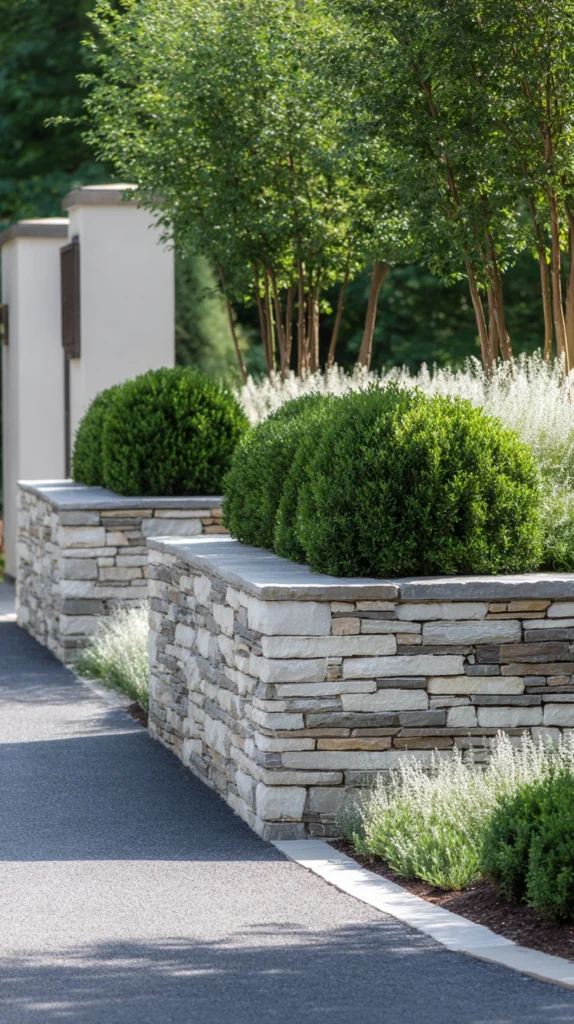
Build low, horizontal stone walls running parallel to your driveway using large-format limestone, bluestone, or granite slabs stacked with precision. These linear walls create a strong architectural presence while providing elevated planting beds that add dimension and visual weight. Keep the stone natural rather than mortared for a contemporary dry-stack aesthetic that feels organic despite its geometric clarity.
Plant the beds with low, sculptural specimens—clipped boxwood spheres, compact conifers, or architectural succulents depending on your climate. The juxtaposition of heavy, permanent stone with delicate plantings creates sophisticated balance. This approach works spectacularly for sloped driveways where the walls can terrace the grade while providing retaining functionality wrapped in design intention.
3. Monochromatic Paver Ribbon
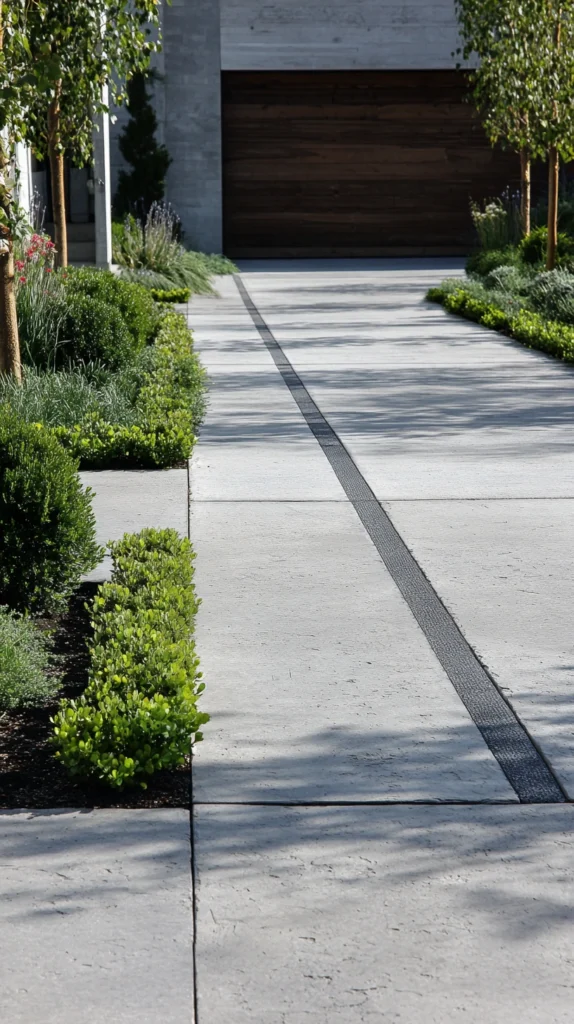
Extend your driveway material to create a parallel ribbon of pavers separated from the main drive by a narrow planted strip. Use the same material as your driveway—concrete pavers, porcelain tile, or natural stone—maintaining color continuity while the separation creates visual interest and rhythm. Plant the narrow gap between ribbons with low groundcover like creeping thyme, sedum, or dymondia that tolerates occasional foot traffic and softens the hardships.
This treatment creates a layered, dimensional edge that reads as intentional design rather than afterthought landscaping. The monochromatic palette prevents visual chaos while the parallel lines draw the eye forward, emphasizing the journey to your entrance. This sophisticated approach suits modern and contemporary architecture where material consistency matters.
4. Boulder Groupings with Gravel Mulch
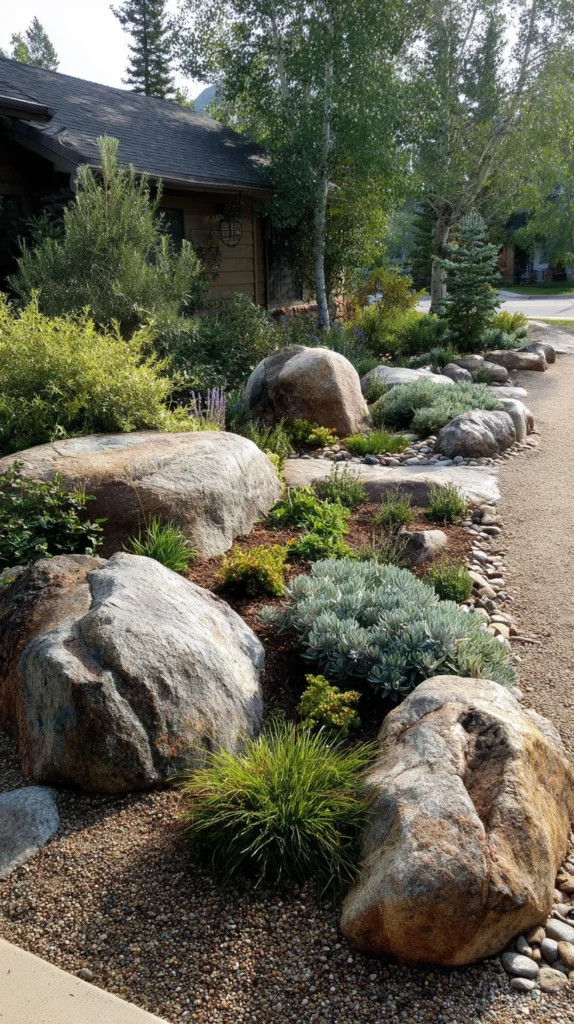
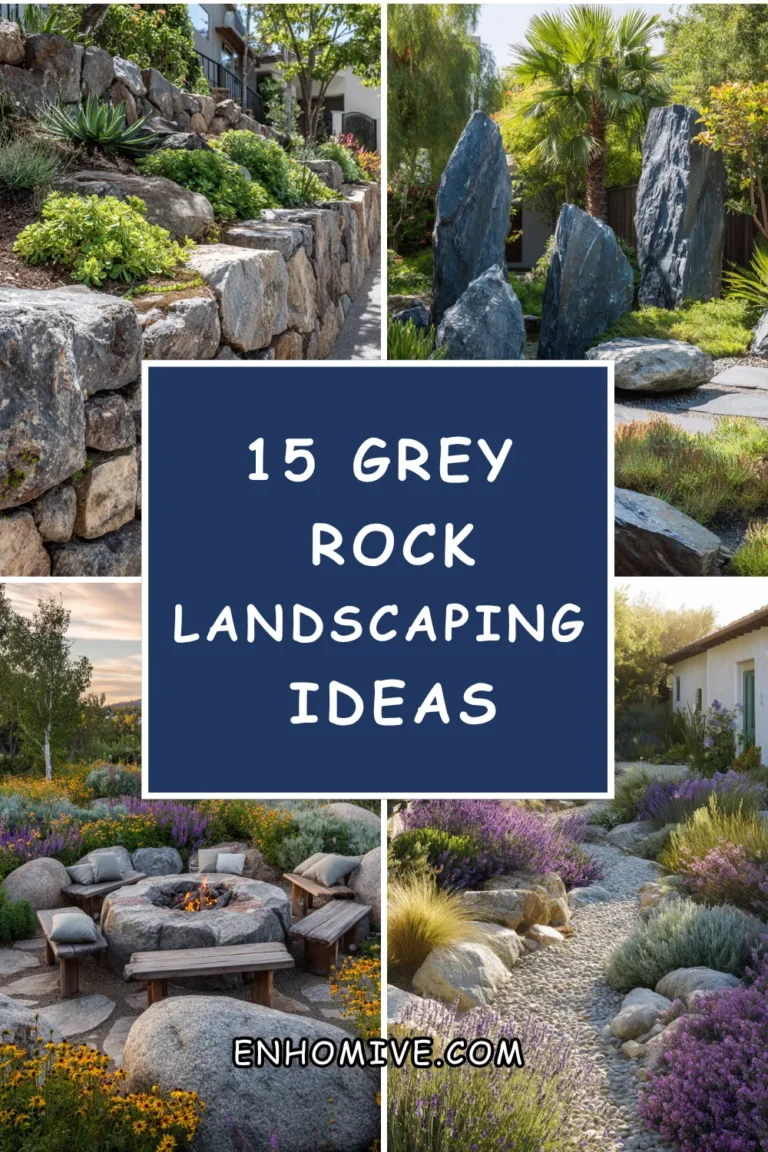
Arrange substantial boulders in asymmetrical clusters along your driveway edge, creating sculptural moments that punctuate the linear path. Select stones with interesting shapes, colors, or textures native to your region, grouping them in odd numbers with varying sizes for natural composition.
Surround the boulders with fine gravel mulch in complementary tones and plant with drought-tolerant specimens—agaves, yuccas, native grasses, or Mediterranean herbs that thrive in sharp drainage. This approach channels dry creek beds and natural rock outcroppings, bringing landscape authenticity to residential settings.
The boulders provide permanent structure that looks better with age while the gravel eliminates mulch replacement. The overall effect is effortlessly cool, suggesting the landscape has always existed this way rather than being recently installed.
5. Continuous Hedge Wall
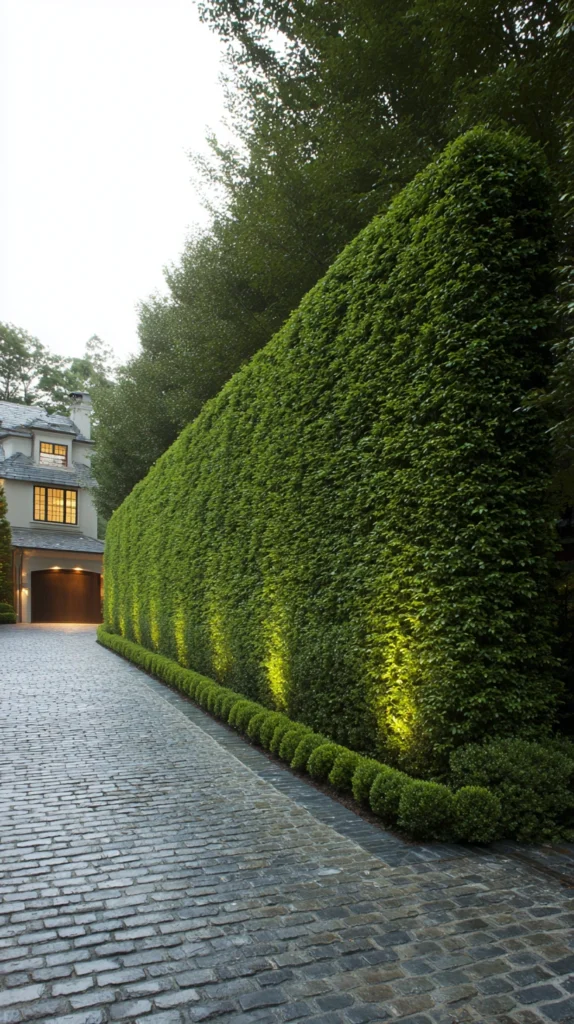
Plant a seamless hedge of uniform specimens running the entire driveway length, creating a living wall that provides privacy, noise buffering, and dramatic visual impact. Choose evergreen varieties for year-round structure—boxwood for traditional elegance, Japanese holly for fine texture, or privet for rapid growth. Maintain the hedge with precision shearing for a crisp, architectural appearance that reads as green architecture rather than casual planting.
The unbroken line creates powerful visual movement and makes properties appear larger and more estate-like. This formal approach works beautifully with traditional, transitional, and even modern architecture when executed with sharp, clean lines. Underplant with shade-tolerant groundcover and install in-ground uplighting for nighttime drama that transforms the hedge into sculptural illumination.
6. Decomposed Granite with Desert Modern Plants
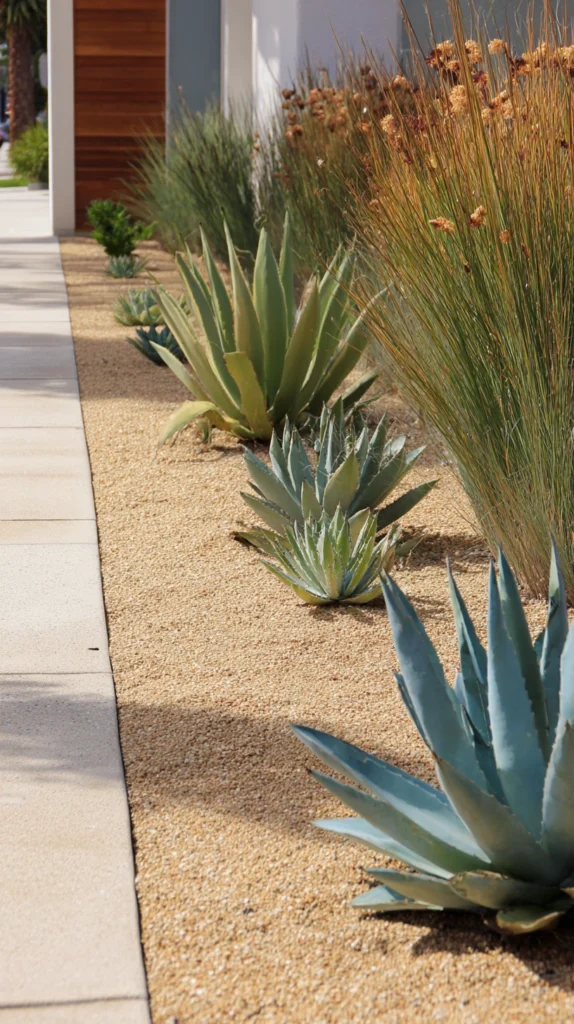
Create a desert modern aesthetic using decomposed granite as a permeable, low-maintenance border surface that drains beautifully and provides a neutral backdrop for architectural plantings. The fine, compacted granite comes in colors ranging from golden tan to cool gray, allowing you to complement your home’s palette. Plant with bold, sculptural specimens spaced generously—agaves, ocotillo, palo verde trees, or columnar cacti that create striking silhouettes.
This approach embraces negative space as a design element, allowing individual plants to be appreciated as living sculpture rather than competing in crowded beds. The minimal water requirements and zero-maintenance surface make this ideal for arid climates, while the clean, contemporary aesthetic works anywhere you want to make a strong design statement with environmental consciousness.
7. Layered Evergreen Mass Planting
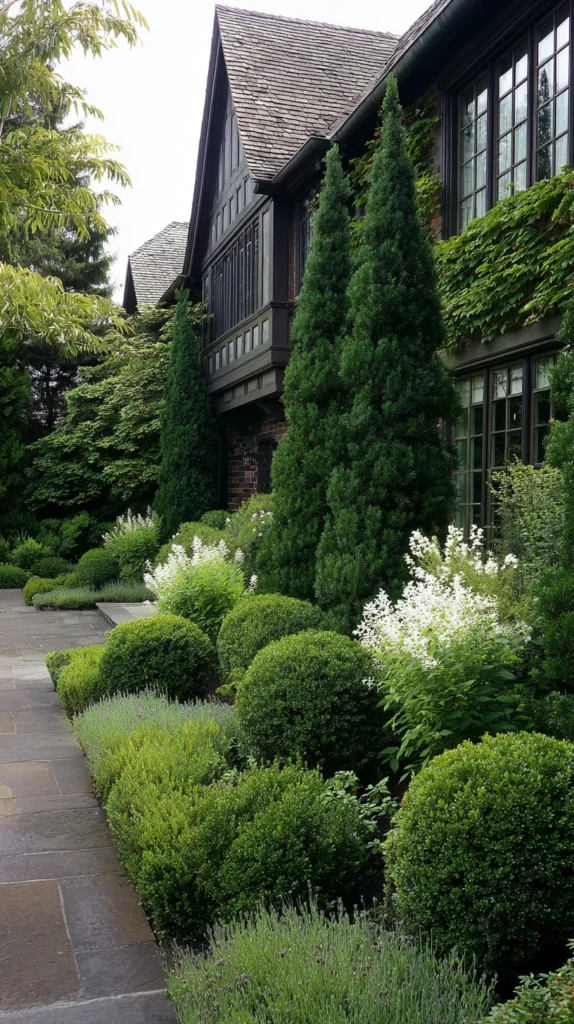
Build depth and visual richness through layered planting using varied evergreen textures, forms, and heights while maintaining a cohesive color palette. Start with low groundcover like pachysandra or liriope at the driveway edge, add mid-height shrubs like boxwood or mountain laurel, and anchor with taller specimens like hollies or columnar evergreens.
The layering creates dimension and guides the eye through the composition while providing year-round interest without seasonal gaps. This approach suits traditional and transitional homes where lush, established landscaping communicates permanence and care. Limit your plant palette to five or seven species repeated throughout for cohesion rather than collecting one of everything. The result reads as professionally designed rather than homeowner-assembled.
8. Concrete Planters as Architectural Elements
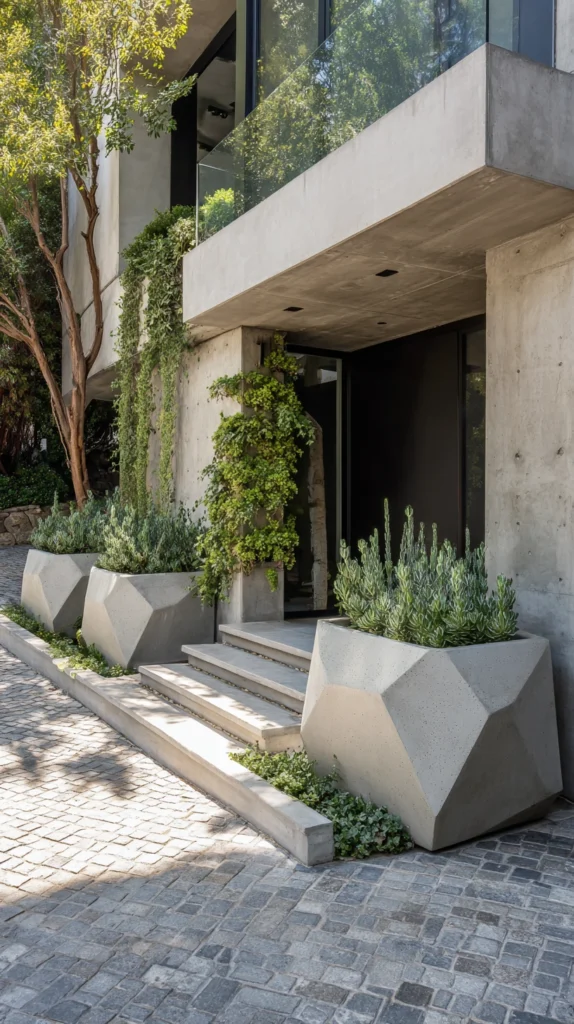
Install a series of large-scale concrete planters along your driveway, treating them as sculptural objects that happen to contain plants. Choose sleek, modern designs in varying heights or a single oversized statement piece that commands attention.
The planters’ geometric forms provide strong visual anchors while their portability allows seasonal refreshing and eventual rearrangement. Plant with bold foliage specimens—elephant ears, cannas, or ornamental bananas for tropical drama, or stick with sophisticated simplicity using clipped topiaries or specimen grasses.
The concrete’s substantial presence and contemporary aesthetic work beautifully with modern architecture, while the contained planting approach suits those who prefer flexibility over permanent installation. This modular strategy allows you to curate your driveway landscape like an ever-evolving art installation.
9. Lighting-Integrated Border Design
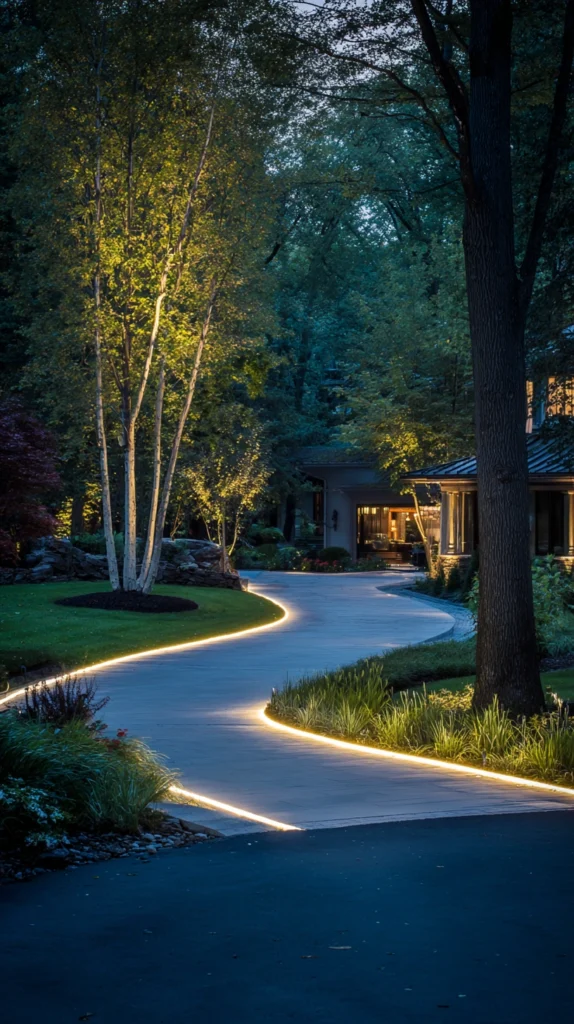
Embed landscape lighting directly into your driveway border design, treating illumination as an essential element rather than afterthought. Install linear LED strips within low walls or edging to create glowing ribbons that define the driveway edge at night.
Combine with uplighting aimed at specimen trees or architectural plants, and add path lights spaced rhythmically along the border. The lighting transforms your driveway into an illuminated arrival sequence after dark while providing safety and security. Choose fixtures in finishes that complement your home’s hardware—matte black for modern, bronze for traditional, or stainless for contemporary minimalism. This integrated approach demonstrates design sophistication and creates nighttime curb appeal that’s equally impressive as daytime presentation.
10. Native Meadow Strip
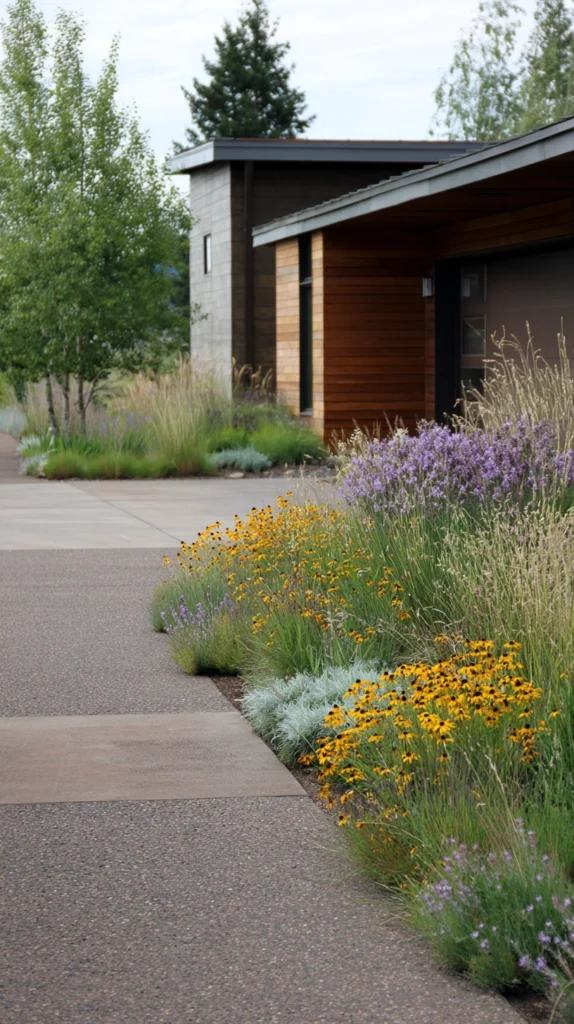
Replace traditional landscaping with a naturalistic meadow planting featuring native grasses and wildflowers that provide ecological benefits alongside beauty. This contemporary approach to driveway borders embraces movement, seasonal change, and a wilder aesthetic that feels fresh and environmentally conscious.
Select regionally appropriate species that support pollinators and require zero irrigation once established. Allow the meadow to flow informally rather than containing it rigidly, and resist the urge to over-tidy—the slightly disheveled appearance is part of the charm.
Edge with a subtle material like steel or natural stone to prevent encroachment onto the driveway while maintaining the naturalistic feel. This approach works brilliantly for rural and suburban properties where it connects residential landscapes to the broader ecosystem.
11. Vertical Garden Walls
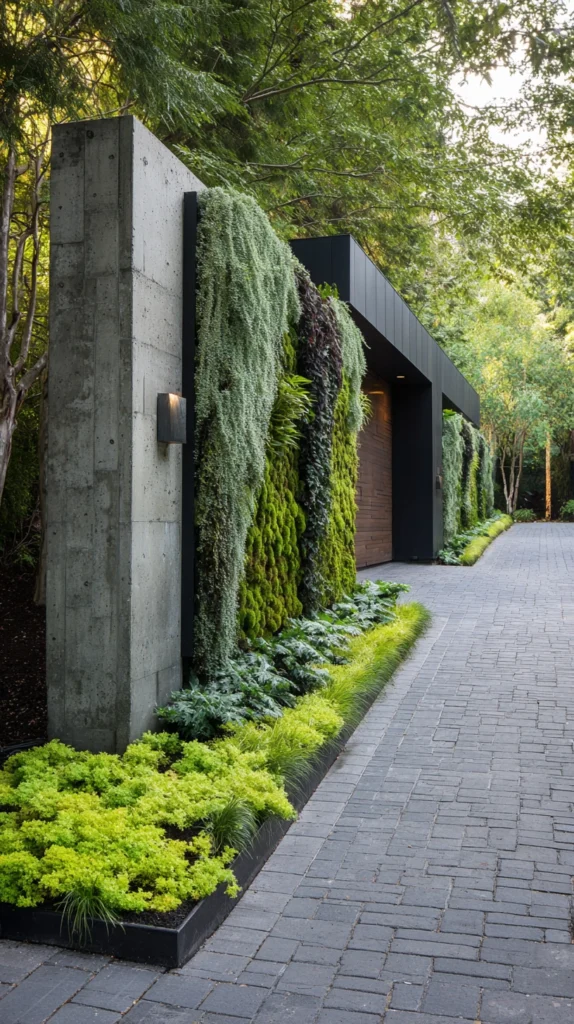
For properties with limited horizontal space, install vertical garden systems along retaining walls or fences running parallel to your driveway. These living walls create lush, space-efficient greenery that makes dramatic statements in compact footprints.
Use modular planting systems or traditional wall-mounted planters filled with ferns, succulents, or flowering perennials depending on sun exposure. The vertical orientation draws the eye upward, makes narrow spaces feel larger, and provides screening without sacrificing precious ground space.
This ultra-contemporary approach signals design awareness and works beautifully with modern architecture where every square foot counts. Incorporate automated irrigation for maintenance ease, and choose plants suited to vertical growing conditions for long-term success.
12. Monochromatic Color Blocking
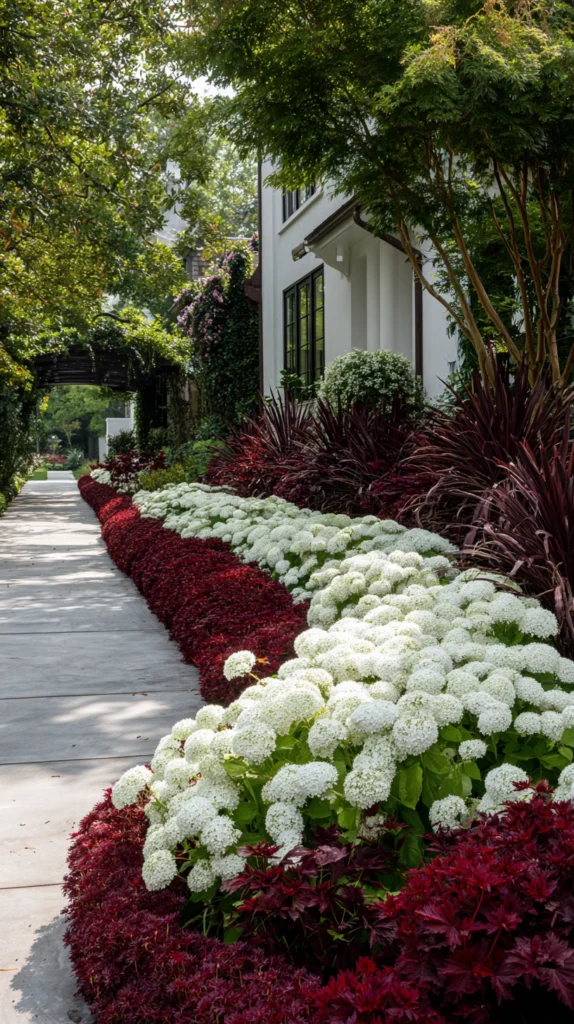
Create visual impact through color blocking using monochromatic plant selections in bold, intentional swaths. Plant entire sections in a single color—perhaps a fifteen-foot stretch of white-flowering hydrangeas, followed by burgundy Japanese maples, then blue-gray hostas.
This graphic approach creates a powerful visual rhythm and demonstrates design confidence. The repetition of color in substantial masses reads as intentional and sophisticated rather than scattered and chaotic.
This technique works regardless of plant selection—you might use all-green foliage in varying textures, or embrace seasonal color through massed annuals changed several times yearly. The bold blocking creates a gallery-like presentation that elevates your driveway from functional space to designed experience.
13. Gabion Walls with Alpine Planting
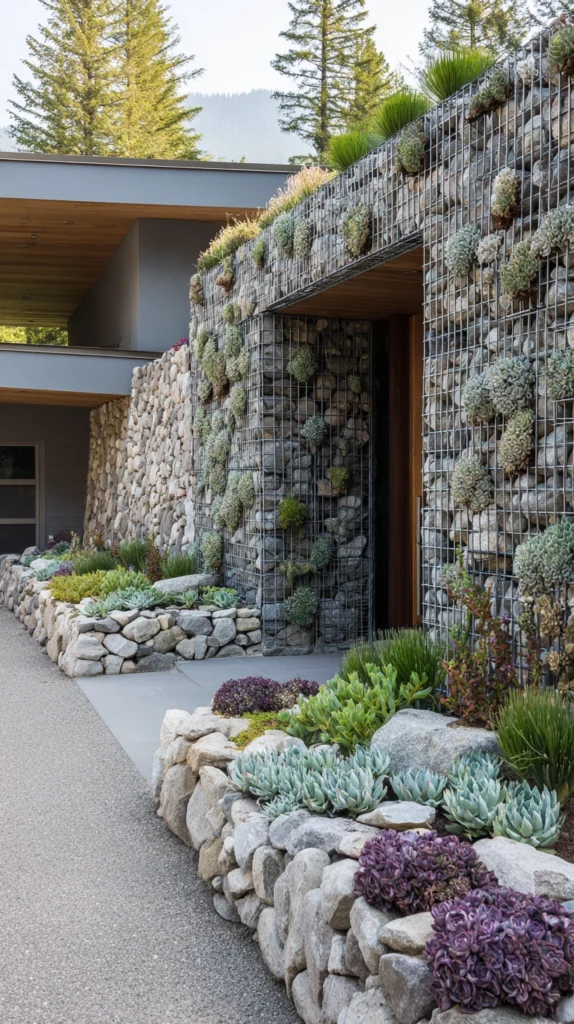
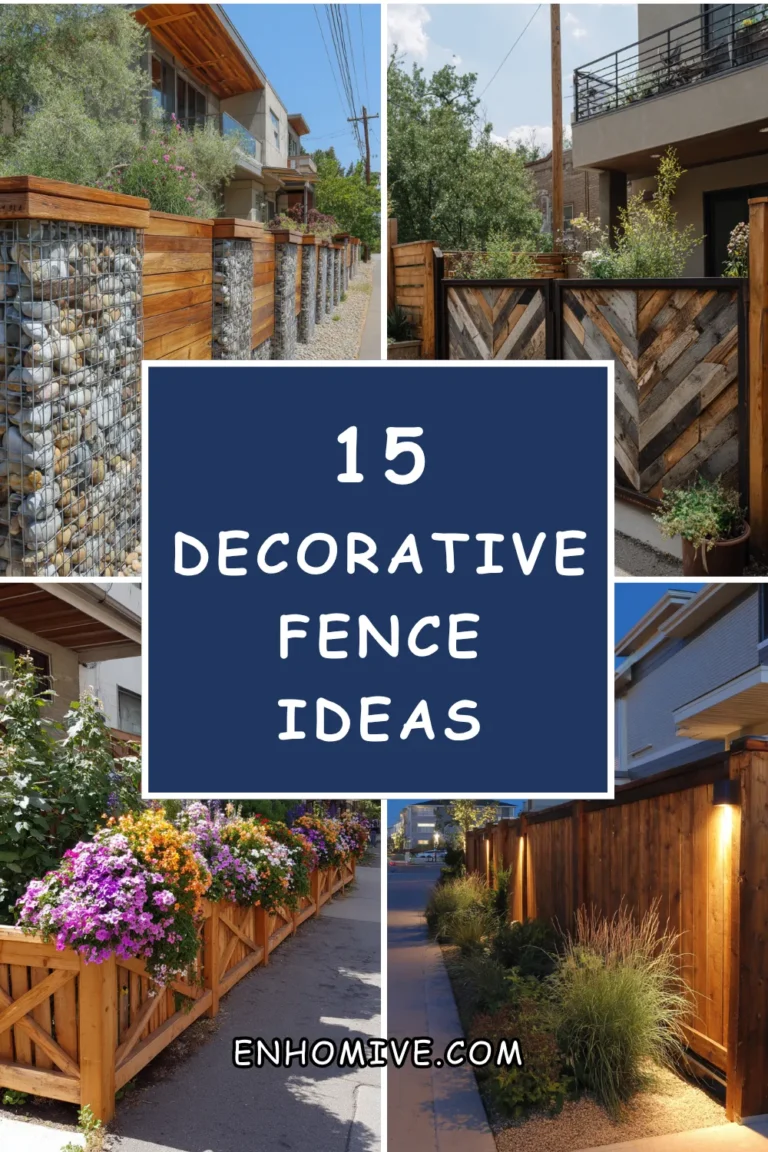
Construct modern gabion walls—wire cages filled with stone—running along your driveway to create industrial-chic borders with excellent drainage and contemporary edges. The stacked stone visible through metal frameworks provides texture and visual weight while the modular construction allows for curves and custom configurations.
Top the gabion walls with alpine and rock garden plants—sedums, sempervivums, and low-growing conifers that thrive in sharp drainage and create living tapestry across the stone surface. This approach combines the permanence of stone with living softness, creating dynamic borders that evolve as plants mature. The utilitarian aesthetic works brilliantly with modern and industrial architecture, and the walls can incorporate lighting, house numbers, or other functional elements within their structure.
14. Specimen Tree Canopy with Groundcover
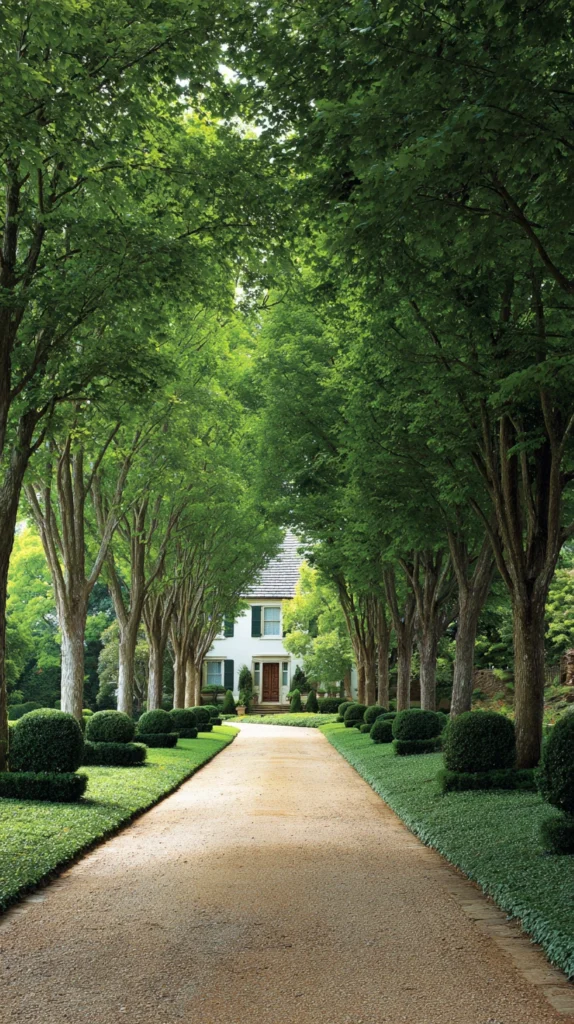
Create sophisticated simplicity by planting a series of identical specimen trees at regular intervals along your driveway, underplanted with continuous groundcover. Choose trees with interesting form, bark, or seasonal color—crabapples for spring bloom, Japanese maples for fall color, or birch for white bark interest.
The repetition creates rhythm and formality, while the tree canopies eventually form a welcoming allée effect. Underplant with low, maintenance-free groundcover like pachysandra, vinca, or liriope that creates a neat, uniform surface requiring no mowing.
This classic approach feels timeless rather than trendy and suits properties where established, mature landscaping communicates permanence and prestige. The simplicity of two plant types—tree and groundcover—creates sophisticated impact without complex maintenance.
15. Mixed Material Mosaic Edging
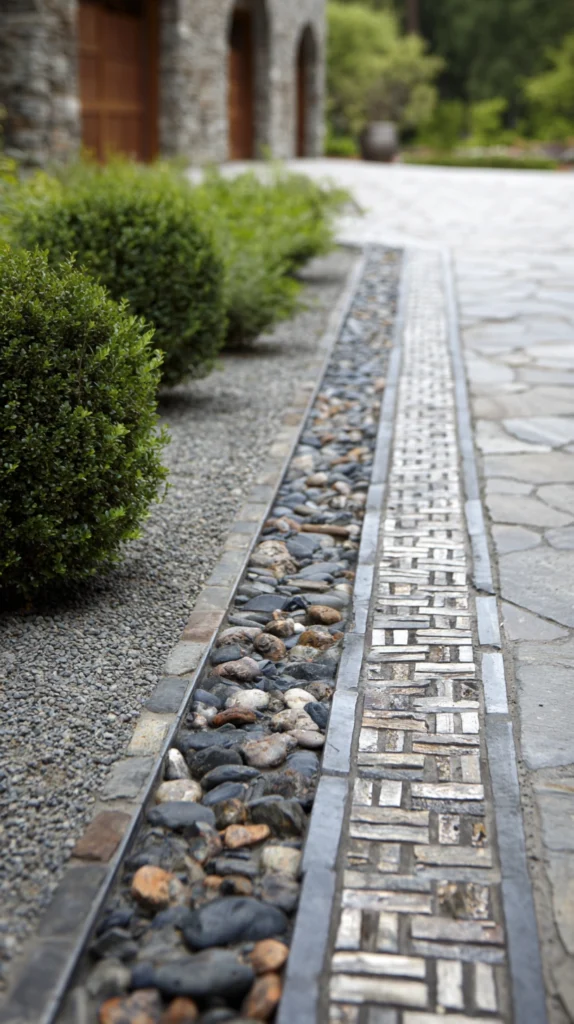
Push creative boundaries by creating custom edging from mixed materials arranged in mosaic-like patterns—perhaps alternating sections of wood, stone, and metal, or creating geometric patterns with different colored gravels separated by thin metal dividers.
This artisan approach transforms utilitarian edging into a design statement that reflects your personal aesthetic. The varied materials create visual interest and texture while the thoughtful arrangement demonstrates design intention.
Fill the bordered beds with plantings that complement your material choices—perhaps drought-tolerant succulents with gravel sections, or lush ferns with stone areas. This maximalist approach suits creative personalities and properties where pushing design boundaries aligns with the home’s architectural character.
Design Principles for Driveway Excellence
Successful driveway border landscaping balances multiple objectives: defining edges clearly, providing visual interest throughout seasons, requiring manageable maintenance, and complementing your home’s architectural style. Consider scale carefully—borders should be proportional to driveway width and overall property size. Embrace repetition of materials and plants for cohesion rather than variety for variety’s sake.
Most importantly, commit fully to your chosen aesthetic rather than hedging between multiple styles. The most impressive driveway landscapes demonstrate clarity of vision and the confidence to execute it completely. Your driveway border is your home’s handshake—make it firm, memorable, and worth the journey.