
15 Garden Edging Stones Ideas
Garden edging is one of those details that separates a well-considered outdoor space from one that simply exists. The boundary between a lawn and a flower bed, between a gravel path and a planted border, is a small thing in isolation but a defining thing in aggregate.
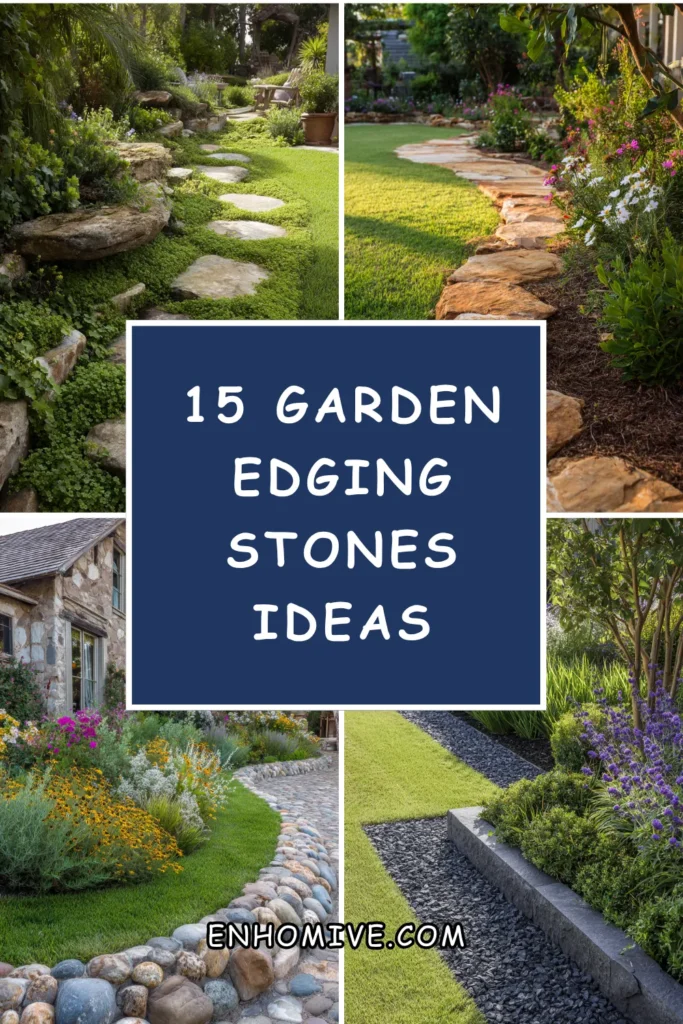
When garden edges are clean, defined, and thoughtfully specified, the entire garden looks more intentional and more beautiful. Stone edging brings a permanence, a material honesty, and a natural beauty to garden boundaries that plastic, metal, and timber alternatives rarely match. Here are 15 garden edging stone ideas that are practical, durable, and genuinely worth considering.
1. Natural Sandstone Edging
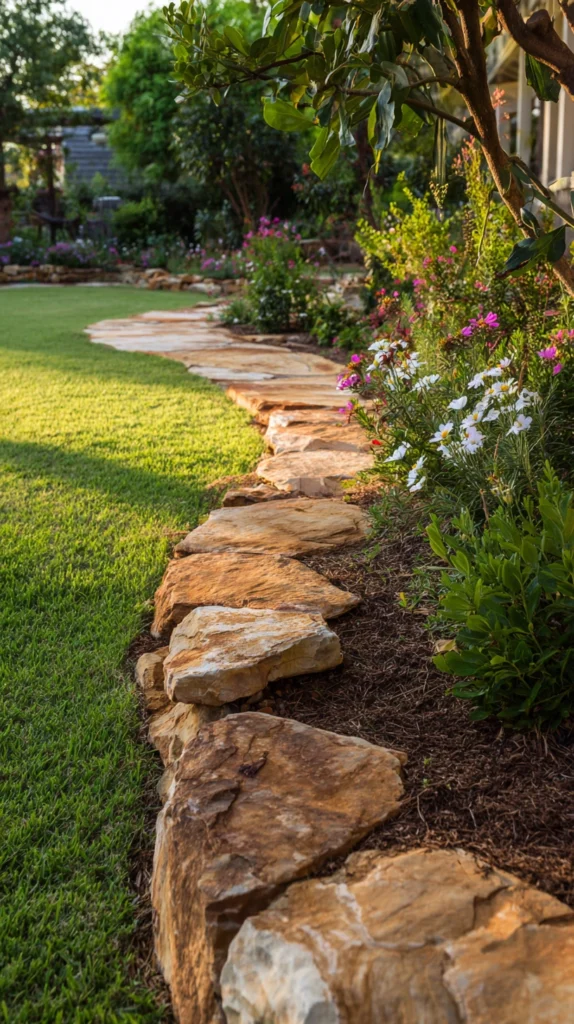
Natural sandstone edging brings warm honey and golden tones that relate naturally to the colors of the garden. soil, dried grass, and autumn foliage.
It is available in regular cut lengths for a clean consistent edge or in irregular pieces for a relaxed cottage garden aesthetic. Seal sandstone on installation to prevent staining from soil and organic matter that would otherwise penetrate its slightly porous surface.
2. Granite Sett Edging
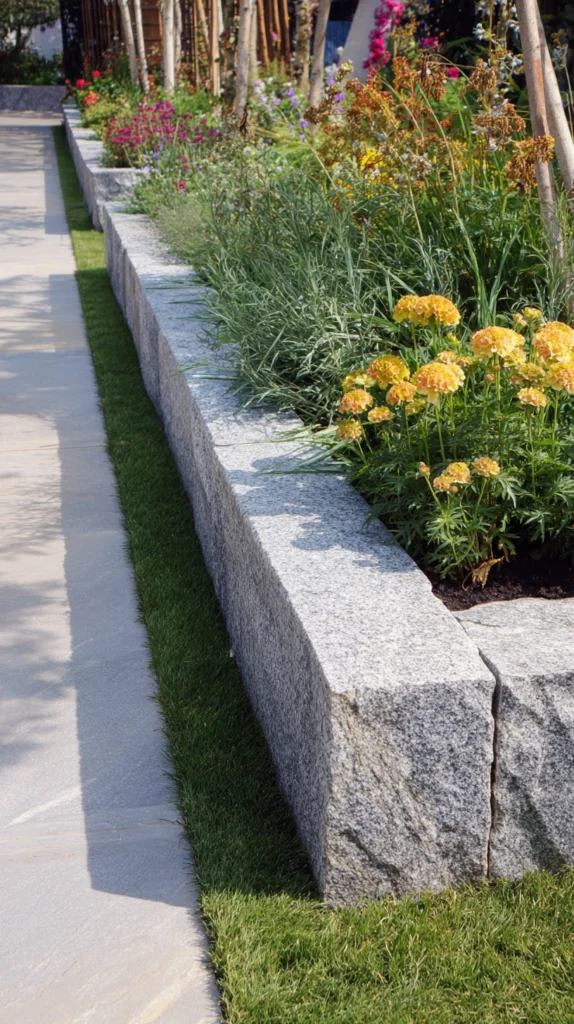
Granite setts set on edge with their longest dimension vertical create a low, solid edging of exceptional durability and character. Their grey speckled surface suits contemporary, industrial, and traditional garden styles with equal ease. Granite sets are virtually indestructible in outdoor settings, unaffected by frost, moisture, and the mechanical damage from lawn mowers that defeats less robust edging materials.
3. Slate Edging
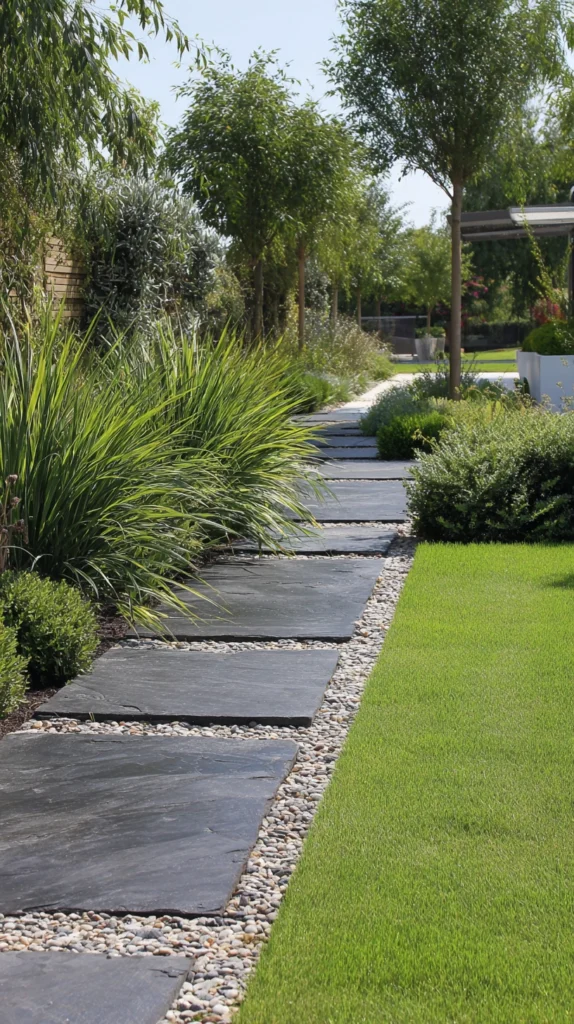
Slate set vertically on edge with its thin profile facing upward creates one of the most elegant and distinctively contemporary garden boundary treatments available.
The deep charcoal grey of natural slate against green lawn creates a graphic, high-contrast edge that looks deliberately architectural. Source slate edging from a reputable stone merchant rather than using roofing slate as a budget alternative as roofing slate is often too thin and fragile for garden edge installation.
4. Limestone Edging
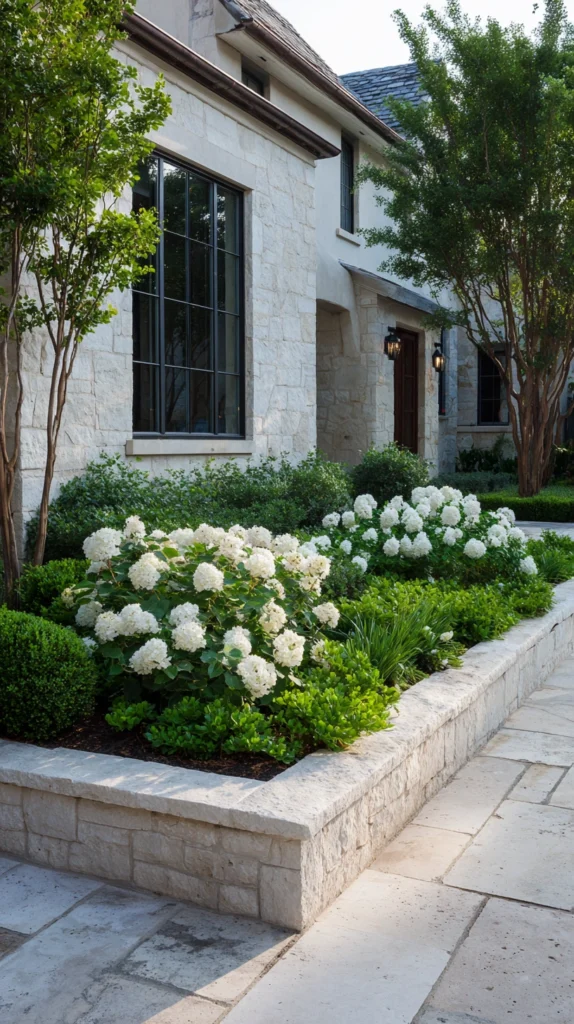
Limestone edging brings a pale, slightly cool material quality that suits formal gardens and Mediterranean-inspired outdoor spaces. Its clean color ranging from near-white through pale cream to soft grey provides a gentle contrast against dark soil and green planting. Choose a dense, low-porosity limestone as softer varieties can suffer frost damage in cold climates where water penetrating the stone expands on freezing and causes surface spalling.
5. Cobblestone Edging
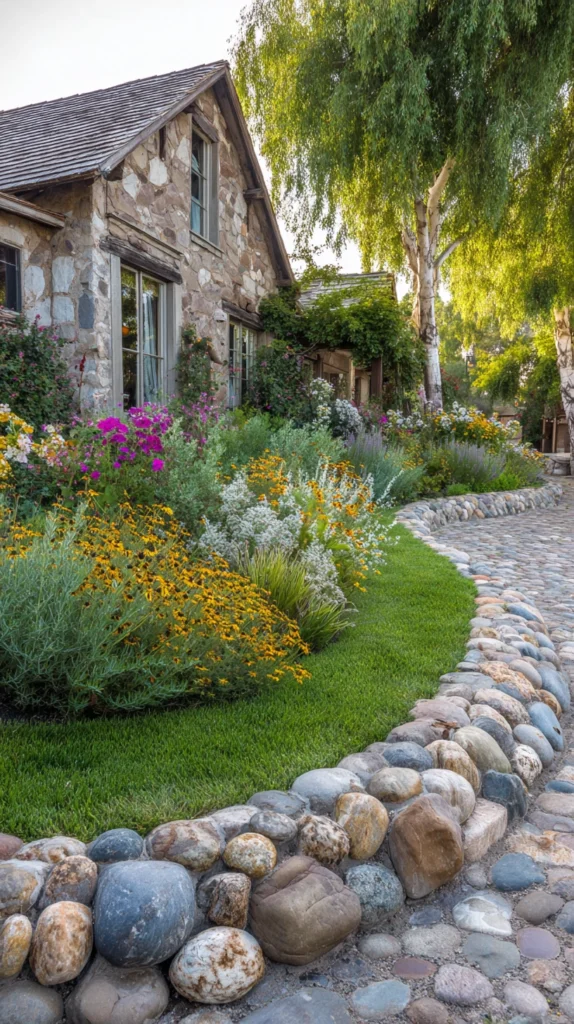
Cobblestones create a garden edging of warm, natural character that suits cottage gardens and any outdoor space with a relaxed traditional aesthetic. Their rounded forms and warm grey, brown, and golden tones feel genuinely ancient and deeply connected to the natural world. Set cobblestones side by side in a mortar bed with their flattest face positioned upward for the most stable and visually consistent edging line.
6. York Stone Edging
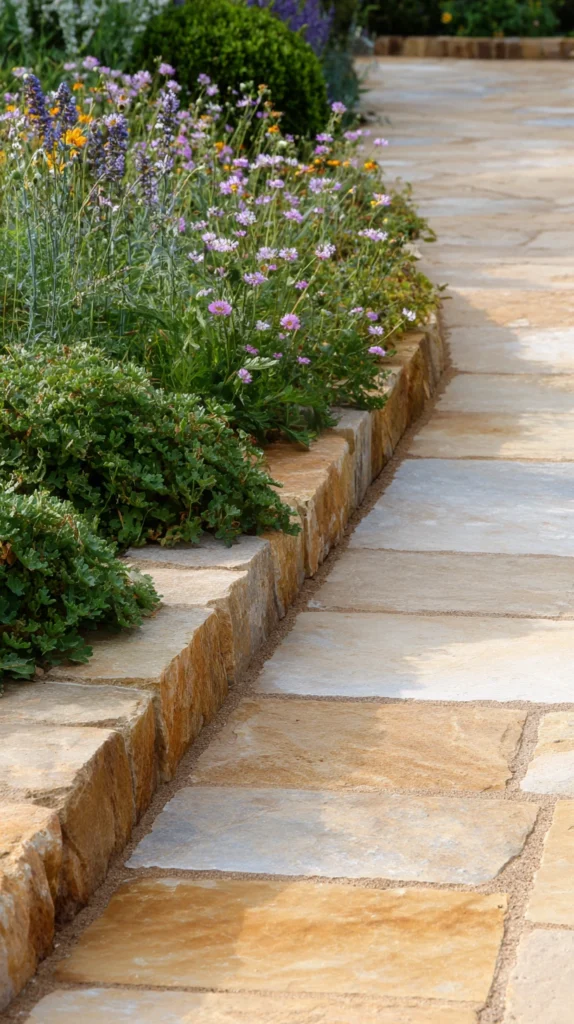
York stone is one of the most beautiful natural stone materials available for garden edging, with a warm golden color and subtle tone variation between individual pieces. Reclaimed York stone salvaged from old paths has a depth of patina that new stone cannot replicate. Its relatively flat top surface also makes it useful as a mowing edge against which a lawn mower wheel can run, creating a clean cut at the lawn boundary without additional hand trimming.
7. Flint Edging
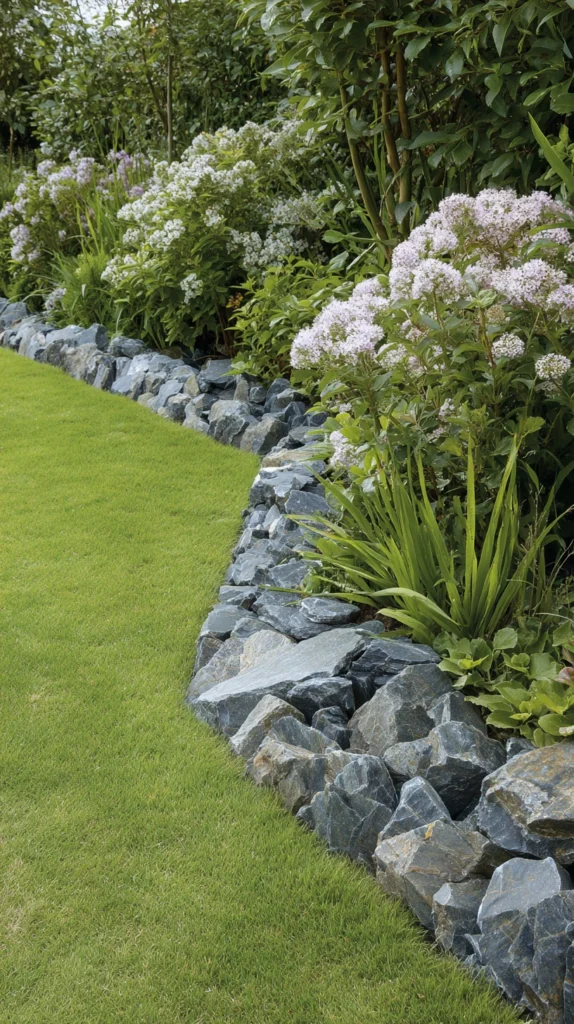
Flint edging suits gardens in chalk landscapes and coastal areas where flint is a natural feature of the local geology and building tradition. Knapped flints set with their flat dark grey cleaved face forward create a graphic and visually dramatic edge. Whole flints set with their rounded surface upward create a softer, more organic edging line that suits naturalistic and wildlife garden designs particularly well.
8. Basalt Edging
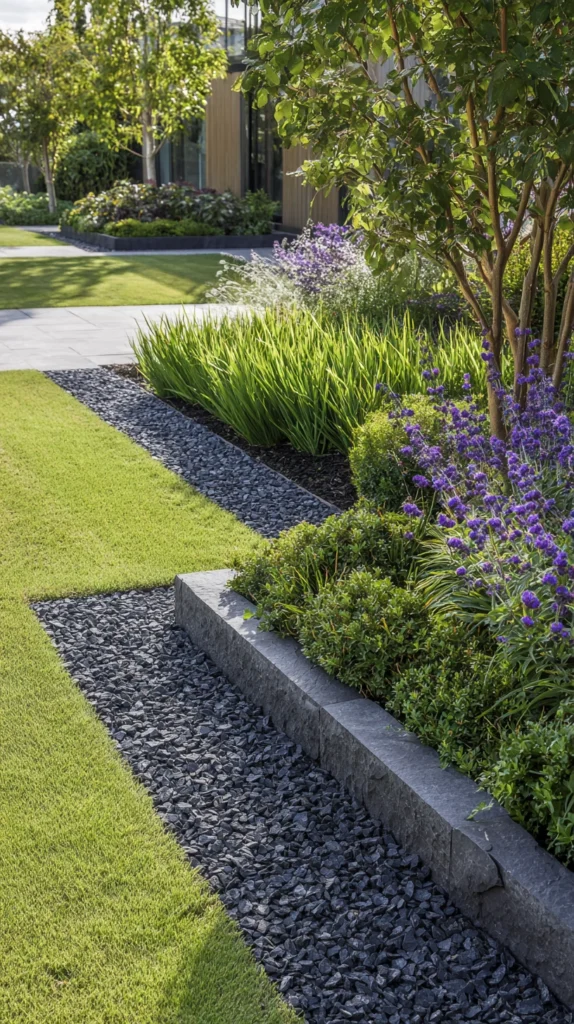
Basalt edging in near-black setts or cut pieces creates a garden boundary of exceptional visual strength and contemporary sophistication. Its near-black color creates one of the strongest possible contrasts against lawn and planting, defining boundaries with graphic clarity. Basalt suits contemporary and Japanese-inspired gardens where strong clean lines and a restrained material palette are the primary design priorities throughout the outdoor space.
9. Pebble Mosaic Edging
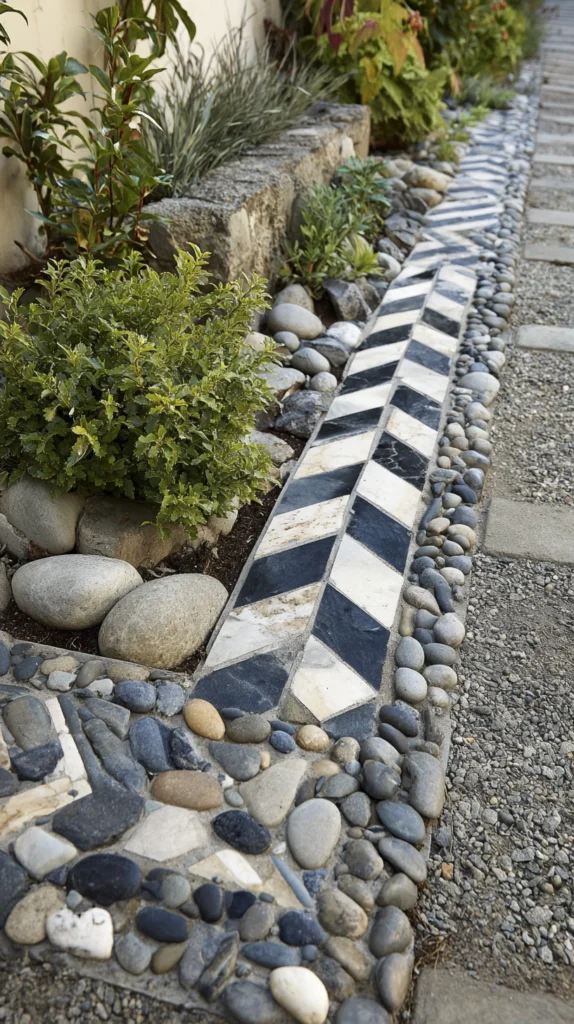
Small smooth pebbles set on end in a mortar bed in a simple geometric pattern create a decorative edge of artisanal and visually distinctive quality. A simple stripe or chevron in two contrasting pebble colors. dark grey and cream or black and white. creates a boundary of genuine decorative quality. Seal the finished pebble mosaic edging to bring out the natural color of the stones and protect the mortar joints from weathering that would gradually loosen individual pieces over time.
10. Reclaimed Brick Edging
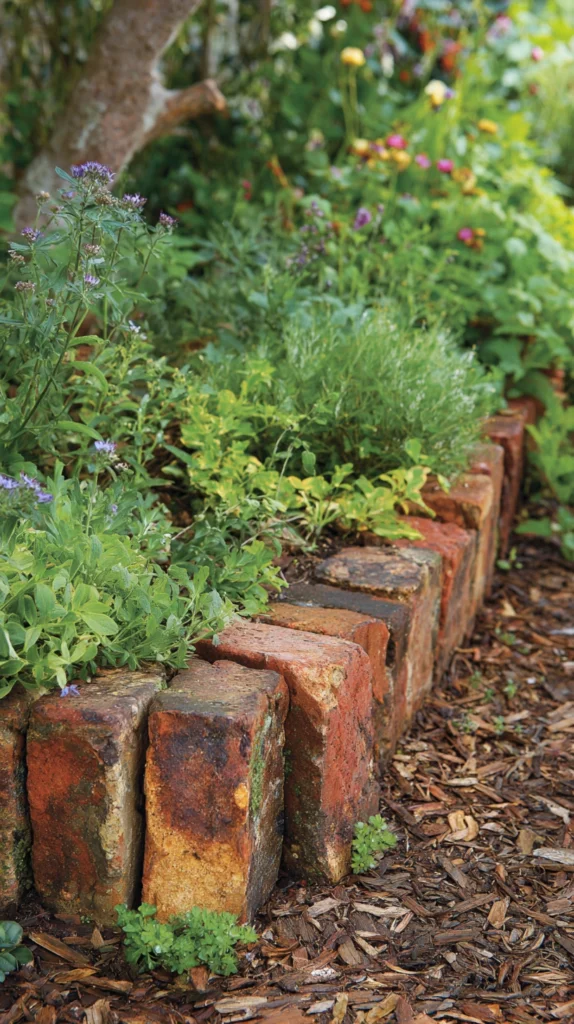
Reclaimed brick set on edge with its long face vertical and narrow edge at the top creates a garden edging of warm, enduringly beautiful character.
The aged surface of reclaimed brick with its variations from warm red through orange to deep terracotta feels genuinely honest rather than manufactured. Source frost-resistant engineering bricks from demolition merchants as standard facing bricks can suffer surface spalling in cold wet climates through repeated freeze-thaw cycles.
11. Stepping Stone Edging
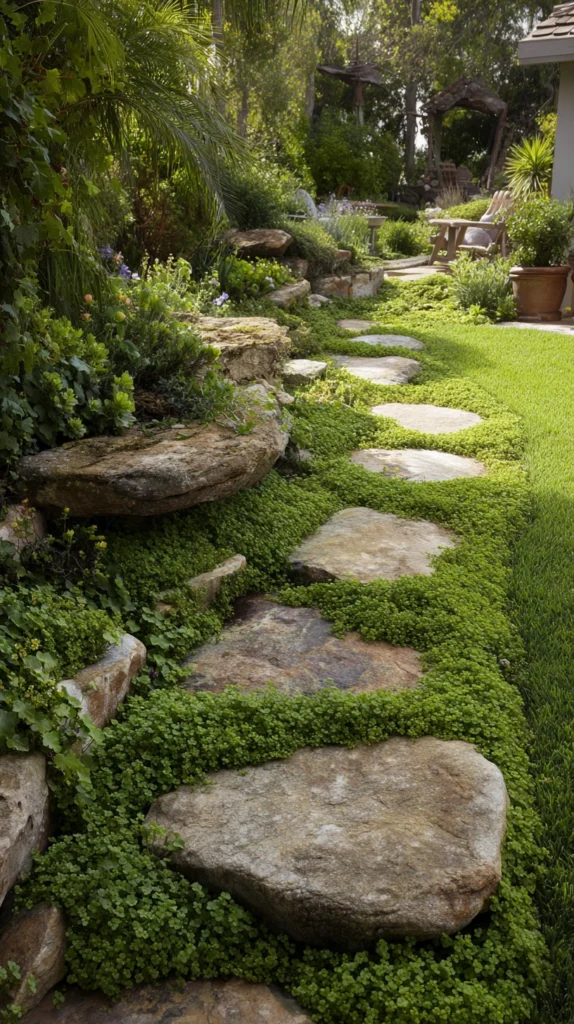
Large flat stepping stones positioned at regular intervals along the garden boundary create an edging that is simultaneously a path and a border definition.
This approach suits informal naturalistic garden designs where a hard continuous edging line would feel too rigid for the relaxed aesthetic of the planting it contains. Plant low-growing ground cover. thyme, chamomile, or creeping jenny. in the gaps between stepping stones for an edging that blurs the boundary between stone and planting beautifully.
12. Millstone and Grindstone Edging
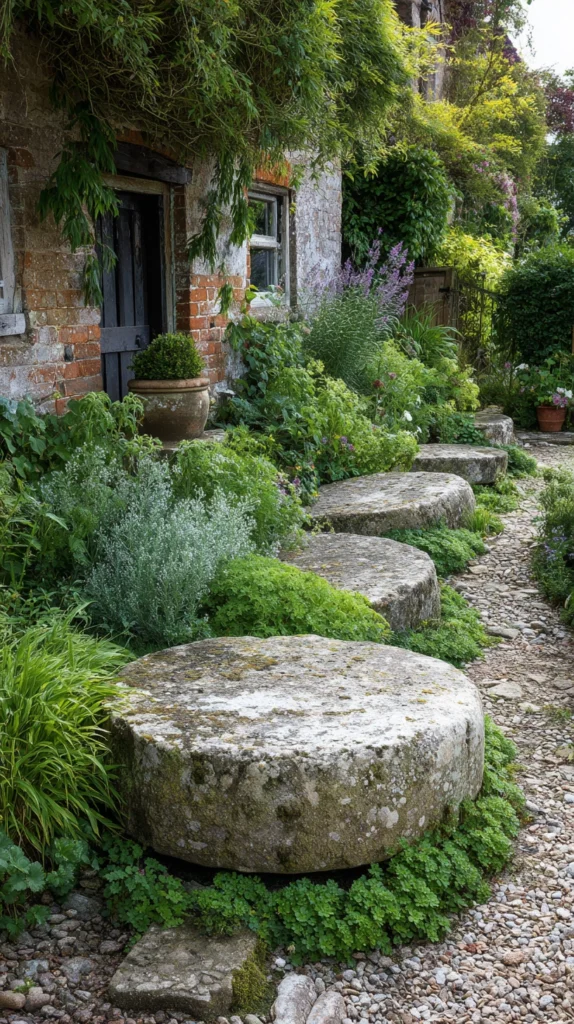
Antique millstones and grindstones repurposed as accent pieces at key points along a garden boundary create one of the most characterful garden features available. These large circular stone discs have a weight, patina, and sense of history that no purpose-made edging material can replicate. Source antique examples from agricultural salvage dealers and position them with their flat face visible rather than their edge for the most impactful presentation within the garden landscape.
13. Quartzite Edging
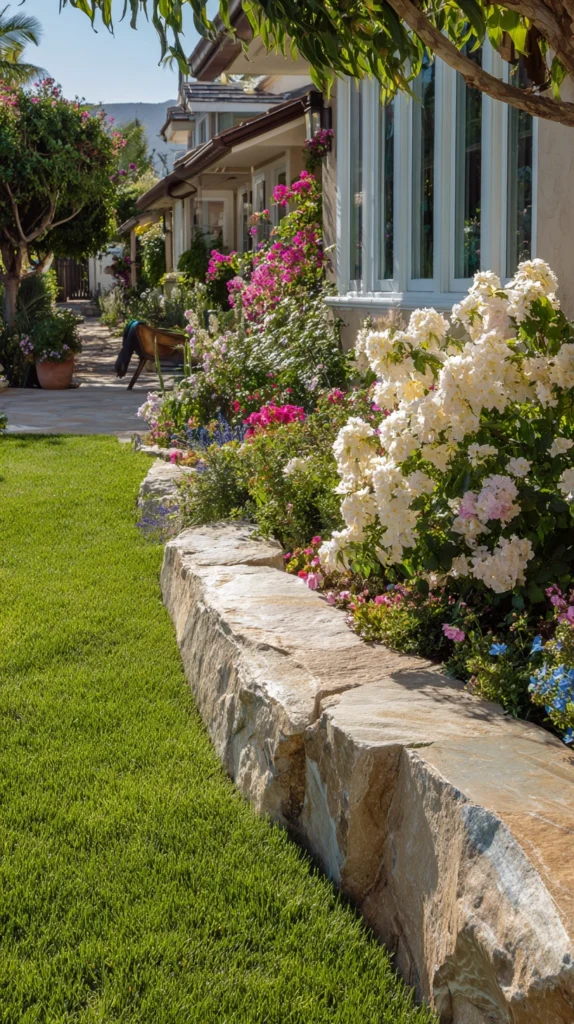
Quartzite edging with its sparkly slightly reflective surface catches the light at different times of day, creating a boundary with visual dynamism and mineral beauty. Its warm white, pale gold, and grey tones relate naturally to the colors of flowering plants, enhancing the planting beside it rather than competing with it. Quartzite is one of the hardest natural stones available, making it among the most durable of all garden edging materials across every climate and condition.
14. Travertine Edging
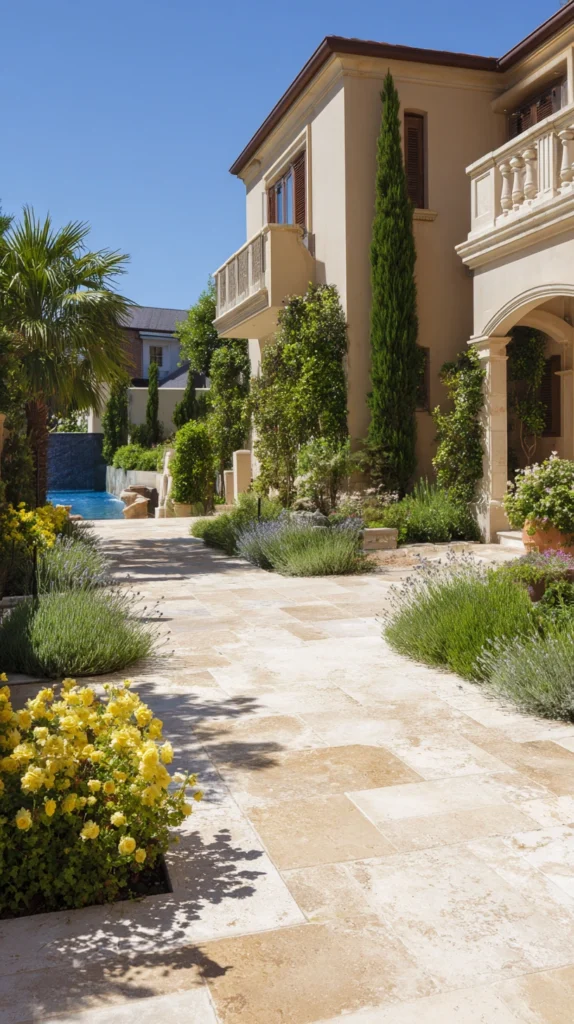
Travertine edging brings a warm Mediterranean quality to garden boundaries that suits courtyards, formal gardens, and outdoor spaces with a southern European design influence.
Its characteristic pitted surface with small holes and varied texture creates an edging of distinctive natural beauty that differs from every other stone type. Seal travertine edging on installation as its porous surface is susceptible to staining from soil contact and plant fertilizers throughout the growing season.
15. Mixed Stone Edging for an Eclectic Garden
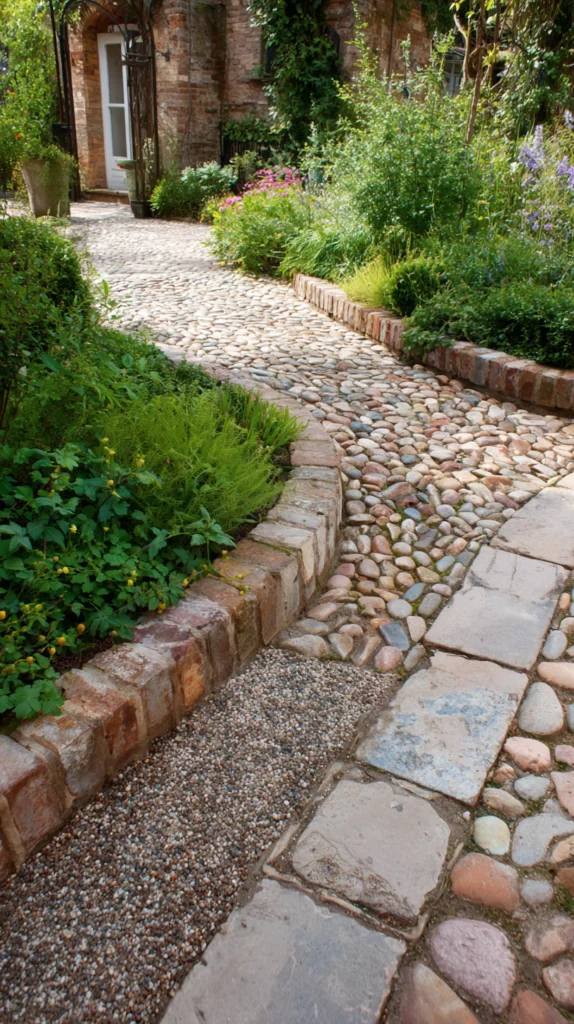
A garden edging assembled from a variety of stone types. granite setts at path edges, sandstone coping on raised beds, reclaimed brick beside the kitchen garden. creates an outdoor space with the accumulated, layered quality of a garden tended over many years.
The key to making mixed stone edging work coherently is ensuring the different stone types share a consistent color palette. all warm and golden or all cool and grey. That unifies the variety into a cohesive overall impression rather than visual confusion.
The Edge as the Defining Detail
A garden with well-considered stone edging looks cared for and beautiful even before a single flower blooms. The edge is the line that defines the garden’s intentions. Its commitment to material quality and to the kind of thoughtful outdoor space that rewards the investment of time and attention that a genuinely beautiful garden always requires.