
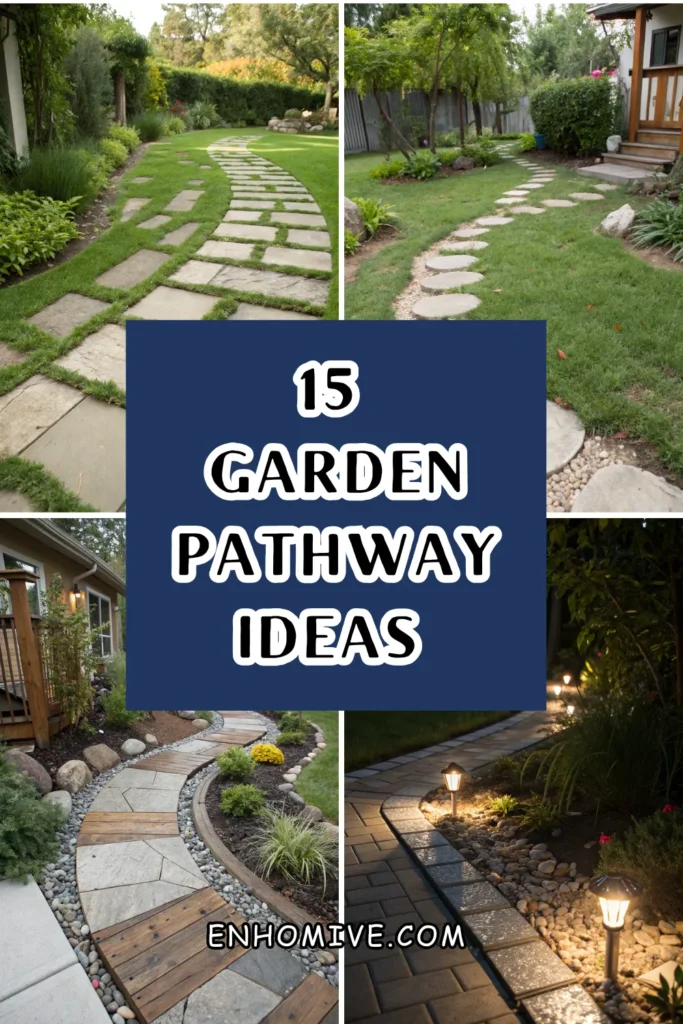
15 Garden Pathway Ideas to Elevate Your Landscape
A garden pathway is more than a functional route through your yard. It guides movement, defines zones, and sets the emotional tone of your outdoor space. With the right materials, shapes, and details, a pathway can transform an ordinary garden into a visually rich and inviting landscape.
1. Natural Stone Garden Pathway
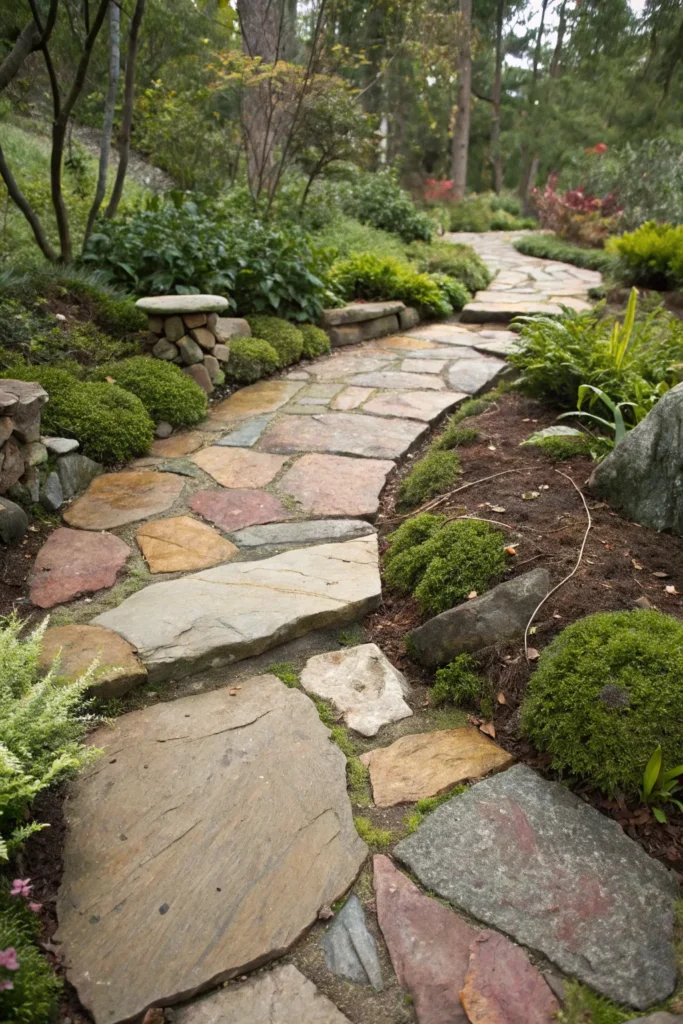
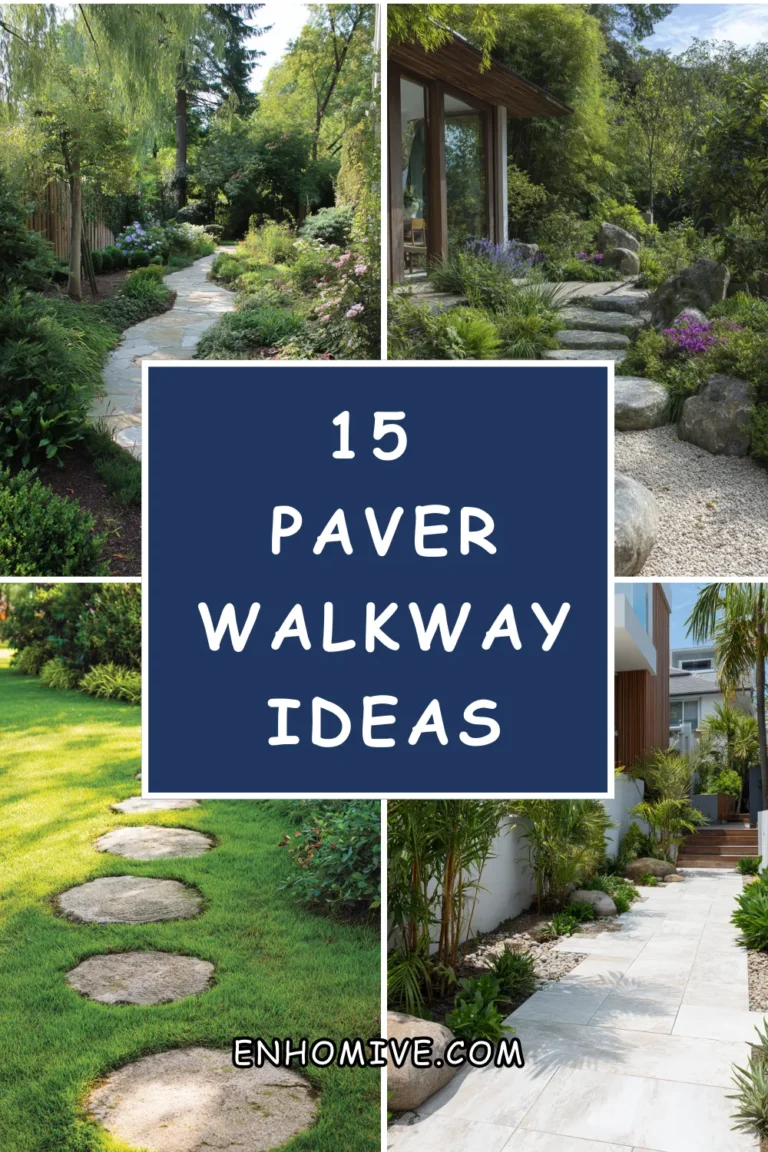
Natural stone pathways bring timeless beauty to any landscape. Designers often use irregular stone slabs to create an organic, flowing look. The variation in color and texture adds instant character.
Stone paths blend seamlessly with plants and greenery. Moss or ground cover growing between stones enhances the natural feel. This creates a pathway that looks as though it has always belonged there.
Natural stone is also durable and weather-resistant. Over time, it develops a beautiful patina. This makes it both a practical and aesthetic choice for long-term landscaping.
2. Gravel Garden Pathway
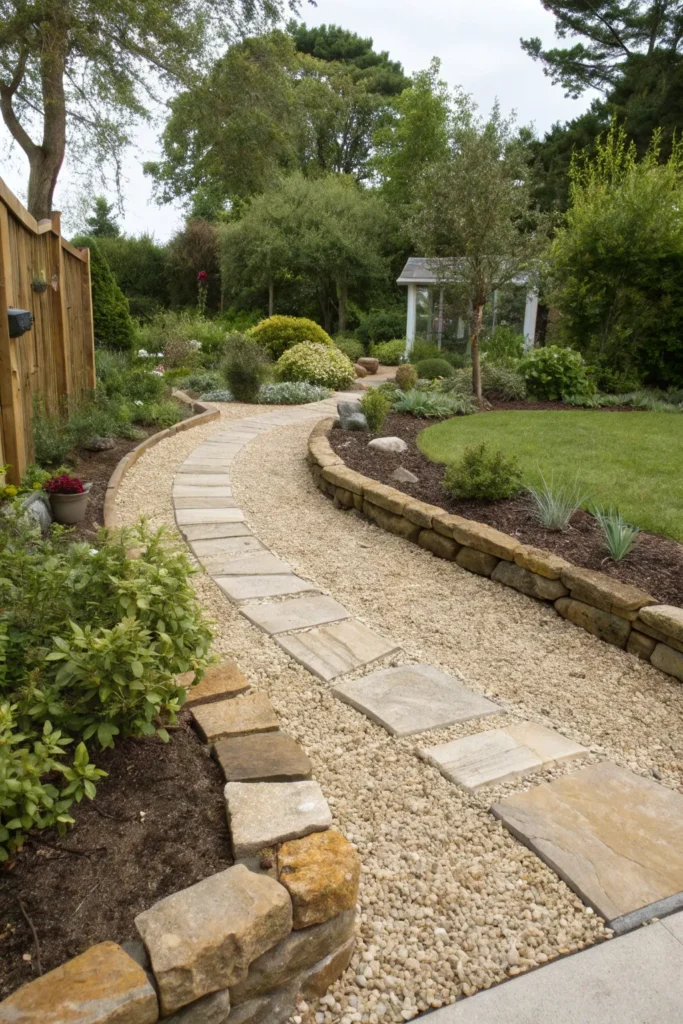
Gravel pathways are versatile and budget-friendly. Designers favor gravel for its casual charm and easy installation. It works well in both modern and cottage-style gardens.
The sound of gravel underfoot adds a sensory element. This subtle crunch enhances the garden experience. It also helps define the path clearly.
Edging is important for gravel pathways. Stone, metal, or wood borders keep gravel contained. The result is a clean yet relaxed look.
3. Brick Garden Pathway
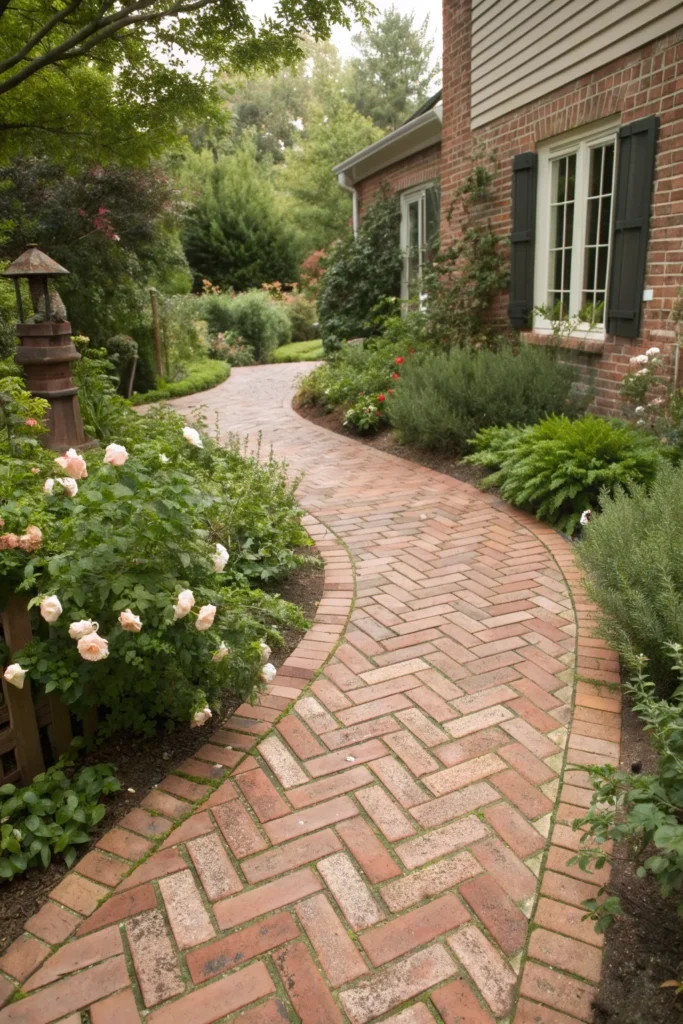
Brick pathways bring classic warmth and structure to landscapes. Designers often use brick in herringbone or basketweave patterns. These patterns add visual interest and timeless appeal.
Brick pairs beautifully with greenery and flowering plants. Its warm tones complement natural surroundings. This makes it ideal for traditional or vintage-inspired gardens.
Over time, brick develops a charming aged look. Slight imperfections add character. The pathway feels inviting and full of history.
4. Stepping Stone Pathway
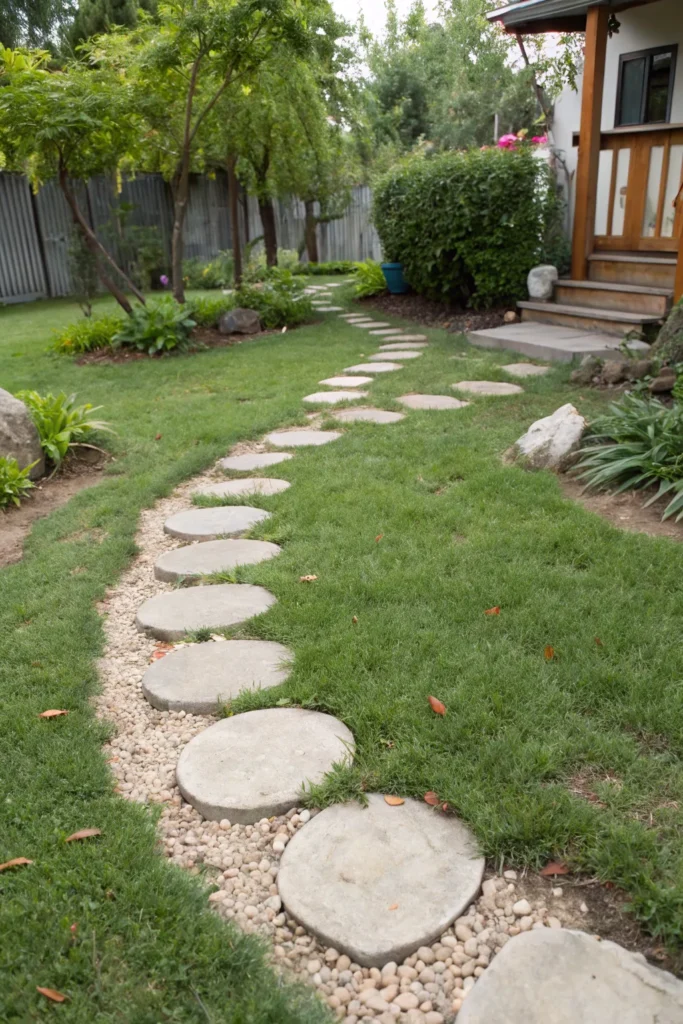
Stepping stone pathways create a playful and relaxed garden feel. Designers use spaced stones to guide movement without a rigid structure. This encourages slower, more mindful walking.
Stepping stones work well in grassy or gravel areas. They blend into the landscape rather than dominating it. The path feels light and informal.
This idea is perfect for small gardens. It adds function without overwhelming the space. The result feels natural and approachable.
5. Wooden Garden Pathway

Wooden pathways add warmth and texture to outdoor spaces. Designers often use timber planks or sleepers for a rustic effect. This works especially well in natural or woodland gardens.
Wood contrasts beautifully with greenery. It softens the overall landscape design. The texture adds visual depth.
Treated wood ensures durability outdoors. Over time, it weathers gracefully. This creates a relaxed, organic look.
6. Curved Garden Pathway

Curved pathways add movement and intrigue. Designers prefer curves to straight lines for a more natural feel. The path gently leads the eye through the garden.
Curves make the landscape feel larger. They create moments of discovery as the path unfolds. This adds a sense of journey.
Curved paths work well with stone, gravel, or brick. The flowing shape enhances visual softness. The garden feels more dynamic and inviting.
7. Concrete Garden Pathway
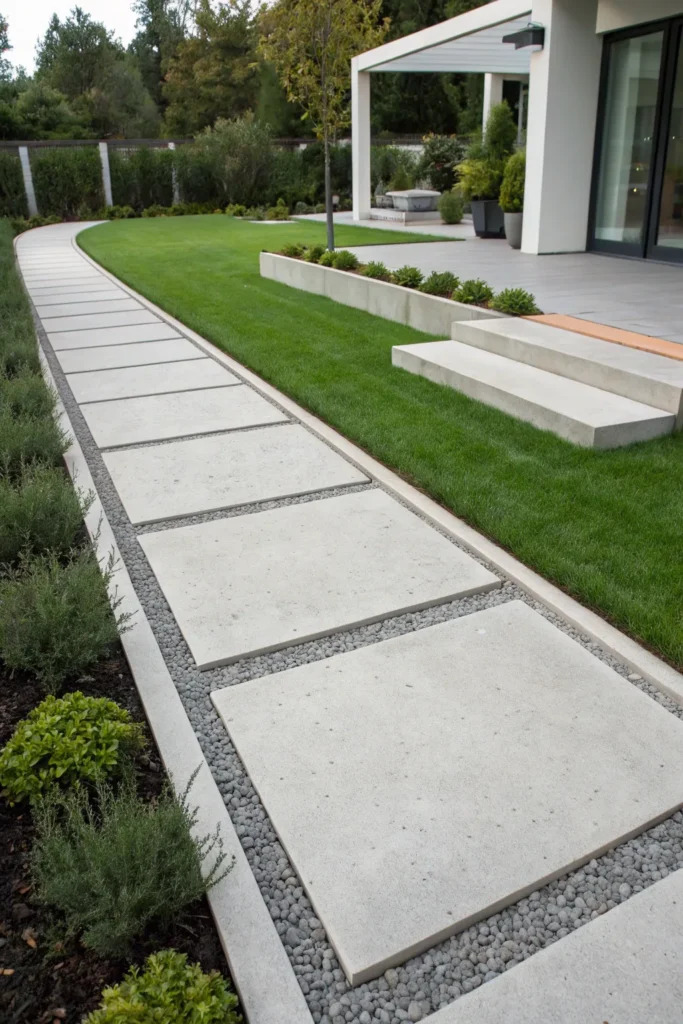
Concrete pathways offer a modern and minimalist look. Designers often choose poured concrete or concrete pavers. The clean lines feel contemporary and refined.
Concrete can be customized with texture or color. Exposed aggregate or stamped finishes add interest. This prevents the path from feeling too plain.
Concrete is durable and low maintenance. It suits modern landscapes beautifully. The pathway feels sleek and intentional.
8. Flagstone Garden Pathway
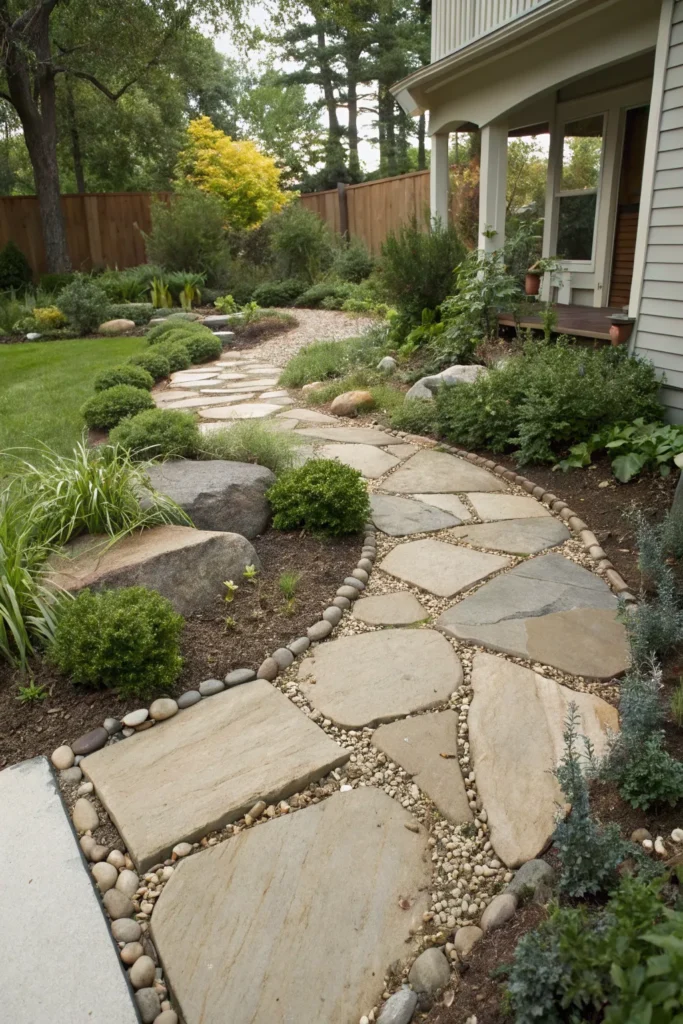
Flagstone pathways create a natural yet structured look. Designers love flagstone for its flat surface and organic shape. Each stone feels unique.
The gaps between flagstones allow for plants or gravel. This softens the overall appearance. The path feels integrated with nature.
Flagstone works well in both formal and informal gardens. Its versatility makes it a favorite. The result is elegant yet relaxed.
9. Garden Pathway with Grass Inlays
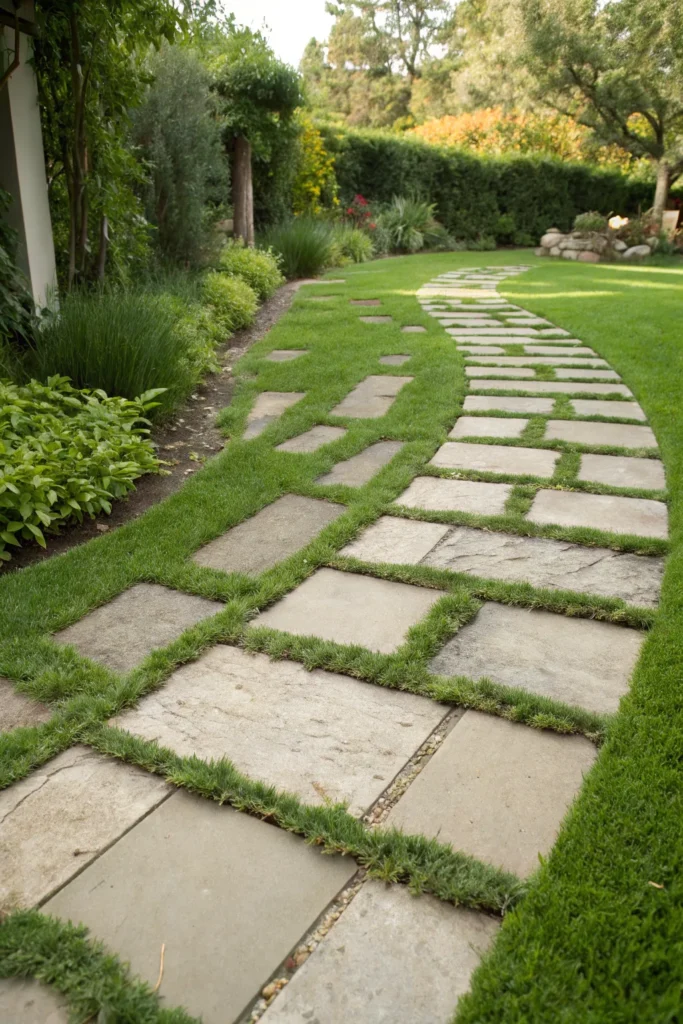
Grass inlays add freshness and contrast to hard pathways. Designers often place grass between stone or concrete slabs. This creates a balanced, modern look.
The greenery softens the hardness of paving. It brings life and movement to the path. The result feels light and inviting.
This idea works best in low-traffic areas. Regular maintenance keeps grass looking neat. The pathway feels lush and refined.
10. Pebble Mosaic Garden Pathway

Pebble mosaics turn pathways into works of art. Designers use small stones to create patterns or textures. This adds a decorative element to the landscape.
The varied colors of pebbles create visual interest. Even simple patterns feel special. The pathway becomes a focal point.
Pebble pathways work well in courtyards or small gardens. They add charm and personality. The design feels handcrafted and unique.
11. Raised Garden Pathway

Raised pathways add dimension to flat landscapes. Designers use them to define walkways clearly. This also improves drainage.
Raised paths create a sense of importance. They guide movement intentionally through the garden. The elevation adds visual interest.
This idea works well with wood or stone. It suits modern and structured landscapes. The path feels purposeful and refined.
12. Garden Pathway with Lighting

Lighting transforms garden pathways at night. Designers use low-level lights along edges or embedded into the path. This adds both safety and ambiance.
Soft lighting highlights textures and materials. Shadows create a magical atmosphere. The garden feels inviting after dark.
Solar lights offer an eco-friendly option. They require minimal installation. The pathway becomes functional and beautiful day and night.
13. Mulch Garden Pathway

Mulch pathways are natural and cost-effective. Designers use bark or wood chips for a soft, earthy look. This works well in informal gardens.
Mulch blends seamlessly with plants and trees. It feels comfortable and grounded. The path encourages a relaxed walking pace.
Regular maintenance keeps mulch looking fresh. Replenishing it is simple and affordable. The result is a warm, natural pathway.
14. Garden Pathway with Border Planting
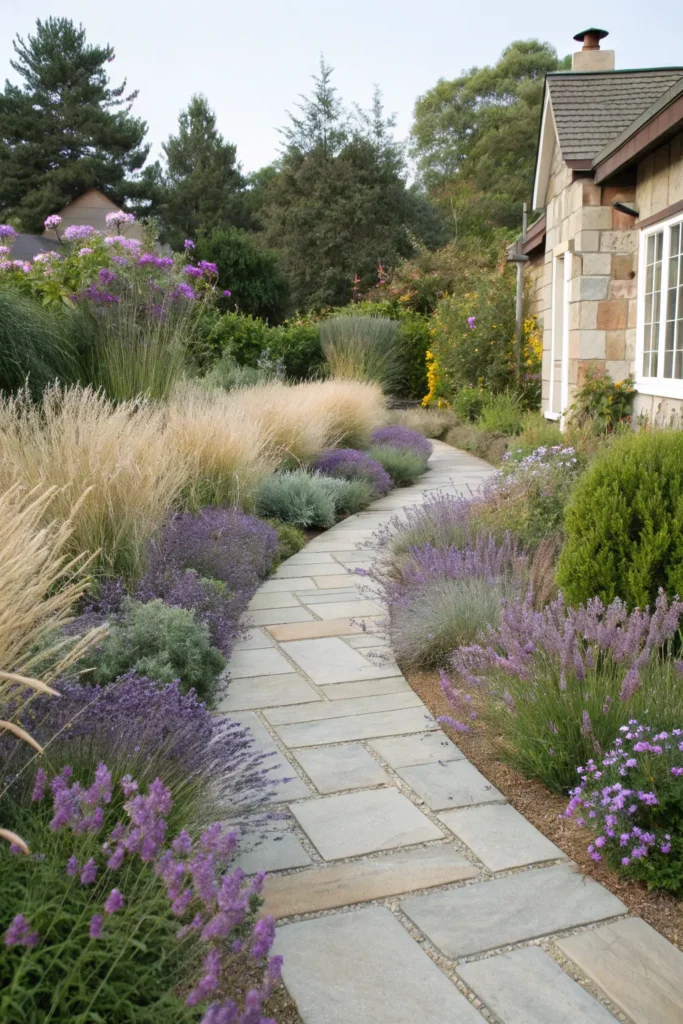
Border planting enhances any pathway design. Designers use low plants to frame the path. This creates structure and softness.
Plants like lavender or ornamental grasses add movement. Seasonal blooms bring color and fragrance. The pathway feels alive.
Borders help guide the eye and movement. They make the path feel intentional. The landscape looks cohesive and lush.
15. Mixed-Material Garden Pathway

Mixed-material pathways offer depth and creativity. Designers combine stone, gravel, wood, or concrete. This adds visual interest.
Different textures define sections of the garden. Transitions feel intentional and dynamic. The pathway tells a story as you move through it.
This idea works well in large landscapes. It allows for customization and creativity. The result is a truly elevated garden design.
Garden pathway ideas play a crucial role in shaping the overall feel of your landscape. Whether you prefer natural, modern, or artistic designs, the right pathway adds structure, beauty, and a sense of journey that elevates your outdoor space into a cohesive and inspiring retreat.