
15 Gravel Garden Design Ideas
Gravel gardens have emerged as one of the most practical and beautiful landscaping solutions for modern homeowners seeking low-maintenance, drought-tolerant outdoor spaces. These gardens replace traditional lawns with permeable gravel surfaces interspersed with carefully selected plants that thrive in well-drained conditions.
The result is a dynamic, sustainable landscape that requires minimal water, reduces maintenance time, and provides year-round visual interest through textural contrasts between stones and plantings.
The appeal of gravel gardens extends beyond their practical benefits to encompass distinctive aesthetic qualities that set them apart from conventional landscapes. The neutral backdrop of gravel allows plants to take center stage, creating living sculptures against a mineral canvas that changes with seasons and light.
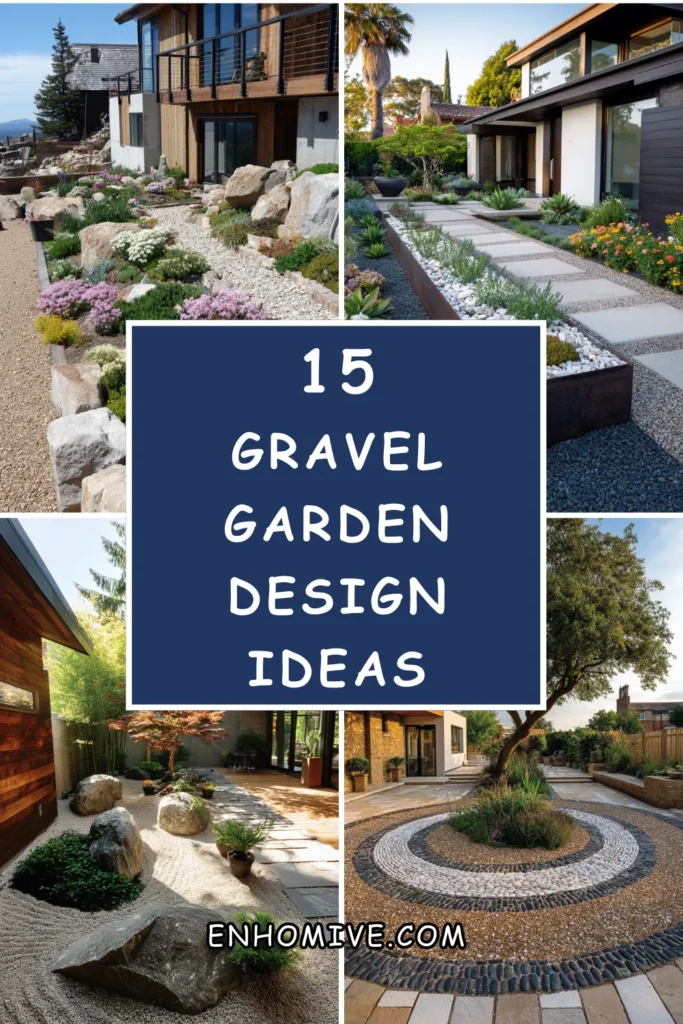
Gravel gardens work beautifully in various climates and settings, from Mediterranean courtyards and desert xeriscapes to contemporary urban gardens and cottage-style country properties.
Creating a successful gravel garden requires understanding design principles that maximize both beauty and functionality while respecting your local climate and site conditions. The key lies in balancing hardscape materials with plant selections, establishing proper drainage and weed barriers, and arranging elements that create visual harmony.
These fifteen design ideas will inspire you to transform challenging areas into stunning gravel gardens that elevate your property’s aesthetic while dramatically reducing landscape maintenance demands.
1. Mediterranean Courtyard Style
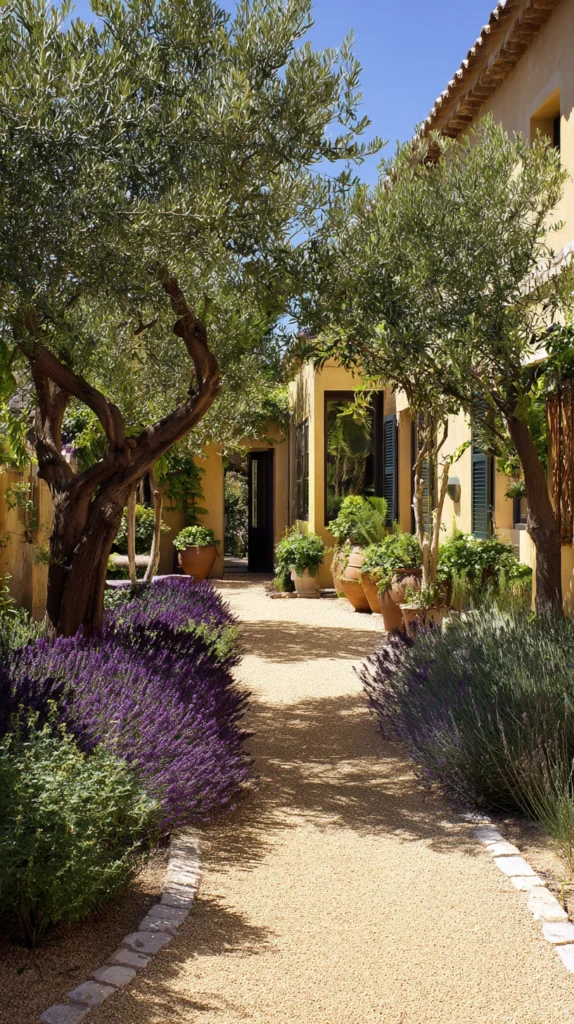
Create an enclosed gravel garden reminiscent of sun-drenched Mediterranean courtyards with drought-tolerant plants like lavender, rosemary, and olive trees. Use warm-toned gravel in buff, terracotta, or golden hues that complement rustic terracotta pots and aged stone features. Incorporate architectural elements like urns, fountains, or pergolas that provide vertical interest and establish the romantic, timeless character of European garden traditions.
2. Minimalist Zen Garden
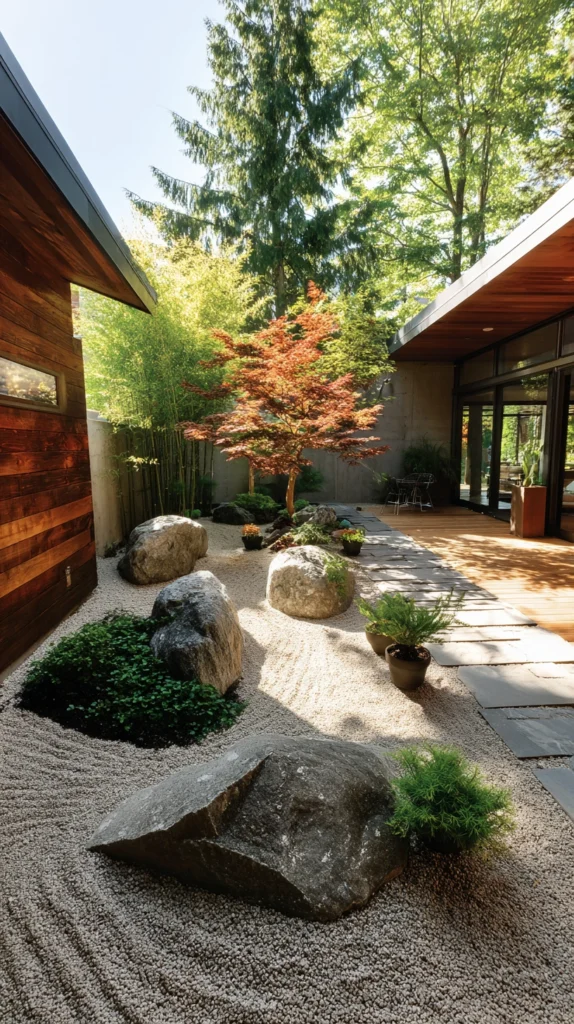
Design a serene, contemplative space using fine gravel in cool gray or white tones with carefully placed boulders and minimal plant selection. Rake gravel into flowing patterns that represent water or energy movement, creating meditative landscapes that change with your maintenance practice. Include Japanese maples, ornamental grasses, or sculptural evergreens as focal points that provide structure without overwhelming the tranquil simplicity of the composition.
3. Prairie-Style Naturalistic Design
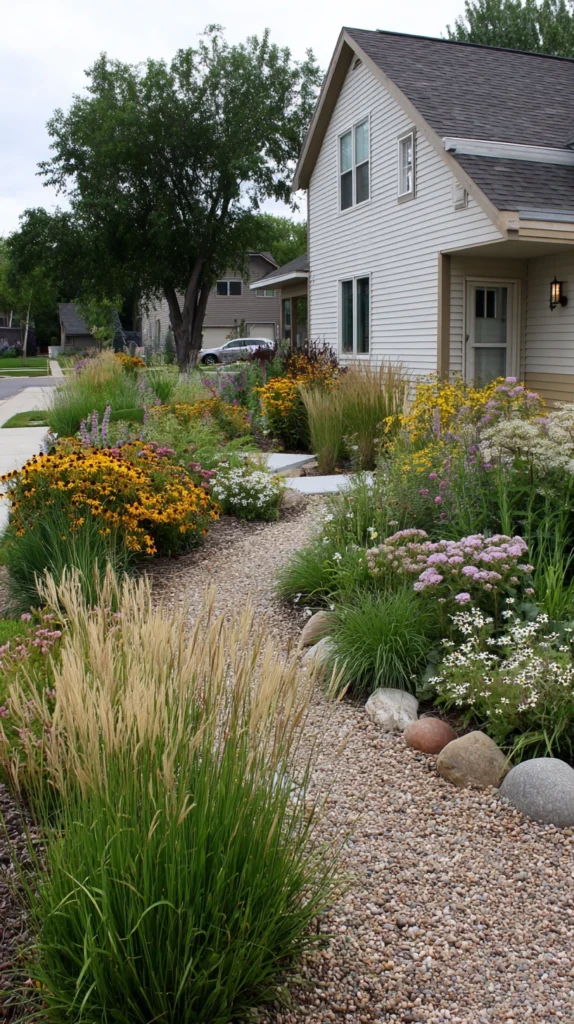
Mimic native grassland ecosystems by planting ornamental grasses and prairie perennials in drifts throughout a gravel base that simulates natural soil conditions. Choose native or regionally appropriate species like coneflowers, black-eyed Susans, and feather reed grass that create movement and seasonal interest. This approach creates wildlife-friendly habitats while celebrating regional plant communities and reducing dependence on irrigation and chemical inputs.
4. Succulent Tapestry Garden
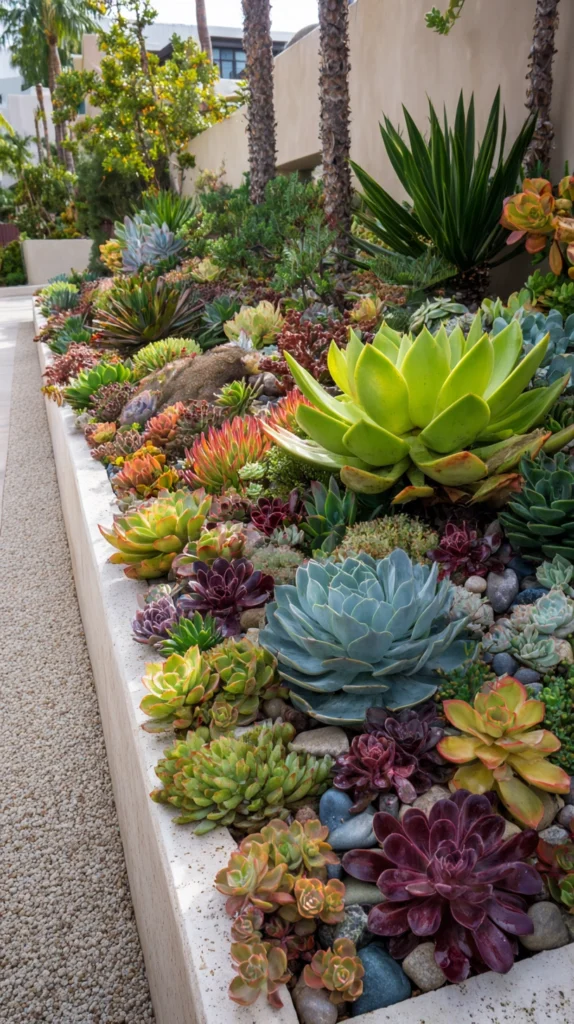
Showcase diverse succulent varieties against contrasting gravel colors, creating living tapestries with varied textures, forms, and colors. Plant sedums, sempervivums, agaves, and echeverias in naturalistic groupings that spread gradually to fill spaces between stones. Use fine gravel mulch that highlights individual plants while providing excellent drainage essential for succulent health in regions with winter moisture.
5. Formal Geometric Patterns
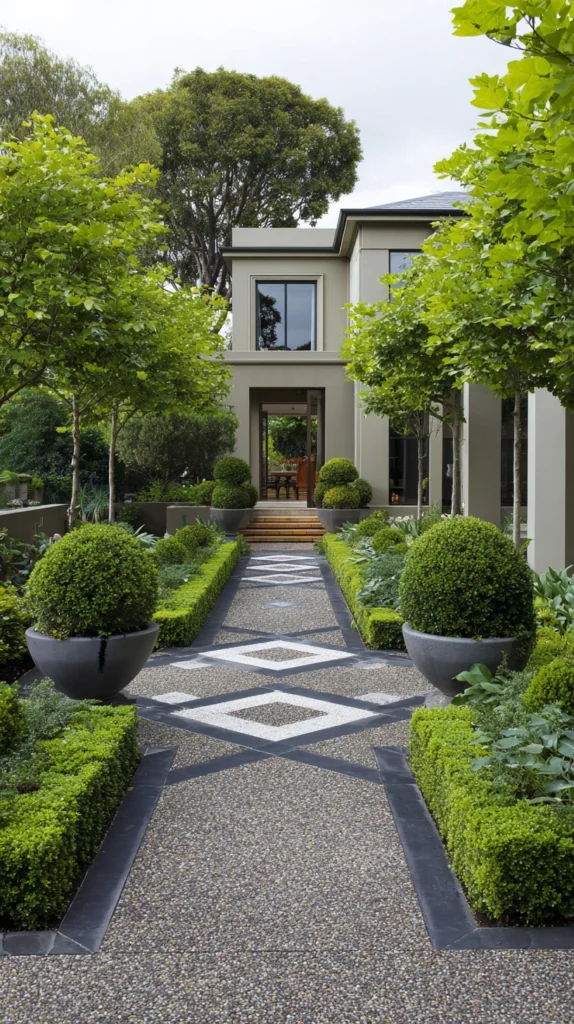
Establish crisp geometric beds edged with stone or metal borders, filling sections with different gravel colors to create graphic patterns. Plant within these defined areas using repetitive plantings or single specimen trees that reinforce formal structure and symmetry. This approach works beautifully in contemporary landscapes or traditional estates where order and precision define the design aesthetic.
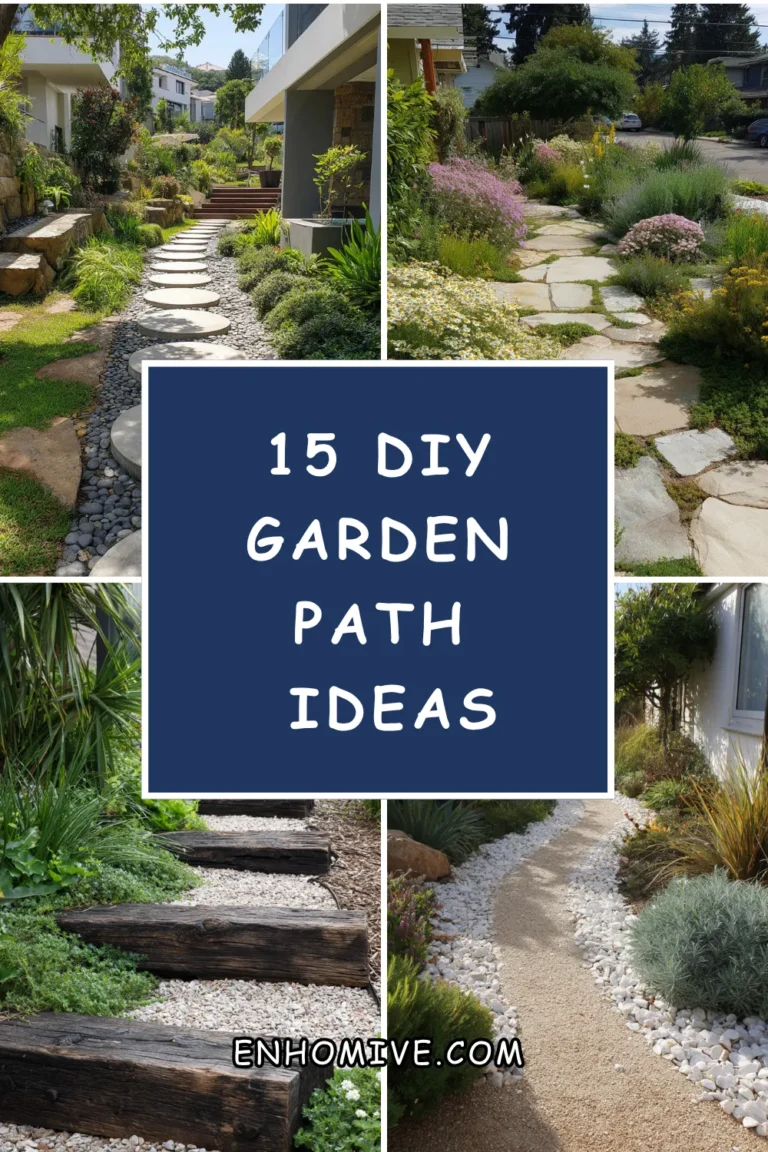
6. Cottage Garden Gravel Paths
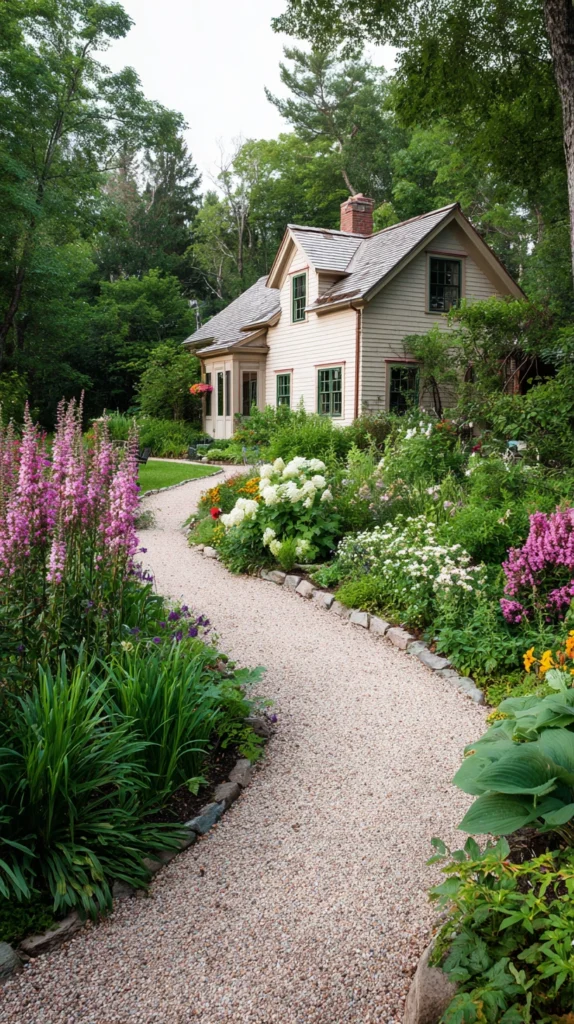
Design informal gravel paths that meander through abundant mixed plantings of perennials, roses, and flowering shrubs in classic cottage garden style. Allow plants to self-seed into gravel edges, creating soft, romantic transitions between paths and planting areas. Use fine pea gravel in neutral tones that provides comfortable walking surfaces while complementing the profusion of colors and textures in surrounding beds.
7. Rock Garden Alpine Display
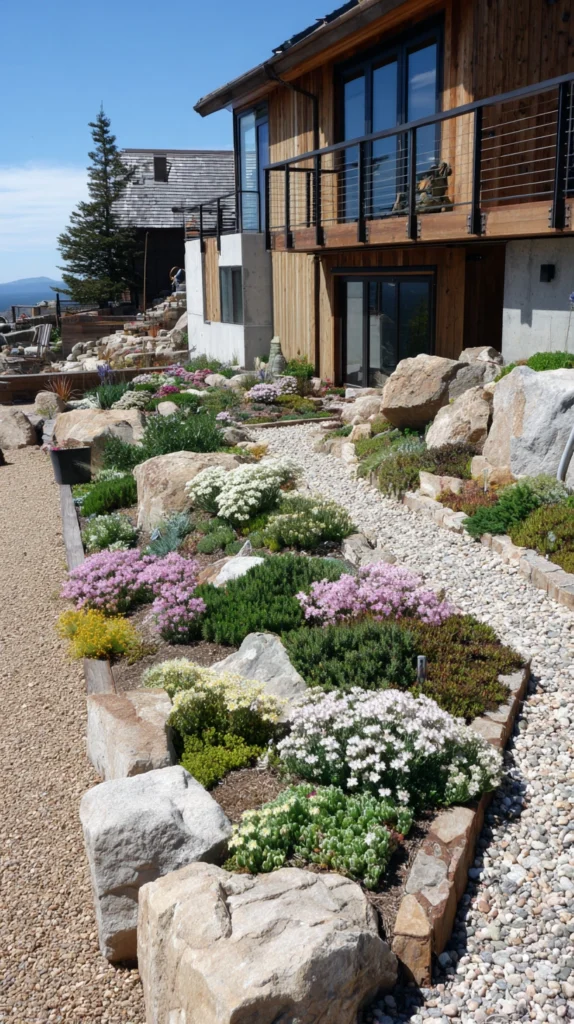
Create elevated gravel gardens that showcase alpine plants, dwarf conifers, and rock garden treasures requiring excellent drainage and gritty growing conditions. Build gentle berms or terraces that improve drainage while creating topographic interest and varied planting microclimates. Incorporate larger rocks as natural outcroppings that anchor the design and provide structural backdrops for smaller jewel-like plants.
8. Modern Architectural Garden
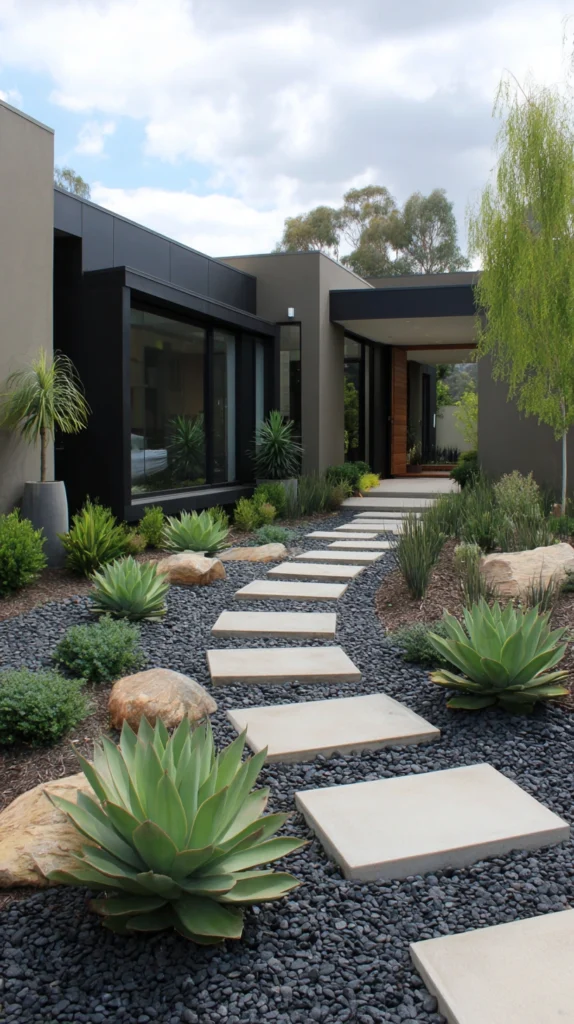
Design bold, contemporary gravel gardens using large-format pavers or concrete stepping stones floating in seas of uniform gravel. Plant architectural specimens like agaves, yuccas, or ornamental grasses that provide sculptural forms echoing modern design principles. Limit color palettes to create sophisticated restraint that emphasizes form, texture, and spatial relationships over floral abundance.
9. Shady Woodland Gravel Garden
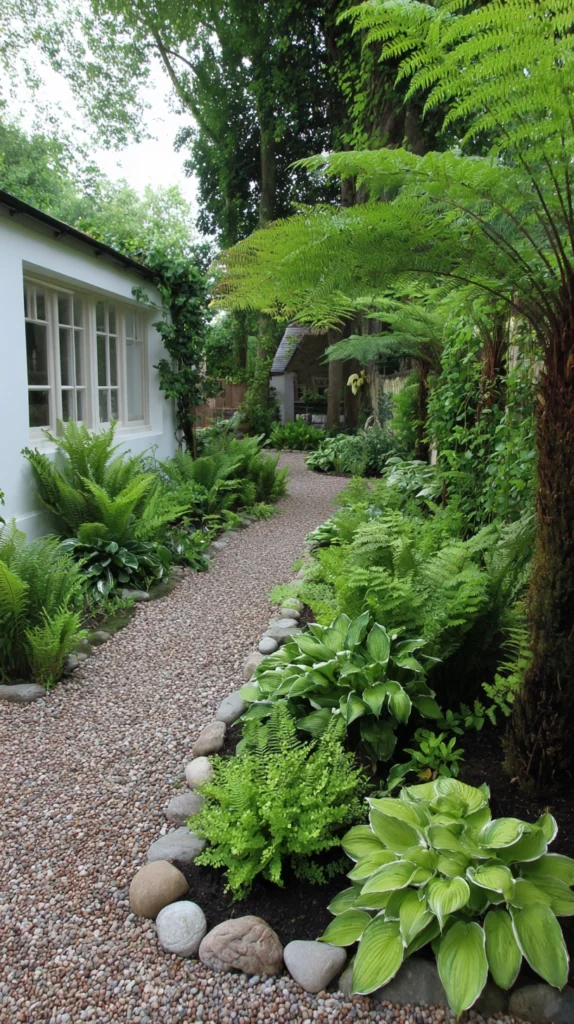
Transform challenging shaded areas into lush gravel gardens featuring shade-loving ferns, hostas, hellebores, and woodland perennials. Use darker gravel tones that recede visually, allowing foliage textures and subtle flower colors to command attention. Incorporate natural stone elements and dappled shade-casting trees that create the cool, mysterious atmosphere of forest floor environments.
10. Coastal Wind-Resistant Design
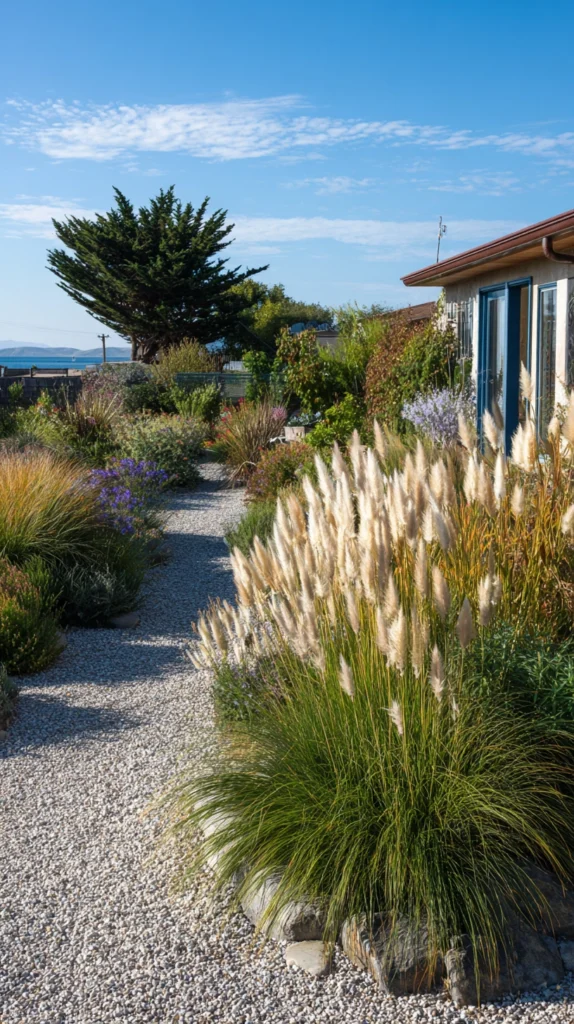
Plant tough, salt-tolerant species like sea thrift, ornamental grasses, and lavender in gravel gardens designed to withstand coastal winds and salt spray. Choose gravel colors that complement beach environments—white quartz, shell fragments, or light gray stones that reflect sunlight and heat. Keep plantings low and compact to reduce wind resistance while creating naturalistic drifts that echo dune landscapes.
11. Circular Pattern Focal Point
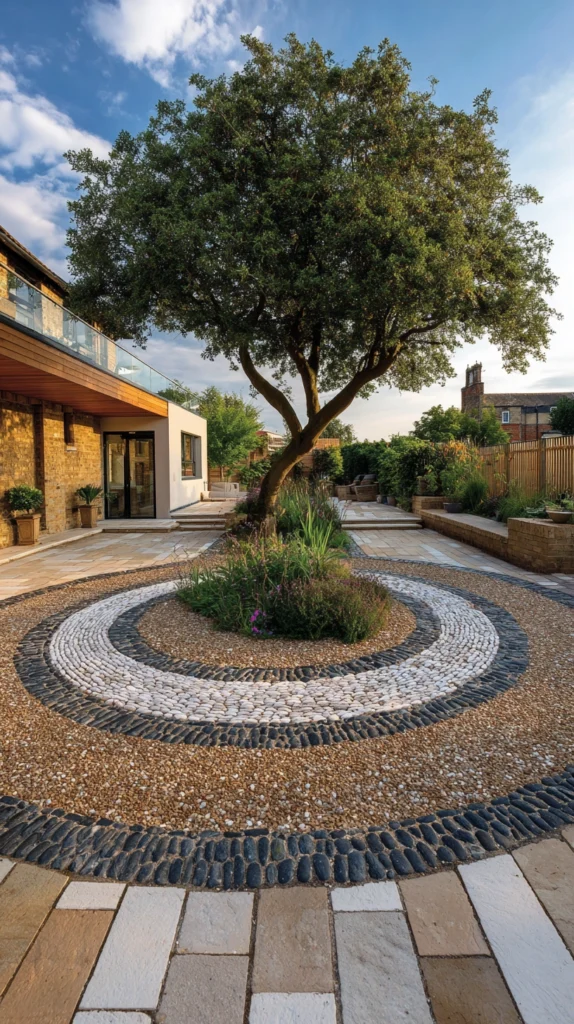
Design concentric circles or spirals of contrasting gravel colors radiating from central focal points like specimen trees, boulders, or water features. Plant in curved bands that follow the circular geometry, using height gradations that reinforce the radial pattern. This dynamic design creates a strong visual impact that draws eyes through the garden while establishing clear organizational structure.
12. Vertical Garden with Gravel Base
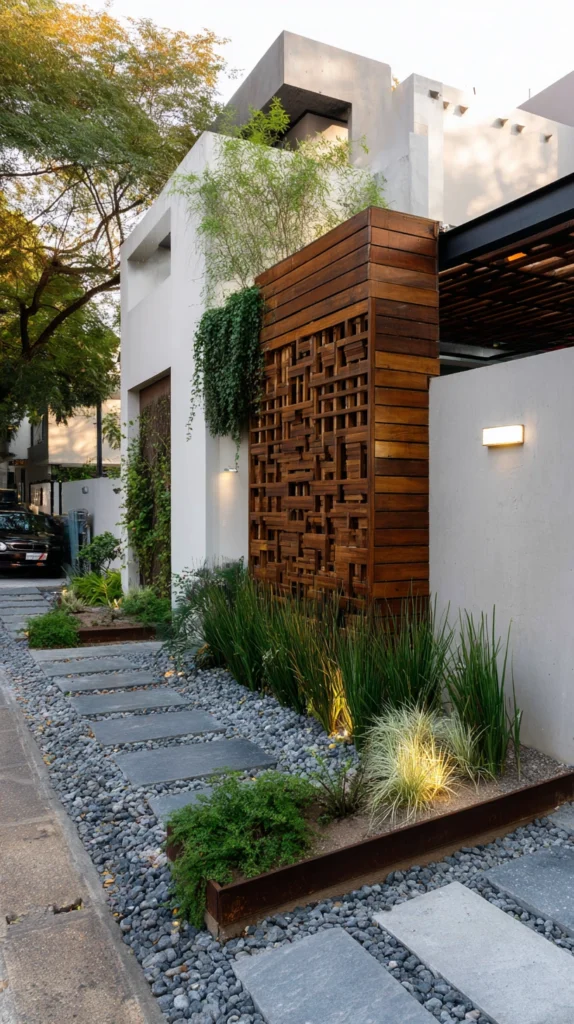
Combine gravel ground planes with vertical elements like living walls, tall grasses, or climbing plants on structures to maximize interest in compact spaces. The gravel base provides clean, maintenance-free flooring that highlights vertical features while ensuring excellent drainage for container plantings. This approach works exceptionally well in small urban gardens where ground space is limited but vertical dimensions remain available.
13. Color-Blocked Gravel Sections
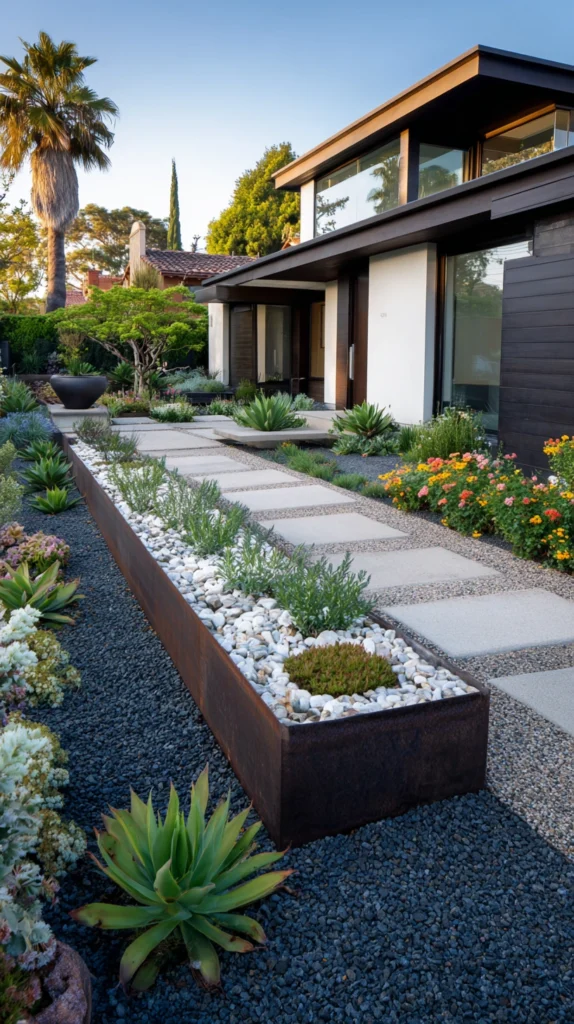
Create bold visual statements by dividing the garden into distinct zones filled with different gravel colors—charcoal, white, terracotta, and buff. Plant each section with species that complement or contrast with the gravel color, creating intentional color relationships throughout the space. Edge transitions crisply with metal, stone, or concrete borders that prevent gravel mixing and maintain clean definition between zones.
14. Edible Gravel Garden
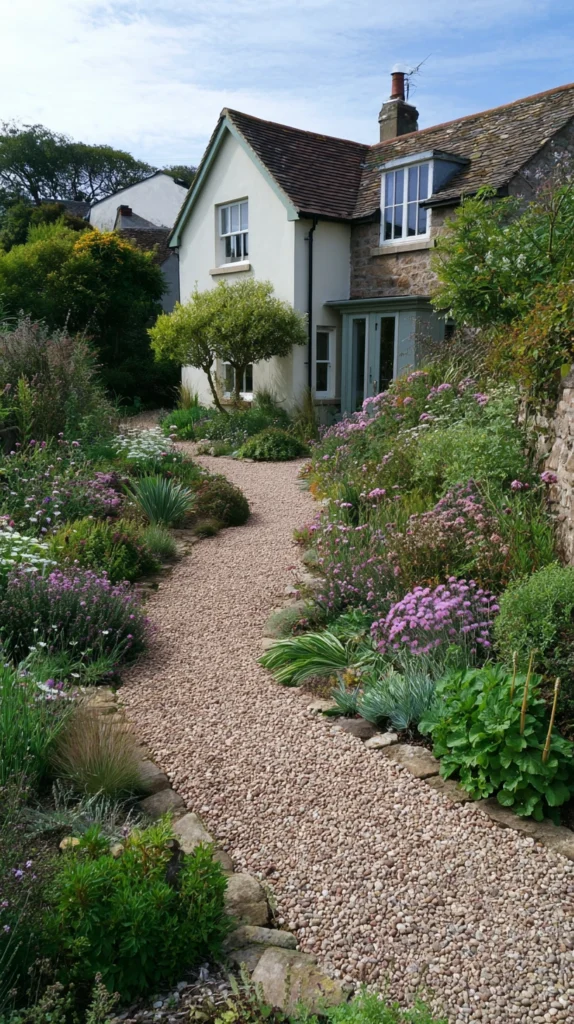
Grow Mediterranean herbs, drought-tolerant vegetables, and fruit trees in gravel gardens that combine productivity with ornamental beauty. Herbs like thyme, oregano, sage, and rosemary thrive in gravelly conditions while providing fragrance, flowers, and culinary harvests. Gravel mulch around edibles suppresses weeds, conserves moisture, and reflects light that improves fruit ripening while keeping produce clean and elevated above soil.
15. Seasonal Interest Mixed Planting
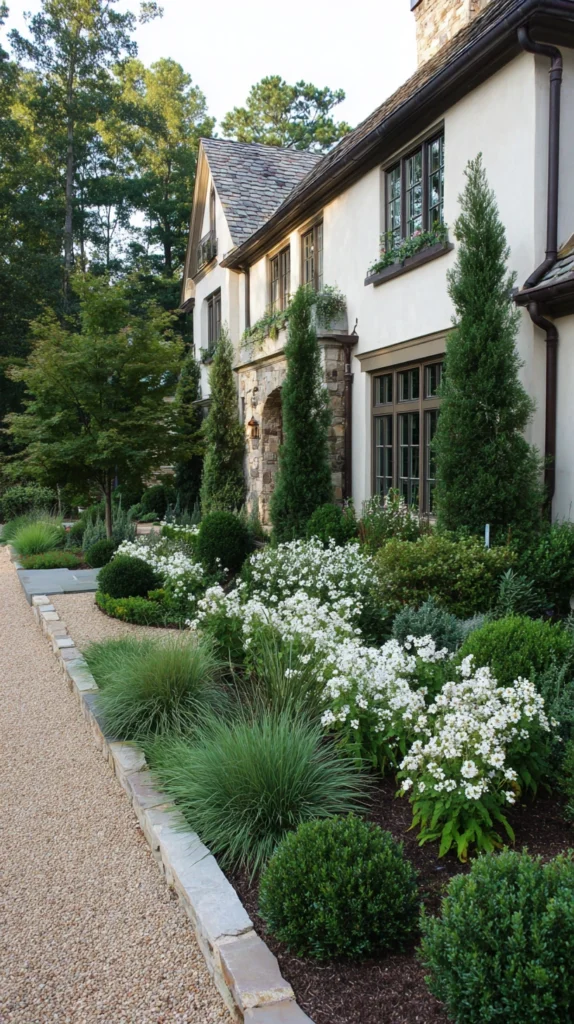
Design gravel gardens with layered plantings that provide year-round interest through strategic combinations of evergreens, deciduous shrubs, and seasonal perennials. Include early spring bulbs, summer-flowering perennials, fall-colored grasses, and evergreen structural plants that ensure the garden never appears dormant. The neutral gravel backdrop allows seasonal changes to shine while providing visual continuity throughout the year.
Selecting Appropriate Gravel Types
Choosing the right gravel significantly impacts both aesthetic success and practical performance of your garden design. Crushed gravel with angular edges compacts more firmly than rounded pea gravel, creating stable walking surfaces but potentially less comfortable textures underfoot. Pea gravel offers softer appearance and feel but migrates more easily, requiring edging to prevent spreading into adjacent areas or being kicked onto lawns.
Gravel size affects both visual impact and functionality—fine gravels (⅛ to ¼ inch) create smooth, refined surfaces while larger stones (¾ to 1 1⁄2 inches) provide bolder texture and visual weight. Consider the scale of your garden and surrounding plants when selecting size, using smaller gravels in compact spaces and larger stones where they won’t overwhelm plantings. Color choice should complement your home’s exterior, hardscaping materials, and plant palette while considering regional appropriateness and heat reflection properties.
Local stone availability often provides the most economical and ecologically appropriate choices while ensuring materials harmonize with regional landscape character.
Visiting stone yards to see materials in person helps avoid disappointments from online photos that rarely capture true color and texture. Request samples to test in your actual garden conditions, observing how they look in different lighting and next to existing materials before committing to full loads.
Establishing Proper Base Preparation
Success in gravel gardening begins with thorough site preparation that establishes weed barriers and ensures proper drainage. Remove existing lawn and weeds completely, digging deep enough to eliminate perennial weed roots that will otherwise penetrate through gravel. Grade the site to ensure water drains away from structures while creating subtle contours that prevent puddling and improve visual interest.
Install high-quality landscape fabric or weed barrier over the prepared soil, overlapping seams by at least six inches to prevent weed emergence.
Choose commercial-grade fabrics that allow water and air penetration while blocking light and preventing most weed growth for years. Some designers prefer thick layers of newspaper or cardboard as biodegradable alternatives, though these decompose over time and may require supplementation.
Apply gravel in layers, spreading a 2-3 inch depth that effectively suppresses weeds without creating excessive material costs or uncomfortable walking surfaces. Avoid depths exceeding 4 inches unless creating specific design features, as excessive gravel makes planting difficult and can create unstable surfaces. Rake gravel smooth and allow it to settle before planting, adding additional material as needed to maintain desired depth as initial settling occurs.
Plant Selection for Gravel Gardens
Successful gravel gardens feature plants naturally adapted to well-drained, often nutrient-poor soils similar to rocky or sandy native habitats. Mediterranean plants like lavender, santolina, artemisia, and cistus thrive in gravel’s sharp drainage while tolerating heat and drought. Ornamental grasses including blue fescue, Mexican feather grass, and fountain grass provide movement, texture, and seasonal interest while requiring minimal supplemental water once established.
Avoid moisture-loving plants requiring consistently moist soil, as gravel’s excellent drainage makes sustaining such conditions difficult and counterproductive to the garden’s low-maintenance philosophy.
Similarly, avoid aggressive spreaders that may be difficult to control in gravel settings where their roots can extend unimpeded. Focus instead on clump-forming perennials, slow-growing shrubs, and plants with deep taproots that access moisture below the gravel layer.
Consider mature plant sizes during design to ensure adequate spacing that accommodates growth without overcrowding as plantings mature. Gravel gardens often look sparse initially but fill in beautifully as plants establish and spread naturally into surrounding gravel.
Plant through landscape fabric by cutting X-shaped slits, folding back flaps, and ensuring root balls sit directly in soil below rather than in gravel alone, which provides insufficient nutrients and moisture retention for establishment.
Maintenance Requirements
While gravel gardens require significantly less maintenance than traditional landscapes, they aren’t entirely maintenance-free and benefit from strategic seasonal attention. Weed periodically, removing any sprouts that emerge through fabric or establish in the gravel layer itself before they develop extensive root systems. Many weeds pull easily from gravel, making hand-weeding quick and satisfying compared to digging weeds from compacted lawns or clay soils.
Rake or redistribute gravel annually to maintain even coverage, filling thin spots and redistributing material displaced by foot traffic or weather. Refresh gravel color and appearance by adding thin top-dressing layers every few years as existing material becomes dusty or discolored from decomposing organic matter. Remove fallen leaves and debris that accumulates on gravel surfaces, as decomposing organic material creates weed-friendly conditions and detracts from the garden’s clean aesthetic.
Prune plants as needed to maintain desired shapes and remove dead material, allowing some self-seeding if you enjoy the naturalistic effect of volunteer seedlings.
Cut back perennials in late winter or early spring, leaving some seed heads for winter interest and wildlife food if desired. Top-dress around plants with fresh gravel to suppress weeds and maintain tidy appearances, replacing landscape fabric sections if they deteriorate or weeds begin penetrating in specific areas.
Environmental Benefits
Gravel gardens provide significant environmental advantages compared to conventional lawns and high-water landscapes. Eliminating turf reduces or eliminates mowing, saving fossil fuels, reducing air pollution, and eliminating noise pollution from power equipment. The dramatic reduction in water requirements conserves precious resources while reducing runoff and associated pollution from fertilizer and pesticide applications conventional lawns demand.
Permeable gravel surfaces allow rainwater to infiltrate naturally into soil rather than running off into storm drains, reducing flooding and recharging groundwater supplies. This permeability creates healthier soil biology and reduces the urban heat island effect compared to impervious concrete or asphalt surfaces.
Well-designed gravel gardens support pollinators and beneficial insects through nectar-rich plantings while avoiding the biological desert that mowed turf grass represents.
The reduced maintenance requirements translate to decreased chemical inputs, less water consumption, and lower carbon footprints from reduced maintenance activities.
Gravel gardens align with sustainable landscape principles that respect local climate realities while creating beautiful spaces requiring minimal resources. These environmental benefits extend beyond individual properties to benefit entire communities through reduced infrastructure demands, improved air quality, and enhanced biodiversity.
Bringing It All Together
Gravel gardens represent a paradigm shift from high-maintenance, resource-intensive landscapes toward sustainable, beautiful alternatives that respect environmental limits while delivering exceptional aesthetic results.
Success requires thoughtful planning that considers site conditions, appropriate plant selection, and proper installation techniques that establish foundations for years of low-maintenance enjoyment. Whether you embrace Mediterranean romance, minimalist modernism, or naturalistic prairie styles, gravel provides versatile canvases for creative expression.
Start small if transitioning from conventional landscapes, converting a single area to test techniques and gain confidence before tackling larger projects. Observe how gravel gardens perform through full seasonal cycles, learning which plants thrive and how materials weather in your specific conditions.
Join this growing movement of gardeners discovering that reducing lawn coverage doesn’t mean sacrificing beauty—it means embracing smarter, more sustainable approaches that honor both aesthetic aspirations and environmental responsibility.
The investment in creating gravel gardens pays continuous dividends through reduced maintenance time, lower water bills, and the satisfaction of cultivating resilient landscapes adapted to local conditions.
These gardens prove that working with nature rather than against it creates not just sustainable landscapes, but truly beautiful spaces that improve with age as plants mature and natural processes establish balanced ecosystems. Transform your outdoor spaces with gravel garden designs that celebrate simplicity, sustainability, and the enduring beauty of stone and plant combinations.