

14 Hardy Ground Cover Plants That Thrive in Clay Soil
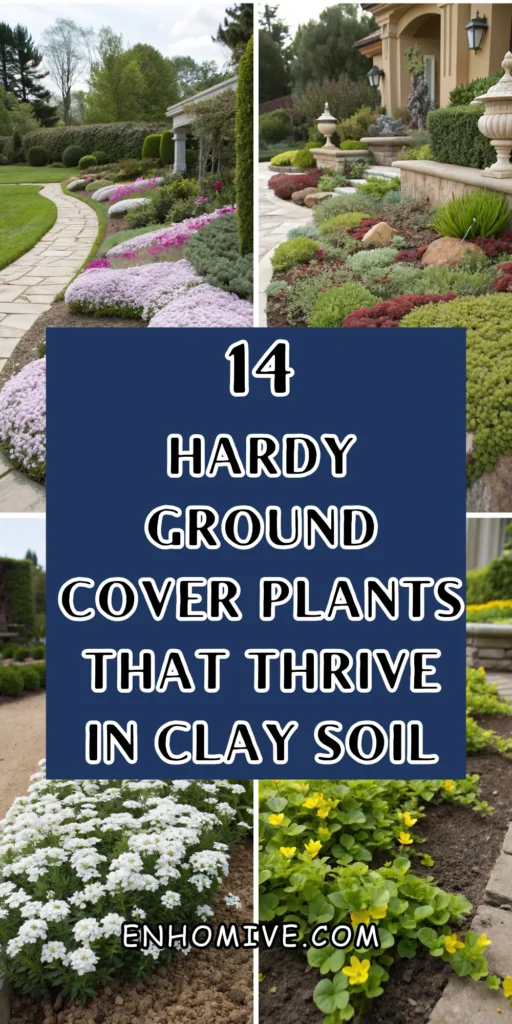
Clay soil can be tricky — dense, heavy, and slow to drain — but with the right plants, it becomes a gardener’s hidden treasure. Clay holds nutrients exceptionally well, meaning your plants can grow stronger once established. The key is choosing hardy, adaptable ground covers that can handle tough soil while still looking lush and polished.
Quick Summary: What You’ll Learn
• The best hardy ground covers that grow beautifully in clay soil
• Which plants work for shade, sun, and slopes
• Why clay soil isn’t as bad as it seems
• A simple, budget-friendly setup to prepare your clay garden
1. Creeping Jenny (Lysimachia nummularia)

Creeping Jenny’s golden-green leaves cascade gracefully, brightening damp and heavy clay spots. It thrives in both shade and sun, quickly covering bare areas with a soft, glowing carpet.
It loves moisture and spreads easily — perfect for garden borders, under trees, or even near ponds where other plants struggle.
2. Bugleweed (Ajuga reptans)
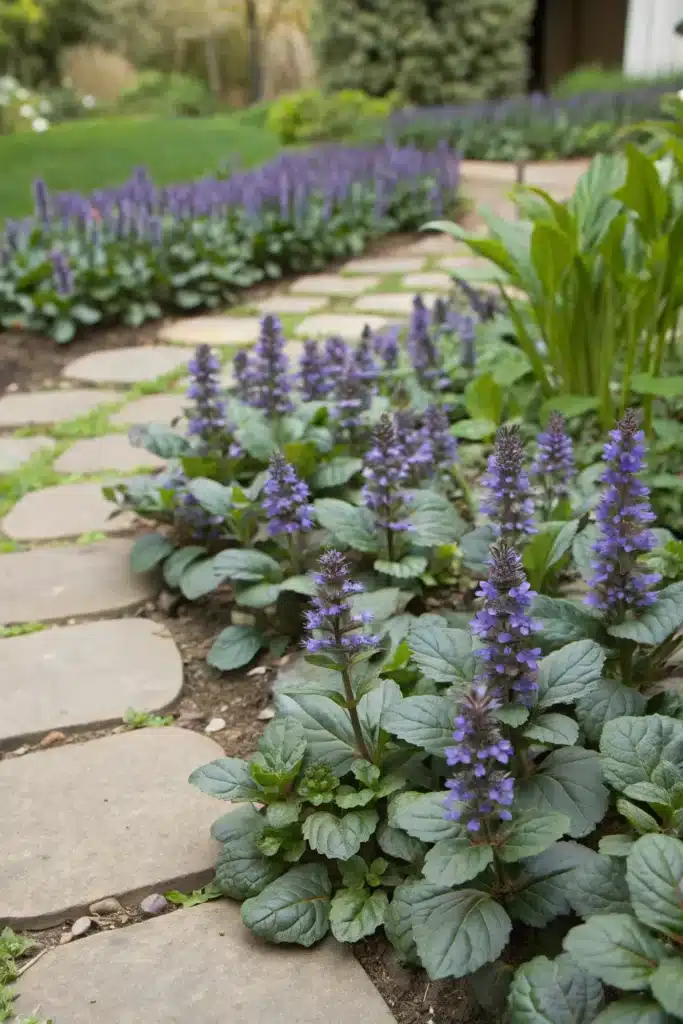
Ajuga offers glossy purple-green leaves and vivid blue flower spikes that create an eye-catching ground layer. It thrives in clay and spreads fast enough to suppress weeds naturally.
Plant it in shaded or partly sunny areas for a rich, woodland look that stays vibrant year-round.
3. Wild Ginger (Asarum canadense)
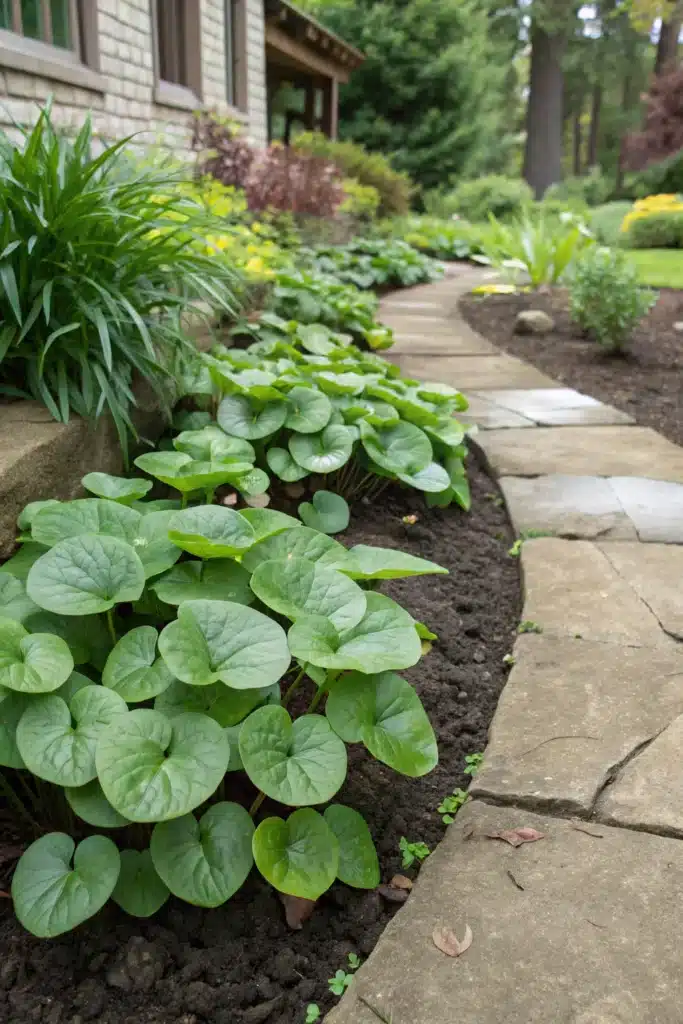
Wild Ginger brings elegance with its large, heart-shaped leaves that form a thick, low mat. It loves rich clay and partial shade, creating a calm, forest-floor feel.
This slow-spreading plant is ideal for under large shrubs or trees, adding texture and depth to shady garden corners.
4. Creeping Phlox (Phlox subulata)
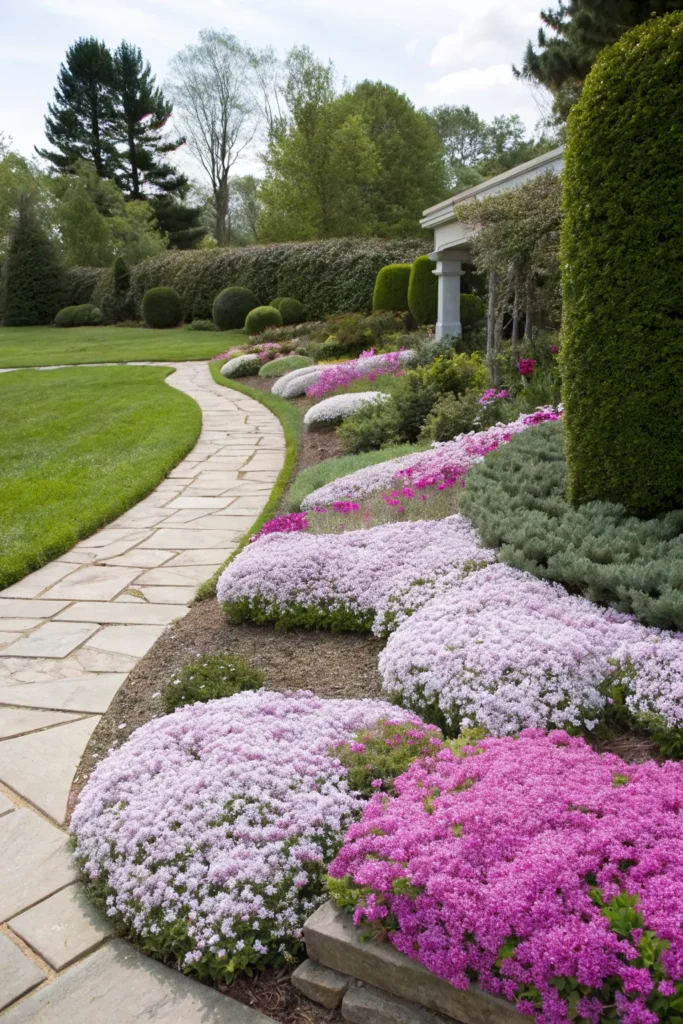
This spring star delivers bright color with low effort. Creeping Phlox forms dense mats of pink, purple, or white flowers that cascade beautifully over clay slopes.
It’s hardy, drought-tolerant once established, and provides early nectar for pollinators — a win for both style and sustainability.
5. Sweet Woodruff (Galium odoratum)
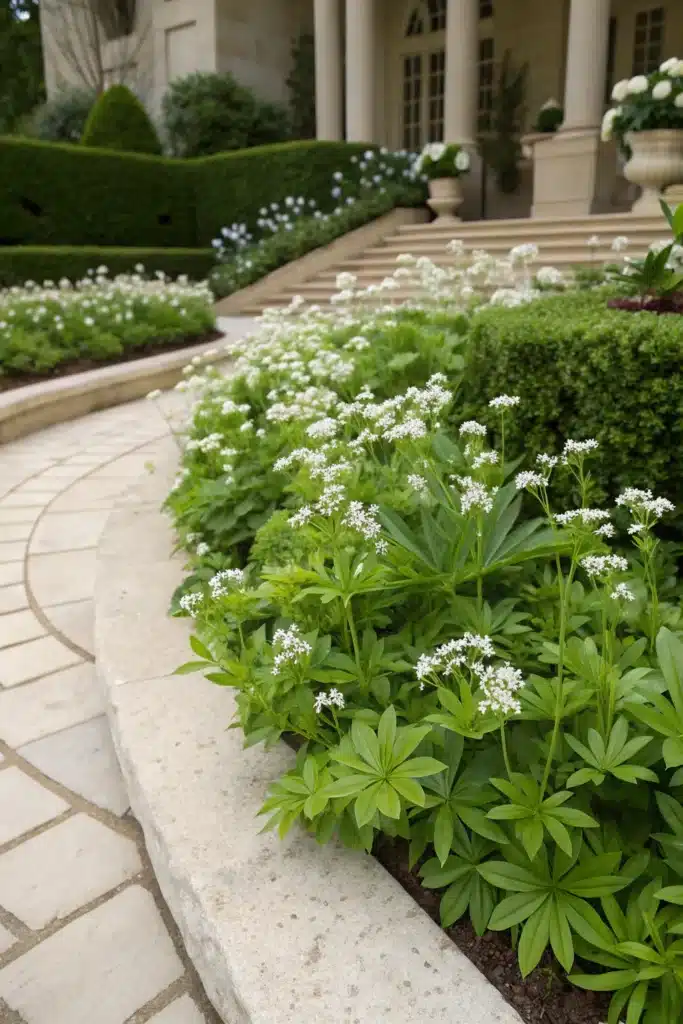
Sweet Woodruff thrives in clay-rich soil under trees or shrubs, producing tiny white flowers and a lovely herbal scent.
Its feathery leaves stay green through most of the year, creating a cool, natural ground layer that’s easy to maintain.
6. Pachysandra (Pachysandra terminalis)

This glossy, evergreen beauty thrives where others fail. It spreads neatly in clay soil, especially in shady areas, forming a tidy, weed-proof carpet.
Perfect for foundation beds and under trees, it keeps your garden green even in winter.
7. Lamium (Lamium maculatum)
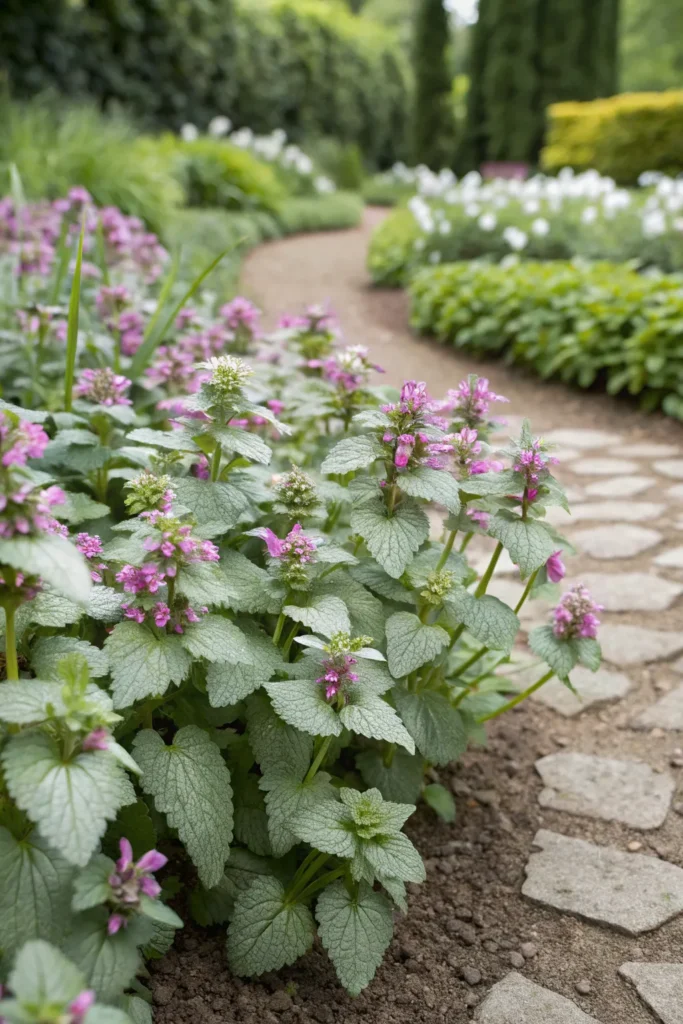
Lamium, or Dead Nettle, brings a silver-green glow to darker corners. It grows easily in clay and tolerates damp or dry spots equally well.
Its pink or purple blooms in spring add cheerful color without needing extra care.
8. Clover (Trifolium repens)
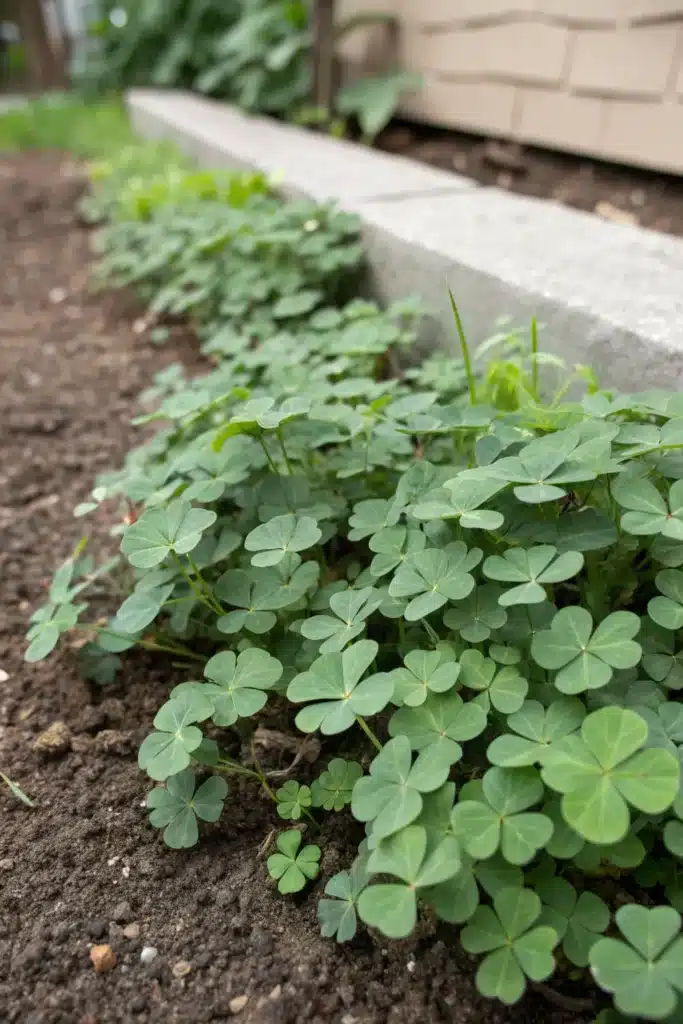
White Clover is a low-cost, low-effort option that improves your soil over time. It fixes nitrogen, helping nearby plants thrive, and remains soft, green, and walkable.
Use it as a living lawn alternative that’s eco-friendly and self-sustaining — no fertilizer needed.
9. Vinca Minor (Periwinkle)
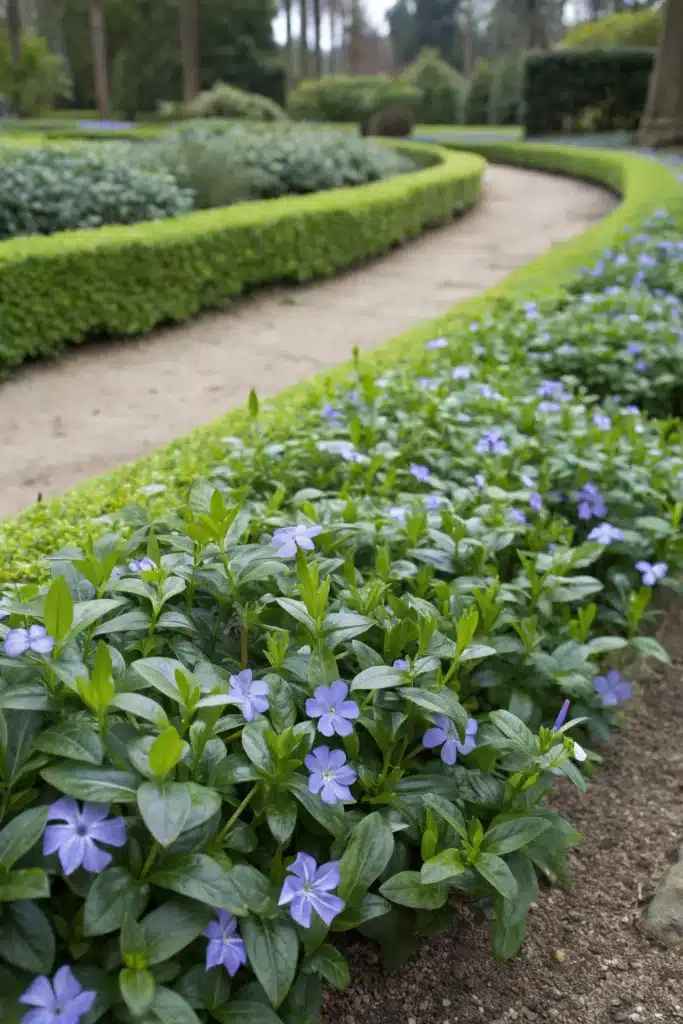
Periwinkle is a timeless choice for tough soil. Its glossy leaves and violet-blue flowers bring a touch of charm to shady areas with clay soil.
It’s hardy, low-maintenance, and spreads evenly, making it great for slopes or under taller shrubs.
10. Sedum (Stonecrop)

Sedum thrives in clay with a little drainage help. Its succulent leaves store moisture, making it drought-resistant and ideal for sun-exposed beds.
The star-shaped blooms add texture and attract bees — perfect for pollinator-friendly gardens.
11. Yarrow (Achillea millefolium)
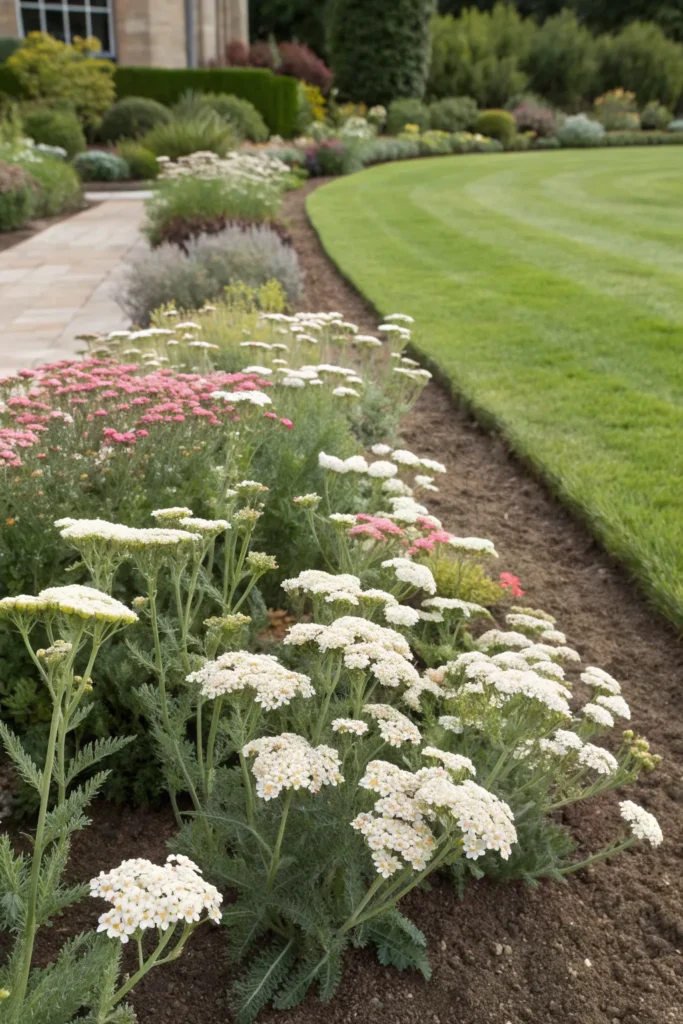
Yarrow’s feathery leaves and colorful flower clusters thrive in heavy clay. It’s both ornamental and practical, tolerating heat, drought, and compacted soil.
It’s a favorite for low-maintenance gardeners who want beauty without fuss.
12. Black Mondo Grass (Ophiopogon planiscapus ‘Nigrescens’)
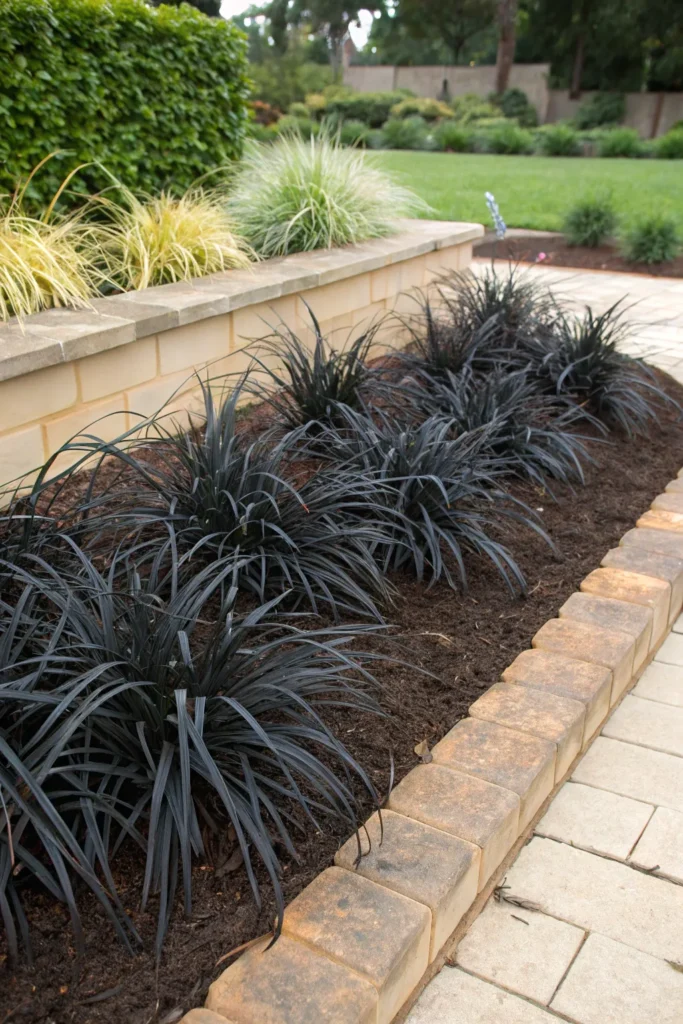
This dramatic plant’s deep purple-black foliage stands out beautifully against green lawns and stone borders.
It’s slow-growing but extremely resilient, thriving in clay soil and adding a touch of luxury to modern or Japanese-style gardens.
13. Creeping Thyme (Thymus serpyllum)
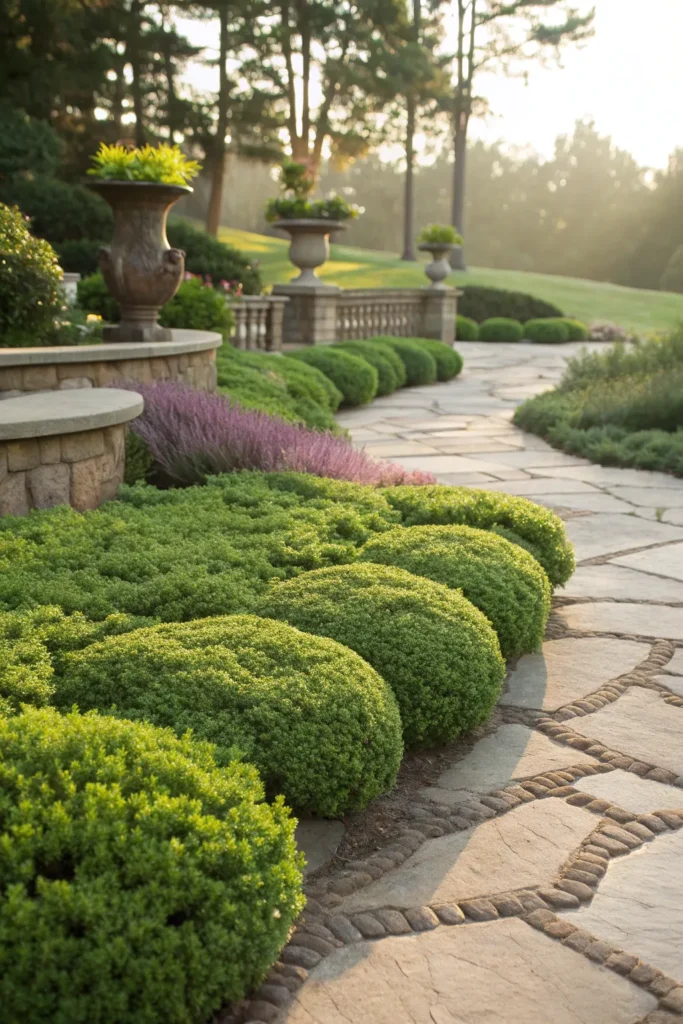
Creeping Thyme brings fragrance, texture, and color all in one. It loves sunny areas and handles clay well if you loosen the top layer before planting.
The soft purple blooms attract bees, and the leaves release a pleasant scent when stepped on — perfect for walkways and patios.
14. Candytuft (Iberis sempervirens)
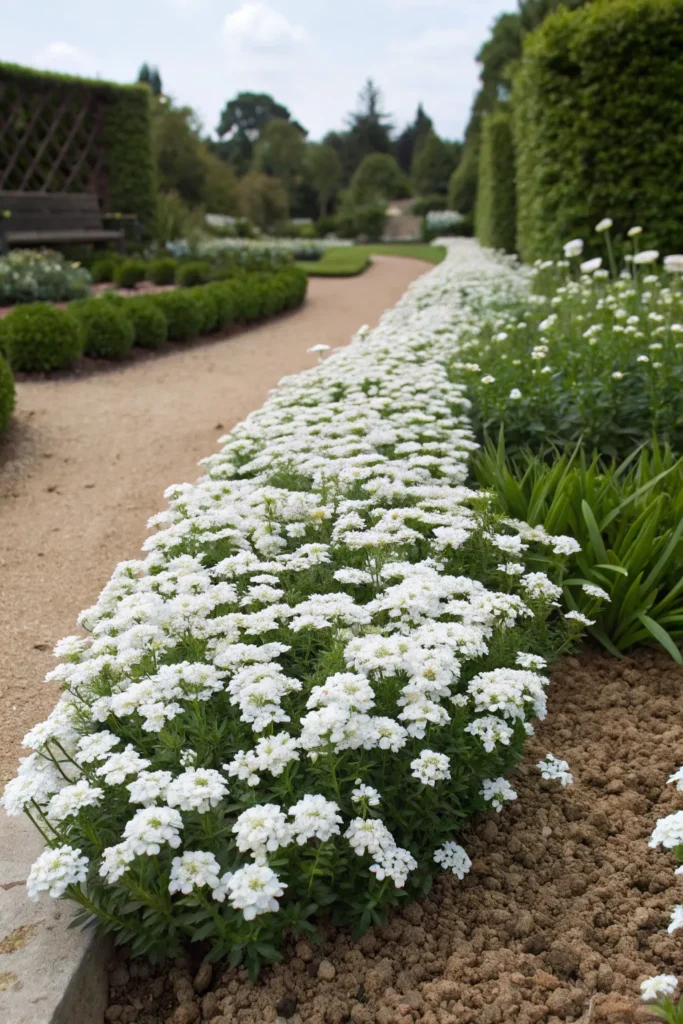
Candytuft’s snowy-white blooms and evergreen leaves make it a showstopper in any garden. It thrives in compact soil and looks lovely cascading over edges or retaining walls.
It’s especially effective in full sun, adding brightness and structure to clay-heavy borders.
Budget-Friendly Clay Garden Setup
You don’t need expensive soil treatments to make clay work for you. Here’s how to start a thriving ground cover garden for under $50:
1. Loosen, Don’t Replace the Soil
Use a garden fork to gently loosen the top 4–6 inches of clay. Mixing in compost or leaf mold (one bag usually costs under $10) improves drainage without losing the soil’s natural richness.
2. Choose Hardy Starters
Buy 3–5 small starter plants instead of large pots — most ground covers spread quickly. Look for local nursery deals or multi-pack trays that cost $3–$5 each.
3. Use Free Mulch Alternatives
Instead of store-bought mulch, use shredded leaves, pine needles, or straw from your yard. These materials protect young plants and naturally enrich the soil as they decompose.
4. Water Smartly
Clay retains water, so you’ll save on irrigation costs. Once established, most ground covers need watering only once every week or two.
5. Bonus Tip:
Add a decorative stone border to separate clay beds from grassy areas — it looks polished and prevents spreading.
Quick Recap: Clay Soil Winners
• Shady spots: Lamium, Pachysandra, Sweet Woodruff
• Sunny borders: Yarrow, Candytuft, Creeping Phlox
• Moist areas: Creeping Jenny, Wild Ginger, Ajuga
• Low-cost favorites: Clover, Creeping Thyme
Why Clay Soil Can Be a Blessing in Disguise
Clay soil is nutrient-rich, moisture-retentive, and durable. With the right plants, it becomes a lush, self-sustaining ecosystem that requires minimal maintenance. Instead of fighting it, work with it — and watch your garden thrive in colors, textures, and charm all year long.