

How to Remove Scratches From Stainless Steel
Stainless steel is loved for its sleek look, durability, and modern feel. It’s used in kitchens, bathrooms, furniture, and even décor pieces. But daily use takes a toll. Over time, scratches can appear, making stainless steel look dull, worn, or poorly maintained.
The good news is that most scratches can be reduced or blended using simple techniques and affordable materials. You don’t need professional tools—just the right method, patience, and careful handling.
This guide walks you through everything step by step, using short sections and bullet points so you can quickly find what works best for your situation.
Why Stainless Steel Scratches So Easily
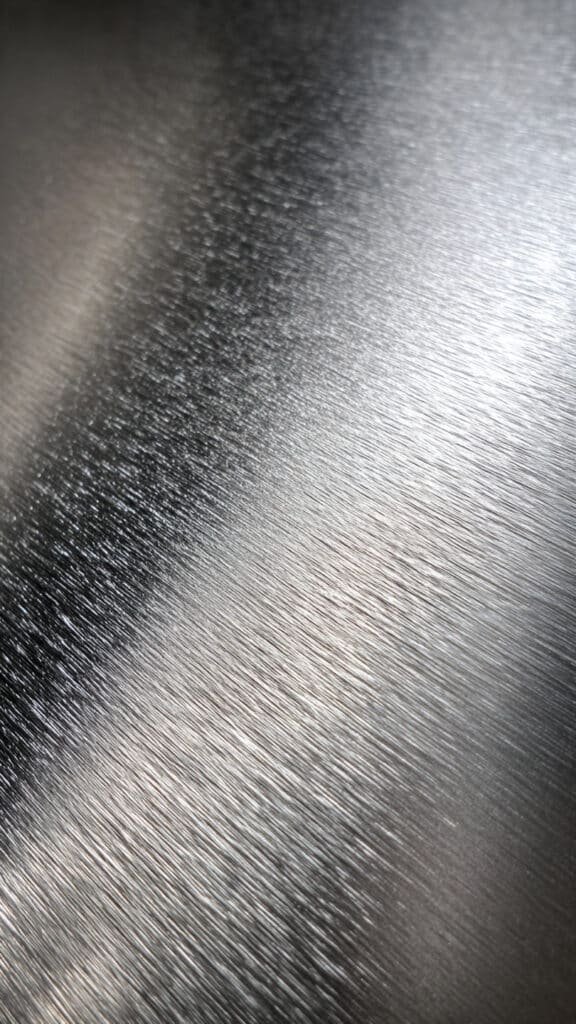
Stainless steel is strong, but it’s not scratch-proof. Scratches happen because:
- Cookware and utensils rub against sinks
- Cleaning with rough sponges or pads
- Dragging appliances or décor across surfaces
- Dirt and grit trapped under cloths
- Daily wear and frequent cleaning
Understanding how scratches happen helps you avoid making them worse during cleaning or repair.
Understanding the Grain of Stainless Steel
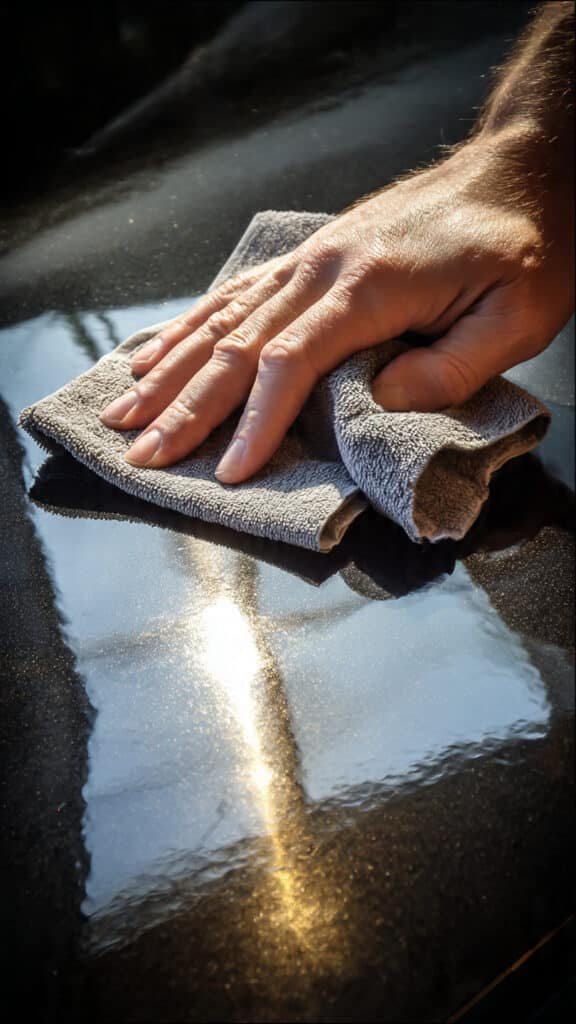
Before doing anything, you must understand the grain.
Stainless steel has a visible grain, similar to wood grain. This grain shows the direction the metal was brushed during manufacturing.
Why the grain matters:
- Rubbing against it creates new scratches
- Polishing across it makes scratches stand out
- Working with it blends repairs naturally
How to find the grain:
- Look closely under good light
- Wipe lightly in one direction
- The smoothest direction is the grain
Always clean, polish, sand, and buff with the grain only.
Identify the Scratch Type First
Not all scratches need the same treatment.
Light surface scratches:
- Hard to feel with your fingernail
- Usually cosmetic
- Easy to fix at home
Medium scratches:
- You can feel them slightly
- Visible under light
- Need polishing or light sanding
Deep scratches:
- Catch your fingernail
- Often darker or more obvious
- May not disappear fully, but can be blended
Knowing the depth saves time and prevents damage.
Tools and Materials You May Need
Most methods use simple household items.
Common supplies:
- Microfiber cloths
- Mild dish soap
- Baking soda
- Non-gel white toothpaste
- White vinegar
- Olive oil or mineral oil
For deeper scratches:
- Fine-grit sandpaper (400–800 grit)
- Stainless steel polish
- Scratch repair kits
Avoid:
- Steel wool
- Abrasive scrubbers
- Harsh chemical cleaners
Always Clean the Surface First
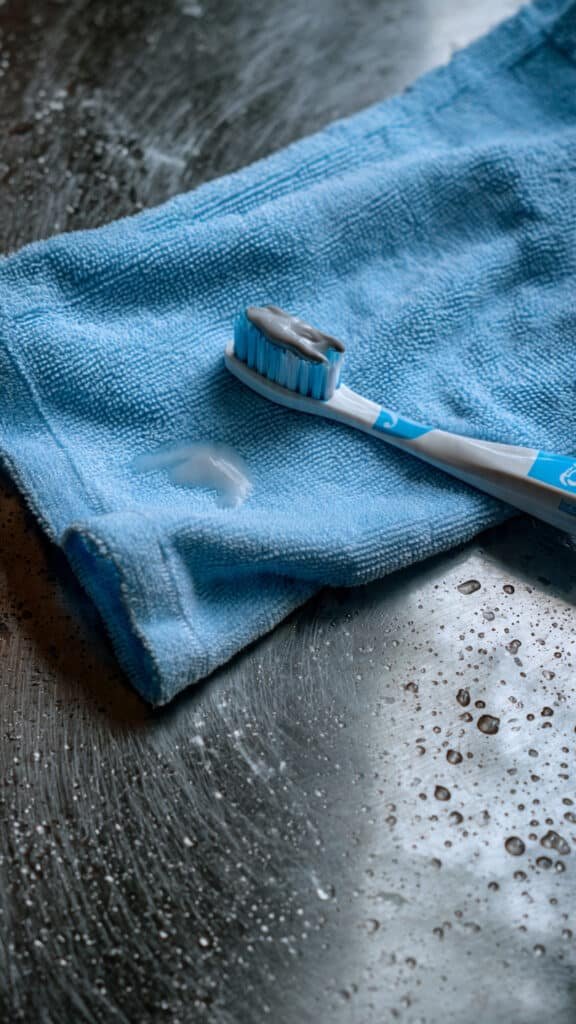
Never work on a dirty surface.
Steps:
- Mix warm water with mild dish soap
- Wipe gently using a microfiber cloth
- Follow the grain
- Rinse if needed
- Dry completely
Cleaning removes grit that can cause new scratches and helps you see the damage clearly.
Quick Comparison: Scratch Removal Methods
| Method | Best For | Scratch Depth | Cost | Skill Level |
|---|---|---|---|---|
| Baking soda paste | Sinks, appliances | Light | Very low | Easy |
| Toothpaste | Small touch-ups | Very light | Very low | Easy |
| Vinegar + oil | Cosmetic blending | Fine marks | Very low | Easy |
| Stainless steel cleaner | Large surfaces | Light–medium | Low | Easy |
| Fine-grit sandpaper | Deep scratches | Medium–deep | Low | Medium |
| Repair kit | Noticeable damage | Medium–deep | Medium | Medium |
Remove Light Scratches With Baking Soda
Best for:
- Sinks
- Appliances
- Light surface scratches
How to do it:
- Mix baking soda with a few drops of water
- Create a thick paste
- Apply to a soft cloth
- Rub gently with the grain
- Check progress often
- Wipe clean and dry
Why it works:
- Baking soda is mildly abrasive
- Smooths the surface without damage
Use Non-Gel Toothpaste for Minor Marks
Best for:
- Brushed stainless steel
- Quick fixes
- Very fine scratches
Steps:
- Use plain white, non-gel toothpaste
- Apply a small amount to a damp cloth
- Rub gently along the grain
- Wipe clean
- Dry thoroughly
This method is perfect for appliances like:
- Refrigerators
- Dishwashers
- Microwaves
Reduce Scratch Visibility With Vinegar and Oil
Best for:
- Fine marks
- Dull stainless steel
- Cosmetic improvement
Steps:
- Wipe surface with white vinegar
- Let it dry
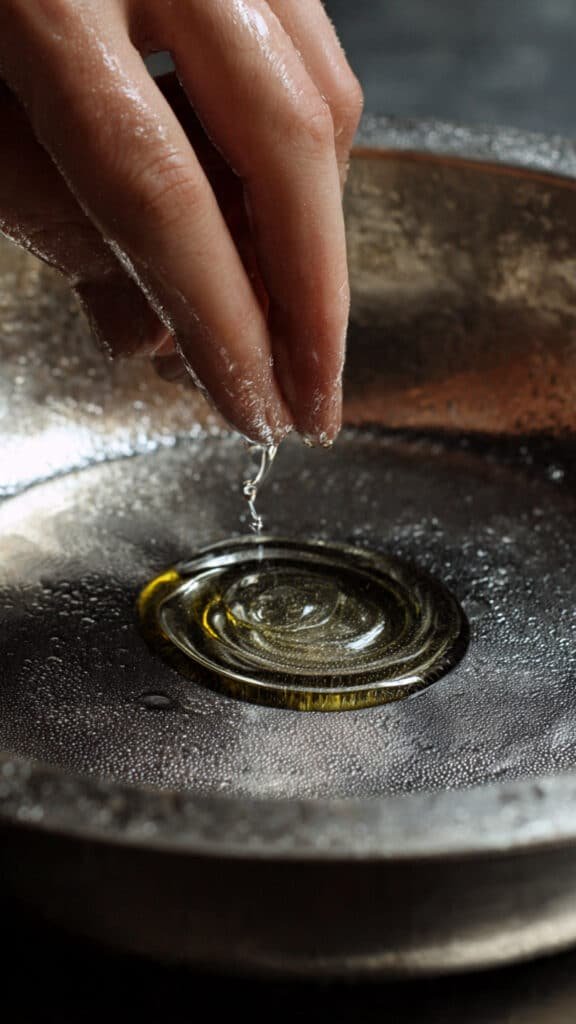
- Apply a few drops of olive or mineral oil
- Rub gently with the grain
- Buff lightly
This won’t remove deep scratches, but it:
- Improves shine
- Blends minor marks
- Makes steel look refreshed
Use Commercial Stainless Steel Cleaners
Best for:
- Large appliances
- Frequent maintenance
- Light to medium scratches
How to use:
- Read manufacturer instructions
- Test on a hidden area
- Apply with microfiber cloth
- Use long strokes with the grain
- Buff until smooth
These products often:
- Remove residue
- Reduce scratch visibility
- Leave a protective finish
Remove Deeper Scratches With Fine-Grit Sandpaper
Best for:
- Medium to deep scratches
- Sinks and heavy-use surfaces
Steps:
- Choose fine grit (400–600 or higher)
- Sand lightly with the grain
- Use minimal pressure
- Check progress frequently
- Switch to finer grit if needed
- Finish with polish or oil
Important tips:
- Never sand across the grain
- Never rush
- Always finish with polishing
Use Stainless Steel Scratch Repair Kits
Best for:
- Visible damage
- Larger scratched areas
- Beginners who want guidance
What kits usually include:
- Abrasive pads
- Polishing compounds
- Clear instructions
How to succeed:
- Follow steps exactly
- Work slowly
- Blend carefully
These kits are effective when patience is applied.
Polish to Restore Shine
Polishing is essential after scratch removal.
Benefits:
- Blends repaired areas
- Restores original sheen
- Adds light protection
How to polish:
- Use a clean microfiber cloth
- Apply small amount of polish or oil
- Buff with the grain
- Use long, even strokes
Common Mistakes to Avoid
Avoid these errors:
- Scrubbing against the grain
- Using steel wool
- Applying too much pressure
- Skipping cleaning before repair
- Rushing the process
Gentle and slow always works better.
How to Prevent Future Scratches
Prevention saves effort and keeps surfaces looking new.
Best habits:
- Use soft cloths only
- Avoid rough sponges
- Lift items instead of dragging
- Use sink grids or mats
- Clean regularly to prevent grit buildup
Occasional polishing keeps the surface smooth and less prone to scratches.
When Scratches Won’t Fully Disappear
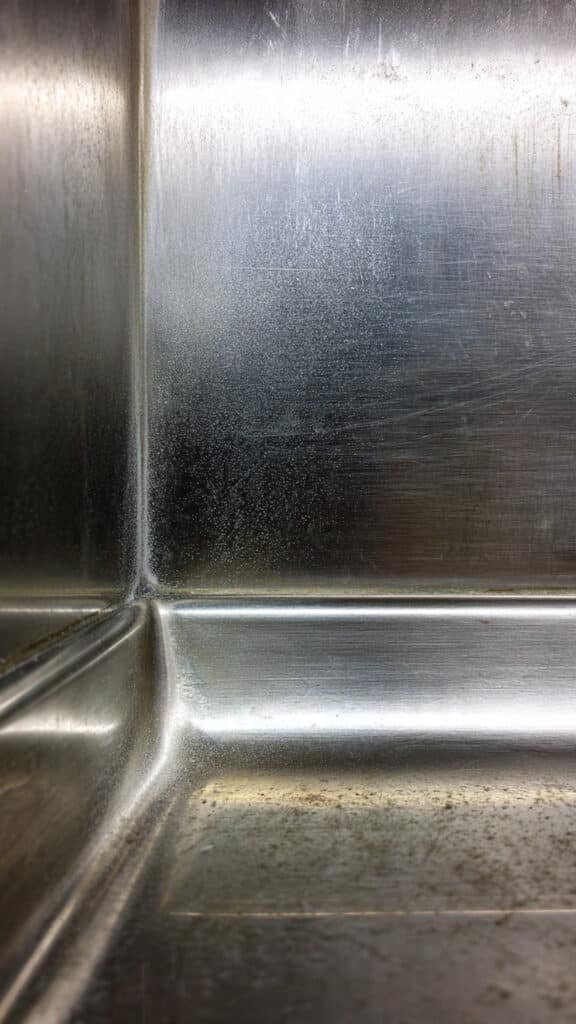
Some scratches:
- Are too deep
- Occur on older surfaces
- Are part of heavy use
In these cases:
- Blending is a success
- Uniform appearance matters more
- Minor marks add character
Stainless steel naturally develops a lived-in look over time.
Final Thoughts
Removing scratches from stainless steel doesn’t have to be complicated or expensive. With the right method, gentle handling, and patience, you can significantly improve the look of your appliances, sinks, and surfaces.
Whether you’re fixing light marks or blending deeper scratches, working with the grain and using appropriate tools makes all the difference. Regular care and smart cleaning habits will keep stainless steel looking clean, modern, and well maintained for years to come.