
How to Remove Water Stains from Wood Furniture on a Budget
Water stains on wood furniture are frustrating but very common. They usually come from glasses, mugs, spills, or humidity. The good news is that most water stains can be removed using inexpensive household items. You don’t need professional tools or costly products if you choose the right method based on the stain type.

This guide explains simple, budget-friendly ways to remove water stains, how much each method costs, and when DIY is enough.
What Causes Water Stains on Wood Furniture?
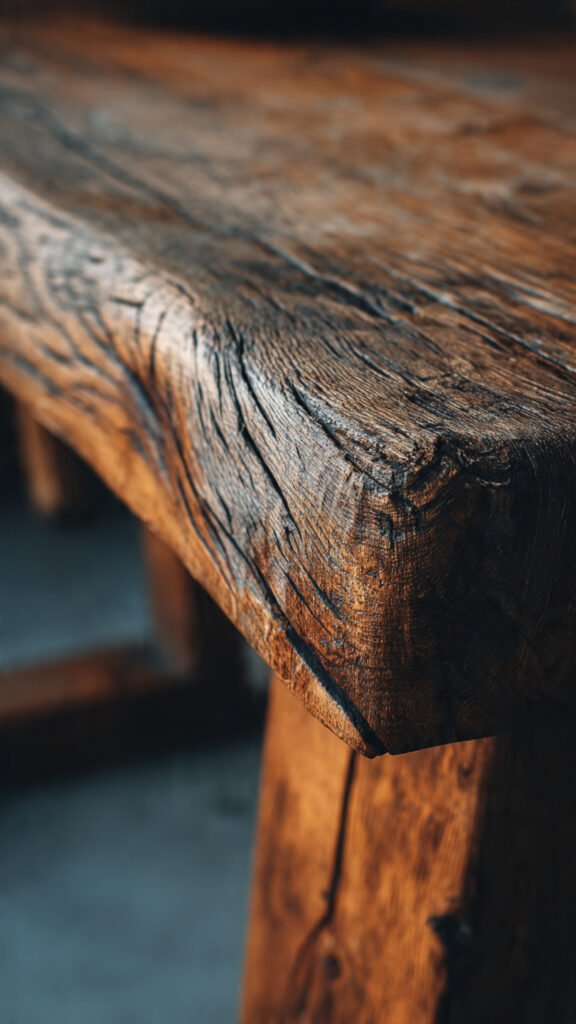
Water stains appear when moisture either gets trapped in the finish or penetrates the wood itself.
White or cloudy stains happen when moisture is trapped in the surface finish. These are the most common and easiest to fix.
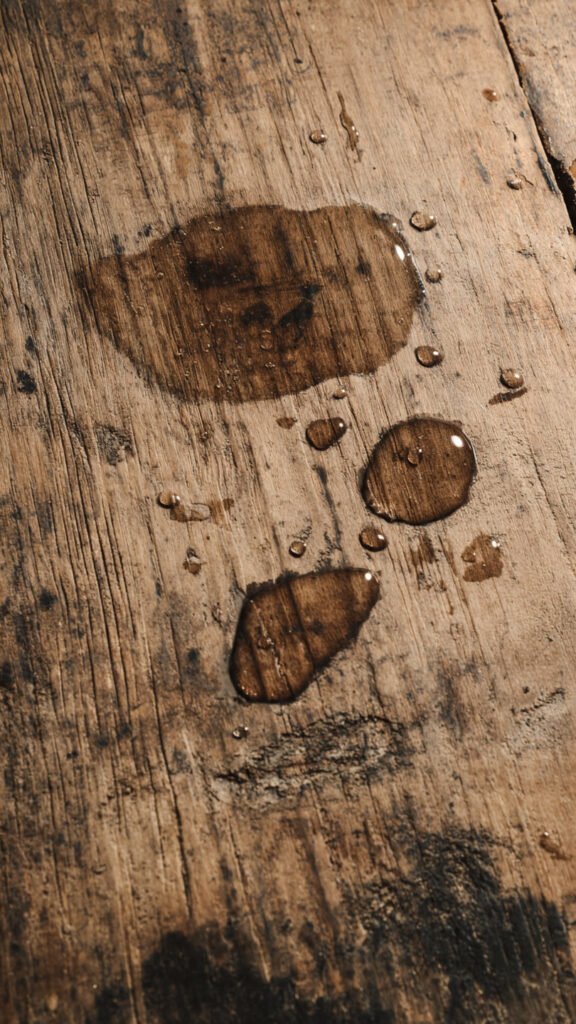
Dark or black stains form when water reaches the wood fibers and reacts with natural tannins. These stains are deeper and need more effort.
Knowing which type you have helps you avoid wasting time and money.
How to Identify the Type of Water Stain
If the mark looks white, milky, or cloudy, it is a surface-level stain.
If it looks brown, gray, or black, it is a deep wood stain.
Always test any method on a hidden area first, especially on veneer or antique furniture.
Budget-Friendly Ways to Remove White Water Stains
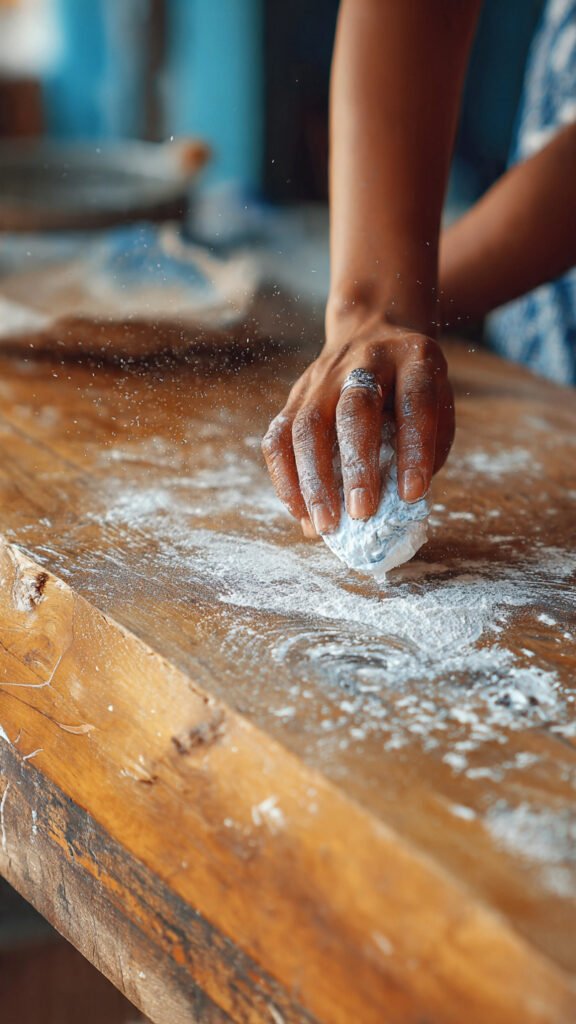
White water stains usually respond well to gentle heat or oil-based treatments.
Use an Iron or Hair Dryer (Free Method)
Place a clean cotton cloth over the stain. Set an iron to low heat with no steam and move it gently for a few seconds at a time. Check often and stop once the stain fades.
A hair dryer on a warm setting works the same way. Keep it moving and avoid overheating one spot.
This method is free and works best on fresh stains.
Use Mayonnaise or Cooking Oil (Very Low Cost)
Apply a small amount of mayonnaise, olive oil, or vegetable oil to the stain. Cover it with a soft cloth and leave it for several hours or overnight.
Wipe clean and buff gently. The oils help restore the finish and reduce cloudiness.
Use Baking Soda Paste (Low Cost)
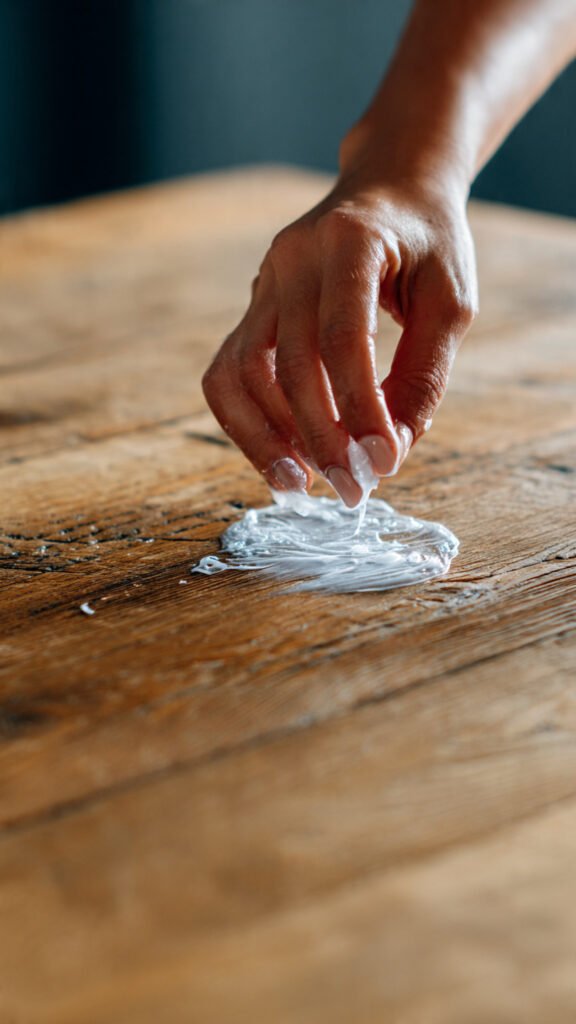
Mix baking soda with a few drops of water to form a paste. Rub gently along the wood grain using a soft cloth. Stop as soon as the stain fades.
Use this method carefully to avoid dulling the finish.
Budget-Friendly Ways to Remove Dark Water Stains
Dark stains require more patience but can still be fixed without spending much.
Vinegar and Oil Mixture
Mix equal parts white vinegar and cooking oil. Apply with a soft cloth and rub gently along the grain.
Vinegar helps break down discoloration while oil nourishes the wood. This works best for mild to medium dark stains.
Light Sanding for Deeper Stains
Use fine-grit sandpaper and sand lightly in the direction of the grain until the stain begins to fade. Do not sand aggressively, especially on veneer furniture.
After sanding, apply wood oil or polish to blend the area.
Wood Bleach for Severe Black Stains
Oxalic acid wood bleach is an affordable option for deep black stains. Follow the instructions carefully and work in a well-ventilated area.
After bleaching, refinishing is necessary to protect the wood.
Budget Table: Cost and Effectiveness Comparison
| Method | Best For | Approximate Cost | Skill Level | Effectiveness |
|---|---|---|---|---|
| Iron or hair dryer | Fresh white stains | Free | Easy | High |
| Mayonnaise or oil | Older white stains | Very low | Easy | High |
| Baking soda paste | Stubborn white stains | Very low | Medium | Medium |
| Vinegar and oil | Mild dark stains | Very low | Easy | Medium |
| Light sanding | Deep dark stains | Low | Medium | High |
| Wood bleach | Severe black stains | Low | Advanced | Very high |
How to Restore the Finish on a Budget
After removing the stain, apply an affordable wood polish, wax, or natural oil and buff with a clean cloth. This restores shine and protects the surface.
For small damaged areas, touch-up stain markers or matching wood oil are inexpensive and effective.
How to Prevent Water Stains and Save Money Long-Term
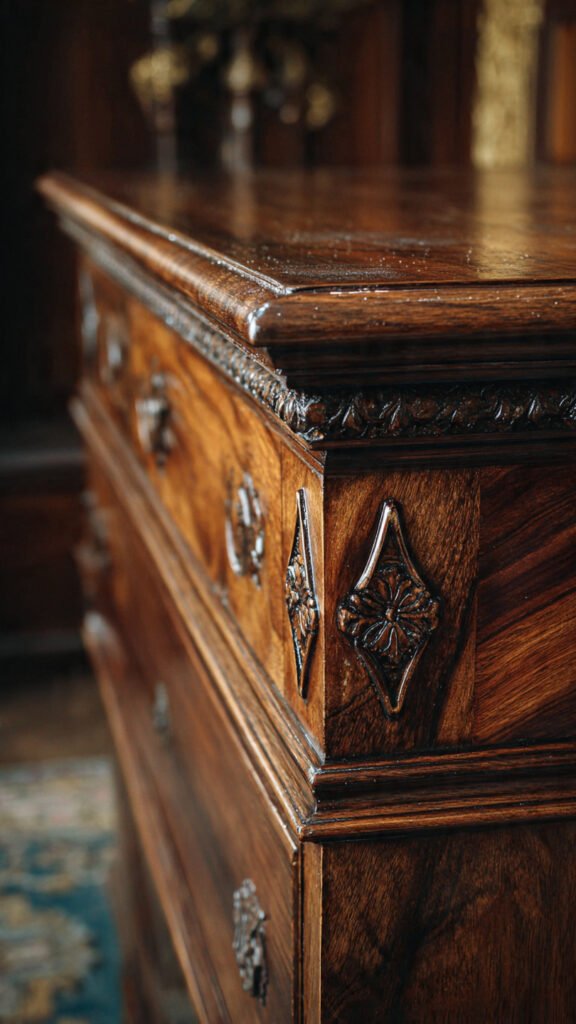
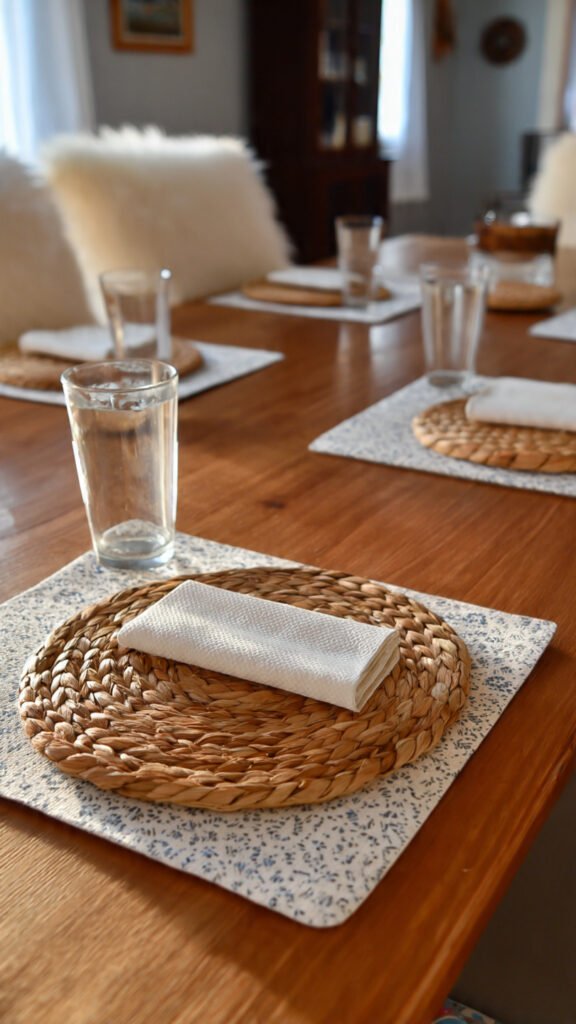
Use coasters, placemats, and tablecloths regularly.
Wipe spills immediately, even small ones.
Avoid placing hot or wet items directly on wood.
Maintain balanced indoor humidity.
Condition wood occasionally with polish or oil.
Prevention costs far less than repair.
When DIY Is No Longer the Cheapest Option
If stains are deep, widespread, or on antique furniture, repeated DIY attempts can cause permanent damage. In these cases, professional restoration may be cheaper than replacing the piece.
Frequently Asked Questions
What is the cheapest way to remove water stains from wood?
Using a hair dryer or iron on low heat, or applying mayonnaise or cooking oil, are the cheapest and most effective methods.
Can water stains be removed completely?
Most white stains and many dark stains can be removed or significantly improved if treated correctly.
Does vinegar damage wood furniture?
When mixed with oil and used gently, vinegar is safe for most finished wood surfaces.
Are water stains permanent?
Most water stains are not permanent. Deep black stains may require sanding or bleaching.
Can toothpaste remove water stains?
Yes, non-gel white toothpaste can help remove light white stains when used gently.
Final Thoughts
Removing water stains from wood furniture doesn’t require expensive products or professional services. With simple tools, low-cost household items, and the right technique, you can restore your furniture and extend its life without overspending. Acting quickly and maintaining your furniture regularly will keep it looking good for years.