
15 Beautiful Japanese Style Tiny Homes
Japanese-style tiny homes blend simplicity, tranquility, and smart functionality to create spaces that feel serene and spacious despite their compact size. Rooted in traditional design principles and influenced by modern minimalist living, these homes prioritize natural materials, thoughtful layouts, and a deep connection to nature.
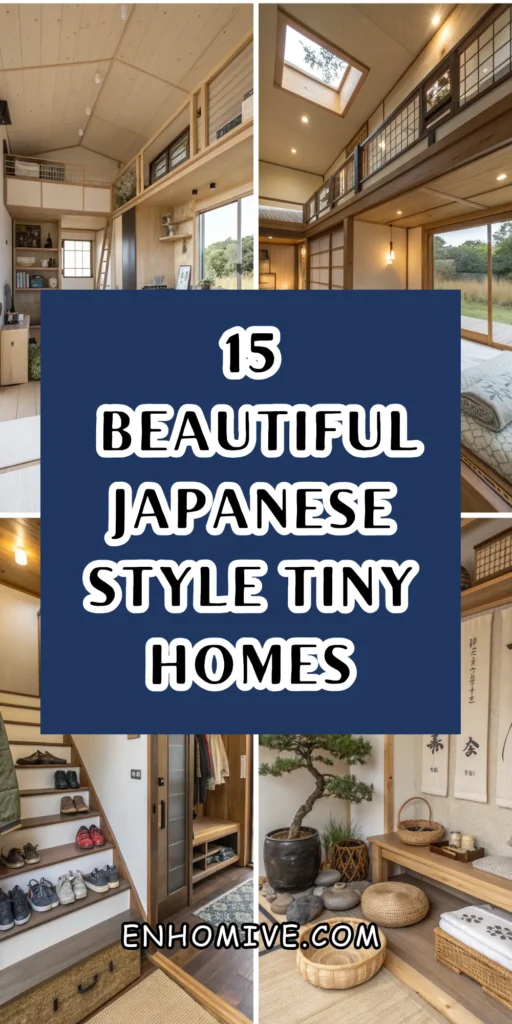
Whether you’re dreaming of building your own tiny retreat or redesigning a small space, these ideas highlight the beauty and harmony of Japanese-inspired tiny living.
1. Embrace Minimalist Interiors
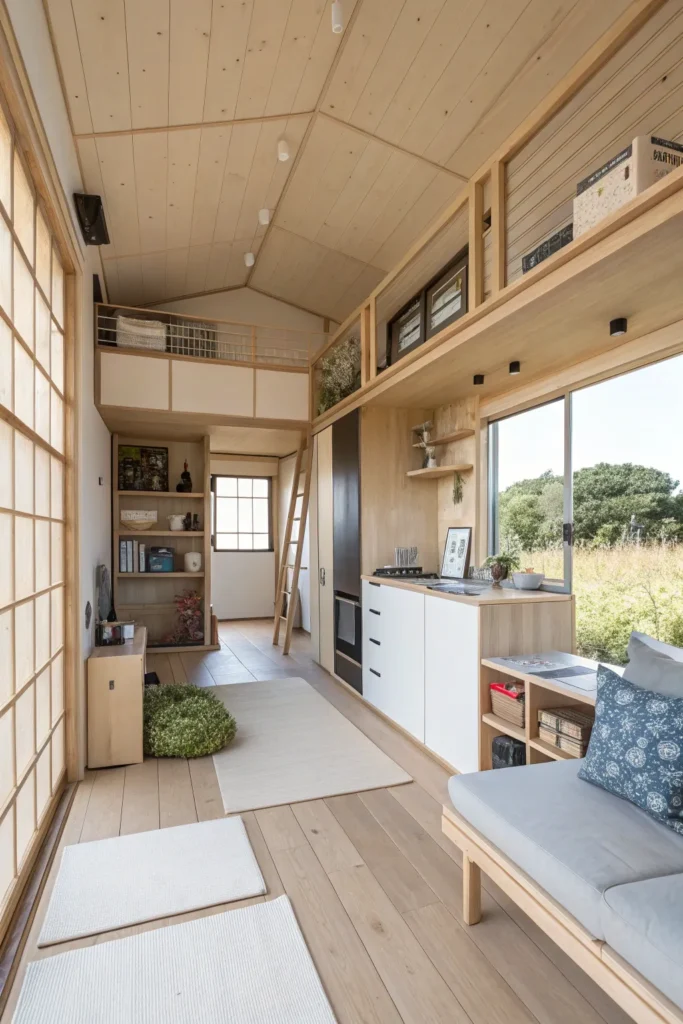
Japanese design is synonymous with minimalism. A tiny home that follows these principles focuses on open floor space, clean lines, and clutter-free surfaces. Every item has a purpose, and storage solutions remain hidden to preserve visual calm. By eliminating excess, the home feels larger, brighter, and more peaceful—an essential trait for small living.
2. Use Natural Wood Everywhere
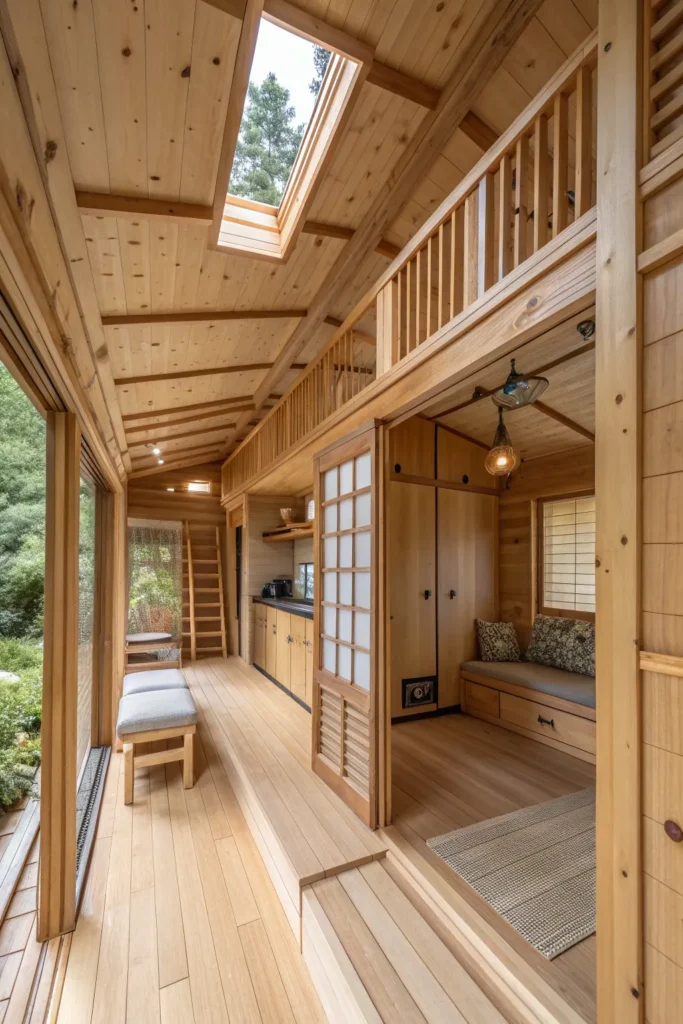
Natural wood is a signature element of Japanese interiors. Use light-toned woods like cedar, pine, or maple for floors, walls, ceilings, and built-in furniture. The grain, texture, and warmth of wood create a cozy atmosphere while maintaining an organic simplicity. Wood beams, shoji-style frames, and bamboo accents can further enhance the look.
3. Add Traditional Shoji Screens
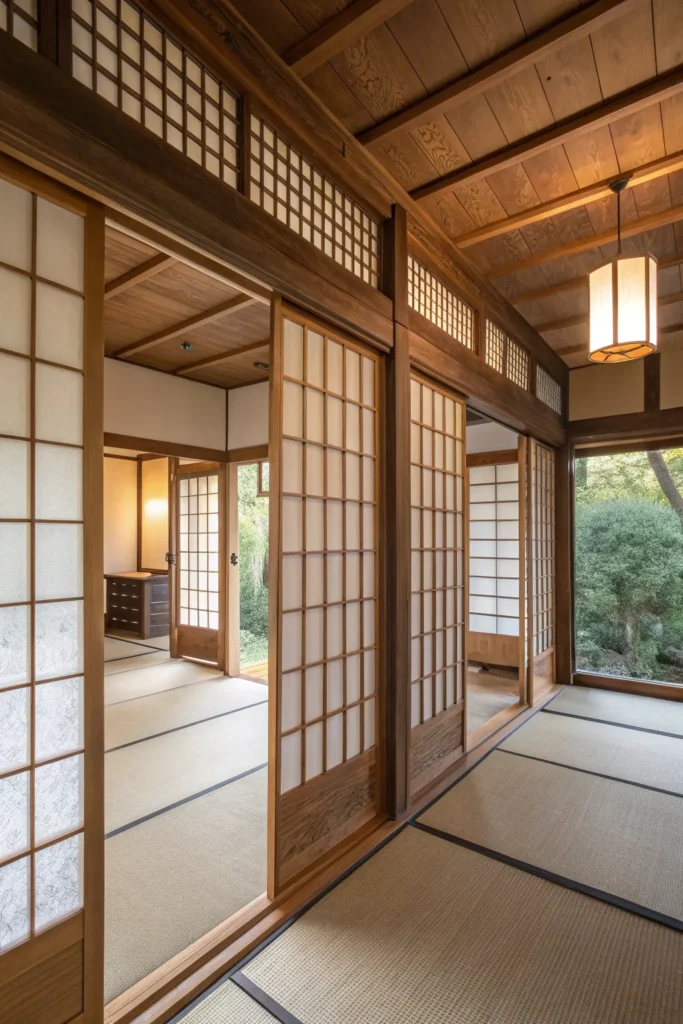
Shoji screens allow light to flow gently through a space, creating a soft, diffused glow. In tiny homes, they make beautiful sliding doors, room dividers, or window coverings. Because they slide rather than swing open, they save precious space and provide privacy without blocking airflow or natural light.
4. Incorporate Tatami Mats
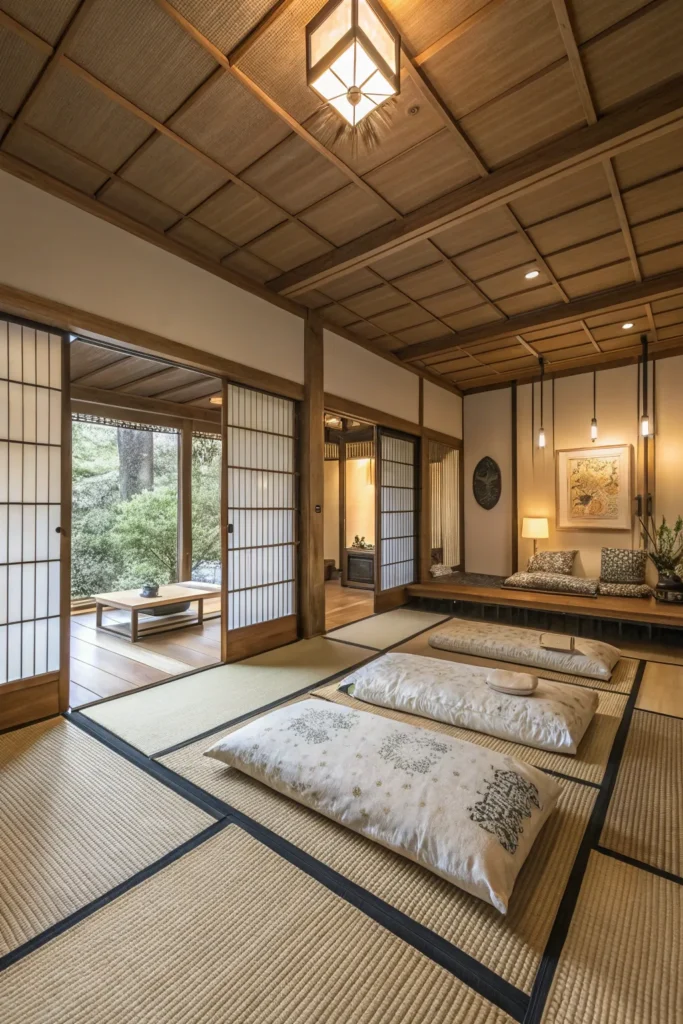
Tatami flooring is a staple of Japanese homes, and it works wonderfully in tiny spaces. These woven mats offer cushioning, natural scent, and timeless style. Use tatami in a dedicated tea room, meditation space, or sleeping area. Tatami rooms also double as multipurpose zones—seating for guests during the day and sleeping space at night.
5. Create a Zen Sleeping Loft
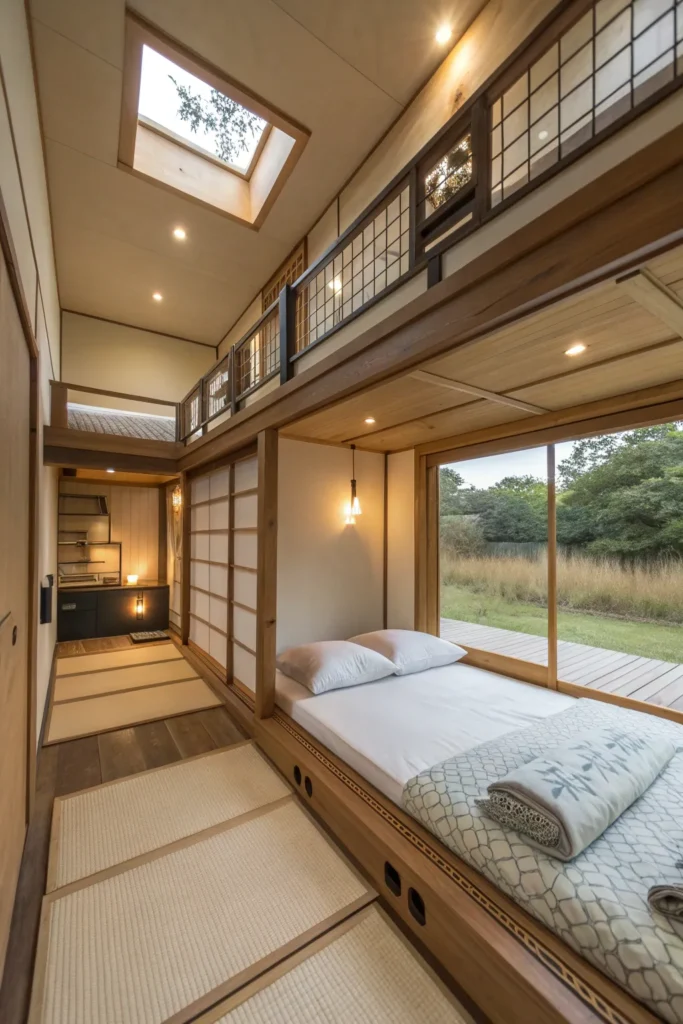
Many Japanese-style tiny homes feature sleeping lofts that embody peaceful simplicity. Use futon mattresses that can be rolled up and stored during the day to open the space further. Keep the loft low, calming, and uncluttered, emphasizing soft lighting, neutral colors, and a traditional futon for comfort.
6. Add an Indoor-Outdoor Connection
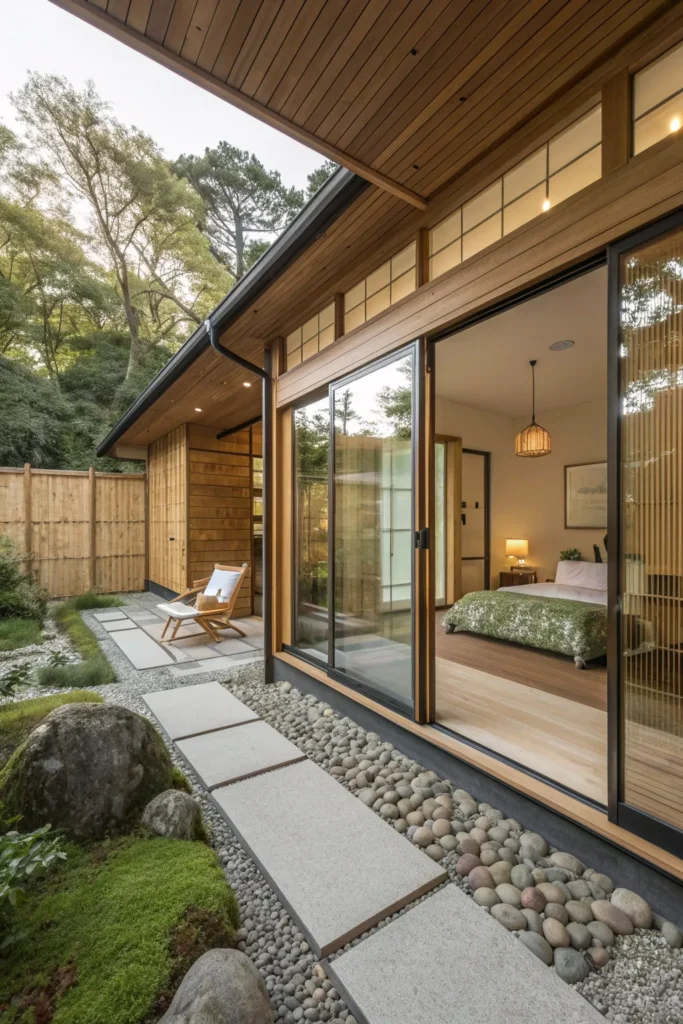
Bringing nature inside is central to Japanese home design. Large windows, glass sliding doors, and tiny decks help blend the interior with the outdoor environment. A small patio garden, bamboo screen, or rock pathway enhances the Zen-inspired ambiance. Even in small homes, this connection creates openness and encourages mindful living.
7. Build a Compact Genkan Entryway
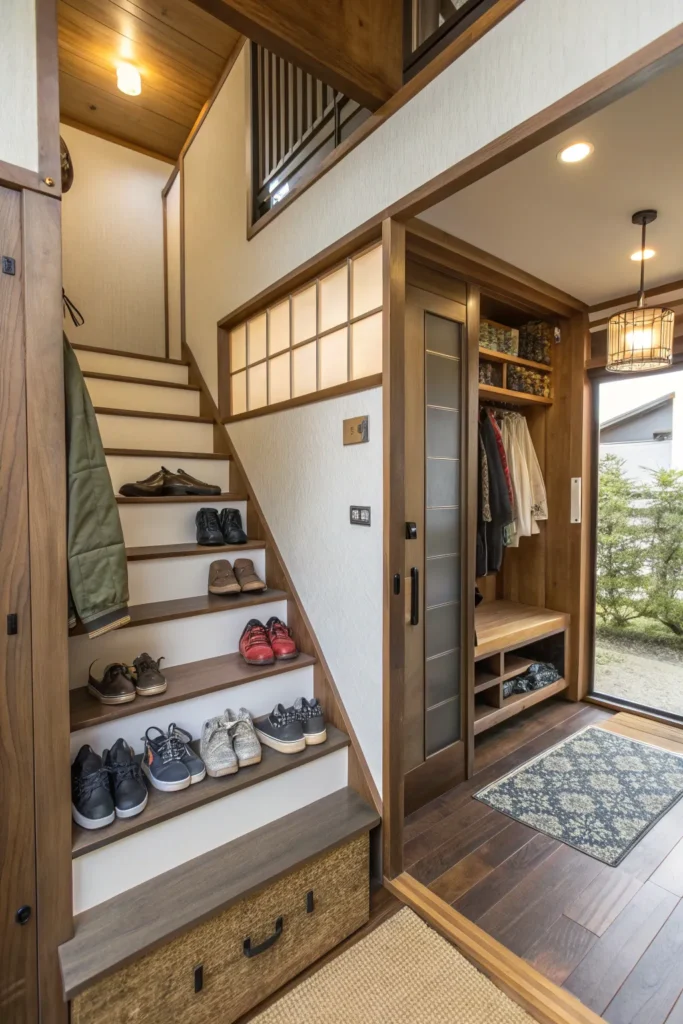
A genkan—the traditional Japanese entry—sets the tone for the entire home. Incorporate a small landing area with a shoe rack and a step up into the main living space. This subtle level change creates separation and keeps the interior clean. Even in a tiny home, the genkan adds authenticity and functional organization.
8. Use Multi-Functional Furniture
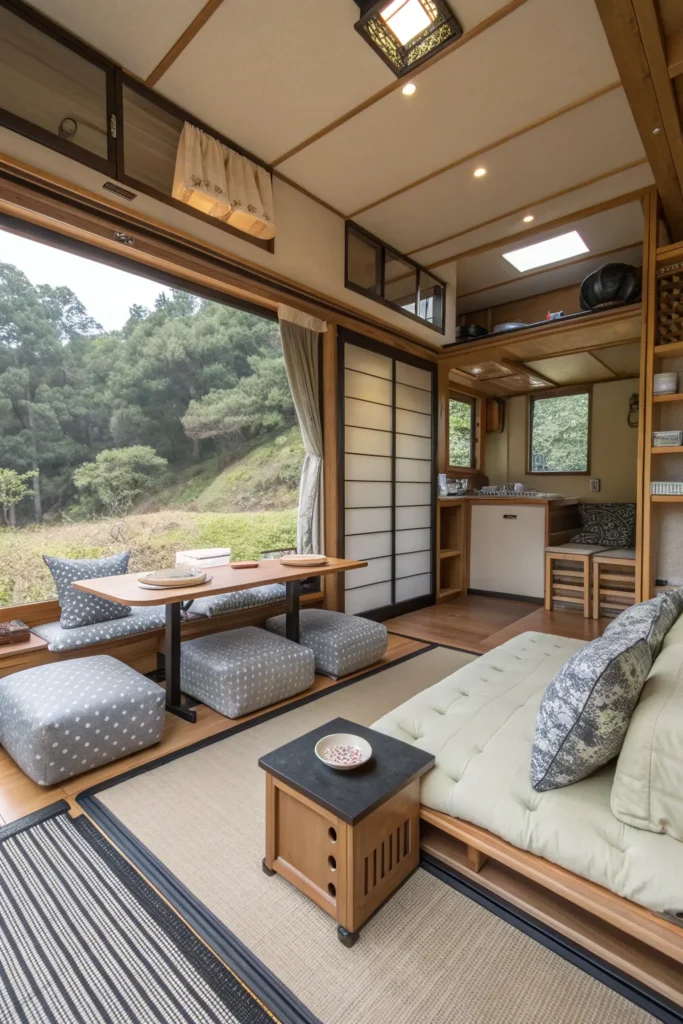
Tiny homes require furniture that adapts to various needs. Choose low-profile Japanese-style pieces like floor cushions, foldable tables, futons, and platforms with hidden storage. A chabudai (short-legged table) can serve as a dining table, workspace, or tea table, and when not in use, it can be moved easily or stored away.
9. Highlight a Neutral Color Palette
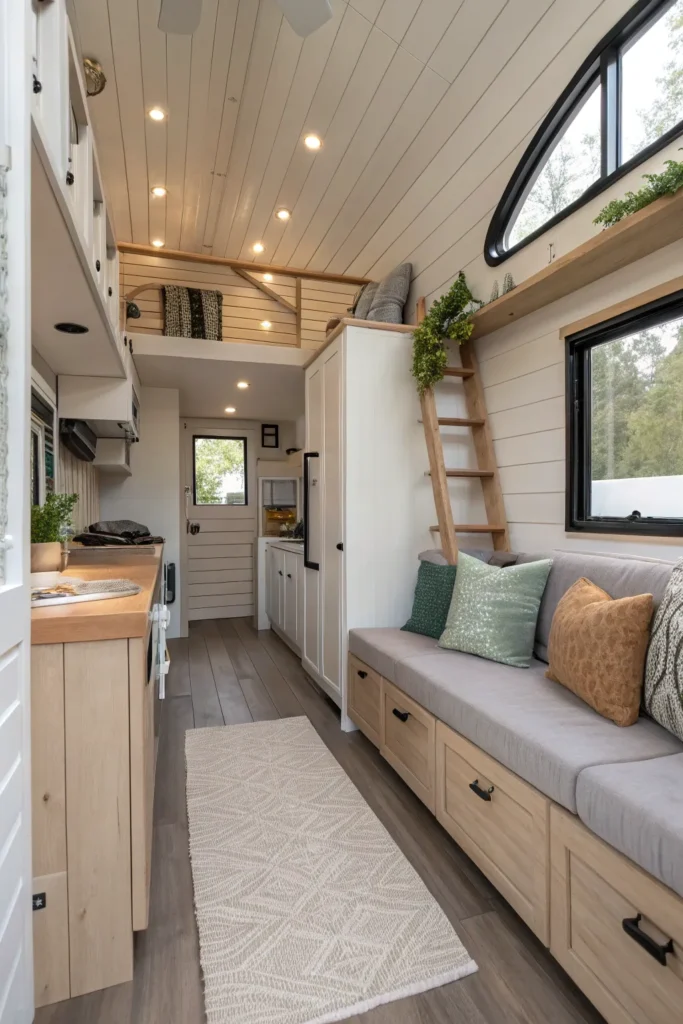
Japanese tiny homes typically feature soft, muted tones that promote relaxation—creamy whites, earthy browns, soft grays, and warm wood hues. These colors make small spaces feel serene and expansive. Add subtle touches of muted green or black for contrast, but keep everything gentle and uncluttered.
10. Add a Japanese-Style Bathroom
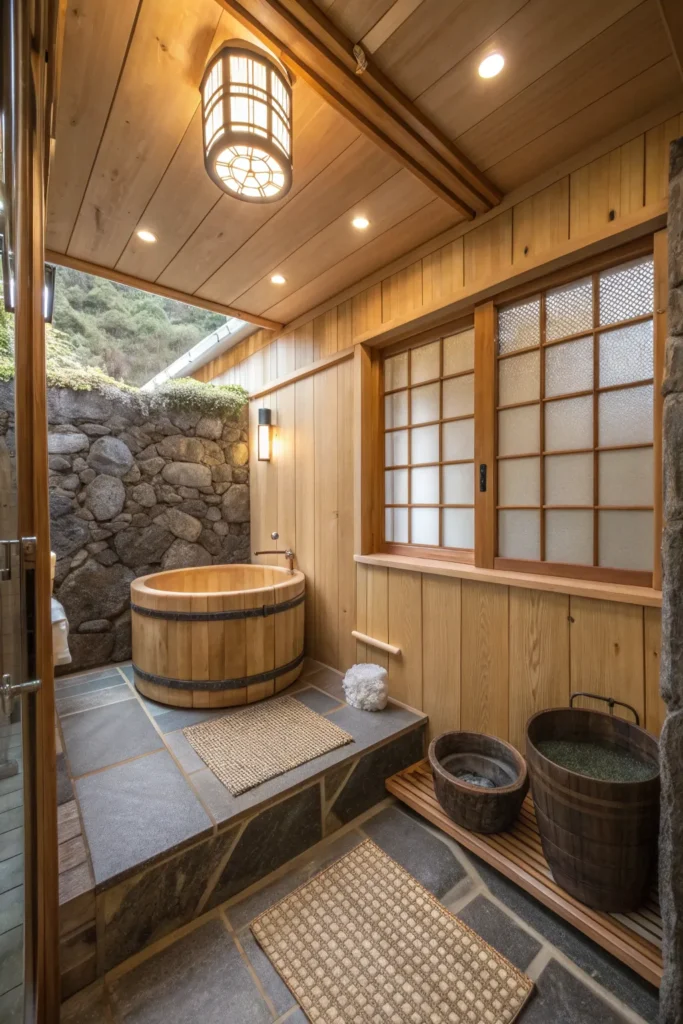
Compact, spa-like bathrooms are a beautiful part of Japanese design. A tiny wet-room setup with waterproof walls, a deep soaking tub (ofuro), and efficient drainage creates a luxurious experience within a small footprint. Natural wood mats, stone details, and soft lighting complete the calming atmosphere.
11. Create a Mini Zen Garden
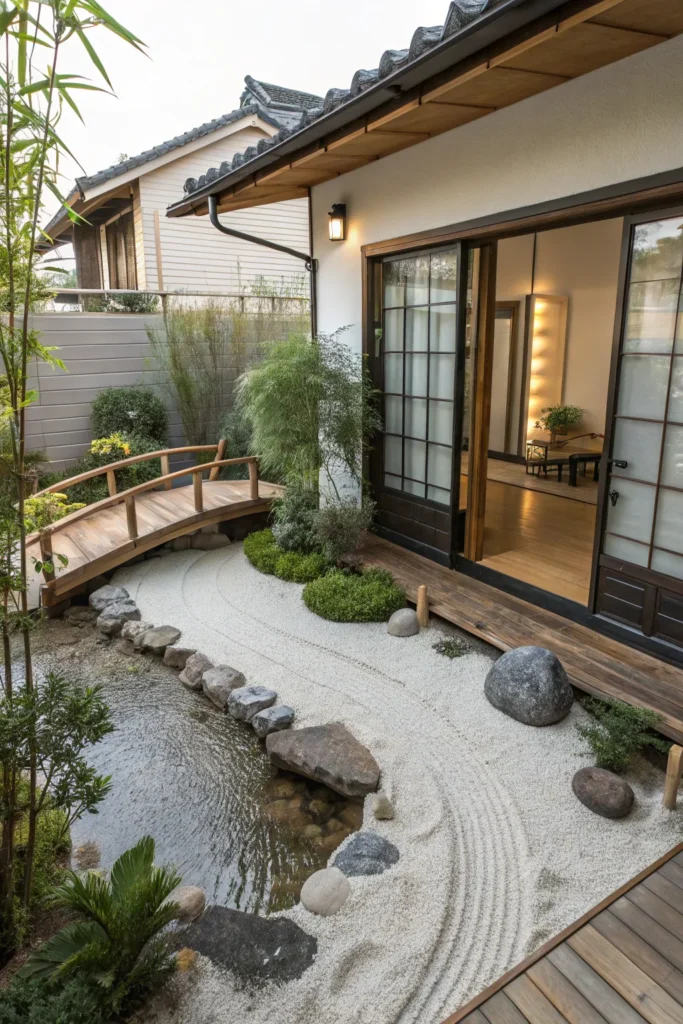
Even the smallest home can benefit from a Zen garden. Use sand, stones, and a few carefully placed plants to create a peaceful vignette outside a window or beside the entrance. Mini Zen gardens help ground the home in nature and offer a meditative space that enhances tranquility.
12. Maximize Vertical Space
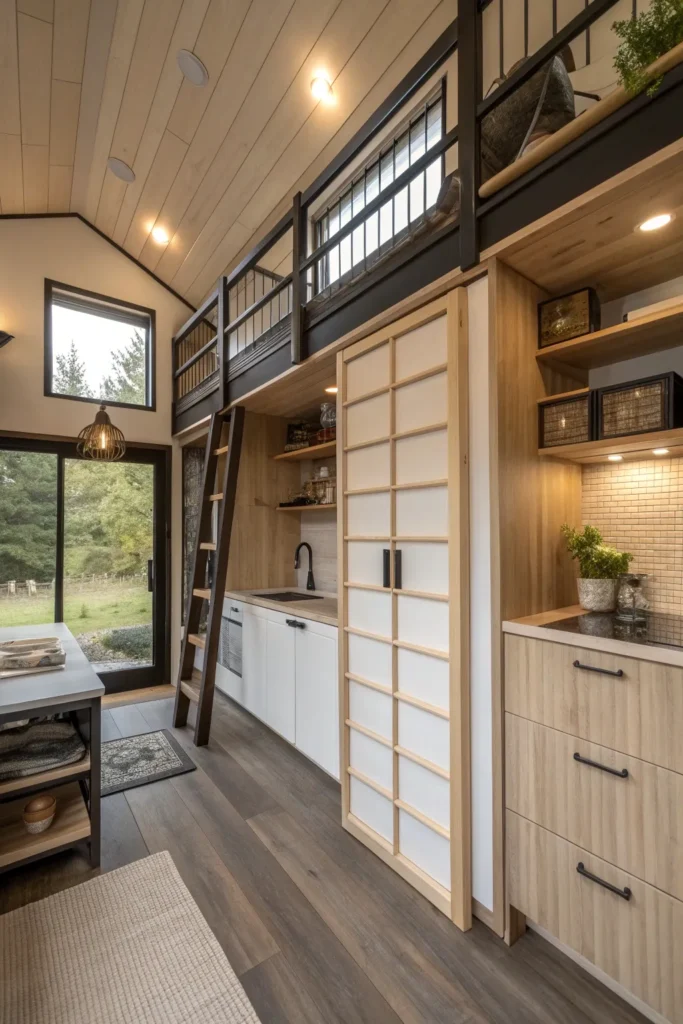
Japanese-style tiny homes excel in using vertical height for storage and design. Tall shelves, overhead cabinets, wall hooks, and ladder-access lofts add functionality without cluttering the room. Vertical slatted wood elements also create architectural interest while allowing airflow and light movement.
13. Add Soft, Warm Lighting
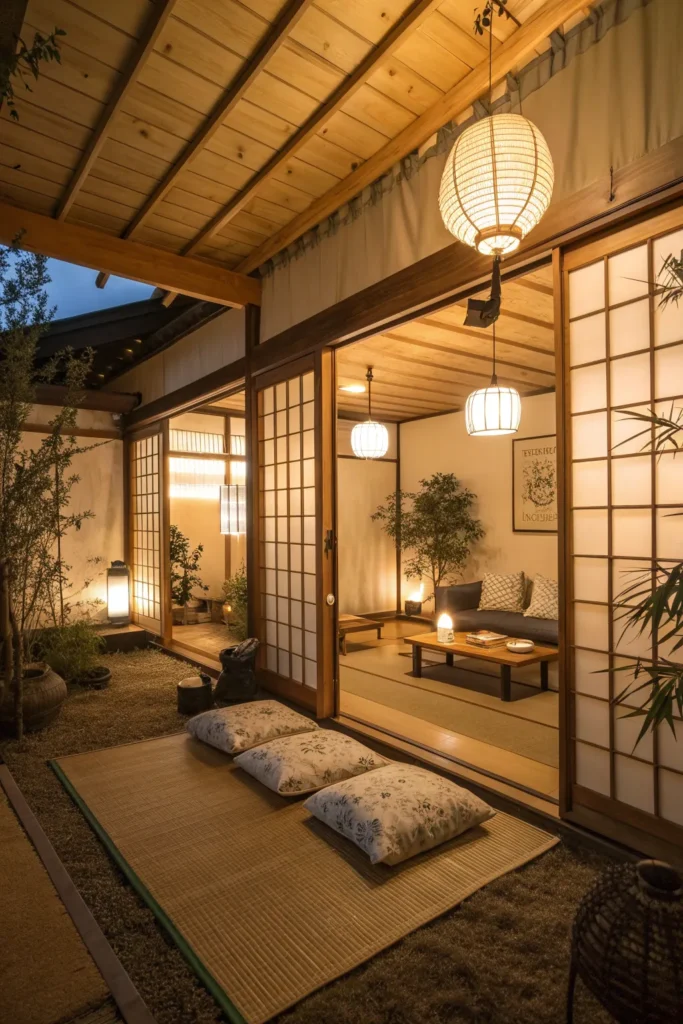
Lighting is essential for setting the mood in a small, serene space. Choose soft, warm, diffused lighting through rice paper lanterns, LED strip accents, or wooden-framed lamps. This type of calming illumination makes evenings feel cozy and peaceful, perfect for the Japanese aesthetic.
14. Incorporate Natural Décor Elements
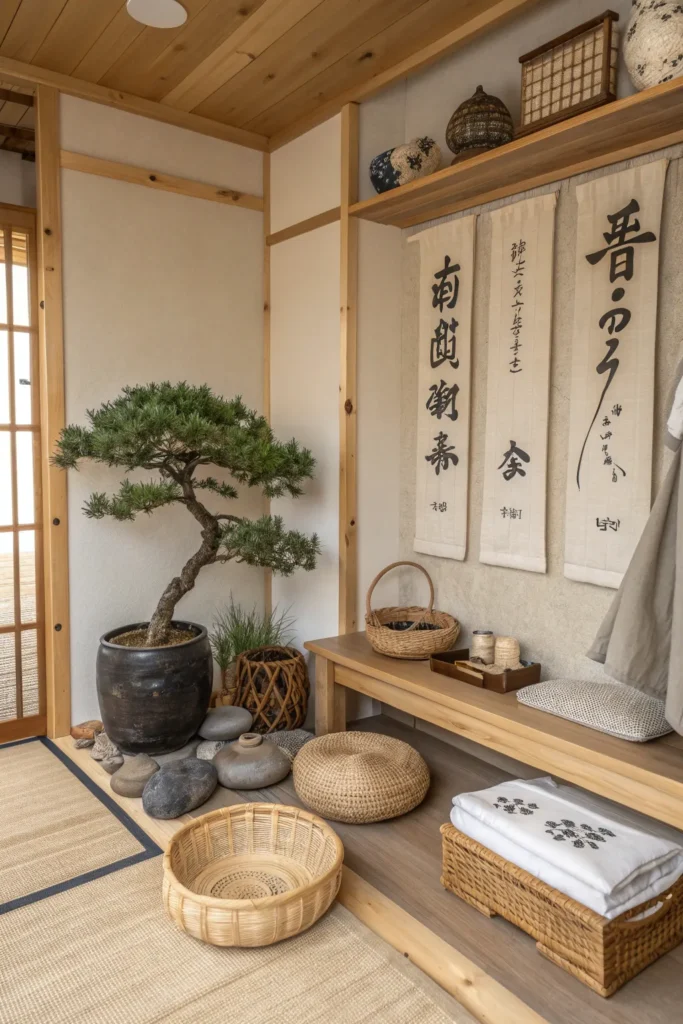
Japanese-style tiny homes use décor sparingly, but each piece is meaningful. Consider handcrafted ceramics, bonsai trees, simple wall scrolls, or woven baskets. Natural stones, linen fabrics, and bamboo accessories reinforce the organic aesthetic. Keep décor minimal to maintain harmony and balance.
15. Design an Efficient, Simple Kitchen
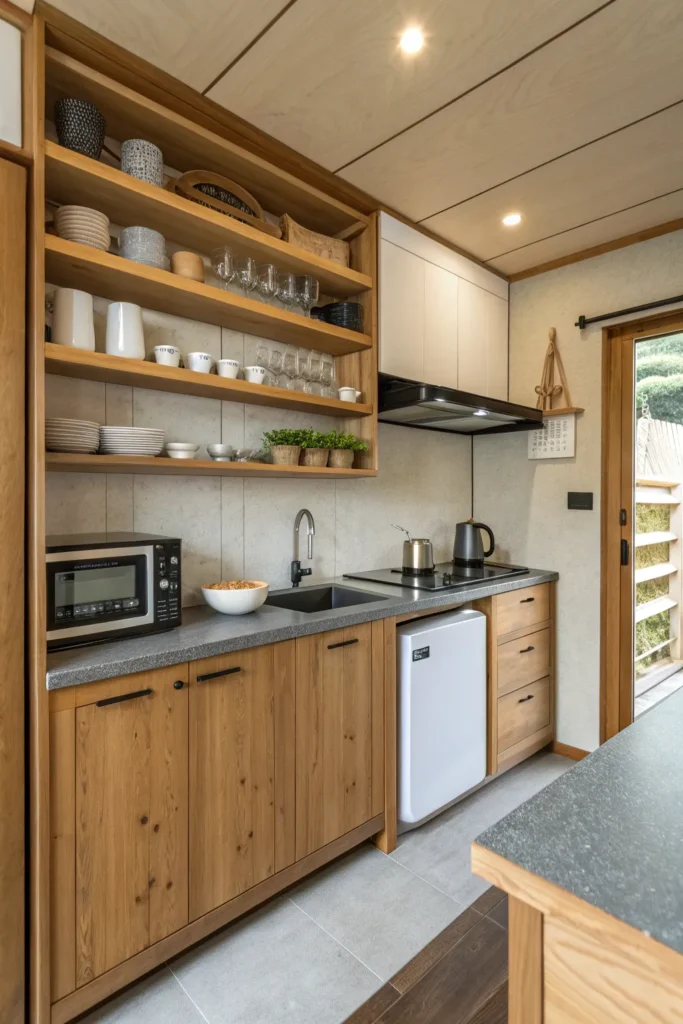
Tiny Japanese kitchens focus on precision and functionality. Use compact appliances, vertical shelving, and wall-mounted racks for utensils. Choose wood cabinetry with clean lines, matte finishes, and hidden storage. A simple tea station, open shelving for bowls and cups, and stone countertops create a beautiful blend of calm and practicality.
Final Thoughts
Japanese-style tiny homes prove that small spaces can be both stunning and highly livable. By embracing natural materials, clean design, and thoughtful multifunctional layouts, these homes create an atmosphere that feels peaceful, elegant, and deeply connected to nature. Whether you’re maximizing a compact floor plan or seeking a minimalist, Zen-inspired lifestyle, these ideas will help you craft a tiny home that radiates simplicity and beauty.