
15 Kids Playroom Decor Ideas for Fun and Function
Designing a kids’ playroom is all about balance. It needs to be fun enough to spark imagination, organized enough to avoid constant mess, and flexible enough to grow with your child.
A well-designed playroom supports creativity, learning, movement, and relaxation all in one space, without overwhelming kids or parents.
Whether you’re working with a small corner, a spare room, or a shared family area, these practical kids’ playroom decor ideas focus on smart layouts, durable materials, and playful design choices that actually work in everyday life.
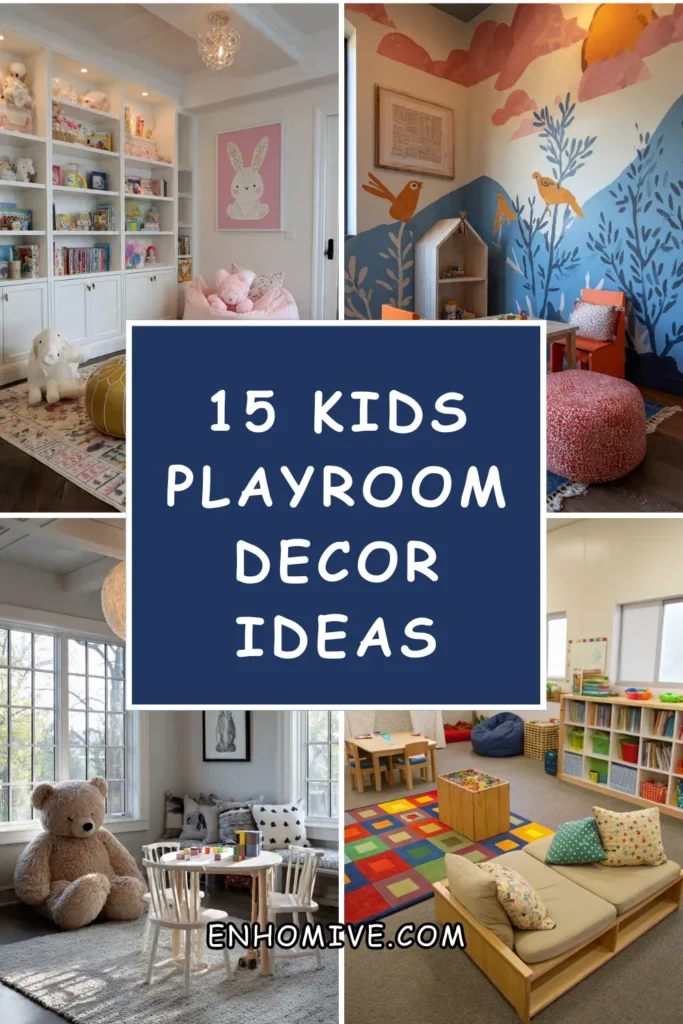
Each idea blends fun with function so the space stays enjoyable long after the novelty wears off.
1. Zoned Layouts That Support Different Types of Play
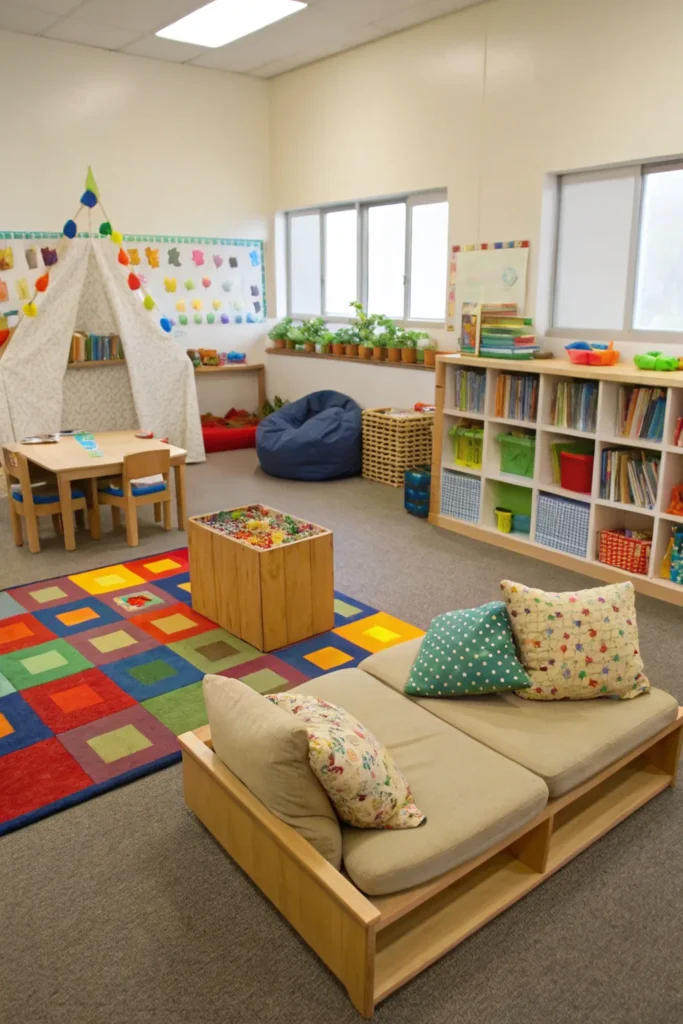
One of the most effective ways to design a functional playroom is by creating clear activity zones. Instead of one open space where everything blends together, divide the room into sections for reading, creative play, building, and active movement. This makes it easier for kids to focus and easier for parents to keep things organized.
Use rugs, shelving units, or low furniture to visually define each zone. For example, a soft rug and bookcase can mark a reading corner, while a table and wall art signal an arts-and-crafts area. Zoning keeps the playroom from feeling chaotic and encourages kids to explore different activities independently.
2. Open Storage That Kids Can Access Easily
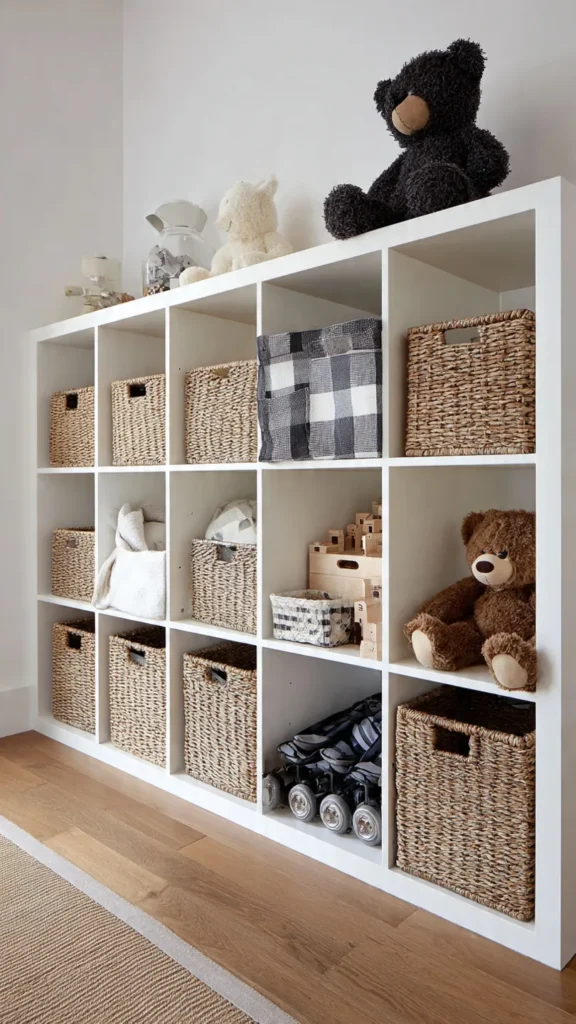
If kids can’t reach their toys, they won’t put them away. Open storage systems like low shelves, cubbies, and baskets make cleanup simple and intuitive. When everything has a visible place, kids learn organization naturally without constant reminders.
Choose sturdy bins with labels or pictures so younger children can identify where items belong. Open storage also lets kids see their options, which reduces toy dumping and helps them play more intentionally.
3. Built-In Benches with Hidden Storage
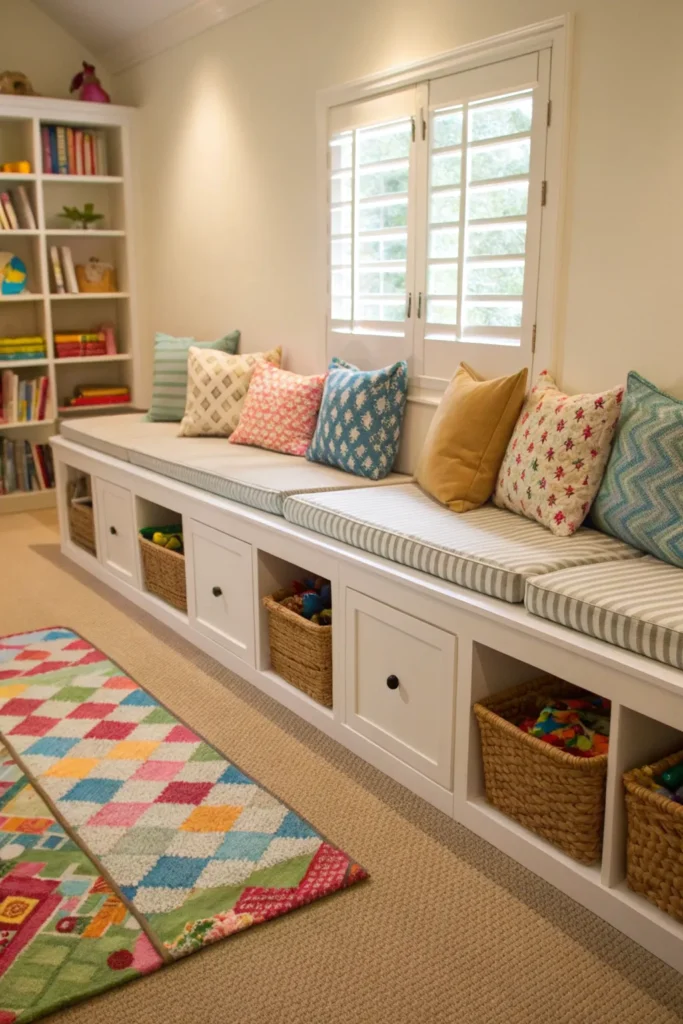
Built-in benches are a smart solution for maximizing space while adding seating and storage in one piece. Place them along a wall or under a window to create a cozy spot for reading, puzzles, or quiet play.
Lift-up lids or pull-out drawers can hide toys, games, or art supplies, keeping the room tidy without sacrificing accessibility. Add cushions or pillows to make the bench inviting and comfortable for everyday use.
4. Creative Wall Decor That Encourages Imagination
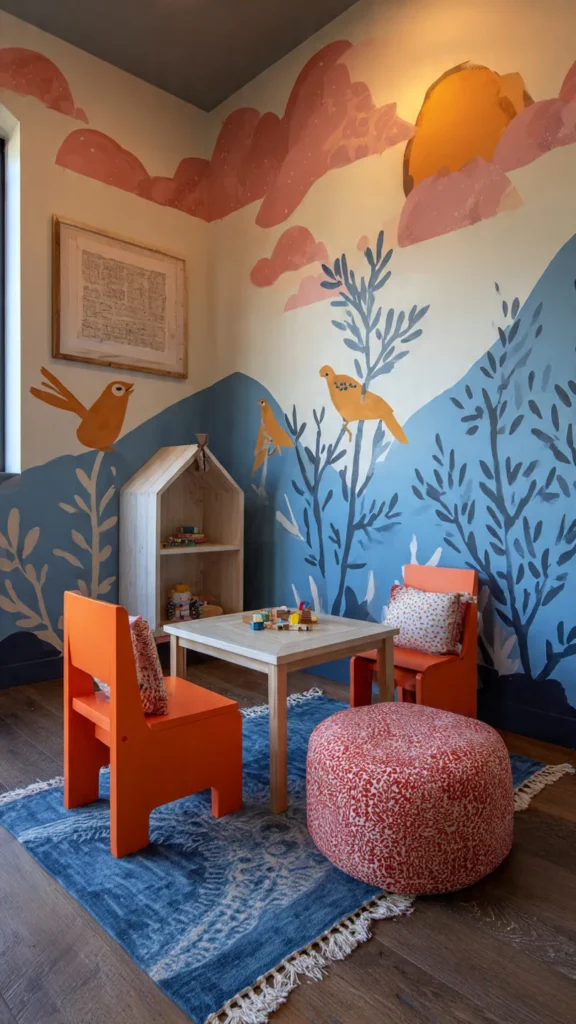
Walls are a powerful design tool in a kids’ playroom. Instead of filling the room with more furniture, use wall decor to inspire creativity. Murals, decals, or removable wallpaper can instantly set a playful tone without permanent commitment.
Consider themes like space, jungle, cityscapes, or abstract shapes. Wall decor should feel stimulating but not overwhelming, supporting imaginative play while still allowing the room to feel calm and balanced.
5. Art Display Areas That Celebrate Creativity
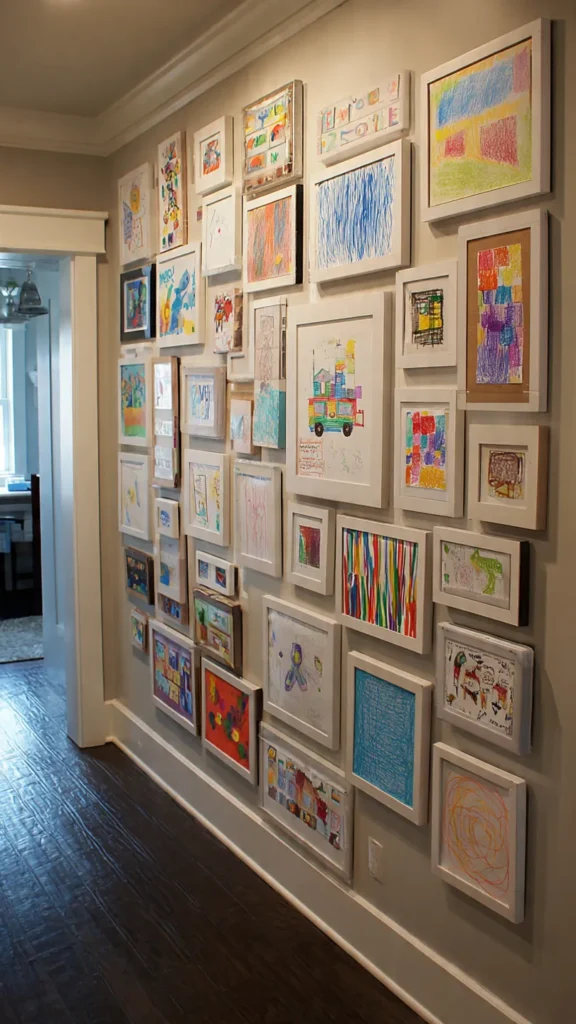
Kids love seeing their artwork displayed, and a dedicated art wall gives them a sense of pride and ownership. Use clip frames, wire displays, or cork boards to showcase drawings, paintings, and crafts.
Rotate artwork regularly to keep the display fresh and meaningful. This approach encourages creativity while preventing clutter from piling up on tables and floors.
6. Multi-Functional Furniture That Grows with Your Child
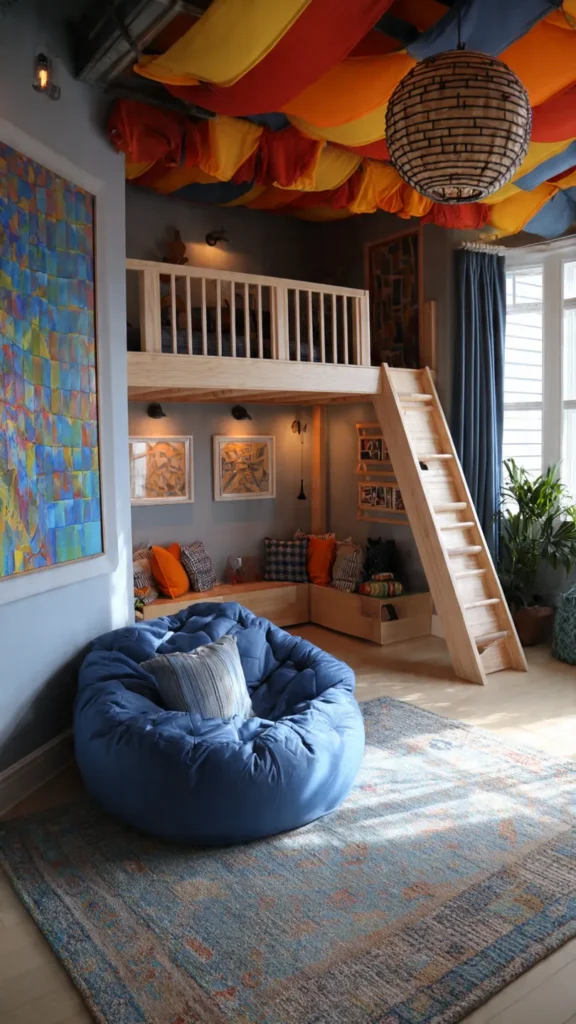
Investing in multi-functional furniture helps the playroom stay relevant as kids grow. Tables that adjust in height, storage units that transition into bookcases, or seating that doubles as toy storage offer long-term value.
Neutral furniture designs with playful accents allow the room to evolve easily. As toys change, the core layout stays functional without needing a full redesign every few years.
7. Soft Flooring for Comfort and Safety
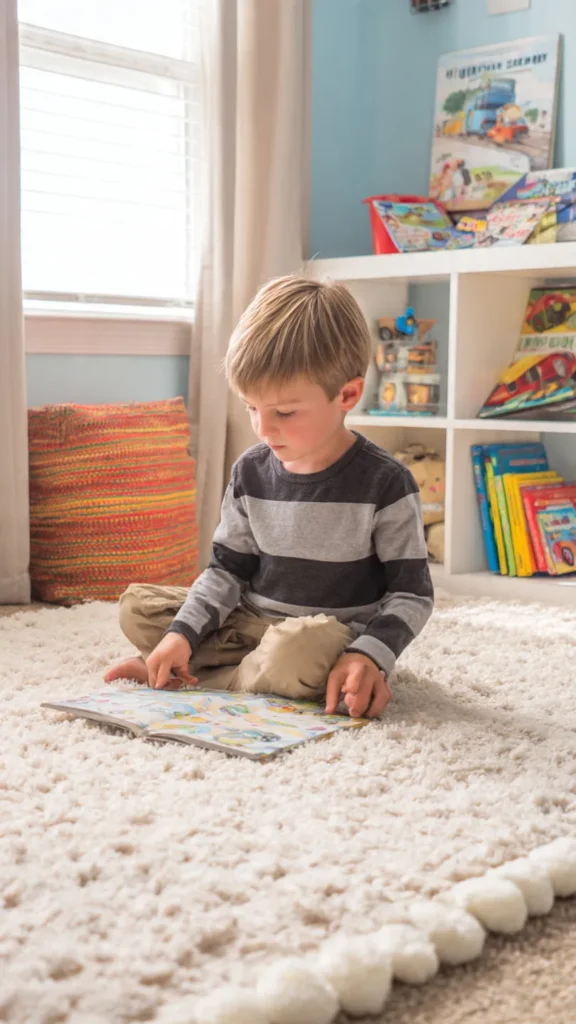
Kids spend a lot of time on the floor, so soft, durable flooring is essential. Foam mats, washable rugs, or carpet tiles provide cushioning for play while protecting against slips and falls.
Choose materials that are easy to clean and resistant to wear. Soft flooring also helps define play areas and adds warmth to the room, making it feel comfortable and welcoming.
8. Reading Nooks That Encourage Quiet Time
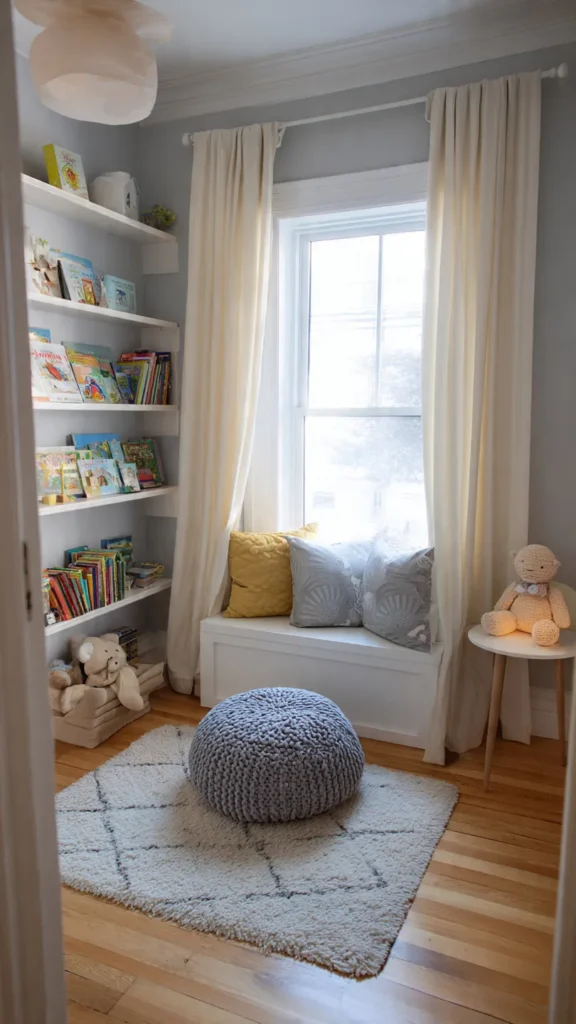
A cozy reading nook adds balance to a playroom filled with energy and movement. Create a quiet corner with a small bookshelf, soft cushions, and gentle lighting where kids can relax with books.
Even active children benefit from having a calm space to unwind. Reading nooks support literacy, imagination, and emotional regulation in a subtle but powerful way.
9. Low Tables for Crafts and Learning Activities
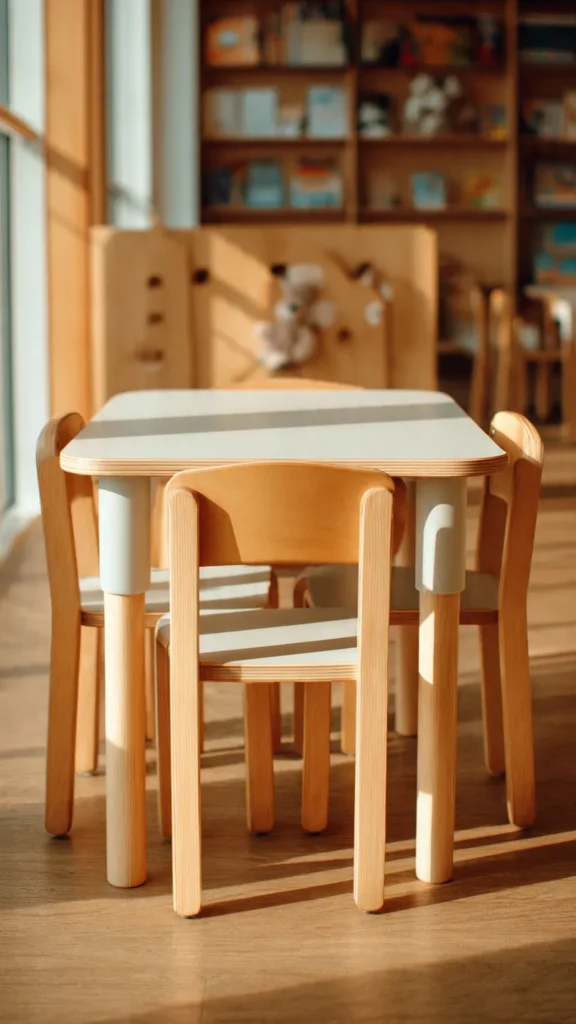
A child-sized table is a must-have for any functional playroom. It provides a dedicated surface for drawing, puzzles, building blocks, and homework as kids get older.
Choose a table with rounded edges and easy-to-clean surfaces. Pair it with stackable or lightweight chairs that kids can move independently, promoting confidence and self-sufficiency.
10. Toy Rotation Systems to Reduce Clutter
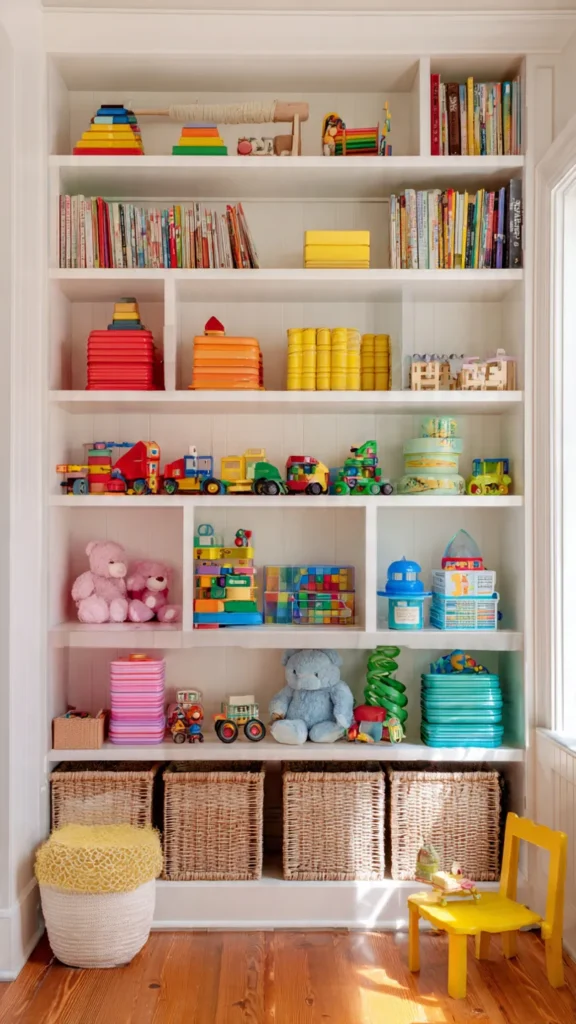
Too many toys can overwhelm kids and reduce quality play. A toy rotation system keeps the playroom fresh and manageable by displaying only a portion of toys at a time.
Store extra toys in bins or closets and rotate them every few weeks. This method keeps the space organized, encourages deeper play, and makes old toys feel new again without buying more.
11. Playroom Lighting That’s Bright but Cozy
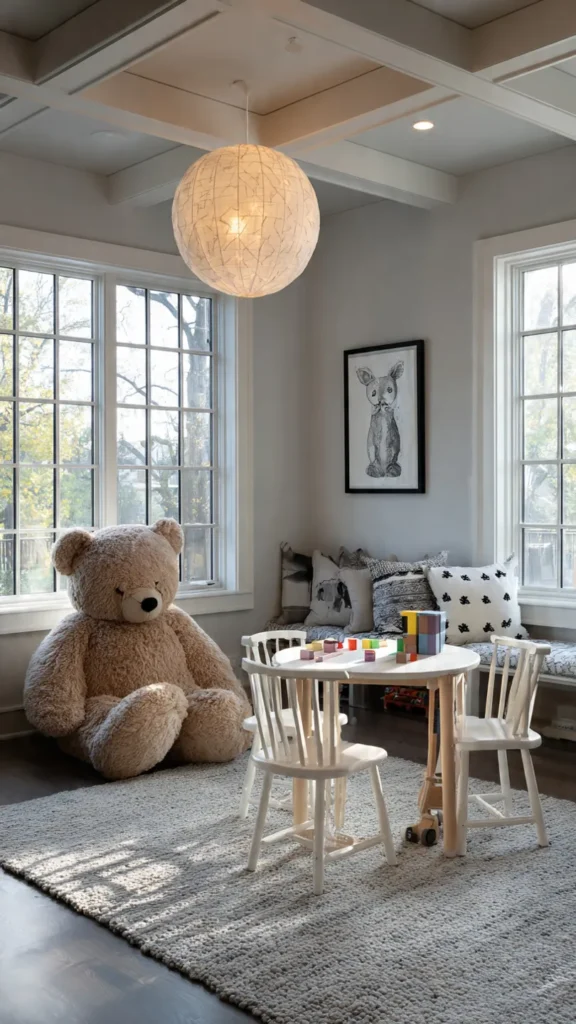
Good lighting is often overlooked in playroom design. Natural light is ideal, but layered lighting ensures the room works at all times of day. Use overhead lighting for general brightness and task lighting for art or reading areas.
Warm-toned lights create a cozy atmosphere, while dimmable options allow flexibility. Avoid harsh lighting that can make the room feel overstimulating or uncomfortable.
12. Chalkboard or Whiteboard Walls for Interactive Fun
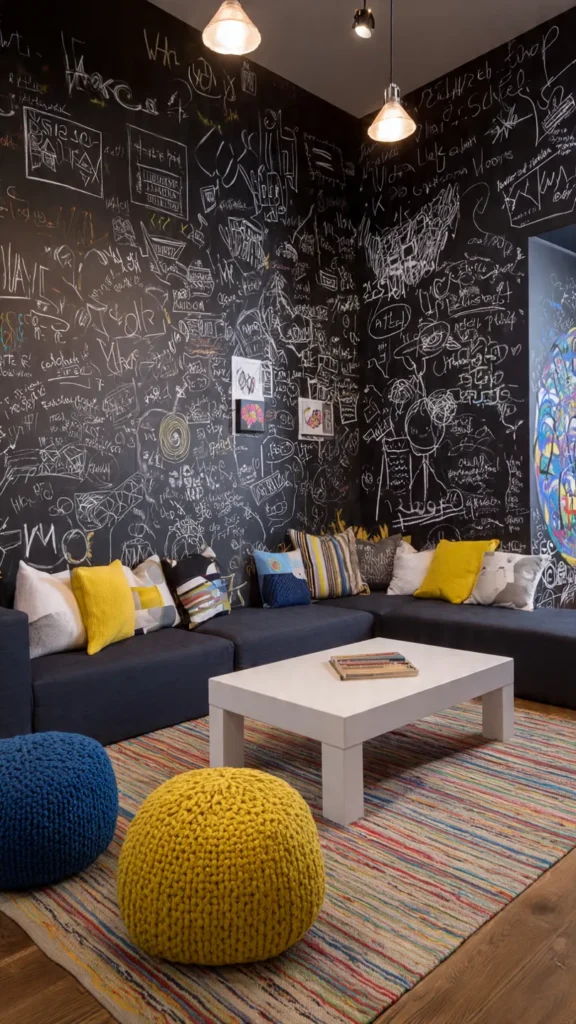
Interactive wall surfaces like chalkboard or whiteboard paint turn walls into creative tools. Kids can draw, practice letters, or play games without needing extra supplies spread across the room.
These walls encourage learning through play and are easy to update or clean. They’re especially useful in smaller playrooms where floor space is limited.
13. Open-Ended Toys Displayed as Decor
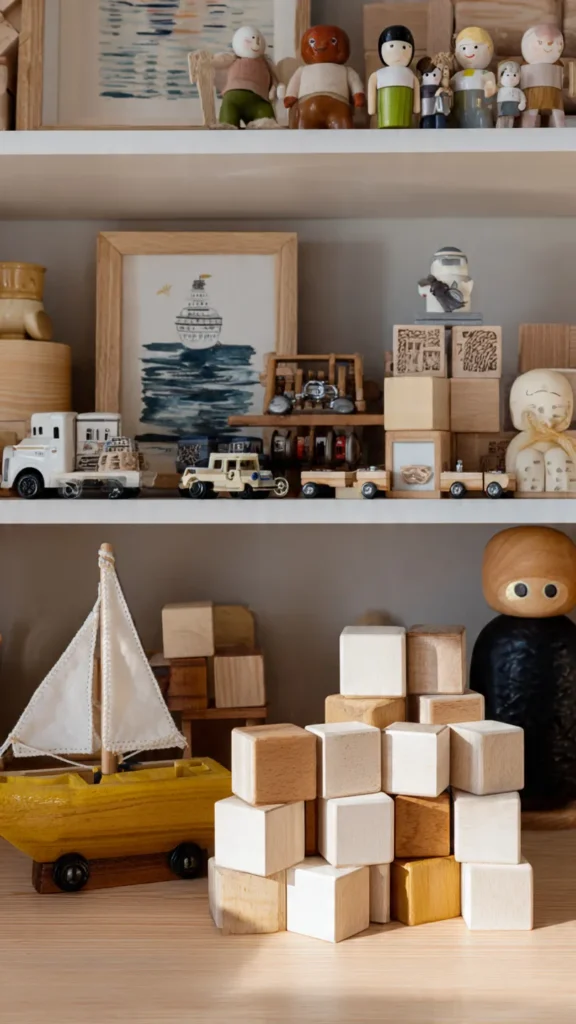
Open-ended toys like wooden blocks, dolls, and building sets can double as decor when displayed thoughtfully. Arrange them on shelves or in baskets to create a visually appealing and functional setup.
This approach keeps toys accessible while making the playroom feel curated rather than cluttered. It also encourages imaginative play instead of overstimulation from noisy or single-purpose toys.
14. Calm Color Palettes with Playful Accents
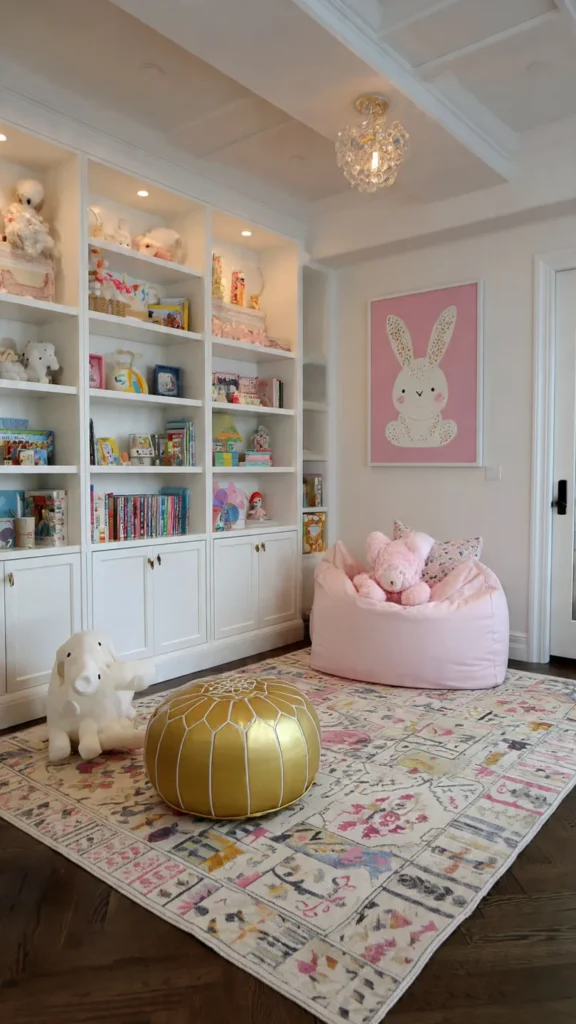
Bright colors can be fun, but too many can overwhelm kids and make a room feel chaotic. Start with a calm base using neutral or soft colors, then add playful accents through decor, toys, and wall art.
This balance supports focus, creativity, and emotional regulation. A calmer backdrop also makes it easier to update the room as kids grow or interests change.
15. Flexible Layouts That Adapt Over Time
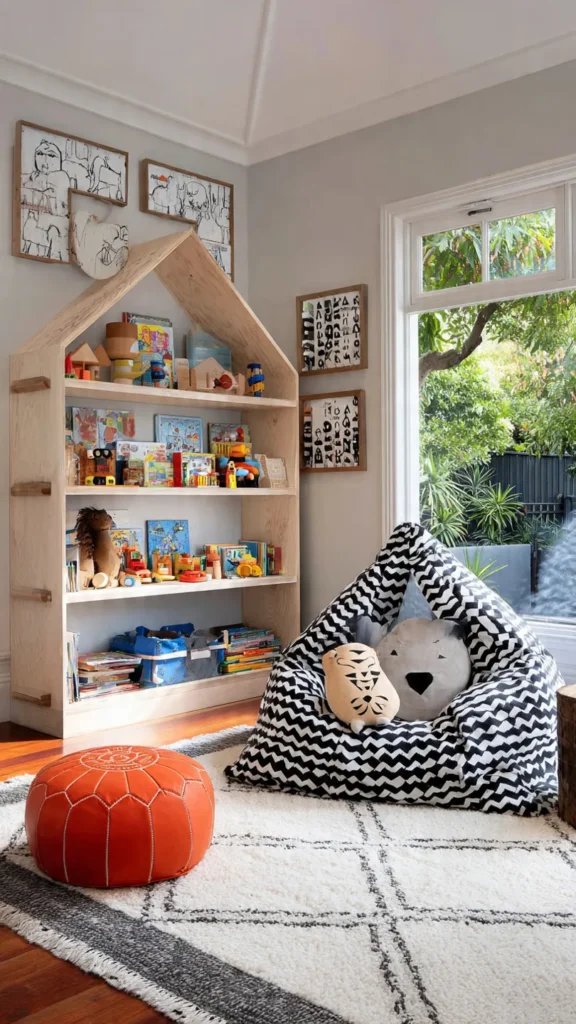
The best playrooms are designed with flexibility in mind. Kids grow quickly, and their interests shift just as fast. Choose movable furniture, modular storage, and open layouts that can be rearranged easily.
A flexible design ensures the playroom remains functional for years, transitioning from toddler play to creative projects, homework, and even family game nights without major changes.
Final Thoughts
A well-designed kids’ playroom doesn’t have to be overly themed or filled with expensive furniture. The most successful spaces focus on practical design, thoughtful organization, and flexibility.
When kids can move freely, access their toys independently, and feel inspired by their surroundings, play becomes more meaningful and enjoyable.
By combining fun decor elements with functional solutions, you create a playroom that supports creativity, learning, and everyday life. With smart choices and intentional design, the playroom becomes a space kids love and parents can actually maintain.