
15 Kitchenette Ideas for Small Spaces That Work Big
Small spaces demand smart design, and nowhere is that more true than in the kitchenette. Whether it’s a studio apartment, guest suite, office nook, or compact urban home, a well-designed kitchenette can deliver full-function convenience without sacrificing style.
With thoughtful planning, clever storage, and the right visual tricks, even the tiniest kitchenette can feel efficient, elevated, and surprisingly spacious.
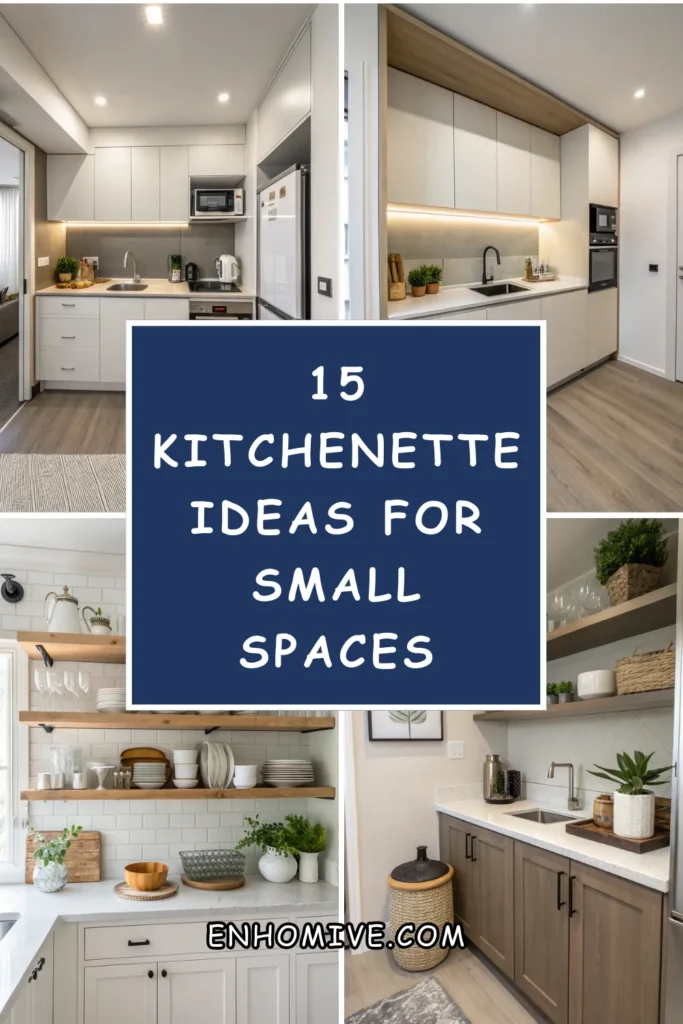
These 15 kitchenette ideas focus on making small spaces work harder and look better—combining practicality with modern design so every inch counts.
1. Embrace a Streamlined Layout
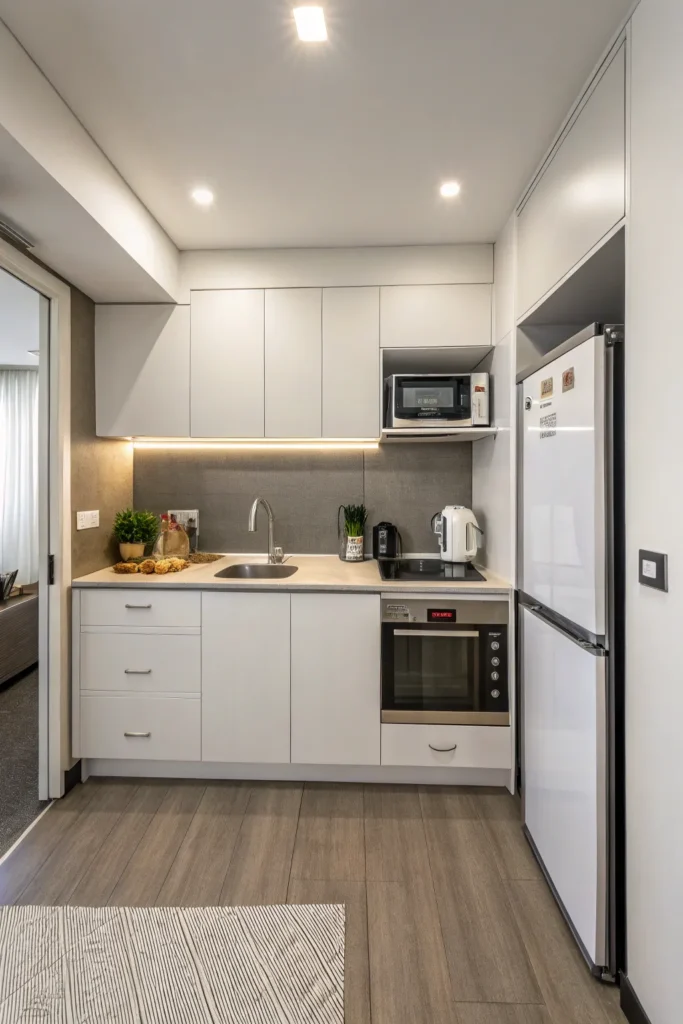
The foundation of any successful kitchenette is a clean, efficient layout. In small spaces, simplicity is your strongest ally. A single-wall or galley-style configuration keeps everything within reach while minimizing visual clutter.
Placing appliances, sink, and prep space in a logical sequence allows for smooth movement and easy use. Avoid unnecessary corners or oversized cabinetry that can interrupt flow. A streamlined layout not only saves space but also makes the kitchenette feel purposeful and well thought out.
2. Use Compact Appliances Designed for Small Spaces
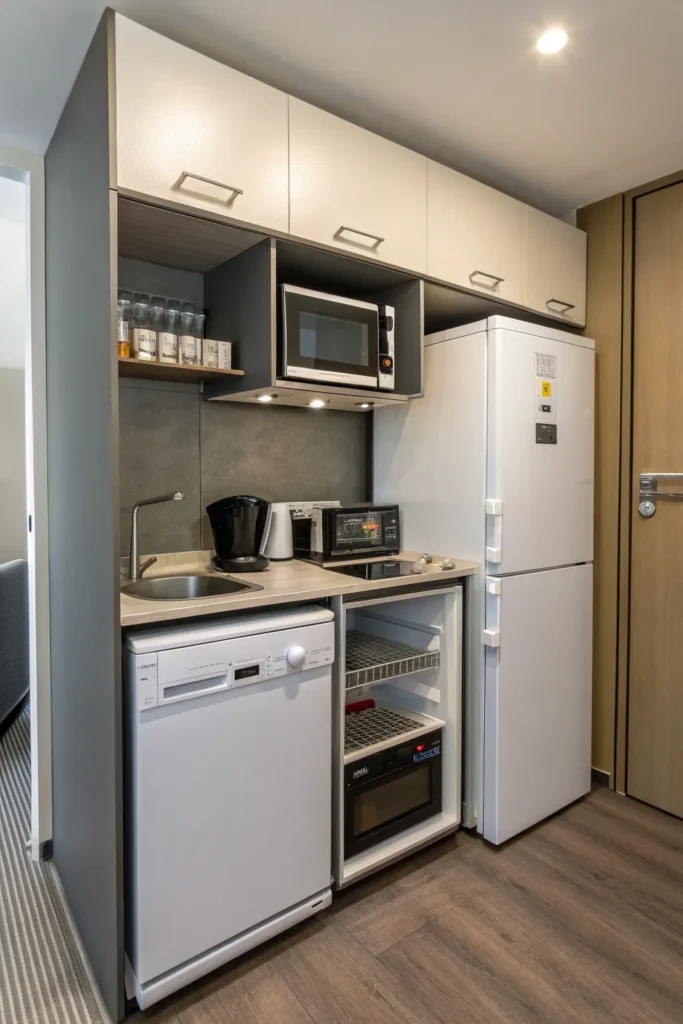
Standard-size appliances can overwhelm a kitchenette. Compact versions—such as slim refrigerators, two-burner cooktops, and drawer-style dishwashers—offer the same functionality at a smaller scale.
Modern compact appliances are sleek and efficient, often blending seamlessly into cabinetry. Choosing appliances that fit the proportions of your space helps the kitchenette feel balanced rather than cramped, while still meeting daily cooking needs.
3. Go Vertical with Storage
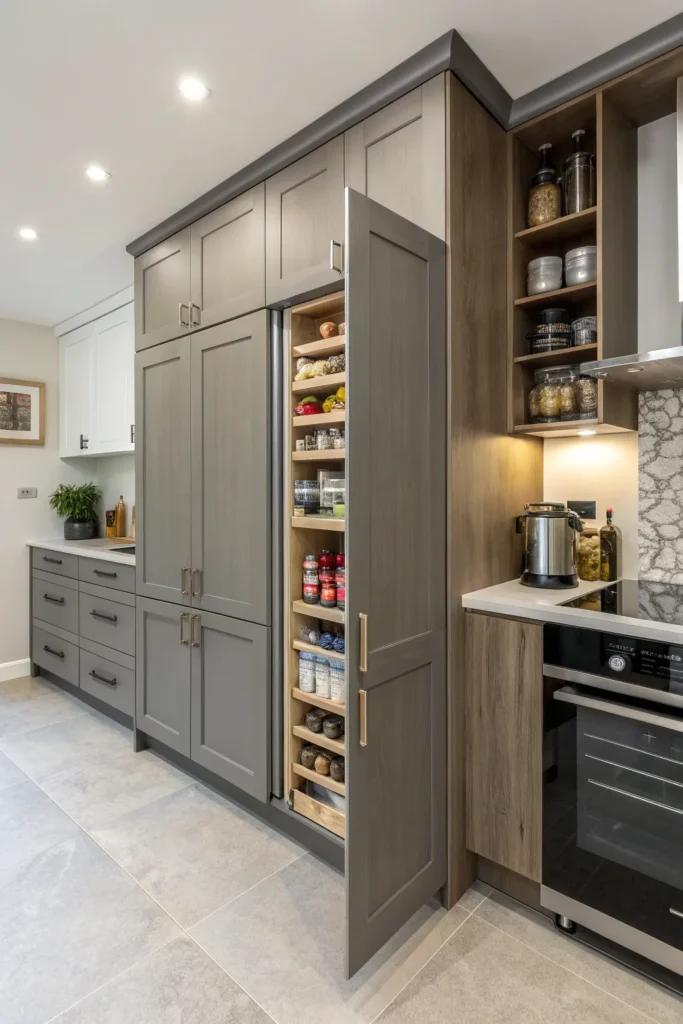
When floor space is limited, vertical storage becomes essential. Tall cabinets, open shelving, or wall-mounted racks maximize storage without expanding the footprint of the kitchenette.
Using the full height of the wall draws the eye upward, making the space feel taller and more open. Keep frequently used items within easy reach and reserve higher shelves for less-used pieces to maintain both function and visual order.
4. Choose Light Colors to Open Up the Space
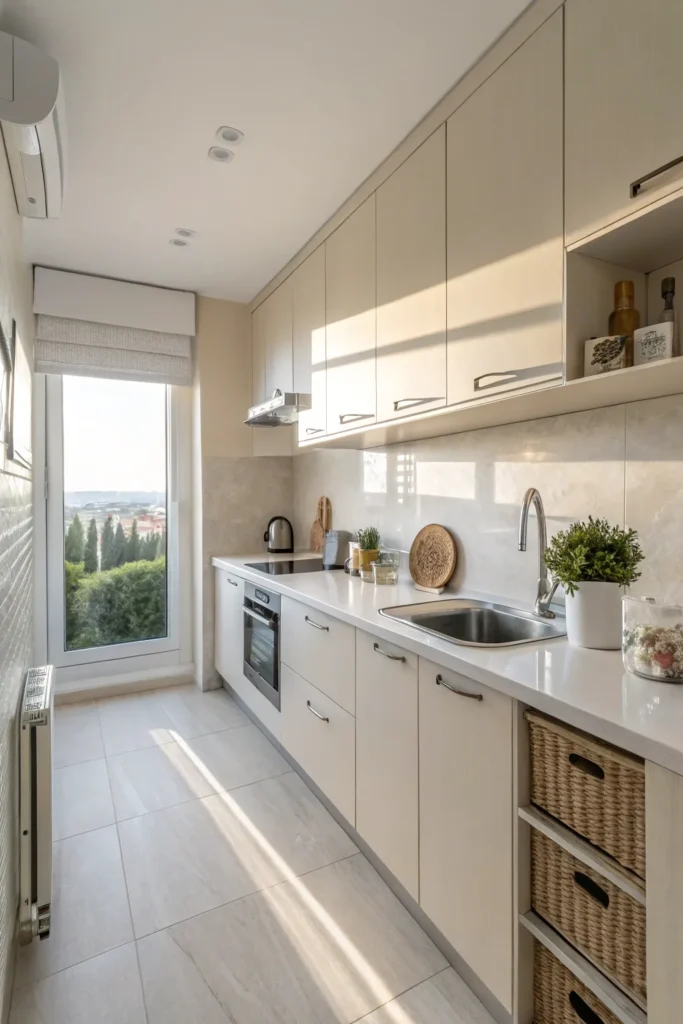
Light color palettes are a powerful tool in small kitchens. Whites, soft grays, pale wood tones, and muted neutrals reflect light and create a sense of openness.
Using the same color across cabinets, walls, and backsplash helps blur boundaries, making the kitchenette feel larger. If you want contrast, introduce it subtly through hardware or accessories rather than bold color blocks.
5. Install Open Shelving for an Airy Feel
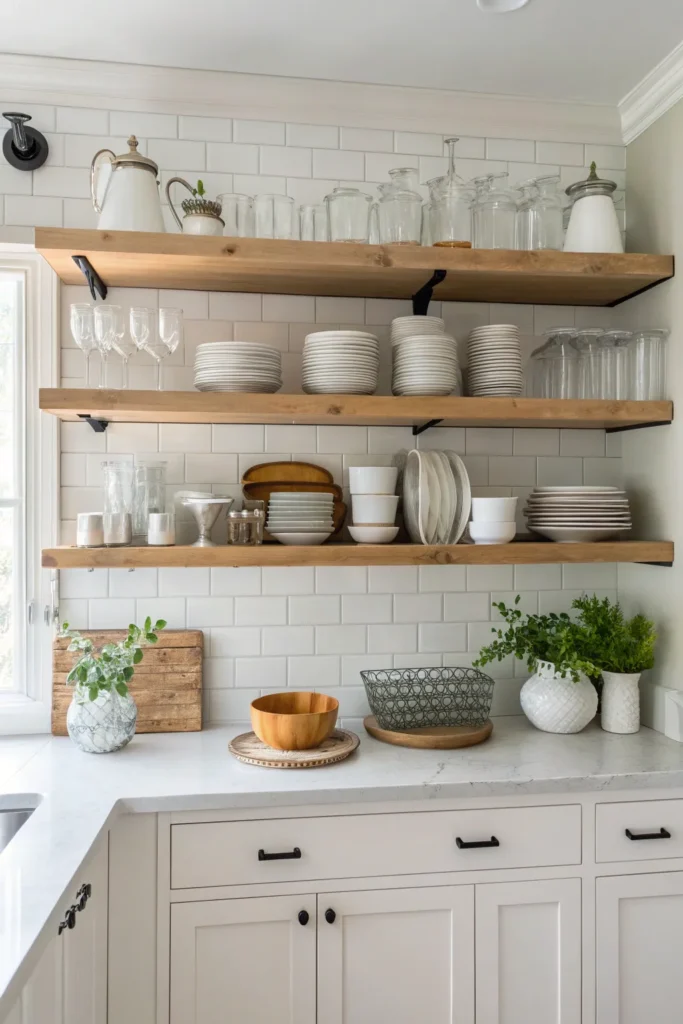
Open shelving can make a small kitchenette feel less boxed in than traditional upper cabinets. By exposing dishes and glassware, the space feels lighter and more accessible.
To keep the look polished, limit what’s displayed and stick to a cohesive color scheme. Open shelves work best when styled with intention, blending function with decor to enhance the overall aesthetic.
6. Add a Multifunctional Countertop
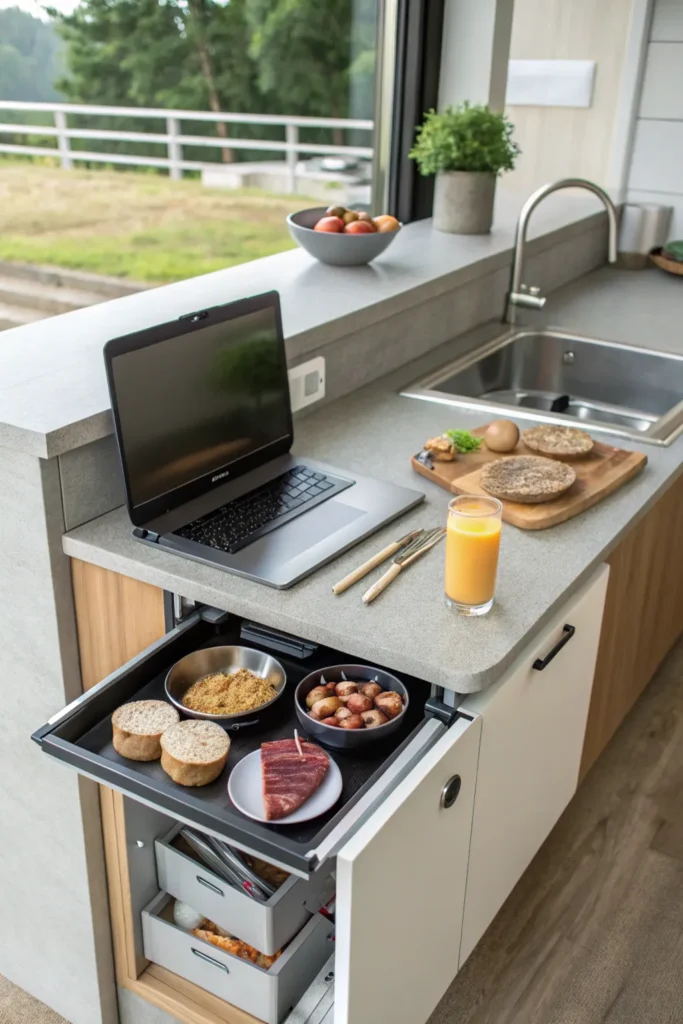
In a small kitchenette, the countertop often needs to do double or even triple duty. It may serve as a prep area, dining surface, and workspace all in one.
Consider extending the counter to create a breakfast bar or using a fold-down surface that can be tucked away when not in use. Durable materials that handle daily wear while maintaining a clean look are key to making multifunctional surfaces work.
7. Use Smart Lighting to Enhance Space
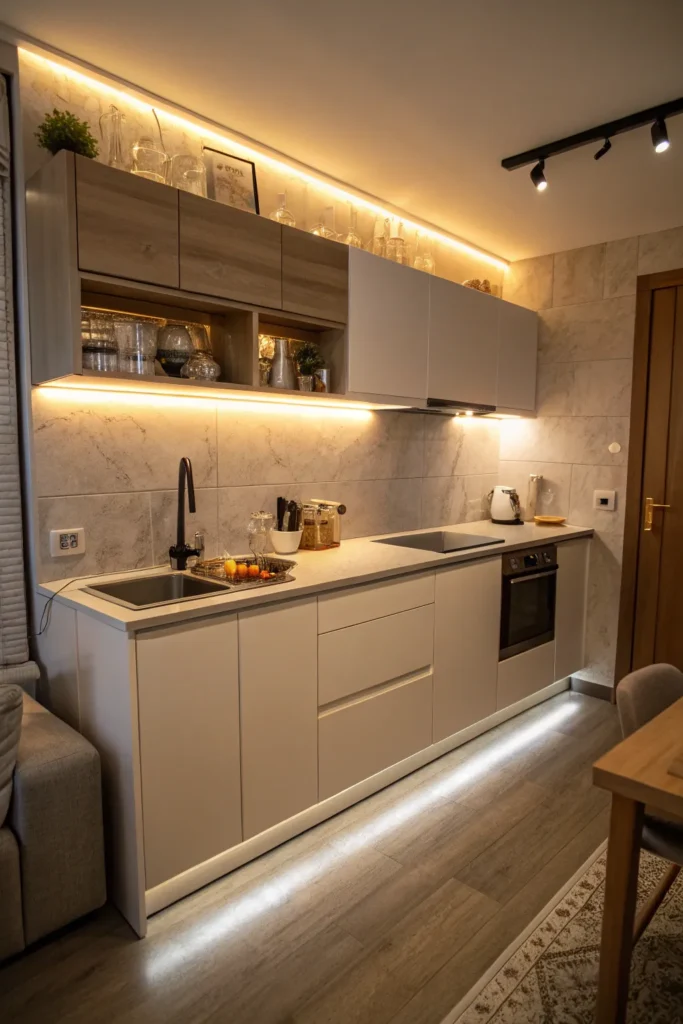
Lighting plays a major role in how a kitchenette feels. Poor lighting can make even a well-designed space feel tight and uninviting.
Under-cabinet lighting brightens work surfaces and eliminates shadows, while warm overhead lighting adds ambiance. Layering light sources creates depth and makes the kitchenette feel more spacious and welcoming.
8. Opt for Handleless or Slim Hardware
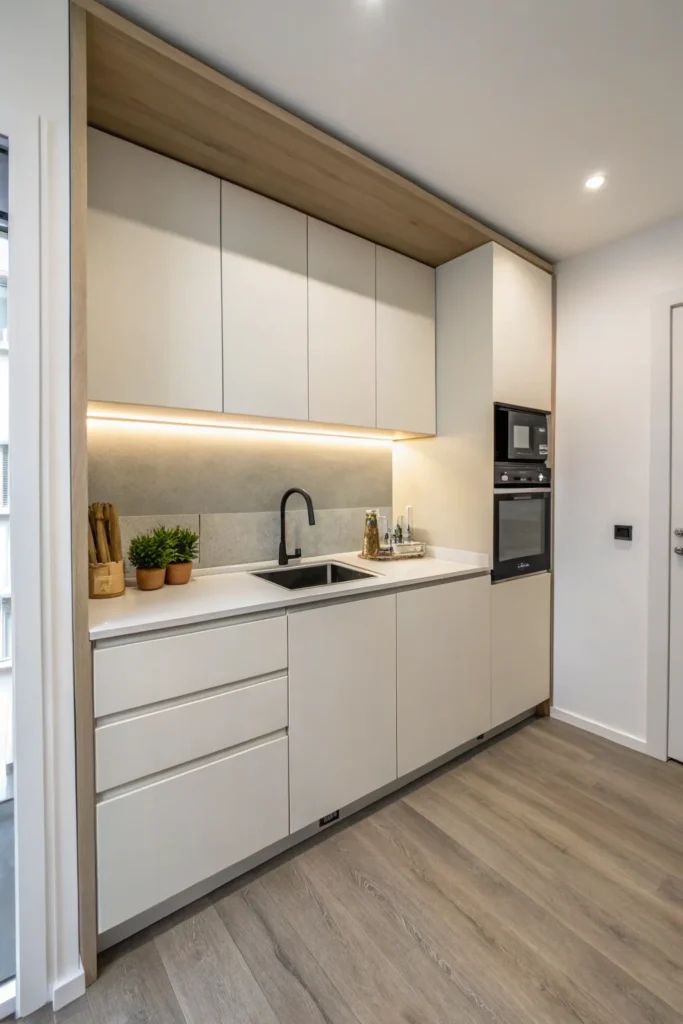
Bulky handles and knobs can visually clutter a small kitchenette. Handleless cabinetry or slim, low-profile hardware keeps lines clean and modern.
This minimalist approach enhances flow and reduces visual interruption, allowing the kitchenette to feel more seamless and integrated with the surrounding space.
9. Integrate Appliances for a Seamless Look
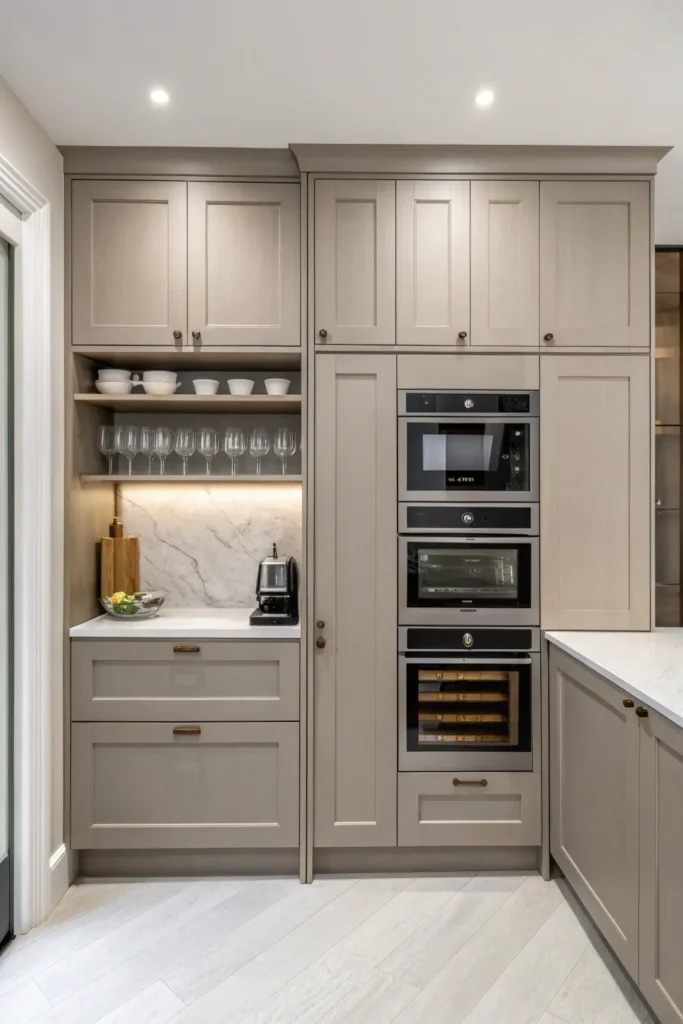
Integrated appliances blend into cabinetry, creating a cohesive and uncluttered appearance. When appliances visually disappear, the kitchenette reads more like a designed feature than a functional necessity.
Panel-ready refrigerators, concealed dishwashers, and built-in microwaves help maintain a clean, continuous look that works especially well in open-plan or studio spaces.
10. Use Reflective Surfaces to Add Depth
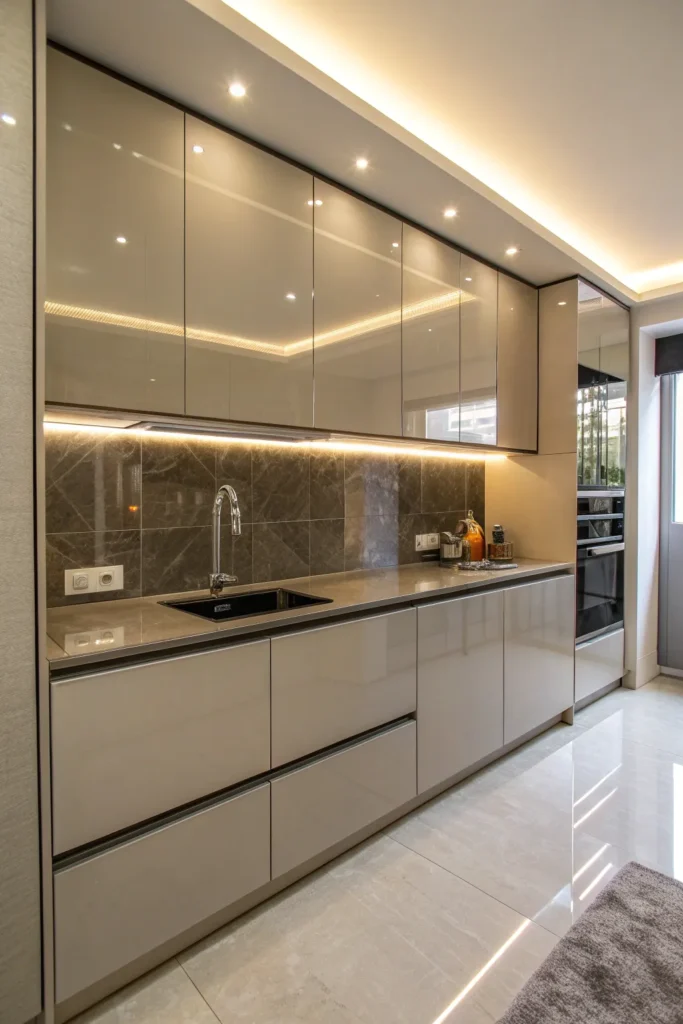
Reflective materials amplify light and create the illusion of more space. Glossy cabinet finishes, mirrored backsplashes, or polished stone counters can subtly expand the visual footprint of a kitchenette.
Use reflective surfaces strategically to avoid overwhelming the space. Even small reflective accents can make a noticeable difference in how open the area feels.
11. Create Zones Within the Kitchenette
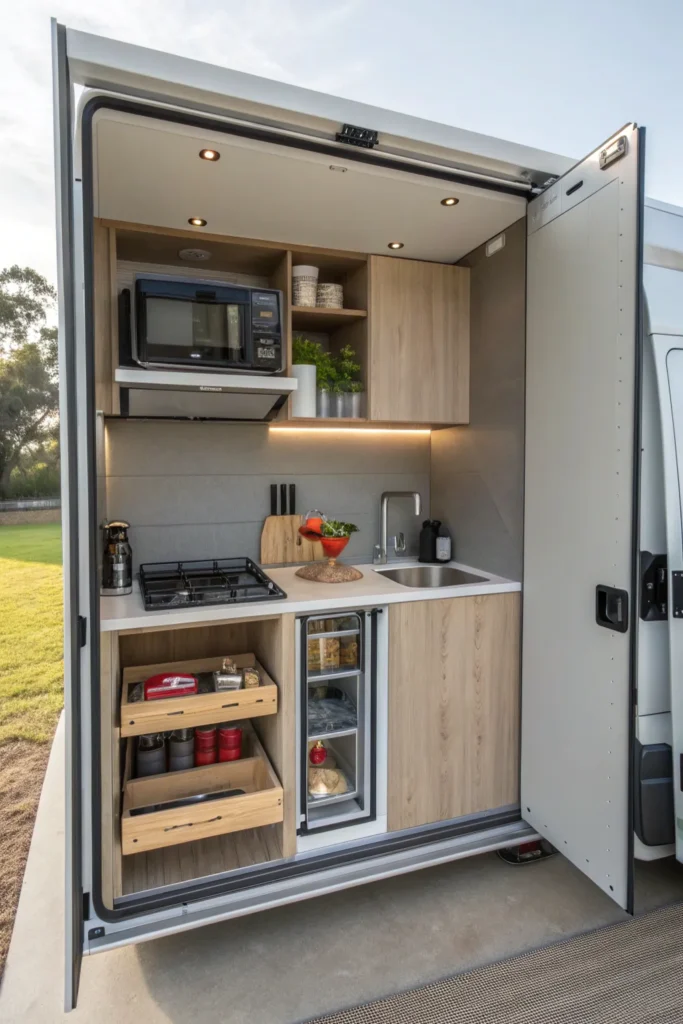
Even in a small footprint, defining zones helps improve functionality. Designate clear areas for cooking, prepping, and storage to keep the kitchenette organized and efficient.
Visual cues like changes in lighting, materials, or countertop height can subtly separate zones without adding physical barriers. This approach keeps the space flowing while improving usability.
12. Choose Space-Saving Storage Solutions
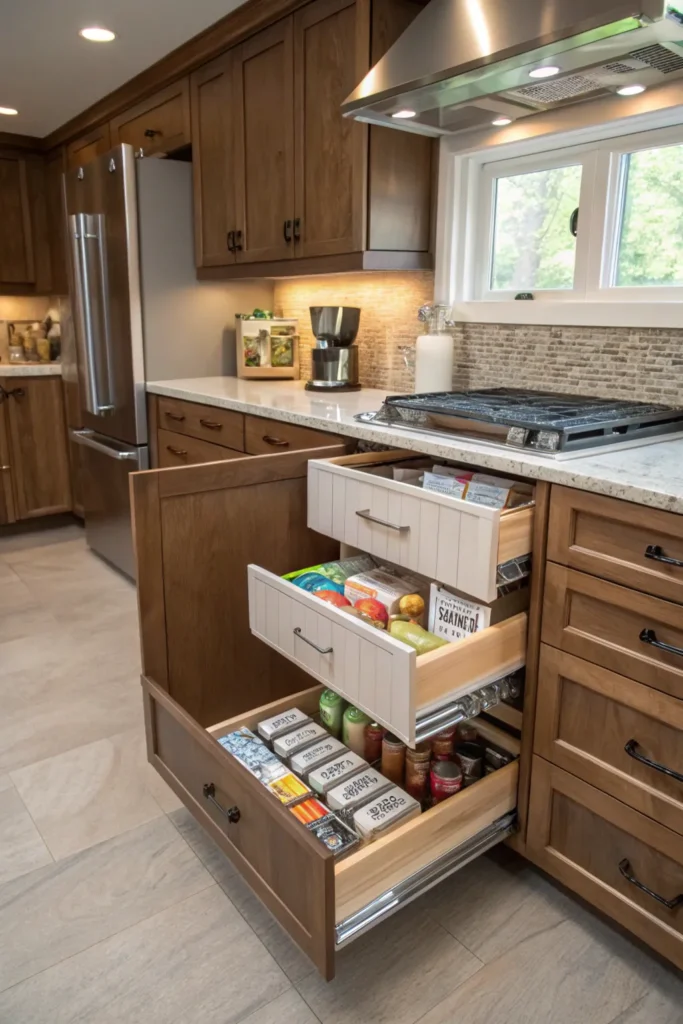
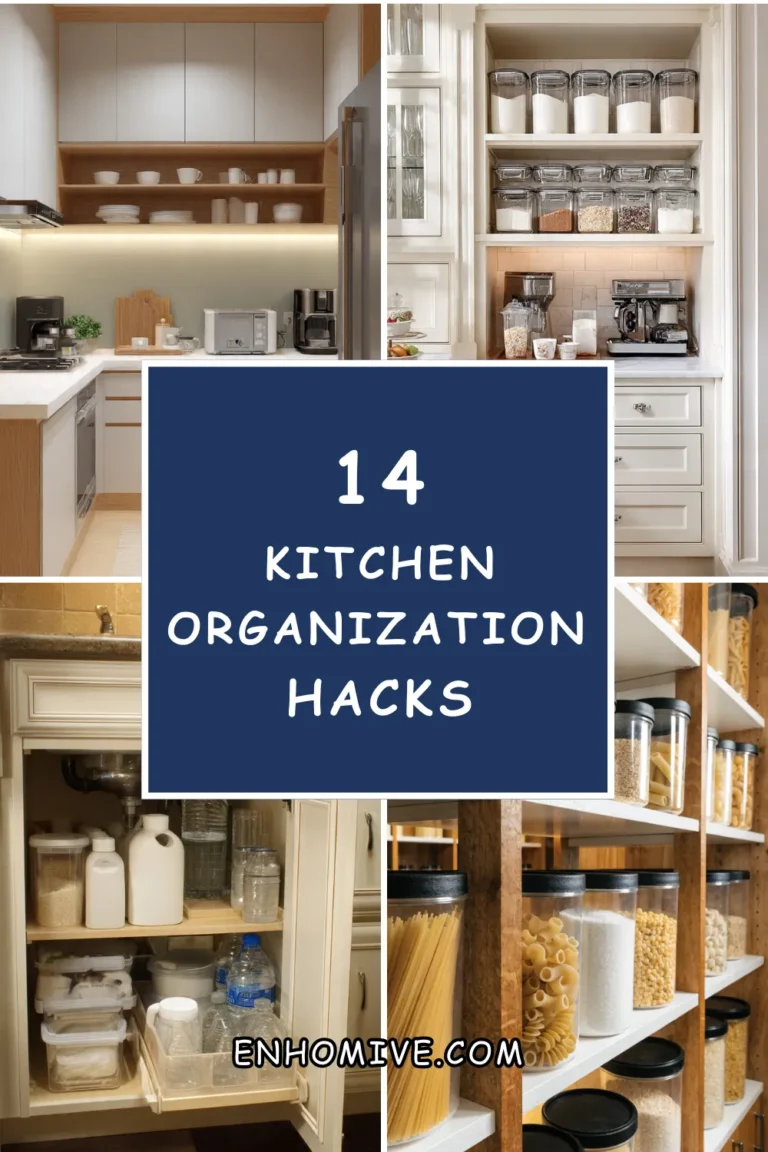
Every cabinet and drawer should work hard in a kitchenette. Pull-out pantry units, drawer dividers, and corner solutions help maximize storage capacity.
Custom or modular storage systems allow you to tailor the space to your needs, reducing wasted space and keeping essentials organized and accessible.
13. Keep Decor Minimal but Intentional
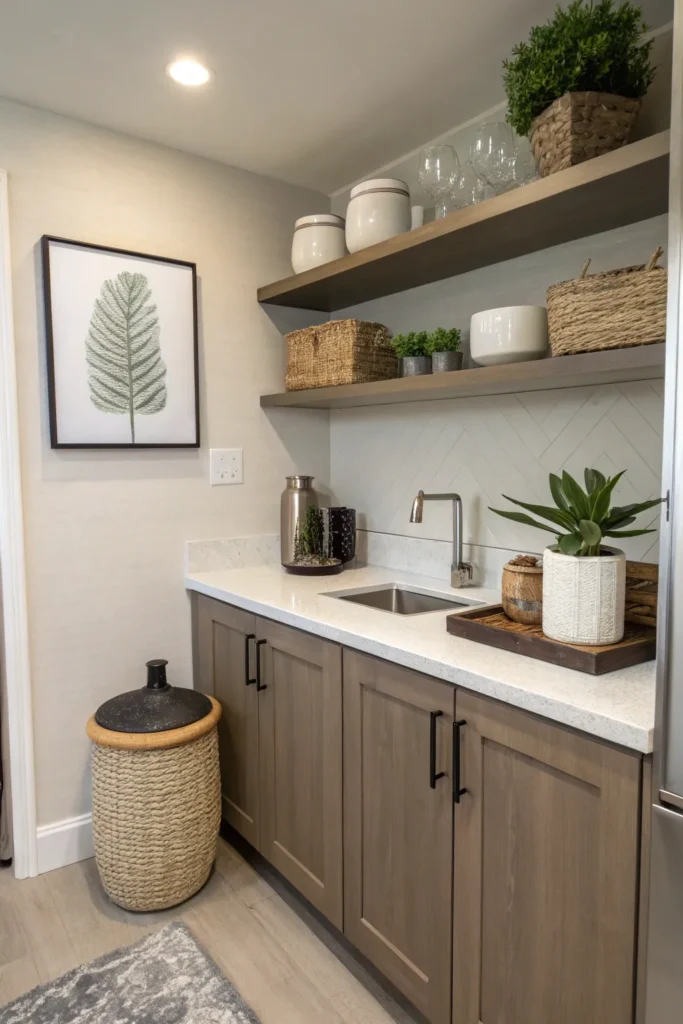
Decor in a small kitchenette should enhance the space, not crowd it. A few well-chosen elements—such as a small plant, a piece of art, or stylish containers—add personality without overwhelming the area.
Stick to items that serve a purpose or contribute to the overall design story. Less decor, chosen carefully, creates a more refined and spacious feel.
14. Extend the Kitchenette into Adjacent Areas
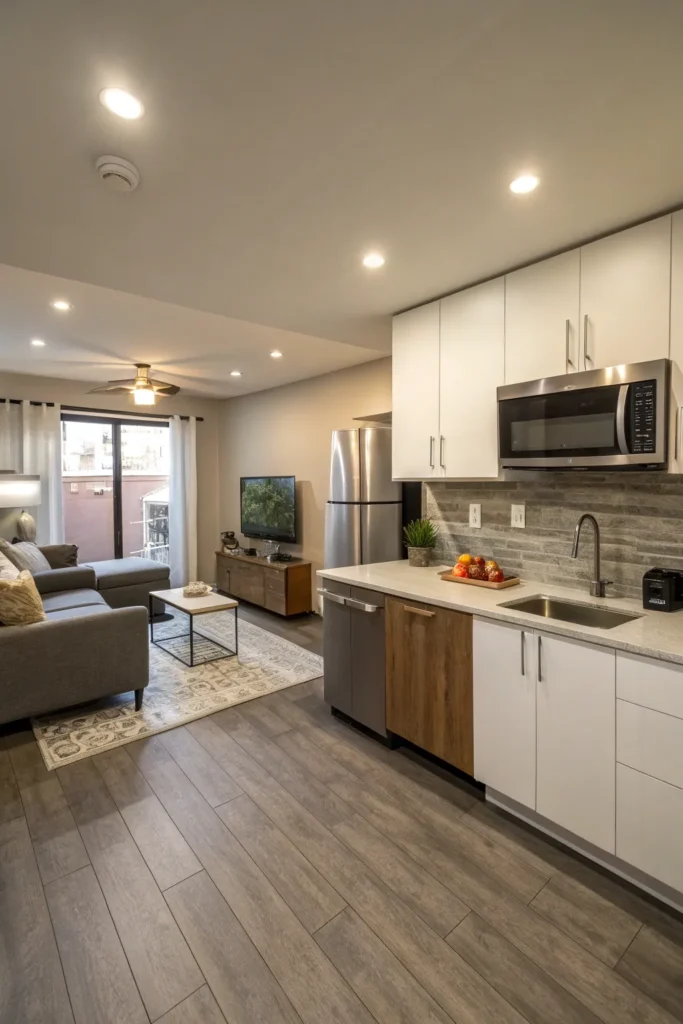
When possible, allow the kitchenette to visually extend into nearby spaces. Matching finishes, shared color palettes, or continuous flooring help create a cohesive look.
This visual continuity makes the kitchenette feel like part of a larger whole rather than a separate, confined area. It’s especially effective in studio apartments and open-concept layouts.
15. Edit and Refine Over Time
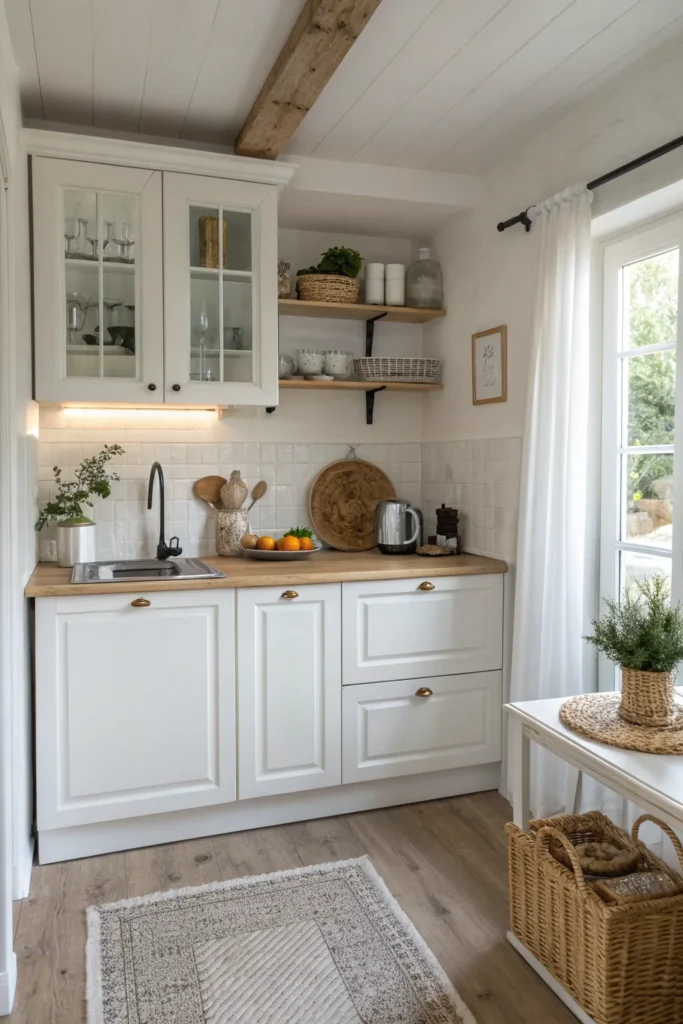
A great kitchenette evolves. As you use the space, you’ll learn what works and what doesn’t. Regularly editing and refining the setup ensures the kitchenette remains efficient and uncluttered.
Removing unnecessary items and adjusting storage keeps the space functional and visually calm. Over time, this thoughtful approach results in a kitchenette that feels effortless, polished, and perfectly suited to your lifestyle.
Making Small Kitchenettes Work Big
Designing a kitchenette for a small space is all about intention. With smart layouts, compact appliances, and cohesive styling, even the smallest kitchenette can feel functional, beautiful, and surprisingly spacious.
By focusing on quality over quantity and letting each element earn its place, you can create a kitchenette that truly works big—delivering everyday convenience while elevating the overall look and feel of your home.