
15 Molding Ideas That Transform Ordinary Rooms Into Extraordinary Ones
Molding is the detail that separates a room that has been finished from a room that has been designed. It is the difference between walls that simply meet the ceiling and walls that announce themselves with architectural intention.
Between floors and walls that collide and floors and walls that transition with the considered grace of crafted material. Molding adds the layer of detail that makes a room look genuinely complete — as though every junction, every edge, every transition between surfaces has been thought about and handled with care.
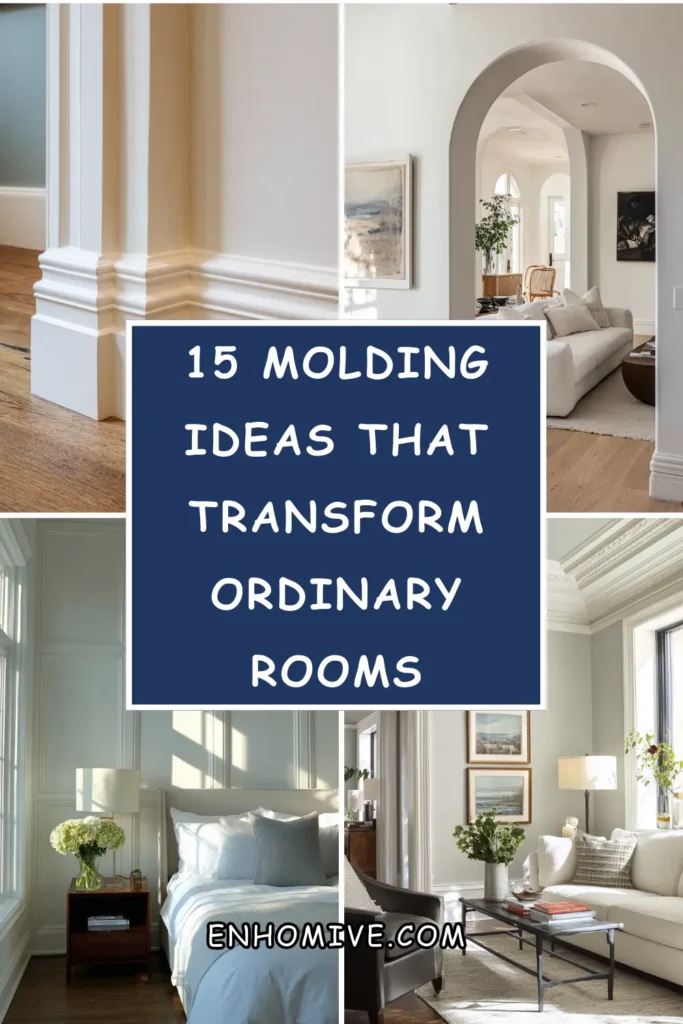
The most extraordinary thing about molding is its transformative power relative to its cost. A room of modest proportions can be elevated dramatically by intelligent application of well-chosen molding profiles. A room that already has good proportions becomes genuinely exceptional.
Here are 15 molding ideas that transform ordinary rooms into genuinely extraordinary ones.
1. Crown Molding
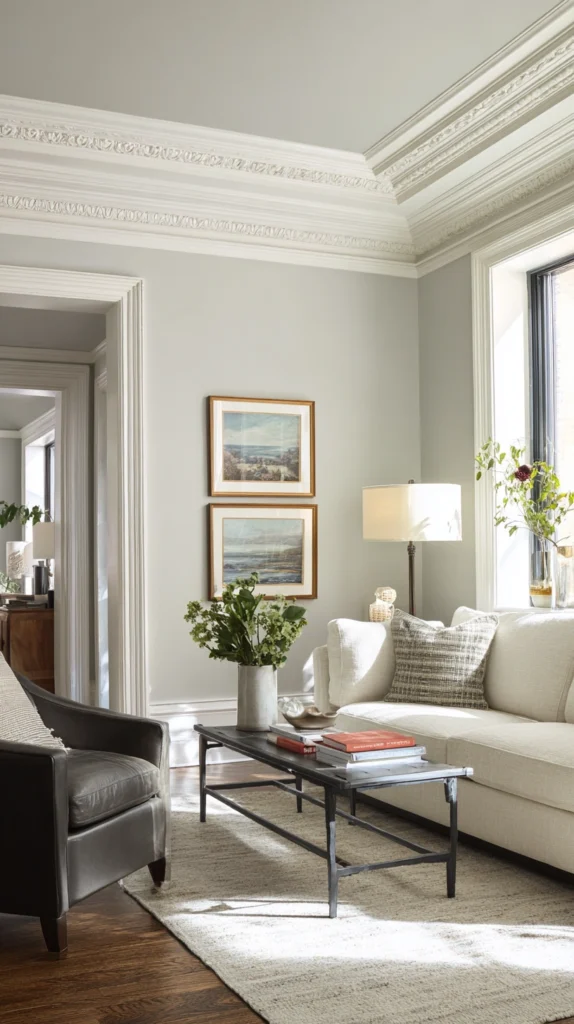
Crown molding running at the junction between wall and ceiling is the single most impactful molding application available in any room. A room without crown molding has a ceiling that simply begins where the wall ends. A room with crown molding has a ceiling architecturally introduced — the transition between vertical wall and horizontal ceiling handled with the considered grace of a designed detail rather than the blunt collision of two unprepared surfaces.
Pro Tip: Paint crown molding in the same color as the ceiling rather than the wall for a room that appears taller and more spacious. Crown molding painted ceiling color visually extends the ceiling plane downward — making the ceiling appear to begin lower than it does and creating the impression of a taller room. Crown molding painted wall color has the opposite effect — drawing the eye to the junction and making the ceiling feel lower.
2. Picture Rail Molding
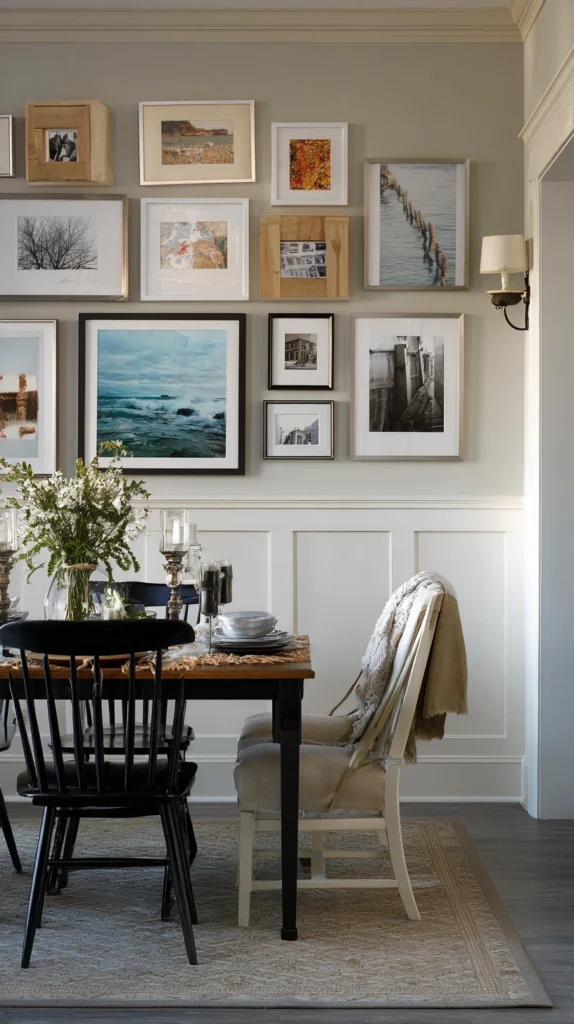
A narrow horizontal molding installed approximately 30 to 40 centimetres below the ceiling creates a defined upper wall zone for hanging pictures without any wall damage and divides the wall into two distinct zones — the area above the rail, often painted in a slightly deeper tone as a defined frieze, and the main wall area below. This two-zone treatment creates a room of considerably greater visual complexity and historical character than a single-color wall surface.
Pro Tip: Install picture rails using traditional picture rail hooks and hanging wire rather than wall-mounted picture hooks for a hanging system that allows pictures to be moved and repositioned without additional wall damage. The picture rail system provides a permanent infinitely adjustable picture hanging infrastructure throughout the life of the room.
3. Chair Rail Molding
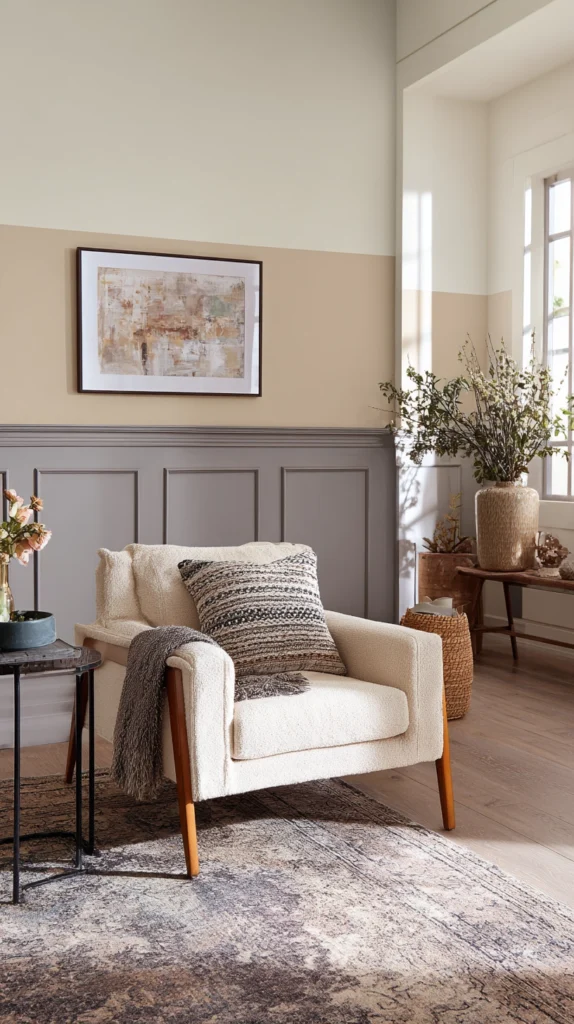
Chair rail molding installed approximately 90 to 100 centimetres from the floor creates the most architecturally significant horizontal wall division available.
It divides the wall into an upper area and a lower dado that can be treated with a more robust finish that handles the physical contact and wear of chair backs, furniture movement, and the general lower-wall traffic of daily domestic life. A painted upper wall with a painted or papered lower dado creates a wall treatment of genuine architectural richness.
Pro Tip: Install chair rail at the height that suits the specific proportions of the specific room rather than at the conventional 90 centimetre height regardless of ceiling height. In a room with lower than standard ceiling height a lower chair rail position of 80 to 85 centimetres creates better proportional balance. In a room with higher ceilings a slightly higher position of 100 to 110 centimetres creates the most satisfying division of the wall height.
4. Panel Molding and Wainscoting
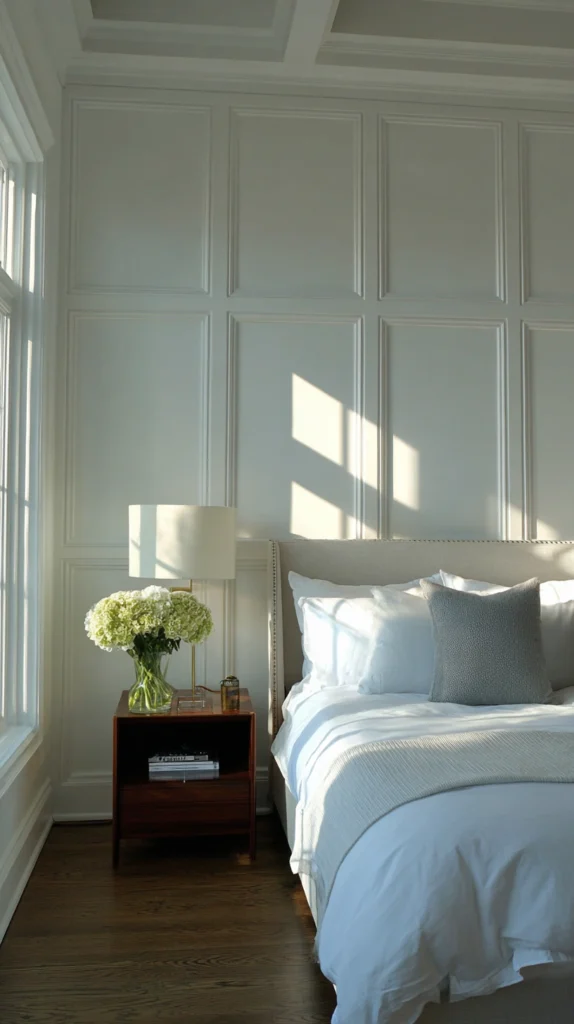
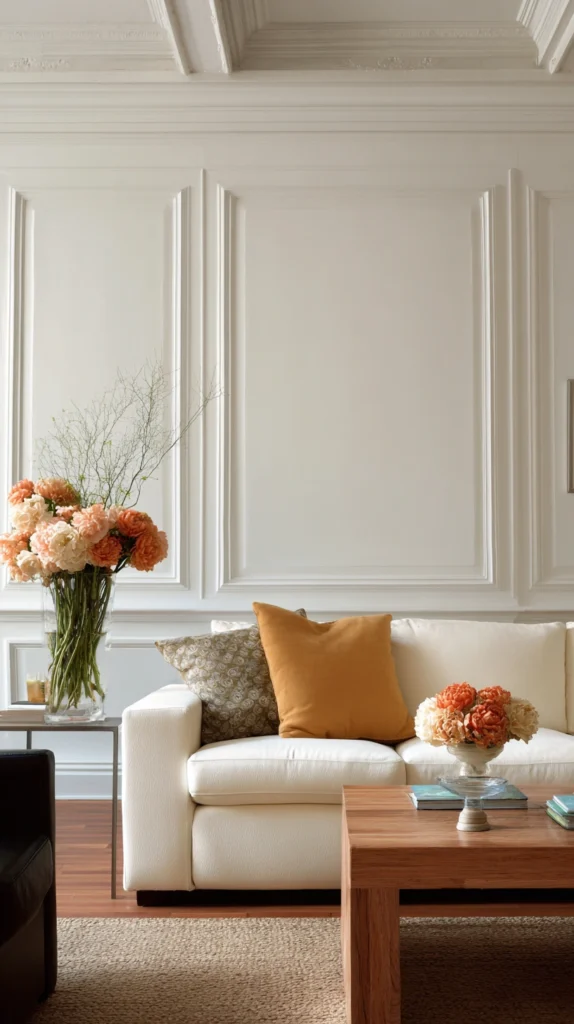
Rectangular frames of molding applied to the wall surface create defined panel fields that transform flat painted walls into surfaces of genuine three-dimensional visual interest. The panels create a regular rhythm of light and shadow as ambient room light catches the projecting molding edges and the recessed panel fields between them. This play of light and shadow gives paneled walls their characteristic depth and visual richness that no flat painted wall can replicate.
Pro Tip: Paint panel molding wainscoting in a single consistent color rather than using different colors for the molding profiles and the panel fields between them. A single-color paneled wall reads as a sophisticated unified architectural surface. A multi-color paneled wall can easily become visually busy and overwhelming — the three-dimensional quality of the paneling provides all the visual complexity the wall needs.
5. Coffered Ceiling
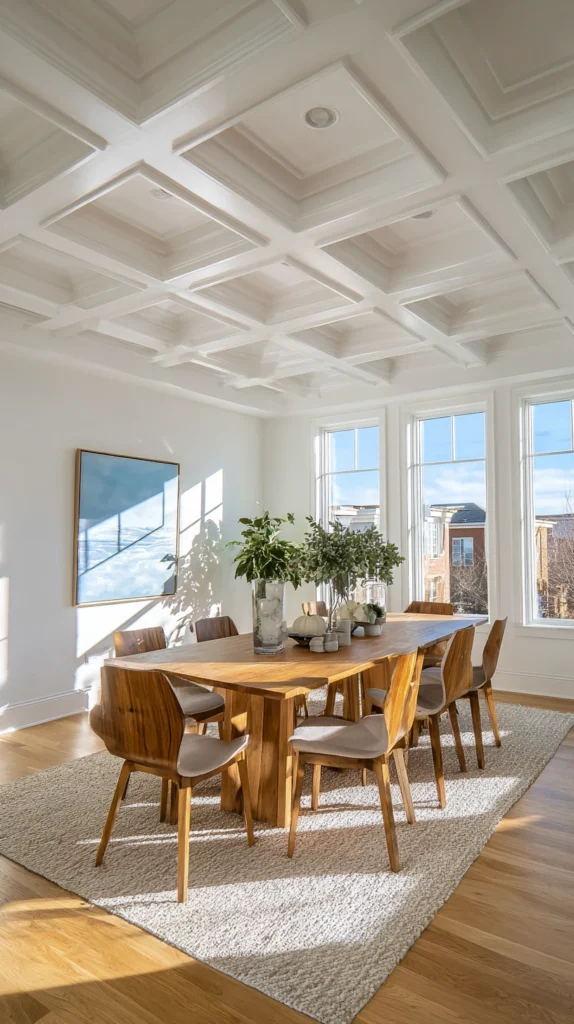
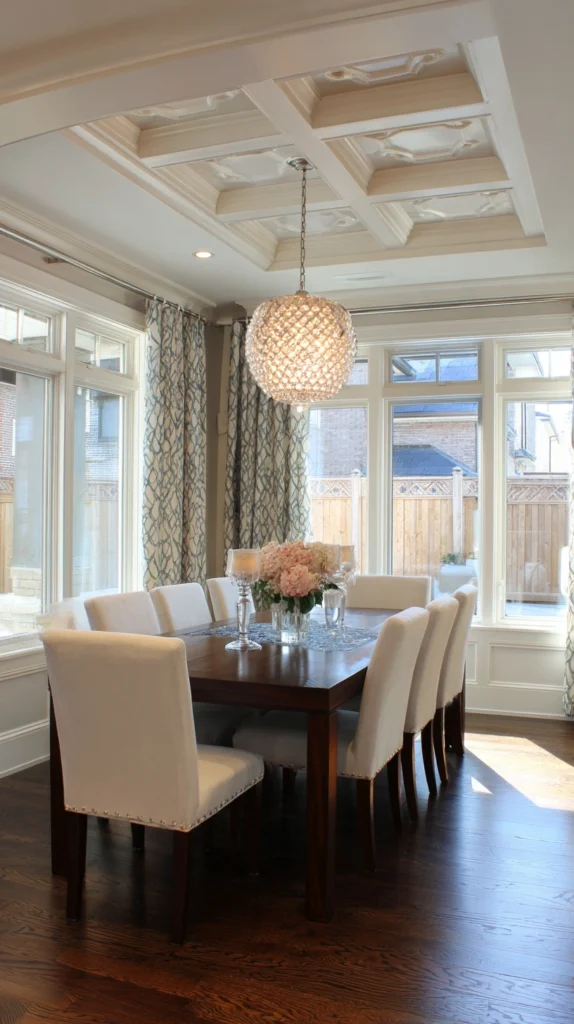
A coffered ceiling — a ceiling divided into a grid of recessed panels by a framework of applied beam profiles — transforms a flat undifferentiated ceiling into a three-dimensional architectural composition of considerable visual depth and genuine classical beauty. Coffered ceilings are achievable in standard construction using applied timber or MDF framework — the coffers do not require genuine structural beams but are created by attaching beam-profile moldings to the flat ceiling surface.
Pro Tip: Paint a coffered ceiling in a single consistent color — including both the flat ceiling surface within each coffer panel and the beam profiles between them. The depth and shadow of the coffered structure are sufficient to create the visual complexity that makes a coffered ceiling so beautiful — additional color differentiation adds visual noise that works against rather than with the inherent architectural quality.
6. Baseboards and Skirting Boards
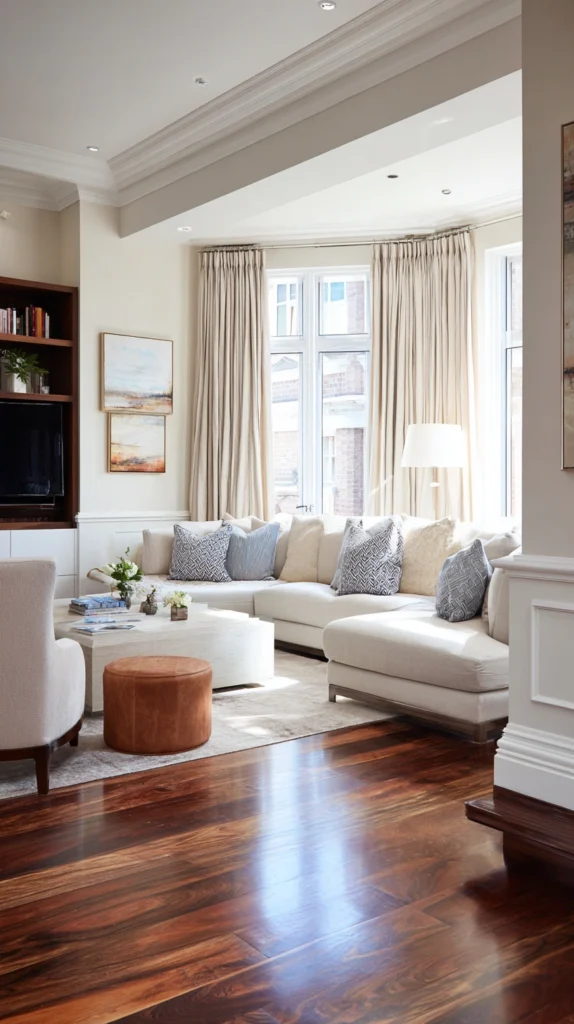
Baseboards at the junction between wall and floor are the most fundamental molding application in domestic construction. Their height, profile depth, and finish quality have a significant impact on overall room character.
Tall generously profiled baseboards create rooms of considerable architectural character. Thin shallow baseboards create rooms that feel insufficiently detailed regardless of the quality of other finishes. As a minimum, baseboards in a standard room should be at least 12 to 15 centimetres tall.
Pro Tip: Install baseboards with a small reveal — a deliberate gap of 5 to 8 millimetres between the bottom edge of the baseboard and the floor surface. The reveal creates a clean shadow line at the base of the baseboard that gives it a crisp finished quality and prevents the scuffed chipped lower edge that baseboards installed flat to the floor inevitably develop from floor cleaning equipment and general lower-wall abrasion.
7. Ceiling Medallion
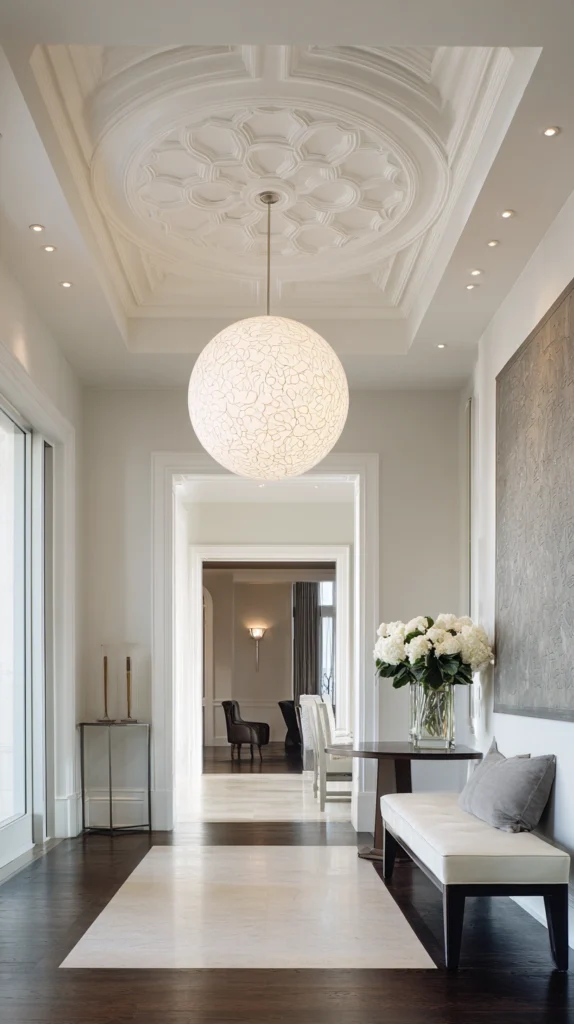
A ceiling medallion centered on a ceiling light fitting creates a defined visual anchor for the light source and a decorative detail of considerable classical beauty at the most consistently visible surface in any room. Choose a medallion in a profile scale appropriate to the light fitting it surrounds and the room it inhabits — the medallion diameter should be approximately three to four times the diameter of the light fitting canopy for the most visually balanced proportional relationship.
Pro Tip: Install the ceiling medallion before painting the ceiling rather than after for a clean crisp painted finish with no visible joint between the medallion edge and the ceiling surface. A medallion installed after painting creates a visible line requiring careful touching up. Pre-painting installation allows the ceiling and medallion to be painted as a continuous surface — creating the seamless unified finish that makes a ceiling medallion look permanently installed rather than added as an afterthought.
8. Doorway and Window Casing
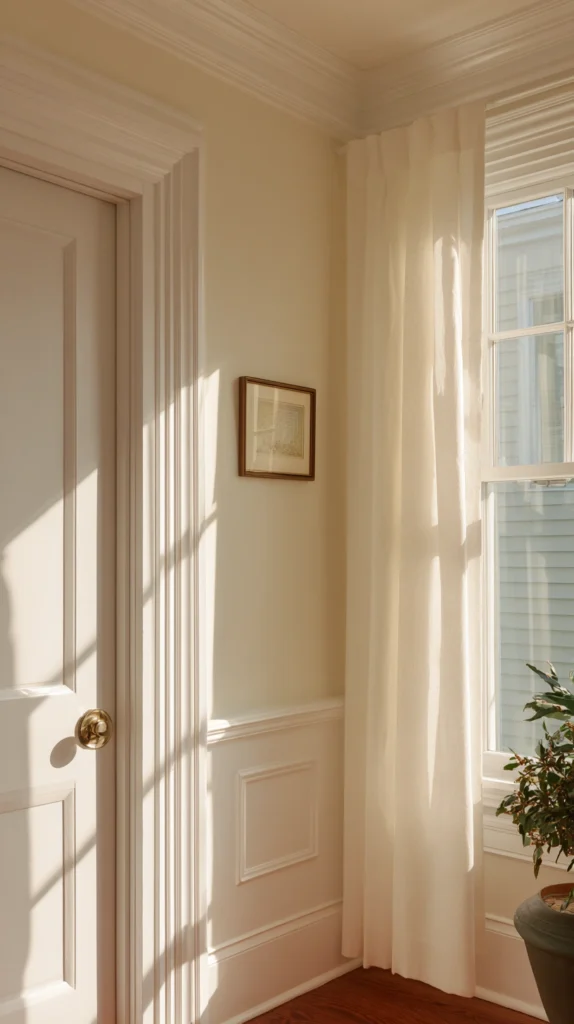
Door and window casing frames every opening in the room and is encountered at close range every time a door is opened or a window is approached. Well-chosen well-installed casing creates a quality of considered crafted detail at every opening. Thin inadequate or poorly installed casing creates a quality of incompleteness that undermines the overall finish quality of the room regardless of how well other elements have been executed.
Pro Tip: Install door and window casing with a small reveal — a deliberate setback of 3 to 5 millimetres between the edge of the casing and the edge of the door or window jamb. The reveal creates a clean defined shadow line between the casing and the jamb that gives the installation a crisp crafted quality. Casing installed flush to the jamb edge creates a blurred unclear transition that looks less precise and less considered than the clean reveal detail.
9. Shiplap and Board-and-Batten
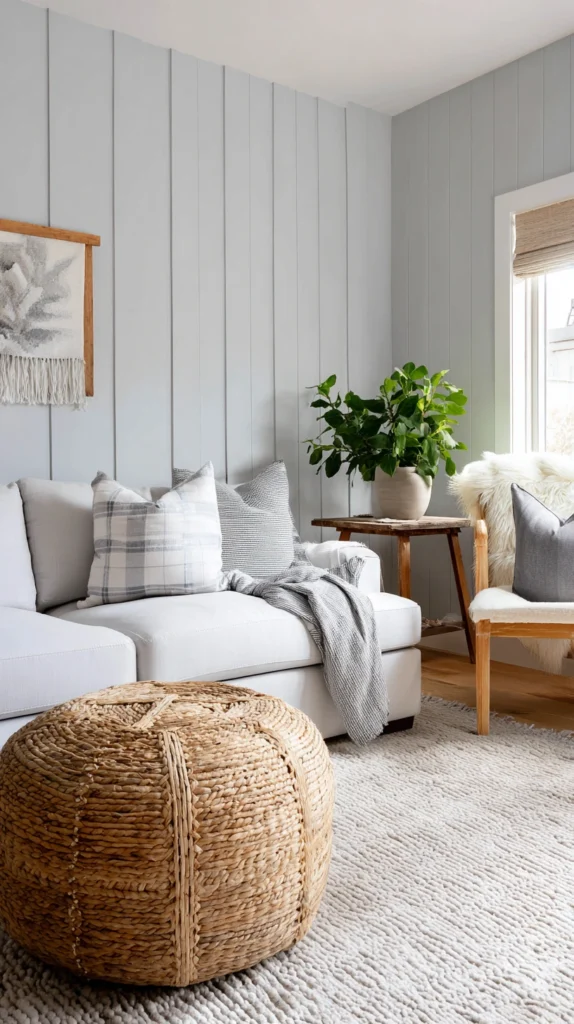
Shiplap — horizontally applied timber boards with a small reveal between each course — and board-and-batten — vertical boards with narrow batten strips covering the joints — create wall surfaces of considerable textural richness and genuine material warmth. Both profiles are associated with farmhouse and coastal aesthetics but in painted finishes both translate effectively into contemporary and transitional room settings of every style and period.
Pro Tip: Apply shiplap and board-and-batten with a consistent and deliberate reveal or gap between the boards rather than varying the spacing. Consistent spacing creates a regular rhythm that reads as a designed surface. Variable spacing creates an irregular pattern that looks accidental rather than intentional — undermining the clean considered quality that makes these wall treatments so visually effective in domestic interior applications.
10. Archway Molding
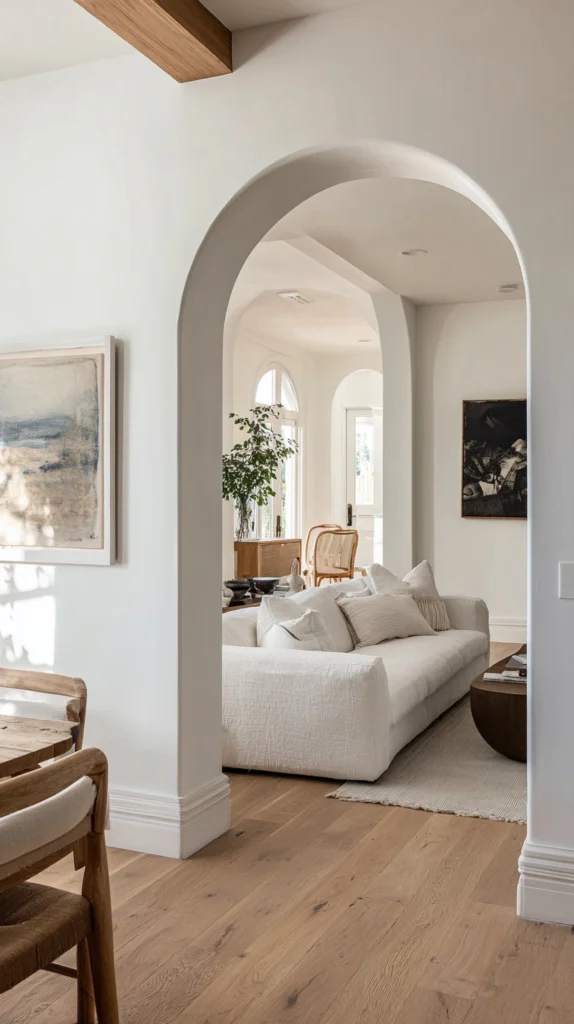
Molding applied to the opening of an archway between rooms creates a defined architectural frame for the room transition that elevates the archway from a simple opening in a wall to a considered designed portal between spaces. The archway molding is seen from both sides simultaneously — making it one of the most visible and most consistently experienced molding details in any home.
Pro Tip: Apply archway molding to both faces of the archway opening rather than only to the primary face. An archway molded on one face and unfinished on the other creates an architectural detail that reads beautifully from one room and incompletely from the other. Consistent molding on both faces creates a detail of complete finished quality that reads with equal consideration from every approach.
11. Built-In Bookcase Molding
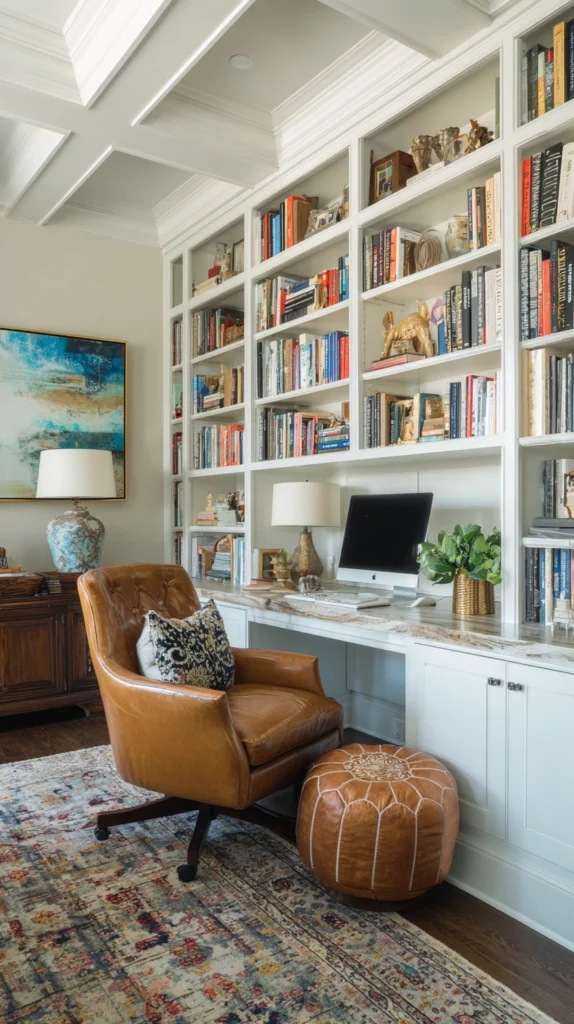
The molding details of a built-in bookcase — the crown at the top, the base molding at the floor, the face frame molding around each shelf opening — determine whether a built-in looks like a genuinely architectural piece of fitted furniture or a collection of shelves without full design resolution. A built-in with crown molding that references the room’s existing cornice, a base molding that references the existing baseboard, and face frame molding consistent with the room’s door casings looks as though it always belonged to the building.
Pro Tip: Run the crown molding of a built-in bookcase continuously from the bookcase top to the adjacent wall crown molding — creating an uninterrupted molding line around the full room perimeter that incorporates the bookcase crown as a seamless element of the room’s existing cornice detail. A bookcase crown that stops at the bookcase edge reveals the bookcase as an addition to the room rather than an original part of its architecture.
12. Beadboard Paneling
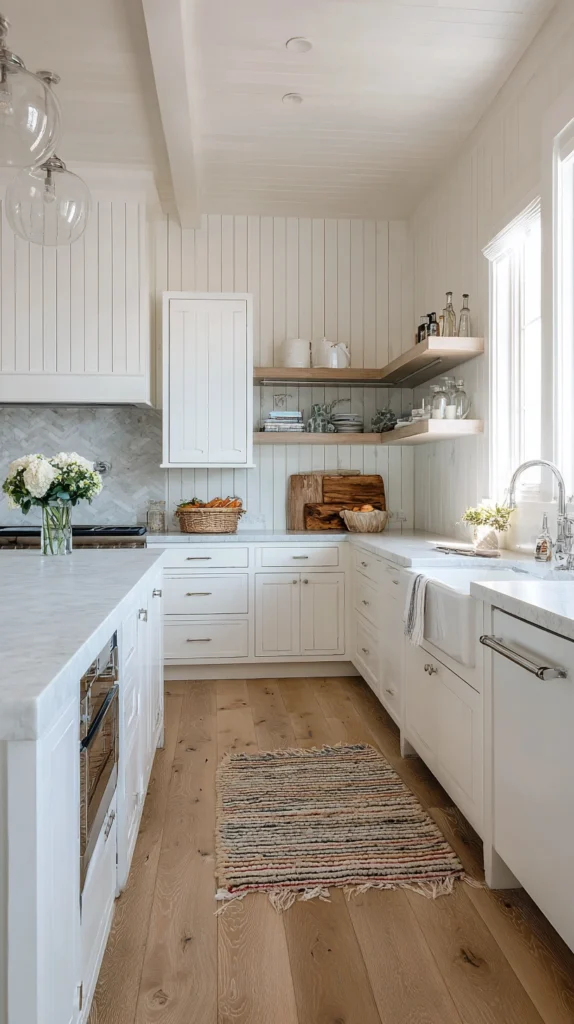
Beadboard — narrow vertical boards with a small rounded bead profile at each joint — creates a wall treatment of considerable traditional charm that suits cottage, farmhouse, and coastal interior aesthetics with complete naturalness. Available in genuine tongue-and-groove timber boards for the most authentic installation or in MDF sheet panels with the bead profile machined into the face for a faster more affordable alternative that is indistinguishable from genuine tongue-and-groove at normal viewing distances.
Pro Tip: Install beadboard paneling vertically rather than horizontally for the traditional characteristically correct orientation. Vertical beadboard creates the tall vertical rhythm that gives beadboard its characteristic visual quality and its ability to make a room appear taller than it actually is. Horizontal beadboard loses this quality entirely and creates a visual effect that references the original profile but lacks its most valuable architectural contribution to the room.
13. Dentil Molding
Dentil molding — a classical profile featuring a series of small evenly spaced rectangular blocks projecting from the molding face, resembling a row of teeth — creates one of the most historically resonant molding details in domestic interior architecture.
It references the architectural traditions of ancient Greek and Roman construction and brings that classical heritage into the domestic interior with a detail of considerable visual richness that is most appropriately used as a component within a larger cornice assembly.
Pro Tip: Scale the dentil tooth dimensions to the scale of the room and the overall cornice assembly of which they form a part.
Oversized dental teeth in a small room or on a delicate cornice profile create a heavy overpowering effect. Correctly proportioned dentil teeth — their individual dimensions in appropriate ratio to the depth and height of the surrounding cornice profile — create a detail of elegant rhythmic beauty that enhances rather than dominates the architectural character of the room.
14. Plinth Blocks
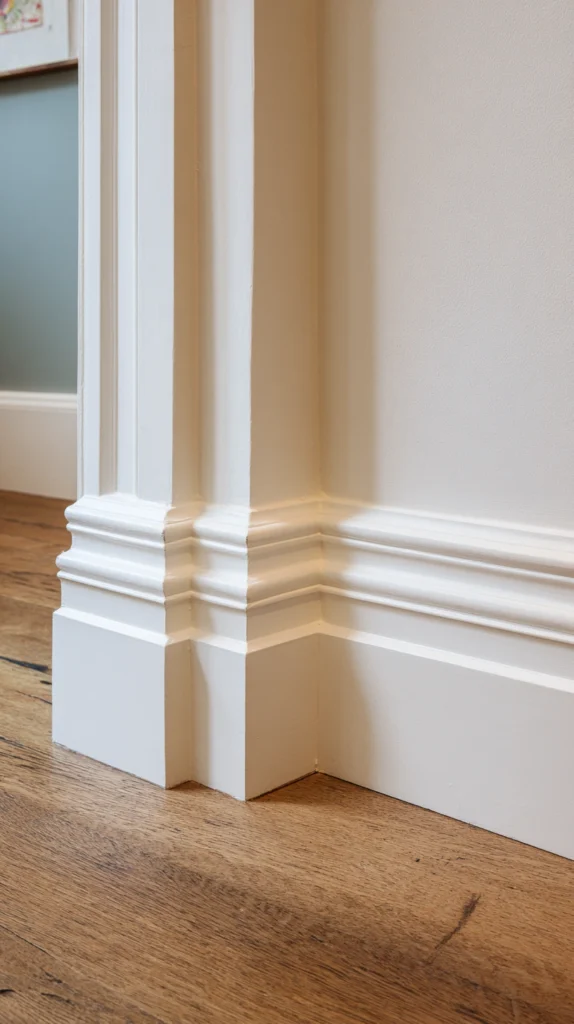
Plinth blocks at the base of door casings where the casing meets the baseboard create the most traditionally correct resolution of this challenging junction.
Without plinth blocks the casing and the baseboard must be mitered together at their intersection — a junction that is difficult to execute cleanly and that often results in open miters and visible gaps as timber moves with seasonal humidity changes. The plinth block provides a neutral square-profile transition element between the two that eliminates the difficult miter intersection entirely.
Pro Tip: Choose plinth blocks in a thickness slightly greater than both the door casing and the baseboard they connect — typically 3 to 5 millimetres thicker than each adjacent molding. The slight projection of the plinth block beyond the face of the casing and the baseboard creates the correct traditional detail — the plinth block visually stepping forward of the adjacent moldings in the way that the finest traditional interior architecture has always detailed this particular junction.
15. Rosette Corner Blocks
Rosette corner blocks at the corners of door and window casings eliminate the miter joint at the casing corner and replace it with a decorative square element that creates a defined visual accent at the most prominent point of the casing assembly. Available in profiles from simple flat squares with a router-profiled edge through to deeply carved classical rosette patterns with concentric ring or flower motifs — the decorative complexity of the rosette should be appropriate to the architectural character of the room it inhabits.
Pro Tip: Install rosette corner blocks consistently throughout the room — at every door casing and every window casing — rather than selectively at only some of the openings.
A room in which some openings have rosette blocks and others do not creates an inconsistent architectural language that looks unresolved and incomplete. Consistent application at every casing corner creates the unified coordinated architectural character that makes the detail genuinely effective as a room-enhancing design choice.
The Detail Is the Design
Molding is not decoration — it is architecture. It is the system of details that resolves every junction, frames every opening, defines every surface transition, and gives a room the quality of considered crafted completeness that transforms it from a box of walls and a ceiling into a genuinely designed interior space.
Invest in the right profiles. Install them at the correct scales. Apply them consistently. And discover that the detail, applied with genuine intelligence and genuine care, is the design — the element that makes the room everything it was capable of being.