
15 Outdoor Art Studio Shed Ideas
The outdoor art studio shed is one of the most genuinely transformative additions available to any creative person’s domestic environment. The problem that every artist, illustrator, printmaker, sculptor, ceramicist, or maker of any discipline who works from home understands intimately is the problem of the space that is both workspace and living space simultaneously. The dining table that doubles as a cutting table.
The spare bedroom that has gradually become a studio whose mess spills into the adjoining spaces. The kitchen where paint water competes with cooking preparation for the available surface area. These are not simply organizational failures.
They are the symptoms of a fundamental spatial inadequacy that no amount of organization, no system of boxes and baskets and designated zones, can resolve as effectively as the provision of a dedicated space that is entirely, specifically, and permanently committed to the creative practice.
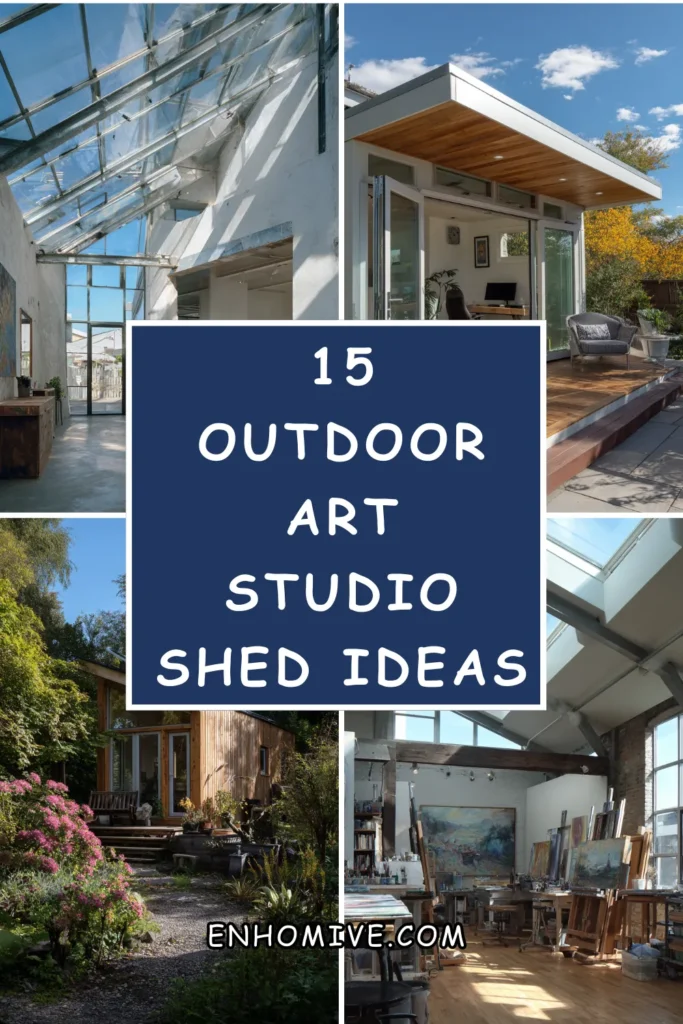
The outdoor shed studio solves this problem with the simplicity and the completeness of a separate building. When the creative practice has its own structure, its own door that closes, its own lighting, its own ventilation, and its own floor that can be covered in paint, clay, sawdust, or the specific residues of any creative discipline without concern for the domestic interior’s standards of cleanliness, the quality of the creative practice improves immediately and consistently.
The physical separation creates the psychological separation that the creative mind needs to shift into the specific quality of focused, unhurried attention that the best creative work requires.
The outdoor art studio shed ideas collected here range from the minimal and immediately achievable to the more ambitious and more permanently constructed, but all of them share the fundamental commitment to creating a creative space of genuine quality, genuine light, and genuine practical functionality. Here are fifteen ideas for building the outdoor studio that transforms both the creative practice and the home it sits beside.
1. The Light-Flooded Glass Studio
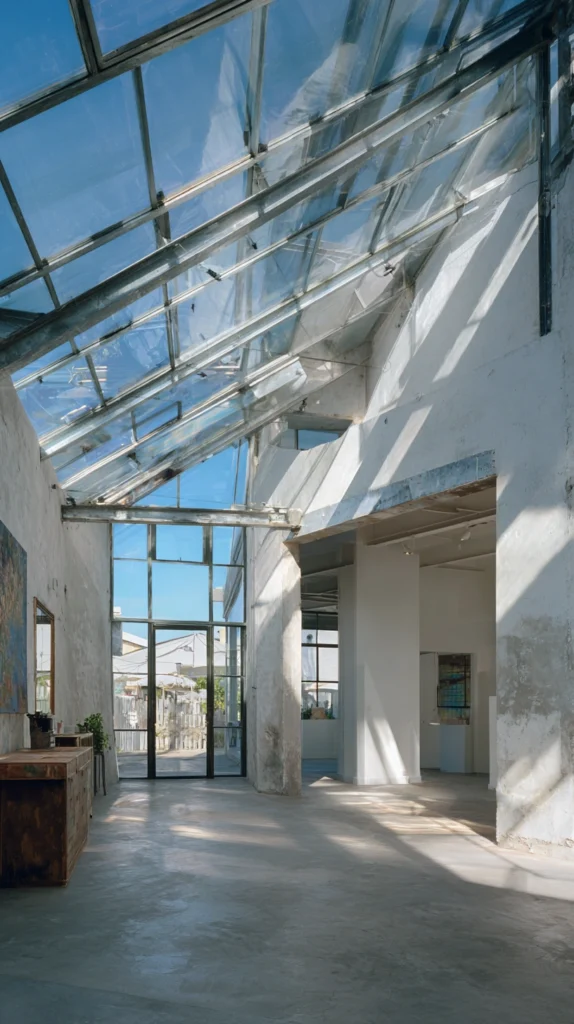
A studio shed whose walls and roof incorporate the maximum possible glazed area creates the quality of natural light that every visual artist recognizes as the single most important environmental quality of the working studio.
The north-facing studio with a large north-facing roof light, admitting the consistent, shadow-free quality of indirect northern light that the finest artists’ studios of every era have been designed to capture, creates the ideal painting and drawing light of complete consistency.
The structural frame for a predominantly glazed studio shed can be constructed from steel sections of minimal profile, whose slender cross-section maximizes the ratio of glazed area to frame area and creates the quality of transparency that the maximum light admission requires. A steel-framed glass studio of modest dimensions, three by four meters, creates a working space of extraordinary light quality in a footprint that most domestic gardens can accommodate without overwhelming the outdoor space.
The glazed studio’s thermal management requires specific design attention. A studio that is predominantly glazed will overheat in summer and lose heat rapidly in winter without adequate shading provision for the warm months and adequate insulation at the roof and floor for the cold months. External solar shading blinds on the roof glazing and high-performance double glazing throughout create the thermal comfort that the studio’s year-round use requires.
The studio floor should be of a material that can be cleaned with water and that provides adequate thermal mass for the studio’s temperature stability. Polished concrete or large-format porcelain tile in a medium-toned neutral creates the studio floor of practical, cleanable quality that the creative practice’s inevitable floor contamination requires and the light-flooded space’s aesthetic character most naturally suits.
2. The Reclaimed Timber Workshop Studio
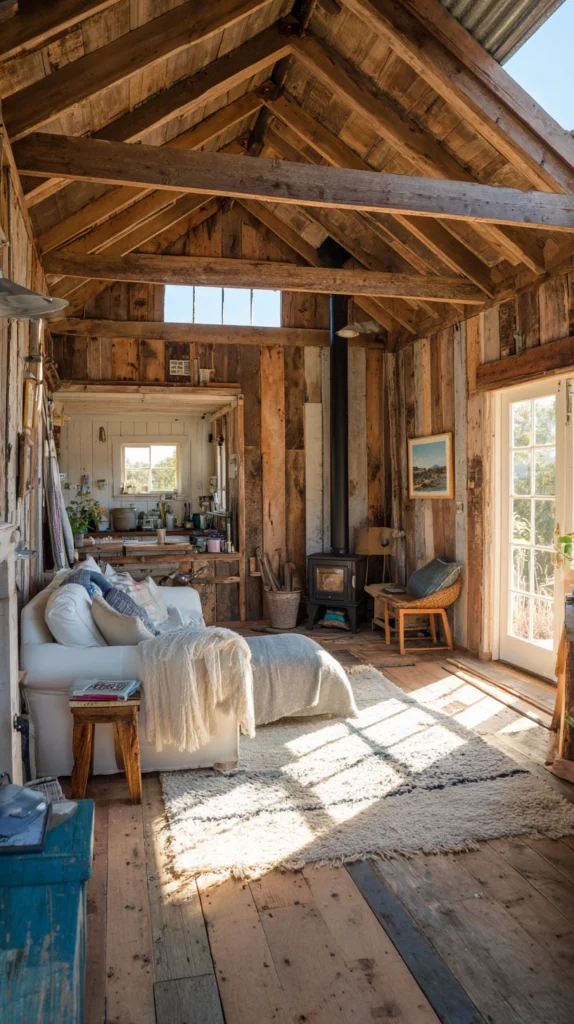
A studio shed constructed from reclaimed timber, its walls of weathered boards, its roof of reclaimed slates or corrugated iron, and its interior of exposed structural timber and raw surface finishes, creates a creative space of complete material authenticity whose specific character of aged, imperfect, genuinely worked material creates the atmospheric quality that the creative mind most comfortably inhabits.
The reclaimed timber studio’s structural frame should be assessed for adequacy by a structural engineer before the reclaimed materials are selected, ensuring that the frame’s dimensions and the timber’s condition are appropriate for the loads the studio structure will carry. Reclaimed timber varies significantly in its structural quality, and the studio’s structural adequacy should not be assumed on the basis of the material’s visual character alone.
The interior of the reclaimed timber studio benefits from the material’s existing patina. The weathered surfaces of reclaimed boards, the nail holes and grain variations of aged timber, and the imperfect, organic quality of a material that has lived a previous life all create an interior of considerable warmth and genuine artistic character that the pristine new-build interior cannot approach regardless of the quality of its construction. Leave the interior surfaces in their found condition, cleaning them without stripping their character.
A cast iron wood-burning stove positioned at the studio’s end wall opposite the working area creates both the primary heat source for the cold months and the specific atmospheric quality of a stove in a timber workshop.
The stove’s warmth, its gentle sound, and its specific quality of radiant heat create the studio environment of complete sensory comfort that the electric panel heater’s efficient but characterless warmth cannot approach.
3. The Minimalist Cube Studio
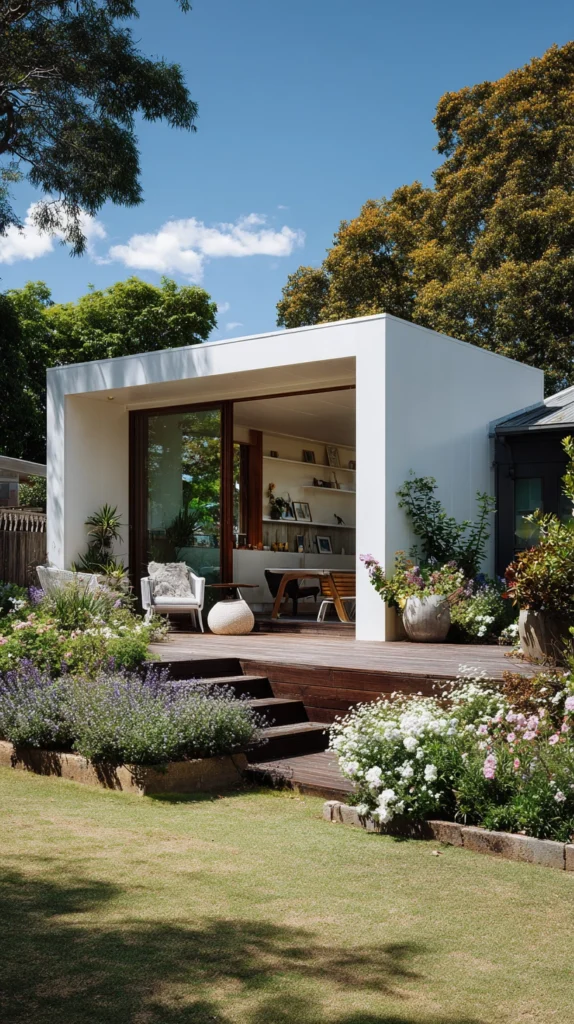
A studio shed of pure cubic geometry, its exterior a simple box of consistent material, its interior a single, uncluttered volume of maximum working space with no internal divisions, creates the creative space whose deliberate architectural simplicity creates the mental clarity that the focused creative practice requires. The absence of visual complexity in the studio’s architecture places the creative work at the center of the visual field rather than competing with it.
The minimalist cube studio’s exterior material should be chosen for its weathering quality and its relationship to the surrounding garden. Thermally modified timber cladding in a dark stain creates the studio exterior that weathers consistently and requires minimal maintenance over the studio’s working life.
Weathering steel cladding that develops its characteristic rust patina over the first years of exposure creates the studio exterior of most dramatic material character. Black corrugated metal creates the most economical exterior of maximum architectural precision.
The interior of the minimalist cube studio should be finished in white throughout, walls, ceiling, and floor, creating the studio environment of maximum light reflectance and minimum visual distraction. The white studio interior is the convention of the professional artist’s studio for the excellent practical reason that the white surface creates the most neutral backdrop for assessing the color relationships within the artwork being created.
Storage within the minimalist cube studio should be entirely built-in, flush with the white walls and indistinguishable from them when closed, so that the studio’s interior reads as a pure, uncluttered white volume when the storage is closed and the creative work is in progress. The built-in storage’s complete invisibility when closed is the practical mechanism that makes the minimalist studio’s white simplicity sustainable as a daily working environment.
4. The Converted Victorian Greenhouse Studio
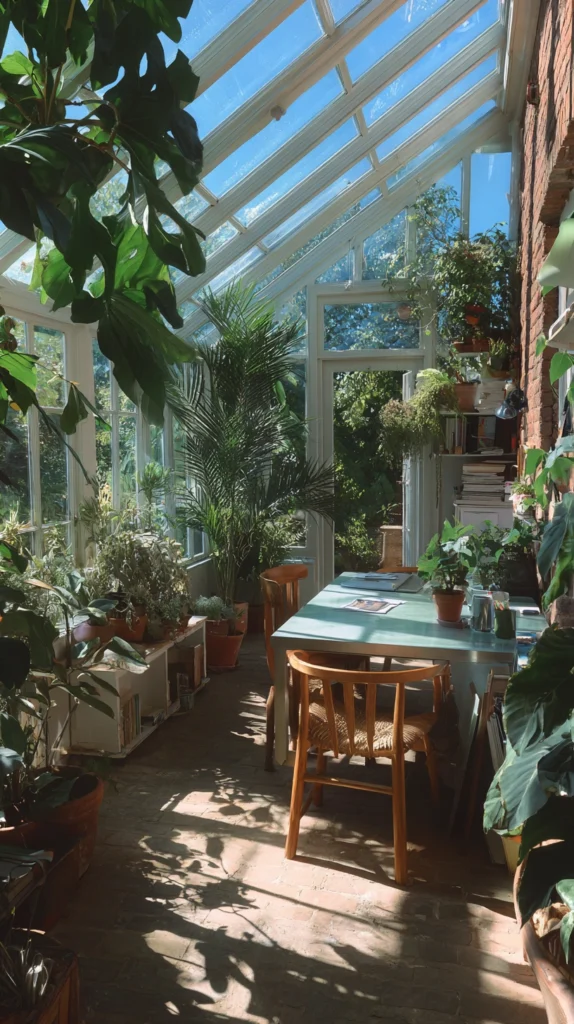
A Victorian-style greenhouse structure, its cast iron or aluminum framing and its single-glazed or double-glazed panels creating the enclosed glass space of the traditional botanical greenhouse, converted to use as a studio shed creates a creative working environment of extraordinary beauty and extraordinary light quality whose botanical heritage relates to the creative practice with a specific warmth.
The greenhouse studio’s interior temperature management is the conversion’s most significant practical challenge.
A traditional single-glazed greenhouse creates extreme temperature conditions, very hot in summer and very cold in winter, that are uncomfortable for both the studio’s human occupant and for many of the materials and media that the creative practice uses. Double-glazed replacement panels, underfloor heating, and a mechanical ventilation system with summer cooling capacity create the thermal comfort that year-round studio use requires.
The greenhouse studio’s floor, typically a concrete slab or a gravel surface in the agricultural greenhouse application, should be upgraded for the studio use with a surface of adequate quality for the creative practice’s specific requirements. A poured concrete floor sealed with a penetrating sealer creates the cleanable, durable studio floor of practical excellence. A timber deck over the existing concrete adds warmth and the specific organic quality of a timber surface underfoot.
The planting that surrounds and partially enters the greenhouse studio, climbing plants trained over the external glazing structure, potted plants arranged within the studio space, and the hanging plants that the greenhouse’s structural frame naturally accommodates, creates the studio of living, growing beauty whose botanical richness creates the most biophilically rich creative working environment of any studio type described here.
5. The Insulated Garden Room Studio
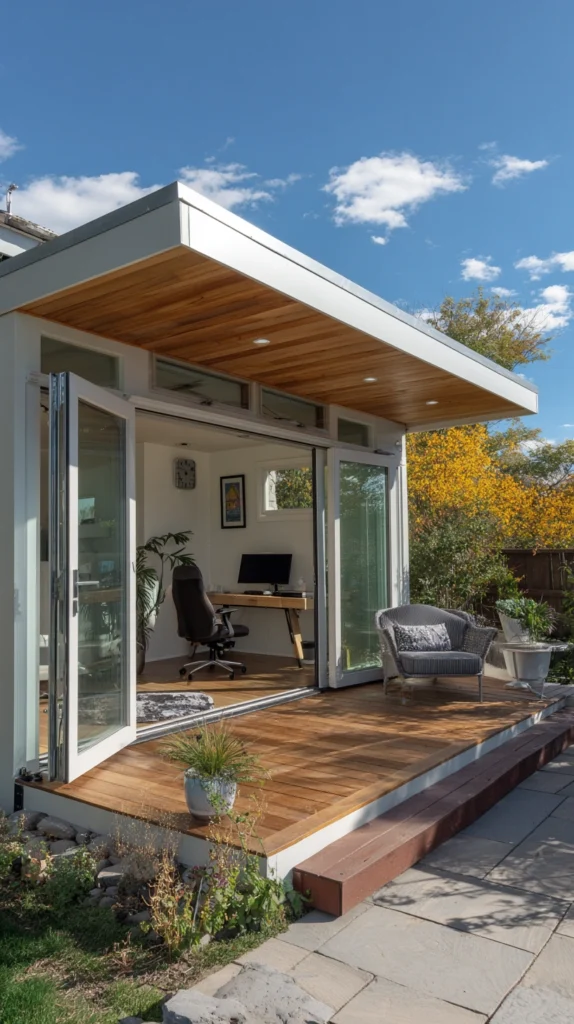
A purpose-built insulated garden room, constructed from a structural insulated panel system or a timber frame with high-performance insulation between the structural members, creates the studio shed of most consistent year-round thermal comfort and most complete acoustic separation from the main house and garden. The insulated garden room is the studio type most suited to the creative practice that demands year-round, full-day working conditions.
The insulated garden room’s construction should meet the thermal performance standard of a habitable building rather than the lower standard of an agricultural outbuilding. Wall insulation of adequate U-value, roof insulation of comparable performance, and floor insulation over a vapor-controlled concrete slab create the thermal envelope that the studio’s heating system can maintain at working temperature efficiently throughout the coldest months.
The acoustic performance of the insulated garden room studio is a significant benefit for the creative practitioner whose work involves sound, the musician, the sound artist, or the filmmaker, and a significant benefit for the household whose members would otherwise be disturbed by the creative practice’s noise. The insulated panel system’s mass and the continuous insulation layer create a degree of sound attenuation that the lightweight timber shed cannot approach.
The garden room studio’s connection to the main house for electrical and data services should be planned before the structure is built, with a dedicated buried cable run from the house to the studio providing the electrical supply, the internet connection, and any other service connections that the studio’s specific creative practice requires. Retrospective service installation after the studio is built is consistently more disruptive and more expensive than the planned installation during construction.
6. The Dual-Level Studio with Mezzanine Storage
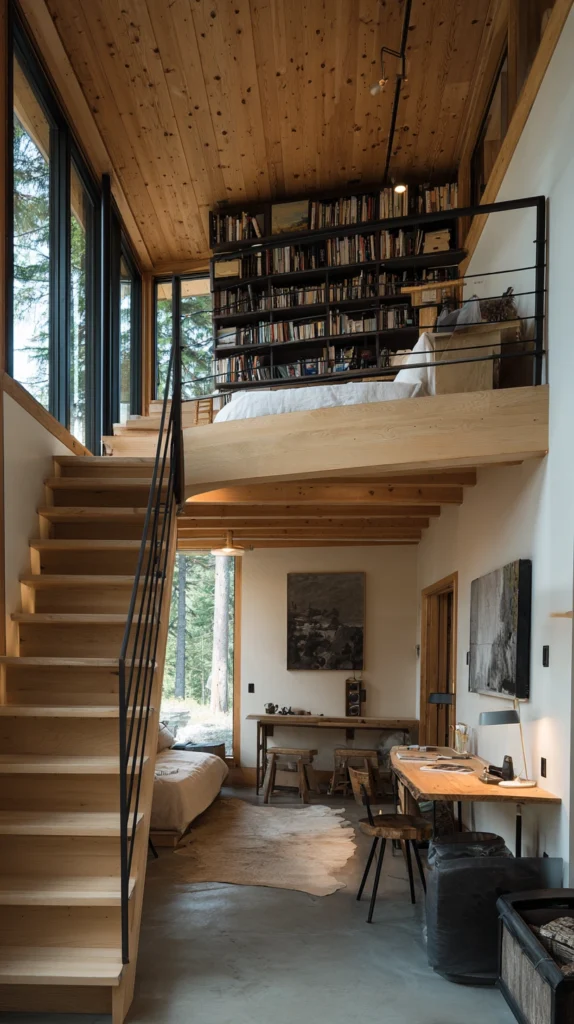
A studio shed of sufficient internal height to accommodate a mezzanine level above the primary working area creates the studio of maximum spatial efficiency, with the main floor level dedicated entirely to the active creative practice and the mezzanine level providing the storage, the reference library, and the quiet thinking space that the creative practice requires alongside the active making.
The mezzanine level’s access should be by a simple timber stair of adequate width for carrying materials between levels, at minimum eight hundred millimeters of clear stair width. A ladder is appropriate for the mezzanine that is used only for storage. A proper stair is appropriate for the mezzanine that is used as a secondary working or thinking space. The distinction between the two uses should determine the access specification before the studio is designed.
The mezzanine level’s floor structure should be of adequate strength for the specific loads it will carry. A mezzanine used for the storage of ceramics, stone, or other dense materials requires a floor structure of significantly greater load capacity than a mezzanine used for the storage of paper, fabric, or other lightweight creative materials.
The floor structure specification should be confirmed by a structural engineer for any mezzanine load that is not clearly within the standard light-use domestic range.
The double-height volume beneath the mezzanine’s edge creates the studio’s most dramatically spatial experience, a volume of generous vertical dimension above the primary working area that creates the specific quality of spaciousness that the low-ceilinged studio entirely lacks. Even a modest mezzanine that covers only one third of the studio’s floor area creates the double-height volume over the remaining two thirds that transforms the studio from a room to a space.
7. The Barn-Style Studio with Sliding Doors
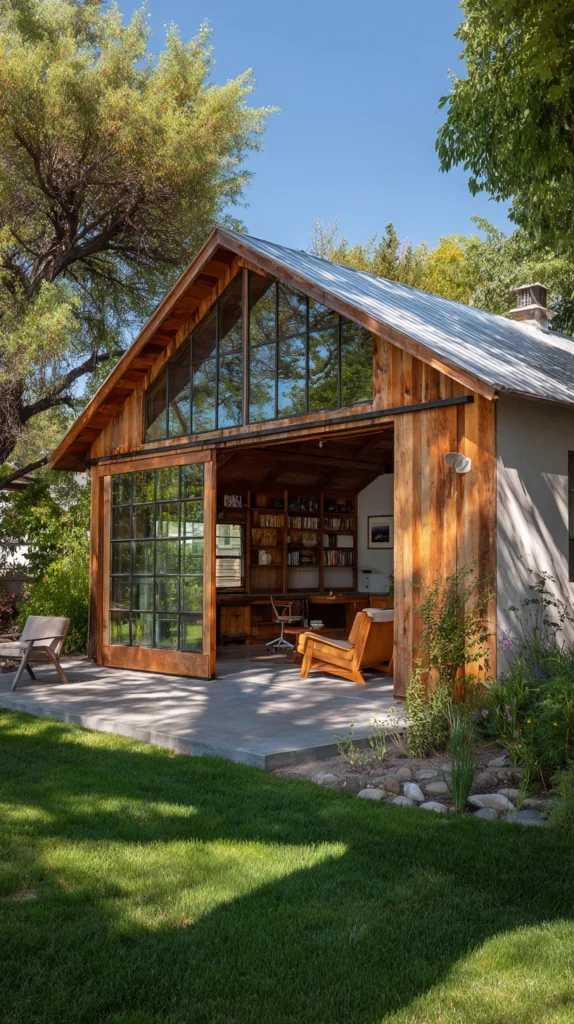
A studio shed in the barn aesthetic, its form a simple gabled structure of generous ridge height, its entrance a pair of full-width sliding barn doors that open the entire end of the studio to the garden when the weather permits, creates the creative working space of complete organic connection between the indoor studio and the outdoor garden that the enclosed studio with its small door cannot provide.
The sliding barn doors should be of genuine quality and adequate weight to create the visual presence of the barn door’s traditional form. Reclaimed timber boards in a horizontal or vertical board-and-batten arrangement on a simple steel frame create the barn door of most authentic material character. New timber in a wide plank format with a dark stain creates the contemporary barn door aesthetic of deliberate material quality.
When the barn doors are fully open, the studio’s working space extends visually and physically into the garden beyond the door opening, creating the studio of maximum spatial generosity whose working area in fine weather effectively doubles through the addition of the outdoor working area directly in front of the open door. Large sculptural work, outdoor planting projects, and any creative practice that benefits from outdoor conditions can be conducted in this extended working zone.
The barn-style studio’s internal organization should acknowledge the full-width opening as the room’s primary architectural feature and organize the working area to face it, so that the view from the primary working position across the studio and through the open barn doors to the garden beyond creates the visual quality of working within the garden rather than working beside it, a quality of indoor-outdoor connection that is the barn-style studio’s most distinctive and most consistently valued spatial attribute.
8. The Off-Grid Solar-Powered Studio
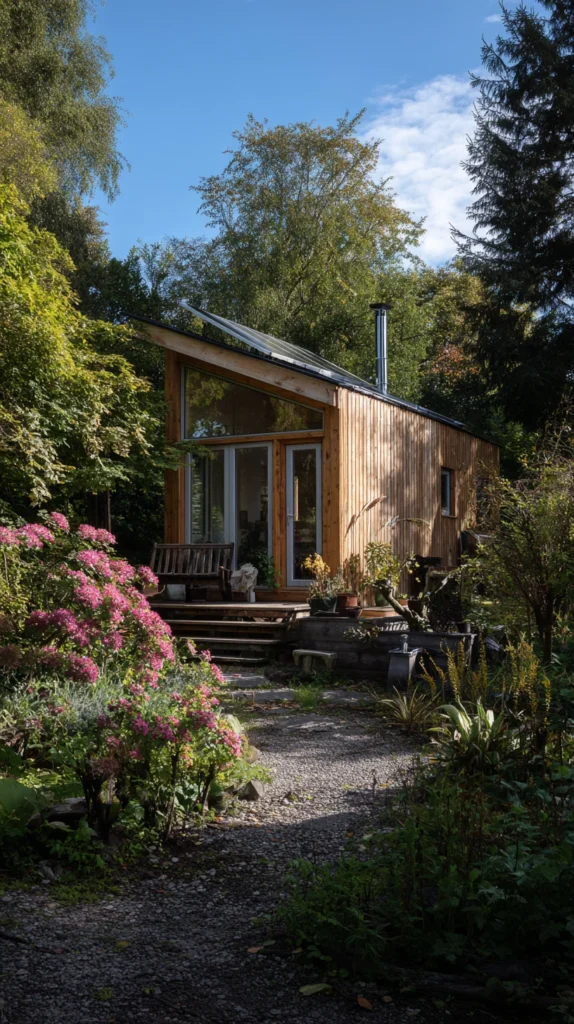
A studio shed designed for off-grid operation, powered entirely by a roof-mounted solar panel array connected to a battery storage system, creates a creative working space of complete electrical independence from the main house that can be positioned anywhere in the garden without the constraint of proximity to the buried cable run that the grid-connected studio requires.
The solar power system’s specification should be calculated from the studio’s actual electrical load requirements. The lighting load, the heating load if electrical heating is used, the power tools and equipment of the specific creative practice, and any other electrical loads should be totaled and the solar array and battery storage sized to meet the peak demand and the daily energy consumption of the studio’s typical working day.
A wood-burning stove as the primary heat source reduces the studio’s electrical heating load to zero, which is the single most significant reduction in the off-grid system’s required capacity. A studio heated by a wood-burning stove and lit by LED lighting requires a solar system of very modest scale, typically two to four panels and a battery storage of adequate capacity for the extended overcast periods that the temperate climate creates between charging periods.
The off-grid studio’s operational independence creates the freedom to position the studio at the garden’s most remote point, the most private and most separated location from the main house, where the creative practice’s need for separation from the household’s daily activity is most completely met.
The studio at the garden’s far boundary, accessed by a path through the planting and powered entirely by its own solar system, is the most completely independent and most psychologically separate creative space available in the domestic garden context.
9. The Ceramics and Clay Studio
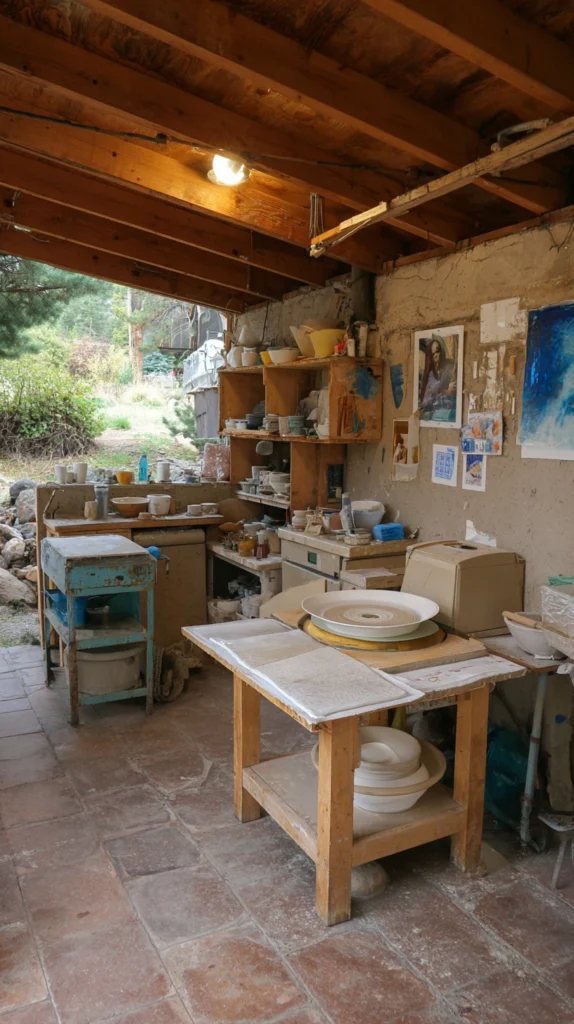
A studio shed designed specifically for the ceramics practice, with the specific infrastructure of the clay artist’s working environment, the wheel, the kiln, the wedging table, the drying shelves, and the glazing area organized within a dedicated structure, creates a ceramics studio of professional quality and complete practical functionality in the domestic garden setting.
The kiln’s position within or adjacent to the ceramics studio is the installation’s most critical practical decision. An electric kiln requires the high-amperage electrical connection that the studio’s electrical supply must be specified to provide. A gas kiln requires the gas supply connection and the ventilation provision that the enclosed studio’s safety standards demand. Both require the structural floor support of a concrete slab of adequate thickness and the clearance distances from combustible materials that the kiln manufacturer specifies.
The ceramics studio’s ventilation requirement is more significant than for most other creative practices. Clay dust is a respiratory hazard when inhaled over extended periods, and the glazing materials of some ceramic traditions contain compounds that require specific ventilation controls.
A mechanical ventilation system that creates a positive air change rate within the studio during working hours, with an exhaust point positioned to remove dust and fumes from the working zone before they reach the breathing zone, creates the health and safety provision that the ceramics studio requires.
Water is the ceramics practice’s most essential utility, and the ceramics studio’s design should include a deep, wide utility sink with a clay trap in the waste line before the drain connects to the main drainage system. Ceramic clay particles in the waste water will block the drainage system if allowed to enter it without the clay trap’s settlement chamber that allows the particles to settle out before the clear water passes to the drain.
10. The Printmaking Studio
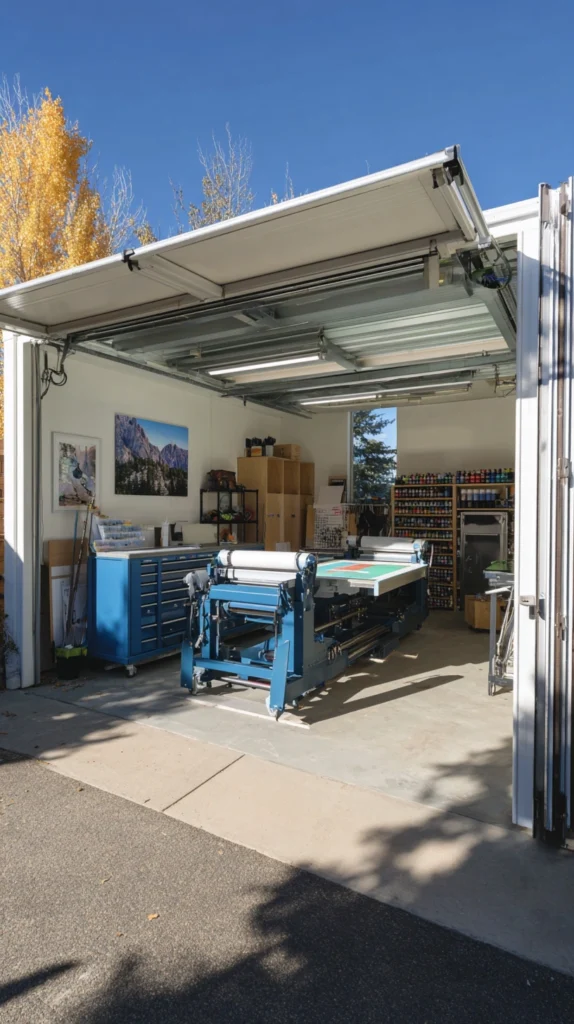
A printmaking studio shed, designed around the specific equipment and spatial requirements of the etching press, the screen printing table, the relief printing bench, or the combination of printmaking processes that the specific practitioner uses, creates a studio of complete professional functionality in the domestic garden whose layout reflects the specific workflow of the printmaking discipline.
The printmaking press, whether an etching press of cast iron construction or a screen printing table of commercial specification, is the studio’s heaviest and most dimensionally demanding piece of equipment, and the studio’s internal dimensions should be designed around the press’s footprint with adequate working clearance on all sides for the physical operation of the printing process.
The standard etching press requires a minimum of one meter clearance on each side for the paper handling during printing.
The printmaking studio’s ink management and solvent storage requires a specific approach to the studio’s ventilation and its material storage specification.
Oil-based printing inks and their associated solvents are flammable, and their storage within the studio requires a metal fire-safe cabinet of adequate capacity and the ventilation rate that prevents the accumulation of solvent vapors above the explosive concentration threshold. Water-based inks eliminate this requirement and are the recommended media choice for the domestic studio setting.
A drying rack of generous capacity, positioned adjacent to the press and accessible from the printing position without excessive movement, is the printmaking studio’s second most critical spatial requirement after the press clearance. A suspended drying rack of the type used in professional printmaking studios, its timber or metal rails hung from the studio’s ceiling structure at adequate spacing for the print sizes the studio produces, creates the drying provision of maximum capacity in a minimal floor footprint.
11. The Painters Studio with North Light
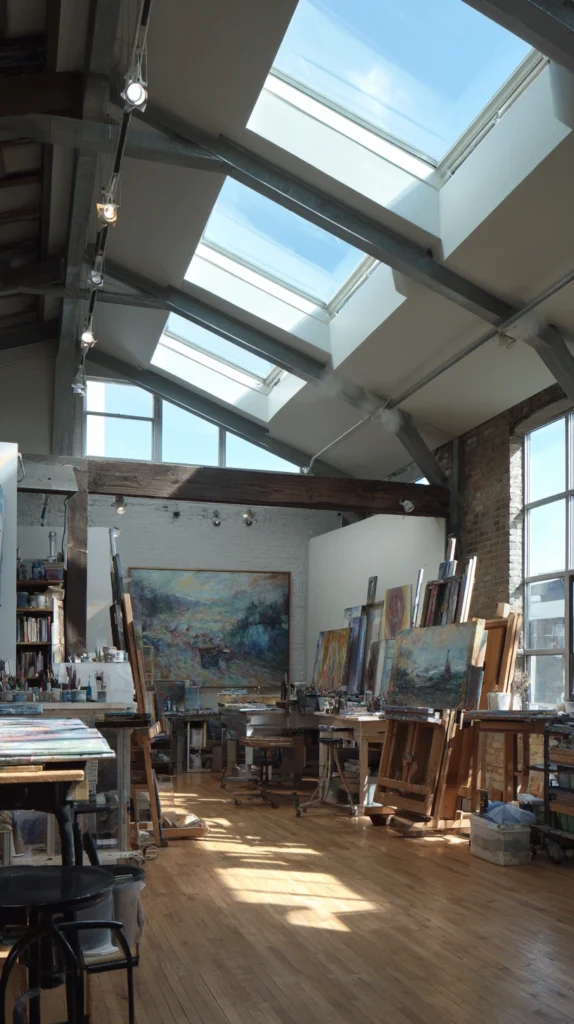
A studio shed designed specifically for painting, with a large north-facing window or roof light that admits the consistent, directional, shadow-free quality of northern light that the painter’s work most fundamentally depends upon, creates a painting studio of professional light quality in the domestic garden. The north light studio is the painters studio in its most historically and most practically authentic form.
The north-facing roof light should be of adequate area for the studio’s floor dimensions, with the glazed area representing a minimum of fifteen percent of the studio’s floor area for adequate north light intensity at the painting position. A roof light of inadequate area creates a studio whose light level is insufficient for the accurate color assessment that painting requires, particularly in the winter months when the northern light’s intensity is at its annual minimum.
The studio’s artificial lighting for the working hours when the natural north light is insufficient should be of a color temperature and a color rendering quality that accurately represents the natural daylight that the painter’s work is assessed in. LED lighting of 5000K to 6500K color temperature and a color rendering index of ninety-five or above creates the artificial light of closest equivalence to natural north light for the color-critical assessment of painting work.
The studio floor should be of a material that is compatible with the range of media that the painter uses. Oil paint, acrylic paint, solvent, and water all create floor contamination that the studio floor must withstand without permanent staining or surface degradation. Sealed concrete, commercial-grade vinyl, or a painted timber floor of adequate surface hardness creates the painting studio floor of practical cleanability and adequate material resilience.
12. The Textile and Sewing Studio
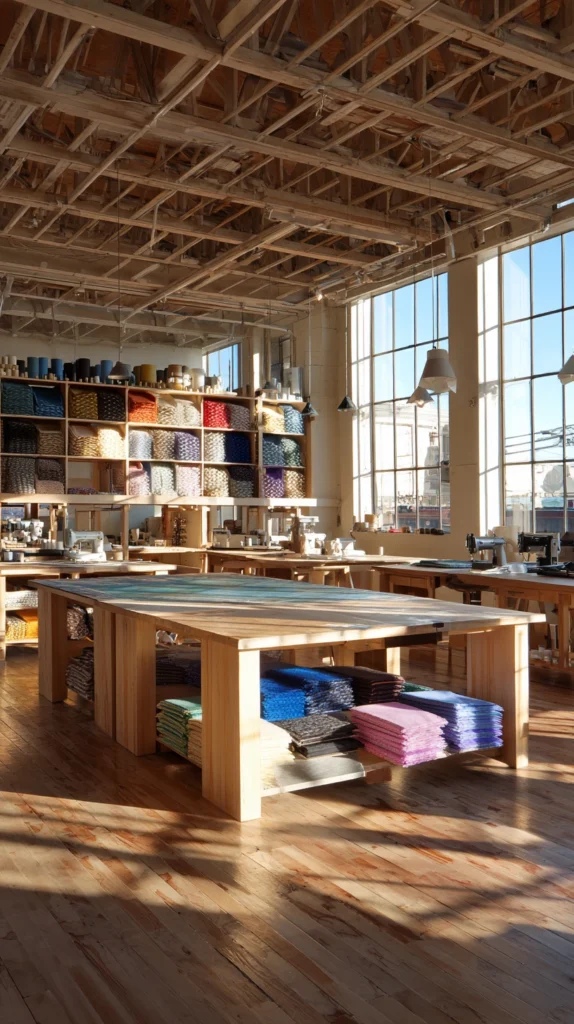
A studio shed designed for the textile arts, including sewing, weaving, embroidery, quilting, and any other fibre-based creative practice, creates a working environment of complete organization for the specific equipment and material management challenges that the textile practice presents. The large cutting table, the storage for fabrics, threads, and notions, and the working light quality for the detailed handwork of the textile tradition all require specific spatial provision.
The cutting table is the textile studio’s primary working surface and the piece of equipment that most determines the studio’s spatial organization. A cutting table at standing height, typically ninety centimeters, of dimensions adequate for the largest fabric cuts the practice requires, should be positioned at the studio’s center with adequate clearance on all four sides for the rotation of large fabric pieces during cutting.
A cutting table of one hundred and twenty by one hundred and eighty centimeters requires a studio width of at least three meters for adequate working clearance.
Fabric storage in the textile studio should be organized to display the fabric’s color and texture rather than concealing it in opaque containers that require unpacking to see.
Open shelving with fabrics folded and stacked by color family creates the visual organization of the textile studio that makes fabric selection a pleasure of visual browsing rather than a frustrating search through opaque boxes. The fabric wall of a well-organized textile studio is one of the domestic creative space’s most visually beautiful organizational features.
The sewing machine’s position within the textile studio should be at a window of adequate natural light for the detailed work of machine sewing, with a dedicated task light of an adjustable arm and adequate brightness for the times when the natural light is insufficient. The sewing machine table should be at the standard typing height of seventy-five centimeters, lower than the cutting table, creating the distinct working surfaces at their appropriate heights that the textile practice requires.
13. The Photography Studio Shed
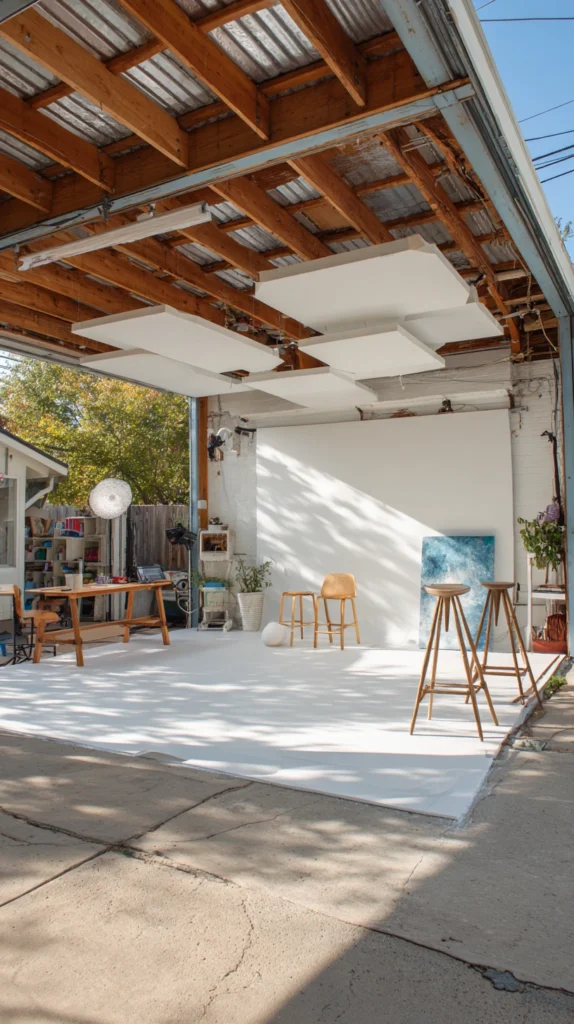
A studio shed designed for photography, with a white cyclorama wall, adequate ceiling height for lighting stands, a backdrop hanging system, and the electrical infrastructure for multiple studio lights and the associated camera equipment, creates a photography studio of professional specification in the domestic garden at a fraction of the cost of renting equivalent commercial studio space.
The cyclorama wall, a smooth curved transition from the vertical back wall to the horizontal floor surface that eliminates the horizon line in photographs, is the photography studio’s most distinctive and most technically specific architectural requirement. The cyclorama curve should have a radius of approximately one meter and should extend to a width of at least two meters for the adequate coverage of standard studio portrait photography.
The ceiling height of the photography studio should be a minimum of two and a half meters for the comfortable use of standard photography lighting stands at their maximum extension height, with an additional half meter preferred for the use of large softbox modifiers that require the stand’s highest position for the correct lighting geometry. A studio of inadequate ceiling height creates the lighting constraint that limits the range of photographic techniques the space can accommodate.
Acoustic treatment in the photography studio improves the quality of the spoken communication between photographer and subject during portrait sessions and reduces the reverberant sound that the hard-surfaced photography studio creates.
Acoustic panels on the studio’s side walls, in a fabric covering that suits the studio’s aesthetic and does not appear in the photograph’s background, create the acoustic treatment that the photography practice’s human interaction benefits from without compromising the cyclorama’s clean white background.
14. The Sculpture and 3D Studio
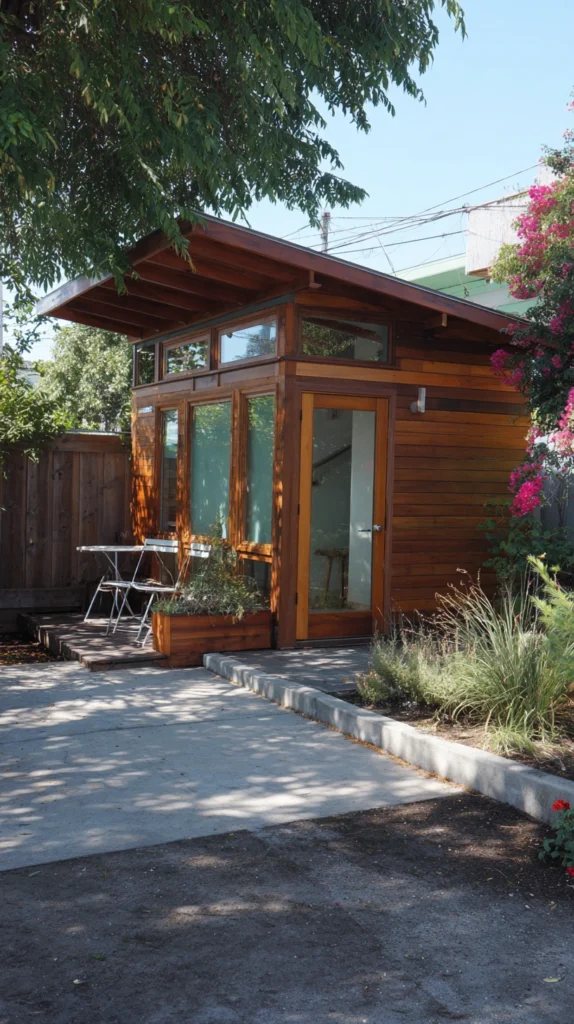
A studio shed designed for sculpture and three-dimensional making, with the structural floor loading capacity for heavy materials, the ceiling height for large-scale work, the ventilation for the dust and fumes of the making process, and the outdoor connection for work that exceeds the studio’s internal dimensions, creates a three-dimensional studio of complete professional functionality.
The studio’s structural floor slab should be designed for the concentrated load of the heavy materials that sculpture uses. Stone, metal casting equipment, large ceramic work, and the heavy machinery of metalworking and woodworking all create floor loads that the standard domestic construction’s floor specification cannot accommodate without specific structural design. A reinforced concrete slab of adequate thickness and reinforcement specification creates the floor of adequate load capacity.
The studio’s overhead lifting provision, a simple beam and hoist system fixed to the structural ridge of the studio’s roof, creates the material handling capability that sculpture’s heavy materials require. The ability to lift a heavy stone block, a large ceramic work, or a metal sculpture from the floor to the working height without physical strain is the single most practically valuable studio infrastructure investment for the sculptor working alone.
The outdoor working area immediately adjacent to the sculpture studio, a paved or compacted gravel area of adequate dimensions for the largest works the practice creates, should be connected to the studio by a door of adequate width for the work’s passage.
A double door of one hundred and eighty centimeters minimum clear width creates the passage for the large sculptural work that the standard single door cannot accommodate, and the outdoor working connection that allows the sculpture practice to expand beyond the studio’s internal volume when the work’s scale demands it.
15. Design the Studio for the Practice You Actually Have
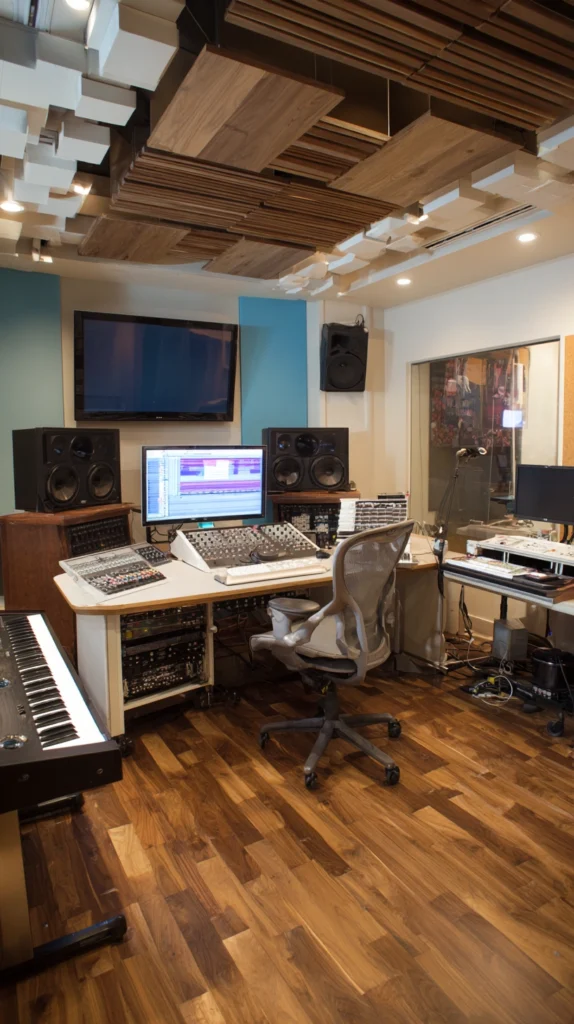
The final outdoor art studio shed idea is the most important design principle of the entire studio project. It is the commitment to designing the studio for the specific creative practice that is actually going to be conducted within it rather than the ideal studio of a generalized creative professional whose specific practice has not been honestly assessed.
The studio designed for the practice that is actually engaged in, with the specific equipment that practice requires, the specific light quality it demands, the specific ventilation its materials necessitate, and the specific spatial organization that its workflow most efficiently uses, creates a studio of genuine professional quality that transforms the creative practice from the first day of its use.
The studio designed for a vague aspiration to make art without the specific knowledge of what that art will be creates a generic space that serves the specific practice less well than a purpose-designed studio at every point of daily use.
Build the studio with the permanent intention of the practice it is designed to serve, because the studio that is built with the expectation of change, designed to be adaptable to whatever the creative practice might become, is rarely as good for any specific practice as the studio designed with complete commitment to the specific practice it is built for from the outset. The creative practice deserves a space of complete, specific, and permanent commitment. That commitment, expressed through the studio’s design, is the most generous gift that the creative person can give to their own practice and to the work that the practice produces.