
15 Rustic Kitchen Ideas with Timeless Charm
Rustic kitchens have a way of feeling instantly welcoming. They blend warmth, texture, and tradition in a way that never feels cold or overly polished. What makes rustic design truly timeless is its connection to natural materials, craftsmanship, and a sense of history.
Rather than chasing trends, rustic kitchens focus on authenticity, comfort, and lived-in beauty.
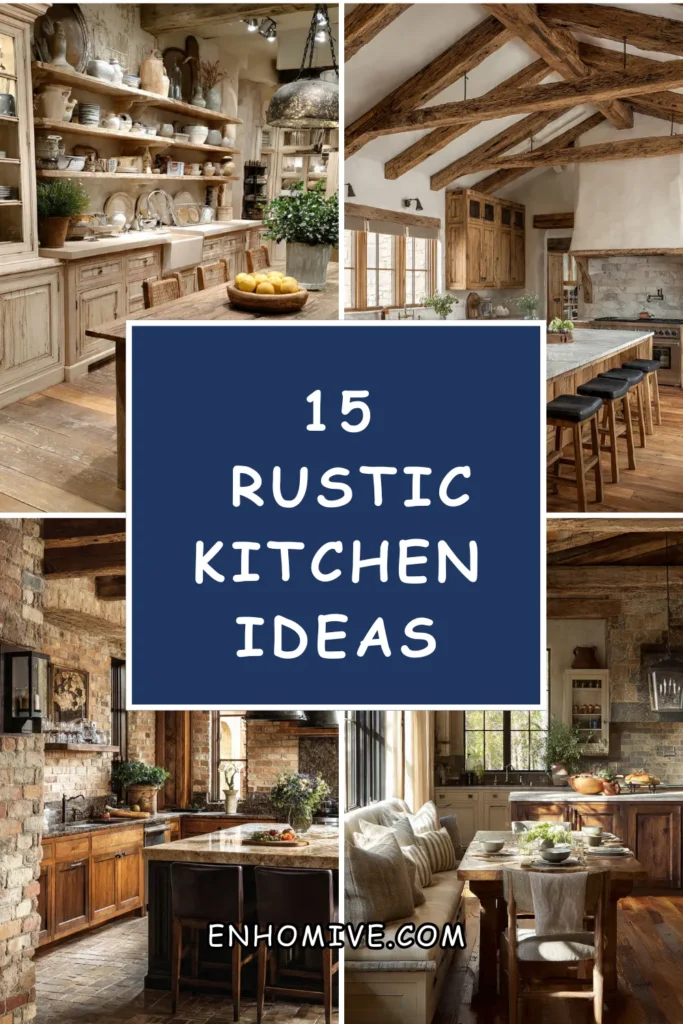
A well-designed rustic kitchen doesn’t feel outdated or heavy. When done thoughtfully, it feels balanced, functional, and effortlessly charming.
These 15 ideas explore how to create a rustic kitchen that stands the test of time while still feeling relevant, practical, and inviting for modern living.
1. Natural Wood Cabinets with Visible Grain
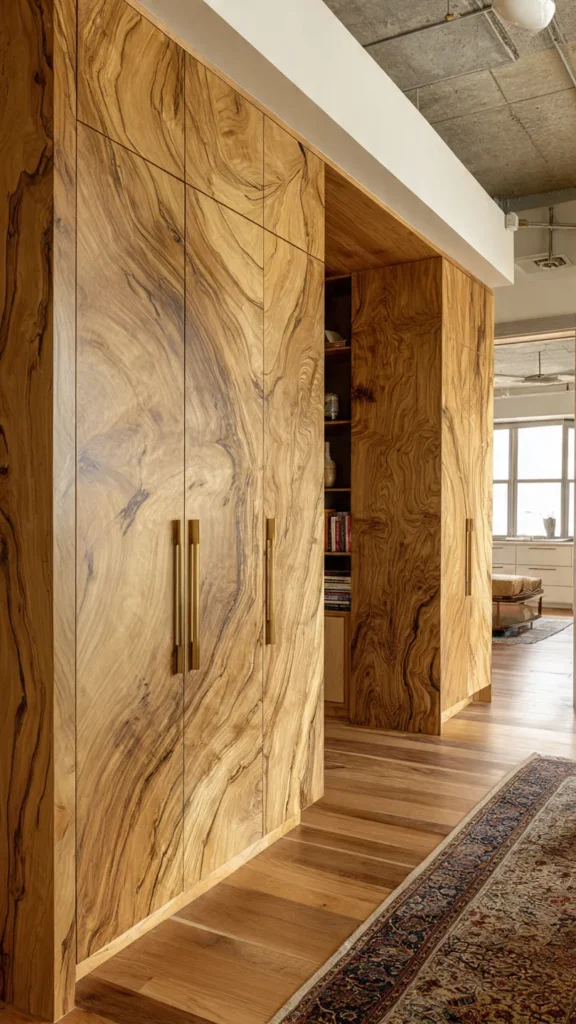
Wood is the heart of any rustic kitchen. Cabinets made from solid wood or wood veneers with visible grain instantly ground the space and give it character. Knots, subtle imperfections, and varied tones add depth that painted surfaces simply can’t replicate.
To keep the look timeless, choose warm wood tones like oak, walnut, or pine rather than overly distressed finishes. Simple door styles such as shaker or flat panels allow the natural beauty of the wood to shine. This approach feels rustic yet refined, making it suitable for both traditional and updated homes.
2. Open Shelving for a Lived-In Feel
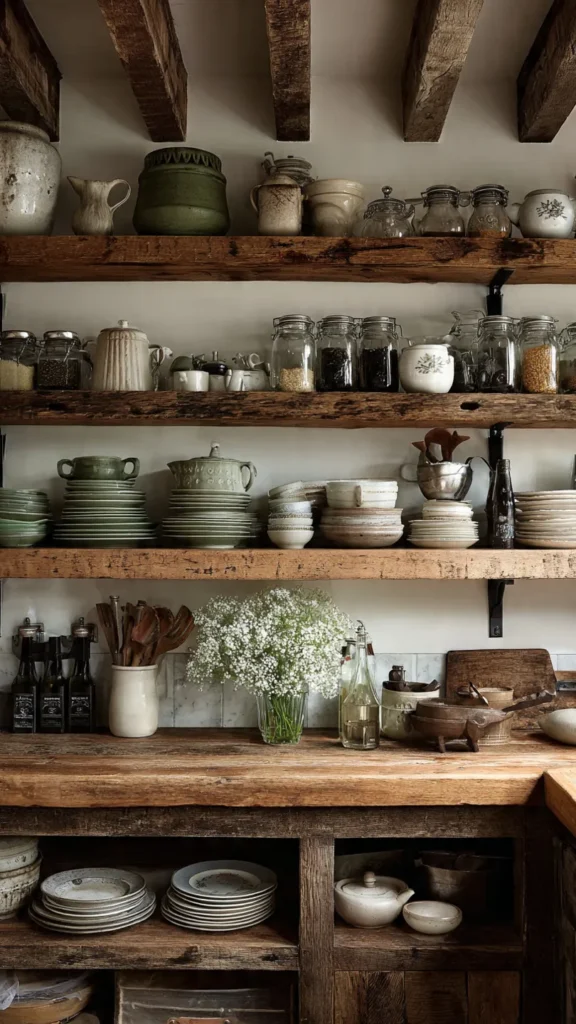
Open shelving is a classic rustic element that adds warmth and accessibility. Instead of hiding everything behind cabinet doors, shelves allow everyday items to become part of the decor.
Wooden shelves paired with ceramic dishes, glass jars, and woven baskets create an authentic, collected look. Keeping the display intentional and uncluttered ensures the kitchen feels charming rather than messy. Open shelving also makes small kitchens feel lighter and more open.
3. Stone or Brick Backsplashes with Texture
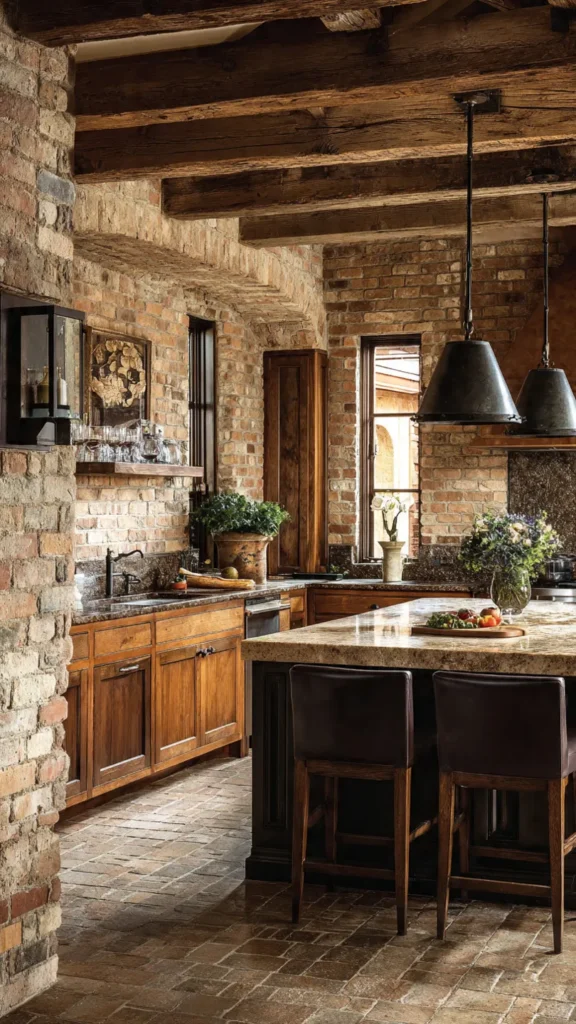
Texture is essential in rustic kitchens, and few materials offer more character than stone or brick. A textured backsplash adds visual interest and a sense of permanence to the space.
Natural stone, exposed brick, or brick-look tiles bring warmth and history. Neutral tones keep the look timeless, while subtle variation in texture prevents the kitchen from feeling flat. This type of backsplash pairs beautifully with both wood cabinets and simple countertops.
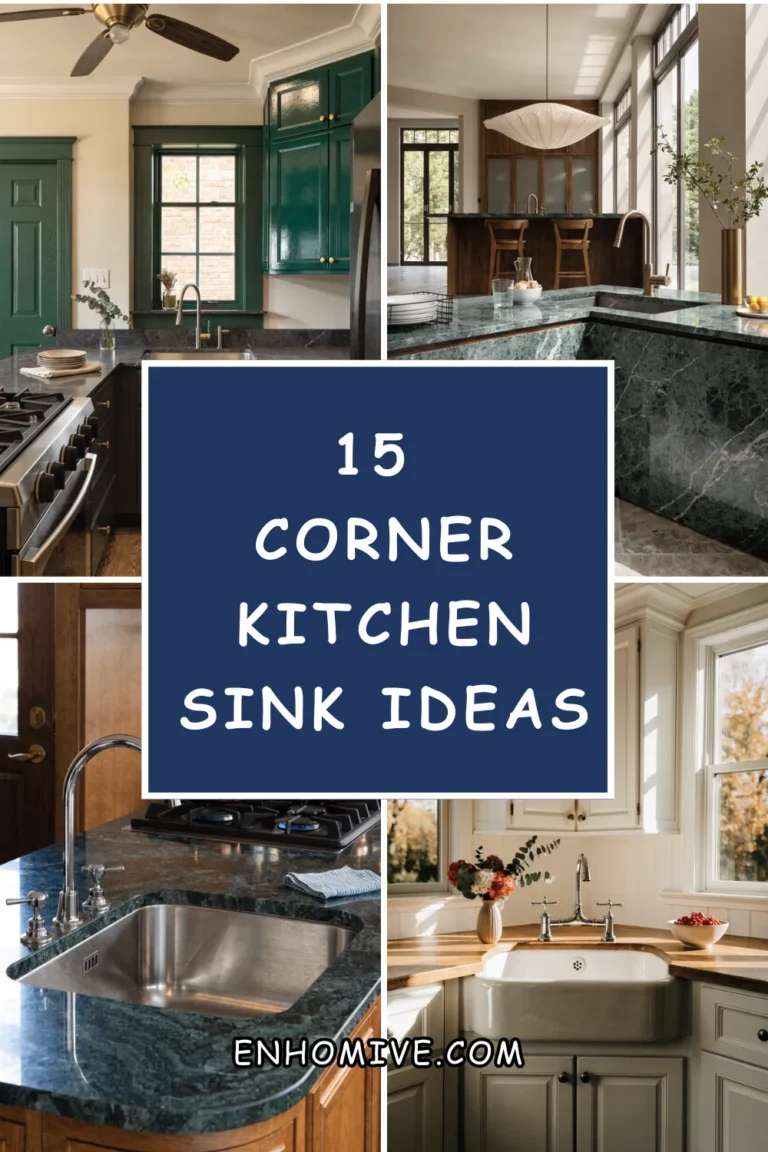
4. Farmhouse Sinks as a Functional Focal Point
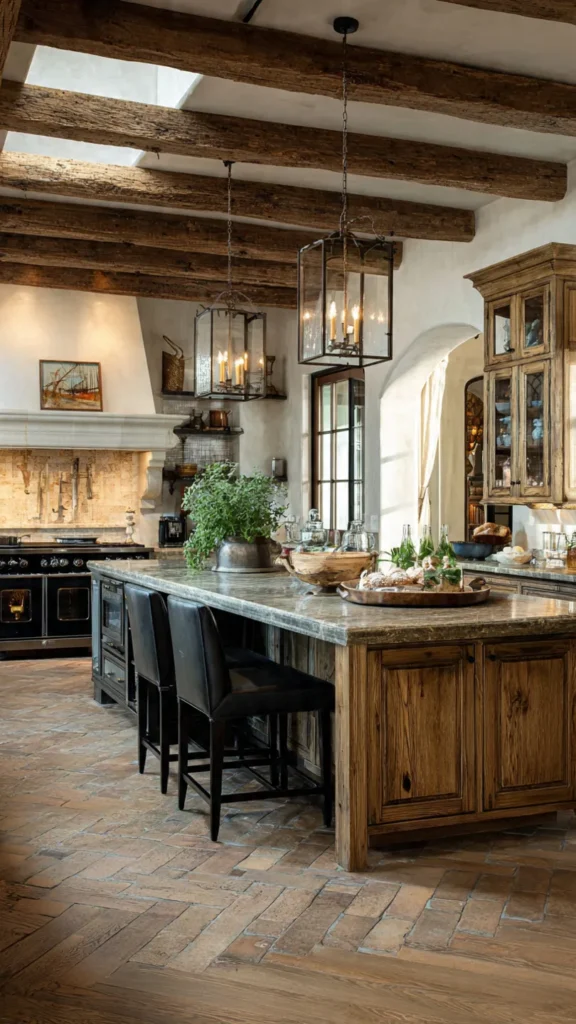
A farmhouse sink is one of the most recognizable rustic kitchen features. Its deep basin and apron-front design combine practicality with charm.
Beyond aesthetics, farmhouse sinks are highly functional, making them ideal for busy kitchens. White fireclay sinks feel classic, while stone or stainless steel options offer a slightly more modern twist. Paired with traditional or bridge-style faucets, they anchor the kitchen beautifully.
5. Warm Neutral Color Palettes
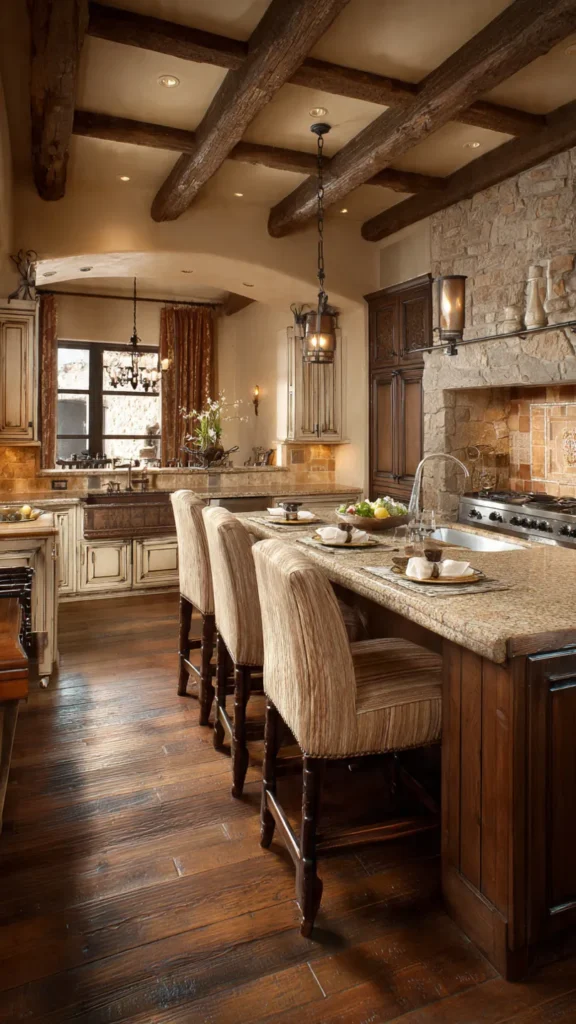
Rustic kitchens thrive on warm, earthy color palettes. Soft whites, creamy beiges, warm grays, and muted taupes create a cozy backdrop without overpowering the space.
These neutral tones allow natural materials to stand out and help the kitchen age gracefully. Avoid overly bold colors that can date the design. Instead, let texture and material variation provide visual interest.
6. Exposed Beams for Architectural Character
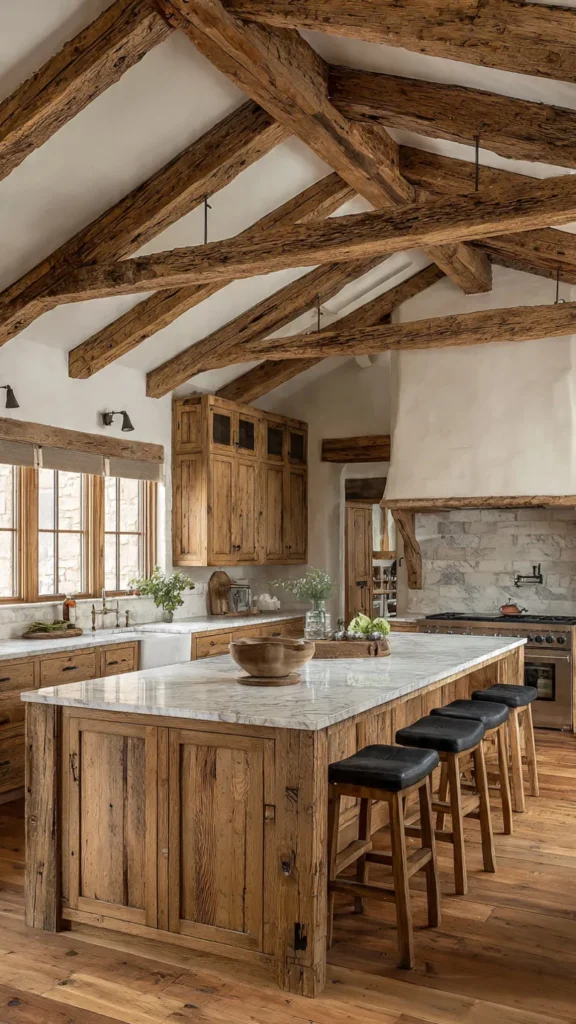
Exposed ceiling beams instantly elevate a rustic kitchen. Whether structural or decorative, they add depth and a sense of history to the space.
Wood beams in natural or lightly stained finishes enhance warmth and draw the eye upward. Even in homes without original beams, faux beams can be added to create the same effect. This feature adds timeless charm without affecting functionality.
7. Vintage-Inspired Lighting Fixtures
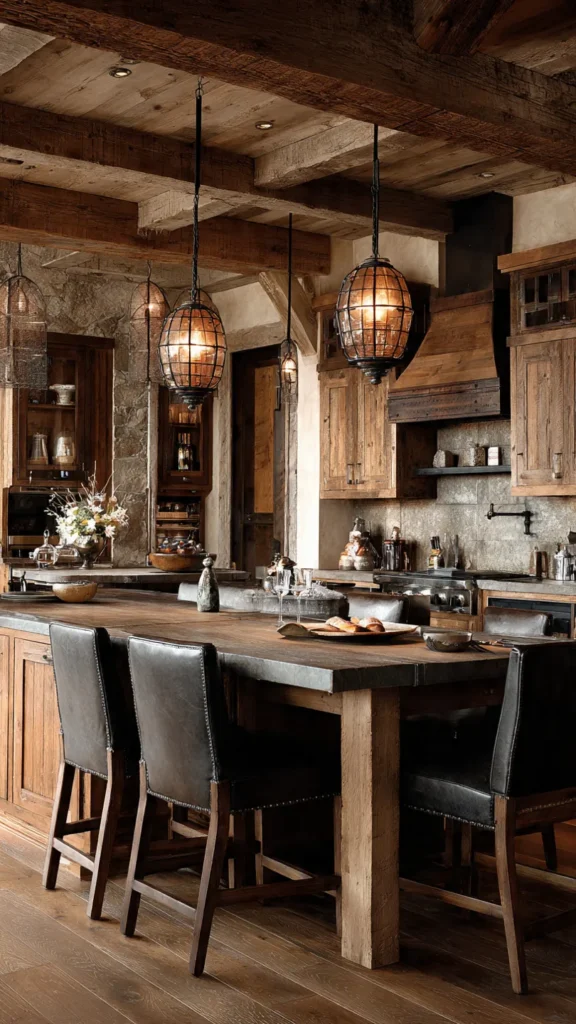
Lighting plays a major role in setting the tone of a rustic kitchen. Fixtures with vintage or handcrafted appeal add warmth and authenticity.
Pendant lights with metal finishes, lantern-style chandeliers, or glass shades work beautifully over islands and dining areas. Warm lighting temperatures enhance the cozy atmosphere and highlight natural materials. The goal is soft illumination rather than harsh brightness.
8. Butcher Block or Natural Stone Countertops
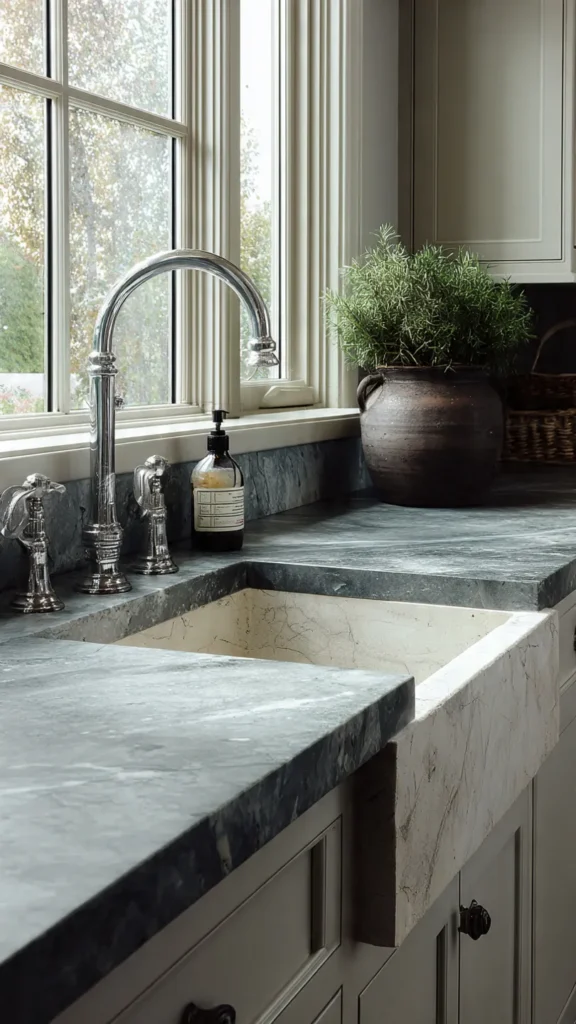
Countertops in a rustic kitchen should feel natural and substantial. Butcher block adds warmth and practicality, developing a beautiful patina over time.
Natural stone like soapstone, granite, or honed marble offers durability with character. Choosing matte or honed finishes keeps the look understated and timeless. These materials age gracefully, which is part of their rustic appeal.
9. Mixed Materials for Depth and Balance
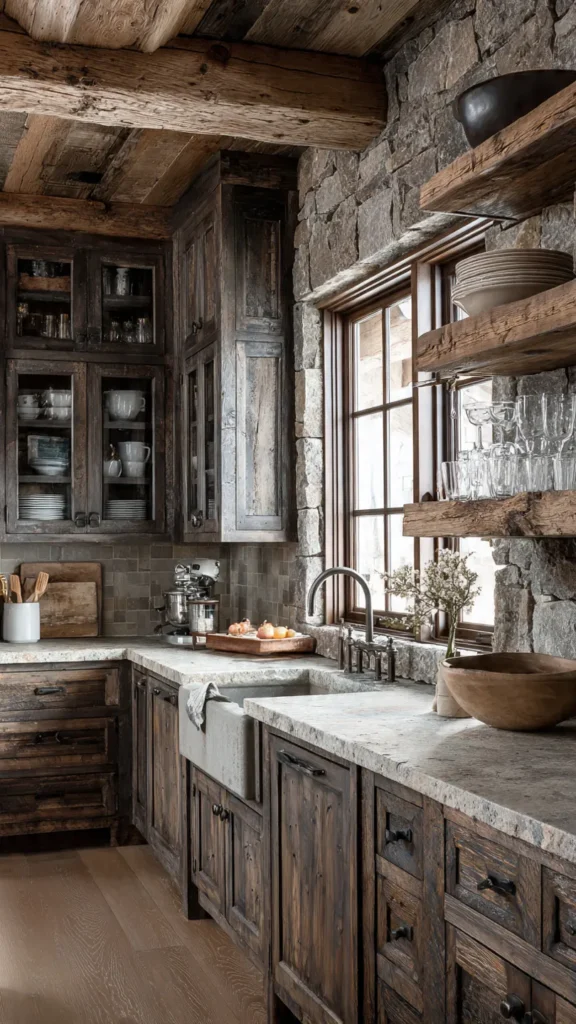
Rustic kitchens benefit from a thoughtful mix of materials. Combining wood, metal, stone, and ceramic creates a layered look that feels rich and intentional.
For example, wood cabinets paired with metal hardware and stone surfaces strike a perfect balance. Keeping finishes cohesive prevents the space from feeling chaotic. This mix adds depth while maintaining harmony.
10. Freestanding Furniture Pieces
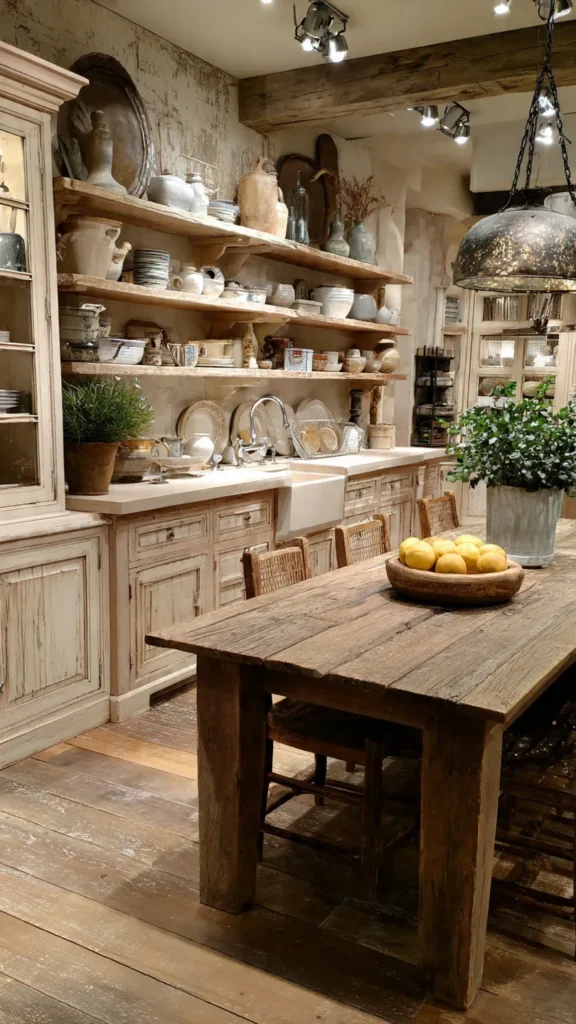
Incorporating freestanding furniture adds authenticity to a rustic kitchen. Pieces like hutches, baker’s racks, or farmhouse tables make the space feel less built-in and more collected over time.
These elements introduce flexibility and charm. A vintage hutch for dish storage or a solid wood table as an island alternative enhances the kitchen’s personality while remaining functional.
11. Traditional Hardware with Simple Detailing
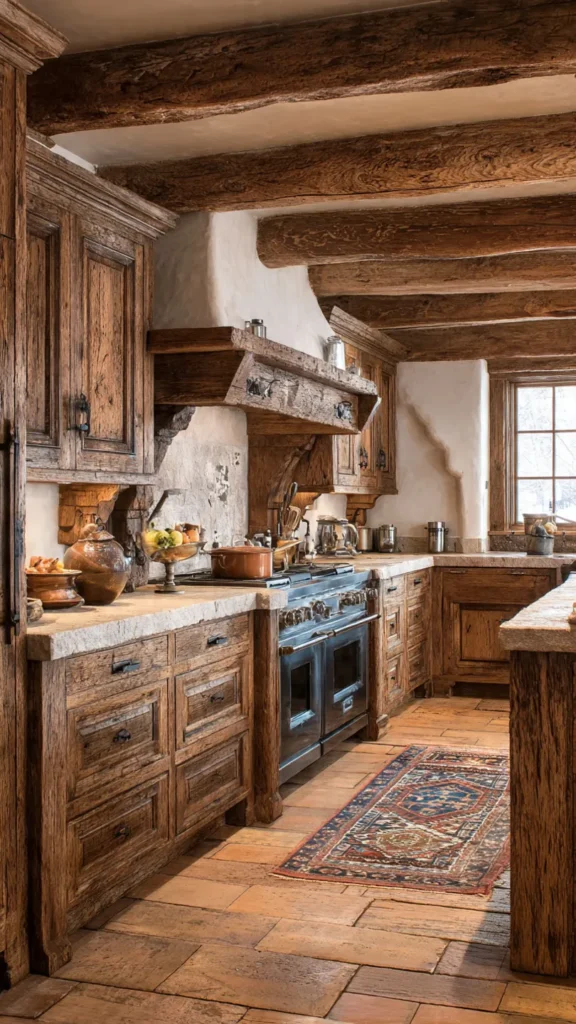
Hardware may seem small, but it plays a big role in defining a rustic kitchen. Simple, traditional designs in iron, bronze, or brushed brass feel timeless and sturdy.
Avoid overly ornate or ultra-modern hardware. Instead, opt for classic knobs and pulls that feel comfortable in hand. Consistent hardware throughout the kitchen reinforces a cohesive, well-thought-out design.
12. Soft Textiles for Added Warmth
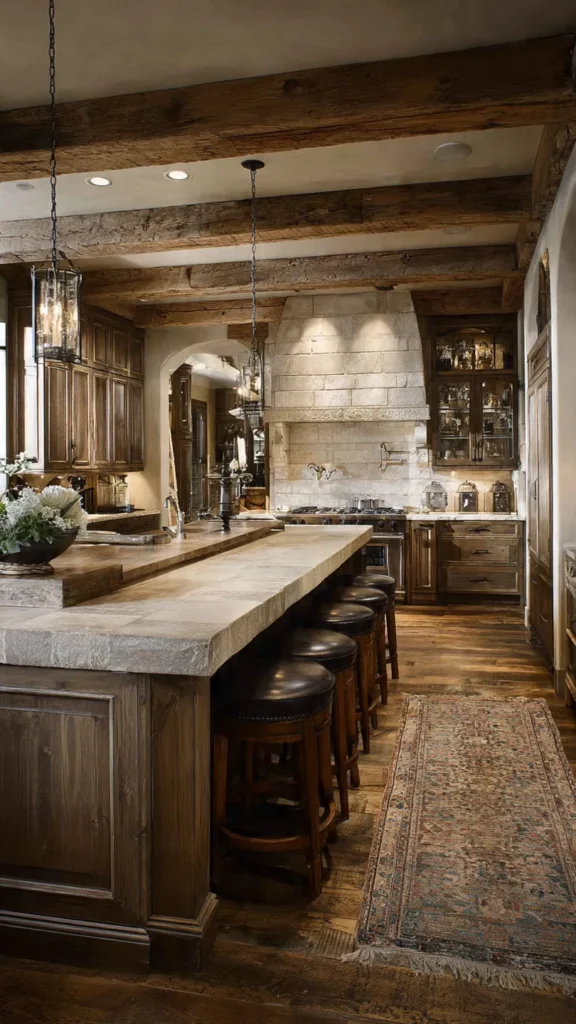
Textiles soften the harder surfaces found in kitchens and add comfort to rustic spaces. Linen curtains, woven rugs, and cotton towels introduce texture without overwhelming the design.
Choosing neutral or muted patterns keeps the look calm and timeless. These elements are easy to update, allowing subtle seasonal refreshes without altering the core design.
13. Subtle Distressing for Authenticity
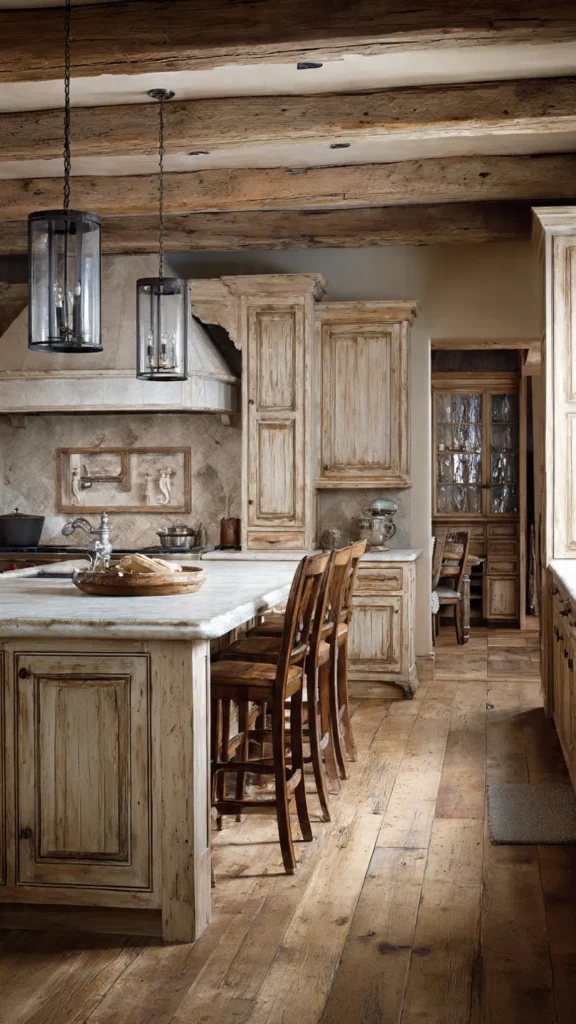
Rustic kitchens don’t need to look brand new. Light distressing on wood surfaces or furniture adds authenticity and warmth.
The key is subtlety. Gently worn edges or natural aging feel charming, while heavy distressing can appear forced. Allowing materials to age naturally over time often creates the most genuine rustic look.
14. Functional Layouts that Encourage Gathering
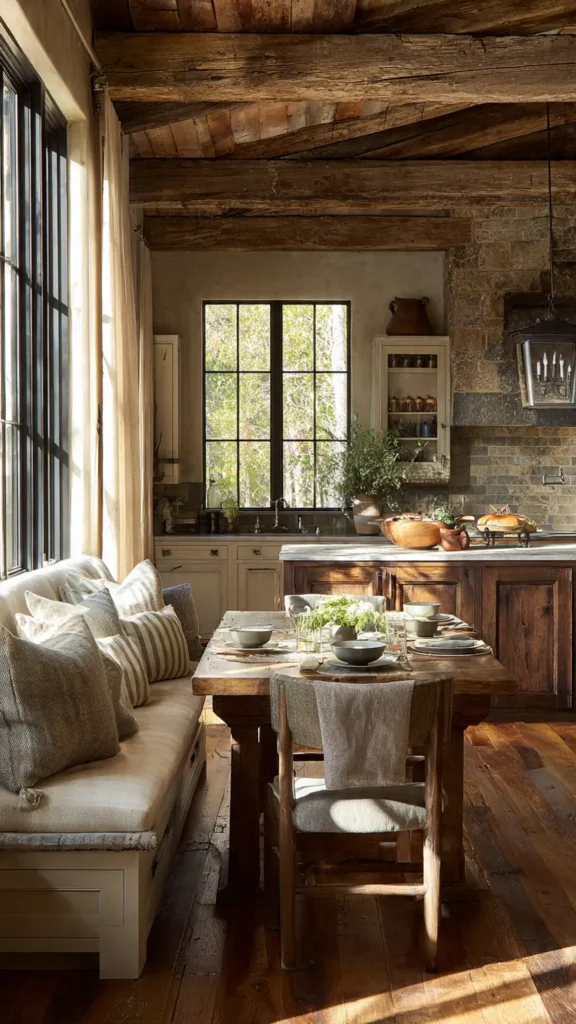
A timeless rustic kitchen is as much about function as it is about appearance. Open layouts, generous work surfaces, and seating areas encourage connection and ease.
Kitchen islands, farmhouse tables, or breakfast nooks invite family and guests to gather. This sense of togetherness is central to rustic design, making the kitchen feel like the heart of the home.
15. Thoughtful Decor with Personal Meaning
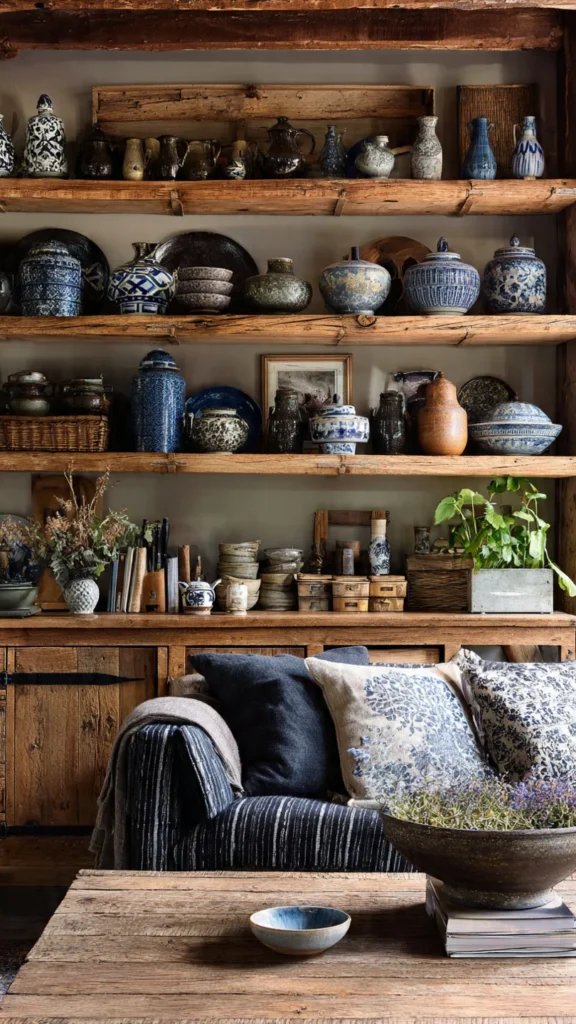
The final layer of a rustic kitchen comes from personal, meaningful decor. Handcrafted ceramics, antique utensils, or heirloom pieces add soul to the space.
Keeping decor minimal and intentional ensures the kitchen remains practical. When items are chosen for their story rather than trends, the space feels authentic and timeless.
Rustic kitchens endure because they prioritize warmth, function, and honesty in materials. By focusing on natural textures, balanced design, and thoughtful details, you can create a kitchen that feels both nostalgic and relevant. These ideas show that rustic charm isn’t about recreating the past, but about embracing comfort, craftsmanship, and timeless beauty that grows richer with time.