
15 Secret Garden Privacy Ideas That Feel Romantic, Not Closed-In
There’s something magical about a secret garden—a private outdoor sanctuary where you can escape the world without feeling trapped by it. The challenge lies in creating that sense of seclusion and intimacy while maintaining an open, airy atmosphere that invites you in rather than boxes you out.
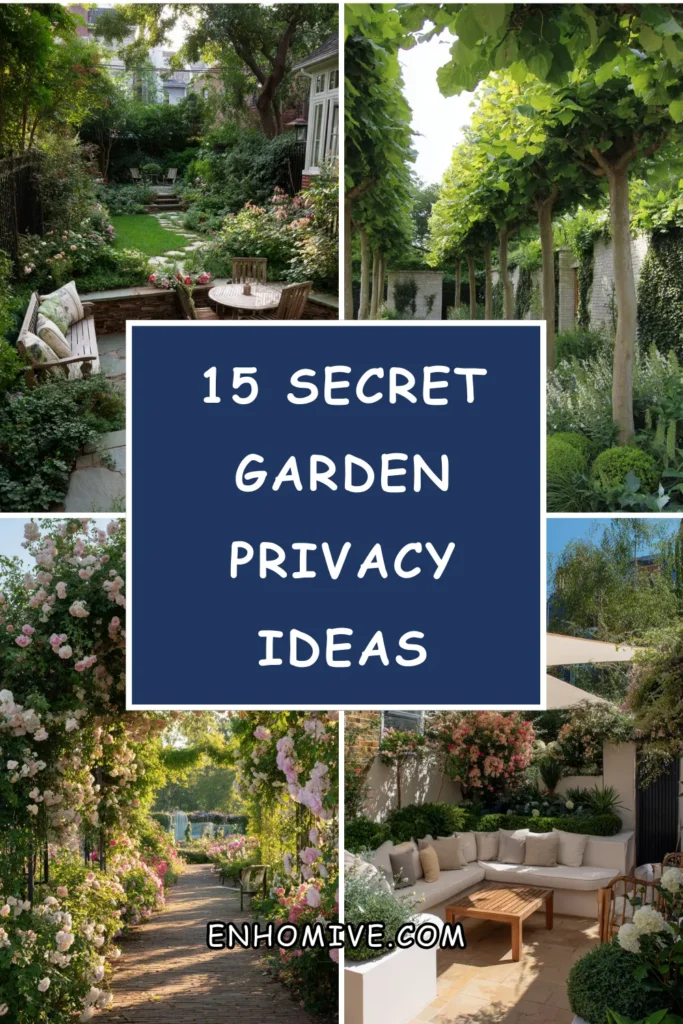
The best garden privacy solutions don’t feel like barriers at all; they feel like natural extensions of your landscape that add beauty, dimension, and charm while gently shielding you from neighboring eyes and urban chaos. Whether you’re working with a sprawling backyard or a compact city plot, these 15 romantic privacy ideas will help you transform your outdoor space into an enchanting retreat that feels expansive, not confined.
1. Climbing Roses on Garden Arches: Romance in Full Bloom
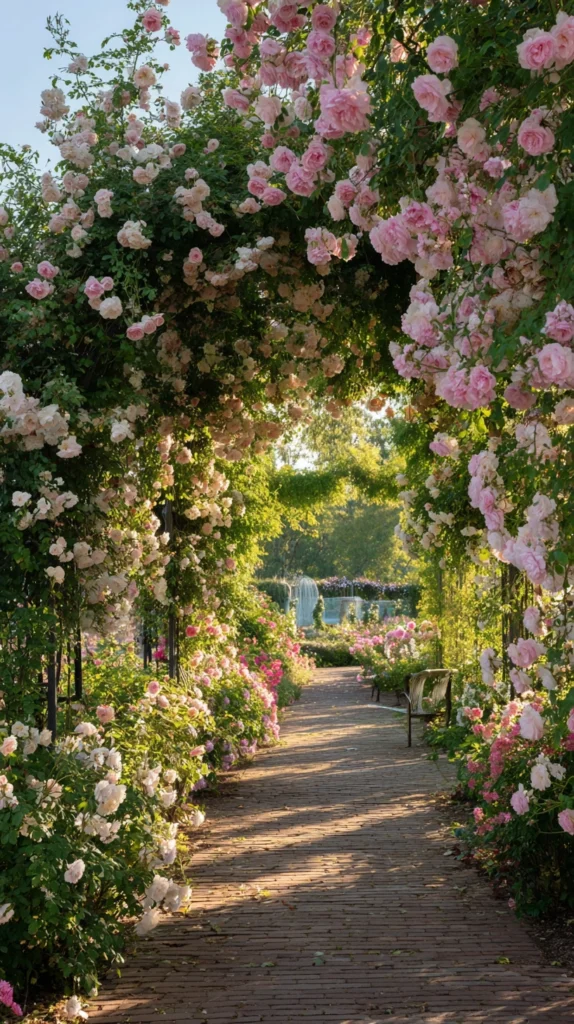
Few things evoke the feeling of a secret garden quite like climbing roses cascading over garden arches. Installing a series of arches along a pathway or property line creates a living tunnel that provides privacy while adding vertical interest and breathtaking beauty.
Train varieties like ‘New Dawn,’ ‘Eden,’ or fragrant ‘Zephirine Drouhin’ up metal or wooden arch frames. As the roses mature, they create a lush canopy overhead and flowering walls on either side, transforming a simple garden path into an enchanted walkway.
The open framework of the arches prevents the claustrophobic feeling of solid barriers while the layered blooms and foliage offer surprising privacy. This solution brings color, fragrance, and timeless romance to your outdoor space throughout the growing season.
2. Flowing Outdoor Curtains: Soft and Sophisticated
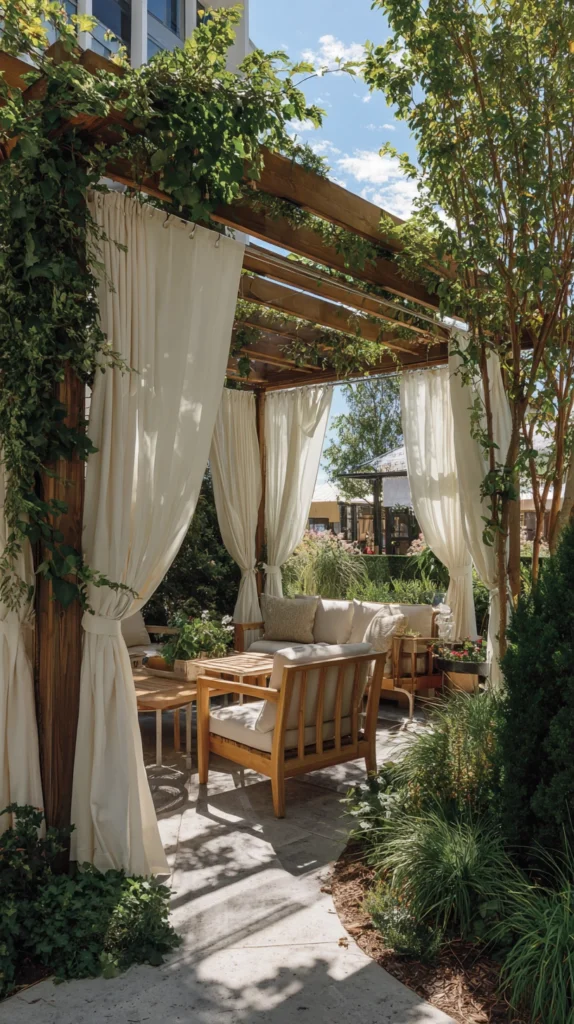
Borrowing inspiration from luxurious resort cabanas, outdoor curtains bring an elegant, breezy quality to garden privacy. Hang weather-resistant fabric panels from a pergola, gazebo, or simple wooden frame surrounding your patio or deck.
Choose lightweight materials that catch the breeze and create gentle movement—think flowing linen, canvas, or outdoor-grade sheers. The beauty of curtains lies in their flexibility; draw them closed for intimate dinner parties or privacy while lounging, then tie them back to open the space when you want connection with the broader garden.
White or cream fabrics create an ethereal, romantic atmosphere, while deeper tones like navy or charcoal add drama and sophistication. This solution feels temporary and light rather than permanent and heavy, maintaining that crucial sense of openness.
3. Layered Mixed Hedging: Natural Tapestry
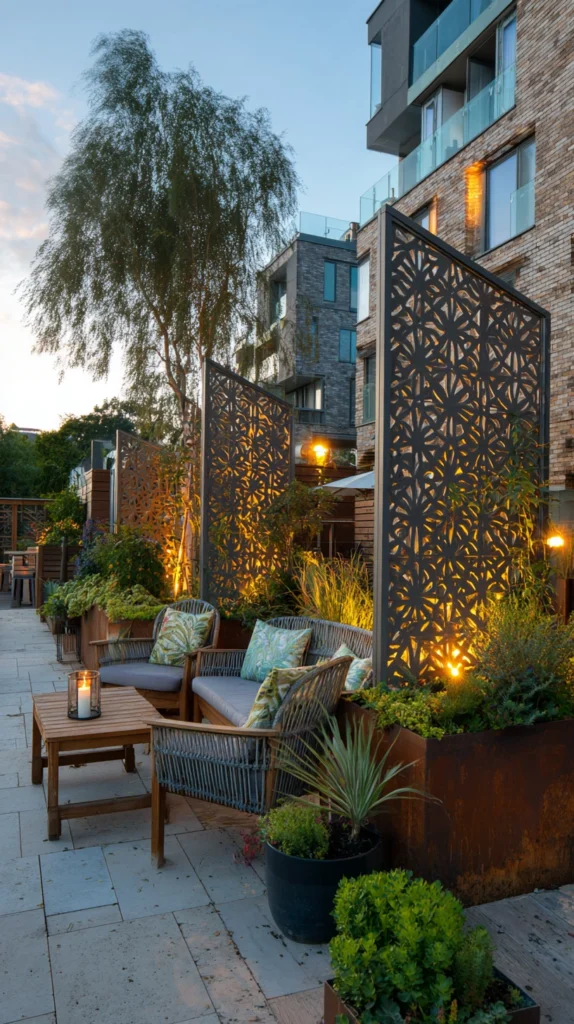
Instead of a single monotonous hedge line, create privacy through layered plantings that mimic natural woodland edges. Combine different heights, textures, and plant types—tall deciduous trees in the back, medium evergreen shrubs in the middle, and ornamental grasses or perennials in front. This approach creates depth and visual interest while gradually screening your space without harsh boundaries. Mix flowering shrubs like hydrangeas and rhododendrons with evergreens such as boxwood or yew.
Add ornamental grasses like maiden grass or feather reed grass that sway gracefully in the breeze. The varying heights and textures create a rich, tapestry-like effect that feels organic and inviting rather than fortress-like. This layering also ensures year-round interest with changing seasonal colors and textures.
4. Freestanding Decorative Screens: Movable Art
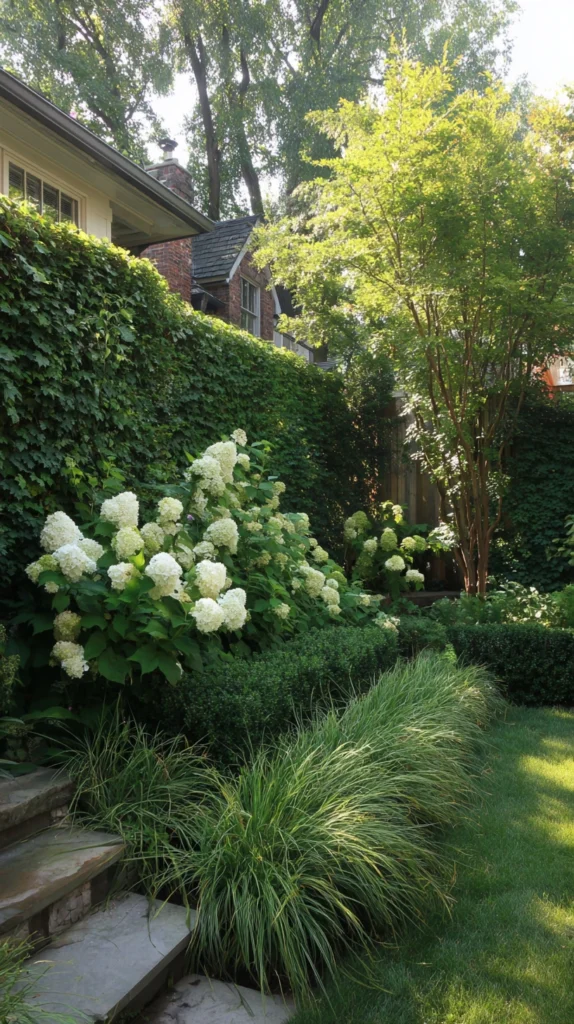
Ornamental freestanding screens offer privacy with artistic flair and complete flexibility. These standalone panels come in countless designs—from intricate laser-cut patterns inspired by Moroccan tiles to contemporary geometric designs or nature-inspired motifs. Position them strategically to block specific sightlines without enclosing your entire garden. The beauty of freestanding screens is their portability; rearrange them seasonally or as your entertaining needs change.
Choose screens with open patterns that allow light and air to filter through while still obscuring direct views. Metal screens develop beautiful patinas over time, while powder-coated options maintain crisp color. Place them at angles rather than in straight lines to create visual interest and a sense of discovery as you move through your garden.
5. Jasmine-Covered Trellises: Fragrant Boundaries
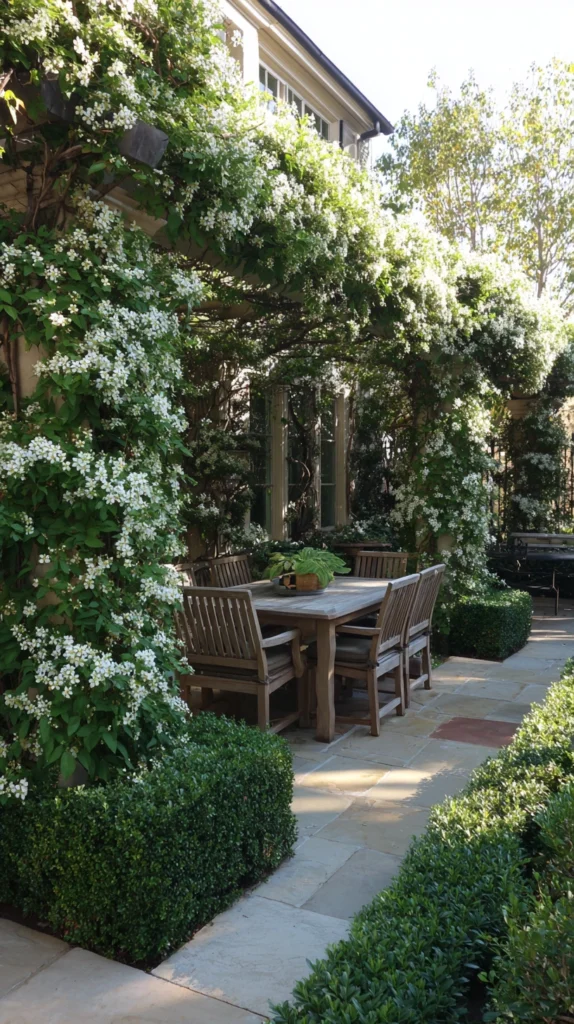
Train fast-growing jasmine vines over tall trellises to create fragrant, flowering privacy screens that feel anything but barrier-like. Both star jasmine and Confederate jasmine grow enthusiastically, quickly covering structures with glossy evergreen foliage and sweetly scented white blooms. Unlike solid fences, trellis-and-vine combinations maintain airflow and dappled light while creating visual separation.
The delicate star-shaped flowers and twining growth habit bring softness and romance to garden boundaries. Space multiple trellises along your property line for continuous coverage, or use single panels to define specific areas like outdoor dining spaces or reading nooks. The combination of structure and living greenery creates dimension and natural beauty that evolves throughout the seasons.
6. Sunken Garden Rooms: Privacy Through Elevation
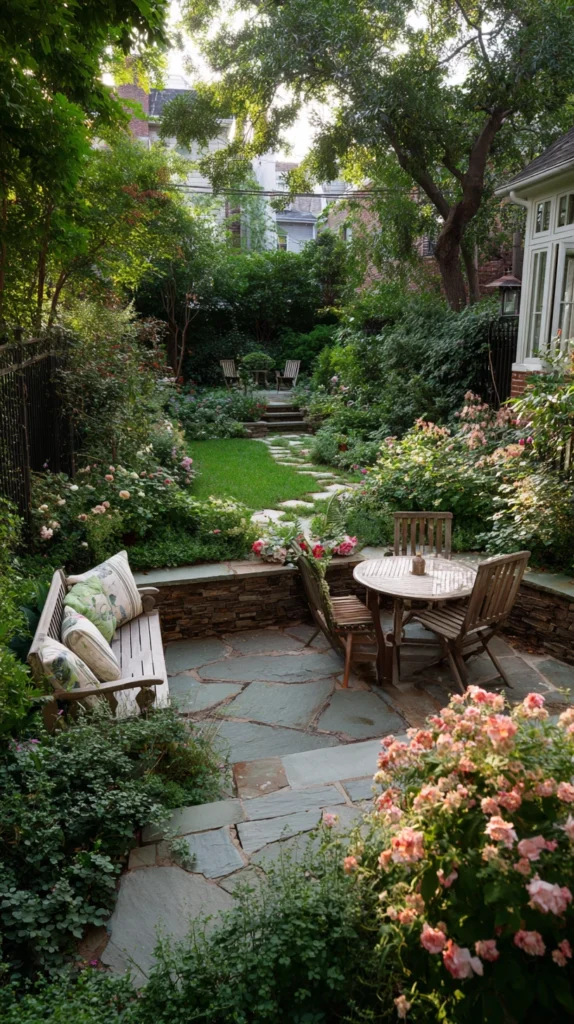
Creating sunken spaces within your garden provides privacy without vertical barriers. Lower a patio, seating area, or dining space by just 18 to 24 inches below the main garden level. From this lowered vantage point, surrounding garden beds, low walls, or simple plantings become surprisingly effective privacy screens.
The gentle grade change creates an intimate, cozy feeling without requiring tall fences or hedges that might cast unwanted shade. Edge your sunken space with stone walls topped with cushioned seating, or surround it with lush plantings that frame the space beautifully. This technique works particularly well in sloping gardens where you can carve terraces into the hillside, creating naturally private outdoor rooms at different levels.
7. Airy Pergolas with Climbing Vines: Overhead Enchantment
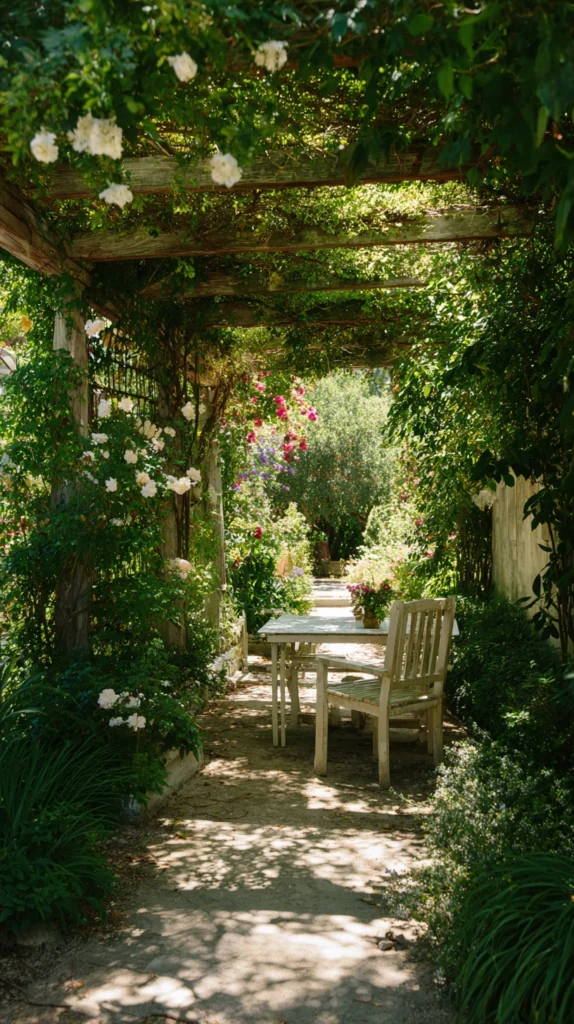
A pergola draped with flowering vines creates privacy from above while maintaining open sightlines at eye level—perfect for gardens overlooked by neighboring second-story windows. Train wisteria, clematis, or grape vines across the horizontal beams to create a living ceiling that filters sunlight and provides gentle overhead screening.
The dappled shade created by vine-covered pergolas feels romantic and garden-like rather than heavy or closed-in. The open-beam structure maintains airflow and prevents that trapped feeling while the leafy canopy offers surprising privacy and protection. Choose vines suited to your climate and maintenance preferences—some require regular pruning while others ramble freely with minimal intervention.
8. Tall Ornamental Grasses: Graceful Movement
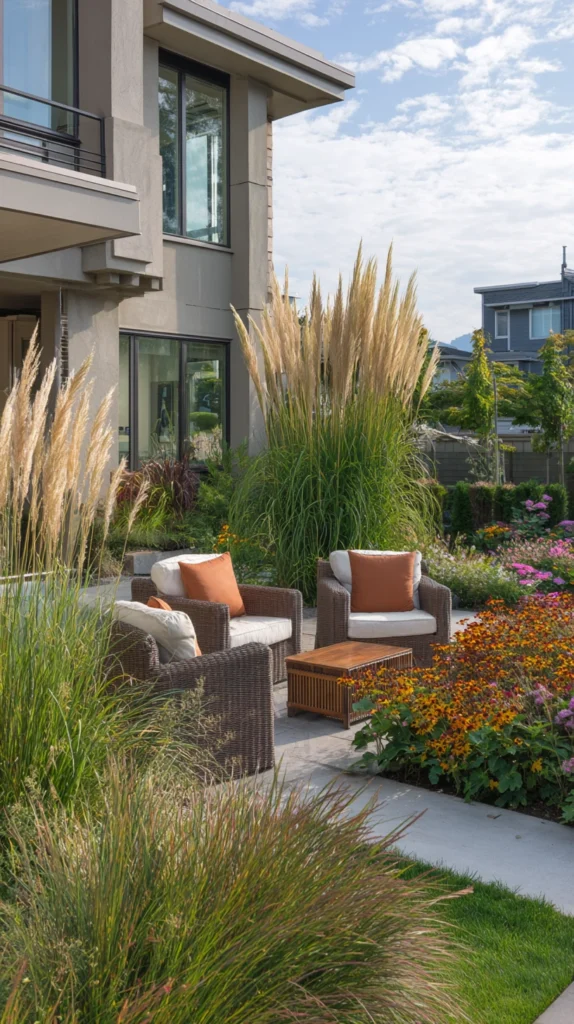
Few plants create privacy with as much grace and movement as tall ornamental grasses. Varieties like maiden grass, feather reed grass, or giant miscanthus grow tall enough to screen views while their feathery plumes and slender leaves sway beautifully in the breeze. Unlike rigid hedges or solid fences, grasses bring constant motion and sound to your garden—their rustling creates peaceful white noise that masks neighboring conversations.
Plant them in sweeping drifts along boundaries or group them in large containers on patios for movable privacy. Their vertical, fountain-like growth habit draws the eye upward while their light, airy texture prevents any feeling of enclosure. Many grasses also provide year-round interest, maintaining their structure and golden colors throughout winter.
9. Antique Windows and Doors: Whimsical Illusion
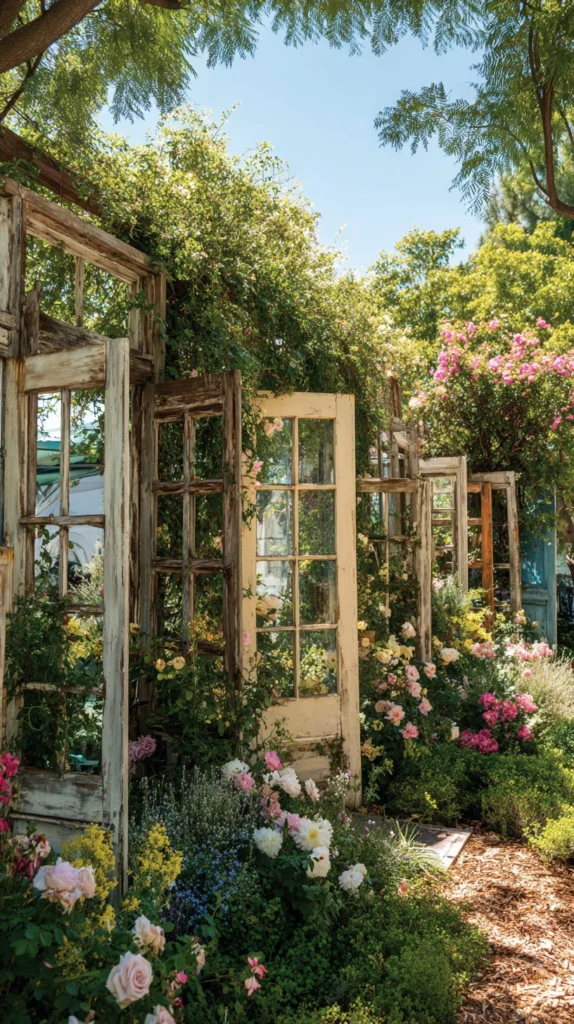
Repurposed vintage windows, doors, and architectural salvage create charming privacy screens with character and history. Arrange old window frames, shutters, or ornate doors along garden edges or use them to define outdoor rooms within larger spaces. These pieces create visual barriers while their glass panes and open frameworks maintain light and views.
The illusion of privacy often works as effectively as actual screening—these architectural elements suggest separation and enclosure while remaining visually permeable. Paint them in soft whites or leave them weathered for rustic charm. Lean them against posts, hang them from pergola beams, or build simple frames to hold them upright. This approach adds vintage romance and personality while keeping spaces feeling open and accessible.
10. Bamboo Screens: Tropical Serenity
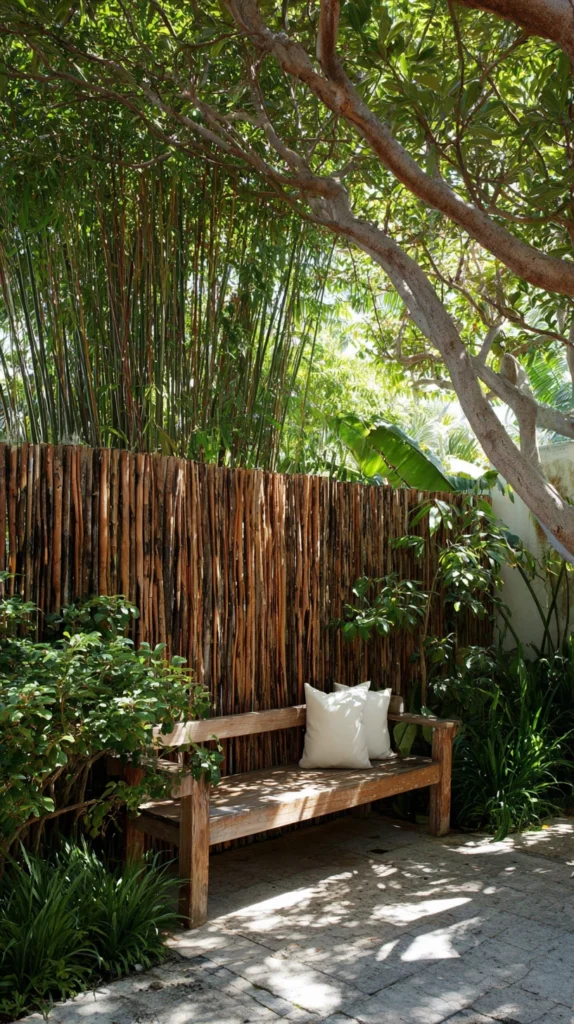
Bamboo brings instant zen-like tranquility and effective privacy to garden spaces. Both living bamboo hedges and bamboo panel screens create tall, graceful barriers that feel natural and organic. For contained growth, choose clumping varieties like bamboo muhly rather than aggressive running types, or plant in large containers. Bamboo’s distinctive vertical lines and gentle rustling create a calming, resort-like atmosphere.
The narrow leaves filter light beautifully, creating dappled patterns while the dense growth provides excellent visual screening. Bamboo panels or fencing made from bamboo poles offer similar aesthetic benefits without the commitment of living plants. The warm honey tones and natural texture of bamboo bring warmth and exotic appeal to garden boundaries.
11. Espalier Fruit Trees: Productive Beauty
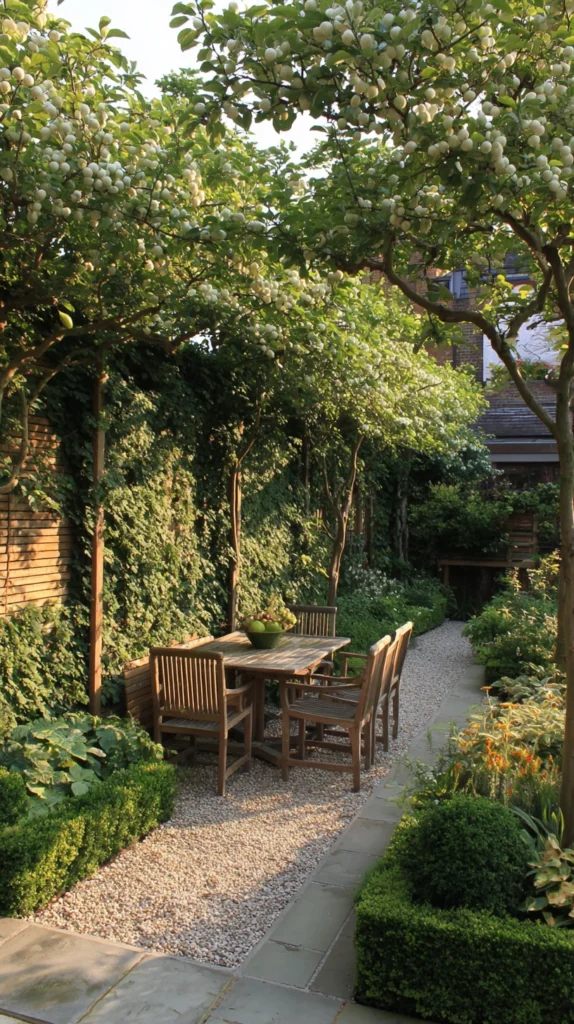
Espaliered trees—trained to grow flat against walls, fences, or freestanding wire frameworks—create living privacy screens that are both beautiful and productive. Apple, pear, and fig trees adapt particularly well to this formal training method.
The horizontal branching pattern creates substantial visual screening while maintaining a slim profile perfect for narrow spaces. In spring, these living screens burst into bloom; in fall, they produce fruit while displaying gorgeous foliage color.
The structured formality of espalier adds architectural interest and sophistication to garden boundaries without the bulk of traditional trees. This centuries-old technique brings European garden romance to modern spaces while maximizing limited square footage with productive plants.
12. Sail Shades: Contemporary Airiness
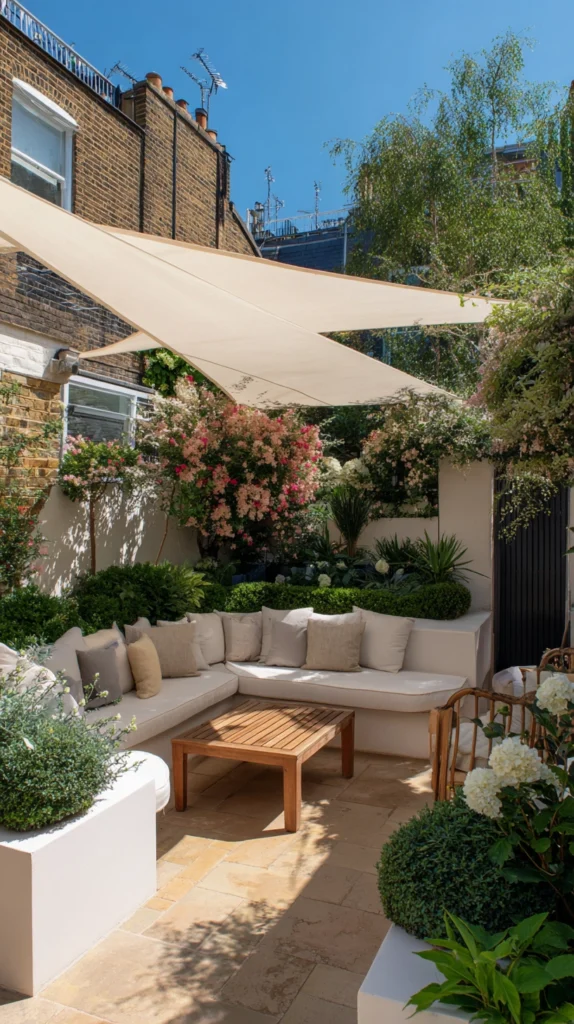
Modern shade sails stretched overhead provide privacy from upper-story neighbors while adding contemporary sculptural interest to your garden. These tensioned fabric canopies come in various shapes, sizes, and colors, from classic cream to bold jewel tones.
Their angular geometry creates dramatic visual interest while providing genuine overhead screening. Shade sails allow air circulation beneath them and can be removed seasonally if desired. The stretched fabric creates defined outdoor rooms without walls, establishing intimate spaces within larger gardens.
Layer multiple sails at different heights and angles for added visual complexity and improved coverage. This solution works particularly well in modern or minimalist gardens where clean lines and simple materials reign.
13. Mixed Container Gardens: Portable Privacy
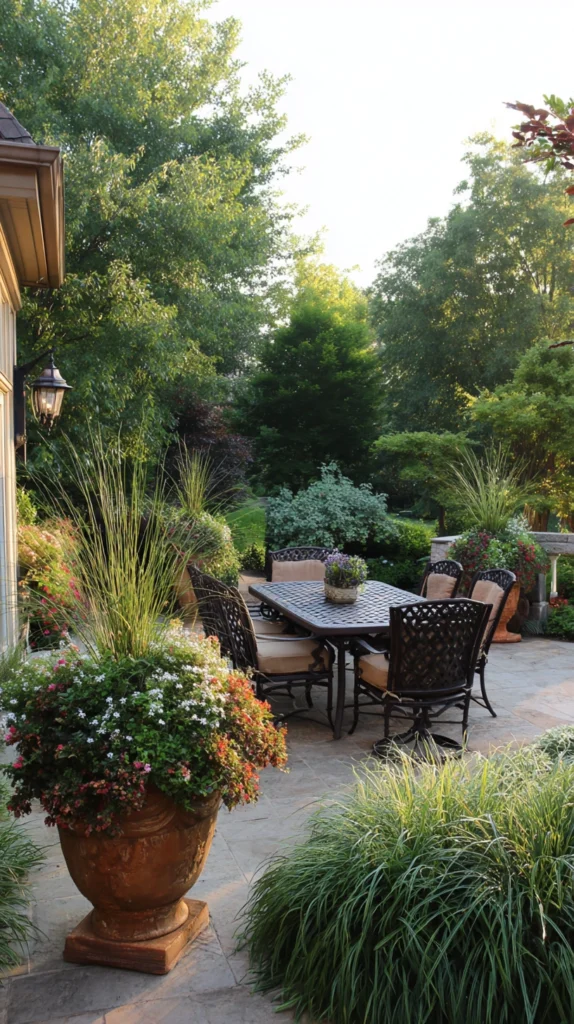
Large planters filled with tall shrubs, small trees, or bamboo create flexible privacy screens you can rearrange as needs change. Group containers in clusters along deck edges, patio perimeters, or to block specific sightlines. The mobility of container gardens means you can adjust your privacy as seasons change or as you entertain differently.
Choose substantial planters—at least 18 to 24 inches in diameter—to support healthy root growth for larger plants. Mix heights and textures for visual interest: tall evergreens for structure, flowering shrubs for seasonal color, and trailing plants to soften container edges. Container gardens bring privacy exactly where you need it without the permanence of in-ground plantings, making them perfect for renters or those who enjoy changing their garden layout.
14. Pleached Trees: Formal Elegance
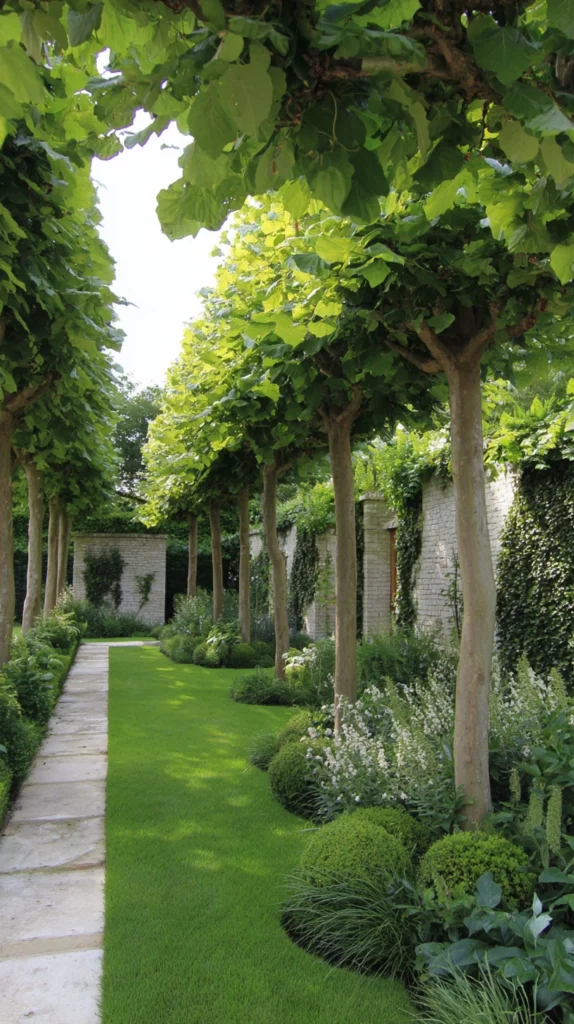
Pleaching is a technique where trees are trained to form elevated hedges on clear trunks—imagine a hedge on stilts. This creates privacy at eye level and above while maintaining open space and airflow below. Hornbeam, linden, and plane trees work beautifully for pleaching. The formal, architectural quality adds sophisticated European garden style while the elevated canopy provides screening without ground-level bulk.
The clear trunks beneath allow garden views, light penetration, and easy movement while the interwoven branches above create a living screen. This technique requires patience and professional training but creates a stunning, unique privacy solution that feels both structured and organic. The formal geometry pairs beautifully with contemporary design while honoring classical garden traditions.
15. Decorative String and Hanging Elements: Ethereal Separation
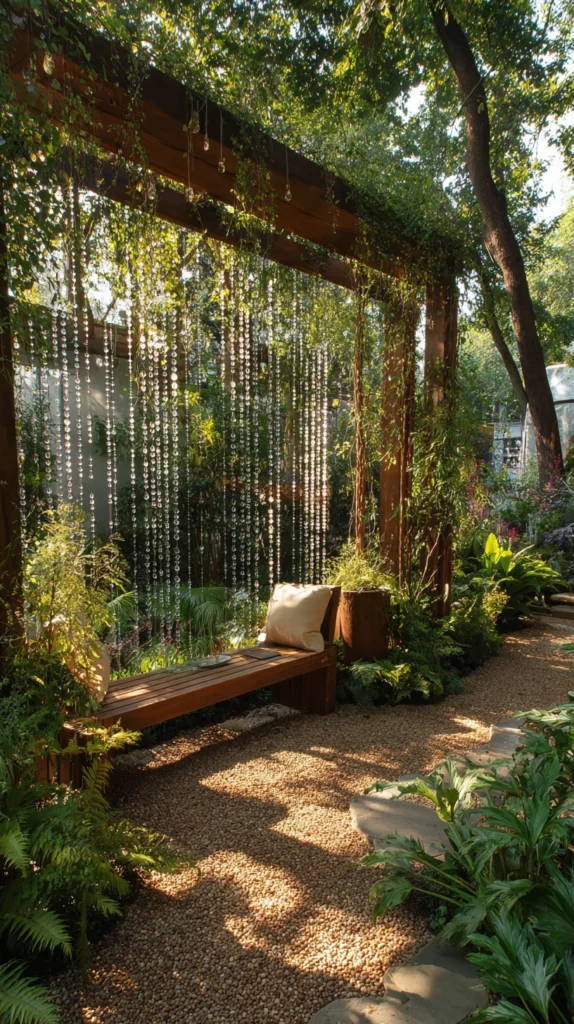
Create the illusion of privacy through suspended decorative elements that define space without blocking it. String together beautiful objects—shells, crystals, glass beads, or even air plants—and hang them from pergola beams, tree branches, or simple wire frameworks. These ethereal curtains shimmer and move in the breeze, creating visual separation and gentle sound while maintaining complete transparency.
The psychological effect of defined boundaries often provides sufficient privacy even when actual screening is minimal. This approach works wonderfully for creating intimate nooks within larger gardens or defining outdoor dining areas without heavy barriers. The reflective qualities of hanging elements catch and scatter light beautifully, adding sparkle and magic to your secret garden. This is privacy as art—functional, flexible, and utterly romantic.
Creating Your Secret Garden Sanctuary
The key to romantic garden privacy lies in layering multiple techniques and embracing natural materials that soften and beautify rather than simply block and divide. The most successful secret gardens use combinations of these ideas—perhaps climbing roses on a trellis backed by mixed shrubs, or a pergola with curtains surrounded by ornamental grasses.
This layered approach creates depth and interest while providing effective screening that doesn’t feel heavy-handed.
Consider Your Garden’s Microclimates: Before selecting privacy solutions, observe how sun and wind move through your space. Place evergreen screens where you need year-round coverage and deciduous options where winter sun penetration matters. Position pergolas and overhead elements where afternoon shade would be welcome.
Think in Layers: The most romantic gardens reveal themselves gradually. Create privacy through multiple soft layers rather than single solid barriers. This might mean a low flowering hedge in front of a trellis with vines, backed by small trees—each layer adding coverage while maintaining airflow and light.
Embrace Seasonal Change: Gardens that transform throughout the year feel alive and dynamic rather than static and enclosed. Choose privacy plants that offer spring flowers, summer foliage, fall color, and winter structure. This seasonal evolution keeps your secret garden feeling fresh and prevents visual monotony.
Add Sensory Elements: True secret gardens engage all the senses. Incorporate fragrant plants like jasmine, roses, or lavender. Add water features that provide soothing sound and mask neighborhood noise. Choose plants with interesting textures that invite touching. These sensory layers increase the romance factor while making your private space genuinely restorative.
Create Destinations: Privacy screens become more purposeful when they define spaces with intention. Place a bench in a rose-covered alcove, nestle a small table under a vine-draped pergola, or create a reading nook enclosed by ornamental grasses. These destination spots give reason and meaning to your privacy elements.
Light Your Private Spaces: Extend the usability of your secret garden into evening hours with thoughtful lighting. String lights woven through pergolas, uplights highlighting trees, or lanterns hanging from branches create magical ambiance while making private spaces feel welcoming rather than dark and isolated.
Maintain Accessibility: Even secret gardens need maintenance. Ensure you can reach climbing plants for pruning, access containers for watering, and navigate behind hedges if needed. Design privacy solutions with maintenance access in mind to keep your sanctuary looking beautiful with reasonable effort.
Respect Boundaries: While creating privacy, be mindful of neighbors. Ensure your solutions don’t cast excessive shade into neighboring yards, drop leaves or debris where they’ll cause annoyance, or create imposing barriers that feel aggressive rather than beautiful. The most successful privacy gardens are good neighbors—they create personal retreat without creating conflict.
The Romance of Privacy
What makes a secret garden truly romantic isn’t just seclusion—it’s the sense of discovery, the layering of beauty, and the feeling of stepping into a different world. Privacy becomes romantic when it’s achieved through living, growing, flowering things rather than stark barriers. When light filters through vine-covered trellises, when curtains catch the breeze, when grasses sway and whisper, when roses perfume the air—these are the elements that transform functional privacy into genuine enchantment.
Your secret garden should feel like a privilege to enter, a place where the outside world fades and a more beautiful, peaceful reality takes over. It should invite exploration and reward attention with changing details throughout seasons and years.
By choosing privacy solutions that add beauty, fragrance, texture, and movement rather than simply blocking views, you create outdoor spaces that feel generous rather than guarded, expansive rather than confined.
The most successful secret gardens balance privacy with openness, seclusion with accessibility, structure with natural growth. They provide genuine escape and restoration while remaining connected to the larger landscape.
With thoughtful selection and layering of these romantic privacy ideas, your garden can become the enchanted sanctuary you’ve always dreamed of—a place where privacy feels like poetry rather than protection, where boundaries become beautiful, and where stepping outside means stepping into your own secret world.