
The Fastest Way to Degrease Kitchen Cabinets
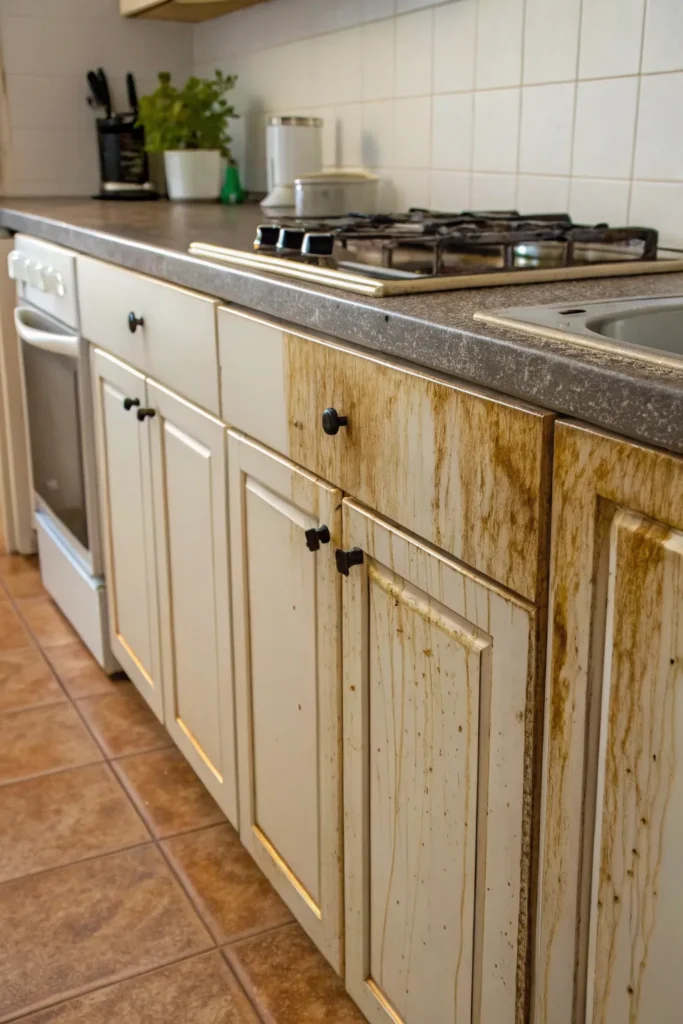
Kitchen cabinets get disgusting. Every time you cook, tiny droplets of grease float through the air and land on your cabinets. Over weeks and months, they build up into a sticky, gross film.
Touch the cabinets near your stove. Feel that tacky, slightly oily texture? That’s grease. It attracts dust, makes everything look dingy, and gets worse the longer you ignore it.
Most people dread cleaning cabinets because it seems like a huge project. But it doesn’t have to take all day. With the right method, you can degrease your cabinets in under an hour.

Why Regular Cleaners Don’t Work on Grease
You’ve probably tried spraying your cabinets with all-purpose cleaner. You wipe and wipe, but the grease just smears around. The cloth gets dirty but the cabinets still feel sticky.
Here’s why: grease is oil-based. Most cleaners are water-based. Oil and water don’t mix. You need something that can break down the oil molecules.
What doesn’t work:
- Plain water
- Regular all-purpose spray
- Glass cleaner
- Disinfecting wipes
- Paper towels (they just push grease around)
What you actually need:
- A degreasing agent
- Something alkaline to cut through oil
- A good scrubbing tool
- The right technique
The Fastest Degreasing Method: Dish Soap Solution
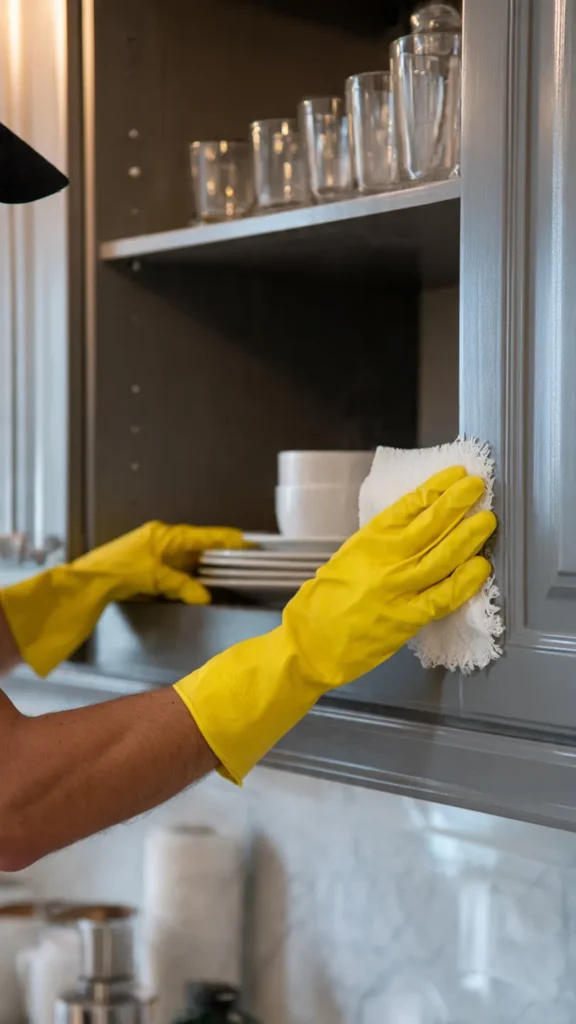
The quickest and easiest way to degrease cabinets uses something you already have: dish soap.
Dish soap is designed to cut through grease on pots and pans. It works just as well on cabinets. And it’s safe for most cabinet finishes.
What you need:
- Dish soap (Dawn works best)
- Warm water
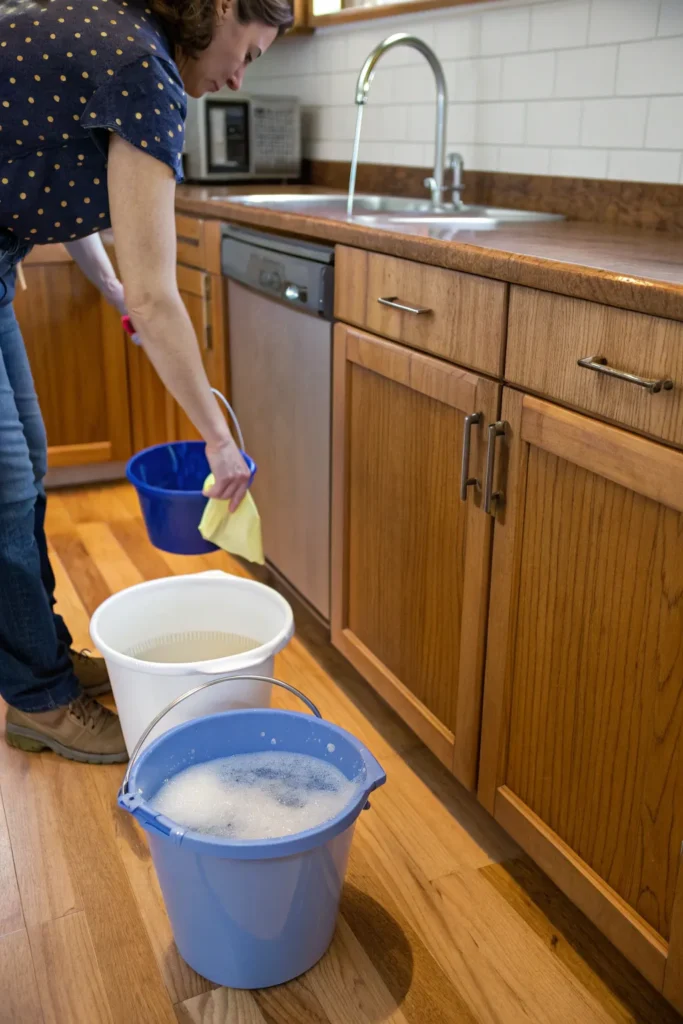
- Two buckets or bowls
- Microfiber cloths or sponges
- Clean towels for drying
The process (30-45 minutes for average kitchen):
Step 1: Mix your cleaning solution
Fill a bucket with warm water—not hot, not cold. Add 2-3 tablespoons of dish soap. Mix it gently so it’s sudsy but not overflowing with bubbles.
Fill a second bucket with plain warm water for rinsing.
Step 2: Start from the top
Always clean top to bottom. If you start at the bottom, dirty drips will run down onto clean surfaces.
Dip your cloth in the soapy water and wring it out. You want it damp, not dripping wet. Too much water can damage wood cabinets.
Step 3: Wipe in sections
Work on one cabinet door at a time. Wipe in the direction of the wood grain if you have wood cabinets.
Use small circular motions on greasy spots. Don’t scrub hard—let the soap break down the grease.
Step 4: Rinse immediately
Don’t let the soap dry on the cabinets. Use a cloth dipped in plain water to wipe away the soap.
Wring out the rinse cloth well. Again, you want damp, not wet.
Step 5: Dry right away
Use a clean, dry towel to wipe each section as you finish it. This prevents water spots and streaks.
It also lets you see if you missed any greasy spots. If you still see film, repeat the washing step on that area.
Step 6: Don’t forget the handles
Cabinet handles and knobs collect tons of grease from your hands. Scrub them with the soapy cloth.
For metal hardware, you can remove it and soak it in the soapy water for 10 minutes, then scrub and dry.
The Heavy-Duty Method: Baking Soda Paste
For cabinets that haven’t been cleaned in months (or years), dish soap alone might not cut it. You need something stronger.
Baking soda paste works on tough, built-up grease without damaging cabinet finishes.
What you need:
- Baking soda
- Water
- Small bowl
- Soft cloth or sponge
- Warm water for rinsing
- Dry towels
The process:
Step 1: Make a thick paste
Mix 3 parts baking soda with 1 part water. It should be like thick toothpaste.
You want it thick enough to stick to vertical surfaces without dripping.
Step 2: Apply to greasy areas
Use your fingers or a cloth to spread paste on the greasiest spots. These are usually:
- Areas above the stove
- Cabinet edges and corners
- Around handles where hands touch
- The top edges of upper cabinets
Step 3: Let it sit for 5-10 minutes
The paste needs time to break down the grease. Don’t rush this step.
While it sits, you can work on other cabinets with the dish soap method.
Step 4: Scrub gently
Use a damp cloth to scrub the paste in small circles. The baking soda provides gentle abrasion that lifts grease.
Don’t scrub too hard on painted or laminate cabinets. Let the paste do the work.
Step 5: Rinse thoroughly
Wipe away all the paste with a cloth dipped in clean water. Rinse your cloth frequently.
Baking soda leaves a white residue if you don’t rinse it completely.
Step 6: Dry completely
Use a clean towel to dry the surface. Make sure you get all the moisture out of corners and crevices.
The Vinegar Boost for Stubborn Grease
Sometimes you need extra power. Adding vinegar to your routine can help with grease that won’t budge.
Two ways to use vinegar:
Method 1: Vinegar spray after cleaning
After washing cabinets with dish soap:
- Spray white vinegar on a clean cloth
- Wipe down the cabinets
- The vinegar cuts any remaining grease
- Dry immediately with a towel
Method 2: Vinegar and baking soda combo
For the toughest grease:
- Sprinkle baking soda on the greasy area
- Spray vinegar over it (it will fizz)
- Let it sit for 5 minutes
- Scrub with a damp cloth
- Rinse well with clean water
- Dry completely
Important: Don’t use vinegar on natural stone or marble surfaces. It can etch and damage them.
Speed Tips to Cut Your Time in Half
Tip 1: Use two people
One person washes, the other rinses and dries right behind them. You’ll finish in half the time.
Tip 2: Work in assembly-line fashion
Do all the washing first, then all the rinsing, then all the drying. This is faster than completing one section at a time.
Tip 3: Focus on high-traffic areas only
You don’t need to clean every cabinet every time. Focus on:
- Cabinets near the stove (greasiest)
- Cabinets you touch most often
- Visible surfaces at eye level
Clean the rest every few months.
Tip 4: Use a spray bottle
Put your dish soap solution in a spray bottle. Spray sections as you go instead of dipping your cloth. It’s faster.
Tip 5: Clean in good lighting
Natural light or a bright lamp helps you see grease you might otherwise miss. You won’t have to go back and re-clean.
Tip 6: Remove everything from counters first
Clear the counters so you can work freely. You’ll move faster without things in your way.
What NOT to Use on Kitchen Cabinets
Some cleaners can damage your cabinets permanently. Avoid these:
Never use:
- Bleach (strips finish and discolors wood)
- Ammonia (too harsh for most finishes)
- Abrasive scouring powders
- Steel wool or rough scrubbers
- Oil-based polishes (they attract more grease)
- Furniture polish (leaves residue)
Be careful with:
- Vinegar on wood (use sparingly)
- Too much water (causes swelling and damage)
- Scrubbing painted cabinets too hard
- Commercial degreasers (test first in hidden spot)
When in doubt, stick with dish soap and water. It’s the safest choice for all cabinet types.
Cleaning Different Cabinet Types
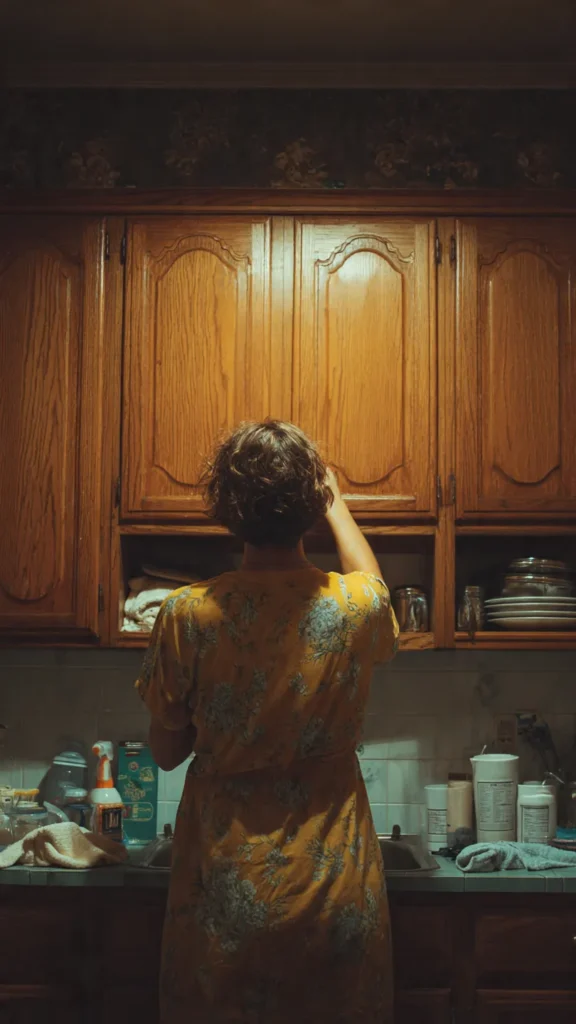
Wood cabinets:
- Use minimal water
- Always dry immediately
- Follow the grain when wiping
- Don’t let water sit in crevices
- Condition occasionally with wood oil
Painted cabinets:
- Be gentle—paint can chip
- Don’t scrub hard
- Use less abrasive methods
- Avoid harsh chemicals
- Touch up chips before cleaning
Laminate cabinets:
- Can handle more moisture than wood
- Avoid abrasive scrubbers
- Don’t use anything too acidic
- Dry edges thoroughly to prevent peeling
Glass-front cabinets:
- Clean glass with vinegar and water
- Use dish soap on frames
- Dry glass to prevent streaks
- Clean inside and outside
Dealing with Really Bad Grease Buildup
If your cabinets haven’t been cleaned in years, one cleaning might not be enough.
For extreme buildup:
First pass:
- Use baking soda paste on the worst areas
- Let sit for 15 minutes
- Scrub gently
- Rinse and dry
Second pass:
- Wash with dish soap solution
- Rinse thoroughly
- Dry completely
Third pass (if needed):
- Spray with diluted vinegar
- Wipe clean
- Dry immediately
For sticky residue that won’t budge:
- Make a paste of baking soda and dish soap
- Apply and let sit for 20 minutes
- Scrub with a soft brush
- Rinse multiple times
- May need to repeat
Sometimes old grease has basically become glued on. It might take two or three cleaning sessions to remove it all.
Preventing Grease Buildup
The fastest way to clean cabinets is to keep them from getting too greasy in the first place.
Prevention tips:
Use your range hood:
- Turn it on every time you cook
- It captures grease before it settles
- Clean the hood filter monthly
Wipe cabinets weekly:
- Quick wipe with dish soap and water
- Takes 5 minutes
- Prevents major buildup
Clean spills immediately:
- Grease is easier to remove when fresh
- Don’t let it sit and harden
- Keep cleaning supplies handy
Use splatter guards:
- Cover pans when frying
- Reduces airborne grease
- Protects cabinets near stove
Keep kitchen ventilated:
- Open windows when cooking
- Run exhaust fan
- Reduces grease in the air
Quick Cleaning Schedule
Weekly (5 minutes):
- Wipe cabinets near stove
- Quick wipe of handles
- Prevents buildup
Monthly (15 minutes):
- Clean all visible cabinet fronts
- Deep clean handles and hardware
- Wipe tops of upper cabinets
Quarterly (30-45 minutes):
- Deep clean all cabinets
- Inside and outside
- Remove and clean hardware
Yearly:
- Deep clean inside cabinets
- Reorganize as you clean
- Check for damage or wear
Regular light cleaning is faster than occasional heavy cleaning.
Common Mistakes That Waste Time
Mistake 1: Using too much water
Dripping wet cloths take forever to dry and can damage cabinets. Use damp cloths only.
Mistake 2: Not changing cleaning water
Once your soapy water is gray and greasy, it’s not cleaning anymore. Change it when it gets dirty.
Mistake 3: Skipping the rinse step
Soap residue attracts dirt and makes cabinets sticky. Always rinse.
Mistake 4: Cleaning in bad lighting
You’ll miss spots and have to re-clean. Use good light from the start.
Mistake 5: Trying to clean everything at once
It’s overwhelming and you’ll burn out. Focus on the greasiest areas first.
Mistake 6: Using dirty cloths
A greasy cloth just spreads grease around. Use clean cloths and rinse them often.
The 15-Minute Quick Clean
Don’t have time for a full clean? Do this quick version:
Supplies:
- Spray bottle with dish soap solution
- Two microfiber cloths
- Dry towel
Process:
- Spray one section at a time
- Wipe with damp cloth
- Dry immediately
- Move to next section
- Focus only on visible surfaces
Priority areas:
- Cabinet fronts near the stove
- Handles and knobs
- Areas at eye level
- Any visible drips or spots
This maintenance clean keeps things under control between deep cleans.
The Bottom Line
Degreasing kitchen cabinets doesn’t have to be an all-day project. With the right method, you can do it quickly and effectively.
The fastest method:
- Mix dish soap and warm water
- Wash cabinets with damp cloth
- Rinse with clean water
- Dry immediately
- 30-45 minutes for most kitchens
For tough grease:
- Use baking soda paste
- Let it sit 5-10 minutes
- Scrub gently
- Rinse thoroughly
Keys to speed:
- Start at the top, work down
- Use the right tools (microfiber cloths)
- Don’t skip the drying step
- Clean regularly to prevent buildup
What works:
- Dish soap (best all-around choice)
- Baking soda (for heavy buildup)
- Vinegar (as a booster)
- Elbow grease and patience
What doesn’t work:
- Harsh chemicals
- Too much water
- Abrasive scrubbers
- Skipping steps
The secret is consistency. Weekly quick cleans beat marathon cleaning sessions. Five minutes a week is easier than an hour every few months.
Start now:
- Grab dish soap and warm water
- Get two cloths and a towel
- Start with the cabinets near your stove
- Work your way around the kitchen
Your cabinets will look cleaner, feel smoother, and your whole kitchen will look better. And you’ll be done before you know it.