
15 Wildflower Meadow Garden Ideas
There’s something deeply romantic about wildflower meadows—those naturalistic sweeps of color that dance in the breeze, buzzing with pollinators and changing with the seasons. They evoke countryside landscapes and cottage gardens while offering practical benefits like low maintenance, environmental sustainability, and year-round visual interest.
The beauty of wildflower meadows is their accessibility—you don’t need rolling acres to create one. A small corner of your backyard, a strip along your fence line, or even containers can accommodate these free-spirited plantings.
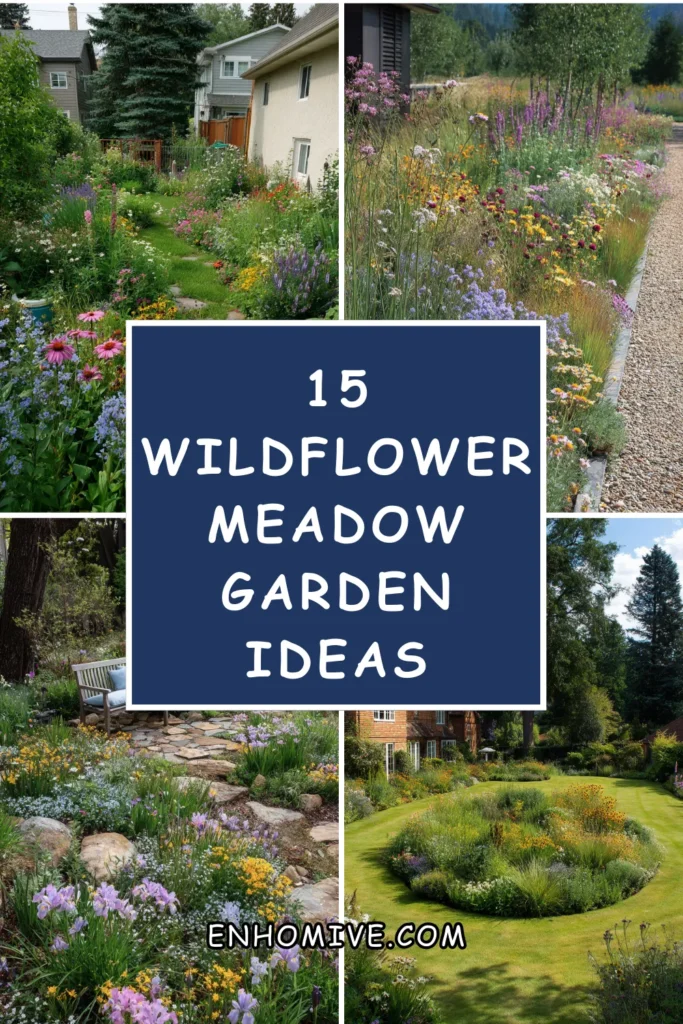
Whether you’re looking to replace high-maintenance lawns, support local ecosystems, or simply add natural beauty to your outdoor space, these 15 wildflower meadow garden ideas will inspire you to embrace the untamed elegance of meadow gardening.
1. Replace Lawn with Native Meadow: Sustainable Transformation
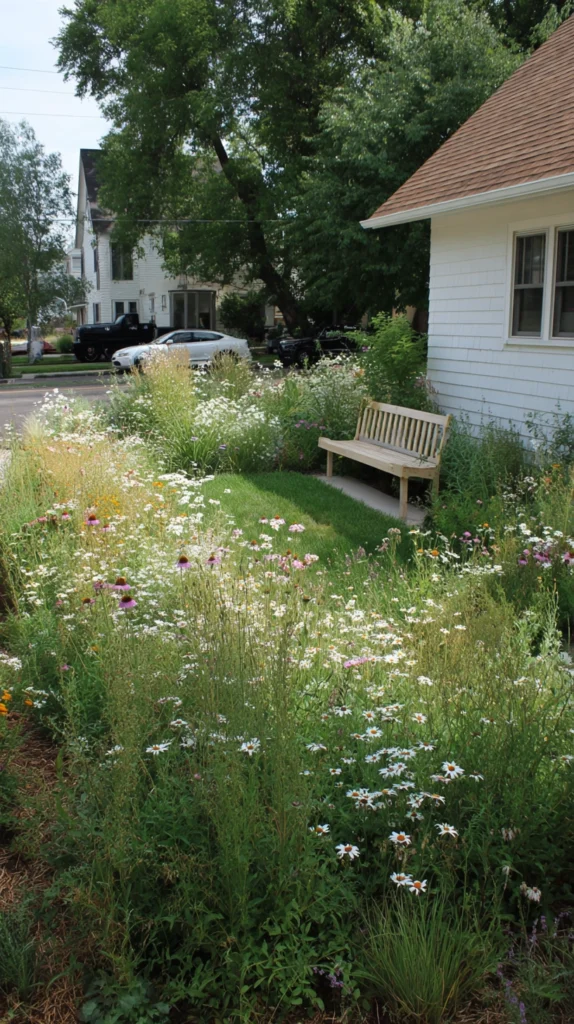
The most impactful wildflower meadow idea is replacing traditional turf grass with native wildflowers and grasses. Lawns demand constant mowing, watering, fertilizing, and chemical treatments—all resource-intensive practices with environmental consequences. A native meadow, by contrast, thrives on neglect once established.
Choose wildflower species native to your region—they’re adapted to local conditions, require minimal water after establishment, and support local pollinator populations. The transformation process involves killing existing grass, preparing the soil by removing fertility if needed, and sowing native seed mixes in fall or spring.
The result is a living landscape that changes throughout seasons, provides wildlife habitat, and requires just one or two mowings per year rather than weekly maintenance.
2. Mowed Pathways Through Meadow: Structured Wildness
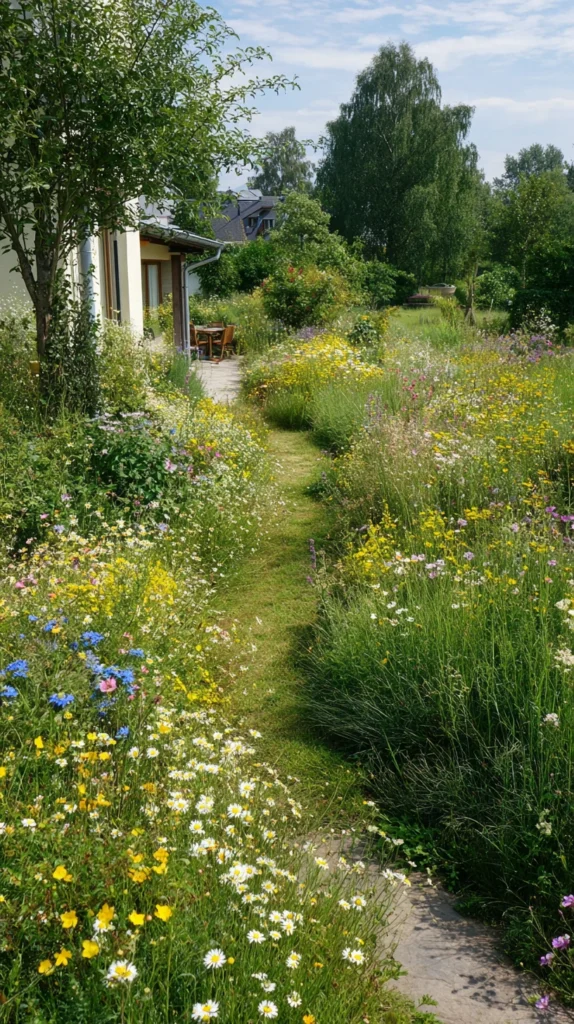
One of the most effective ways to make wildflower meadows feel intentional rather than neglected is incorporating mowed pathways that wind through the plantings. These manicured paths create strong visual contrast against the wild meadow flowers, demonstrating that your meadow is a deliberate design choice rather than accidental overgrowth.
The paths invite exploration and movement through your meadow, encouraging intimate interaction with the flowers and pollinators. Curve your pathways organically rather than creating straight lines—this enhances the natural aesthetic while making your property feel larger by preventing you from seeing the entire space at once. Mow paths regularly throughout the growing season while letting the meadow itself grow freely until late summer cutting.
3. Spring Bulb Integration: Extended Season Interest
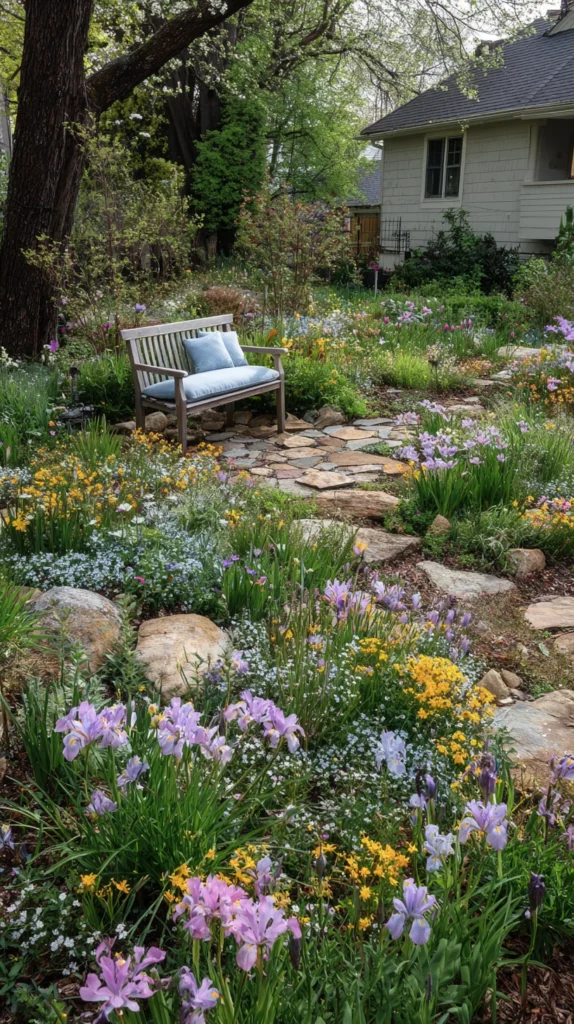
Enhance your wildflower meadow by planting spring-flowering bulbs throughout the area before establishing your meadow plants. Naturalized bulbs like daffodils, crocuses, species tulips, and camassias provide early season color when most meadow wildflowers haven’t yet emerged.
These bulbs bloom, fade, and go dormant just as summer wildflowers take over, creating seamless seasonal succession. The bulbs naturalize over time, multiplying and spreading to create increasingly impressive spring displays.
This layering approach ensures your meadow provides visual interest from early spring through fall rather than looking bare for months. Choose bulbs that complement your color scheme and are appropriate for naturalizing in your climate zone.
4. Container Meadows: Small-Space Solutions
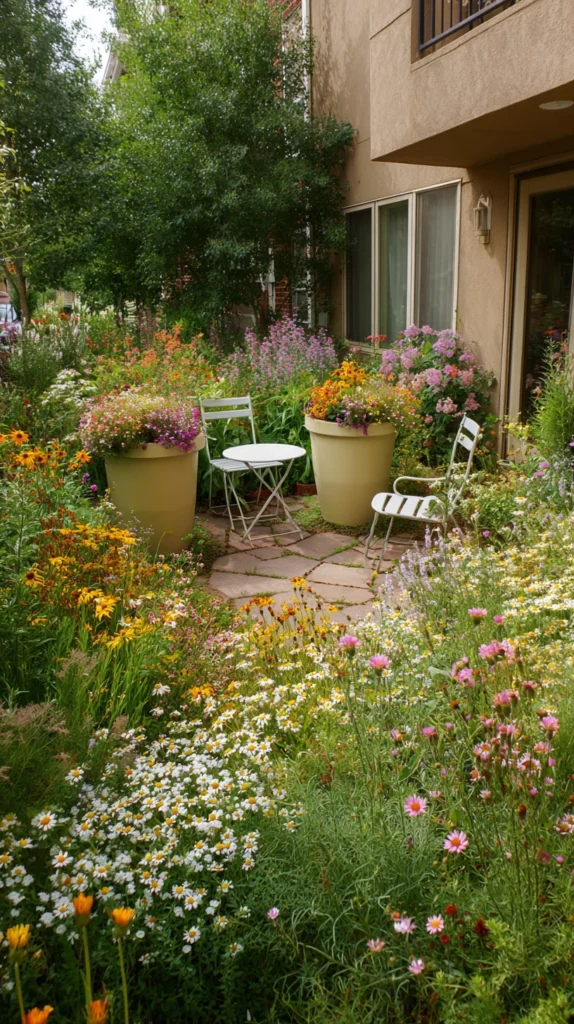
Even without in-ground space, you can enjoy wildflower meadows by planting them in large containers. Use substantial pots at least 18 to 24 inches in diameter, fill them with quality potting mix, and sow wildflower seed mixes suitable for your region.
Container meadows work beautifully on patios, balconies, or alongside traditional garden beds. They provide the naturalistic beauty of meadows in manageable, movable formats. Choose a mix of heights and textures—taller flowers like cosmos and black-eyed Susans, medium-height blooms like coreopsis and bachelor buttons, and low-growing varieties that soften container edges.
Container meadows require more regular watering than in-ground meadows but still offer easier maintenance than traditional container plantings with high-maintenance annuals.
5. Cornfield Annual Mix: Instant Color
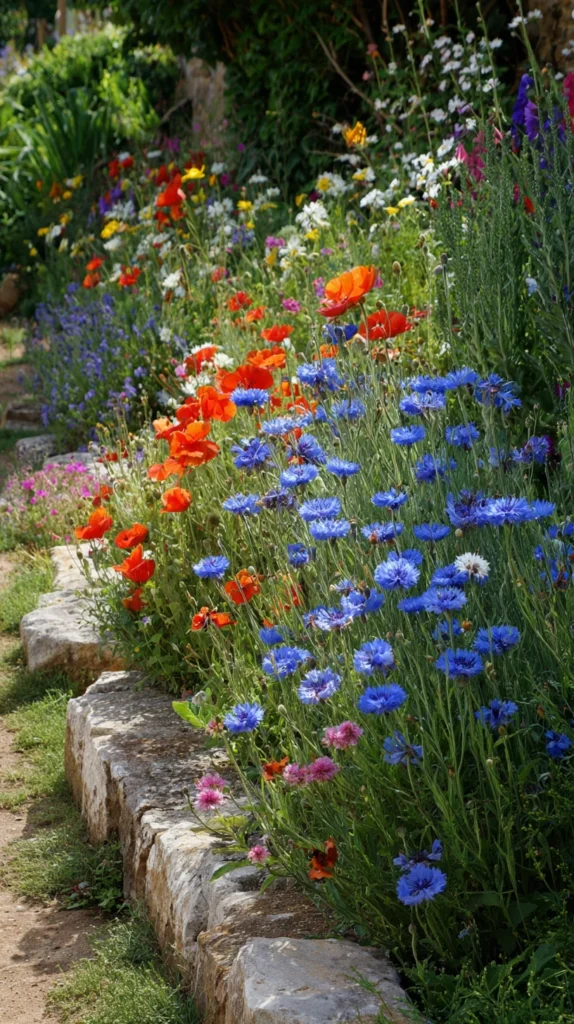
For immediate gratification and high-impact color, plant annual wildflower mixes reminiscent of traditional European cornfields. These vibrant combinations typically include corn poppies, cornflowers, corn marigolds, and other quick-blooming annuals that flower within weeks of germination and continue blooming until frost.
Annual meadows work particularly well in areas with rich soil where perennial meadows struggle—the annuals thrive on fertility that would cause grasses to dominate perennial mixes. While you’ll need to replant annually, the spectacular color display and ease of establishment make this approach worthwhile. Annual meadows also work well as temporary plantings while you prepare areas for longer-term perennial meadows.
6. Perennial Meadow Foundation: Long-Term Investment
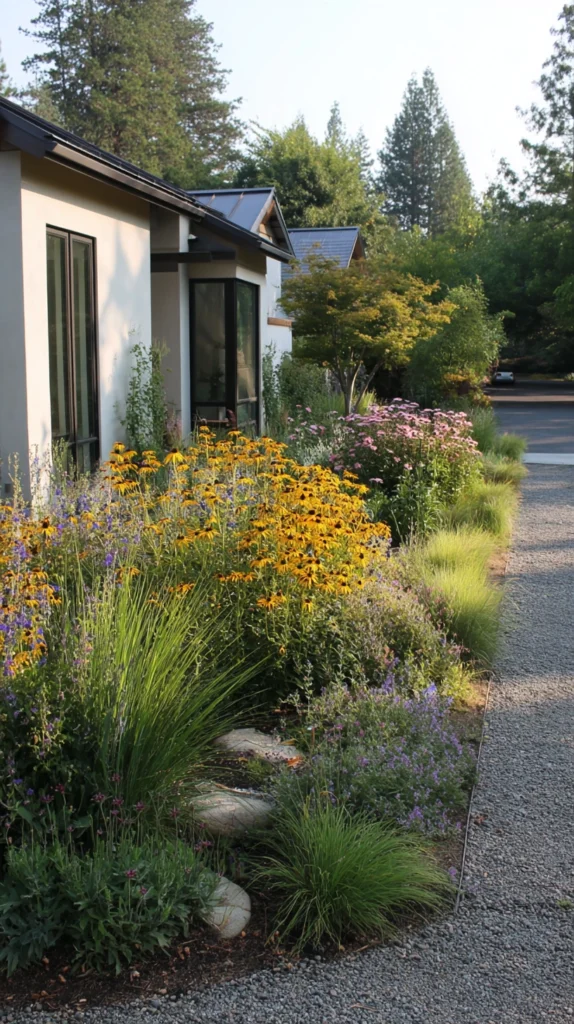
For gardeners willing to invest in long-term results, perennial wildflower meadows provide years of beauty with minimal replanting. These meadows feature native perennial flowers and grasses that establish slowly during the first year or two but then persist indefinitely with proper maintenance. Perennial meadows evolve over time, with different species dominating in different years, creating an ever-changing tapestry.
Popular perennial meadow flowers include black-eyed Susans, purple coneflowers, native milkweeds, goldenrod, and asters. Mix flowers with native grasses like little bluestem or prairie dropseed that provide structure and movement. Perennial meadows require patient establishment but reward you with resilient, self-sustaining landscapes that improve with age.
7. Meadow Strips Along Borders: Softened Edges
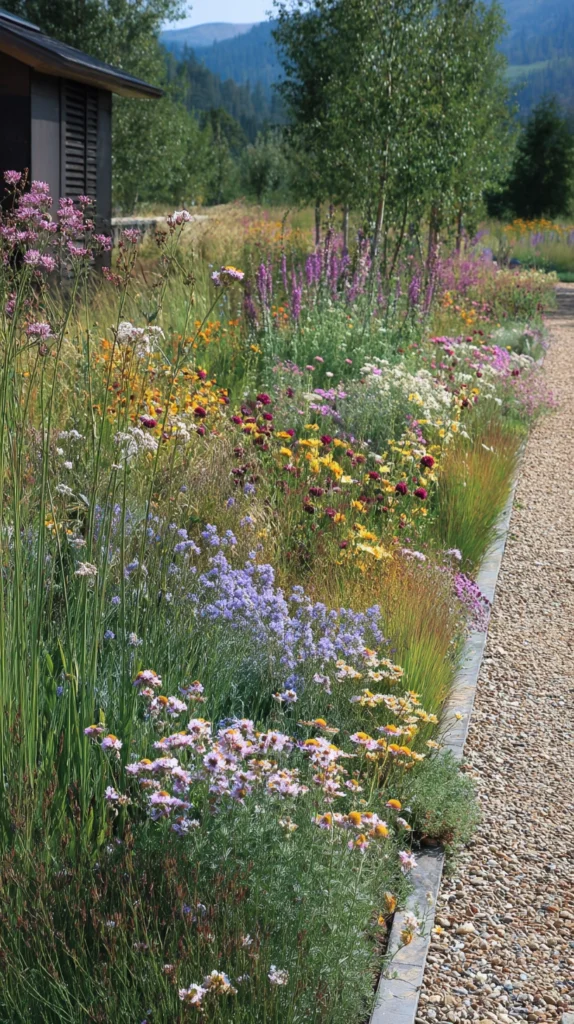
Transform the edges of your property with wildflower meadow strips that soften fence lines and property boundaries. These linear meadows provide privacy, define spaces, and add color without requiring the space commitment of full meadow conversion.
A strip just three to four feet wide can support substantial wildflower diversity and create visual impact. This approach works particularly well in suburban settings where full lawn conversion might not be practical or permitted. Meadow strips also create valuable wildlife corridors, connecting habitat across fragmented urban landscapes. Edge them with mowed borders to emphasize the intentional design and prevent spreading into areas where wildflowers aren’t desired.
8. Shade-Tolerant Meadow: Woodland Edge Beauty
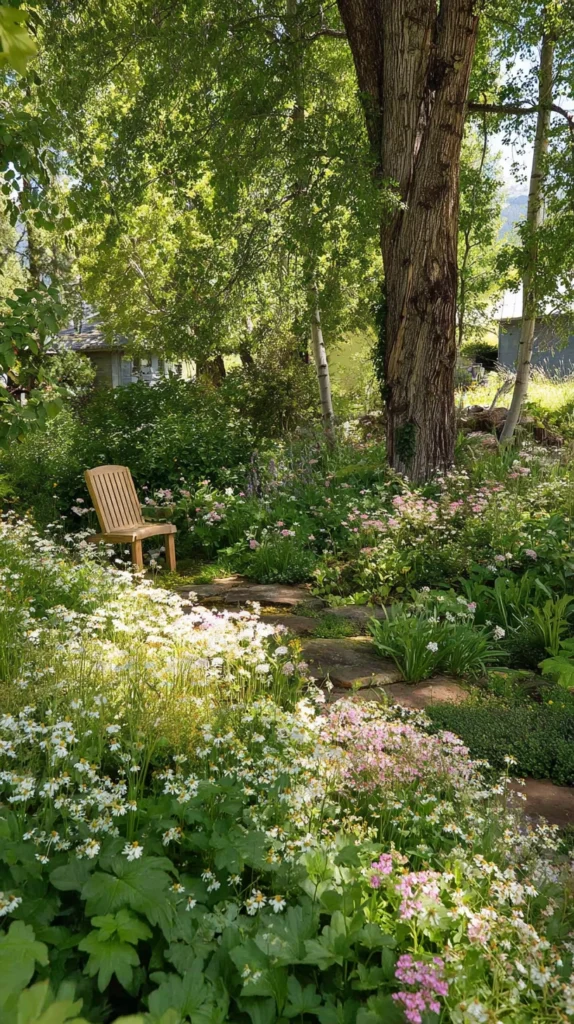
Most wildflower meadows prefer full sun, but shade-tolerant mixes make meadow gardening possible under trees and along woodland edges. These specialized meadows feature species adapted to partial shade—woodland wildflowers like columbine, foxglove, and native violets mixed with shade-tolerant grasses.
Shade meadows typically feature more subtle colors and less density than sun meadows, creating a softer, more delicate aesthetic. They excel at transforming difficult-to-garden areas under mature trees where grass struggles. Prepare these areas by removing competitive tree roots near the surface if necessary and accepting that shade meadows naturally have more open structure than their sun-loving counterparts.
9. Curated Color Palette: Designer Meadow
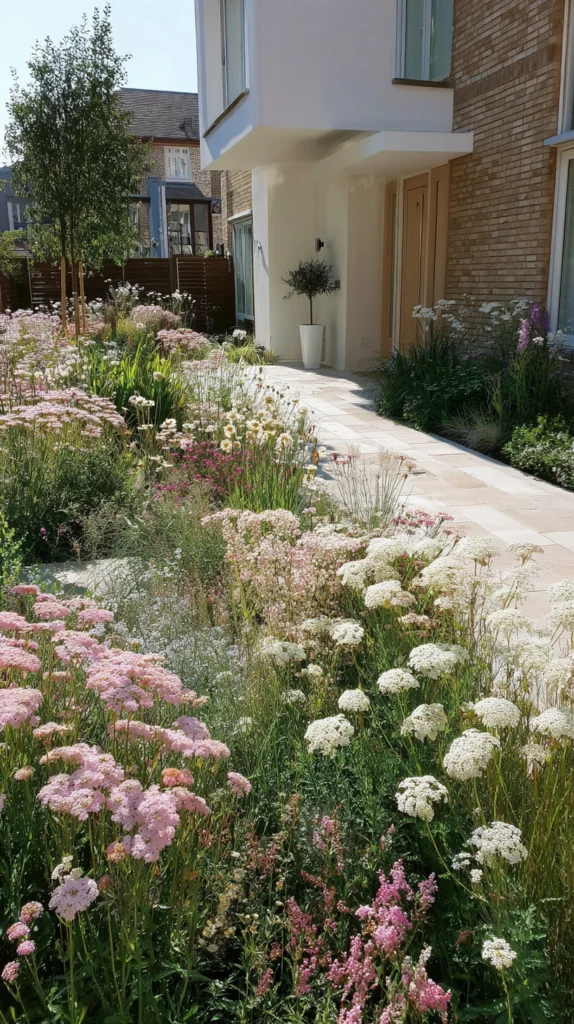
While traditional meadows embrace whatever colors nature provides, you can create more sophisticated designer meadows by curating specific color palettes. Choose wildflower species in complementary colors—perhaps soft pastels of pink, lavender, and white for romantic cottage appeal, or bold combinations of orange, yellow, and purple for dramatic impact.
This curated approach requires more planning and possibly hand-sowing specific species rather than using pre-mixed seeds, but results in cohesive color schemes that integrate beautifully with designed landscapes. The meadow maintains its naturalistic, flowing character while providing the color control typical of traditional gardens.
10. Meadow Islands in Lawn: Gradual Transition
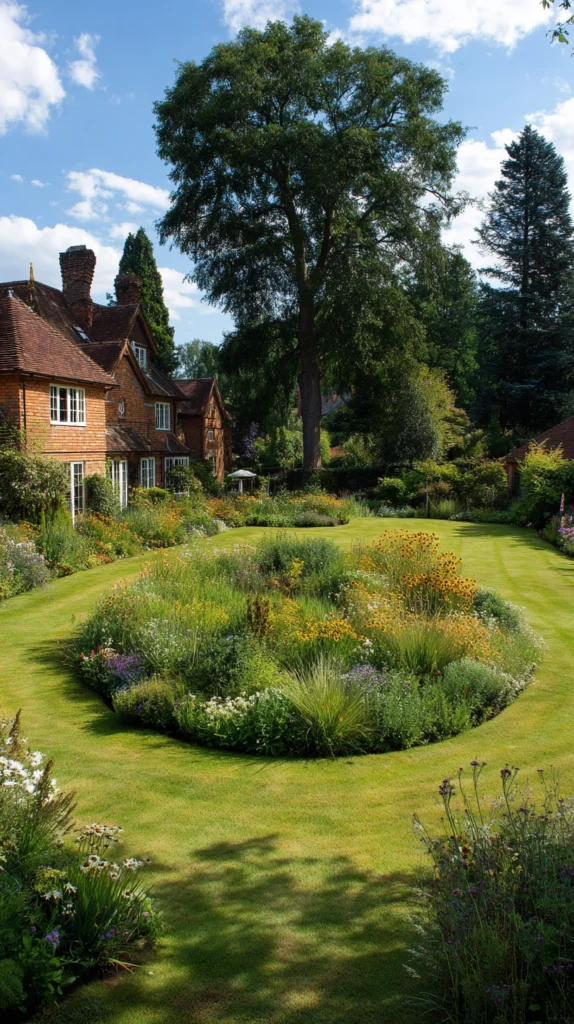
If you’re not ready to abandon your lawn entirely, create meadow islands within existing turf. These circular or organic-shaped meadow patches introduce wildflower beauty while maintaining lawn for high-traffic areas. Start with one or two islands and expand gradually as you gain confidence and experience with meadow maintenance.
This incremental approach lets you test different seed mixes, observe which species thrive, and adjust your approach before committing to larger conversions. Meadow islands work particularly well in larger properties where they create visual interest and break up monotonous expanses of grass. Edge them cleanly with regular mowing to emphasize their intentional placement.
11. Pollinator-Focused Selection: Ecological Impact
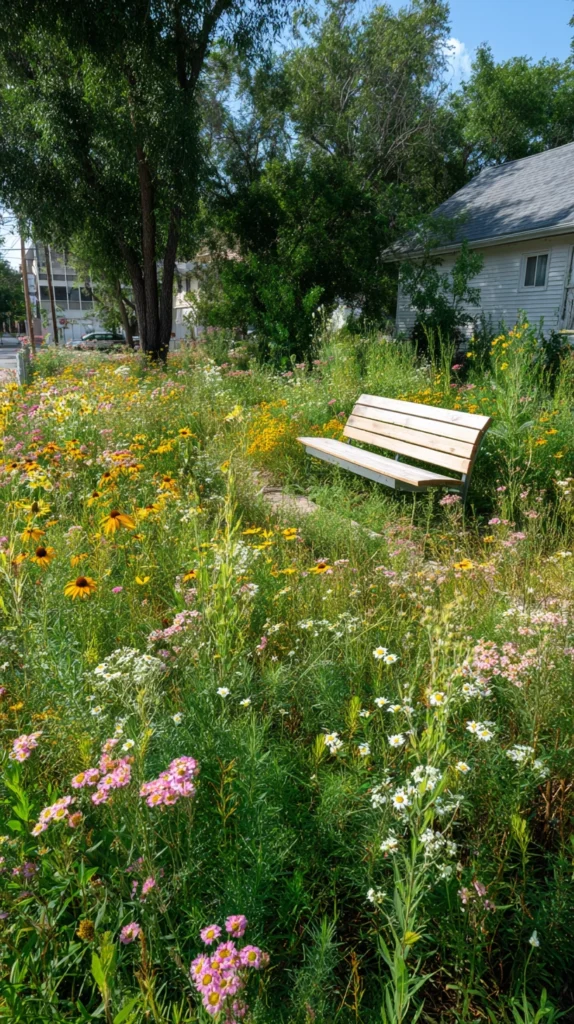
Design your meadow specifically to support bees, butterflies, and other pollinators by selecting species known for exceptional nectar and pollen production. Include milkweeds essential for monarch butterflies, native salvias beloved by bees, and fall-blooming asters that provide crucial late-season resources.
Layer bloom times to ensure some flowers from early spring through fall, providing consistent pollinator support throughout the growing season. Avoid ornamental cultivars with double flowers that often lack accessible nectar and pollen—stick with single-flowered species. A pollinator-focused meadow becomes a living conservation project, supporting declining insect populations while providing the personal satisfaction of contributing to environmental health.
12. Meadow with Anchor Plants: Structured Framework
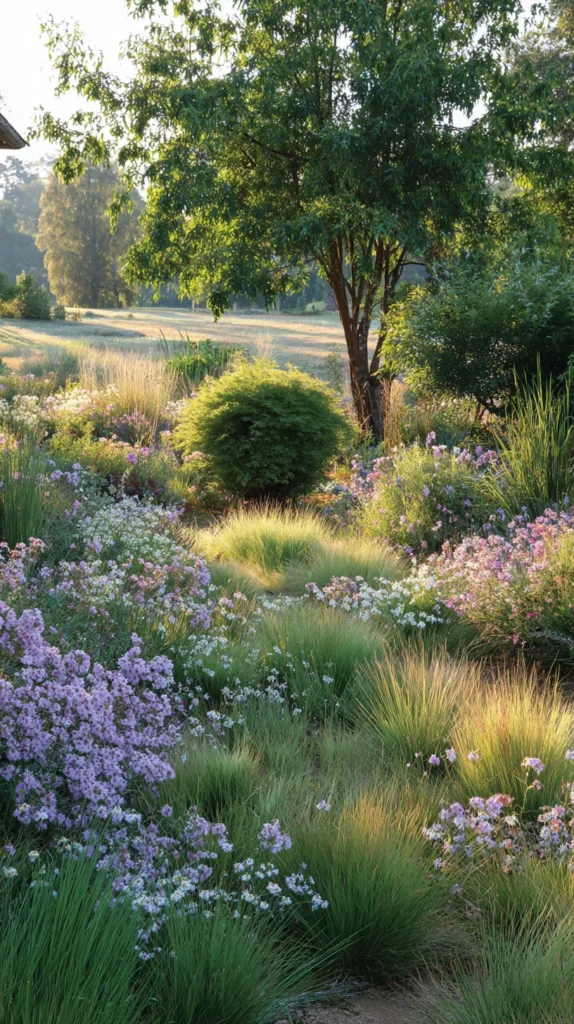
While wildflower meadows embrace naturalistic planting, incorporating structural anchor plants prevents them from looking chaotic or neglected. Place small ornamental trees, shrubs, or even sculptural elements within or around your meadow to provide year-round structure and visual anchors. These might include native shrubs like buttonbush or winterberry holly, small trees like serviceberry, or even large boulders. The anchors give your eye places to rest within the meadow’s movement and provide scale reference that makes the planting feel intentional. These permanent elements also offer wildlife habitat and ensure winter interest when herbaceous meadow plants have died back.
13. Raised Meadow Beds: Improved Growing Conditions
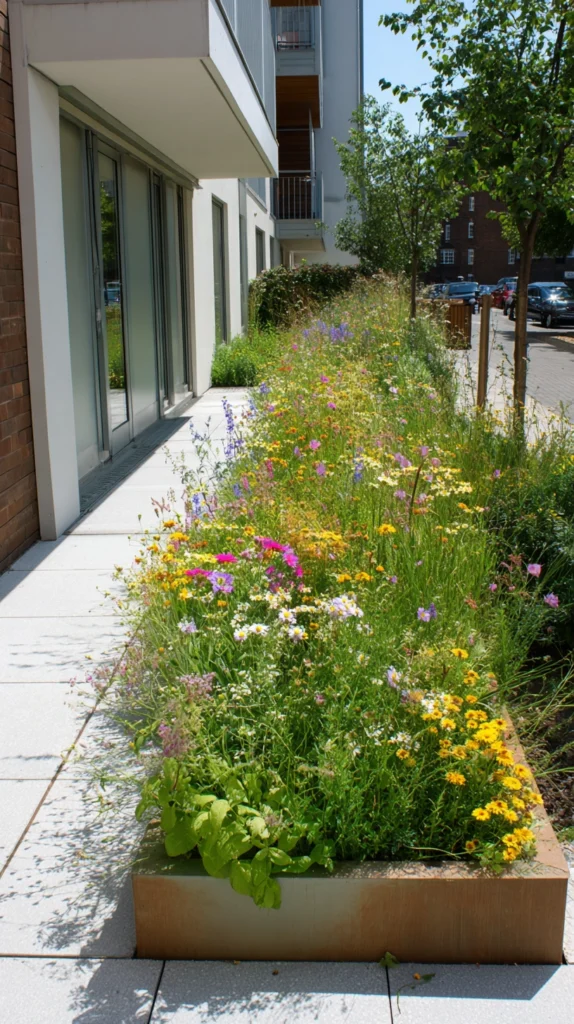
If your soil is heavy clay, compacted, or overly fertile, create raised beds filled with appropriate soil mix for meadow plants. Wildflowers generally prefer lean, well-drained soil—the opposite of what most cultivated gardens offer.
Raised beds allow you to create ideal meadow conditions regardless of native soil. Build simple frames from wood, stone, or metal, fill with a mix of topsoil and sand or gravel for excellent drainage, and establish your meadow in this custom environment.
Raised meadow beds also add architectural interest to flat properties, create visual layers, and improve accessibility for maintenance. This approach works particularly well in small urban gardens where soil quality is often poor.
14. Cutting Meadow: Beauty Indoors and Out
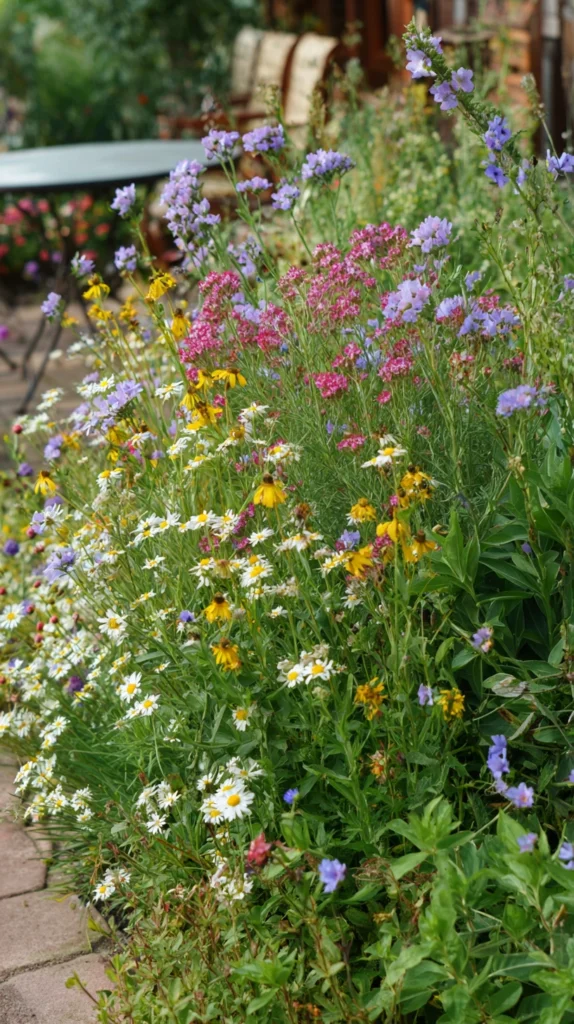
Design your wildflower meadow to serve double duty as a cutting garden, providing both landscape beauty and fresh flowers for arrangements. Select species with good vase life like cosmos, zinnias, sunflowers, yarrow, and scabiosa.
The beauty of cutting from meadows is that harvesting actually encourages more blooms while creating natural variation in meadow height and texture. Regular cutting also prevents the overly uniform appearance some meadows develop by mid-summer.
This practical approach makes meadow gardening even more rewarding—you enjoy the outdoor beauty while bringing armfuls of fresh flowers inside throughout the season. Just be sure to leave plenty of flowers in place to support pollinators and allow seed production for self-sowing.
15. Meadow Turf Installation: Instant Results
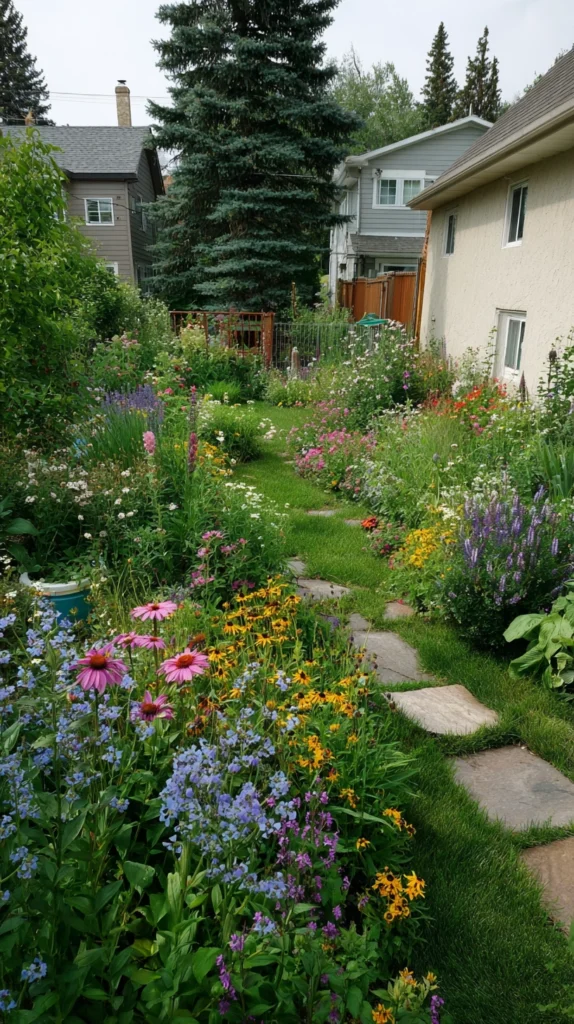
For those wanting immediate meadow impact without the uncertainty of seed germination, pre-grown meadow turf offers an innovative solution. This specialized turf comes as rolls with established wildflowers and grasses already growing, ready to lay like traditional sod. While more expensive than seed, meadow turf provides instant results and eliminates first-year weed competition issues that challenge seed-sown meadows.
Soil preparation remains crucial—meadows still require lean, well-drained conditions—but the installation creates mature-looking meadows immediately. This approach works particularly well for visible front yards where you want instant impact or for small areas where the cost premium is manageable.
Making Your Meadow Thrive
Successfully establishing and maintaining wildflower meadows requires understanding key principles that differ from traditional gardening:
Soil Preparation is Critical: Paradoxically, poor soil creates better meadows. Rich, fertile soil encourages aggressive grasses that crowd out wildflowers. If your soil is too fertile, remove topsoil, add sand or gravel to reduce nutrients, or choose annual mixes that tolerate richer conditions. Most importantly, eliminate existing vegetation—especially perennial weeds and grasses—before planting.
Timing Matters: Fall sowing allows seeds to experience natural stratification over winter, improving germination rates. Spring sowing works too but requires consistent moisture during establishment. Avoid summer planting when heat stress complicates germination.
First-Year Management: The establishment year is crucial. Regular mowing during the first season prevents weeds from dominating while your meadow plants establish. Cut to about 4-6 inches whenever growth reaches 8-10 inches. This suppresses weeds without harming slower-establishing meadow species.
Annual Maintenance: Once established, meadows require just one or two cuts per year. Cut in late summer after plants have set seed, or wait until early spring before new growth emerges. Remove all cut material to prevent nutrient buildup that favors grasses over wildflowers. Some gardeners divide this into two partial cuts to provide continuous habitat.
Patience Pays: Meadows evolve. First-year displays often disappoint as perennials establish underground. Second year shows improvement. Third year and beyond reveal the true beauty as plants mature and find their balance. Don’t judge success too quickly.
Regional Adaptation: Use seed mixes formulated for your specific region and conditions. Native plants adapted to your climate, soil, and rainfall patterns establish more successfully and support local ecosystems more effectively than generic mixes.
Weed Management: Hand-pull aggressive weeds like thistles, dock, and invasive species that threaten to dominate. Accept some weed presence—perfect weed control isn’t necessary and attempting it undermines the low-maintenance benefits meadows offer.
Wildflower meadows represent a fundamental shift in how we think about gardens and landscapes. They embrace process over perfection, ecology over control, and seasonal change over static displays. They prove that beauty and environmental responsibility aren’t opposing forces—they’re complementary goals that enhance each other.
Your meadow becomes a living ecosystem, a wildlife sanctuary, and a constantly evolving artwork that never looks the same twice. Whether you start with a small container meadow or convert your entire lawn, you’re participating in a growing movement toward more sustainable, biodiverse, and genuinely beautiful landscapes that benefit both people and the planet.