

15 Relaxing Yoga Studio Design Inspirations for a Calm and Centered Practice
A relaxing yoga studio is more than just a place to practice poses—it is a sanctuary where the mind slows down, the body releases tension, and breath becomes intentional.
Thoughtful design plays a powerful role in shaping how calm and grounded a space feels. From lighting and layout to textures and colors, every detail can support a deeper sense of ease. Below are 15 relaxing yoga studio design inspirations that help transform any practice space into a peaceful retreat.
1. Soft Neutral Color Palette for Instant Calm
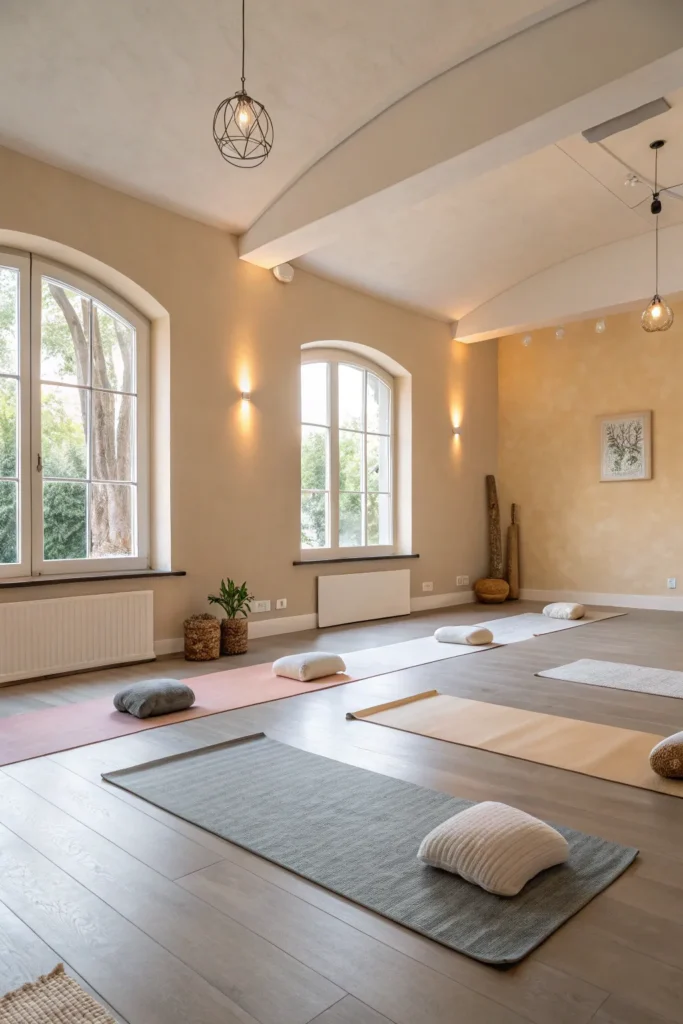
Color sets the emotional tone of a yoga studio. Soft neutrals such as warm whites, gentle beige, light taupe, and muted greys create a sense of balance and tranquility. These shades reduce visual noise and allow the mind to settle, making them ideal for restorative, yin, and mindfulness-based practices.
2. Natural Light-Focused Studio Layout
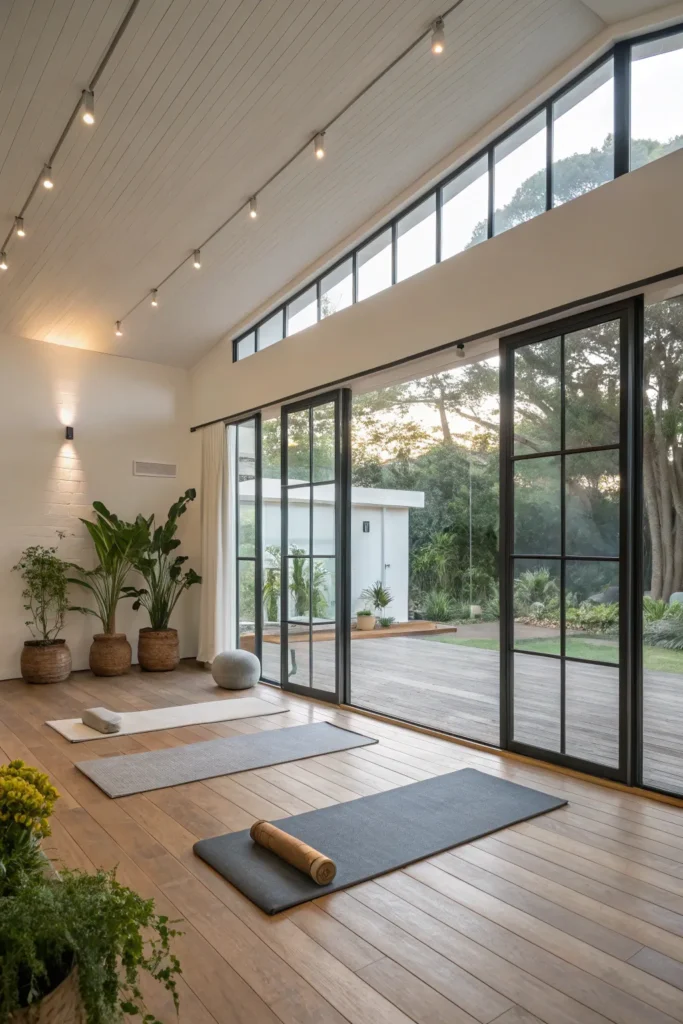
Natural light has a calming effect on both body and mind. Designing a yoga studio to maximize daylight instantly makes the space feel open and uplifting. Large windows, skylights, or glass doors help maintain a strong connection to nature while supporting energy flow throughout the room.
3. Minimalist Design for Mental Clarity
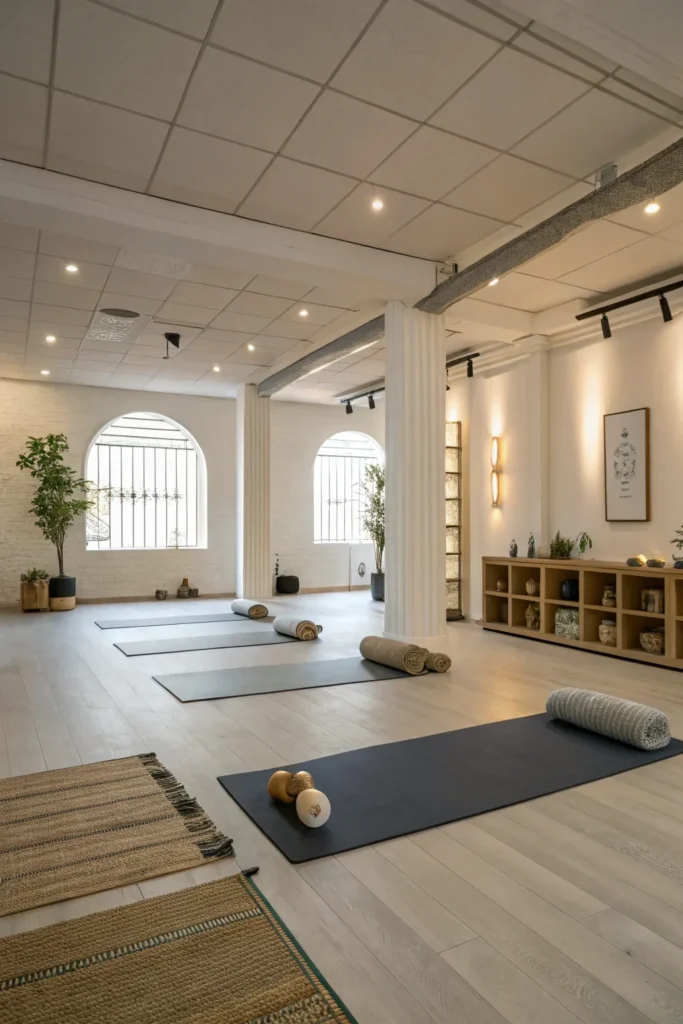
A minimalist yoga studio removes distractions and encourages presence. Clean lines, open floor space, and intentional decor allow practitioners to focus inward. Keeping furniture and accessories to a minimum creates a sense of order, which naturally supports relaxation and deeper concentration during practice.
4. Warm Wooden Elements for Grounding Energy
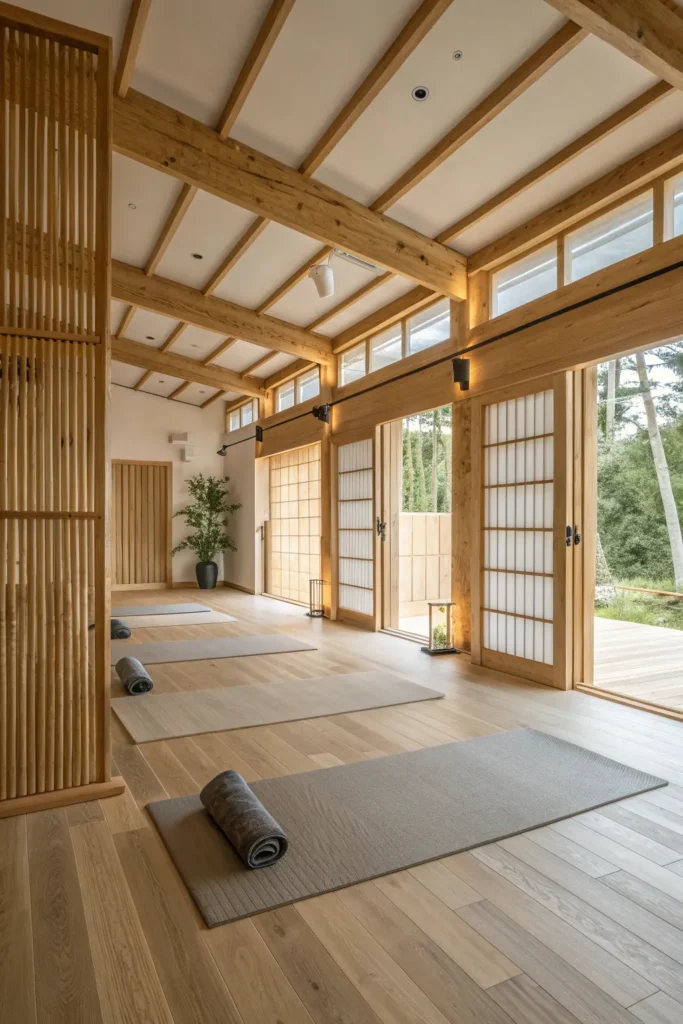
Wood introduces warmth and stability into a yoga studio. Light oak floors, bamboo accents, or wooden beams add organic texture without overwhelming the space. These natural materials create a grounding effect that helps practitioners feel supported and connected during their practice.
5. Soft Textiles for Comfort and Ease
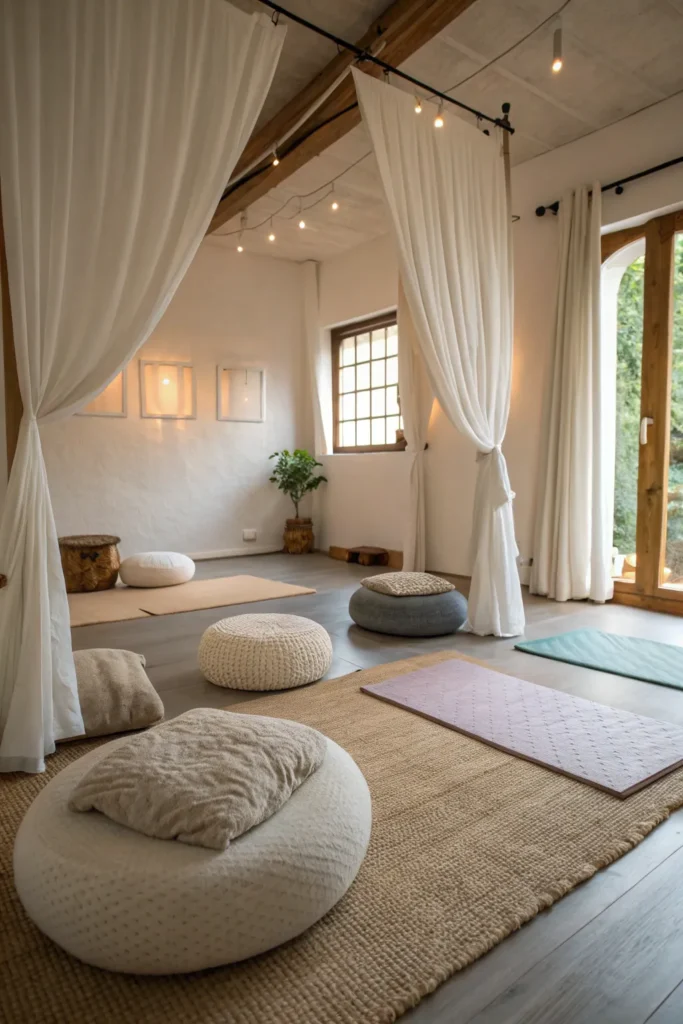
Textiles influence how welcoming a studio feels. Cotton rugs, linen curtains, and plush meditation cushions add softness and warmth. Layering gentle textures enhances comfort and makes the space inviting, encouraging longer, more restful practice sessions.
6. Indoor Plants for a Fresh and Peaceful Atmosphere
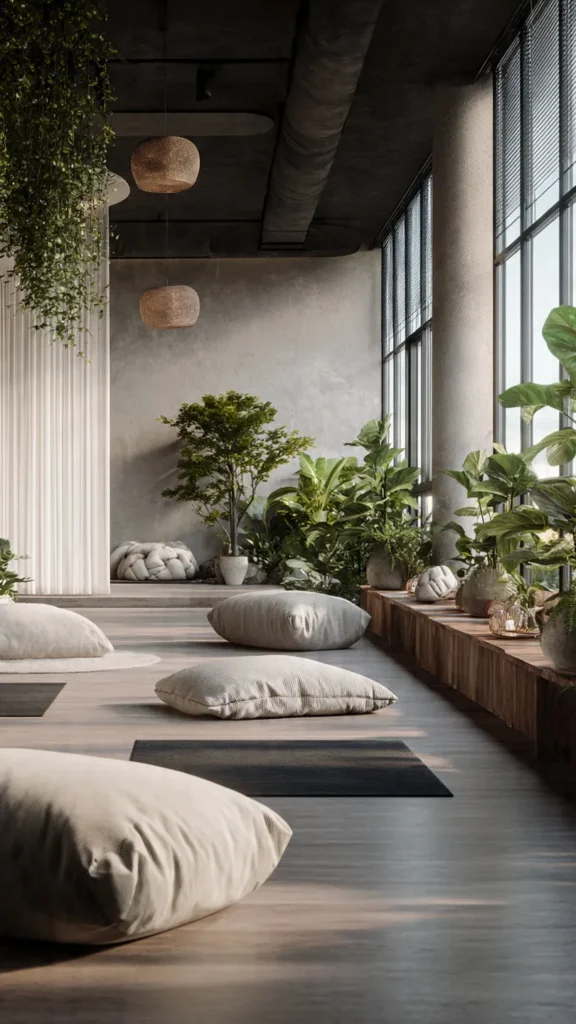
Plants bring life and gentle movement into a yoga studio. Greenery improves air quality and reinforces a calming connection to nature. Low-maintenance plants like snake plants, peace lilies, or pothos blend beautifully into relaxing studio designs without requiring constant care.
7. Gentle Ambient Lighting for Restorative Practice
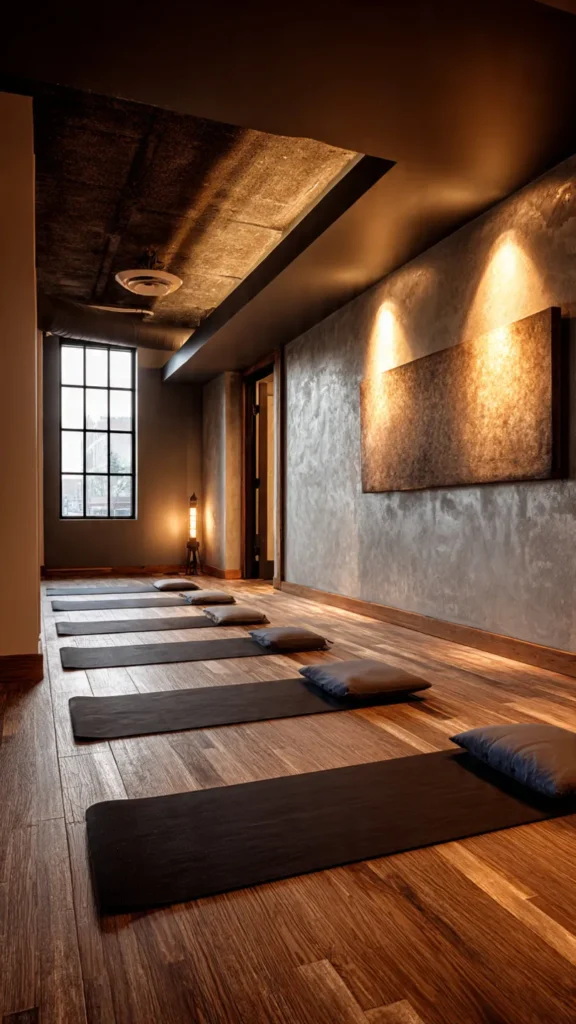
Lighting should feel soothing rather than harsh. Warm, diffused light creates a calming ambiance ideal for slow flows, meditation, and evening classes. Wall sconces, salt lamps, or soft LED lighting help the space feel serene and nurturing throughout the day.
8. Open Floor Plan to Encourage Flow
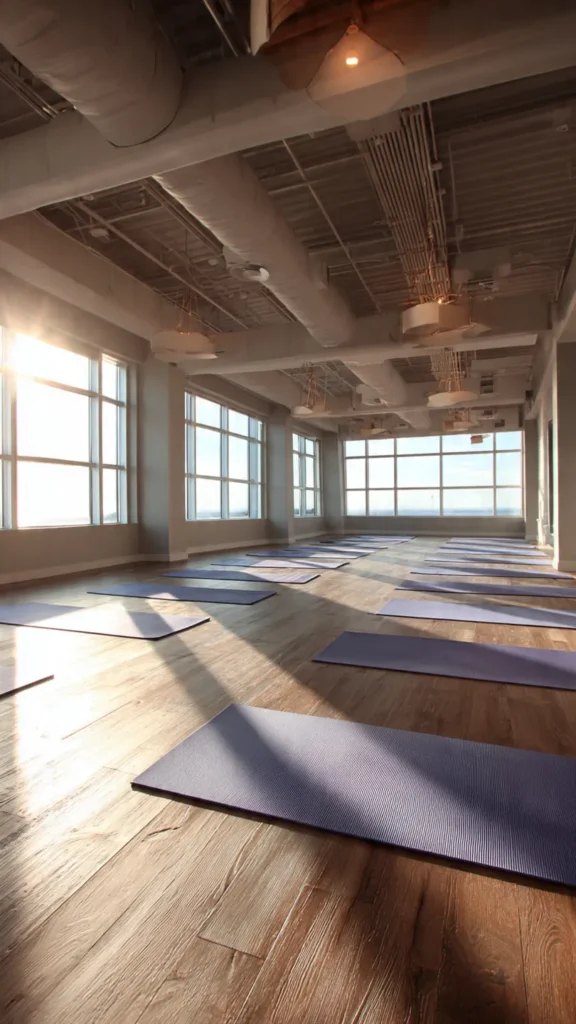
An open layout allows movement and breath to flow freely. Removing unnecessary partitions and bulky furniture helps create a sense of spaciousness, even in smaller studios. This openness supports both physical movement and mental clarity, enhancing the overall sense of relaxation.
9. Neutral and Earthy Decor Accents
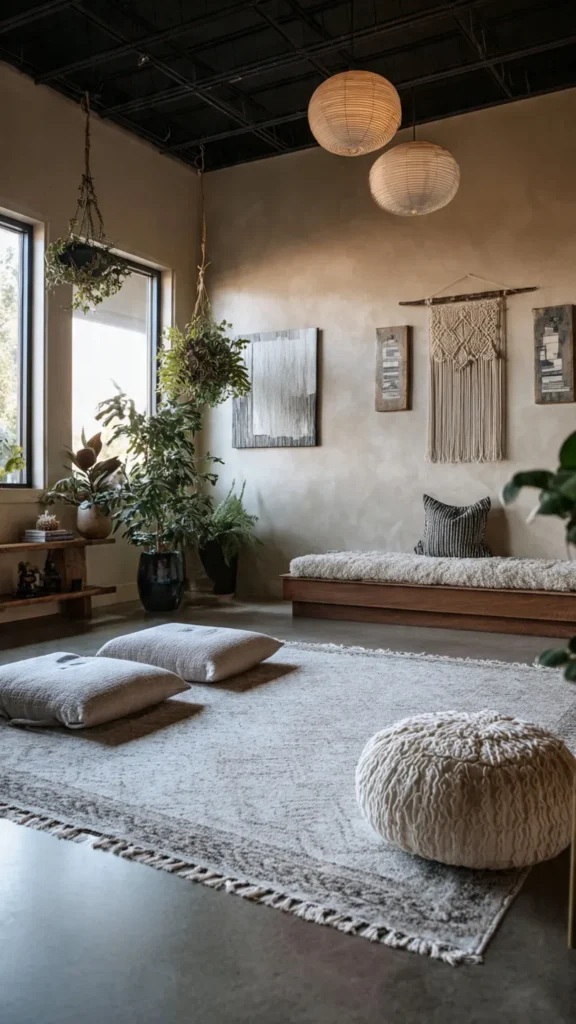
Decor should support the calming nature of a yoga studio rather than dominate it. Earthy accents such as ceramic bowls, stone sculptures, or subtle wall art inspired by nature add depth and interest without disrupting the tranquil atmosphere.
10. Dedicated Meditation and Breathwork Corner
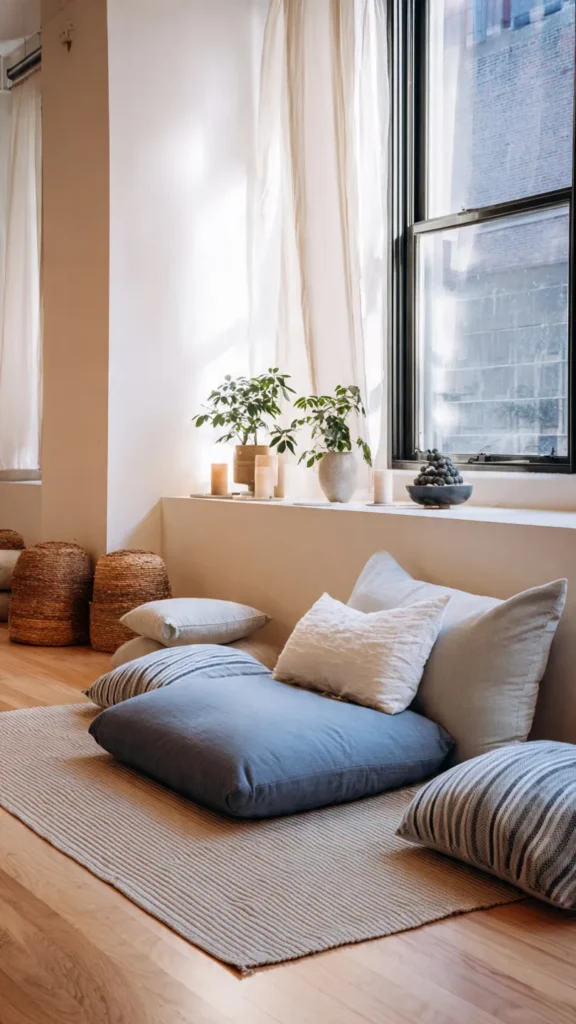
A quiet meditation corner enhances the relaxing energy of a yoga studio. Floor cushions, low stools, or simple mats create a grounding area for stillness and breathwork. This dedicated space encourages practitioners to slow down and fully settle into mindfulness.
11. Sound-Absorbing Materials for Quietness
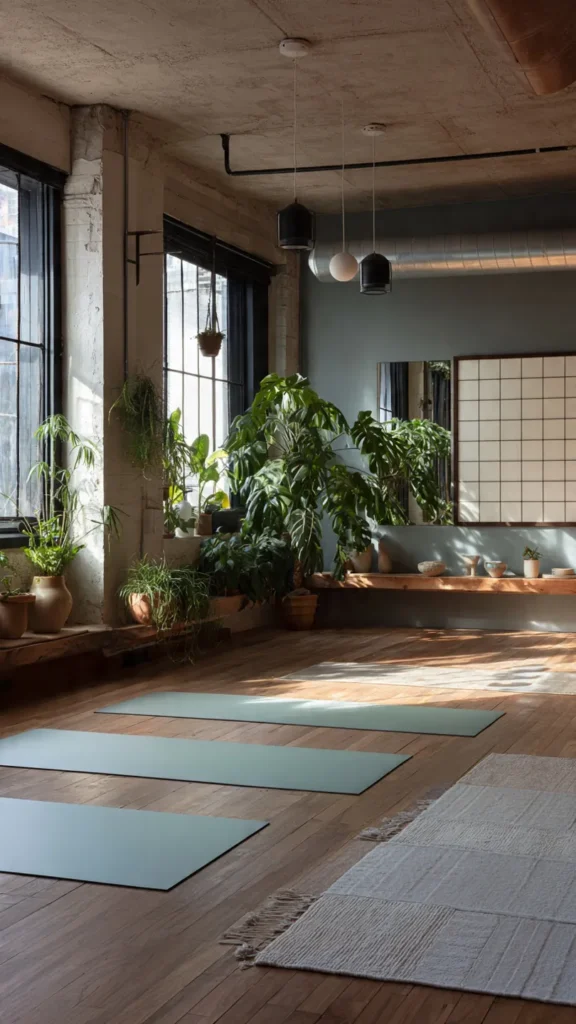
Relaxation is deeply connected to sound. Using materials that absorb noise, such as rugs, fabric wall hangings, or acoustic panels, helps reduce echoes and outside distractions. A quieter space supports deeper relaxation and enhances the meditative quality of the studio.
12. Aromatherapy for Sensory Relaxation
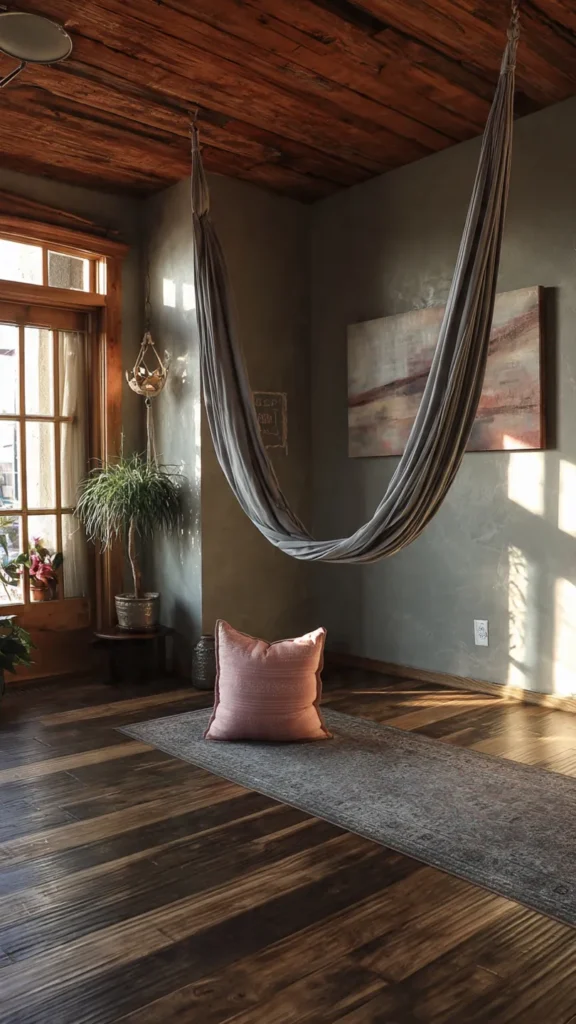
Scent subtly influences mood and awareness. Using essential oils like lavender, chamomile, or sandalwood can enhance relaxation and signal the body to unwind. Gentle aromatherapy supports a full sensory experience without overwhelming the space.
13. Simple Storage Solutions for a Clutter-Free Space
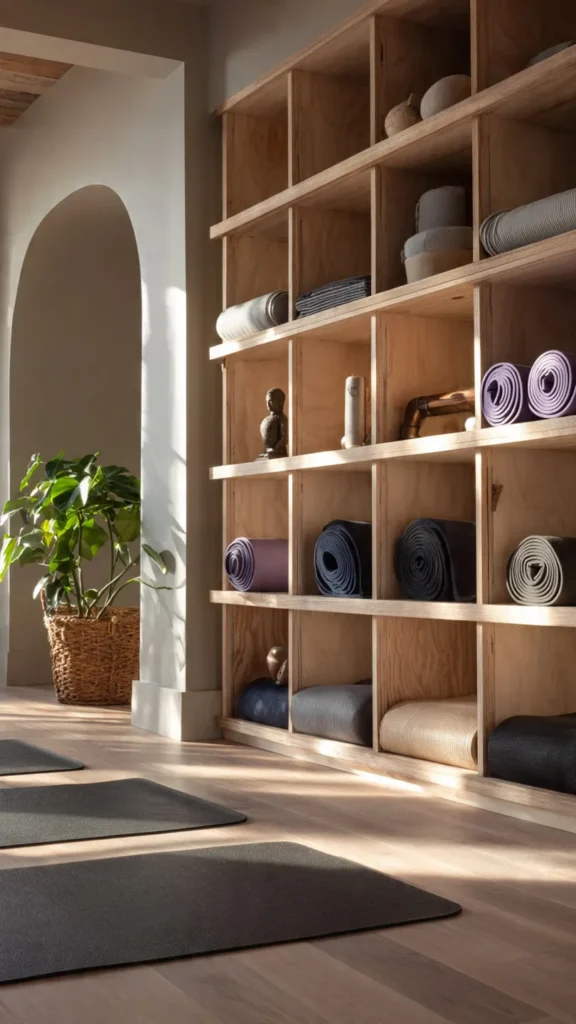
Clutter can disrupt mental calm. Built-in shelves, wooden cubbies, or woven baskets keep yoga props neatly organized and out of sight. A tidy environment promotes a sense of order and peace, allowing practitioners to fully relax into their practice.
14. Balanced Symmetry for Visual Harmony
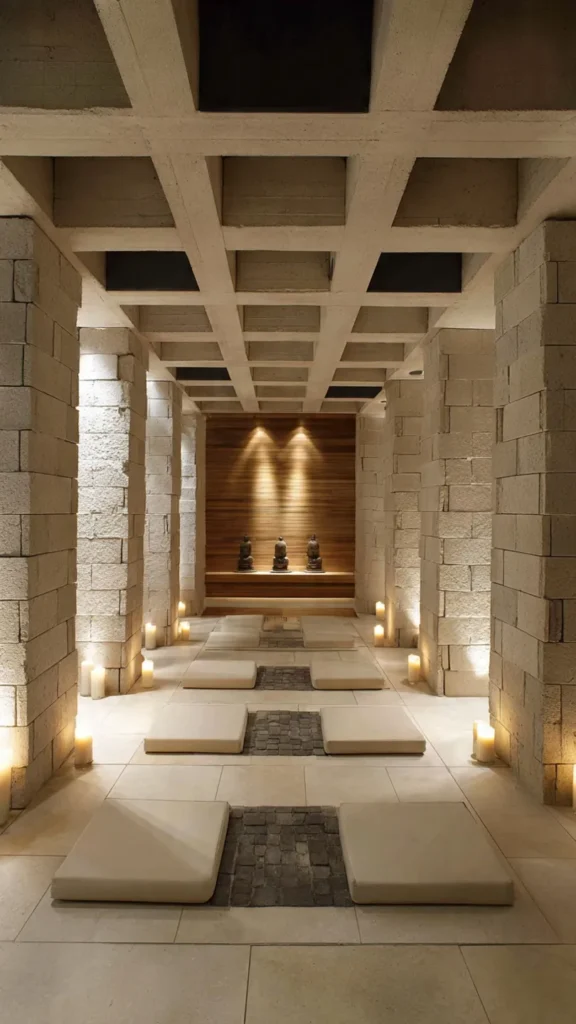
Symmetry creates a sense of balance and stability. Aligning mats, decor, or lighting elements evenly throughout the studio helps the space feel harmonious and intentional. This visual balance naturally supports a calm, centered state of mind.
15. Personal Touches That Feel Meaningful
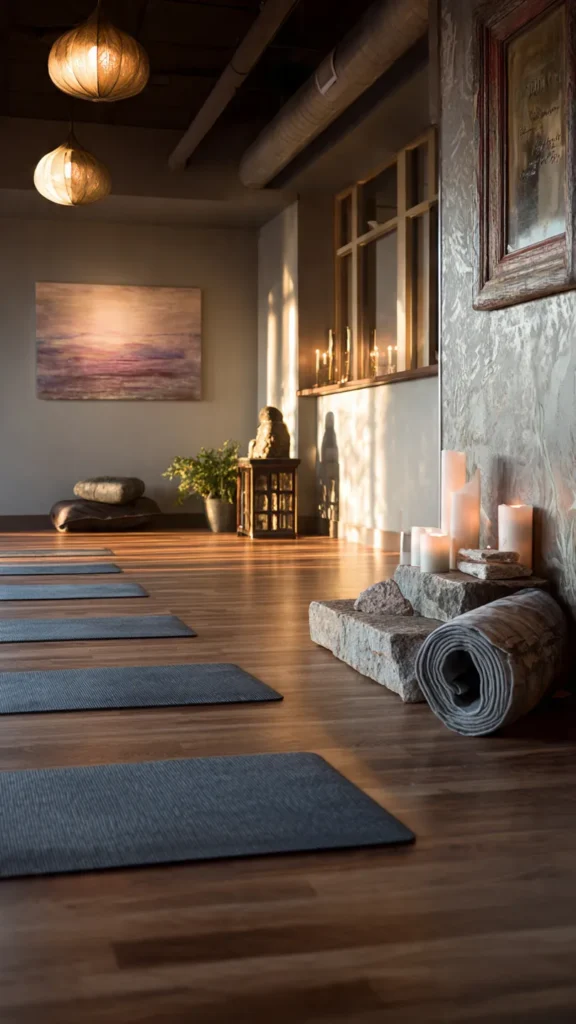
A truly relaxing yoga studio reflects intention rather than excess. A meaningful quote, a favorite stone, or a simple altar with personal significance adds warmth and authenticity. These subtle personal touches create emotional grounding and help the studio feel like a true sanctuary.
Final Thoughts
Relaxing yoga studio design is about creating an environment that gently supports stillness, awareness, and comfort. By combining soft colors, natural materials, thoughtful lighting, and intentional simplicity, you can design a space that encourages deep relaxation and mindful movement. These 15 relaxing yoga studio design inspirations show how thoughtful choices can transform any practice space into a calming retreat that nurtures both body and mind.