
15 Backyard Landscape Design Ideas
A well-designed backyard is one of the most significant quality-of-life improvements a homeowner can make to their property. It extends the living area of the home into the outdoors, creates spaces for relaxation, entertaining, gardening, and play, and transforms what might otherwise be an underused patch of ground into a genuinely extraordinary outdoor environment.
Yet backyard landscape design is an undertaking that most homeowners approach without a clear design strategy, adding elements incrementally without a unifying vision that brings the whole together.
The result is often a backyard that contains many individual features but lacks the coherence, the atmosphere, and the genuine beauty that a considered landscape design can create. Here are 15 backyard landscape design ideas that are modern, practical, and genuinely inspiring.
1. Begin with a Master Plan
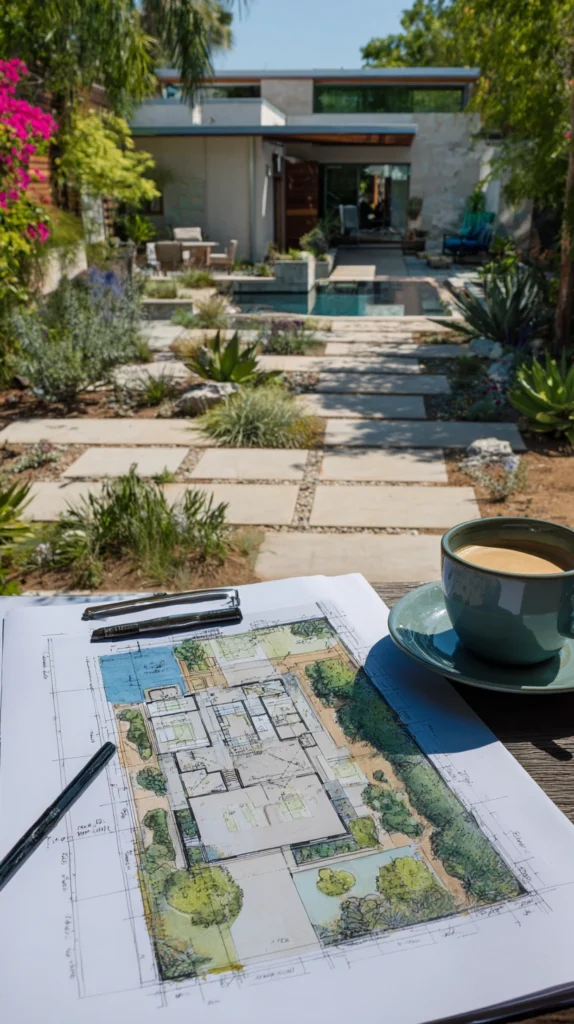
The single most important backyard landscape design decision is the decision to begin with a master plan rather than implementing individual features without a clear overall vision. A master plan. a scaled drawing of the entire backyard showing the position of all intended landscape elements, the circulation routes between them, the relationship between sun and shade at different times of day, and the connection between the outdoor space and the interior of the house.
Creates the strategic framework within which every individual design decision can be made with confidence and coherence. The master plan does not need to be implemented all at once. It can be realized in phases over multiple years. but having it from the beginning ensures that each phase builds toward a unified and genuinely beautiful whole.
2. Create Distinct Outdoor Zones
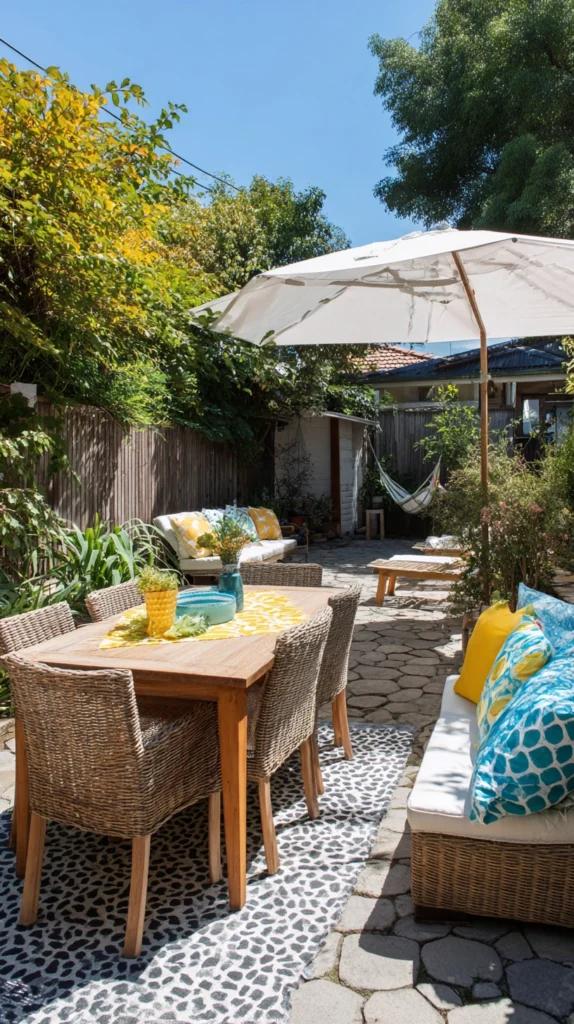
A backyard landscape that divides the available space into distinct outdoor zones. a dining zone, a lounging zone, a play zone, a kitchen garden zone, and a planting zone. creates a more functional, more interesting, and more fully inhabited outdoor environment than a backyard treated as a single undifferentiated space.
Each zone has its own purpose, its own character, and its own material palette while contributing to the coherent design of the overall landscape. Define zones through changes in surface material, level, planting, or enclosure rather than through physical barriers that interrupt the visual flow of the outdoor space.
3. Install a Feature Patio
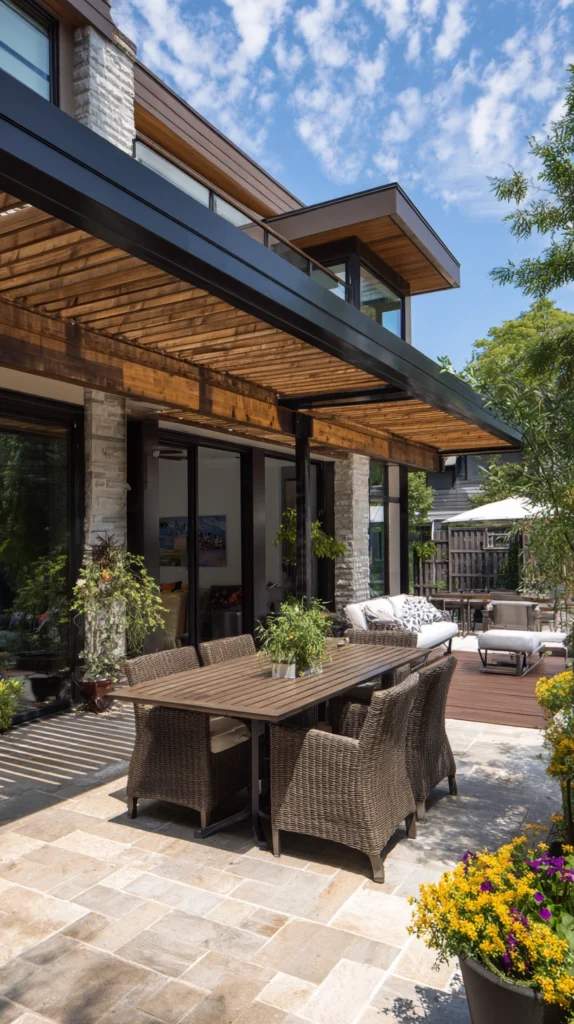
A well-designed patio is the most consistently used and most practically important element of most backyard landscape designs. It provides a level, all-weather surface for outdoor furniture, dining, and entertaining immediately adjacent to the house, and its material, shape, and scale set the design tone for the entire backyard.
Choose a patio material that suits both the architecture of the house and the design direction of the backyard. natural stone for a timeless, elegant quality. Porcelain tile for a contemporary, low-maintenance result, reclaimed brick for a warm, characterful traditional aesthetic. Specify the patio at a generous scale. large enough for a dining table and chairs with comfortable clearance on all sides. for the most functional and most visually confident result.
4. Design a Planting Border with Year-Round Interest
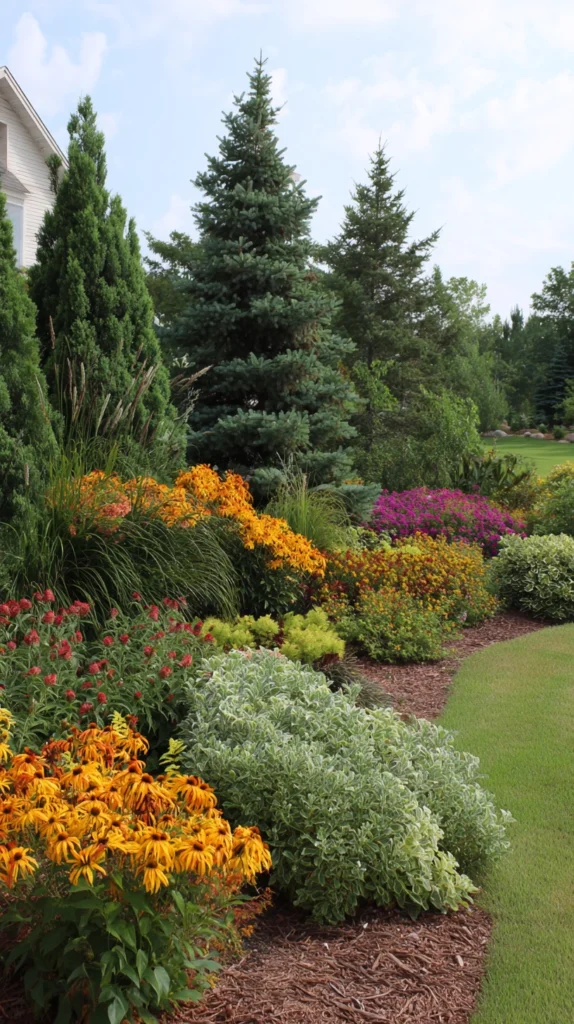
A well-designed planting border is the element that gives a backyard landscape its seasonal richness, its organic warmth, and its living, constantly evolving quality that hard landscaping alone cannot provide.
Design the border with a backbone of structural evergreen shrubs for year-round presence, supplemented with deciduous shrubs and perennials for seasonal flower and foliage interest, and bulbs planted at the base of the border for spring color.
A layered planting approach. tall plants at the back, medium plants in the middle, and low ground cover at the front. creates a border of visual depth and complexity that improves with every passing season as the plants establish and mature.
5. Add a Water Feature
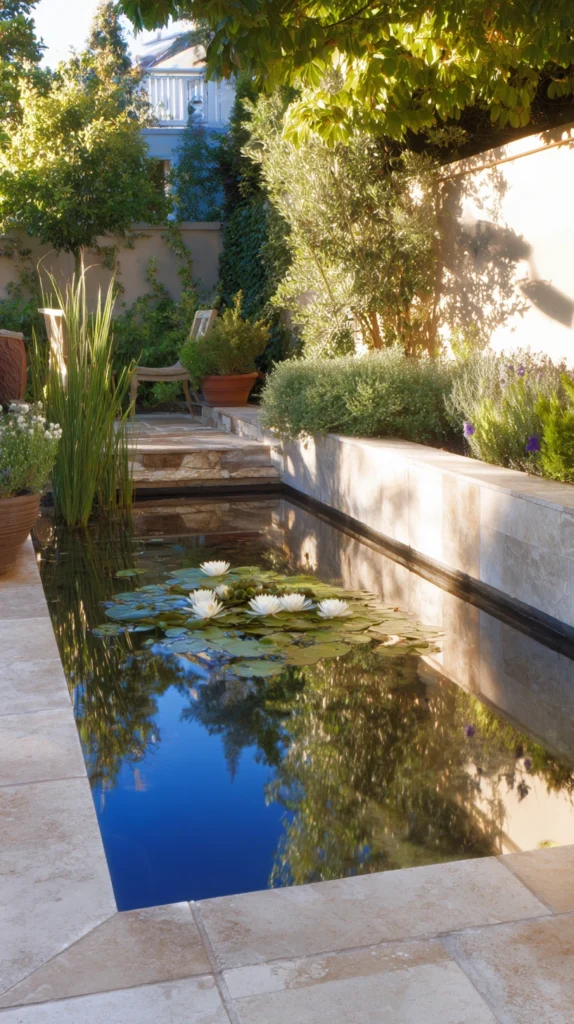
A water feature. a formal rectangular pool, a naturalistic garden pond, a wall-mounted fountain, or a simple self-contained bubble feature. adds a dimension of calm, reflective beauty and soothing acoustic quality to the backyard landscape that no other single element can provide.
The sound of moving water creates both a calming sensory environment and a degree of acoustic privacy that masks ambient noise from neighboring properties and streets. Position the water feature where its sound can be heard from the primary seating area and where its visual quality can be appreciated from multiple viewpoints within the backyard.
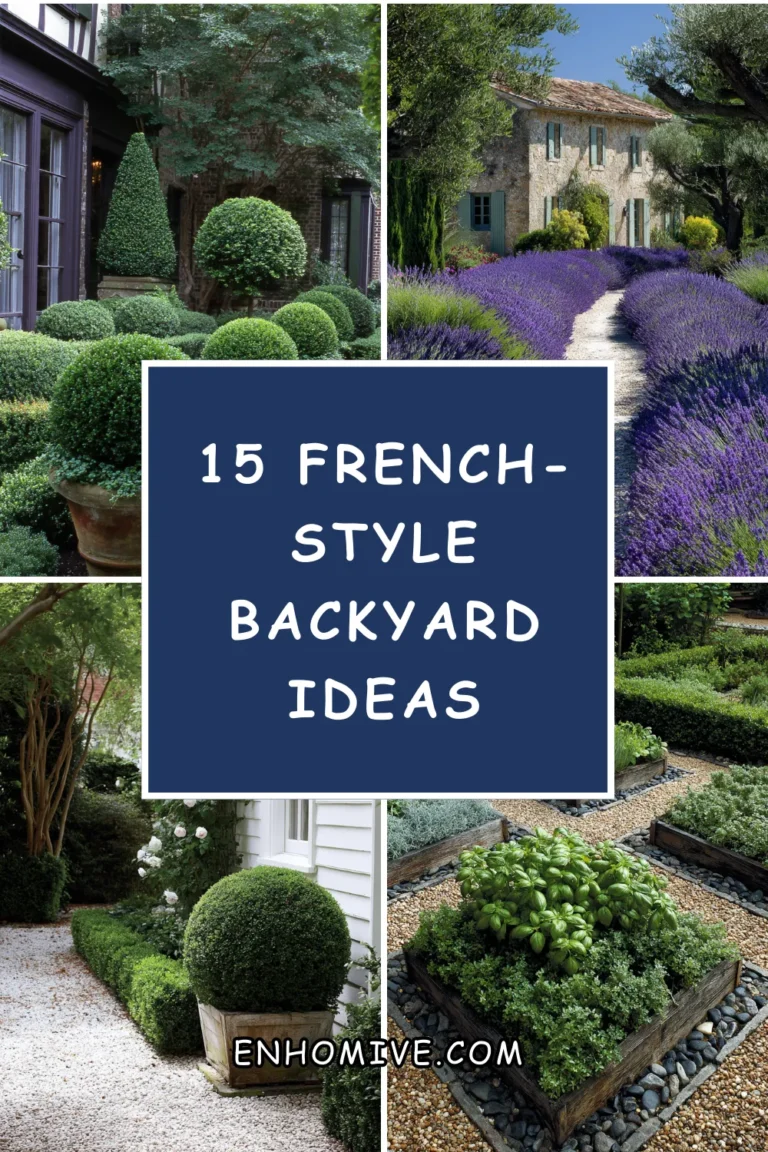
6. Create a Kitchen Garden
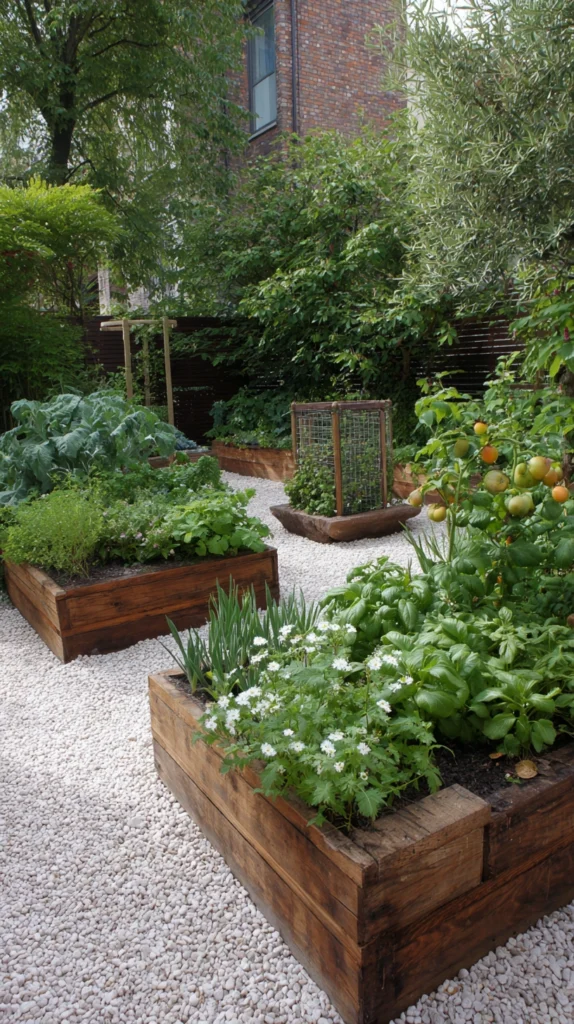
A dedicated kitchen garden area within the backyard landscape. raised beds for vegetables and herbs, a cold frame for extending the growing season, a fruit cage for soft fruit, and a composting area for garden and kitchen waste that creates a productive, beautiful, and deeply satisfying outdoor space that connects the household to the natural cycles of growing, harvesting, and eating in the most direct and most rewarding way available.
Design the kitchen garden with a clear, organized layout of raised beds in a consistent material and size, defined by paths of gravel or brick that allow comfortable access for planting, weeding, and harvesting throughout the growing season.
7. Install Garden Lighting
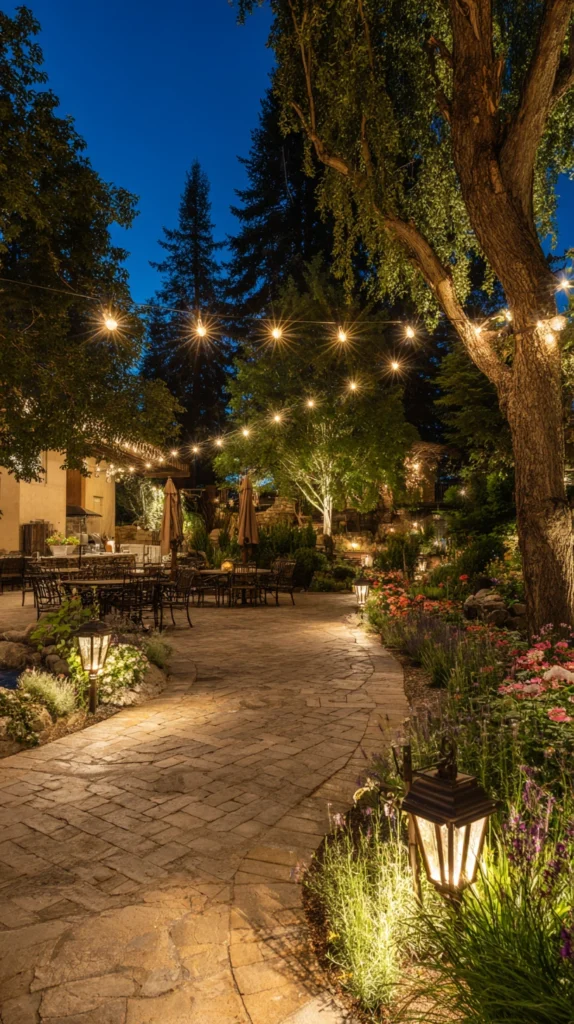
A well-designed garden lighting scheme transforms the backyard landscape from a daytime-only outdoor environment into a space that is as beautiful and as inviting after dark as it is in full daylight. Layer the lighting across multiple types and positions, uplights at the base of trees and architectural plants for dramatic illumination from below. path lights at ground level for safe navigation through the garden.
Wall-mounted lanterns beside the house for a warm welcome light at entrances and exits. string lights above the patio for atmospheric overhead illumination during evening gatherings. A comprehensive garden lighting scheme extends the usable hours of the backyard landscape through every season of the year.
8. Build a Garden Structure
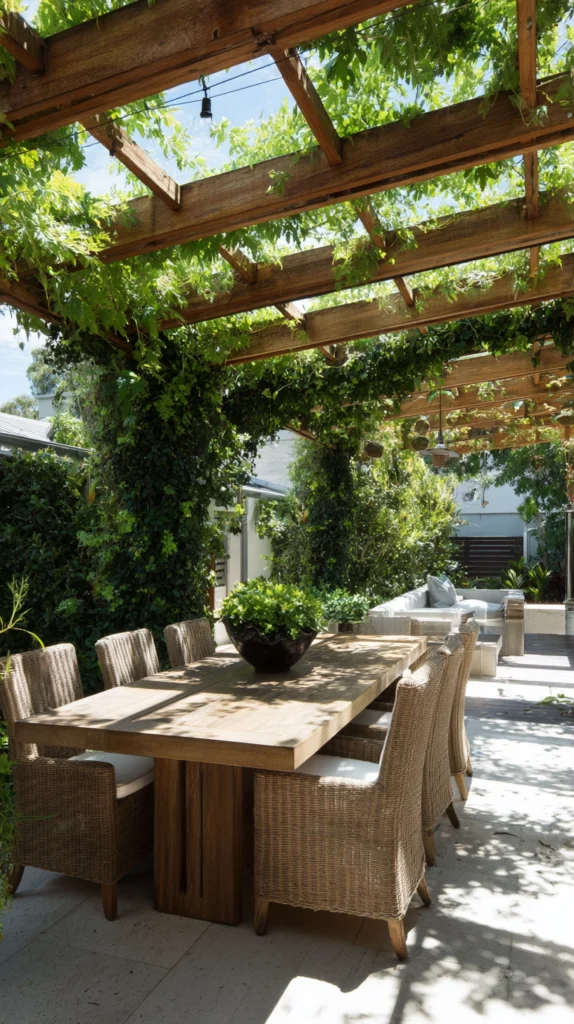
A garden structure. a pergola above the patio, a gazebo in the garden, an arbour at the entrance to a planting area, or a garden room at the far end of the property. creates a defined destination within the backyard landscape that gives the outdoor space architectural complexity, human-scaled enclosure, and a genuine sense of arrival at a specific place with a specific purpose.
A pergola above the patio creates an outdoor room of considerable comfort and atmosphere, particularly when planted with climbing roses, wisteria, or a grapevine that provides seasonal canopy and fragrance above the outdoor dining area.
9. Define Pathways Through the Garden
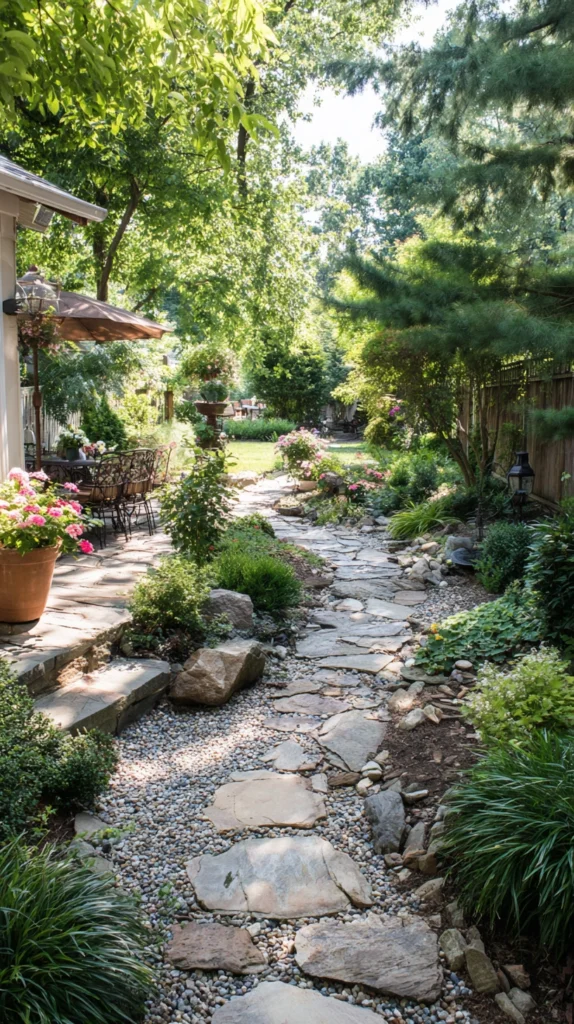
A well-designed path system that connects the different zones of the backyard landscape creates a circulation framework that determines how the outdoor space is experienced, in what sequence its different areas are encountered, and how the journey through the garden contributes to the overall pleasure of being within it.
Design paths with a material and width appropriate to their primary use. a generous main path of natural stone or brick connecting the house to the primary garden destination. narrower secondary paths of gravel or stepping stones leading to secondary areas and features. The path system should feel logical, generous, and visually coherent throughout the backyard landscape.
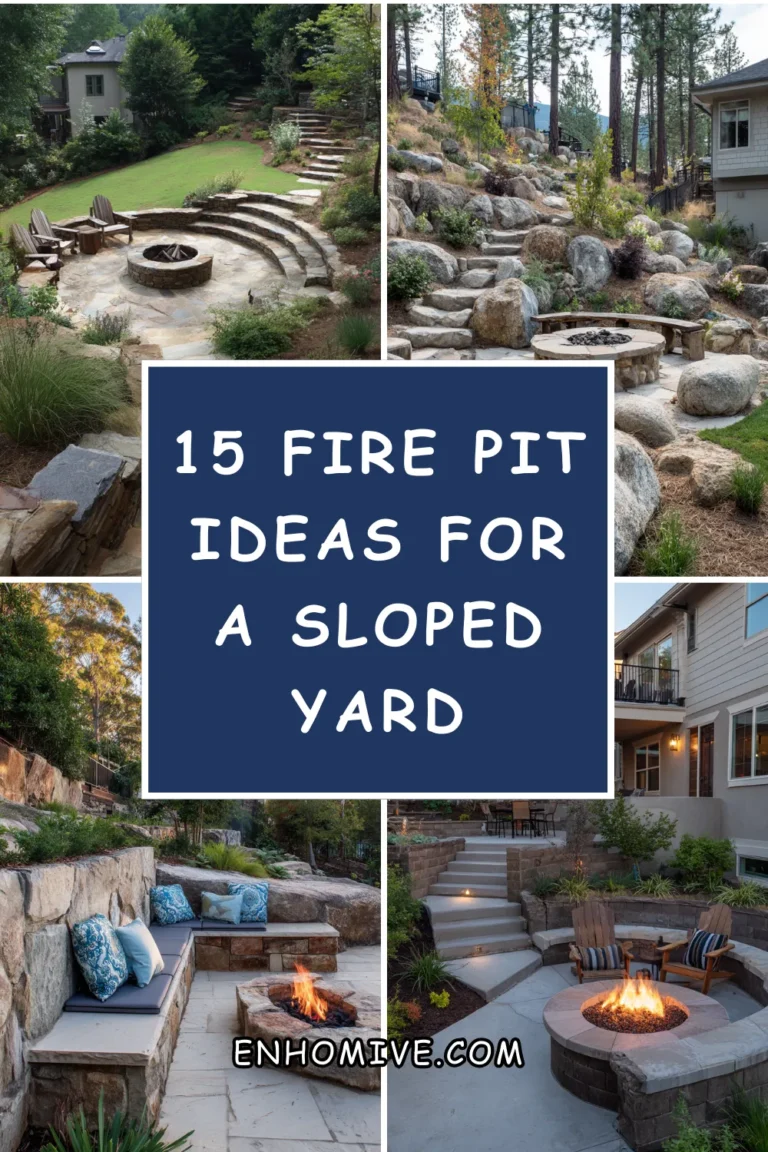
10. Use Levels to Add Drama
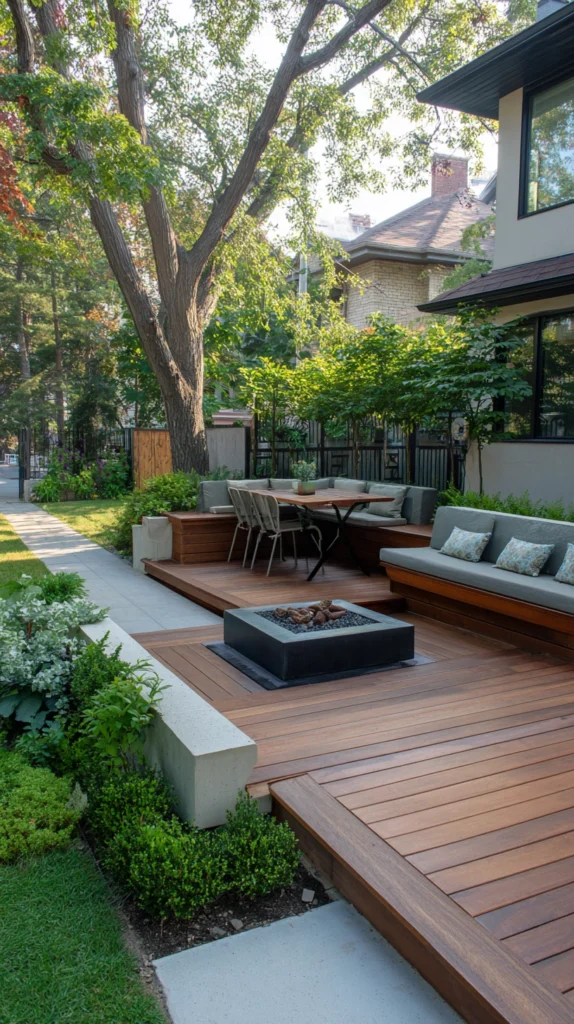
A backyard landscape that uses changes in level. raised terraces, sunken seating areas, stepped planting beds, or a sloped lawn with retaining walls. creates an outdoor environment of considerably greater visual drama, spatial complexity, and landscape interest than a flat, single-level backyard of equivalent area.
Changes in level divide the backyard into distinct spatial zones that feel genuinely different from each other, create opportunities for planting at different heights that add vertical dimension to the landscape, and generate the particular sense of landscape richness that only topographic variety can produce.
11. Plant a Statement Tree
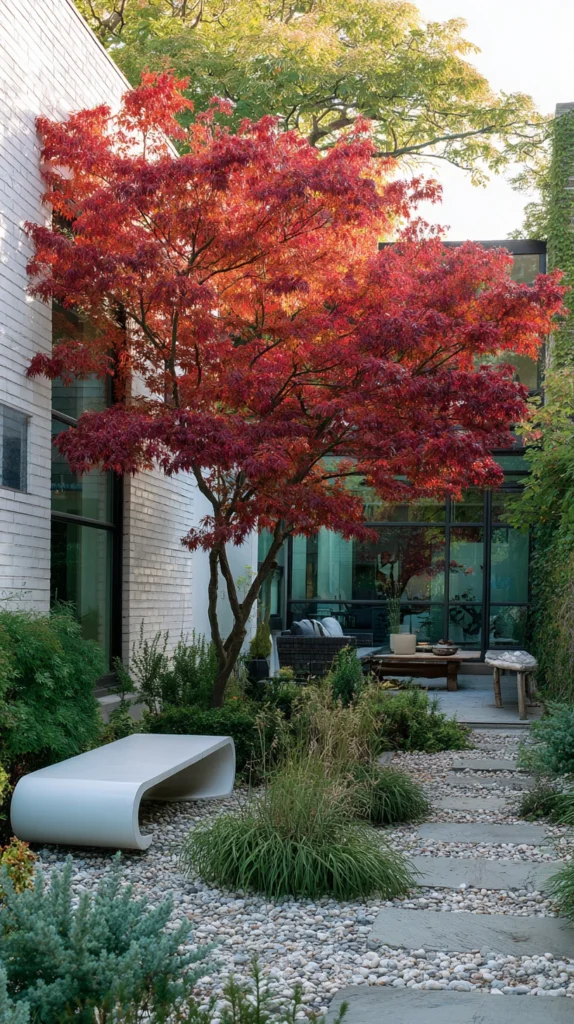
A single statement tree planted at a strategic position within the backyard landscape creates a focal point of extraordinary seasonal beauty, structural presence, and long-term landscape value that no other single planting decision can match. A Japanese maple for autumn color and sculptural winter form.
A magnolia for spectacular spring blossom. a multi-stem birch for year-round bark interest and dappled summer shade. or a flowering cherry for a brief but breathtaking spring display. Position the statement tree where it can be seen from the house, from the primary seating area, and from the main garden path for maximum visual impact through every season of the year.
12. Create a Lawn That Works for Your Lifestyle
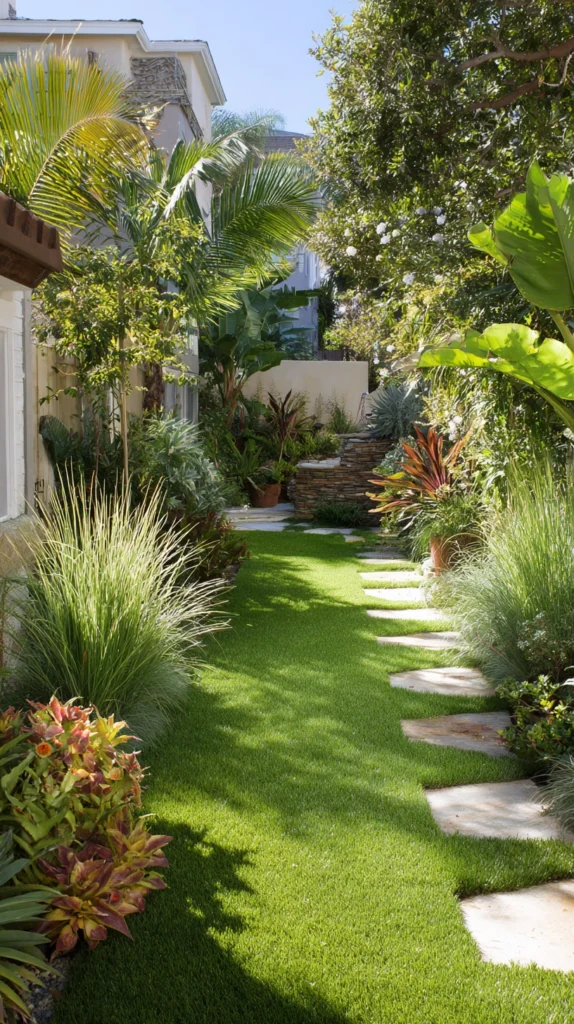
A lawn in the backyard landscape should be designed for the specific lifestyle and use requirements of the household rather than specified as a default ground cover in the absence of a better idea. A family with young children needs a generous, resilient lawn surface for play.
A household that prioritizes low maintenance benefits from a smaller, more contained lawn shape that is quick to mow and easy to edge. a household that values ecological richness might prefer a wildflower meadow lawn that is cut only once a year and provides exceptional habitat value. Design the lawn as a conscious landscape decision rather than a default surface covering.
13. Add Outdoor Seating Beyond the Patio
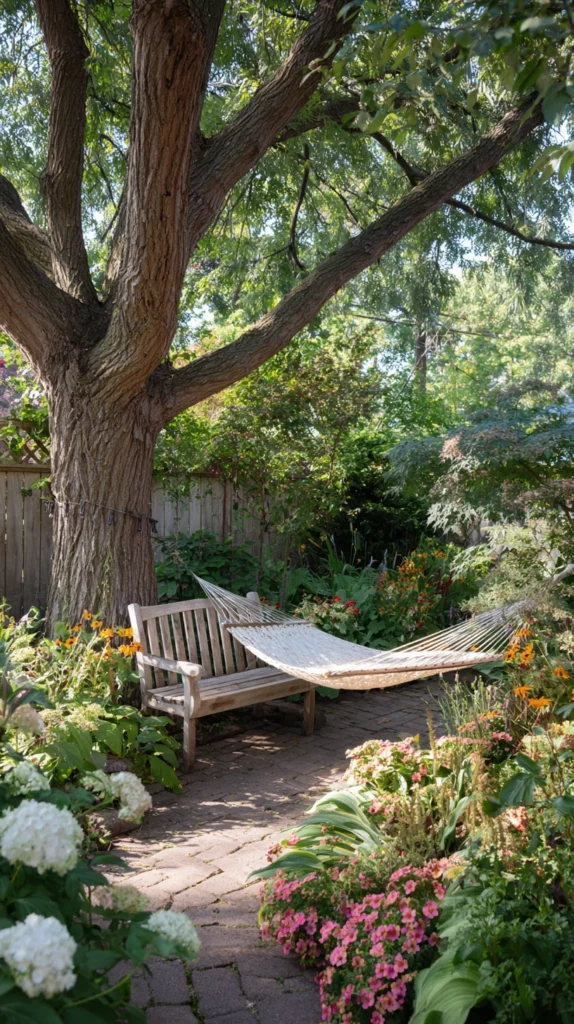
A secondary seating area positioned away from the house. a garden bench at the far end of the garden with a view back toward the house. A pair of chairs beside a water feature. a hammock between two trees. creates a destination within the backyard landscape that draws people further into the outdoor space and provides a variety of outdoor experiences beyond the primary patio seating zone.
The secondary seating area also creates the opportunity to experience the backyard from a completely different perspective and in a completely different relationship with the surrounding planting and landscape features.
14. Incorporate Sustainable Design Principles
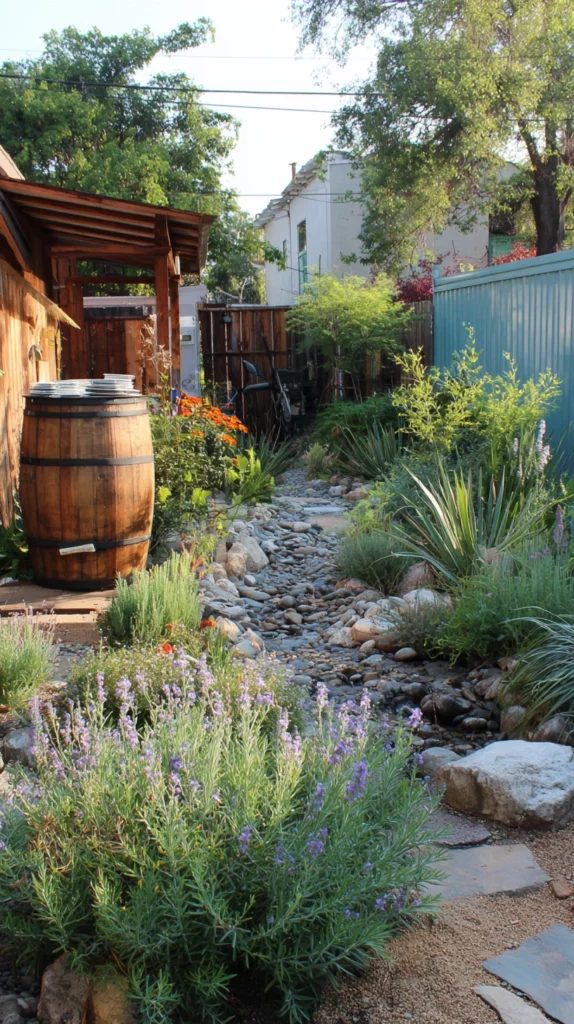
A backyard landscape designed with sustainability at its core. using drought-tolerant plants that require minimal irrigation, collecting rainwater for garden use, composting garden and kitchen waste, creating habitat for wildlife through planting and structural features, and using locally sourced and reclaimed materials wherever possible. creates an outdoor environment that is not only beautiful and functional but also genuinely responsible in its relationship with the natural systems it inhabits.
Sustainable landscape design is increasingly recognized as the most intelligent and most future-proof approach to outdoor design available to any homeowner who cares about the long-term health of their garden and their planet.
15. Maintain the Design Vision Over Time
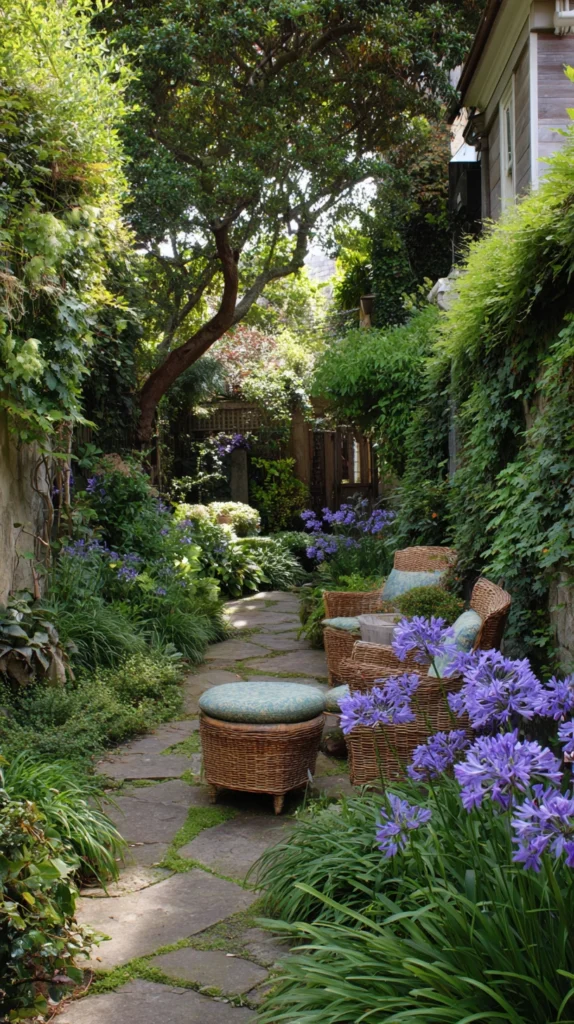
The final and most important backyard landscape design principle is the commitment to maintaining the original design vision over time through the inevitable pressures of changing tastes, changing family needs, and the temptation to add features without considering their relationship to the whole.
A backyard landscape designed with a coherent vision and maintained in alignment with that vision over years and decades develops a richness, a maturity, and a beauty that no recently completed garden can possess.
The planting matures and deepens in character. The materials weather and develop patina. The entire landscape becomes more beautiful, more complex, and more genuinely extraordinary with every passing season of careful, loving attention.
The Backyard as a Living Design
A backyard landscape designed with ambition, built with quality materials, planted with appropriate species, and maintained with consistent care becomes one of the most valuable and most deeply enjoyable elements of the home it surrounds.
It adds financial value to the property, extends the living area of the house into the natural world, and provides the daily experience of beauty, tranquility, and connection with the natural world that every household deserves.