
Budget vs Premium Carpet Cleaning at Home: Which Method Delivers the Best Results?
Have you ever looked down at your carpet and realized it’s nowhere near the color it was when you first moved in? Between tracked-in dirt, pet accidents, spilled drinks, and years of foot traffic, carpets take an incredible beating that leaves them looking tired and dingy.
I faced this exact situation three years ago when I noticed my living room carpet had gone from a beautiful cream to a dull gray-beige.
The professional cleaning quotes I received ranged from $200-600, which seemed steep for something I could potentially do myself. But would budget methods actually work, or would I end up wasting time and money on ineffective solutions?

After extensive experimentation with everything from dollar-store carpet cleaners to renting professional-grade machines to finally hiring actual professionals, I’ve learned exactly what works, what doesn’t, and when each approach makes sense. In this comprehensive guide, I’ll share every lesson I’ve learned so you can make the best decision for your carpets and budget.
Why Regular Carpet Cleaning Is More Important Than You Think
I used to view carpet cleaning as purely cosmetic—something to make my home look nicer. Then I learned what’s actually lurking deep in carpet fibers, and my perspective changed completely.
Carpets act like giant filters, trapping dust, allergens, pet dander, bacteria, dust mites, and countless other contaminants. Studies show that carpets can hold up to four times their weight in dirt before they even look dirty. That means by the time your carpet looks soiled, it’s absolutely packed with grime.
The health implications surprised me most. Dust mites thrive in dirty carpets and are a leading trigger for allergies and asthma. When my daughter’s seasonal allergies seemed to worsen despite medication, our allergist recommended professional carpet cleaning. Within two weeks of having our carpets properly cleaned, her symptoms noticeably improved.
Beyond health concerns, regular cleaning dramatically extends carpet life. Dirt particles are abrasive and cut carpet fibers with every step you take. A carpet that should last fifteen years might only make it to seven or eight without proper maintenance. Given that quality carpet costs $3-8 per square foot installed, protecting that investment through regular cleaning makes financial sense.
Clean carpets also transform how your entire home looks and feels. After my first proper deep clean, I was shocked at how much brighter my rooms looked. Colors I’d forgotten existed appeared again, and the whole house smelled fresher. It was like getting new carpet for a fraction of the replacement cost.
Understanding Your Carpet Before You Clean
Not all carpets are created equal, and using the wrong cleaning method can cause permanent damage. I learned this lesson the hard way when I used too much water on a natural fiber carpet and created mildew issues that required professional remediation.
Carpet Fiber Types and Their Cleaning Needs
Nylon Carpets: This is the most common and durable carpet fiber. Nylon handles moisture well and bounces back from heavy traffic. It responds excellently to both budget and premium cleaning methods, making it the most forgiving carpet type. All of my nylon carpets have survived my various cleaning experiments without issue.
Polyester Carpets: These are stain-resistant and affordable but less resilient than nylon. Polyester can become matted with heavy traffic and doesn’t always spring back after cleaning. I’ve found that polyester requires gentler cleaning and thorough drying to maintain its appearance.
Olefin (Polypropylene): Often used in berber and commercial carpets, olefin is moisture-resistant and easy to clean. However, it attracts oils and can look dingy if not cleaned regularly. My basement carpet is olefin, and it requires more frequent cleaning than my upstairs nylon.
Wool and Natural Fibers: These premium fibers require special care. Excessive moisture can cause shrinkage, color bleeding, and mildew. I have one wool area rug that I only clean professionally because the risk of DIY damage is too high.
Blended Fibers: Many carpets combine fibers to balance cost, durability, and appearance. Check your carpet specifications to understand the primary fiber content, as this determines which cleaning methods are safe.
| Carpet Fiber | Durability | Stain Resistance | DIY-Friendly | Water Tolerance |
| Nylon | Excellent | Good | Yes | High |
| Polyester | Good | Excellent | Yes | Moderate |
| Olefin | Good | Fair | Yes | High |
| Wool | Good | Fair | Limited | Low |
| Blends | Varies | Varies | Usually | Varies |
Carpet Construction Matters
Beyond fiber type, how your carpet is constructed affects cleaning approach and results.
Cut Pile (Plush, Saxony): These carpets have cut fibers standing upright. They show vacuum marks and footprints easily but clean relatively well. My master bedroom has cut pile, and it requires regular cleaning to maintain its appearance.
Loop Pile (Berber): Made from uncut loops of fiber, these are durable and hide dirt well. However, dirt can be harder to extract from the tight loops. I use extraction-style cleaning rather than surface cleaning for best results on my berber hallway.
Cut and Loop: These combine both constructions to create patterns. They’re moderately easy to clean and more forgiving of dirt than solid cut pile. The texture helps hide soil between cleanings.
Frieze (Shag): Long, twisted fibers create a casual, textured look. These require special attention as dirt falls deep into the fibers. My home office has frieze carpet, and it needs more frequent vacuuming and cleaning than other areas.
Checking for Colorfastness
Before using any cleaning method, testing for colorfastness is essential. I skipped this step once and ended up with a faded spot on my carpet that never fully recovered.
How to Test:
- Choose an inconspicuous area (closet, behind furniture)
- Apply a small amount of your cleaning solution
- Blot with a white cloth after 5 minutes
- Check the cloth for color transfer
- Wait 24 hours and inspect the test area for discoloration
If any color transfers or the area looks different, avoid that cleaning method. This simple test has saved me from multiple disasters.
Budget Carpet Cleaning Methods
Method 1: Regular Vacuuming and Maintenance
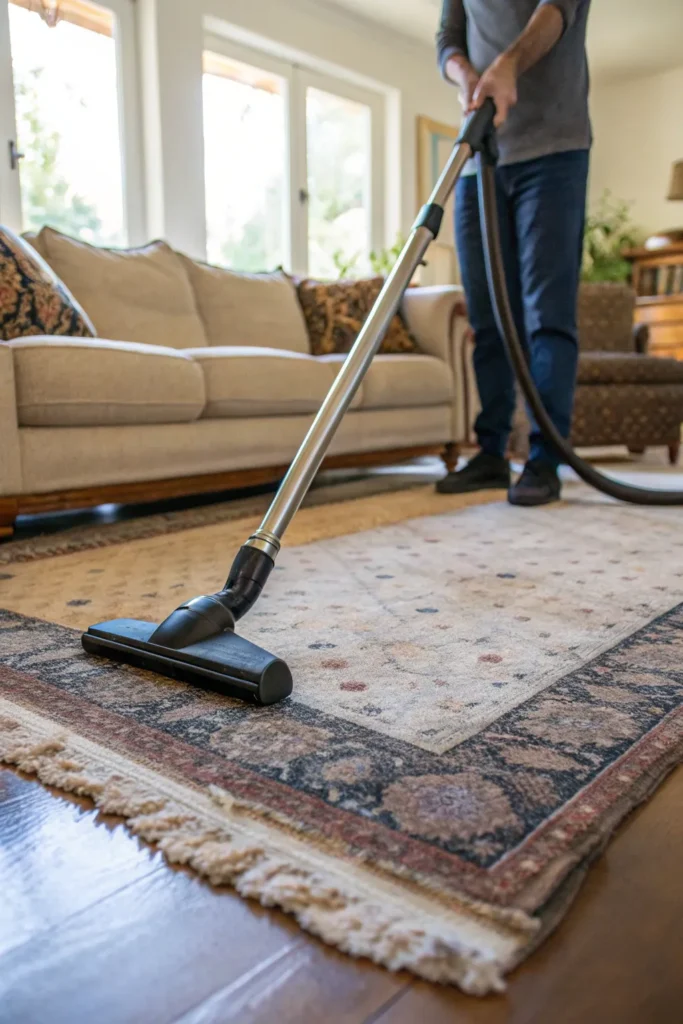
This costs nothing beyond your vacuum cleaner and is the foundation of all carpet care. I cannot overstate how much difference proper vacuuming makes in keeping carpets clean and reducing how often deep cleaning is needed.
Effective Vacuuming Technique:
- Vacuum high-traffic areas twice weekly minimum
- Vacuum other areas weekly
- Use overlapping strokes in multiple directions
- Empty the canister or change the bag when half full
- Clean vacuum filters monthly for optimal suction
- Move slowly—one pass per second works better than quick passes
- Focus extra attention on entryways and in front of furniture
I used to vacuum quickly once a week and wonder why my carpets looked dirty. When I started following these practices, the visual difference was remarkable. Carpets stayed cleaner longer between deep cleanings.
Pro Tip: Vacuum before carpet cleaning, not just after. Removing loose dirt first prevents turning it into mud during wet cleaning and improves the effectiveness of your cleaning solution.
| Vacuuming Schedule | Frequency | Time per Room | Impact on Carpet Life |
| High-traffic areas | 2-3x weekly | 5-10 minutes | Very High |
| Moderate-traffic | Weekly | 5-10 minutes | High |
| Low-traffic | Bi-weekly | 5-10 minutes | Moderate |
| Before deep cleaning | Before each clean | 10-15 minutes | Essential |
Method 2: DIY Carpet Cleaning Solution

This is my go-to method for spot cleaning and light maintenance. The ingredients cost less than $10 and last for months of cleaning.
Basic DIY Carpet Cleaner Recipe:
- 2 cups warm water
- 1 tablespoon clear dish soap (Dawn or similar)
- 1 tablespoon white vinegar
- Mix in spray bottle
Application Process:
- Vacuum the area thoroughly
- Spray solution lightly on carpet
- Let sit for 5-10 minutes
- Blot with clean white towels—don’t scrub
- Rinse by blotting with clean water
- Extract as much moisture as possible
- Allow to air dry completely
This method works beautifully for fresh spills and light soiling. I keep a spray bottle mixed and ready for immediate spot treatment when accidents happen.
For Tougher Stains:
- Add 1 tablespoon of hydrogen peroxide (test for colorfastness first)
- For grease, apply a small amount of baking soda before liquid solution
- For pet odors, use enzyme-based cleaner instead of this mixture
The limitation is that this method only cleans the surface fibers. It doesn’t extract dirt from deep in the carpet or the padding, but for regular maintenance between deep cleans, it’s perfect.
Method 3: Baking Soda Deodorizing Treatment
Carpets can develop odors from pets, cooking smells, and general mustiness. This method costs about $3 and eliminates odors effectively.
How to Use:
- Vacuum carpet thoroughly first
- Sprinkle baking soda liberally over entire carpet
- Work it into fibers with a soft brush if desired
- Let sit for at least 30 minutes (overnight for strong odors)
- Vacuum thoroughly to remove all baking soda
I do this treatment monthly in high-traffic areas and quarterly elsewhere. It keeps carpets smelling fresh without any artificial fragrances. After my dog had an accident, I used baking soda as the final step after cleaning, and it completely eliminated the lingering odor.
Pro Tip: Add a few drops of essential oil to the baking soda before sprinkling for a light, natural scent. I use lavender in bedrooms and lemon in living areas.
Method 4: Handheld Carpet Cleaner for Spot Treatment
Small, portable carpet cleaners cost $80-150 and bridge the gap between spray-and-blot methods and full-size rental machines. I purchased one three years ago and use it constantly.
Best Uses:
- Pet accidents and stains
- High-traffic pathways
- Entryways and mudrooms
- Stairs (where full-size machines are impractical)
- Spot cleaning before guests arrive
Using a Handheld Cleaner:
- Fill with hot water and carpet cleaning solution
- Pre-treat stains with solution and let dwell 5 minutes
- Run the cleaner over the area in overlapping passes
- Make multiple dry passes to extract moisture
- Use fans to accelerate drying
The extraction power is significantly better than manual blotting. My handheld cleaner has removed stains that I couldn’t eliminate by hand. For households with pets or kids, this is one of the best investments I’ve made.
| Budget Method | Upfront Cost | Per-Use Cost | Effectiveness | Best For |
| Vacuuming | $0-300 (vacuum) | $0 | Maintenance | Daily/weekly use |
| DIY Solution | $5-10 | $0.50 | Good for spots | Fresh spills |
| Baking Soda | $2-5 | $1-2 | Odor control | Freshening |
| Handheld Cleaner | $80-150 | $2-5 | Very good | Spot cleaning |
| Manual Scrubbing | $5-15 | $1 | Limited | Small areas |
Method 5: Rental Carpet Cleaning Machines
Renting a carpet cleaner from grocery stores or home improvement centers typically costs $30-50 per day, plus $15-25 for cleaning solutions. This is the most affordable way to deep clean entire rooms.
Popular Rental Options:
- Rug Doctor: $40-50 per day
- Bissell Big Green: $35-45 per day
- Home Depot/Lowe’s rentals: $30-40 per day
My Experience with Rentals:
I’ve rented machines five times over the years with mixed results. The machines work well when used correctly, but there’s definitely a learning curve. My first attempt left carpets soaking wet for two days because I didn’t make enough dry passes to extract moisture.
Using a Rental Machine Effectively:
- Vacuum thoroughly before starting
- Pre-treat stains 15-30 minutes before cleaning
- Mix solution exactly as directed—more isn’t better
- Work in 3×3 foot sections
- Move slowly—about 1 foot per second on forward pass
- Make 3-4 dry passes (no trigger) over each section
- Overlap each pass slightly
- Set up fans immediately for drying
The Good:
- Much cheaper than professional service
- Deeper cleaning than surface methods
- Heated cleaning solution (some models)
- Strong extraction power
- Can do multiple rooms on one rental
The Challenges:
- Heavy and difficult to maneuver
- Learning curve for proper technique
- Easy to over-wet carpet
- Time-consuming (took me 4 hours for 3 rooms)
- You’re responsible for machine damage
- Limited to one day unless you pay for multiple days
Rental machines deliver results somewhere between DIY spot cleaning and professional service. For budget-conscious households willing to invest the time and effort, they’re a solid option.
Pro Tip: Rent on a Friday and return Monday if the store allows weekend rentals. This gives you an entire weekend for cleaning and ensures carpets are dry before returning the machine.
Premium and Professional Carpet Cleaning Methods
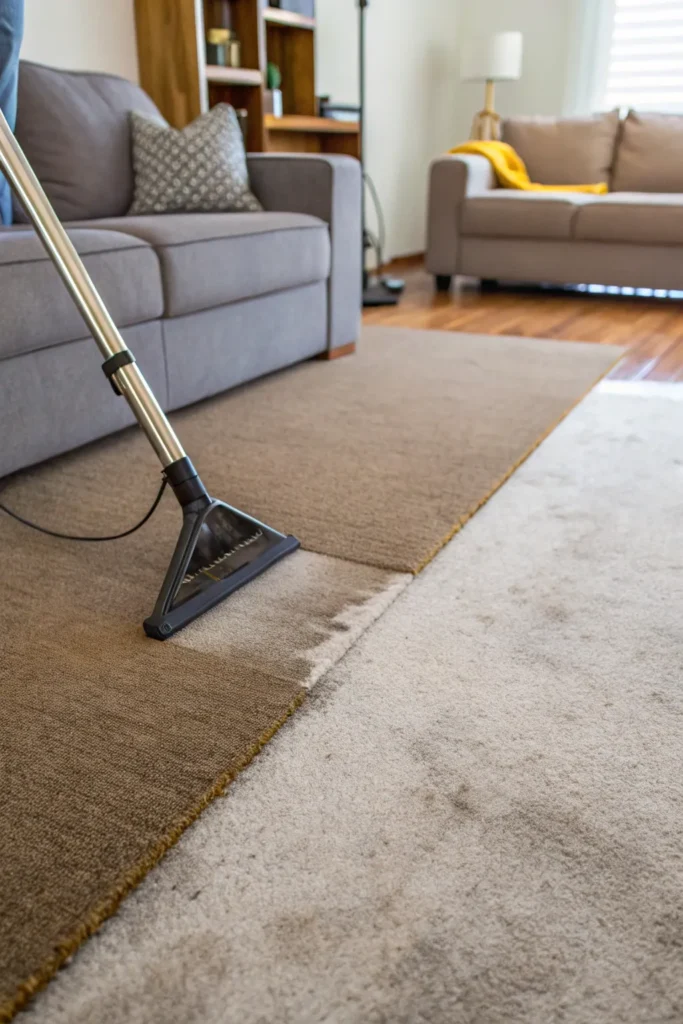
Method 1: Purchasing Your Own Carpet Cleaning Machine
High-quality home carpet cleaners range from $200-600. While this is a significant upfront investment, it pays for itself after 4-6 professional cleanings or 10-15 rentals.
Popular Home Models:
- Bissell ProHeat 2X Revolution: $200-250
- Hoover SmartWash: $250-300
- Bissell Big Green: $400-450
- Rug Doctor Deep Carpet Cleaner: $300-400
I purchased a Bissell ProHeat after my third rental experience. Having my own machine means I can clean whenever needed without planning around rental availability or return times.
Advantages of Ownership:
- Clean anytime without rental hassles
- Familiarize yourself with one machine
- More thorough cleaning because you’re not rushed
- Can do maintenance cleaning between deep cleans
- Cost-effective over time
- Some models have upholstery attachments
Realistic Expectations:
Home machines aren’t as powerful as professional truck-mounted systems, but they’re surprisingly effective. My Bissell doesn’t match the suction of professional equipment, but it delivers noticeably better results than rental machines, probably because I can take my time and make multiple passes without worrying about rental time limits.
Maintenance Requirements:
- Clean brushes after every use
- Rinse tanks thoroughly
- Check for clogs monthly
- Replace filters as recommended
- Store properly to prevent mildew
My machine has required minimal maintenance over three years. The main investment is cleaning solution, which runs $15-25 per bottle and lasts for 4-6 whole-house cleanings.
| Machine Type | Cost | Power Level | Ease of Use | Best For |
| Rental | $30-50/day | Good | Moderate | Occasional use |
| Budget Home Model | $150-250 | Moderate | Good | Regular home use |
| Mid-Range Home | $250-400 | Good | Good | Frequent use |
| Professional Home | $400-600 | Very Good | Moderate | Serious enthusiasts |
| Truck-Mounted Pro | N/A (service) | Excellent | N/A | Best results |
Method 2: Hot Water Extraction (Steam Cleaning) Professionals
This is the most common professional method and what most companies use. Despite being called “steam cleaning,” it actually uses hot water, not steam.
The Process:
Professional technicians use truck-mounted equipment that:
- Sprays hot water and cleaning solution deep into carpet fibers
- Agitates the carpet to loosen embedded dirt
- Immediately extracts water, dirt, and solution with powerful suction
- Leaves carpet damp but not soaking wet
- Typically requires 4-8 hours drying time
Cost Breakdown:
- Per room (up to 200 sq ft): $25-75
- Whole house (3 bedrooms, living areas): $200-400
- Large home (4+ bedrooms): $300-600
- Stairs: $5-15 per step
- Pet odor treatment: $50-100 additional
- Scotchgard protection: $50-150 additional
I’ve used hot water extraction professionals three times. The results consistently exceed what I can achieve with home equipment. The difference is in the water temperature (their machines heat water hotter than home models) and extraction power (truck-mounted systems pull significantly more water and dirt).
After professional cleaning, my carpets look and feel completely different. Colors are vibrant, the carpet has that new, fluffy texture again, and stubborn stains that resisted my efforts disappear.
Method 3: Dry Carpet Cleaning
This premium method uses minimal moisture and is popular for commercial settings or homes where quick drying is essential.
How It Works:
- Special dry compound is spread over carpet
- Machine works compound into fibers
- Compound absorbs dirt and oils
- Carpet is vacuumed to remove compound and dirt
- Carpet is immediately ready for use
I tried this method when I needed my living room carpet cleaned before a party the same evening. The results were good, though not quite as dramatic as hot water extraction. The main advantage is zero drying time—I had guests over three hours after the technicians left.
Pros:
- No drying time required
- No risk of over-wetting or mildew
- Safe for natural fiber carpets
- Less aggressive on delicate carpets
Cons:
- Doesn’t clean as deeply as hot water extraction
- More expensive ($50-100 per room)
- Not as effective for heavily soiled carpet
- Requires specialized equipment and compounds
Method 4: Encapsulation Cleaning
This is a newer professional method gaining popularity for its effectiveness and fast drying.
The Process:
- Apply polymer-based cleaning solution
- Machine agitates solution into carpet fibers
- Solution crystallizes around dirt particles
- Crystals are vacuumed away along with trapped dirt
- Dry in 1-2 hours
I haven’t personally used this method but have researched it extensively. It’s particularly effective for commercial carpets and maintenance cleaning between hot water extractions. The cost is comparable to hot water extraction ($30-60 per room).
Method 5: Carbonation Cleaning
Some professional services use carbonated cleaning solutions that bubble dirt to the surface.
How It Works:
The carbonation effect lifts dirt up and out of carpet fibers rather than pushing it deeper. Less water is used compared to traditional hot water extraction, resulting in faster drying (2-4 hours).
One service I tried used this method with excellent results. The carpet dried noticeably faster than after traditional hot water extraction, and the cleaning effectiveness was comparable.
| Professional Method | Cost per Room | Drying Time | Effectiveness | Frequency Recommended |
| Hot Water Extraction | $25-75 | 4-8 hours | Excellent | 1-2x yearly |
| Dry Cleaning | $50-100 | Immediate | Good | As needed |
| Encapsulation | $30-60 | 1-2 hours | Very Good | 2-3x yearly |
| Carbonation | $40-80 | 2-4 hours | Very Good | 1-2x yearly |
Deep Dive: Comparing Specific Cleaning Scenarios
Scenario 1: Fresh Wine Spill
Budget Approach: I immediately blot (never rub) with white towels, apply club soda or my DIY solution, continue blotting, rinse with clean water, and extract moisture. Time: 15 minutes. Cost: $0-1. Success rate: 85% if caught immediately.
Premium Approach: I use my portable carpet cleaner with enzyme-based solution, making multiple passes to fully extract the stain. Time: 10 minutes. Cost: $2-3. Success rate: 95%.
Verdict: For fresh spills, budget methods work surprisingly well if you act immediately. The portable cleaner is faster and more effective but not dramatically so. Save the money unless you have frequent spills.
Scenario 2: Pet Urine in Multiple Areas
Budget Approach: Enzyme cleaners ($10-15) break down urine crystals. I apply liberally, let sit for 10-15 minutes, blot thoroughly, and repeat. This works for surface accidents but struggles with urine that has soaked into padding. Success rate: 60% for older stains.
Premium Approach: Professional services use UV lights to locate all urine spots (many are invisible), then treat with commercial-strength enzyme solutions and extract thoroughly. Some services offer padding treatment or replacement. Cost: $100-200 additional. Success rate: 95%.
Verdict: Professional treatment is worth it for pet urine problems. The difference in effectiveness and odor elimination is dramatic. I learned this after spending $50 on DIY products with limited results, then paying $150 for professionals who completely solved the problem.
Scenario 3: Annual Whole-House Deep Clean
Budget Approach: Renting a machine and doing it myself costs $50-75 including solution. Time investment: 6-8 hours for the whole house. Results: Good for lightly to moderately soiled carpet. My carpets look noticeably cleaner and smell fresh.
Premium Approach: Professional service costs $200-400 for my 1,800 sq ft home. Time investment: 2-3 hours of their time, none of mine. Results: Excellent—carpets look nearly new, and the difference lasts longer than my rental-machine cleaning.
Verdict: If budget allows, professional cleaning annually is worth it. The results are superior, you save an entire day of physical labor, and the equipment is more powerful. However, if the budget is tight, rental machines deliver decent results that make the effort worthwhile.
Scenario 4: High-Traffic Hallway Maintenance
Budget Approach: Monthly spot cleaning with my DIY solution and quarterly treatment with my handheld cleaner keeps the hallway looking acceptable. Cost: $5-10 monthly. Time: 30 minutes monthly.
Premium Approach: Using my owned carpet cleaner monthly maintains the hallway beautifully between annual professional cleans. Cost: $3-5 monthly for solution. Time: 45 minutes monthly.
Verdict: Owning a carpet cleaner makes sense for high-traffic areas needing frequent attention. The initial investment ($200-400) pays off through better results and convenience.
| Scenario | Budget Solution | Premium Solution | Best Choice |
| Fresh spills | DIY spray + blot | Portable cleaner | Budget (effective) |
| Pet urine | Enzyme cleaner | Professional treatment | Premium (worth it) |
| Annual deep clean | Rental machine | Professional service | Depends on budget |
| High-traffic areas | Spot cleaning | Owned machine | Premium (long-term) |
| Pre-event cleaning | Rental machine | Professional service | Depends on timeline |
Common Carpet Cleaning Mistakes That Cost Me Time and Money
Mistake 1: Using Too Much Cleaning Solution
More soap doesn’t mean cleaner carpet—it means sticky residue that attracts dirt faster. I made this mistake on my first rental machine attempt and my carpets looked dingy again within two weeks.
Carpet cleaning solutions are highly concentrated. Using the exact amount specified in directions is crucial. Excess soap is nearly impossible to rinse out completely with home equipment.
Fix: Follow mixing instructions precisely. If carpets feel sticky or crusty after cleaning, you’ve used too much soap. Rinse by cleaning again with plain water only.
Mistake 2: Over-Wetting the Carpet
This is the most common and most damaging mistake. Too much water can:
- Cause mildew and mold growth in carpet and padding
- Damage flooring underneath
- Cause carpet to separate from backing
- Create musty odors
- Result in brown wicking stains as carpet dries
I over-wet my den carpet on my first attempt with a rental machine. Despite running fans for 48 hours, a musty smell developed that required professional remediation to fully eliminate.
Prevention: Move the machine slowly enough that it extracts most moisture. Make multiple dry passes (trigger released) to pull out water. If carpet is dripping wet after cleaning, you’ve over-wetted it.
Mistake 3: Scrubbing Stains Vigorously
When my son spilled grape juice, my instinct was to scrub hard. This pushed the stain deeper, damaged carpet fibers, and created a fuzzy, distorted area that never fully recovered.
The correct approach is always blotting with light pressure. Blotting lifts stains out of fibers rather than driving them deeper.
Mistake 4: Not Testing Cleaning Products
I once used a highly-rated carpet cleaner without testing and discovered it lightened my carpet color in visible areas. The damage was permanent and noticeable.
Always test any cleaning product in an inconspicuous area—inside a closet, under furniture, or in a corner. Wait 24 hours to check for color change, texture change, or other damage before using throughout the room.
Mistake 5: Improper Drying After Cleaning
Leaving carpet wet or damp for extended periods invites mold, mildew, and bacterial growth. I didn’t use fans after one cleaning, and spots of mildew appeared within 72 hours.
Proper Drying:
- Open windows for air circulation
- Run ceiling fans
- Place box fans blowing across carpet
- Use dehumidifiers to pull moisture from air
- Avoid walking on carpet until completely dry
- Don’t replace furniture until carpet is fully dry (24-48 hours)
Mistake 6: Cleaning Too Frequently
Counter-intuitively, cleaning carpet too often can damage it. Each cleaning involves agitation and chemical exposure that wears down fibers. I was cleaning my high-traffic hallway monthly with a machine until I noticed the carpet pile looked matted and worn.
Appropriate Frequency:
- Whole house deep clean: 1-2 times yearly
- High-traffic areas: Every 4-6 months
- Spot cleaning: As needed
- Vacuuming: Weekly minimum
| Common Mistake | Consequence | Prevention |
| Too much soap | Sticky residue, rapid re-soiling | Follow directions exactly |
| Over-wetting | Mold, mildew, damage | Extract thoroughly, use fans |
| Scrubbing stains | Fiber damage, deeper stains | Always blot, never rub |
| No testing | Permanent color damage | Test in hidden area first |
| Poor drying | Mold growth, odors | Use fans, dehumidifiers |
| Over-cleaning | Premature wear | Follow recommended schedule |
Creating a Strategic Carpet Cleaning Plan
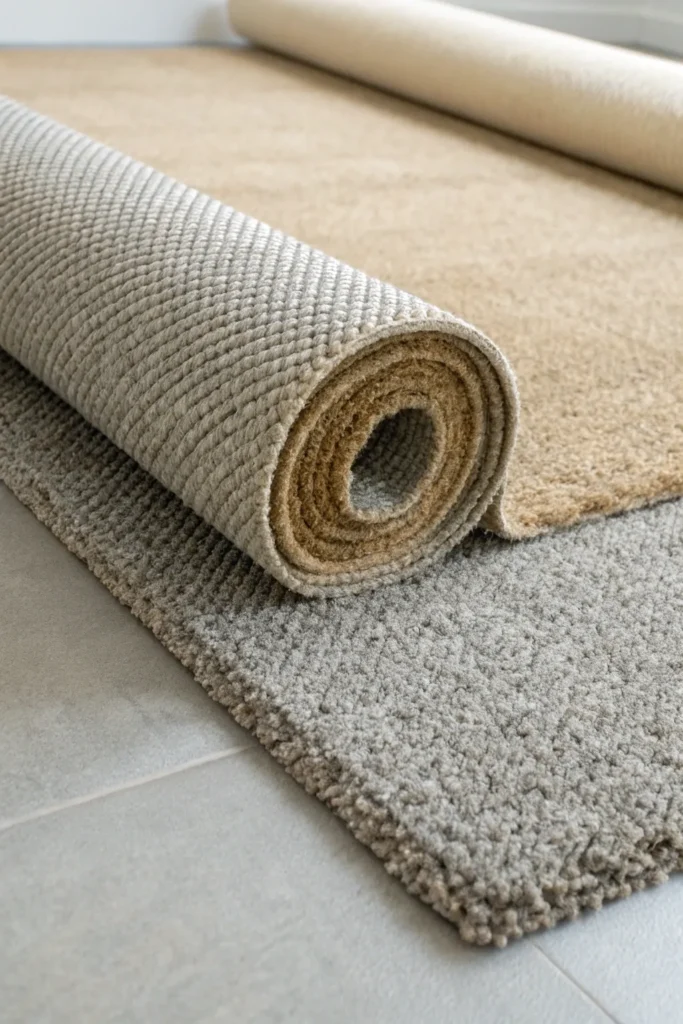
The most effective approach combines budget and premium methods strategically based on your specific needs and circumstances.
My Personal Carpet Cleaning Schedule
This is the exact schedule I follow in my home, adjusted based on traffic patterns and usage.
Weekly:
- Vacuum all carpeted areas thoroughly
- Spot-treat any new stains immediately when they occur
Monthly:
- Deep vacuum with multiple passes
- Baking soda deodorizing treatment in bedrooms
- Handheld cleaner for high-traffic pathways
Quarterly:
- Full room cleaning with my owned machine in high-traffic areas
- Professional inspection of any stubborn stains
Annually:
- Professional hot water extraction for entire house
- Scotchgard protection application
As Needed:
- Professional pet odor treatment if accidents occur
- Rental machine if I want to clean entire house between annual professional service
This schedule keeps my carpets consistently clean without over-cleaning. The annual professional service tackles deep-down dirt that my home equipment can’t reach, while regular maintenance prevents heavy soiling from developing.
Budget-Conscious Strategy
If professional cleaning isn’t in your budget, this approach delivers solid results:
Weekly: Thorough vacuuming
Monthly: Baking soda treatment and spot cleaning
Quarterly: Full cleaning with rental machine or borrowed equipment
Annually: Consider saving for one professional cleaning if possible
Total annual cost: $120-200 (rental machine 4x, cleaning solutions, occasional spot products)
This approach requires more effort but keeps carpets acceptably clean for minimal cost.
Premium Strategy
For those who can invest more in carpet care:
Weekly: Vacuum with high-quality vacuum cleaner
Monthly: Quick clean of high-traffic areas with owned machine
Quarterly: Professional hot water extraction or full DIY deep clean
Annually: Professional deep clean with Scotchgard
As Needed: Professional stain treatment
Total annual cost: $600-1,000 (owned machine, quarterly professional service, annual deep clean, products)
This delivers the best possible results and maximum carpet longevity but requires significant investment.
My Recommended Hybrid Approach
This balances cost and results for most households:
Weekly: Vacuum thoroughly
Monthly: Spot treatment and baking soda freshening
Quarterly: DIY cleaning with owned machine in high-traffic areas
Semi-Annually: Professional cleaning for entire house
As Needed: Professional treatment for stubborn problems
Total annual cost: $400-600 first year (owned machine + 2 professional cleanings), $250-400 subsequent years
This approach gives you professional-level results in a cost-effective way while building skills and confidence with DIY methods.
| Cleaning Strategy | Annual Cost | Time Investment | Results Quality | Best For |
| Budget Only | $100-200 | High (20-30 hours) | Acceptable | Tight budgets |
| Premium Only | $800-1,200 | Low (2-4 hours) | Excellent | High income, no time |
| Hybrid | $400-600 (year 1) | Moderate (10-15 hours) | Very Good | Most households |
| DIY with Owned Machine | $250-400 (after initial) | Moderate (15-20 hours) | Good to Very Good | DIY enthusiasts |
Special Carpet Cleaning Situations
Dealing with Specific Types of Stains
Different stains require targeted approaches. Here’s what I’ve learned works best for common carpet disasters.
Red Wine:
- Blot immediately
- Pour white wine or club soda on the stain (sounds crazy but works)
- Continue blotting
- Apply hydrogen peroxide if needed (test first)
- Rinse and extract
Coffee and Tea:
- Blot up liquid immediately
- Mix 1 tablespoon white vinegar with 1 cup water
- Apply and blot repeatedly
- Rinse thoroughly
Grease and Oil:
- Apply cornstarch or baking soda immediately to absorb oil
- Let sit 15 minutes
- Vacuum thoroughly
- Apply dish soap diluted with water
- Blot and rinse
Ink:
- Dab with rubbing alcohol on white cloth
- Work from outside of stain inward
- Never rub—only blot
- May require multiple applications
Blood:
- Use only cold water (hot sets the stain)
- Blot with cold water repeatedly
- Apply hydrogen peroxide for stubborn stains
- Professional cleaning if extensive
Mud:
- Let dry completely before attempting to clean
- Vacuum thoroughly to remove dried dirt
- Clean remainder with normal carpet cleaner
- Repeat if necessary
Pro Tip: For mystery stains where you don’t know the source, start with the gentlest method (cold water) and escalate only if needed. Starting aggressive can set unknown stains permanently.
Cleaning Carpet with Pets
Pet households face unique carpet challenges. I have two dogs and have learned specific strategies that make a significant difference.
Immediate Response to Accidents:
- Blot up as much as possible immediately
- Apply enzyme cleaner liberally (saturate the area)
- Cover with plastic wrap to prevent evaporation
- Let sit 10-15 minutes
- Blot thoroughly
- Rinse and extract if possible
- Apply baking soda once dry to eliminate residual odors
Preventing Re-Marking: Pets return to areas they’ve marked before. Enzyme cleaners break down urine crystals that emit scent markers. Complete elimination of the odor is essential, which is why professional treatment often succeeds where DIY fails—they have stronger enzymes and better extraction equipment.
Regular Maintenance for Pet Households:
- Vacuum 3-4 times weekly minimum
- Monthly baking soda treatment
- Quarterly deep cleaning of entire house
- Professional cleaning 2x yearly instead of annually
I learned that preventing dirt tracking is easier than cleaning it. Door mats, wiping paws after walks, and designated pet areas significantly reduce how much dirt pets bring onto carpet.
Carpet in Rental Properties
Rental situations present unique challenges since you’re maintaining someone else’s property but want a clean living environment.
Before Moving In: Request professional carpet cleaning or negotiate it into your lease. I insisted on this for my last rental, and the landlord agreed to clean carpets before move-in.
During Tenancy: Focus on maintenance cleaning rather than deep restoration. Regular vacuuming and spot cleaning preserve the carpet without investing heavily in someone else’s property.
Before Moving Out: Most leases require professional cleaning or return the property to original condition. I always hire professionals before moving out to avoid disputes and ensure deposit return.
Budget $150-300 for professional cleaning when moving out. This investment almost always pays for itself by securing your full security deposit.
Carpets Over Radiant Heat
If you have radiant floor heating like I do in my basement, special considerations apply.
Drying Considerations: Radiant heat actually accelerates carpet drying, which sounds beneficial but can cause problems. Too-rapid drying can leave soap residue on the surface.
Cleaning Approach:
- Use less cleaning solution than normal
- Make extra rinse passes
- Don’t turn heat up to speed drying
- Allow normal drying time with fans
The radiant heat will naturally help with drying—don’t artificially accelerate it further or you risk residue problems.
Understanding Professional Service Contracts
Many professional carpet cleaning companies offer various service plans and contracts. Understanding these helps you get the best value.
One-Time Service vs Maintenance Plans
One-Time Service:
- Pay per visit
- Typical cost: $200-400 per visit
- No commitment
- Flexibility to use different companies
I used one-time services exclusively for my first two years of homeownership while evaluating different companies.
Maintenance Plans:
- Pay upfront for multiple visits
- Typical cost: $500-800 for 2-3 annual visits
- 10-20% discount vs one-time pricing
- Priority scheduling
- Often includes extras like spot treatment between visits
After finding a company I trusted, I switched to their maintenance plan and save about $150 annually. The scheduled visits also ensure I don’t procrastinate on carpet cleaning.
Questions to Ask Before Hiring
About Their Process:
- What cleaning method do they use?
- How long will drying take?
- Do they move furniture or is that my responsibility?
- What kind of cleaning solution do they use?
- Is Scotchgard or fabric protection included?
About Their Business:
- Are they licensed and insured?
- Do they guarantee their work?
- What happens if a stain doesn’t come out?
- Do they have reviews I can check?
- Have they been in business long-term?
About Pricing:
- What’s included in the base price?
- Are stairs, pet treatment, or protection extra?
- Is there a minimum charge?
- Do they charge by room or square footage?
- What payment methods do they accept?
I learned to ask these questions after a disappointing experience with a discount company that left my carpets soaking wet and didn’t honor their “satisfaction guarantee.”
Red Flags to Avoid
Extremely Low Prices: Companies advertising whole-house cleaning for $99 often use bait-and-switch tactics, charging for every imaginable add-on once they arrive.
No Insurance or License: If they damage your property, you have no recourse. Always verify insurance.
High-Pressure Upselling: Reputable companies explain options but don’t pressure you into expensive additions you don’t need.
No Written Estimate: Always get pricing in writing before work begins.
Reluctance to Answer Questions: Professional companies are transparent about their process, products, and pricing.
| Service Type | Average Cost | Pros | Cons | Best For |
| One-Time Visit | $200-400 | Flexibility, no commitment | Higher per-visit cost | Trying companies |
| Maintenance Plan | $500-800/year | Savings, convenience | Commitment, upfront cost | Regular users |
| Discount Services | $99-150 | Low price | Often poor quality | Budget-constrained |
| Premium Services | $400-800 | Best results, guarantees | Highest cost | Valuable carpet |
Making the Final Decision: Budget vs Premium
After years of experimenting with every approach, I’ve developed clear criteria for deciding which method makes sense in different situations.
Choose Budget Methods When:
The Carpet Is New or Lightly Soiled: There’s no need to pay for professional service when DIY methods achieve excellent results on carpets that aren’t heavily soiled.
You Have Time and Physical Ability: Budget methods require more time and physical effort. If you have both, the cost savings are substantial.
The Carpet Is Low-Value: For builder-grade carpet in a rental or older carpet nearing replacement, spending on premium cleaning doesn’t make financial sense.
You Enjoy DIY Projects: Some people genuinely enjoy the process and satisfaction of DIY cleaning. If that’s you, budget methods can be rewarding.
Budget Is Extremely Tight: Obviously, if professional cleaning isn’t affordable, DIY is better than no cleaning at all.
Choose Premium Methods When:
The Carpet Is Expensive: High-quality carpet represents a significant investment. Professional cleaning protects that investment and extends its life.
You Have Persistent Problems: Pet odors, stubborn stains, or recurring issues often require professional-strength treatment to fully resolve.
Time Is Limited: Professional cleaning saves hours of physical labor. For busy professionals, the time savings alone justifies the cost.
You Have Physical Limitations: Carpet cleaning is physically demanding. If you have back problems, mobility issues, or other limitations, professional service is worth every penny.
Carpets Are Heavily Soiled: Years of neglected carpet need professional-grade equipment to fully restore. DIY methods can improve appearance but won’t fully rehabilitate heavily soiled carpet.
You Want Optimal Results: Professional equipment and expertise deliver noticeably superior results. If you want your carpet to look its absolute best, professionals are the way to go.
My Final Recommendation
For most homeowners, I recommend this approach:
Year 1: Invest in a quality home carpet cleaning machine ($250-400) and learn to use it effectively through practice.
Ongoing: Use your machine for quarterly maintenance of high-traffic areas and spot cleaning as needed.
Annually: Hire professionals for a comprehensive deep clean that reaches what home equipment cannot.
This hybrid approach delivers professional-quality results while developing your skills and building long-term cost savings. The initial investment in equipment pays for itself within 2-3 years while giving you the ability to address spills and stains immediately.
Conclusion: Clean Carpets Are Worth the Investment
Clean carpets make your entire home look, smell, and feel better. They contribute to better air quality, reduce allergens, and extend the life of a major investment in your home.
Whether you choose budget DIY methods, professional services, or my recommended hybrid approach, the most important factor is consistency. Regular maintenance prevents the heavy soiling that requires intensive intervention, making every cleaning easier and more effective.
I’ve tried everything from dollar-store spray bottles to $500 professional services, and I can tell you there’s no single “best” method—only the best method for your specific situation, budget, and needs.
Start with regular vacuuming and build from there. Don’t be intimidated by professional services if you need them, but don’t assume you need to pay someone if budget methods will work. Learn as you go, and your carpets will thank you with years of additional life and beauty.
What’s your biggest carpet cleaning challenge? I’d love to hear about your experiences and what methods have worked best in your home.