
Cleaning Mistakes That Waste Money (And How to Stop Making Them)
Cleaning should make your home look better, not drain your wallet.
Yet many households unknowingly waste hundreds of dollars every year through simple cleaning mistakes.
Most of these habits feel normal but quietly cost you time, money, and effort.
Understanding what not to do is just as important as knowing how to clean.
Once you fix these mistakes, your cleaning routine becomes cheaper, faster, and more effective.
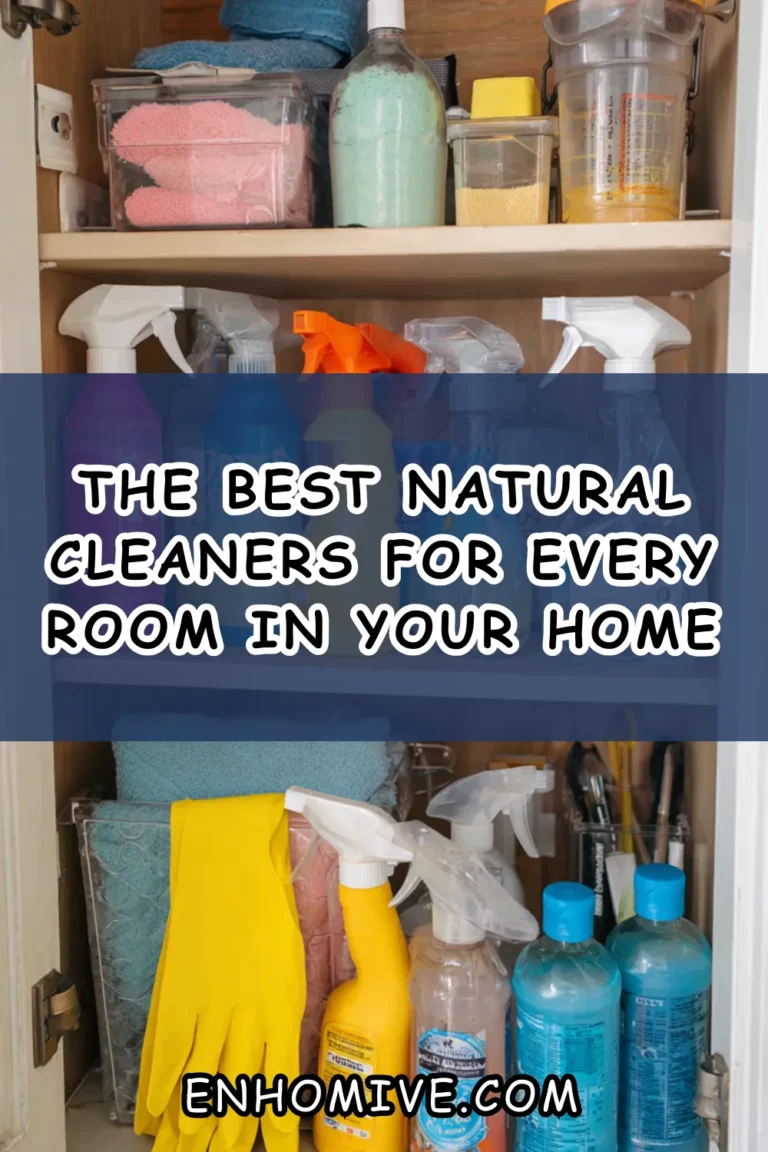
Buying Too Many Specialized Cleaners

This is the most common money-wasting habit.
Many homes have:
- Glass cleaner
- Countertop cleaner
- Cabinet spray
- Appliance cleaner
- Bathroom spray
- Floor cleaner
Most of these do the same job.
One good all-purpose cleaner can replace several bottles.
Extra products add clutter and unnecessary spending.
Why Multi-Purpose Cleaners Save More
Multi-purpose cleaners:
- Cost less overall
- Take up less storage
- Simplify routines
- Reduce impulse buying
Fewer products mean fewer repeat purchases.
Using Too Much Product
More cleaner does not mean better cleaning.
Using excess product:
- Leaves residue
- Attracts dirt faster
- Requires more rinsing
- Makes surfaces dull
This leads to using even more product later.
How to Use the Right Amount
A light spray is enough.
Best practice:
- Spray once
- Let it sit briefly
- Wipe with microfiber
Your bottle will last much longer.
Using Paper Towels for Everything

Paper towels feel convenient.
But they:
- Get used too quickly
- Tear easily
- Leave lint
- Add recurring costs
Over a year, this becomes expensive.
Why Microfiber Cloths Are Cheaper

Microfiber cloths:
- Are reusable
- Clean better with less product
- Last hundreds of washes
- Reduce waste
A small set can replace dozens of paper towel rolls.
Cleaning Too Often With Harsh Products
Over-cleaning damages surfaces.
Harsh chemicals:
- Strip finishes
- Cause fading
- Wear down coatings
- Shorten lifespan
Damaged surfaces cost more to repair or replace.
Smarter Cleaning Frequency
Clean based on use, not habit.
Examples:
- Floors don’t need daily mopping
- Appliances need weekly wiping
- Deep cleaning can be monthly
Gentle, consistent cleaning saves money.
Ignoring Preventive Cleaning
Waiting too long makes cleaning harder.
Built-up grime:
- Requires stronger products
- Takes more time
- Leads to surface damage
This increases costs long-term.
Simple Preventive Habits
Small habits prevent big messes.
Examples:
- Wipe spills immediately
- Use sink mats
- Clean as you cook
- Vent moisture properly
Prevention costs nothing.
Using the Wrong Cleaner on Surfaces
Wrong products cause damage.
Common mistakes:
- Vinegar on marble
- Abrasives on stainless steel
- Bleach on colored grout
Damage often looks permanent.
Why Surface Damage Is Expensive
Damaged surfaces may need:
- Professional refinishing
- Replacement
- Repairs
A cheap cleaner mistake can cost hundreds.
Not Reading Product Labels
Skipping instructions wastes product.
Issues include:
- Wrong dilution
- Unsafe surface use
- Incorrect dwell time
This reduces effectiveness and increases usage.
How Labels Save You Money
Labels explain:
- Proper dilution
- Surface compatibility
- Best usage method
Correct use means fewer repeat cleanings.
Replacing Tools Too Often
Cheap tools wear out fast.
Examples:
- Low-quality sponges
- Thin mops
- Flimsy scrub brushes
Replacing them repeatedly costs more.
Investing in Better Basics
Spend slightly more on:
- Microfiber cloths
- Sturdy mop handles
- Durable brushes
They last years instead of months.
Throwing Away Partially Used Products
Many products are discarded early.
Reasons:
- Lost caps
- Broken spray nozzles
- Minor separation
This wastes usable cleaner.
How to Extend Product Life
Simple fixes:
- Replace spray heads
- Shake before use
- Transfer to new bottles
- Label clearly
Small effort saves money.
Using Disposable Cleaning Tools
Disposable wipes feel convenient.
But they:
- Are costly long-term
- Dry out quickly
- Create waste
- Clean less effectively
They add up fast.
Reusable Alternatives That Save More
Choose:
- Washable cloths
- Refillable spray bottles
- Reusable mop pads
Reusable tools pay for themselves quickly.
Buying Products Based on Marketing
Packaging influences purchases.
Words like:
- “Professional”
- “Advanced”
- “Power formula”
Often mean higher price, not better results.
What Actually Matters in Cleaners
Focus on:
- Ingredients
- Surface compatibility
- Proper usage
Not branding or scent alone.
Using Scent as a Measure of Cleanliness
Strong fragrance doesn’t mean clean.
Over-scented products:
- Trigger allergies
- Leave residue
- Encourage overuse
Cleanliness comes from removal, not smell.
Smell-Free Cleaning Saves Money
Neutral cleaners:
- Require less product
- Don’t mask dirt
- Reduce repeat cleaning
Fresh air beats fragrance.
Skipping DIY Options Entirely
Avoiding DIY cleaners costs more.
DIY solutions:
- Are cheaper
- Work well for daily cleaning
- Reduce store trips
Even partial DIY use saves money.
Where DIY Makes the Biggest Impact
Best DIY replacements:
- All-purpose spray
- Glass cleaner
- Degreaser
- Sink cleaner
These are used most often.
Cleaning Without a Routine
Random cleaning causes waste.
Without a routine:
- Products are overused
- Tasks are repeated
- Time is wasted
This leads to buying more supplies.
Creating a Cost-Efficient Routine
A simple routine helps.
Daily:
- Light wipe-downs
Weekly:
- Bathroom and floor cleaning
Monthly:
- Deep cleaning tasks
Structure reduces waste.
FAST Version for Busy Readers
Top money-wasting mistakes:
- Too many cleaners
- Too much product
- Paper towel overuse
- Wrong cleaner choice
- Disposable tools
Fix these first.
How Much These Mistakes Cost Per Year
Estimated losses:
- Extra cleaners: $60–100
- Paper towels: $40–80
- Overuse of products: $30–50
- Tool replacement: $30–60
Total waste can exceed $200 annually.
Budget vs Smart Cleaning Habits
| Habit | Wastes Money | Saves Money |
| Multiple cleaners | Yes | No |
| Microfiber cloths | No | Yes |
| Proper dilution | No | Yes |
| DIY cleaners | No | Yes |
Small choices add up fast.
Teaching Kids Money-Saving Cleaning Habits
Good habits start early.
Teach:
- Use less product
- Wipe spills quickly
- Respect surfaces
- Reuse cloths
This saves money long-term.
Final Thoughts
Cleaning should protect your home, not slowly drain your finances. Most money-wasting cleaning mistakes come from habits passed down without question.
By using fewer products, choosing reusable tools, and cleaning smarter instead of harder, you can cut costs without sacrificing cleanliness.
When cleaning is intentional, efficient, and simple, your home stays cleaner and your budget stays intact.