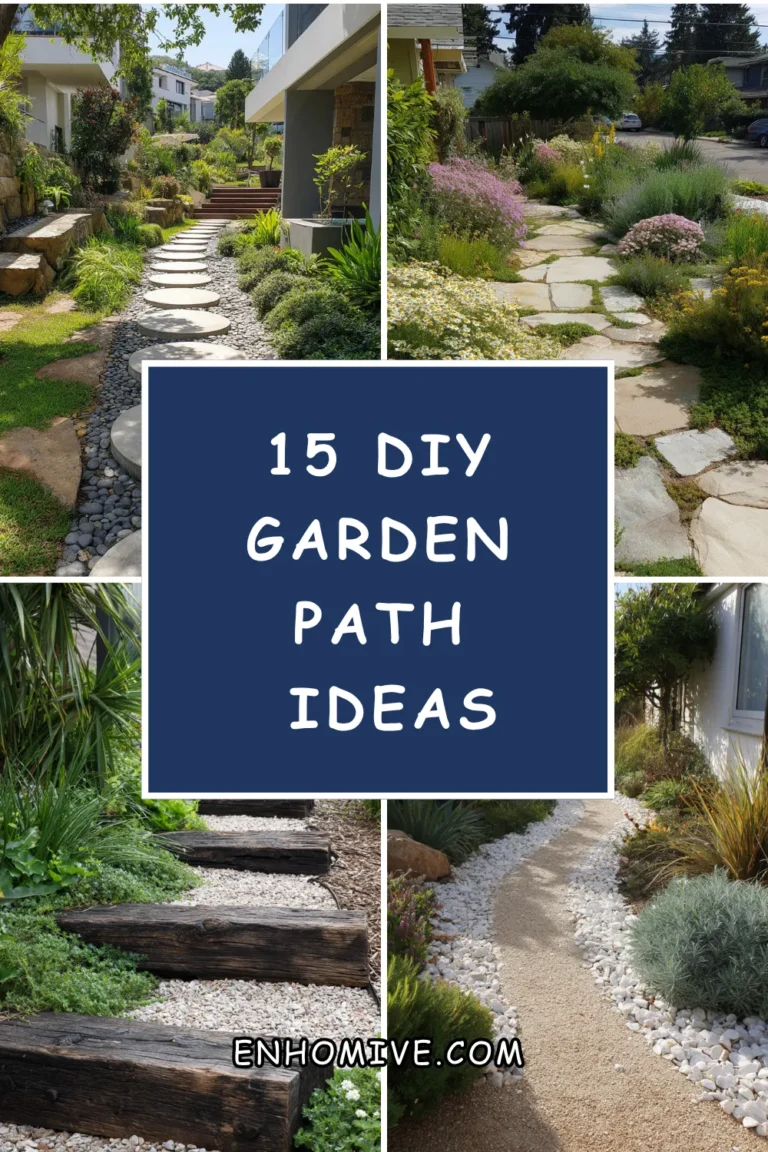

15 Easy DIY Planter Ideas to Style Your Indoor & Outdoor Spaces
DIY planters are a simple and creative way to refresh your living spaces while adding personality and charm. Whether you want to enhance a cozy corner indoors or bring new life to an outdoor area, handmade planters allow you to customize your decor without spending a fortune.
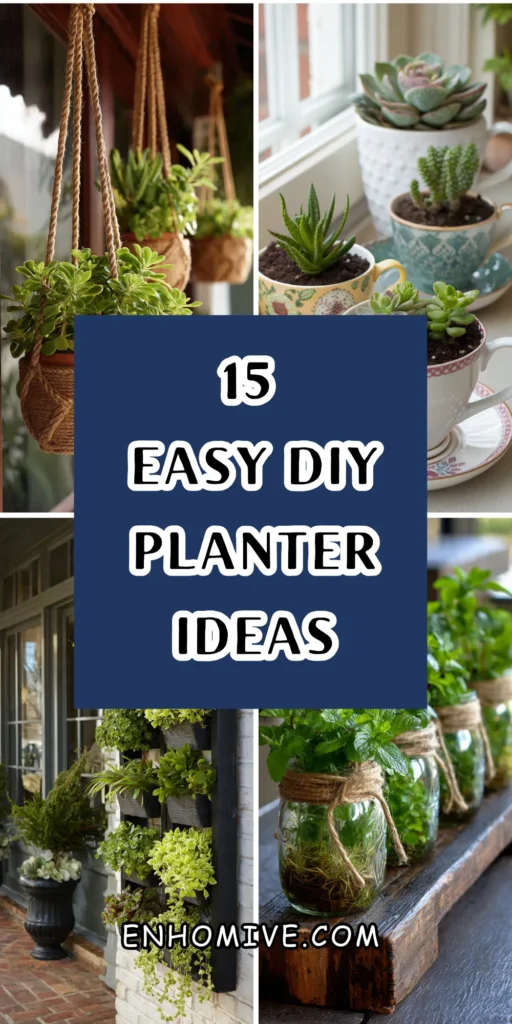
With everyday materials and a little creativity, you can design planters that feel unique, stylish, and perfectly suited to your home. Below are fifteen easy DIY planter ideas that work beautifully for both indoor and outdoor spaces.
1. Painted Clay Pot Planters
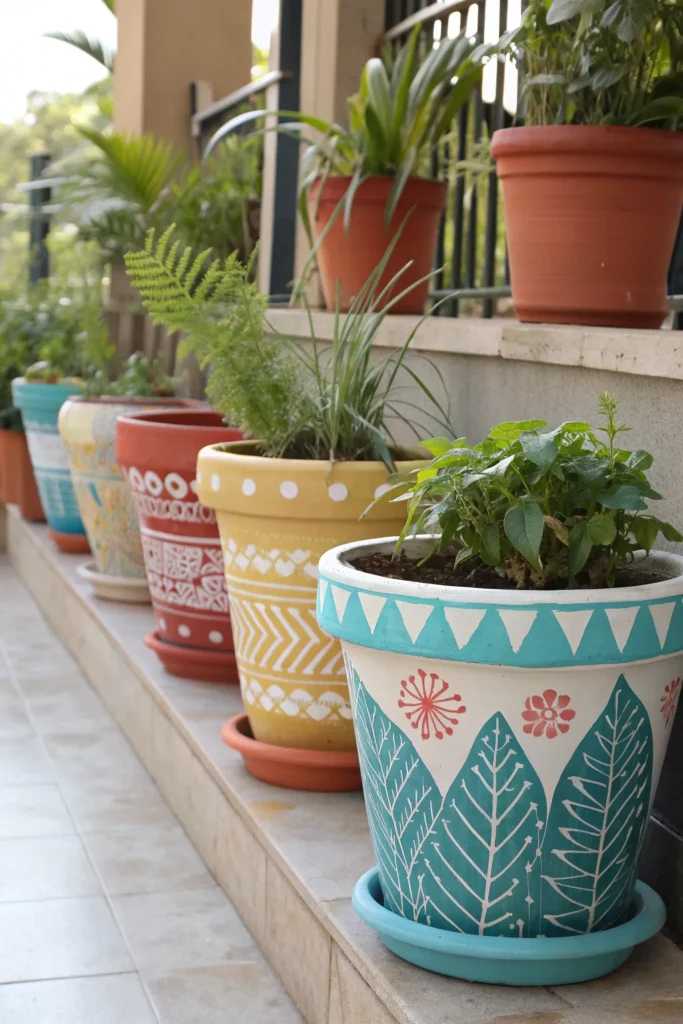
Classic clay pots are one of the easiest materials to transform. With a coat of paint, they instantly become decorative statement pieces. You can keep the design simple with solid tones or add hand-painted patterns for a more artistic look. These planters work well indoors on shelves or windowsills and outdoors on patios or balconies. Sealing the paint helps protect it from wear, especially in outdoor settings.
2. Mason Jar Herb Planters
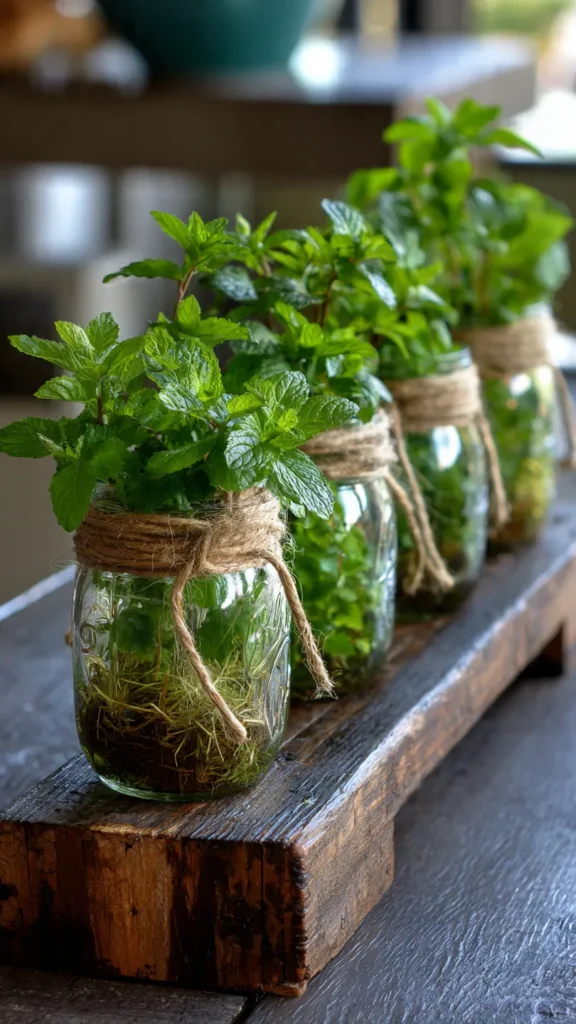
Mason jars make charming planters for small herbs and compact plants. Their size is ideal for kitchen counters, window ledges, or outdoor dining areas. You can leave the glass clear for a clean look or wrap it with twine or fabric for added texture. Proper drainage is important, so adding a layer of pebbles at the bottom helps prevent excess moisture around the roots.
3. Wooden Crate Planters
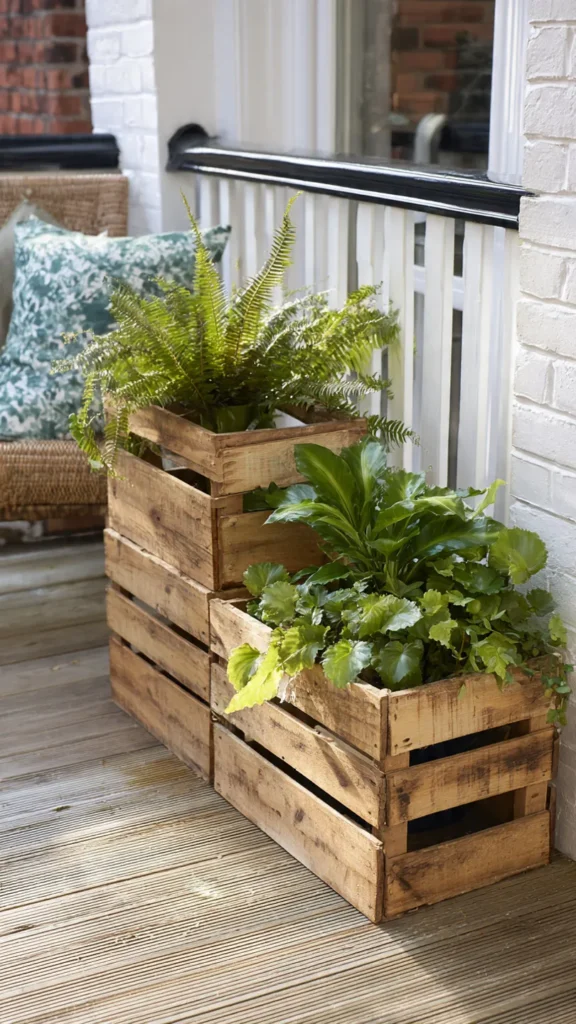
Wooden crates are versatile and easy to adapt into planters. They work particularly well for outdoor spaces like porches or gardens but can also be used indoors with proper lining. Adding a waterproof liner protects the wood and allows for healthy plant growth. Wooden crate planters are perfect for grouping multiple plants together for a fuller display.
4. Hanging Rope Planters
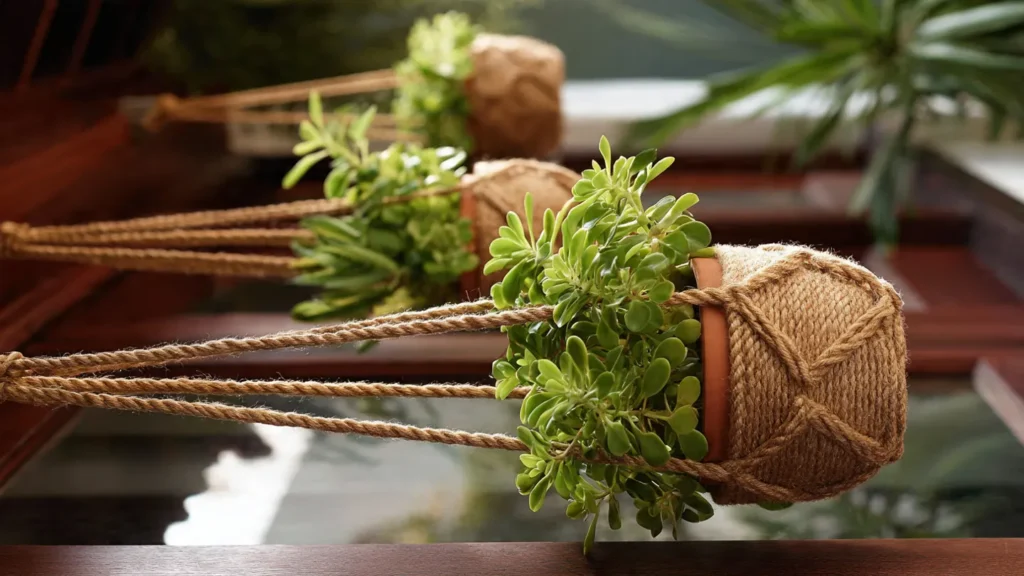
Hanging rope planters are ideal for saving space while adding visual interest. Using basic rope and a pot, you can create a suspended planter for indoor corners or covered outdoor areas. These planters look especially appealing with trailing plants that soften the vertical lines. Hanging planters bring movement and depth to spaces that may feel flat.
5. Recycled Can Planters
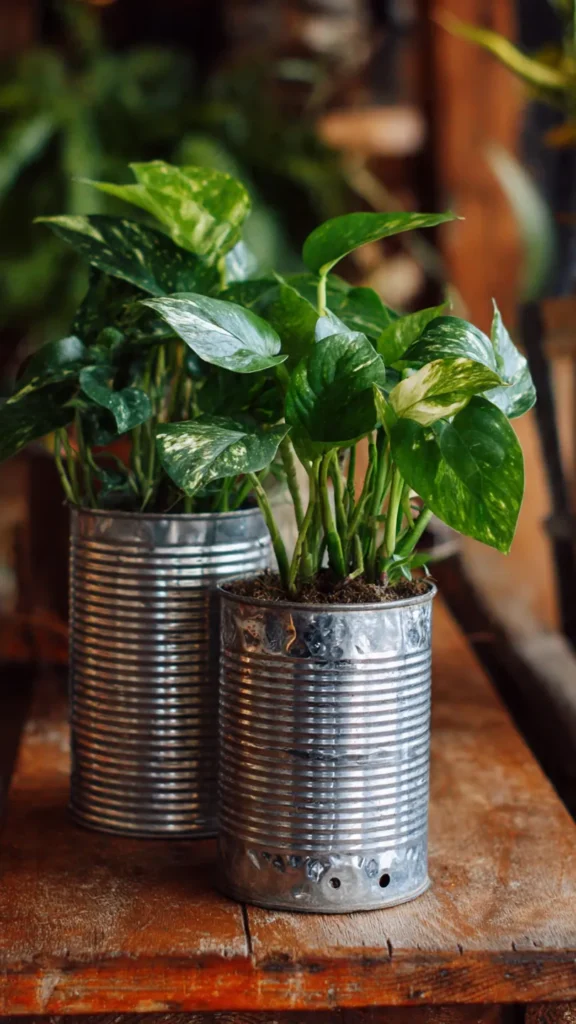
Tin cans are an excellent option for eco-friendly DIY planters. After cleaning and removing labels, they can be painted or wrapped with decorative paper. Small drainage holes at the bottom allow water to escape. These planters are lightweight and easy to arrange, making them great for windowsills, shelves, or outdoor railings.
6. Concrete DIY Planters
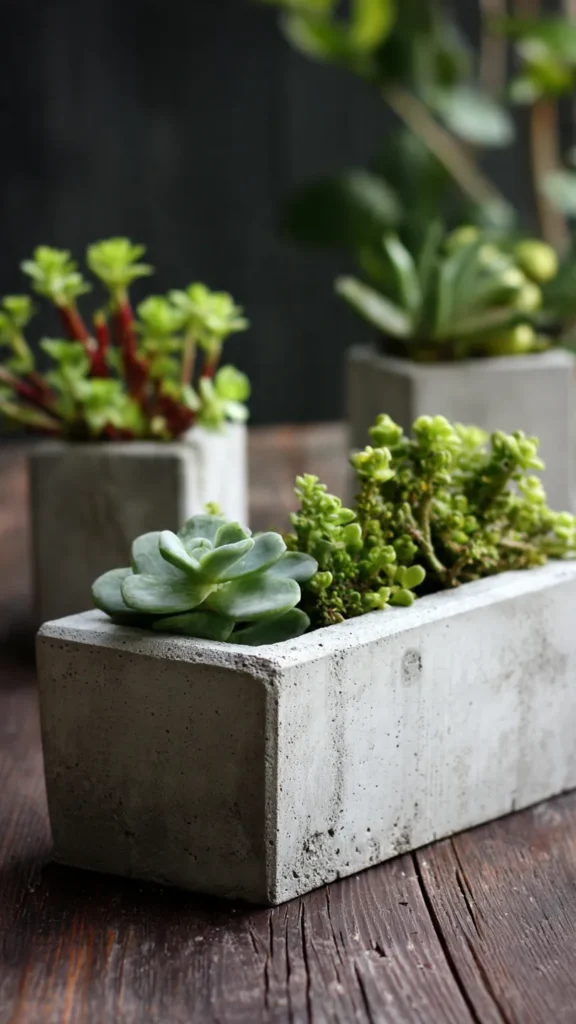
Concrete planters offer a modern and durable option that works well indoors and outdoors. Using simple molds, such as plastic containers, you can create custom shapes and sizes. Once cured, concrete planters can be left natural or lightly finished for a softer appearance. They are especially suited for succulents and low-maintenance plants.
7. Teacup and Mug Planters
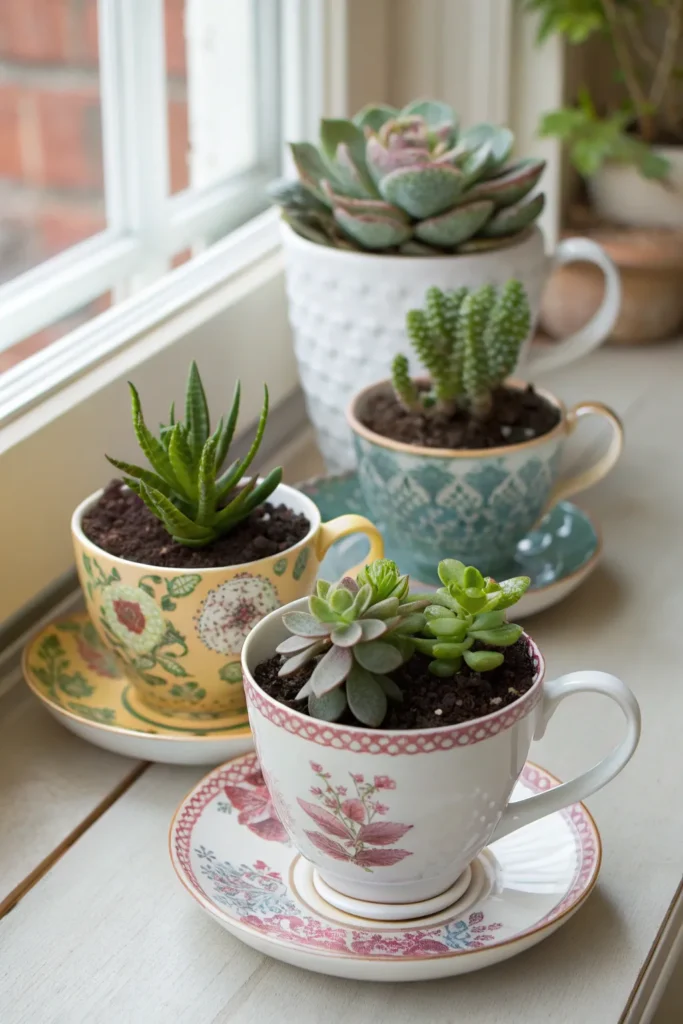
Old teacups or mugs make delightful planters for small plants. Their compact size works best for succulents or decorative greenery. These planters are ideal for indoor spaces like desks or shelves, adding a personal and whimsical touch. If the cup lacks drainage, use it as a decorative holder for a nursery pot.
8. Ladder Shelf Planter Display
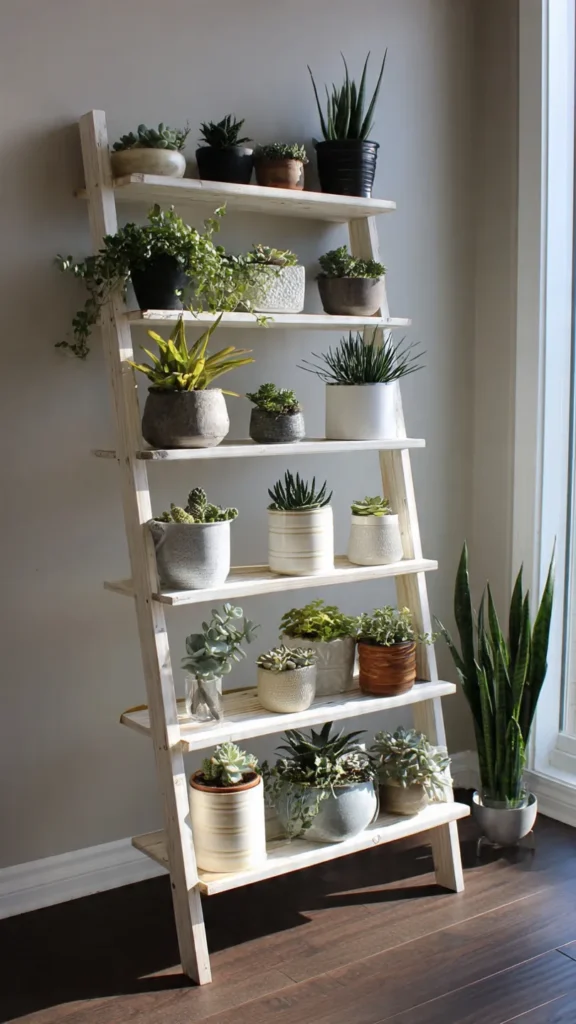
Repurposing a small ladder into a planter display creates vertical interest and maximizes space. Each step can hold pots of varying sizes, allowing you to create a layered plant arrangement. This idea works well both indoors and outdoors, especially in narrow areas where floor space is limited.
9. Hanging Basket Planters
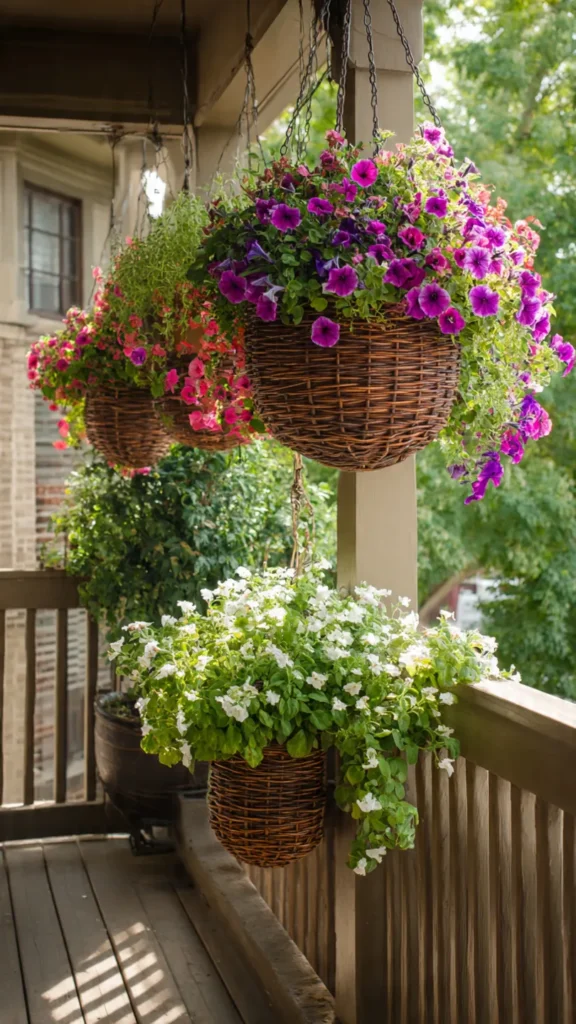
Hanging baskets are a simple yet effective way to add greenery to outdoor spaces. With a liner and potting mix, they can support a variety of plants. Indoors, smaller hanging baskets can be used near windows for plants that enjoy bright light. Their elevated position adds dimension and keeps surfaces clear.
10. Shoe Organizer Vertical Planters
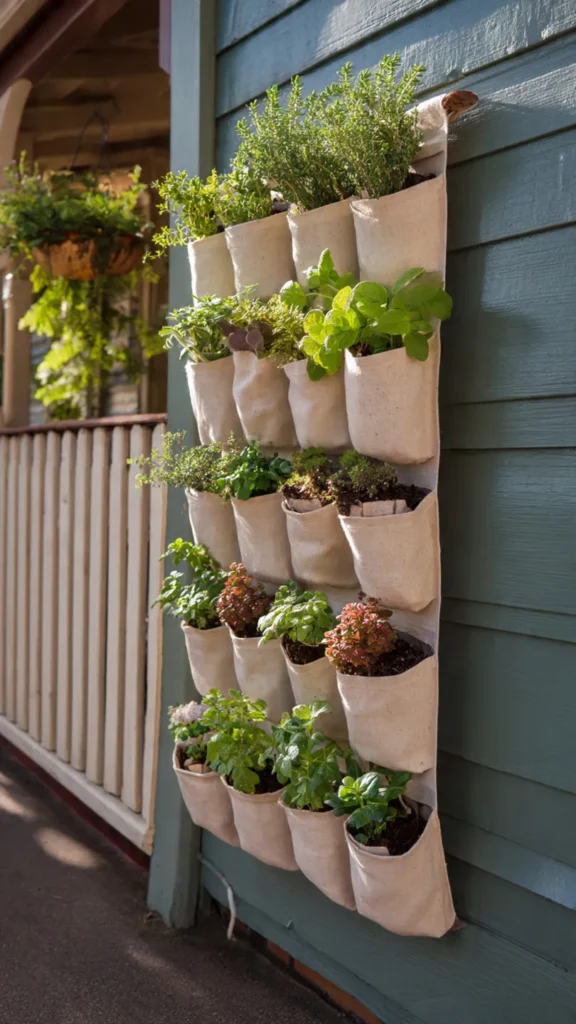
A fabric shoe organizer can be transformed into a vertical planter for small plants. Hung on a wall or fence, each pocket becomes a mini planting space. This idea is especially useful for herbs or compact plants. It works well outdoors and can also be adapted for indoor use near bright windows.
11. Wooden Box Window Planters
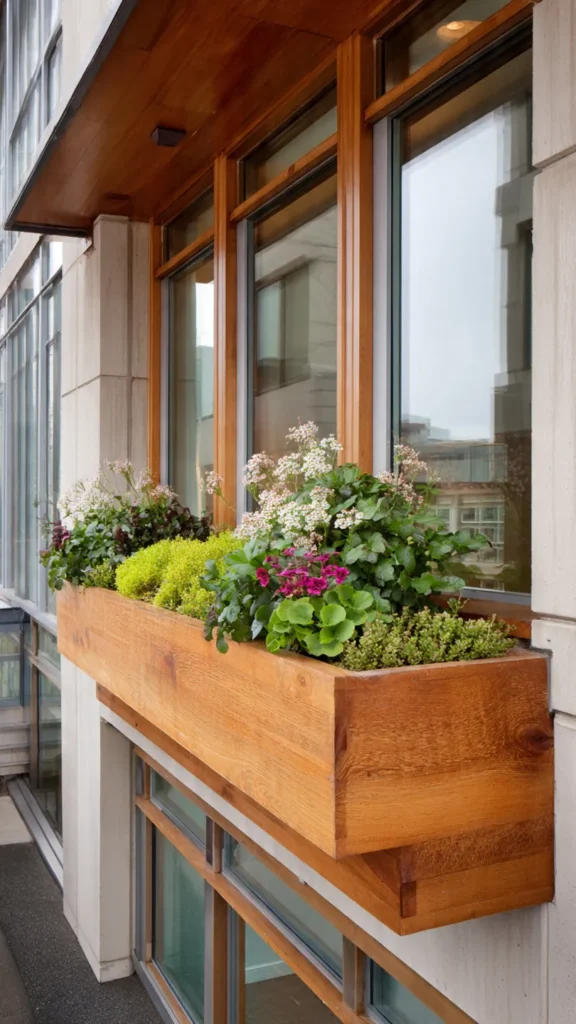
Wooden boxes make excellent planters for windows and ledges. Lined properly, they can hold a variety of plants and add charm to both interior and exterior views. Window planters create a seamless connection between indoor and outdoor spaces, enhancing the overall aesthetic of your home.
12. Repurposed Drawer Planters
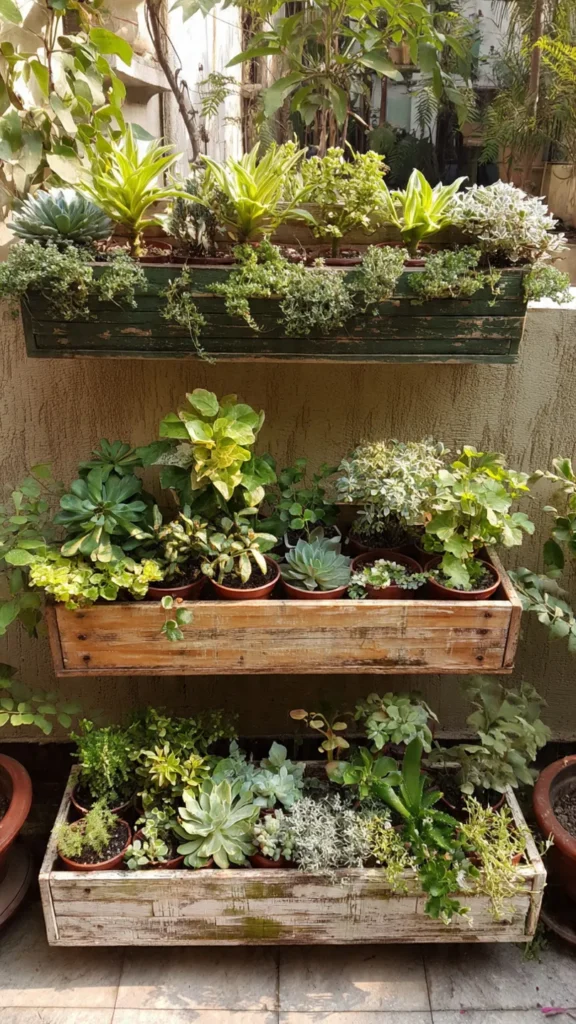
Old drawers can be repurposed into unique planters with a bit of preparation. Lining the drawer protects the wood and allows for proper drainage. These planters work well outdoors and can also be used indoors as decorative plant holders. The drawer’s shape provides ample space for multiple plants.
13. Basket Planters with Liners
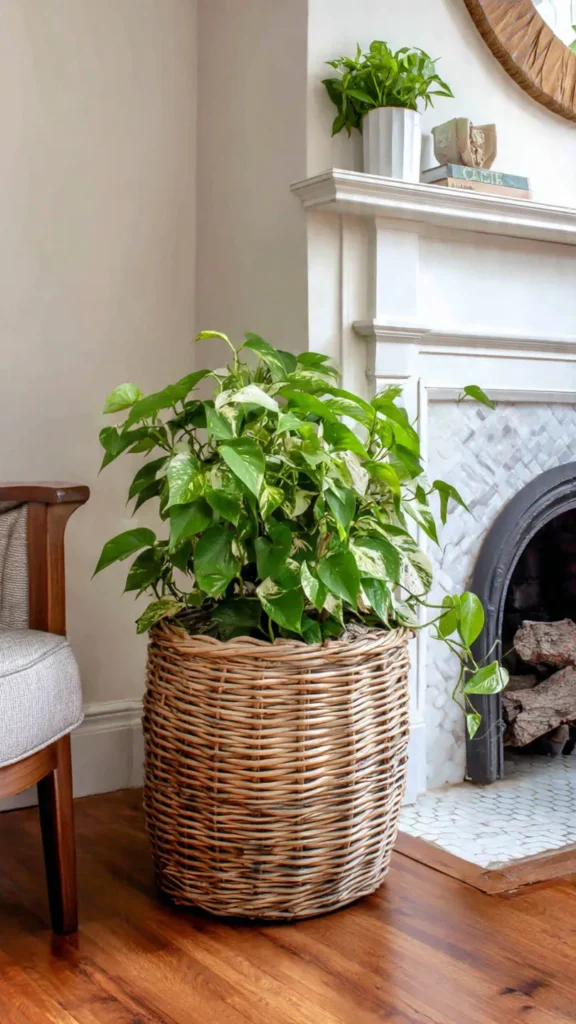
Woven baskets paired with liners create soft and stylish planters. This idea works especially well indoors, where baskets add warmth and texture. For outdoor use, choose sturdy baskets and ensure proper lining. Basket planters blend easily with different decor styles while keeping plants neatly contained.
14. Wall-Mounted Planter Frames
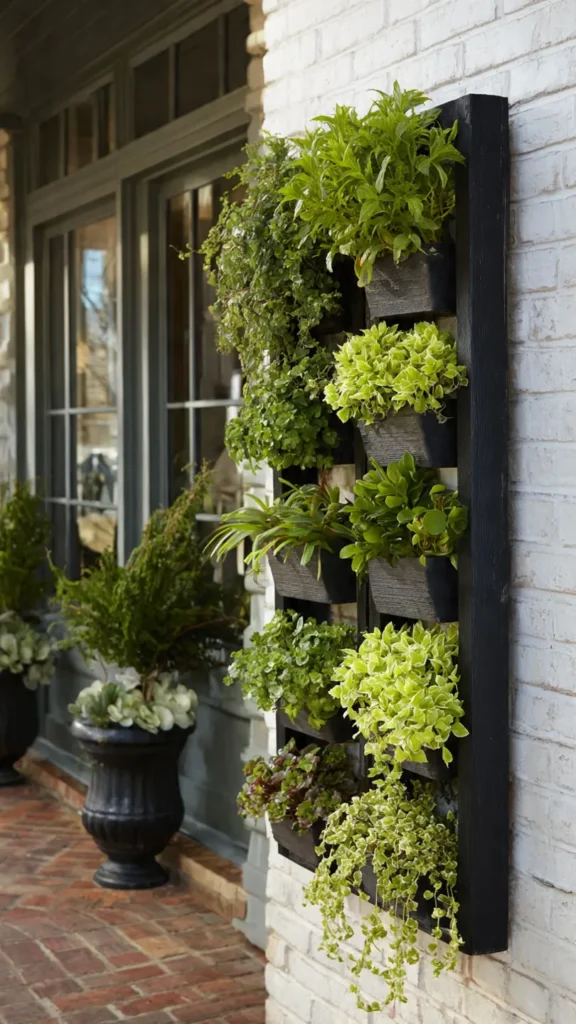
Wall-mounted planter frames turn plants into living decor. Using small containers attached to a frame or board, you can create a vertical display that works indoors or outdoors. This approach saves space and creates a striking visual feature, especially in small areas.
15. Tiered DIY Planter Stands
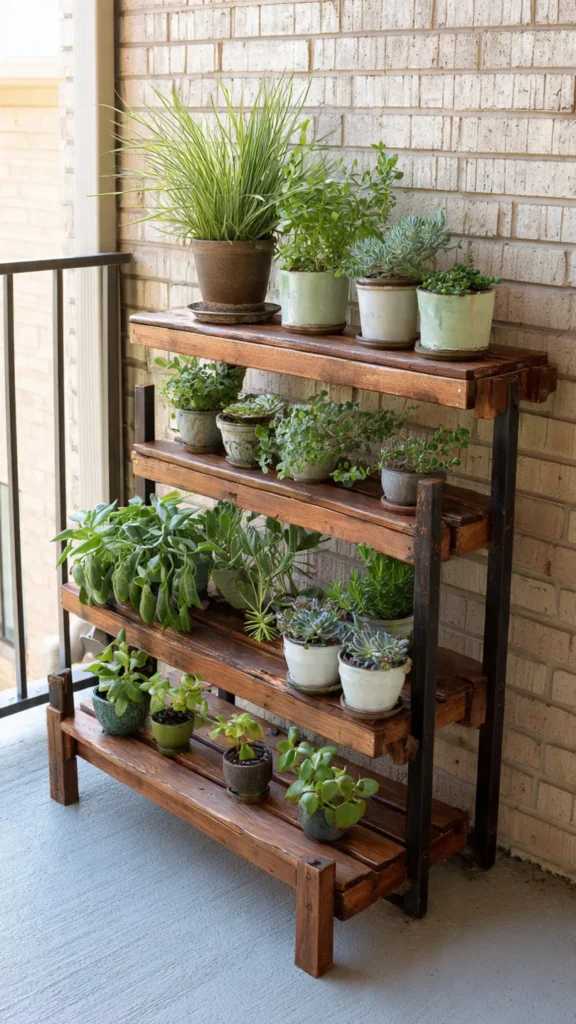
A tiered planter stand allows you to display multiple plants in a compact footprint. Using wood or metal, you can build a stand with varying levels for visual interest. This idea is perfect for balconies, patios, or indoor corners that need a decorative boost.
Benefits of DIY Planters for Home Styling
DIY planters offer flexibility and creativity that store-bought options often lack. They allow you to reuse materials, customize sizes, and match your decor style. Creating your own planters also adds a personal touch to your home, making spaces feel more intentional and lived-in.
Choosing the Right Plants for DIY Planters
Selecting plants that suit your environment is key to successful DIY planters. Indoor planters benefit from low-maintenance plants that thrive in consistent conditions. Outdoor planters should be chosen based on sunlight, temperature, and weather exposure. Matching plants to their containers ensures healthier growth and longer-lasting displays.
Tips for Maintaining Indoor and Outdoor Planters
Proper drainage is essential for any planter, whether indoors or outdoors. Regular watering, appropriate soil, and occasional cleaning help keep plants healthy. For outdoor planters, consider weather exposure and move or protect them as needed. Indoor planters benefit from consistent light and airflow.
Final Thoughts on Easy DIY Planter Ideas
DIY planters are an accessible and rewarding way to enhance your indoor and outdoor spaces. With simple materials and thoughtful design, you can create planters that reflect your style and support healthy plants. These fifteen easy ideas offer inspiration for transforming everyday items into functional decor, helping you bring greenery and creativity into every corner of your home.