
How to Clean Dirty Baking Sheets So They Look Brand New
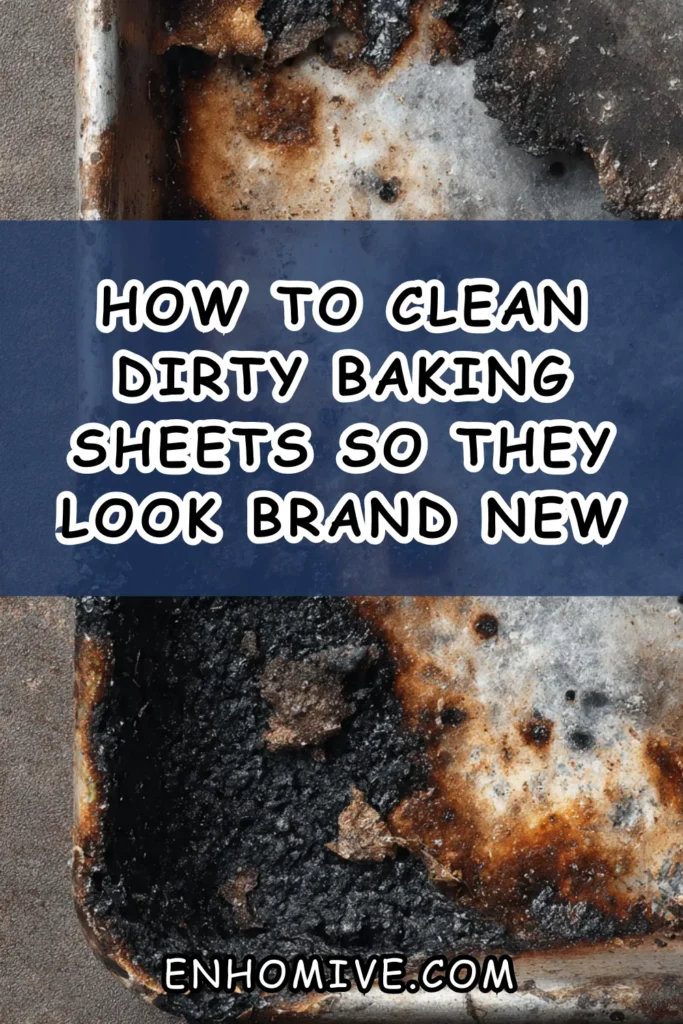
Dirty baking sheets are one of the most common kitchen frustrations. No matter how careful you are, grease stains, burnt food, and dark discoloration seem to appear over time. What starts as a shiny, clean pan slowly turns brown, blotchy, and stubbornly stained. Even freshly washed baking sheets can look permanently dirty, making you wonder if it’s time to throw them out and buy new ones.
The truth is, most baking sheets aren’t ruined. They’re just covered in baked-on grease and carbonized residue that regular dish soap can’t remove. With the right techniques and a bit of patience, you can clean even heavily stained baking sheets and make them look almost brand new again using simple household items.
This guide walks you through fast cleaning methods, deep-clean solutions, budget and premium options, and prevention tips so your baking sheets stay clean longer.
FAST Version for Busy Readers
If you want the quickest results, start here.
Quick cleaning method:
- Sprinkle baking soda generously on the baking sheet
- Spray with hydrogen peroxide
- Let sit for 30 minutes
- Scrub with a non-scratch sponge
- Rinse and dry
Best methods by stain type:
- Light grease: Dish soap + hot water
- Brown stains: Baking soda + peroxide
- Burnt residue: Baking soda + vinegar
- Heavy buildup: Overnight soak
Time required:
- Light stains: 10–15 minutes
- Heavy stains: 30–60 minutes
- Severe buildup: Overnight
Why Baking Sheets Get So Dirty

Baking sheets are exposed to intense heat, oils, sugars, and food particles. Over time, these elements bond to the metal surface.
Common causes of stains:
- High oven temperatures
- Cooking oils polymerizing
- Sugary foods burning onto the surface
- Infrequent deep cleaning
- Using foil that traps grease
The dark brown color you see isn’t always dirt. It’s often baked-on grease that has chemically bonded to the pan.
Types of Baking Sheets and What to Know
Not all baking sheets are the same, and cleaning methods should match the material.
Aluminum baking sheets:
- Most common
- Stain easily
- Clean well with baking soda methods
- Avoid dishwasher use
Nonstick baking sheets:
- Easier to clean
- More delicate surface
- Avoid abrasives
- Gentle methods only
Stainless steel baking sheets:
- More durable
- Can handle stronger scrubbing
- Less likely to warp
Always check if your pan is nonstick before scrubbing.
Supplies You Likely Already Own

You don’t need specialty cleaners to restore baking sheets.
Budget household supplies:
- Baking soda
- White vinegar
- Hydrogen peroxide
- Dish soap
- Hot water
- Non-scratch sponge
- Paper towels
Optional extras:
- Plastic scraper
- Old toothbrush
- Microfiber cloth
Avoid steel wool on nonstick pans.
Step 1: Start With a Basic Clean

Always remove loose grease before deep cleaning.
How to do it:
- Wash baking sheet with hot water and dish soap
- Scrub lightly with sponge
- Rinse and dry
This removes surface oils so deeper treatments work better.
Step 2: Baking Soda and Hydrogen Peroxide Method
This is the most effective method for brown stains.
How it works:
- Baking soda lifts grease
- Hydrogen peroxide breaks down stains
Steps:
- Sprinkle baking soda evenly across the pan
- Spray or drizzle hydrogen peroxide
- Spread into a paste
- Let sit for 30–60 minutes
- Scrub gently
- Rinse thoroughly
- Dry completely
Repeat if needed for heavy staining.
Step 3: Baking Soda and Vinegar Method

Great for stuck-on food and burnt spots.
Steps:
- Sprinkle baking soda over stains
- Pour vinegar slowly over it
- Let fizz for 10–15 minutes
- Scrub gently
- Rinse and dry
This method loosens debris but may not remove deep discoloration fully.
Step 4: Overnight Soak for Severe Buildup

When stains are years old, soaking helps.
Soaking method:
- Place baking sheet in sink or tub
- Cover with hot water
- Add dish soap and baking soda
- Let soak overnight
- Scrub in the morning
- Rinse and dry
This softens hardened grease significantly.
Step 5: Removing Burnt Food Residue

Burnt food often sticks to corners and edges.
How to remove:
- Apply baking soda paste
- Let sit 20 minutes
- Use plastic scraper or sponge
- Avoid metal tools on nonstick pans
Repeat if necessary.
Step 6: Cleaning Nonstick Baking Sheets Safely
Nonstick surfaces require extra care.
Safe cleaning tips:
- Use soft sponges only
- Avoid baking soda scrubs if coating is weak
- Use dish soap and hot water
- Soak instead of scrubbing
If coating is peeling, replace the pan.
Budget vs Premium Baking Sheet Cleaning Comparison
| Feature | Budget DIY Methods | Premium Cleaners |
| Cost | Very low | Moderate |
| Products | Baking soda, vinegar | Commercial degreasers |
| Effectiveness | High with time | Fast results |
| Safety | Very safe | Depends on product |
| Best for | Most households | Heavy-duty cleaning |
| Finish | Matte clean | Often shinier |
DIY methods work exceptionally well but require patience.
When Premium Cleaners Make Sense
Consider premium options if:
- Stains are extremely heavy
- You want faster results
- Pans are stainless steel
- Time is limited
Always follow instructions carefully.
Common Cleaning Mistakes to Avoid
Avoid these errors:
- Using steel wool on nonstick
- Putting aluminum pans in dishwasher
- Scrubbing aggressively
- Expecting instant results
- Mixing harsh chemicals
Slow, gentle cleaning gives better outcomes.
How Often Should You Deep Clean Baking Sheets?
Recommended schedule:
- Light wash after every use
- Monthly deep clean
- Immediate cleaning after messy baking
Regular care prevents permanent staining.
Preventing Baking Sheet Stains in the Future
Simple habits make a big difference.
Prevention tips:
- Use parchment paper or silicone mats
- Avoid cooking sprays
- Clean pans while warm
- Wipe grease after baking
- Store dry and clean
Liners reduce direct contact with grease.
Should Baking Sheets Look Perfect?

Some discoloration is normal with use. Slight staining doesn’t affect performance. The goal is cleanliness, not perfection.
A well-maintained baking sheet:
- Has minimal buildup
- Feels smooth to touch
- Has no sticky residue
- Is safe for food use
FAQ: Cleaning Dirty Baking Sheets
Can baking soda damage baking sheets?
No, when used gently. Avoid heavy scrubbing on nonstick.
Why won’t my baking sheets turn silver again?
Some stains are permanent oxidation, not dirt.
Is hydrogen peroxide safe for baking sheets?
Yes, for aluminum and stainless steel.
Can I use oven cleaner?
Only on stainless steel, never on nonstick.
Is it better to replace old baking sheets?
Only if warped, peeling, or damaged.
Final Thoughts
Dirty baking sheets may look ruined, but most can be restored with simple, affordable methods. Baking soda, vinegar, hydrogen peroxide, and patience are often all you need to remove years of grease and grime. While premium cleaners can speed things up, budget solutions work just as well when used correctly.
With regular care and preventive habits, your baking sheets can stay clean, functional, and presentable for years. A few minutes of maintenance after each use saves hours of scrubbing later and keeps your kitchen tools looking their best.