
15 Japandi Kitchen Design Ideas
Japandi style is the seamless blend of Japanese minimalism and Scandinavian functionality, creating spaces that are both elegant and practical. This design aesthetic focuses on simplicity, clean lines, natural materials, and muted color palettes, making it ideal for kitchens where efficiency and serenity are paramount.
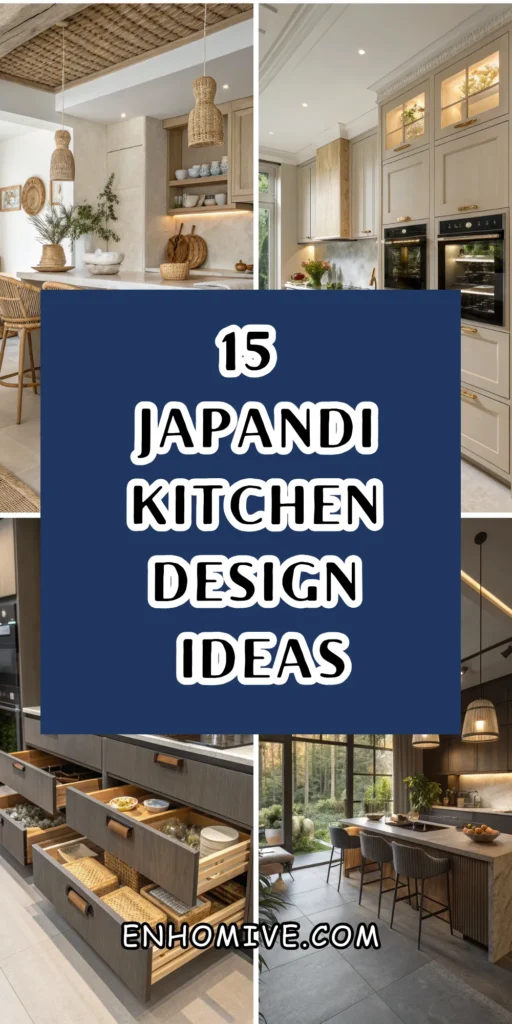
A Japandi kitchen combines the warmth and coziness of Scandinavian design with the calm, restrained elegance of Japanese interiors. Here are fifteen Japandi kitchen design ideas to inspire a space that is both beautiful and highly functional.
1. Minimalist Cabinetry
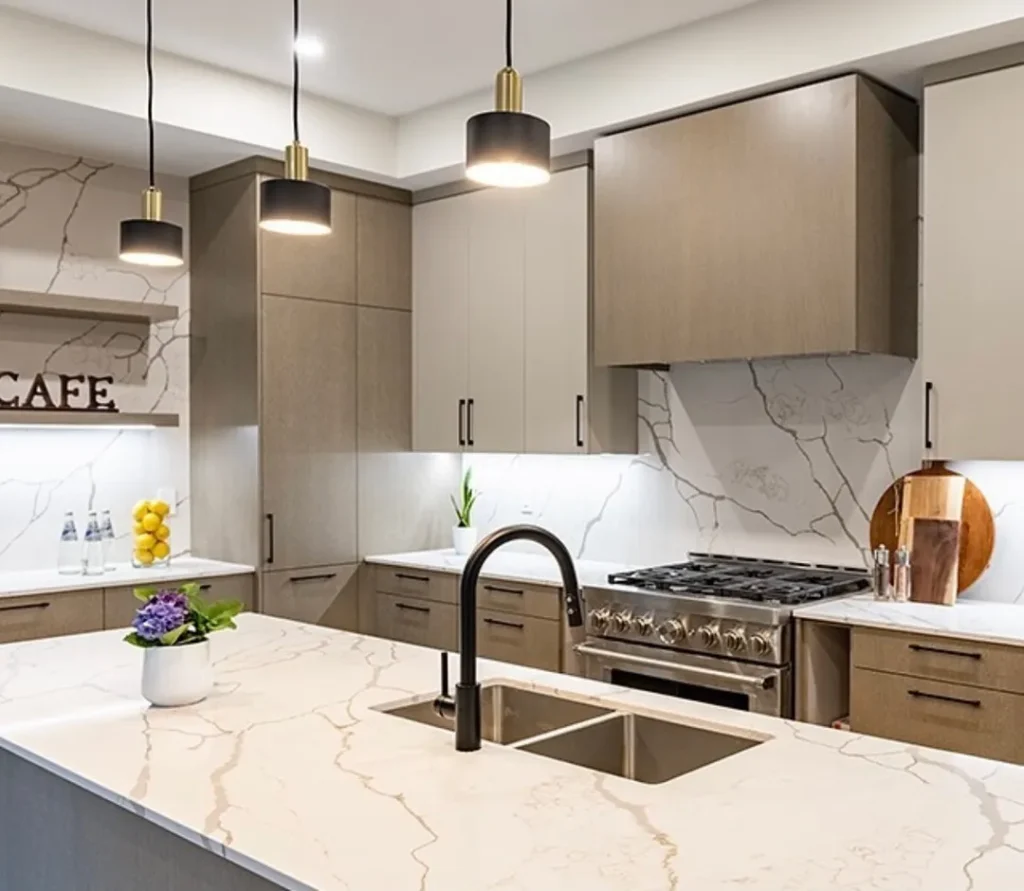
Japandi kitchens thrive on clean, uncluttered surfaces. Choose flat-panel or handleless cabinets in neutral tones such as beige, warm grey, or muted pastels. This minimalist approach keeps the focus on the natural beauty of the materials and creates a serene, streamlined look.
2. Use Natural Wood Elements
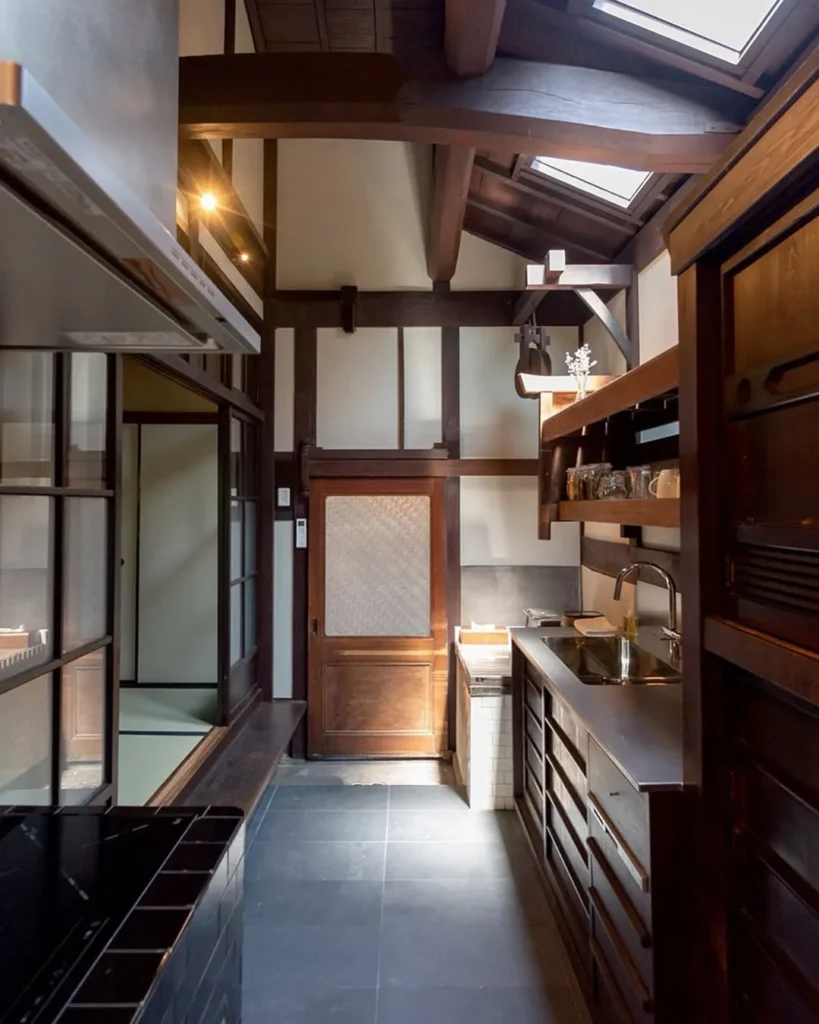
Wood is essential in Japandi design. Incorporate natural wood finishes for cabinets, countertops, shelves, or flooring. Opt for light or medium wood tones with subtle grain to create warmth while maintaining simplicity. Wood introduces organic texture and connects the kitchen to nature, a key Japandi principle.
3. Muted Color Palettes
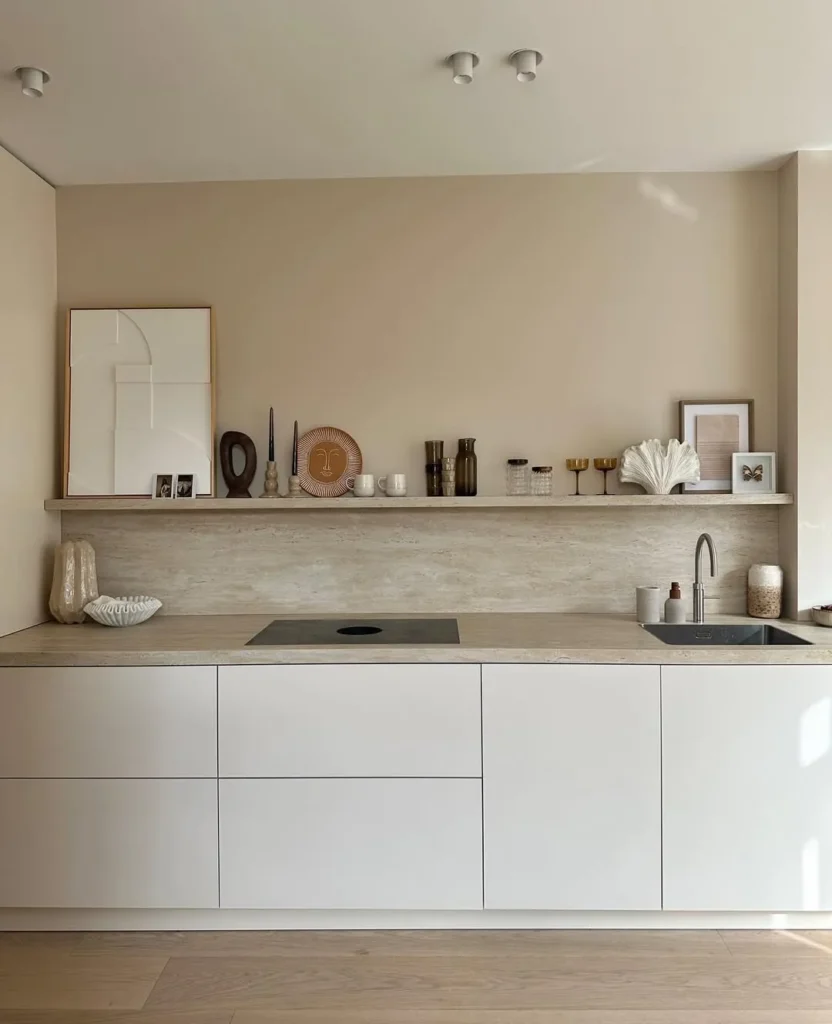
Stick to calm, muted colors to achieve the soothing aesthetic of Japandi kitchens. Shades like soft taupe, sand, warm grey, or muted greens work beautifully. Use these tones on walls, cabinetry, or even kitchen accessories. The restrained palette enhances the minimalist and calming ambiance.
4. Open Shelving for Function and Style
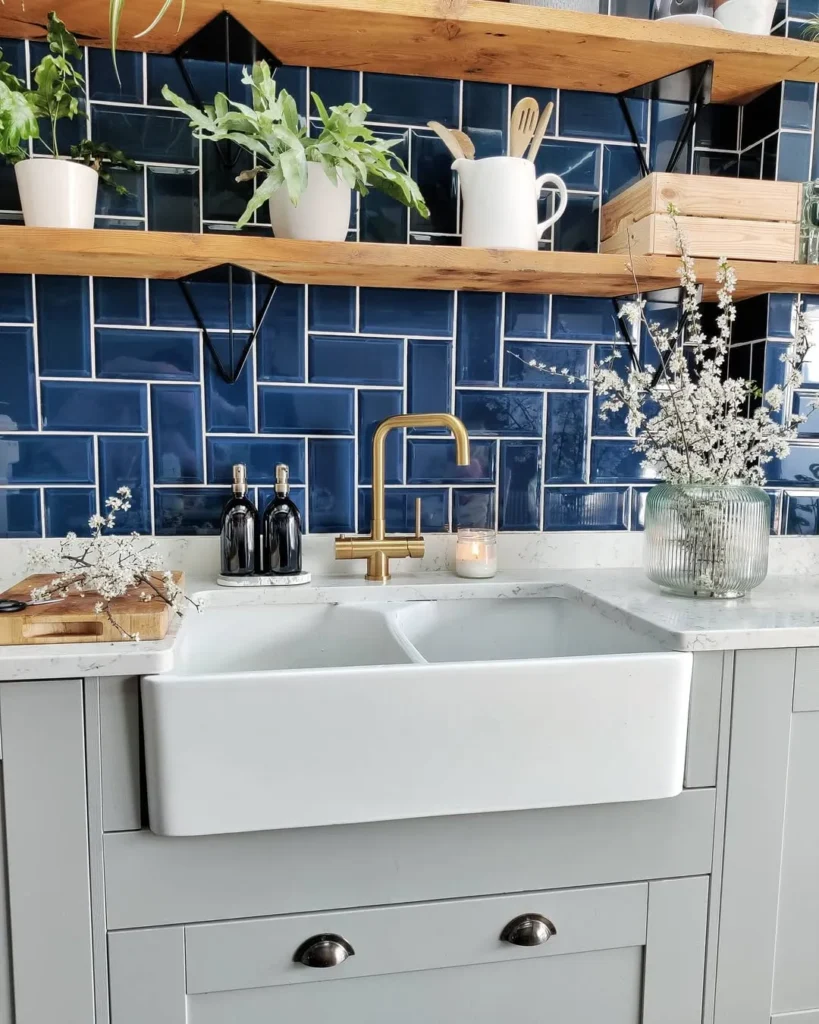
Open wooden shelves or floating shelving units keep the kitchen light and airy. Display essentials like ceramic dishes, glassware, or minimal décor items. Open shelving emphasizes functionality while maintaining a clean, open feel, which is central to Japandi design.
5. Scandinavian-Inspired Lighting
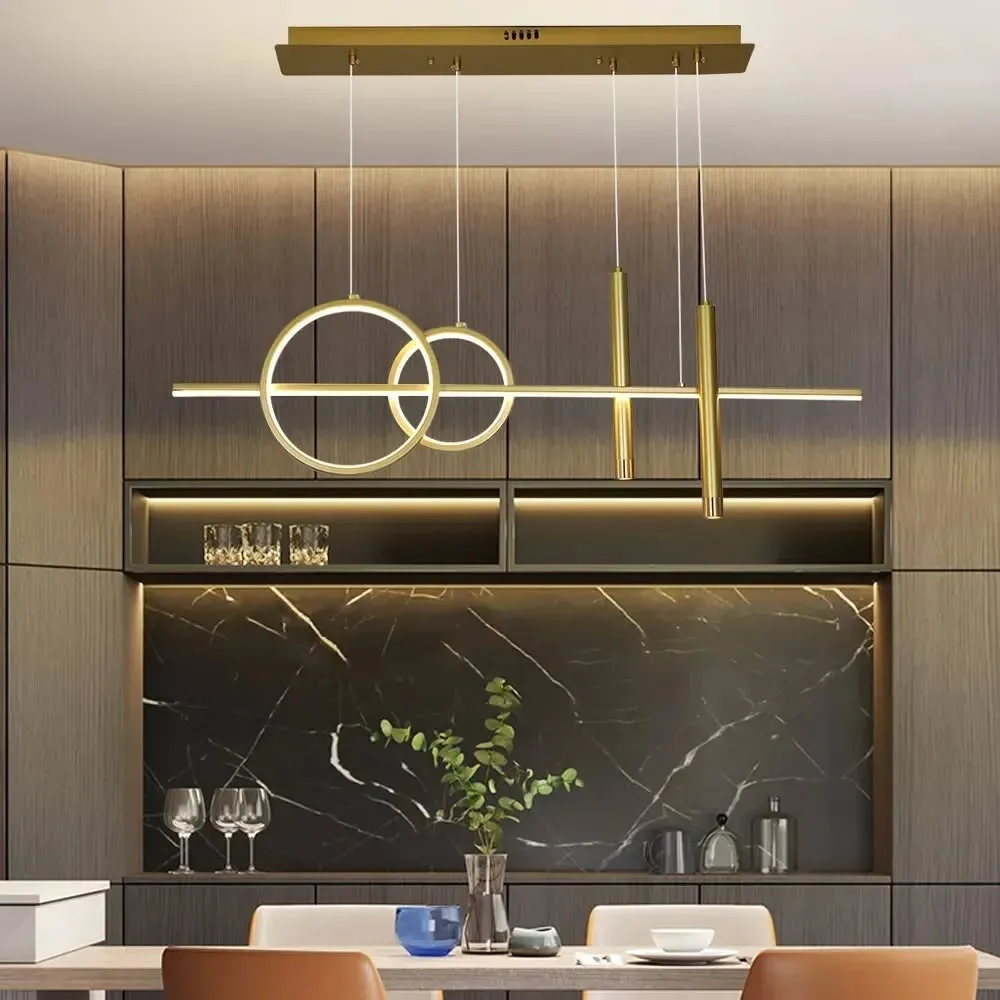
Lighting plays a key role in Japandi kitchens. Use simple, geometric pendant lights or minimal wall sconces. Materials such as wood, metal, or paper lampshades work best. Warm lighting enhances coziness without overpowering the restrained aesthetic.
6. Integrated Appliances
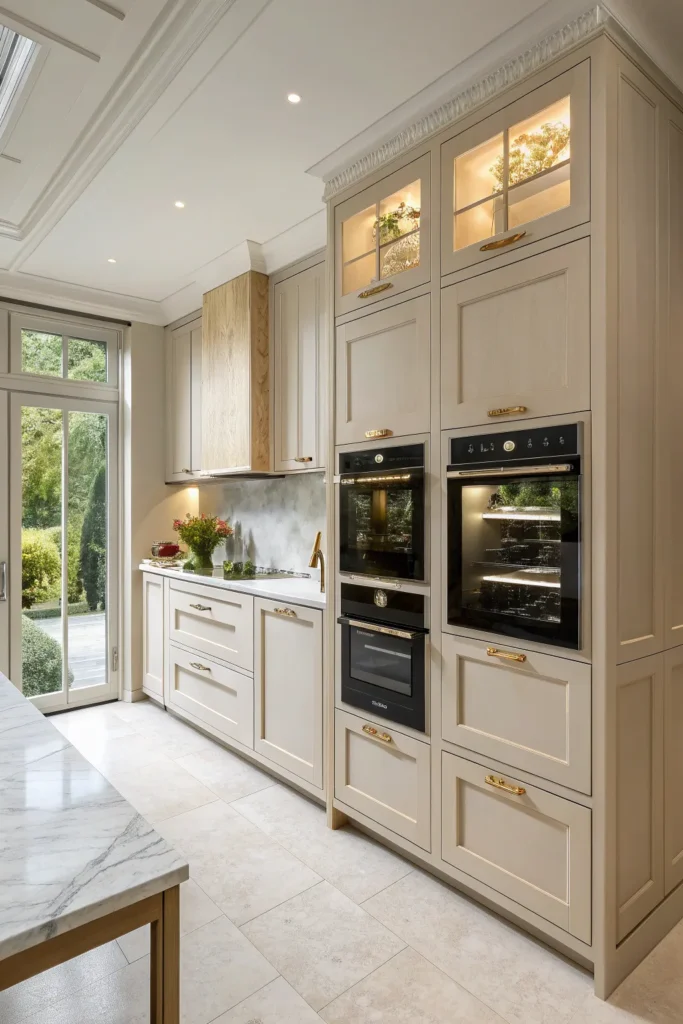
For a seamless look, choose integrated appliances that blend with cabinetry. Built-in ovens, concealed dishwashers, and flush fridge panels maintain the kitchen’s minimalist lines. The result is a clean, cohesive space that feels both modern and tranquil.
7. Japanese-Style Sliding Doors or Panels
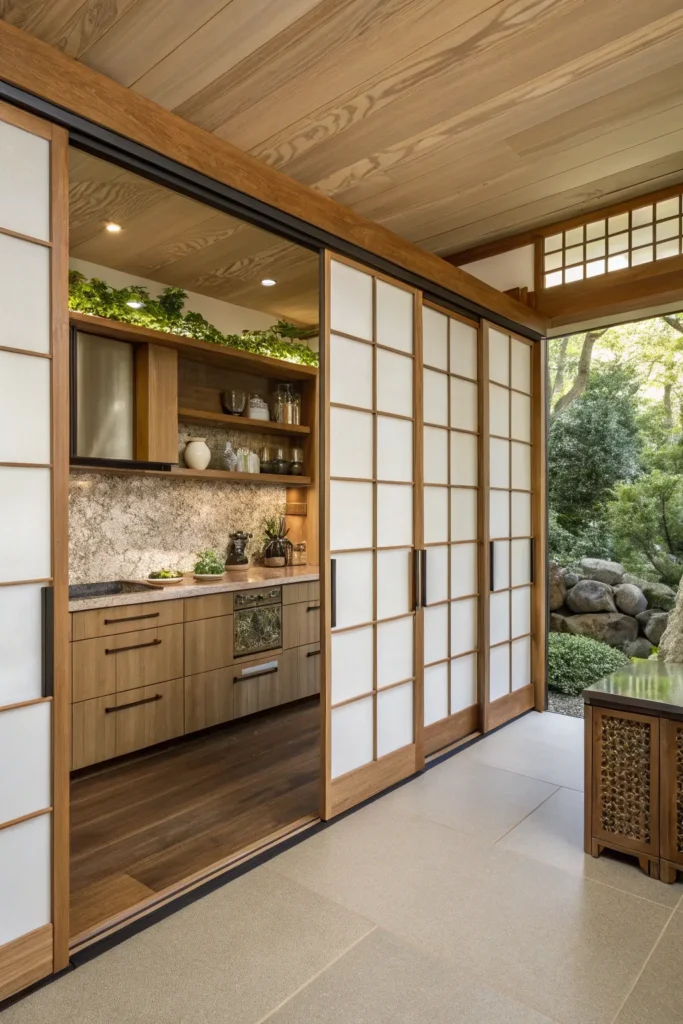
Sliding doors or panels can be incorporated in pantry areas or as cabinet doors to save space and add a Japanese touch. Shoji-style panels or simple wooden sliding doors maintain clean lines and emphasize functionality, while adding subtle elegance.
8. Natural Stone Countertops
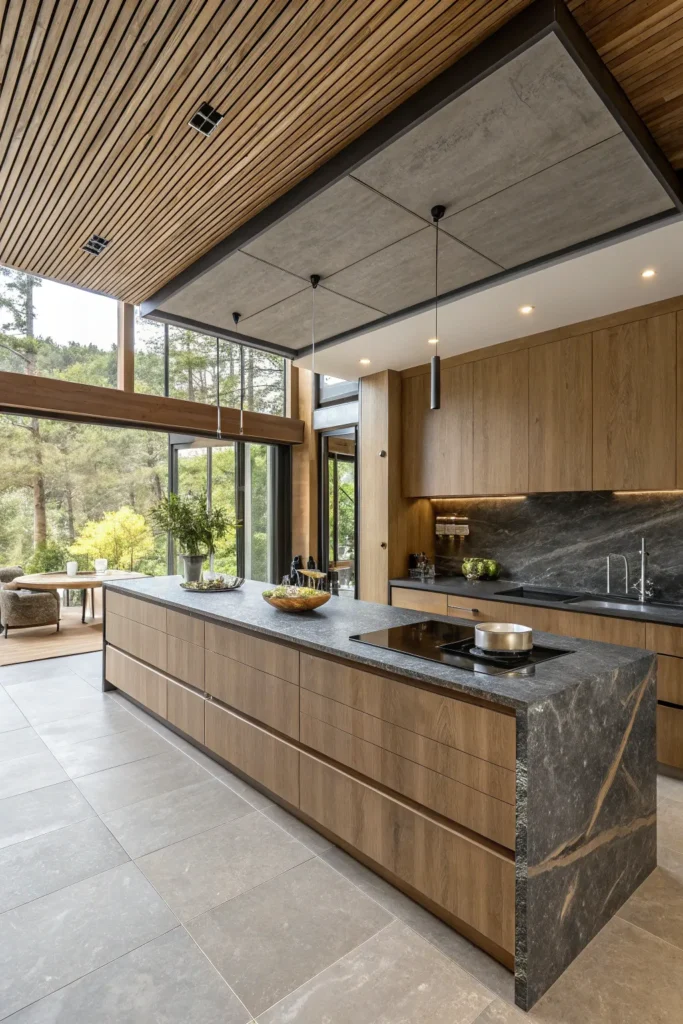
Opt for natural stone surfaces like granite, marble, or soapstone for countertops. Their subtle variations and textures add organic beauty while keeping the space sophisticated. Pair stone countertops with wood or neutral cabinetry for a balanced Japandi aesthetic.
9. Minimalist Backsplash Design
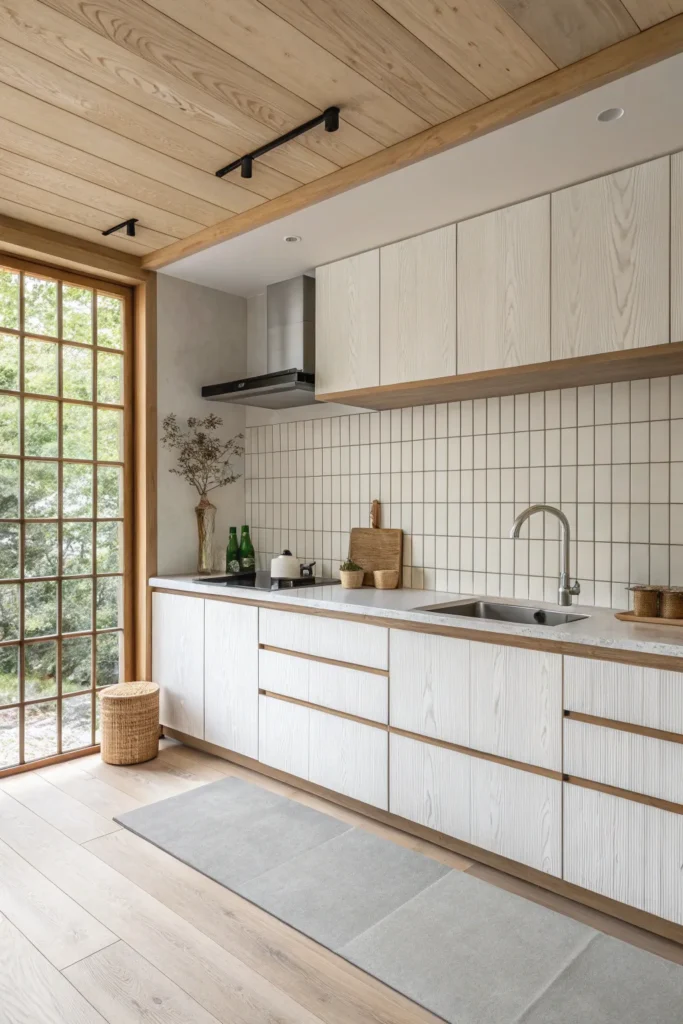
Choose simple, understated backsplash materials such as white tiles, neutral stone, or matte ceramic finishes. Avoid overly busy patterns to maintain the serene, minimalist feel. A clean backsplash complements the Japandi principle of harmony and balance.
10. Functional and Aesthetic Storage Solutions
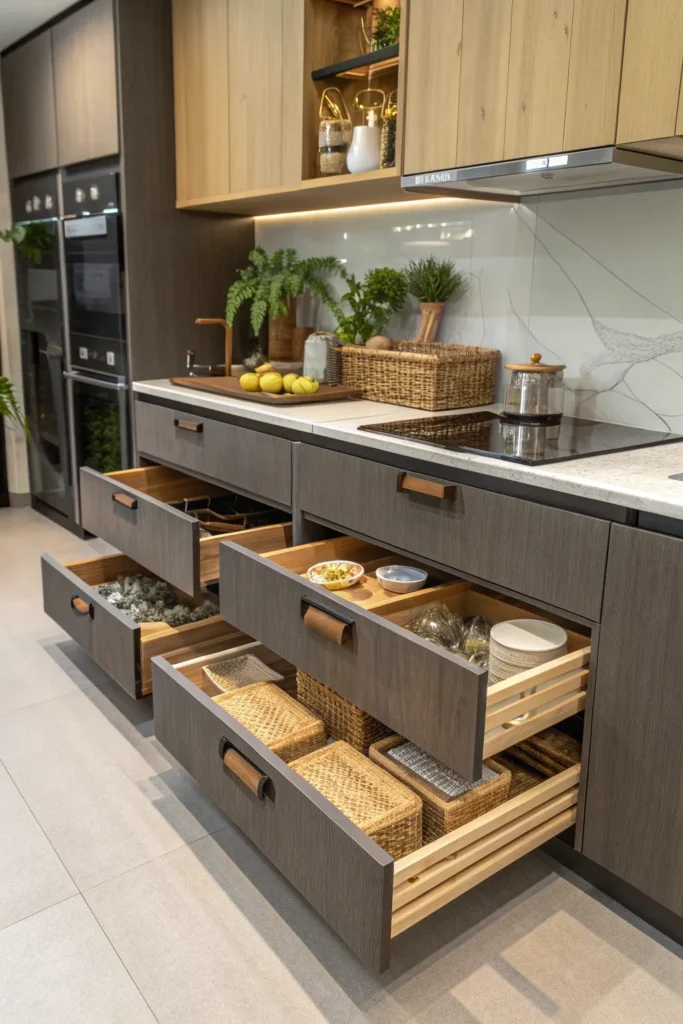
Japandi kitchens emphasize practical storage that is visually appealing. Incorporate pull-out drawers, built-in organizers, and hidden compartments. Use woven baskets or wooden boxes for items you want to display. Smart storage keeps surfaces clutter-free, preserving the calming atmosphere.
11. Indoor Greenery
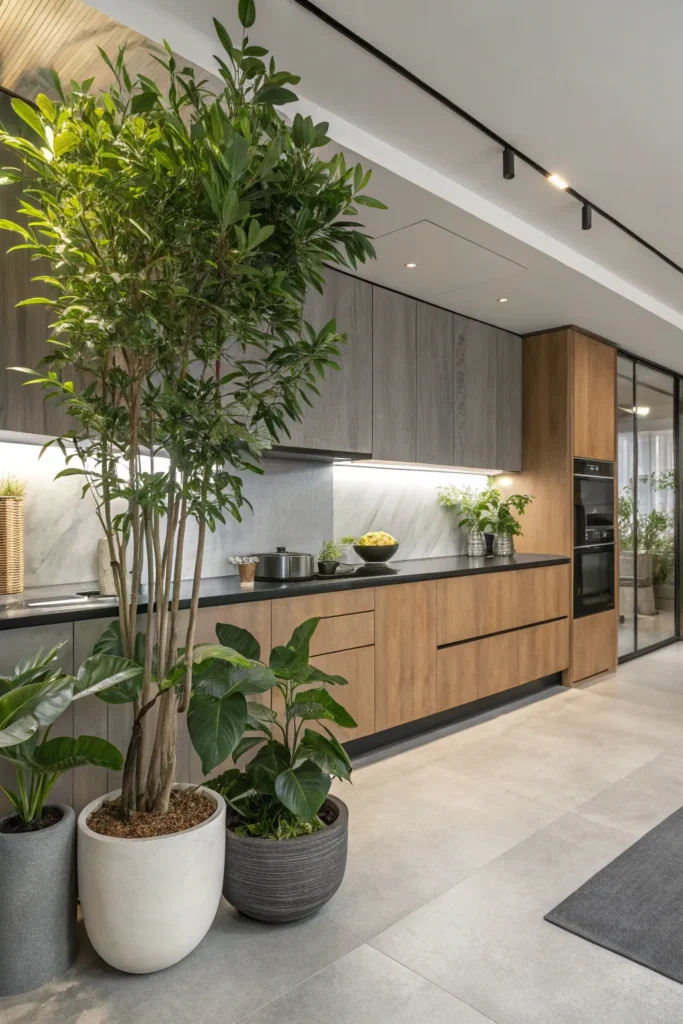
Introduce plants to bring life and freshness to your Japandi kitchen. Small potted herbs, bonsai trees, or simple leafy greens create a connection with nature. Keep the selection minimal and deliberate, following the Japanese and Scandinavian love for natural elements.
12. Low-Profile Kitchen Islands
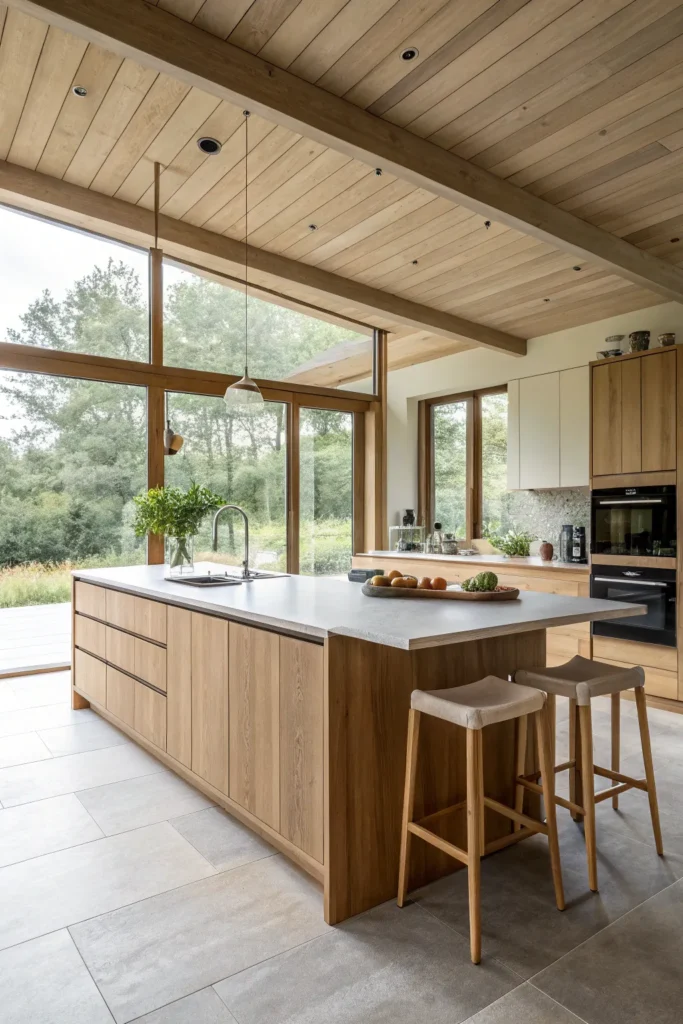
A low-profile kitchen island offers additional workspace without overwhelming the room. Choose a simple wood or stone island with clean lines. It can double as a breakfast bar or prep area while maintaining an uncluttered, functional layout.
13. Textured Materials for Warmth
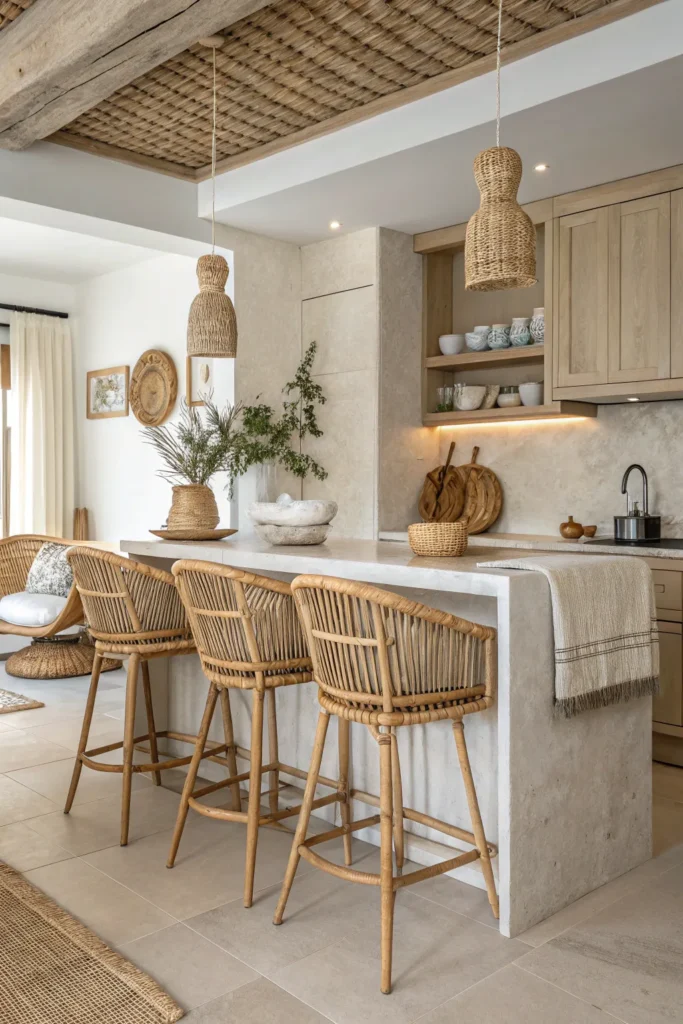
In Japandi kitchens, texture adds warmth to the minimalist space. Consider incorporating woven rattan chairs, linen textiles, or hand-crafted ceramics. Subtle textures make the kitchen feel cozy and inviting, balancing the clean lines with tactile appeal.
14. Statement Wooden Accents
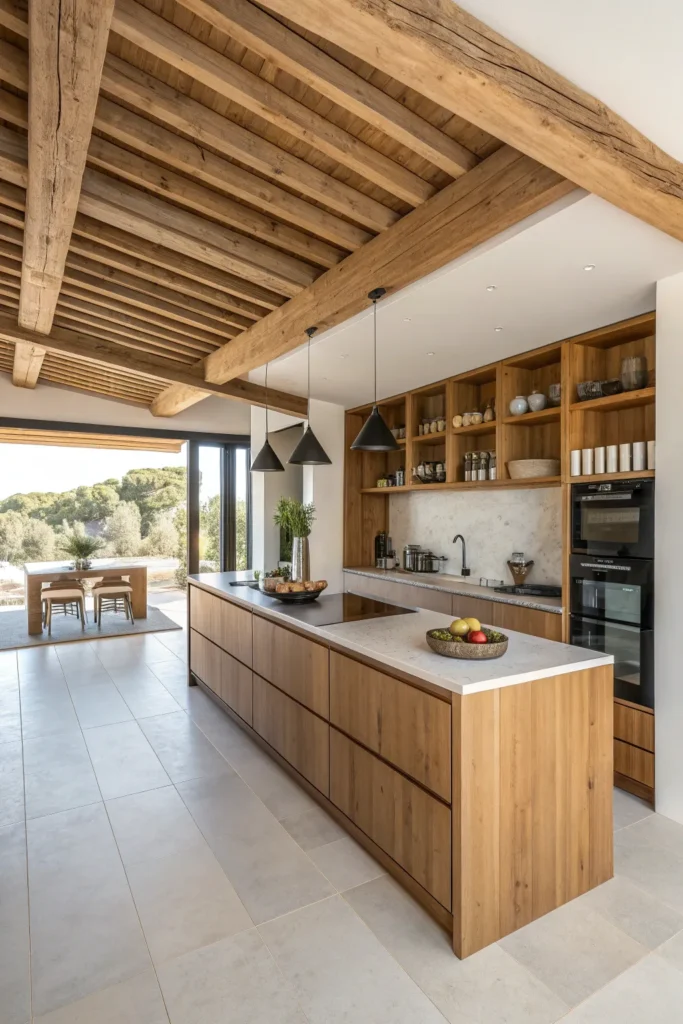
Introduce statement wooden elements to draw attention without disrupting minimalism. A wooden beam, open shelving, or butcher-block countertop can act as a focal point. These elements emphasize natural beauty while keeping the space harmonious.
15. Balance of Light and Shadow
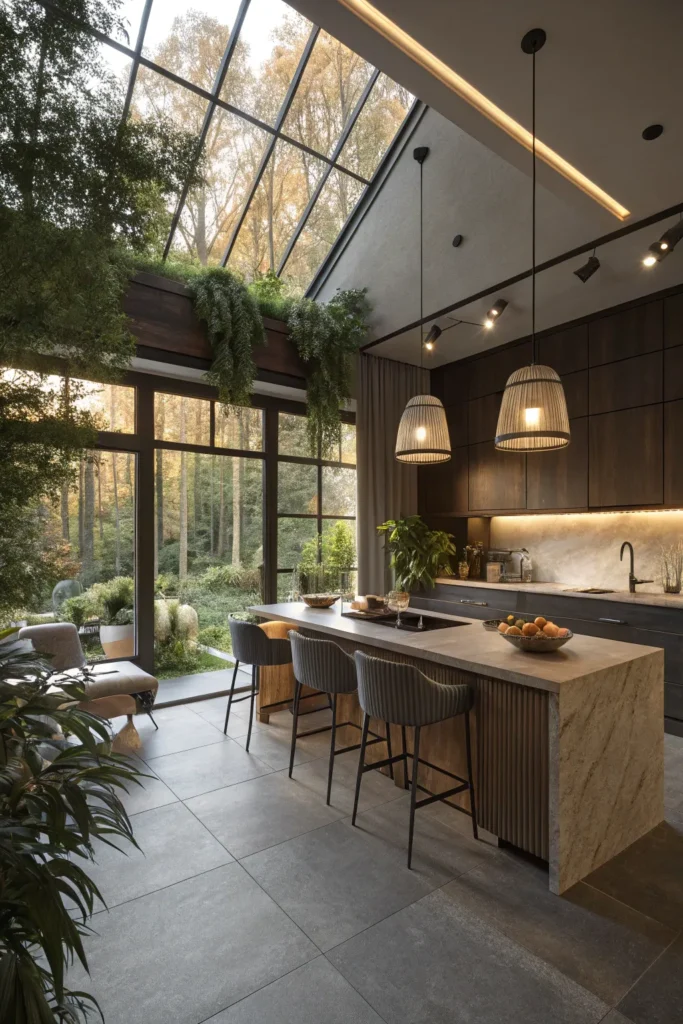
Lighting and shadow are integral to Japandi aesthetics. Use a combination of natural light, soft overhead lighting, and accent lamps to create depth. Large windows or sliding glass doors let in daylight, while carefully placed artificial lighting ensures a warm, calm ambiance throughout the day.
Final Thoughts
Japandi kitchens combine the serenity of Japanese minimalism with the warmth and functionality of Scandinavian design. By using natural materials, muted color palettes, clean lines, and functional layouts, you can create a kitchen that is both beautiful and highly practical.
From integrated appliances to thoughtful storage and subtle décor accents, each element contributes to a balanced, harmonious space. Whether you’re designing a new kitchen or updating an existing one, these fifteen Japandi kitchen design ideas will help you achieve a timeless, calm, and welcoming cooking environment.