
15 Minimalist Living Room Ideas for a Clean, Modern Look
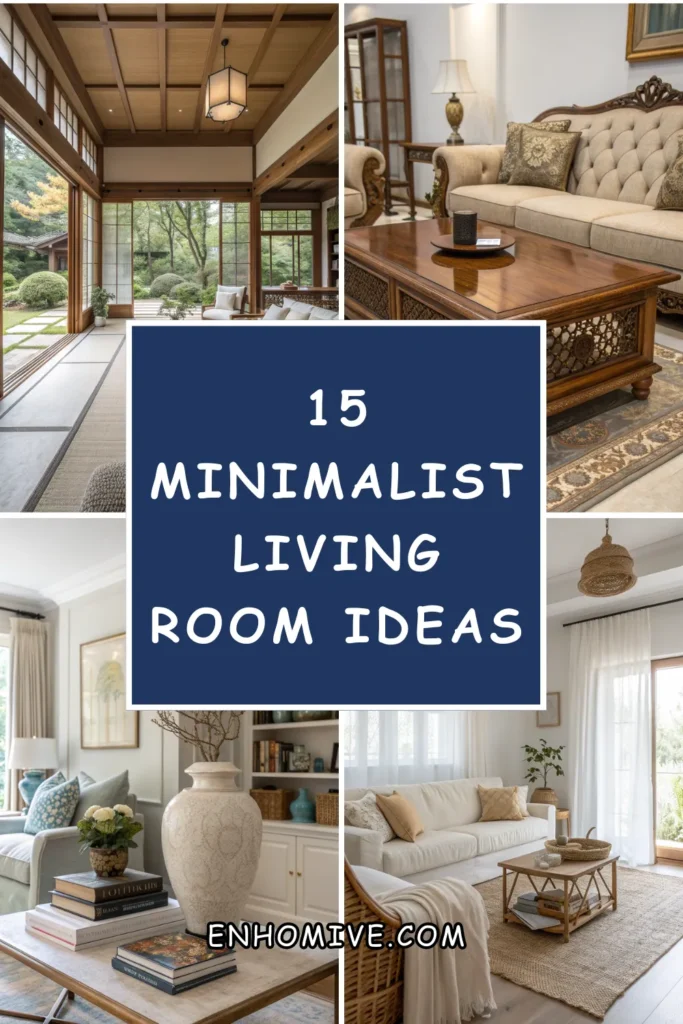
Minimalist living room design is rooted in clarity, balance, and purpose. Rather than filling a space with decorative elements, minimalism focuses on thoughtful choices that enhance both function and visual calm. Every piece of furniture, every color, and every material is selected with intention, resulting in a living room that feels open, refined, and effortlessly modern.
In today’s fast-paced world, minimalist living rooms are more appealing than ever. They create a sense of order, reduce visual stress, and adapt easily to changing lifestyles.
Whether you live in a small apartment or a spacious home, minimalist design allows your living room to feel organized, comfortable, and timeless rather than trendy or overcrowded.
These 15 minimalist living room ideas focus on practical design principles that help you achieve a clean, modern look without sacrificing warmth or personality.
1. Build the Space Around a Neutral Color Foundation
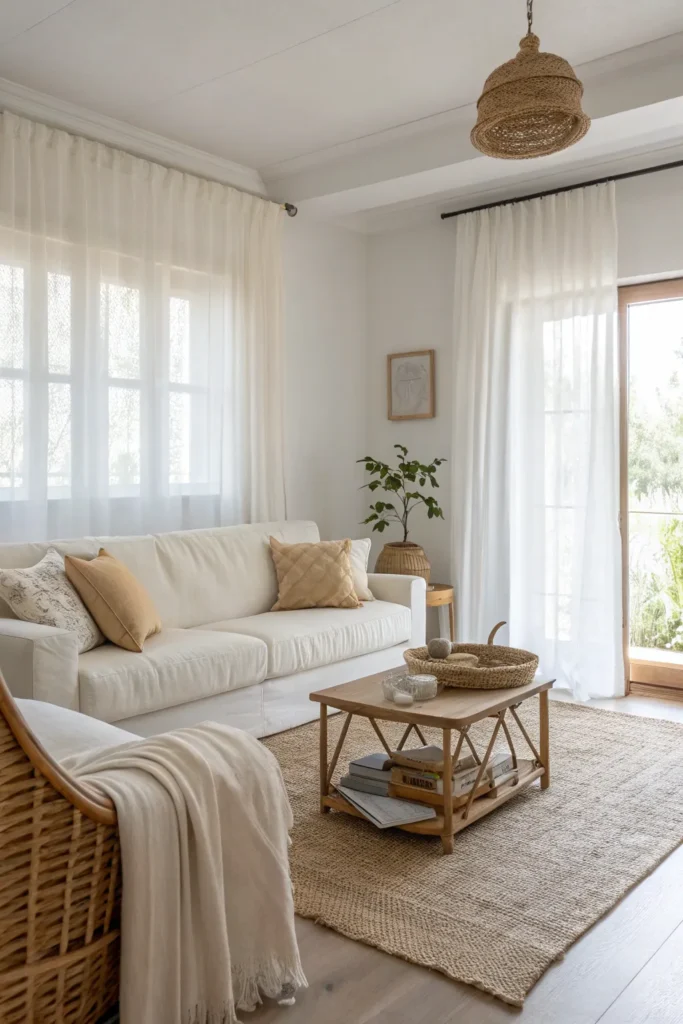
A neutral color palette is the backbone of minimalist design. Soft whites, warm beiges, pale grays, and muted taupes create a calm visual base that allows the room to feel open and balanced. These colors reflect light beautifully, making even smaller living rooms feel more expansive.
Instead of relying on stark contrasts, layer similar tones to create subtle depth. For example, pair off-white walls with a slightly darker sofa and textured cushions in a matching palette. This approach maintains visual interest while preserving the clean, unified look that defines minimalism.
2. Choose Furniture With Clean, Defined Lines

Minimalist furniture is all about simplicity and proportion. Sofas, chairs, and tables should feature clean edges, uncomplicated shapes, and understated silhouettes. Avoid ornate detailing, heavy curves, or overly decorative legs that distract from the overall design.
Well-proportioned furniture enhances the sense of order in a room. A streamlined sofa with slim arms or a simple rectangular coffee table helps maintain visual clarity while still offering comfort and functionality.
3. Reduce Furniture to the Essentials

One of the most effective minimalist strategies is limiting the number of furniture pieces. A living room does not need to be filled to feel complete—it needs to be balanced.
Focus on essentials such as a comfortable sofa, a functional coffee table, and one or two seating options. Removing unnecessary furniture improves circulation, makes cleaning easier, and helps the room feel lighter and more intentional.
4. Prioritize Built-In and Hidden Storage
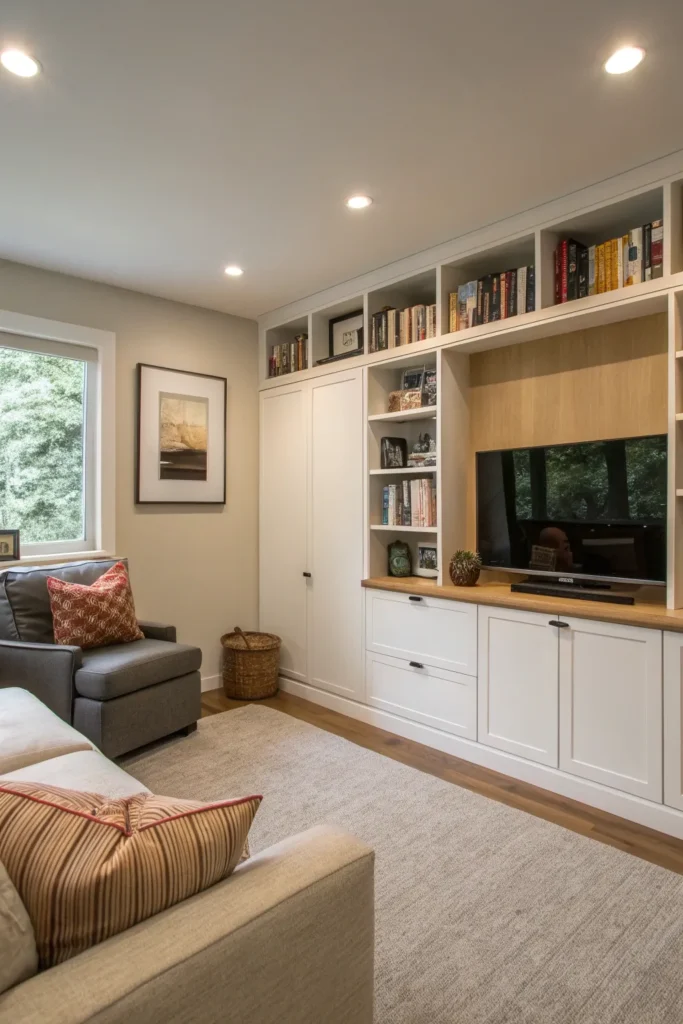
Visual clutter disrupts minimalist design. Storage solutions that hide everyday items are essential for maintaining a clean living room.
Built-in cabinets, closed shelving, and storage furniture help keep books, remotes, and accessories out of sight. When storage blends seamlessly with wall colors or furniture finishes, the room feels calm and uninterrupted.
5. Invest in Fewer, High-Quality Pieces

Minimalism values longevity over excess. Instead of buying many decorative items, invest in a few high-quality pieces that elevate the entire space.
A well-crafted sofa, a solid wood coffee table, or a thoughtfully designed armchair can become the foundation of the room. These pieces not only look better but also age more gracefully, supporting a timeless aesthetic.
6. Maintain an Open and Balanced Layout
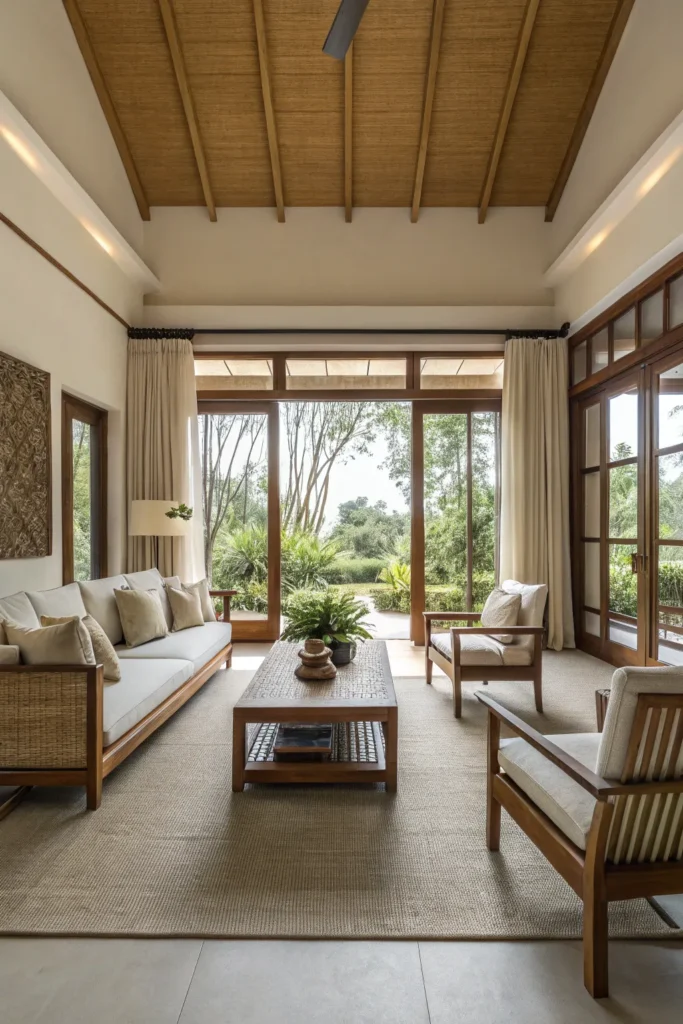
A minimalist living room should feel easy to move through. Furniture placement plays a crucial role in maintaining openness and balance.
Arrange furniture to create clear walkways and avoid blocking windows or architectural features. A balanced layout ensures that no single area feels overcrowded, helping the room feel calm and welcoming.
7. Add Warmth Through Layered Textures

Minimalist spaces can feel cold if texture is overlooked. Introducing texture is essential for making the room feel comfortable and lived-in.
Use materials such as wool rugs, linen upholstery, wooden surfaces, and soft throws. These elements add depth without adding clutter, creating a warm and inviting environment.
8. Keep Lighting Simple and Purposeful
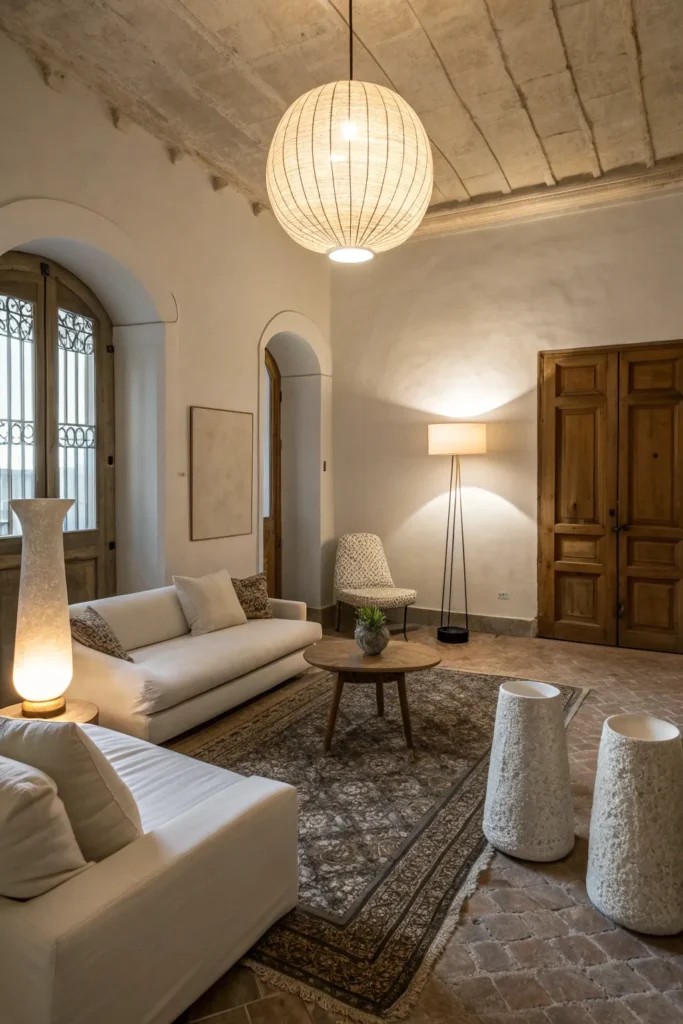
Lighting should enhance both function and atmosphere in a minimalist living room. Choose fixtures with simple shapes and clean finishes.
Layer lighting using ceiling lights, table lamps, and floor lamps to adapt to different needs throughout the day. Soft, warm lighting creates comfort while maintaining a modern, uncluttered look.
9. Embrace Negative Space
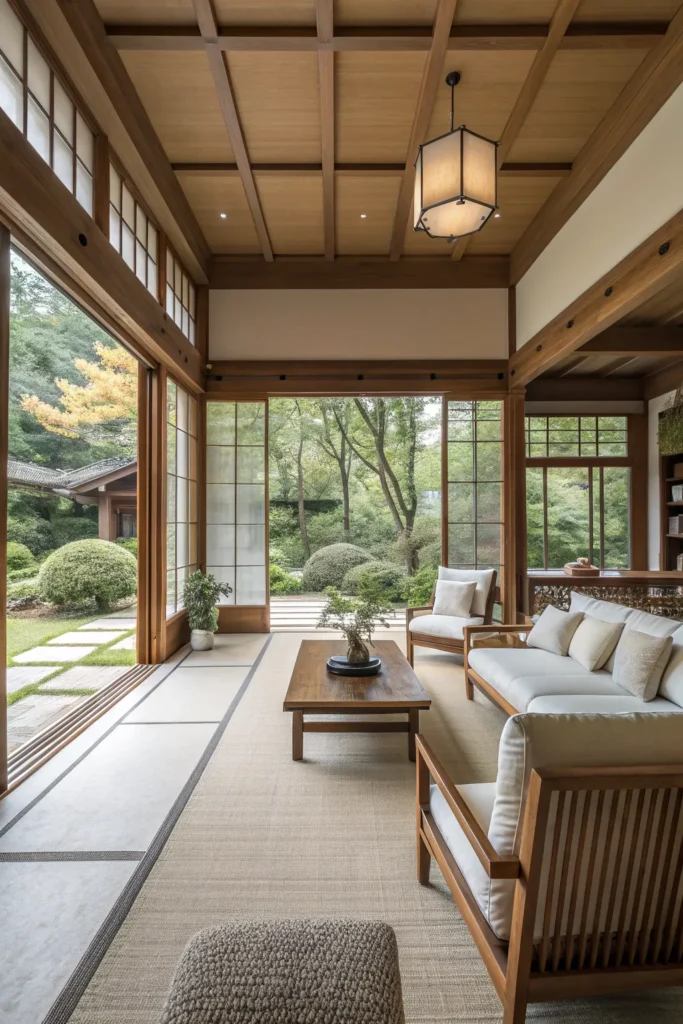
Negative space is a defining element of minimalist interiors. Empty areas around furniture and décor allow the room to breathe and draw attention to key pieces.
Avoid filling every corner or wall. Leaving space untouched enhances the sense of calm and makes the living room feel thoughtfully designed rather than unfinished.
10. Use One Strong Focal Point
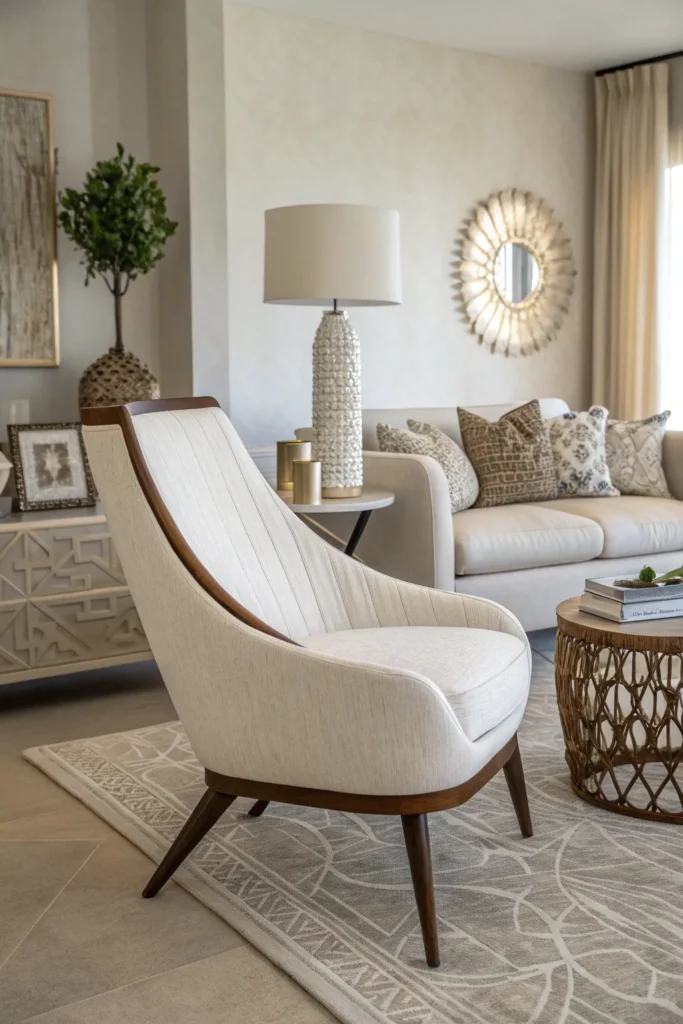
Minimalist living rooms benefit from a single focal point that anchors the space. This could be a sculptural sofa, a statement chair, or a large piece of art.
Surround the focal point with simple, understated elements so it stands out naturally. This approach creates interest without overwhelming the room.
11. Keep Wall Décor Minimal and Intentional
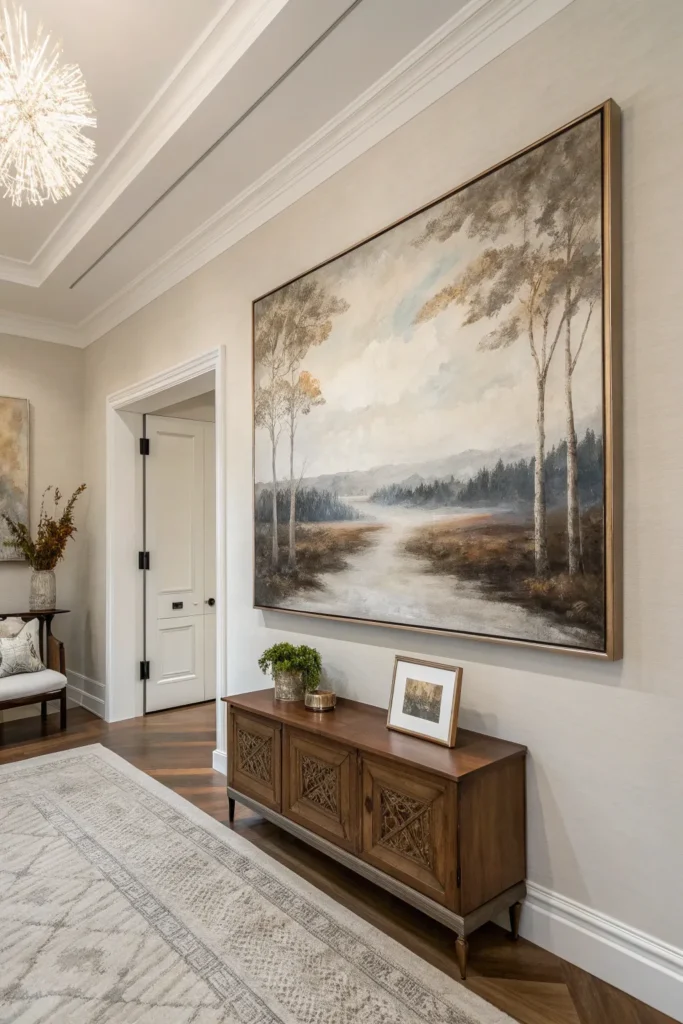
Walls in minimalist living rooms should feel open and purposeful. Rather than multiple small decorations, opt for one large artwork or a carefully curated pair.
Choose art with simple compositions or neutral tones to maintain harmony. Thoughtful wall décor adds personality while preserving visual clarity.
12. Incorporate Natural Materials Thoughtfully
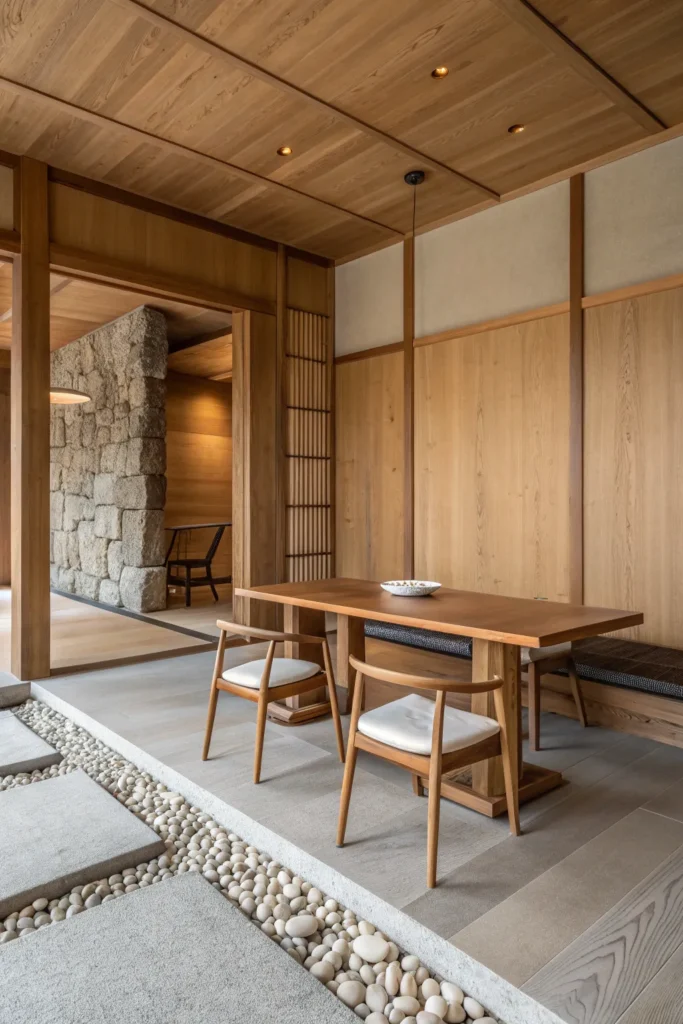
Natural materials bring warmth and authenticity to minimalist spaces. Wood, stone, leather, and ceramic surfaces add texture and subtle variation.
These materials help soften clean lines and neutral colors, making the living room feel grounded and connected to nature.
13. Choose Low-Profile Furniture for Openness
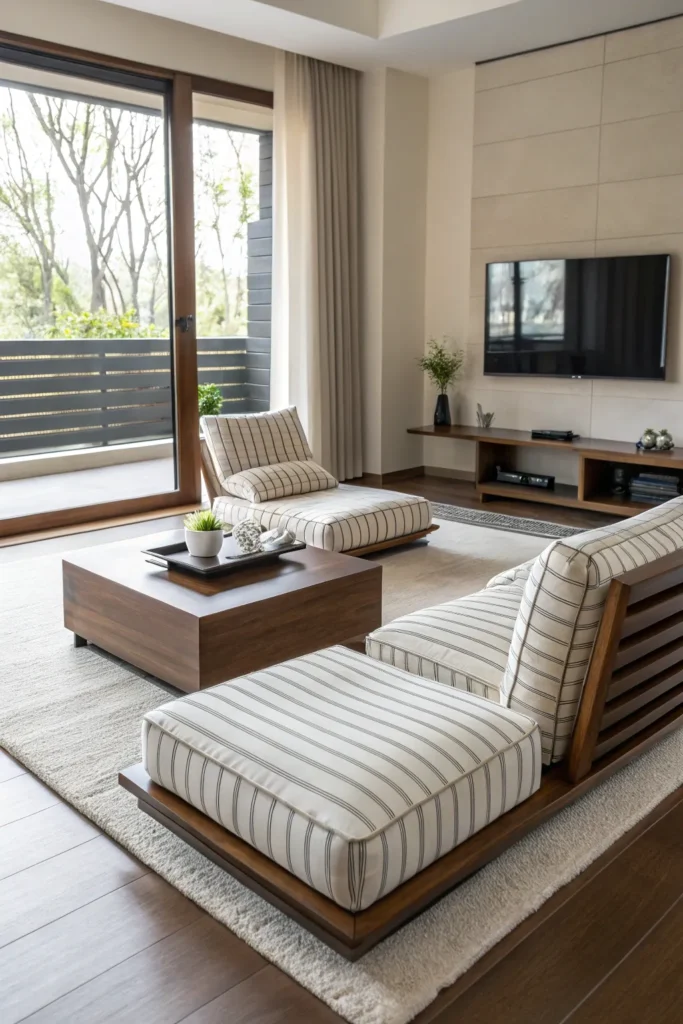
Low-profile furniture emphasizes horizontal lines, which enhances the sense of space. Sofas and chairs closer to the floor create a relaxed and contemporary atmosphere.
This design choice also makes ceilings feel higher and rooms feel more expansive, especially in compact living areas.
14. Keep Technology Visually Subtle
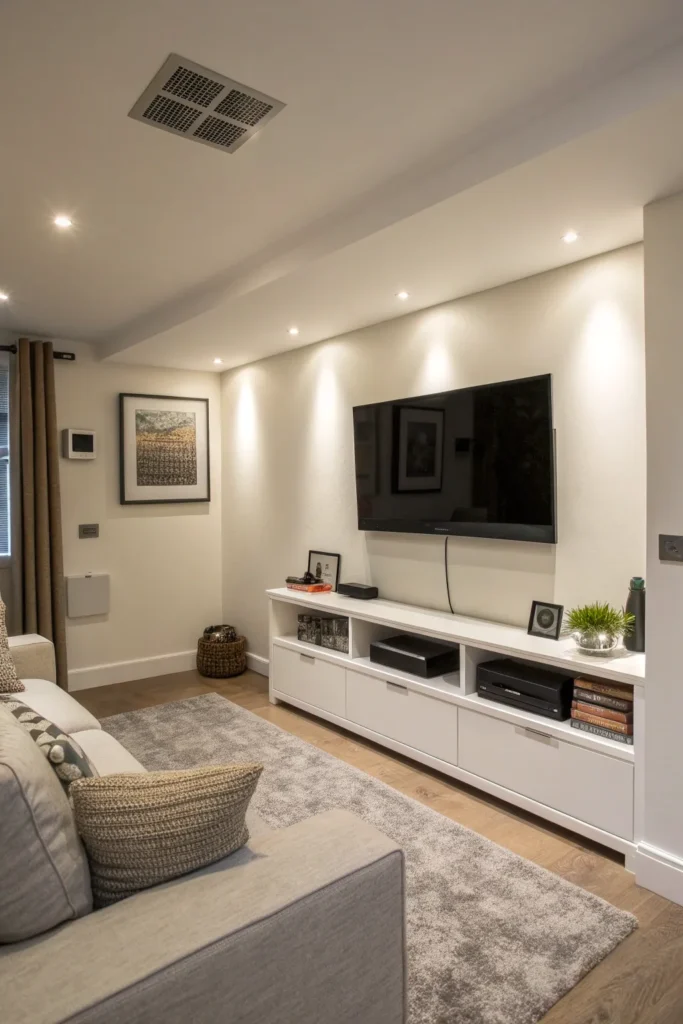
Technology should blend seamlessly into a minimalist living room. Wall-mounted televisions, concealed wiring, and streamlined media units help maintain a clean look.
Choose furniture that hides electronics when not in use. This keeps the focus on the room’s design rather than screens and cables.
15. Add Personality Through Carefully Chosen Details
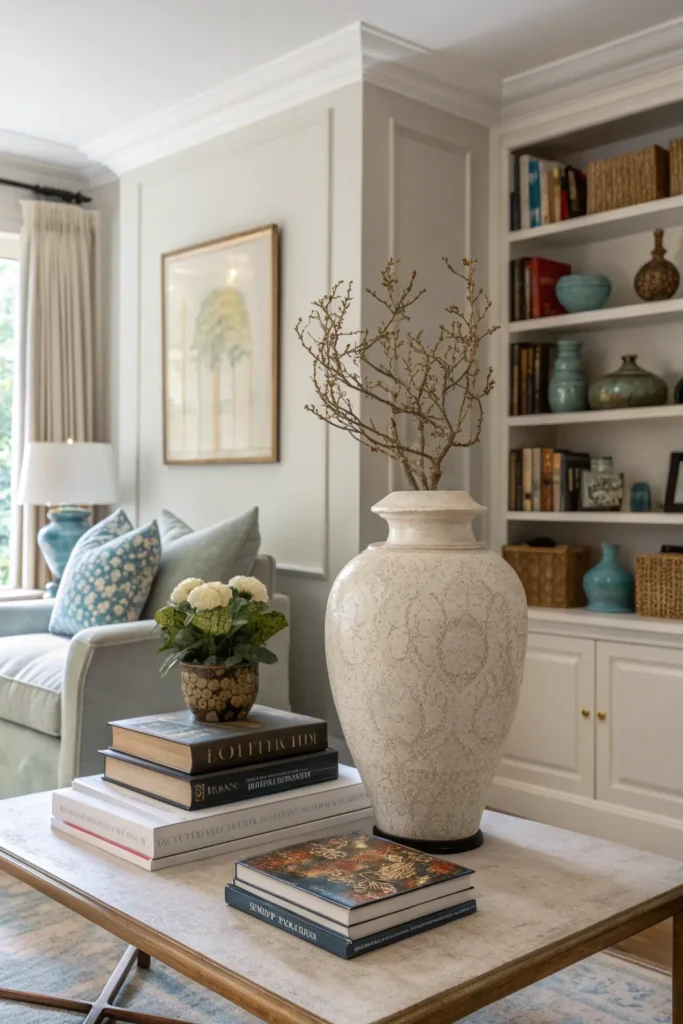
Minimalism does not mean removing personality. A few carefully selected accessories can make the space feel personal and inviting.
A sculptural vase, a curated stack of books, or a single decorative object adds character without clutter. Choose items that align with the room’s palette and materials to maintain cohesion.
Final Thoughts
A minimalist living room is not about restriction—it’s about refinement. By focusing on intentional choices, balanced layouts, and high-quality materials, you create a space that feels calm, modern, and deeply functional.
Minimalism allows your living room to evolve with you, adapting to daily life without visual noise. With these 15 ideas, you can design a living room that feels open, thoughtful, and effortlessly modern—a space that supports comfort, clarity, and timeless style.