
DIY All-Purpose Cleaner Recipes That Actually Work
All-purpose cleaners are one of the most frequently used household products, yet they are also among the most unnecessarily expensive. Many store-bought cleaners are made up mostly of water, artificial fragrance, and chemicals designed more for shelf appeal than real cleaning performance.
The truth is, most everyday messes do not require a specialized product. With a few simple ingredients, you can create highly effective DIY all-purpose cleaners that work just as well, cost far less, and reduce chemical exposure in your home.
DIY all-purpose cleaners are not just about saving money. They simplify your cleaning routine, reduce clutter under the sink, and allow you to control exactly what touches your surfaces. Whether you want the most budget-friendly option possible or a more premium natural blend, there is a DIY recipe that fits your needs.
Why DIY All-Purpose Cleaners Make Sense
Homemade cleaners have gained popularity because they solve multiple problems at once.
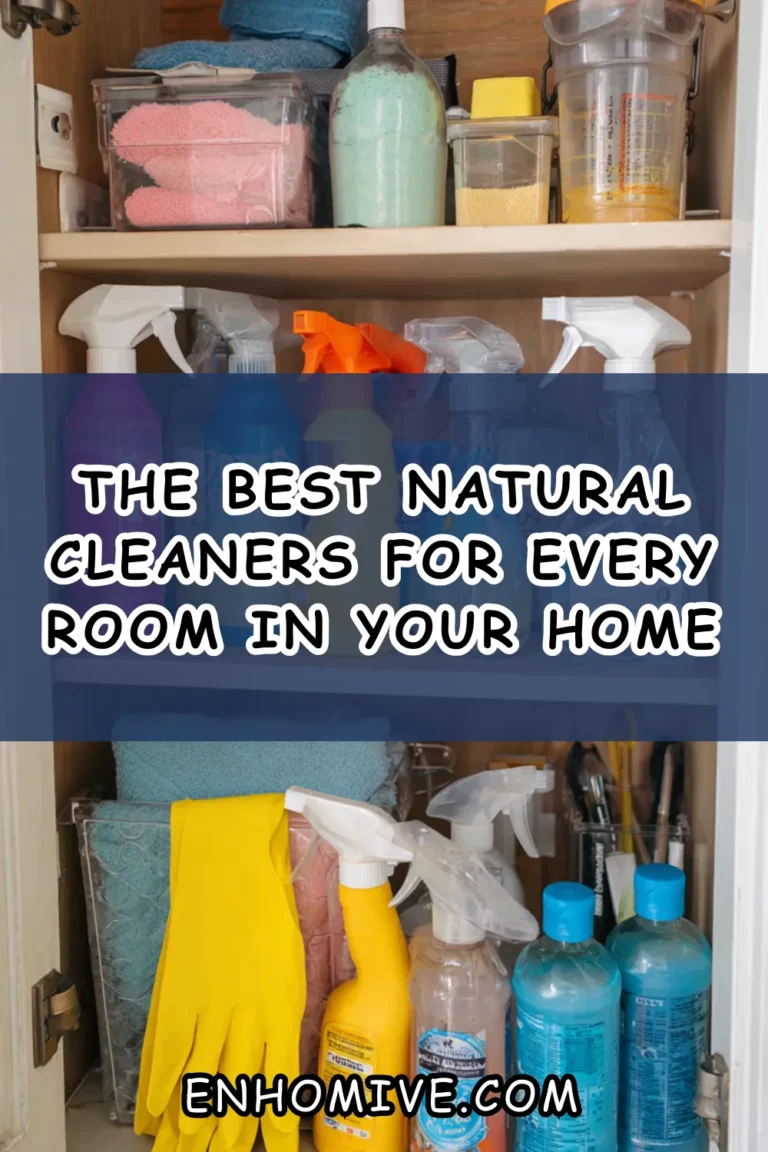
They help lower household expenses, reduce plastic waste, and eliminate the need to buy multiple products for different rooms. Instead of using separate sprays for kitchens, bathrooms, cabinets, and appliances, one well-made all-purpose cleaner can handle most daily cleaning tasks.
DIY cleaners are also ideal for households with children, pets, or sensitive skin. By choosing gentle ingredients, you avoid unnecessary dyes, fragrances, and harsh chemicals often found in commercial products.
What an All-Purpose Cleaner Should Do
A good all-purpose cleaner should handle common household messes without damaging surfaces.
It should be able to:
- Cut through grease and food residue
- Remove dirt and fingerprints
- Lightly disinfect surfaces
- Neutralize odors
- Leave minimal residue
DIY cleaners meet these needs when used correctly and on appropriate surfaces.
Surfaces Safe for DIY All-Purpose Cleaners

Most homemade cleaners are safe for a wide range of sealed and non-porous surfaces.
These include:
- Laminate countertops
- Sealed wood furniture
- Tile and grout
- Stainless steel
- Bathroom sinks and fixtures
- Painted walls
- Appliance exteriors
Always avoid using acidic cleaners on marble, granite, or other natural stone unless specifically formulated for those materials.
The Simplest Budget DIY All-Purpose Cleaner
This is the most affordable and beginner-friendly recipe.
Ingredients:
- 2 cups warm water
- 1 teaspoon liquid dish soap
How it works:
Dish soap is designed to break down grease and oils. When diluted properly, it becomes a powerful yet gentle cleaner suitable for most daily messes.
How to use:
- Combine ingredients in a spray bottle
- Shake gently before each use
- Spray and wipe with a microfiber cloth
Best uses:
- Kitchen countertops
- Cabinets
- Appliance surfaces
- Tables and desks
This cleaner costs only a few cents per bottle and replaces many store-bought sprays.
Vinegar-Based All-Purpose Cleaner

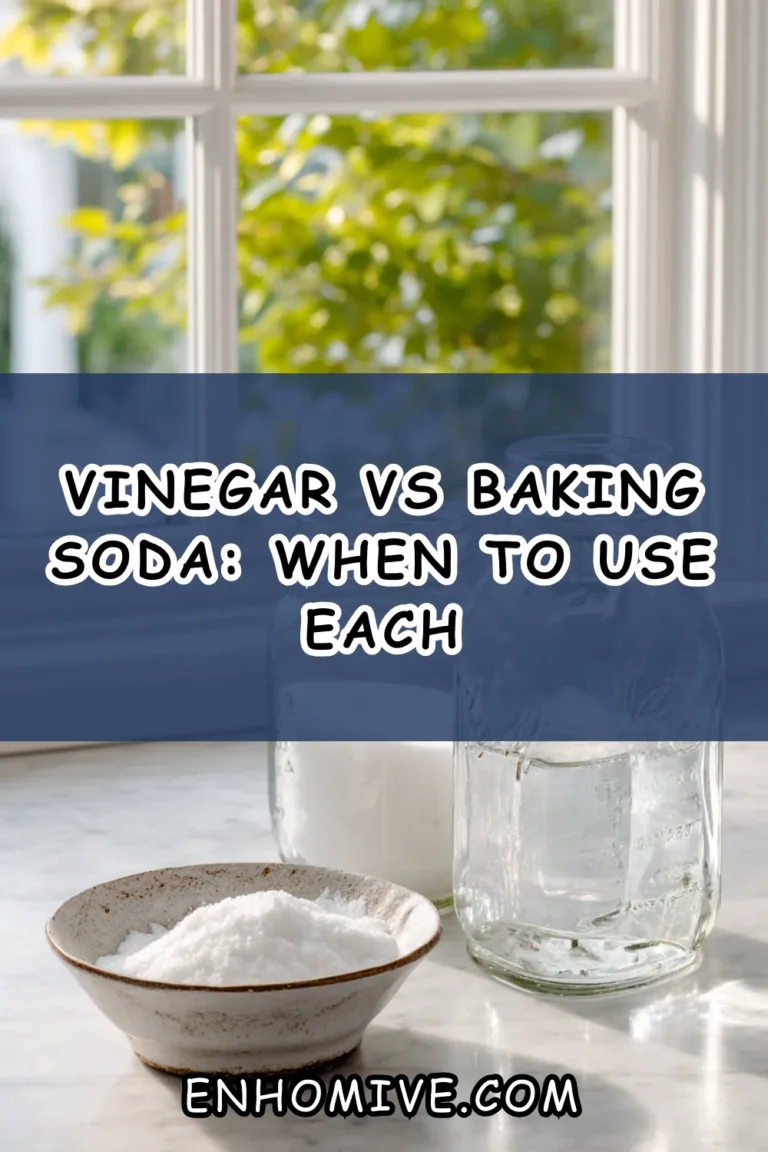
White vinegar is one of the most effective natural cleaning agents available.
Ingredients:
- 1 cup white vinegar
- 1 cup water
Optional additions:
- Lemon peels
- Essential oils for scent
Why it works:
Vinegar dissolves mineral deposits, cuts grease, and neutralizes odors. It also leaves glass and mirrors streak-free.
Best uses:
- Glass and mirrors
- Bathroom surfaces
- Kitchen sinks
- Odor removal
How to use:
- Mix ingredients in a spray bottle
- Spray on surface
- Let sit for one to two minutes
- Wipe clean
Avoid vinegar on stone, hardwood floors, or aluminum.
Hydrogen Peroxide All-Purpose Cleaner for Disinfecting

When sanitation matters, hydrogen peroxide is an excellent option.
Ingredients:
- 1 cup 3 percent hydrogen peroxide
- 1 cup water
Why it works:
Hydrogen peroxide kills bacteria and breaks down into water and oxygen, leaving no chemical residue.
Best uses:
- Bathroom surfaces
- Cutting boards
- Trash cans
- High-touch areas like switches and handles
How to use:
- Store in a dark spray bottle
- Spray surface evenly
- Let sit for five minutes
- Wipe clean
Never mix hydrogen peroxide with vinegar in the same container.
Baking Soda Cream Cleaner for Tough Messes

Some messes require gentle scrubbing rather than spraying.
Ingredients:
- Baking soda
- Water
How to prepare:
- Mix into a thick paste
Best uses:
- Sinks and tubs
- Stovetops
- Soap scum
- Grout lines
Why it works:
Baking soda acts as a mild abrasive that lifts grime without scratching most surfaces.
Apply, scrub gently, rinse, and dry.
Essential Oil All-Purpose Cleaner (Premium DIY)
For those who prefer a more luxurious feel, essential oils add fragrance and mild antibacterial properties.
Ingredients:
- 1 cup water
- 1 cup white vinegar
- 15–20 drops essential oil
Popular oil choices:
- Lemon for freshness
- Tea tree for antibacterial properties
- Lavender for a calming scent
Best uses:
- Daily surface cleaning
- Bathrooms
- Kitchens
- Entryway touch-ups
This option feels similar to high-end natural cleaners but costs significantly less.
Budget vs Premium DIY Cleaner Comparison

| Feature | Budget DIY Cleaner | Premium DIY Cleaner |
| Cost per bottle | Extremely low | Low |
| Ingredients | Dish soap, water | Vinegar, essential oils |
| Scent | Neutral | Customizable |
| Cleaning power | Strong | Strong |
| Eco-friendly | Yes | Yes |
Both options outperform many commercial cleaners when used correctly.
How Much Money DIY Cleaners Save
Switching to DIY all-purpose cleaners can save a surprising amount annually.
Average yearly costs:
- Store-bought cleaners: $150–$300
- DIY cleaners: $20–$50
That difference adds up quickly, especially in larger households.
Storage and Shelf Life Tips
Proper storage keeps DIY cleaners effective and safe.
Best practices:
- Label each bottle clearly
- Store vinegar-based cleaners up to 3 months
- Store hydrogen peroxide in dark containers
- Shake before each use
- Make small batches for freshness
Avoid storing in direct sunlight or extreme heat.
Common DIY Cleaner Mistakes
Many DIY cleaners fail because of simple errors.
Avoid:
- Using too much dish soap
- Mixing incompatible ingredients
- Expecting heavy fragrance
- Using acidic cleaners on stone
- Skipping spot tests
DIY cleaners work best when kept simple and used correctly.
FAST Version for Busy Readers
If you want one universal solution:
Mix:
- 2 cups water
- 1 teaspoon dish soap
Use on:
- Counters
- Cabinets
- Appliances
- Tables
Cost:
- Pennies per bottle
Who DIY All-Purpose Cleaners Are Best For
DIY cleaners are ideal if you:
- Want to cut cleaning costs
- Prefer fewer chemicals
- Like simple routines
- Want less clutter under the sink
They are especially helpful for families, renters, minimalists, and budget-conscious households.
Environmental Benefits of DIY Cleaners
DIY cleaners reduce environmental impact by:
- Cutting down plastic waste
- Lowering chemical runoff
- Reducing transportation emissions
- Encouraging reuse of bottles
Small changes in cleaning habits can have a meaningful impact over time.
Final Thoughts
DIY all-purpose cleaners prove that effective cleaning does not require expensive products or complicated formulas. With a few basic ingredients, you can clean your home thoroughly, safely, and affordably.
Once you find the recipe that works best for your household, you’ll likely stop buying commercial all-purpose sprays altogether. Simple, well-used solutions consistently outperform overpriced products.