
Stop Throwing Money Away: Simple Maintenance Tips That Make Appliances Last
I’ve watched neighbors replace refrigerators after eight years, dishwashers after five, and washing machines after six. Meanwhile, my appliances from the same era keep running perfectly.
The difference isn’t luck or better brands. It’s basic maintenance habits that take minutes monthly but add years to appliance lifespans.

The average American household spends $600-800 replacing appliances every few years. Most of those replacements are avoidable. Here’s exactly what keeps appliances running longer.
The Fundamental Rule
Every appliance has components that wear gradually—filters, seals, coils, belts, and bearings. These components fail predictably when neglected and last significantly longer with basic attention.
Maintenance isn’t complicated. It’s mostly cleaning, checking, and catching small problems before they become expensive ones.
Refrigerator
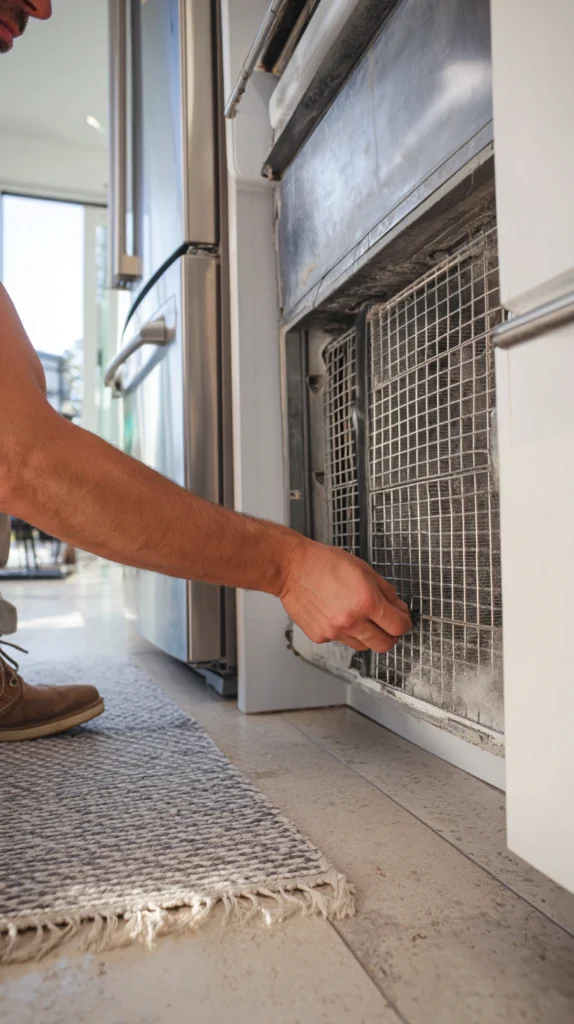
Clean condenser coils every 6 months
Dust-coated coils force the compressor to run longer and harder than designed. The compressor is the most expensive refrigerator component—replacement costs $400-600, often making repair uneconomical.
Vacuum coils with a brush attachment twice yearly. This single habit extends refrigerator life more than anything else you can do.
Check door gaskets monthly
Press a piece of paper in the door and close it. If it slides out easily, the gasket isn’t sealing properly. Cold air escaping makes the compressor compensate constantly.
Wipe gaskets with warm soapy water monthly to remove debris that prevents proper sealing. Replace cracked or torn gaskets immediately—they cost $20-50 and install easily.
Keep it appropriately filled
Both extremes cause problems. Overfilling blocks internal airflow. Underfilling means insufficient thermal mass to maintain temperature when the door opens.
Aim for roughly 75% capacity. Store water bottles in an underfilled refrigerator to provide thermal mass cheaply.
Set correct temperature
Refrigerator at 37-38°F, freezer at 0°F. Colder settings make the compressor work harder unnecessarily. Warmer settings compromise food safety.
Check with a thermometer occasionally—built-in displays aren’t always accurate.
Washing Machine
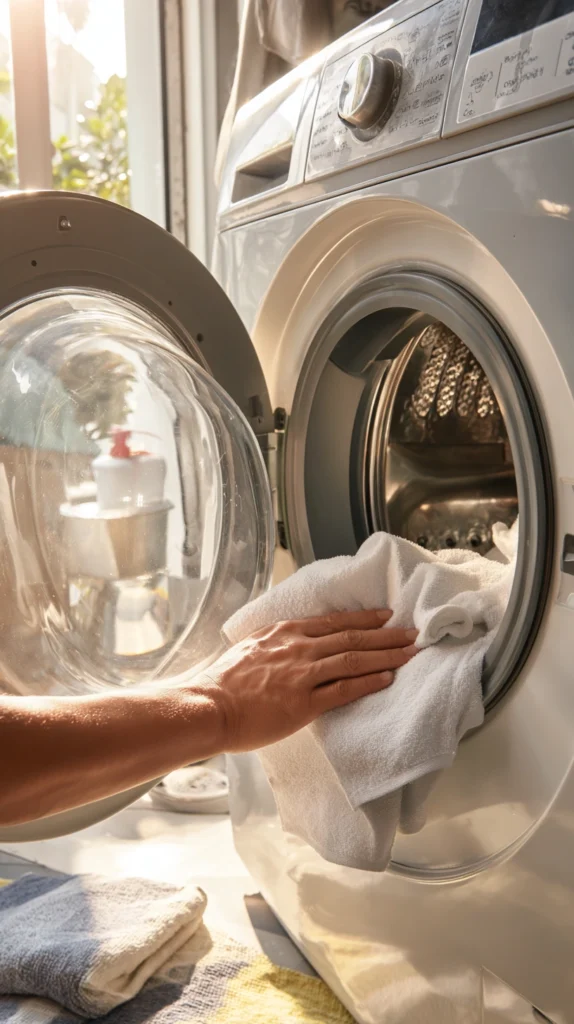
Clean the drum monthly
Detergent residue, fabric softener, and minerals accumulate in drum folds and gaskets, creating mold and bacterial growth that transfers to clothes.
Run a hot empty cycle with a washing machine cleaner or 2 cups white vinegar monthly. Front-loaders need special attention to the rubber door gasket—wipe it after every load and leave the door open to dry.
Use correct detergent amounts
Excess detergent doesn’t clean better—it leaves residue that builds up in internal components and creates excessive suds that strain the motor.
Use manufacturer-recommended amounts and choose HE detergent for HE machines. More detergent is one of the most common washing machine mistakes.
Check hoses annually
Washing machine supply hoses are among the most common sources of household water damage. Inspect both hot and cold hoses annually for cracks, bulges, or corrosion at connection points.
Replace rubber hoses every 5 years regardless of condition, or upgrade to braided stainless steel hoses that last significantly longer and resist bursting.
Don’t overload
A drum packed beyond capacity strains the motor and bearing—the most expensive repair point on washing machines. Clothes should move freely during the cycle.
If you’re pushing clothes down to fit more in, the load is too large.
Dishwasher
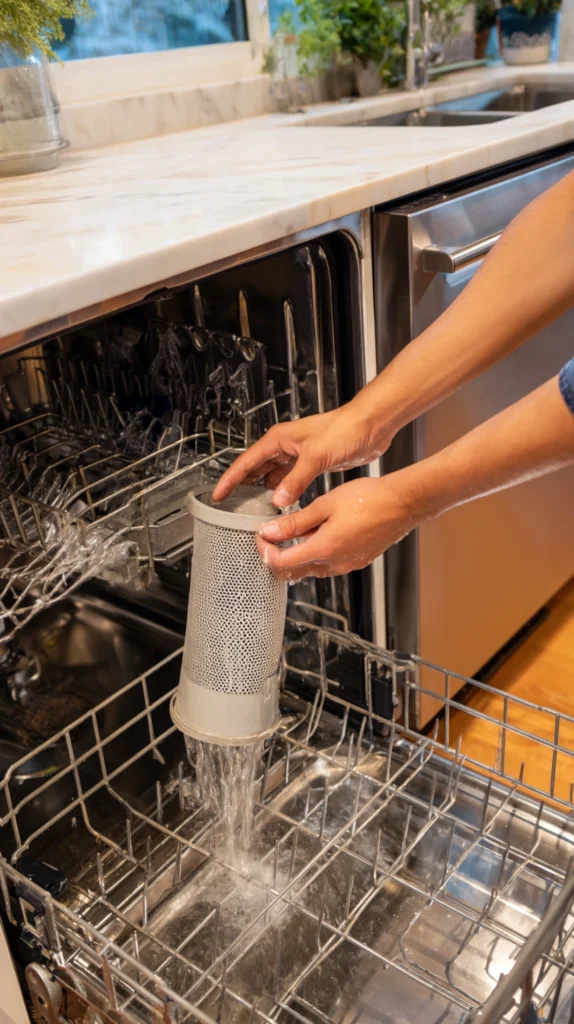
Clean the filter monthly
The single most impactful dishwasher maintenance task. A clogged filter forces the pump motor to work against restricted flow until it fails.
Remove, scrub under running water, reinstall. Five minutes monthly prevents the most common cause of premature dishwasher failure.
Use rinse aid consistently
Rinse aid prevents water from pooling on surfaces and evaporating into mineral deposits. It protects internal components while improving dish drying performance.
Keep the dispenser filled. It’s not optional—it’s protective maintenance.
Run hot water before starting
Turn on the kitchen faucet until water runs hot, then start the dishwasher. This ensures the machine fills with already-hot water, reducing heating element workload and improving cleaning performance.
Takes 30 seconds. Worth doing every time.
Oven and Stovetop
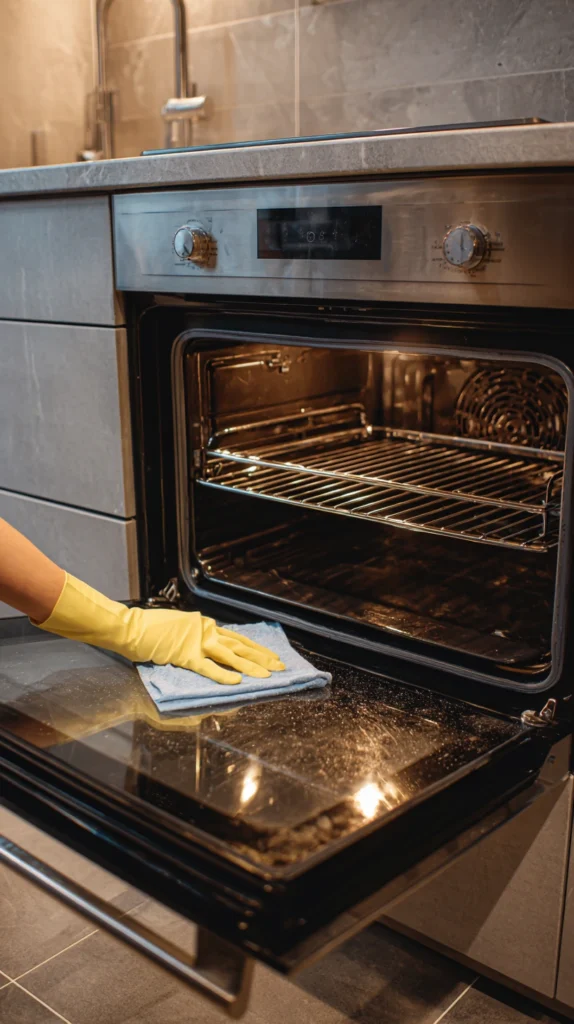
Clean spills immediately
Spills baked onto oven surfaces during subsequent cooking sessions become progressively harder to remove and can eventually damage interior coatings.
Wipe spills after the oven cools. This takes 2 minutes versus the 30-minute scrubbing that baked-on residue requires later.
Use self-clean sparingly
The self-clean cycle runs at extreme temperatures—around 900°F—that stress every component in the oven. Control boards, door hinges, and heating elements all experience accelerated wear during self-clean cycles.
Manual cleaning with baking soda paste is gentler and nearly as effective. Reserve self-clean for truly severe situations, not routine maintenance.
Clean burner components regularly
Clogged gas burner ports cause uneven flames that waste gas and stress the igniter. Remove burner caps monthly and clear ports with a toothpick. Wipe drip pans before grease bakes on permanently.
Small Appliances
Never wrap cords tightly
Wrapping cords around appliance bodies stresses the wire at connection points with every use. Internal wiring breaks inside intact insulation—creating fire hazards that aren’t visible externally.
Loosely coil cords and secure with velcro ties. This simple habit prevents the most common small appliance fire risk.
Let appliances cool before storing
Storing warm appliances traps heat that degrades electrical components and cord insulation. Let everything cool completely before putting it away.
Descale regularly
Coffee makers, kettles, and steam appliances accumulate mineral deposits that coat heating elements and restrict water flow. Monthly descaling with vinegar solution prevents the buildup that burns out heating elements prematurely.
Address warning signs immediately
Unusual sounds, burning smells, or performance changes are appliances communicating problems. Continuing to use a struggling appliance converts minor repairs into complete failures.
Stop, investigate, and fix small problems before they compound.
Universal Habits That Protect Everything
Read the manual once
Manufacturer guidelines exist because engineers know exactly what stresses their machines. Five minutes reading the maintenance section reveals specific requirements most people never discover.
I found my dishwasher manual specified a particular cleaning cycle I’d never used. Running it monthly improved performance noticeably.
Keep appliances clean externally
Dust accumulation around vents and motor housings traps heat that accelerates component wear. Wipe appliance exteriors and vacuum vents periodically.
Don’t ignore error codes
Modern appliances display error codes for specific reasons. Looking up a code takes 2 minutes and often reveals a simple fix. Ignoring codes means ignoring problems that worsen with continued use.
Buy quality replacement parts
When components need replacement—filters, gaskets, hoses, belts—buy manufacturer-approved or quality aftermarket parts. Cheap generic parts often fail faster and sometimes cause additional damage.
The few dollars saved on inferior parts frequently costs multiples in subsequent repairs.
The Real Numbers
| Maintenance Task | Time Required | Annual Cost | Potential Repair Avoided | Repair Cost |
| Refrigerator coil cleaning | 15 min twice yearly | Free | Compressor replacement | $400-600 |
| Dishwasher filter cleaning | 5 min monthly | Free | Pump motor replacement | $150-300 |
| Washing machine hose check | 5 min annually | $15-25 (replacement) | Water damage | $1,000+ |
| Coffee maker descaling | 10 min monthly | $1-2 | Heating element failure | $50-150 |
| Oven spill cleaning | 2 min as needed | Free | Coating replacement | $100-200 |
The Honest Summary
None of this is complicated. It’s remembering to do simple things consistently.
The households that replace appliances every five years aren’t buying inferior products—they’re skipping the maintenance that costs minutes but buys years.
Set monthly reminders for filter cleaning and descaling. Do annual hose inspections. Wipe spills immediately. Check gaskets occasionally. Stop wrapping cords tightly.
These habits collectively add 3-5 years to average appliance lifespans. At $600-800 per replacement, that’s real money staying in your pocket rather than going to appliance retailers.
Maintenance isn’t about being obsessive. It’s about not throwing money away through neglect.