

Top Home Management Tips For Housewives
Managing a household is a full-time job that often goes unrecognized. It requires planning, multitasking, and constant decision-making. The right systems transform chaos into smooth daily operations.
Effective home management reduces stress and creates more free time. It helps you feel in control rather than overwhelmed. With proven strategies, you can run your home efficiently and enjoyably.

Why Home Management Systems Matter
Good systems prevent problems before they start.
They help you:
- Reduce daily decision fatigue
- Prevent last-minute scrambling
- Save money on groceries and household items
- Keep the home clean consistently
- Create more family time
- Reduce overall stress levels
Once systems are in place, everything runs smoother. You spend less mental energy on basic tasks.
Benefits of Organized Home Management
The impact extends beyond a tidy house.
Key advantages include:
- More time for yourself and family
- Lower household expenses
- Less food waste
- Reduced mental overwhelm
- Better work-life balance
- Increased sense of accomplishment
- Improved family harmony
Organization creates freedom, not restriction. Structured routines actually provide more flexibility.
Creating Your Master Calendar System
A central calendar prevents missed appointments and conflicts.
Calendar essentials:
- Use one master calendar (digital or paper)
- Include everyone’s schedules
- Color-code by family member
- Add meal plans and cleaning tasks
- Set reminders for important dates
- Review weekly on Sunday evenings
This becomes your command center. Everything important lives in one place.
The Weekly Planning Session

Sunday planning prevents Monday chaos.
Weekly planning includes:
- Review upcoming week’s schedule
- Plan meals for the week
- Create shopping list
- Check household supplies
- Assign daily priorities
- Prep what you can in advance
This 30-minute session saves hours during the week. You start Monday with clarity and direction.
Morning Routine for Productive Days

How you start determines how the day flows.
Effective morning routine:
- Wake at consistent time
- Make bed immediately
- Quick bathroom cleaning
- Start laundry if needed
- Prepare breakfast
- Check daily to-do list
- Set out dinner ingredients
A solid morning routine creates momentum. The rest of the day becomes easier.
The Power of Daily Cleaning Zones
Zone cleaning prevents overwhelming deep-clean sessions.
Daily zone system:
- Monday: Kitchen deep clean
- Tuesday: Bathrooms
- Wednesday: Bedrooms
- Thursday: Living areas
- Friday: Floors and vacuuming
- Saturday: Catch-up or outdoor tasks
- Sunday: Minimal cleaning/rest
Each zone takes 30-45 minutes. The whole house stays consistently clean.
Quick Daily Tasks That Maintain Order
Small habits prevent big messes.
Essential daily tasks:
- Make all beds
- Run/empty dishwasher
- Wipe kitchen counters and table
- One load of laundry (wash, dry, fold, put away)
- 10-minute evening pickup
- Check mail and handle papers
- Meal prep for next day
These take 45-60 minutes total spread throughout the day. Consistency is more important than perfection.
Meal Planning Made Simple
Meal planning saves money, time, and mental energy.
Weekly meal planning steps:
- Check calendar for busy nights
- Plan 5-6 dinners (allow flexibility)
- Schedule quick meals for busy days
- Prep ingredients on Sunday
- Use leftovers strategically
- Keep backup easy meals on hand
This eliminates daily “what’s for dinner” stress. Grocery shopping becomes faster and cheaper.
Creating a Master Meal List
A rotating meal list simplifies planning even more.
Build your list:
- Write down 20-30 family-favorite meals
- Note which are quick (under 30 minutes)
- Identify slow cooker/instant pot options
- Include one-pot meals
- Mark budget-friendly options
- Rotate through the list weekly
You never run out of dinner ideas. Planning takes five minutes instead of an hour.
Efficient Grocery Shopping Strategy
Strategic shopping saves time and money.
Shopping system:
- Organize list by store layout
- Shop same day each week
- Stick to list with few exceptions
- Buy sale items for next week
- Stock pantry staples when cheap
- Avoid shopping when hungry
Efficient shopping takes half the time. You spend less on impulse purchases.
Freezer Meal Prep Benefits
Batch cooking creates backup meals for busy days.
Freezer meal strategies:
- Double recipes and freeze half
- Dedicate one day monthly to batch cooking
- Label everything with date and instructions
- Keep inventory list on freezer
- Use freezer bags to save space
- Prep breakfast and snack items too
Having meals ready prevents takeout expenses. Stressful evenings become manageable.
Laundry System That Actually Works
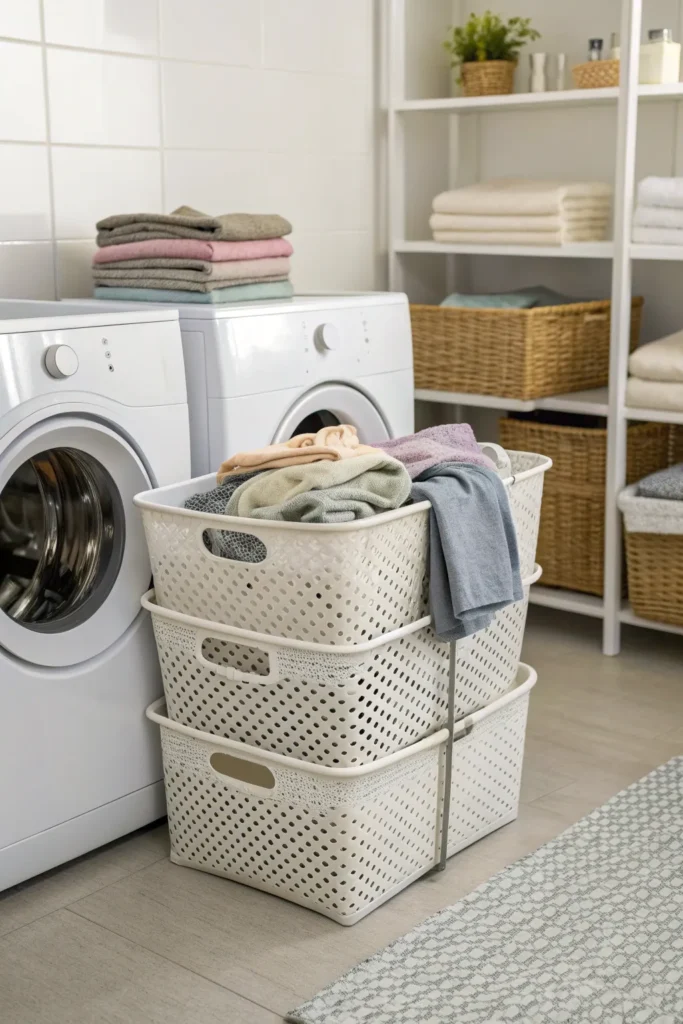
Laundry never ends, but systems help manage it.
Efficient laundry routine:
- One load daily prevents mountains
- Sort as you go (use divided hamper)
- Fold immediately after drying
- Put away same day
- Teach family to help
- Have designated laundry day for bedding
Daily small loads beat weekend marathons. Laundry stays manageable and never piles up.
Paper and Mail Management
Paper clutter creates mental clutter fast.
Daily paper system:
- Sort mail immediately over recycling bin
- File important papers right away
- Shred sensitive documents weekly
- Create simple filing system
- Go paperless where possible
- Handle school papers daily
Deal with papers once, not multiple times. Clear counters create clearer minds.
Command Center Setup
A household command center organizes everyone.
Include:
- Master calendar
- Weekly menu plan
- Important phone numbers
- School schedules and activities
- Chore charts
- Inbox for papers needing attention
- Outbox for items leaving home
This central hub keeps family informed. Everyone knows where to find information.
Budget Management and Expense Tracking
Financial organization reduces money stress.
Monthly budget routine:
- Track all expenses weekly
- Review budget mid-month
- Plan for irregular expenses
- Set aside savings first
- Use cash envelopes if needed
- Review subscriptions quarterly
Knowing where money goes creates control. Many families find extra money through tracking.
Reducing Grocery Costs Strategically
Food is often the most flexible budget category.
Money-saving strategies:
- Meal plan around sales
- Buy store brands for staples
- Stock up when prices drop
- Use apps for cashback
- Grow herbs if possible
- Reduce food waste through planning
These strategies save $200-400 monthly. Small changes create significant savings.
Decluttering and Organizing by Room
Clutter makes every task harder.
Room-by-room approach:
- Tackle one room monthly
- Remove items you don’t use/love
- Organize what remains
- Create designated homes for everything
- Maintain with daily quick pickups
- Reassess seasonally
Less stuff means less cleaning and organizing. You spend less time looking for things.
Creating Effective Storage Solutions
Good storage makes organization sustainable.
Storage principles:
- Store items near where used
- Use vertical space maximally
- Clear containers show contents
- Label everything clearly
- Keep daily items most accessible
- Store seasonal items separately
Proper storage maintains organization effortlessly. Everything has a logical home.
Time-Saving Kitchen Organization
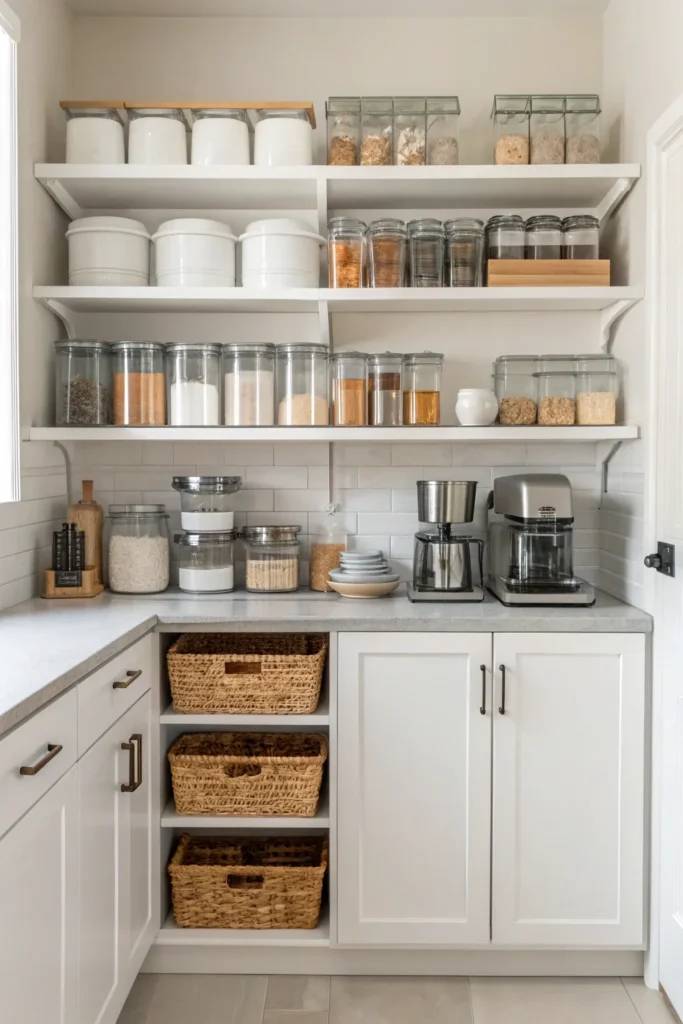
An organized kitchen speeds up cooking and cleanup.
Kitchen organization tips:
- Group items by task (baking, coffee station, etc.)
- Store frequently used items at eye level
- Keep counters mostly clear
- Organize pantry by category
- Use lazy susans for corners
- Maintain “use first” section for expiring food
Good organization cuts cooking time significantly. Meal prep becomes faster and more enjoyable.
Evening Routine for Tomorrow’s Success
Your evening sets up tomorrow’s morning.
Effective evening routine:
- Kitchen completely clean
- Lay out tomorrow’s clothes
- Pack lunches and bags
- Check calendar for tomorrow
- Quick 10-minute pickup
- Prep coffee maker
- Set out breakfast items
This 20-minute routine ensures smooth mornings. You wake up to order, not chaos.
Involving Family in Home Management
Household management shouldn’t fall on one person alone.
Age-appropriate responsibilities:
- Toddlers: Put toys away, help sort laundry
- Elementary: Make beds, set table, put away groceries
- Teens: Cook meals, do own laundry, clean bathrooms
- Partner: Equal responsibility for household tasks
Shared responsibility teaches life skills. You gain time and reduce resentment.
Creating Effective Chore Charts
Visual systems help everyone stay accountable.
Chore chart tips:
- Keep it simple and clear
- Use pictures for young children
- Rotate undesirable tasks
- Check off completed tasks
- Review weekly as family
- Adjust as needed
Charts create clarity about expectations. Less nagging needed when systems are clear.
Managing Children’s Activities and Schedules
Kid activities can overwhelm family schedules quickly.
Activity management:
- Limit activities to 1-2 per child
- Choose activities near home when possible
- Coordinate carpools with other families
- Keep master calendar updated
- Pack activity bags night before
- Build in downtime regularly
Overscheduling stresses everyone. Strategic limits create calmer family life.
Handling Sick Days and Emergencies
Plans help you cope when things go wrong.
Emergency preparedness:
- Keep medicine cabinet stocked
- Have emergency contact list posted
- Maintain freezer meals for sick days
- Keep easy meal ingredients on hand
- Lower standards temporarily when needed
- Ask for help when necessary
Preparation reduces crisis-mode stress. You can handle disruptions more calmly.
Self-Care for Home Managers
You can’t pour from an empty cup.
Essential self-care:
- Schedule personal time weekly
- Maintain one hobby or interest
- Get adequate sleep
- Exercise regularly if possible
- Connect with friends
- Take breaks during the day
Taking care of yourself isn’t selfish. You manage better when you’re not depleted.
Time Management Strategies That Work
Time is your most valuable resource.
Effective time strategies:
- Batch similar tasks together
- Use timers for focused work
- Say no to non-essential commitments
- Delegate what others can do
- Accept good enough versus perfect
- Build in buffer time
Working smarter beats working longer. Strategic time use creates more free time.
Seasonal Home Management Tasks
Some tasks happen quarterly rather than daily.
Seasonal checklist:
- Switch seasonal clothing
- Deep clean neglected areas
- Check emergency supplies
- Purge outgrown items
- Service HVAC systems
- Update household inventory
Spreading tasks across the year prevents overwhelm. Each season brings fresh energy to your home.
Digital Tools for Home Management
Technology can simplify household management.
Helpful apps and tools:
- Shared family calendar app
- Meal planning apps
- Shopping list apps with sharing
- Budget tracking software
- Chore management apps
- Recipe organization platforms
Use technology that actually helps you. Don’t let apps create more work.
Managing Household Inventory
Knowing what you have prevents overbuying.
Inventory system:
- Keep pantry and freezer lists
- Note when staples run low
- Track expiration dates
- Maintain cleaning supply inventory
- Check before shopping
- Update monthly
Good inventory reduces waste and saves money. You buy only what you actually need.
Creating Cleaning Supply Caddies
Portable supplies speed up cleaning dramatically.
Caddy system:
- One caddy per floor/area
- Include basic cleaning essentials
- Store in accessible location
- Restock weekly
- Keep separate for kitchen/bathroom
- Include microfiber cloths
No more running around gathering supplies. Cleaning becomes much faster.
Maximizing Small Spaces
Many homes have limited storage and space.
Small-space solutions:
- Use vertical storage extensively
- Choose multi-functional furniture
- Store items under beds
- Use door backs for hanging storage
- Declutter ruthlessly
- Rotate seasonal items
Creative solutions maximize every inch. Small spaces can be highly functional.
Handling Holiday and Birthday Planning
Special occasions need advance planning.
Event planning system:
- Keep gift ideas list year-round
- Shop sales throughout year
- Create holiday planning binder
- Start planning 6-8 weeks ahead
- Prep food in advance when possible
- Simplify traditions as needed
Planning ahead reduces last-minute stress. You enjoy events instead of scrambling.
Building Household Emergency Fund
Financial cushions provide peace of mind.
Emergency fund approach:
- Start with $1,000 goal
- Save automatically each month
- Build to 3-6 months expenses
- Keep in accessible savings account
- Use only for true emergencies
- Rebuild after use
Financial security reduces constant worry. Unexpected expenses become manageable.
Common Home Management Mistakes
Learning from others’ errors saves frustration.
Avoid:
- Trying to implement everything at once
- Perfectionism that causes paralysis
- Comparing yourself to others
- Neglecting your own needs
- Over-scheduling family time
- Not asking for help
Start small and build gradually. Progress matters more than perfection.
Quick Wins for Immediate Impact
Some changes show results immediately.
Start with:
- Make bed daily
- Clean kitchen before bed
- 10-minute evening pickup
- Simple meal plan for one week
- One organized drawer or cabinet
Early successes build motivation. Small wins create momentum for bigger changes.
Adapting Systems to Your Family
No single system works for everyone.
Customization tips:
- Consider your family’s unique needs
- Adjust for ages of children
- Match your personal style
- Start with biggest pain points
- Modify systems that don’t work
- Keep what serves you
The best system is one you’ll actually use. Make it work for your life, not someone else’s.
Quick Reference Daily Checklist

Essential daily tasks at a glance:
Morning:
- Make beds
- Start laundry
- Kitchen cleanup
- Check schedule
Afternoon:
- Meal prep
- Quick pickup
- Mail/paper handling
Evening:
- Clean kitchen
- Fold laundry
- Layout tomorrow
- 10-minute pickup
These basics maintain household order. Everything else builds on this foundation.
Final Thoughts
Effective home management isn’t about perfection or doing everything yourself. It’s about creating systems that work for your family and reduce daily stress. With the right strategies, you can run your household smoothly while still having time for what matters most.
Start with one or two changes and build from there. Better systems. Less stress. More time for life.