
14 Decorative Bowl Styling Ideas for Every Room
A decorative bowl is one of those objects that earns its place in a room not through a single dramatic gesture but through a quiet, consistent contribution to the atmosphere of every surface it occupies. It holds things, yes — keys, fruit, potpourri, stones gathered from a walk — but more than that it holds space. A well-chosen bowl on a surface that might otherwise feel bare or unfinished completes the arrangement in a way that is difficult to articulate but immediately obvious when the bowl is removed.
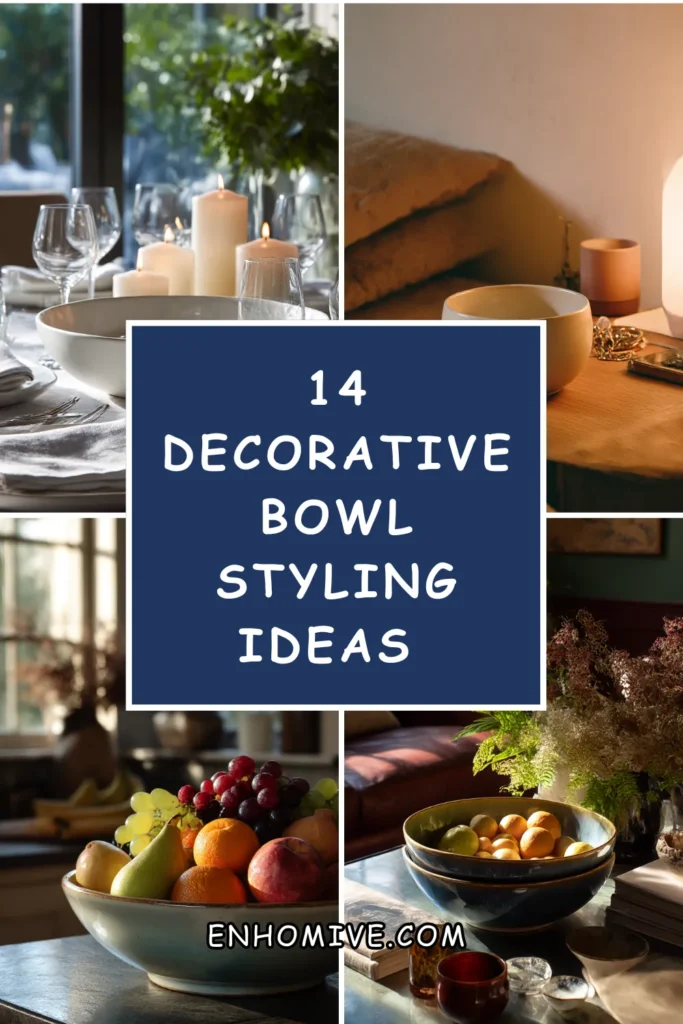
The bowl is also one of the most versatile decorating objects available at any price point. A single beautiful bowl can anchor a coffee table arrangement, define the character of a dining table centrepiece, bring warmth and craft quality to a bathroom shelf, or create an outdoor focal point on a garden table. What it contains, how it is placed, and what surrounds it determine everything about the impression it makes.
The ideas below cover every room and every styling approach — from the simplest single bowl on a windowsill to a layered, multi-bowl arrangement on a dining table — with practical guidance on making each one work as beautifully as possible.
1. The Fruit Bowl as Living Centrepiece
Budget: $20 – $120
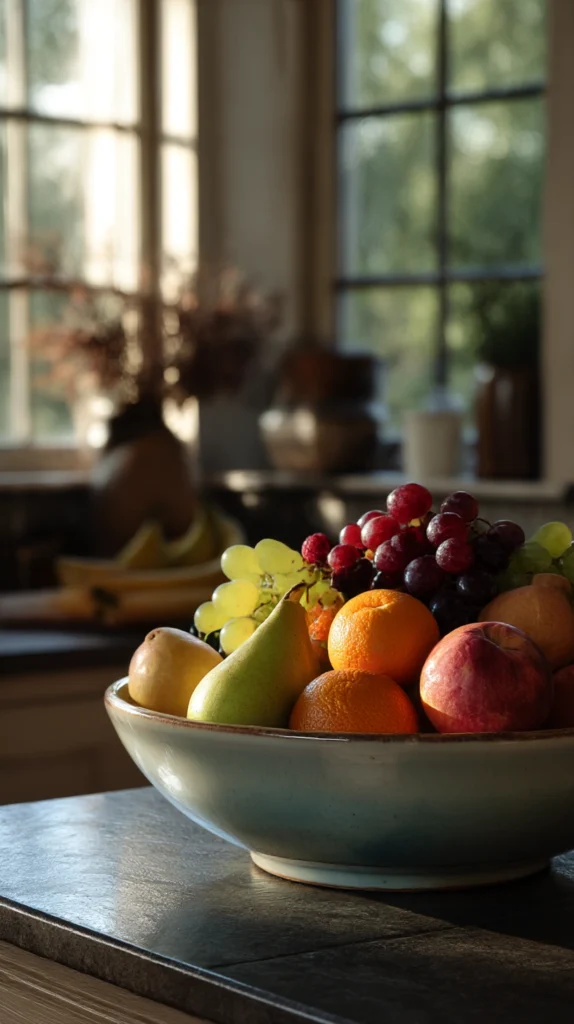
A generous bowl of seasonal fruit on a kitchen table or island — not a carefully arranged still life but a genuinely abundant, casually tumbled collection of whatever is at its best — is one of the most quietly beautiful and most practical decorating ideas available in any home. The colours of summer fruit — deep red cherries, golden peaches, pale green grapes, vivid orange apricots — are as beautiful as any cut flower arrangement and last significantly longer. The bowl itself matters as much as the contents — a wide, shallow ceramic bowl in a warm glaze shows fruit at its best.
A large handmade ceramic fruit bowl in a warm glaze — sage green, honey amber, warm cream, terracotta — costs $30–$80 and becomes a permanent feature of the kitchen surface. The bowl should be wide enough to hold fruit without stacking it more than two layers deep — fruit that cannot be seen cannot be appreciated, and a bowl that is piled too high looks precarious rather than abundant.
Styling tip: Place the fruit bowl slightly off-centre on the table or island surface rather than at the geometric middle. A centred bowl looks placed; a slightly off-centre bowl looks as though it settled naturally into the arrangement of the surface. The difference is barely perceptible but the off-centre position creates a more relaxed and more genuinely lived-in quality that no amount of careful arrangement achieves when the bowl is symmetrically positioned.
2. The Entryway Key and Catch-All Bowl
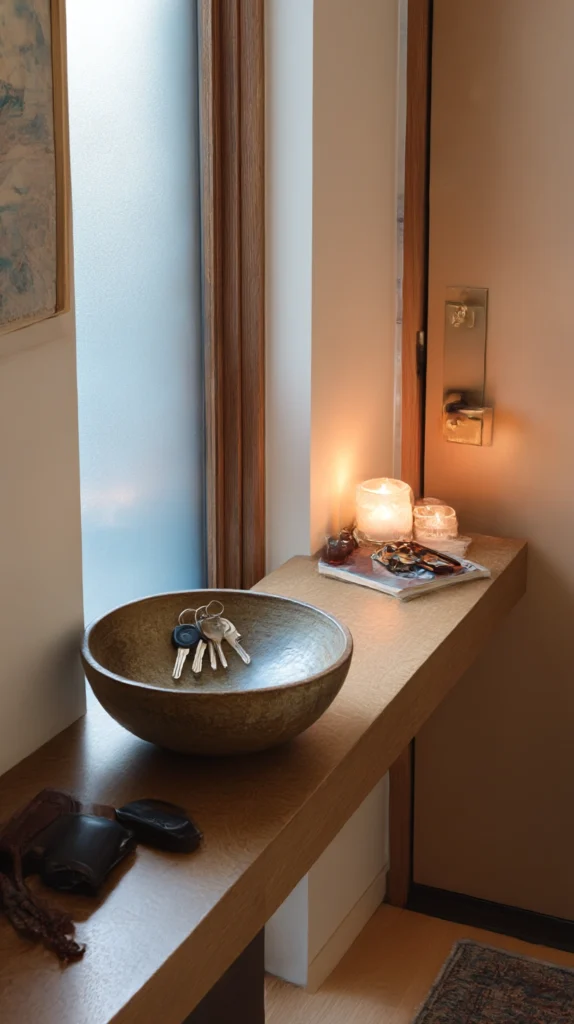
Budget: $15 – $80
A small bowl beside the front door — for keys, coins, cards, and the miscellaneous small objects that would otherwise scatter across every surface in the house — is one of those practical decorating ideas that improves daily life while simultaneously contributing to the considered character of the entryway. The bowl imposes order on the objects it collects and transforms what would otherwise be clutter into a composed, intentional arrangement. The discipline of the bowl — everything that enters the house goes in here first — is also the discipline of the entryway.
Choose a bowl with enough visual weight to hold the entryway surface on its own — a small, shallow dish in a handmade ceramic, cast brass, turned wood, or hand-blown glass has more presence than a lightweight factory-produced piece. The bowl sits alone on the entryway surface or console, its single-object status giving it the authority that a group of smaller objects would dilute.
Styling tip: Edit the contents of an entryway catch-all bowl weekly — removing the accumulated receipts, hair ties, foreign coins, and miscellaneous items that accumulate in any practical bowl and restoring the contents to keys and one or two other objects. A catch-all bowl that is never edited becomes a visual record of the objects its owners could not find a proper home for, which undermines the composed, intentional quality that makes the bowl worth having in the first place.
3. The Coffee Table Bowl Arrangement
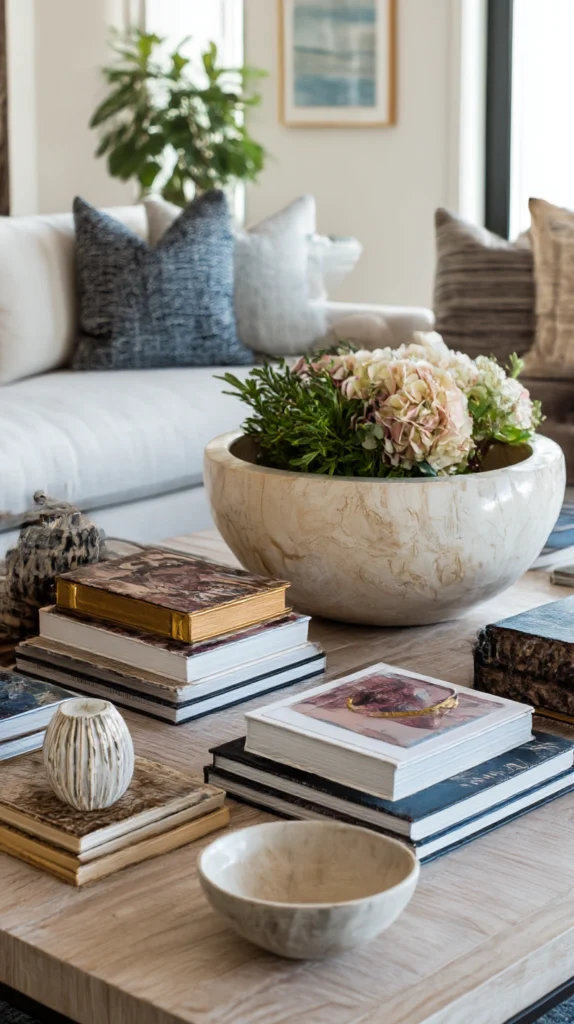
Budget: $30 – $150
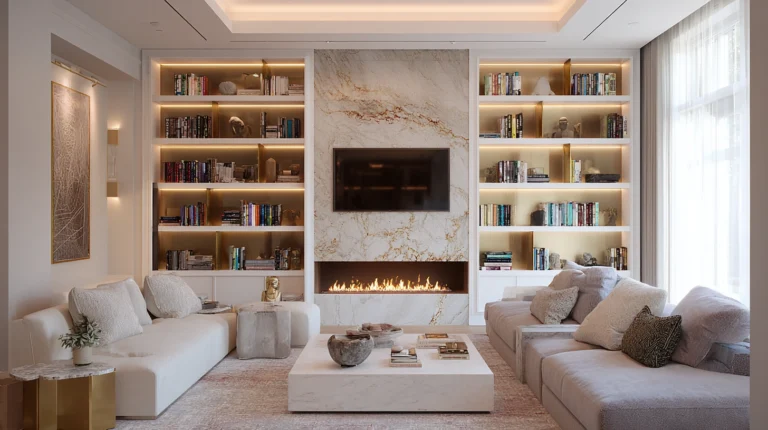
A decorative bowl as the anchor of a coffee table arrangement — surrounded by complementary objects at varying heights — creates the most considered and most visually complete coffee table styling available. The bowl provides the low, horizontal element that grounds the arrangement, and the objects placed in and around it provide the height variation and the textural complexity that makes a coffee table arrangement worth looking at from every seat in the room.
Place the bowl slightly off-centre within the coffee table arrangement, not at the geometric middle of the table. Place one taller object — a small sculptural piece, a candleholder, a bud vase — behind and to one side of the bowl to create vertical interest. Place one lower object — a stack of books, a small tray — on the other side as a counterbalance. The bowl is the centre of gravity; the other objects orbit it at varying distances and heights.
Styling tip: Fill the coffee table bowl with objects that have a tactile as well as a visual quality — smooth river stones, polished pebbles, wooden spheres, dried seed pods, large shells — that invite handling. A coffee table bowl filled with objects that reward touching creates a natural point of interaction for guests and gives the arrangement a warmth and accessibility that purely visual decoration lacks.
4. The Dining Table Centrepiece Bowl
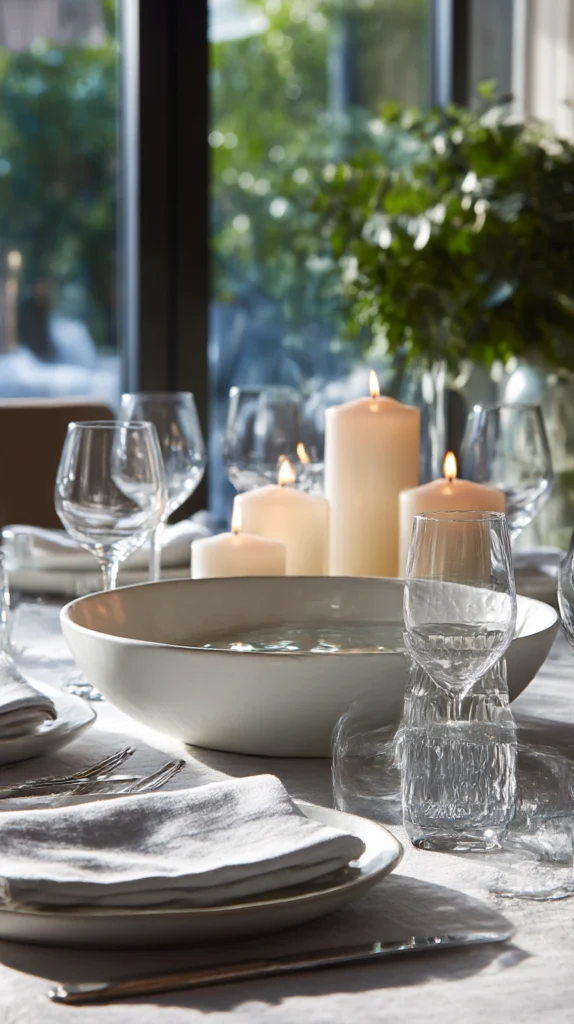
Budget: $40 – $200
A large, beautiful bowl used as a dining table centrepiece — filled with seasonal flowers, floating candles, seasonal fruit, or simply left empty to show the quality of its own glaze, form, and craftsmanship — creates a focal point for the table that is simultaneously more practical and more personal than a conventional floral arrangement. The bowl can be filled differently for different occasions and different seasons, making it one of the most versatile and most enduring dining table investments available.
A wide, shallow ceramic bowl or a large wooden dough bowl in a natural, organic form costs $40–$150 and works for every use from fruit display to flower arrangement to candle holding. The width matters more than the depth for a dining table centrepiece — a wide, low bowl allows eye contact across the table and keeps the centrepiece from interrupting conversation, which a tall, narrow arrangement always does.
Styling tip: Float three or five candles in a water-filled centrepiece bowl for an evening dinner — the reflection of the candlelight in the water surface and the gentle movement of the floating candles creates an atmospheric centrepiece that costs almost nothing to create and produces a quality of light at table level that no other centrepiece achieves. Use odd numbers of candles — three or five — for a composition that looks naturally balanced rather than symmetrically arranged.
5. The Bathroom Display Bowl
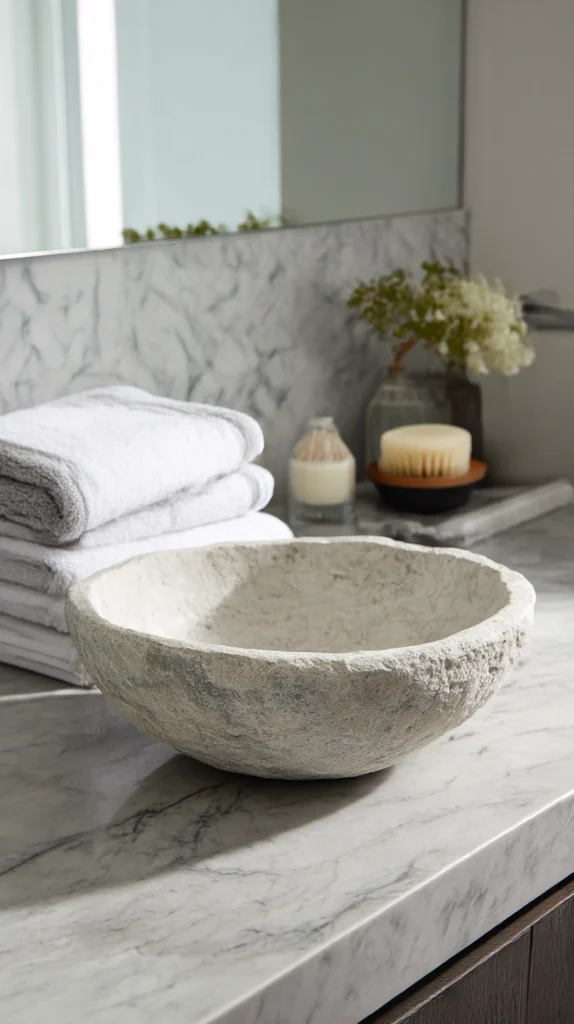
Budget: $20 – $100
A small decorative bowl on a bathroom shelf or vanity surface — filled with rolled hand towels, smooth bath salts, natural sea sponges, small soap bars, or decorative stones — transforms a bathroom shelf from a purely practical surface into a considered display that communicates care and attention in a room where such details are immediately noticed and appreciated. The bathroom bowl is also among the most versatile in the home — its contents can be changed quickly and inexpensively to refresh the look of the space.
Marble, alabaster, hammered brass, white porcelain, and handmade ceramic are all excellent bowl materials for a bathroom context — all are water-resistant, all clean easily, and all have a surface quality that suits the tactile intimacy of the bathroom environment. A small bowl in any of these materials costs $15–$60 and contributes more to the considered quality of the bathroom surface than most larger and more expensive accessories.
Styling tip: Match the bowl material to the dominant hardware finish in the bathroom — a brass bowl in a bathroom with brass tap fittings, a marble bowl in a bathroom with marble tile surfaces, a white ceramic bowl in a white-tiled bathroom. The material connection between the bowl and the bathroom’s existing finishes creates a sense of considered coherence that a contrasting material, however beautiful individually, cannot produce in an already finished space.
6. The Bookshelf Styling Bowl
Budget: $20 – $100
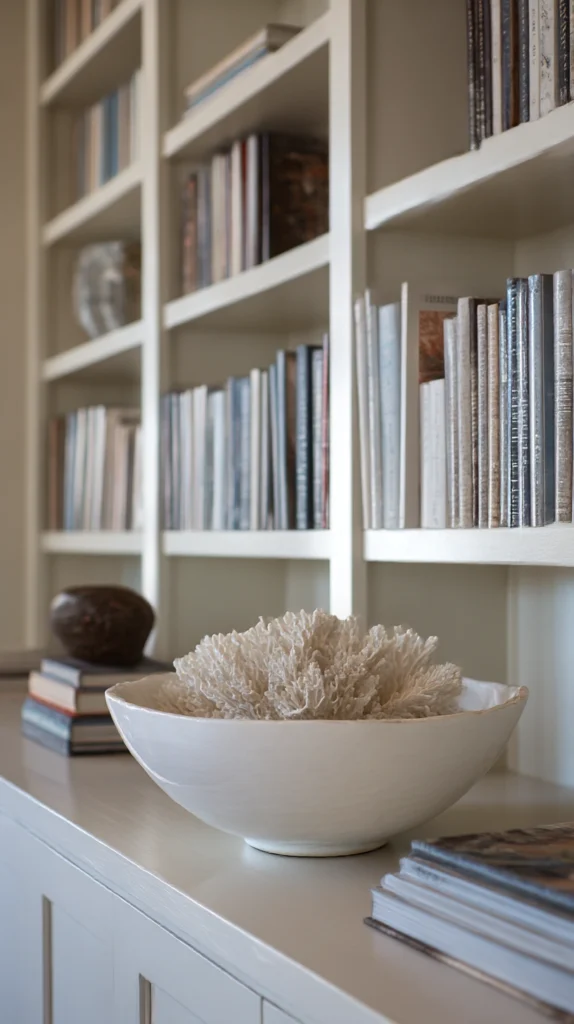
A decorative bowl placed at one end of a bookshelf — breaking the otherwise continuous horizontal run of book spines with a three-dimensional object of different material, form, and scale — is one of the most effective bookshelf styling techniques available. The bowl provides visual relief in a surface dominated by vertical rectangles, creates a natural pause point for the eye moving along the shelf, and gives the arrangement a collected, curated quality that a shelf of books alone, however well organised, rarely achieves.
Position the bowl at the end of the shelf row rather than in the middle — a bowl placed between books interrupts the reading flow of the spine arrangement and creates an awkward break in the run. At the end, the bowl creates a natural full stop for the book run and works in visual partnership with the books rather than against them. Fill the bowl with a few small objects — a stone, a shell, a small plant — or leave it empty to show the form and glaze of the vessel itself.
Styling tip: Choose a bowl for a bookshelf whose colour appears at least once in the book spines nearby. A colour connection between the bowl and the books it sits beside gives the arrangement a compositional coherence that makes the bowl look as though it belongs on that specific shelf rather than having been placed there without reference to the surroundings.
7. The Bedside Table Bowl
Budget: $15 – $70
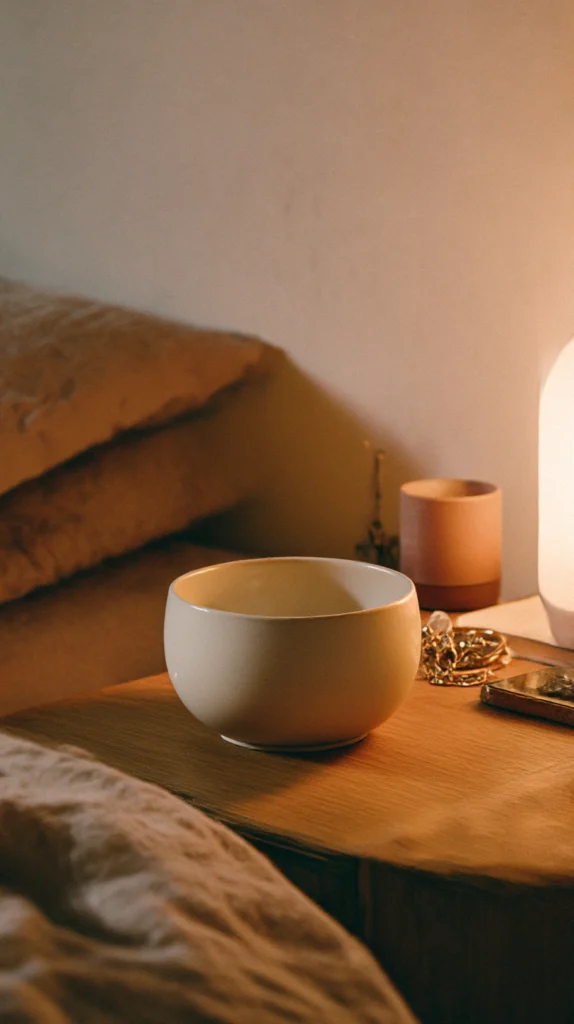
A small decorative bowl on the bedside table — holding jewellery removed before sleep, a perfume bottle, reading glasses, a charging cable, or simply a few smooth stones — brings the same composing effect to the bedside surface that the entryway bowl brings to the console. The bedside surface is one of the most personally intimate surfaces in the home and one of the most frequently cluttered — a small, beautiful bowl imposes gentle order on its contents and gives even the most practical bedside objects a context that makes them feel chosen rather than abandoned.
A small bowl of significant craft quality — handmade ceramic, hand-blown glass, carved wood, hammered copper — becomes one of the most frequently seen and most frequently touched objects in the home, handled twice a day every day. The tactile quality of the material matters more on the bedside bowl than almost anywhere else — choose a material that feels as good in the hand as it looks on the surface.
Styling tip: Use a bedside bowl with a slightly raised rim rather than a flat dish — a bowl with walls high enough to contain small objects without them rolling out is more practical for jewellery and small items than a flat plate, and the contained, vessel quality of a proper bowl reads as a more considered decorating object than a flat dish on a bedside surface.
8. The Outdoor Garden Bowl
Budget: $25 – $120
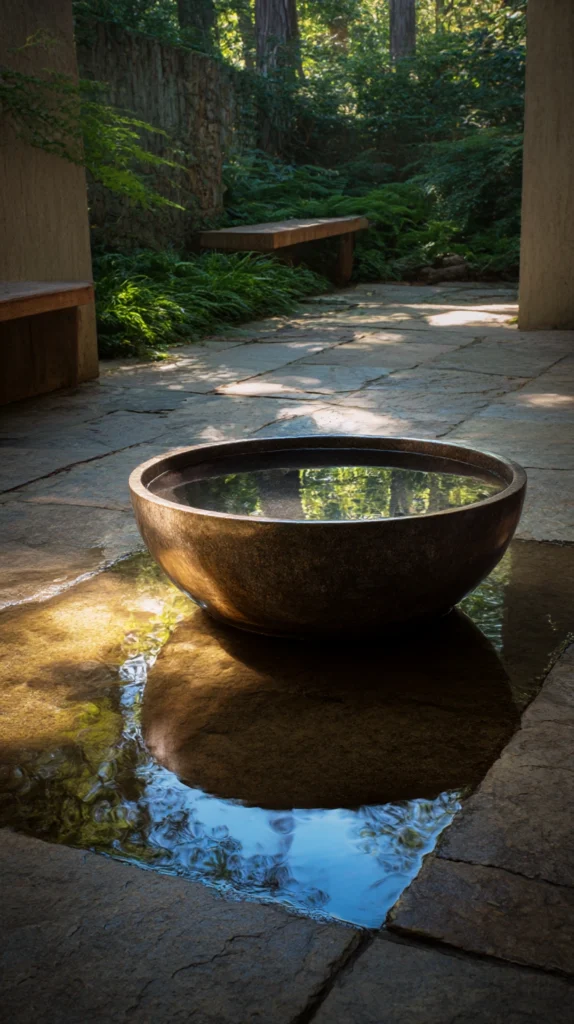
A large, weatherproof decorative bowl placed on a garden table, a patio surface, or a low garden wall creates an outdoor focal point of genuine beauty and, if left to collect rainwater, a wildlife resource of surprising value. A wide, shallow stone or ceramic bowl filled with water — with a few pebbles added to break the surface for insects to drink safely — becomes a bird bath, a bee watering station, and a habitat feature that contributes more to the garden ecology than almost any planted element.
Glazed stoneware, cast stone, fibreglass stone-effect, and unglazed terracotta are all suitable materials for an outdoor decorative bowl — all are frost-resistant in most climates when the correct material grade is selected. A large bowl in a warm glaze — terracotta amber, deep sage green, rich cream — costs $25–$80 and weathers beautifully in an outdoor setting, gaining character and patina with every season.
Styling tip: Position the outdoor bowl at a height where it can be seen from the main seating area of the garden rather than at ground level where it disappears into the surrounding planting. A bowl placed on a low wall, a garden table, or a purpose-made plant stand at approximately 60–80 centimetres height reads as a considered garden accessory from the seating area and creates a focal point at the right level to be appreciated without effort.
9. The Mantelpiece Bowl Arrangement
Budget: $30 – $150
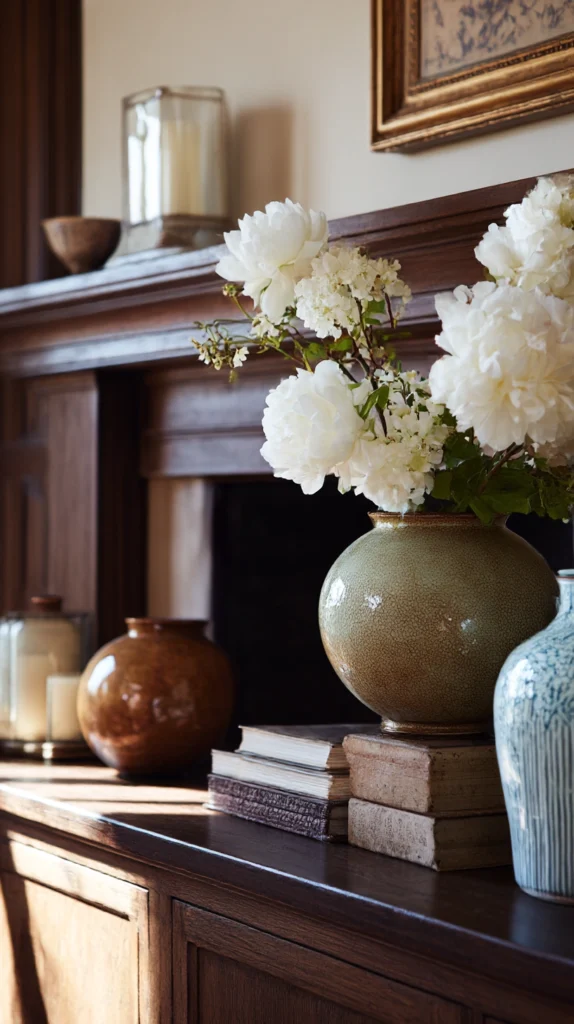
A decorative bowl as the central object in a mantelpiece arrangement — flanked by complementary objects at varying heights — creates a fireplace surround of genuine considered beauty. The bowl provides the low horizontal anchor in an arrangement that might otherwise be dominated by the vertical — candlesticks, framed pictures, vases — and creates a visual resting point at the centre of the mantel surface that prevents the arrangement from becoming too busy at the edges while feeling empty in the middle.
Fill the mantelpiece bowl with objects that relate to the season — small dried gourds and acorns in autumn, smooth white pebbles and dried lavender bundles in summer, pine cones and dried orange slices in winter, fresh moss and dried seed heads in spring. The seasonal content of the mantelpiece bowl makes it one of the most naturally changing decorating elements in the home without requiring any new purchases — the garden, the park, and the hedgerow provide all the material needed across the year.
Styling tip: Choose a mantelpiece bowl that is proportionally generous relative to the overall scale of the mantel surface — a bowl that feels slightly too large for the space reads as a confident centrepiece, while one that is clearly too small for the mantel it occupies looks tentative and out of scale. Err on the side of generosity with scale on a mantelpiece, where the proportions of the fireplace architecture demand objects of visual weight and presence.
10. The Stacked Bowl Display
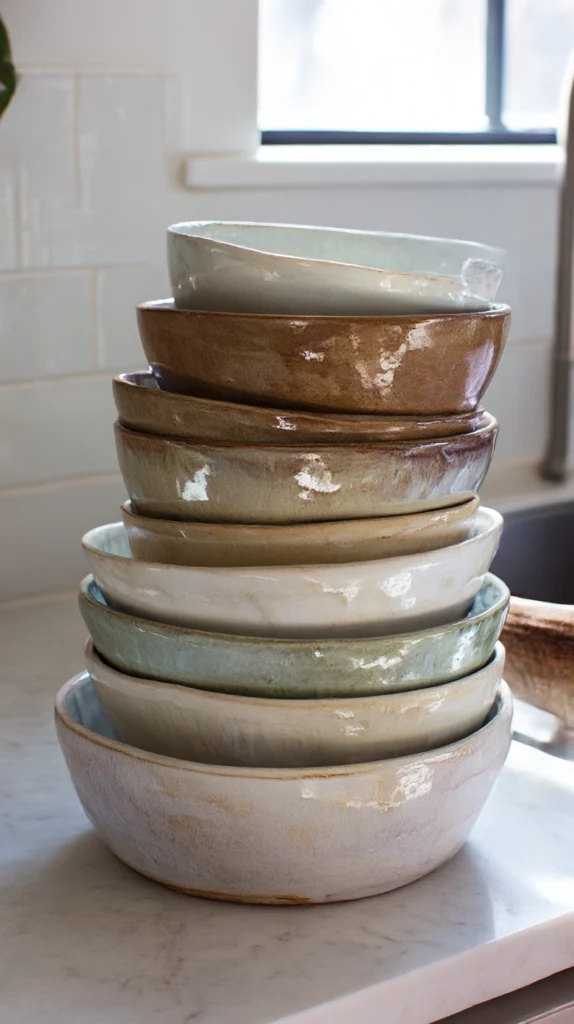
Budget: $30 – $200
A set of ceramic bowls in graduating sizes, stacked in a loose offset arrangement — each bowl slightly displaced from the one below so both bowls are visible — creates a display of genuine sculptural beauty that works on a kitchen surface, a dining sideboard, a living room shelf, or a bathroom counter. The stacked arrangement shows the relationship between the pieces, demonstrates the quality of the glaze at different angles, and creates a vertical element from a collection of horizontally dominant objects.
Handmade ceramic bowls in a single glaze colour but varying sizes — perhaps three bowls from the same potter, a large, medium, and small — cost $40–$120 for the set and create a cohesive, collected display of the kind that feels genuinely personal and genuinely beautiful simultaneously. The handmade quality — the slight variations in glaze, the irregular rim, the thumbprint marks in the clay — is visible in a stacked display in a way that factory-produced ceramics cannot replicate.
Styling tip: Stack bowls so the largest is at the bottom and the smallest sits inside or slightly above it, offset toward the back so its rim is visible above the rim of the lower bowl. The offset position — slightly back and slightly rotated — creates a more interesting silhouette than a perfectly centred stack and allows both bowls to be seen clearly from the front. A perfectly centred stack reads as one bowl; an offset stack reads as a composed arrangement of two or more.
11. The Seasonal Nature Bowl
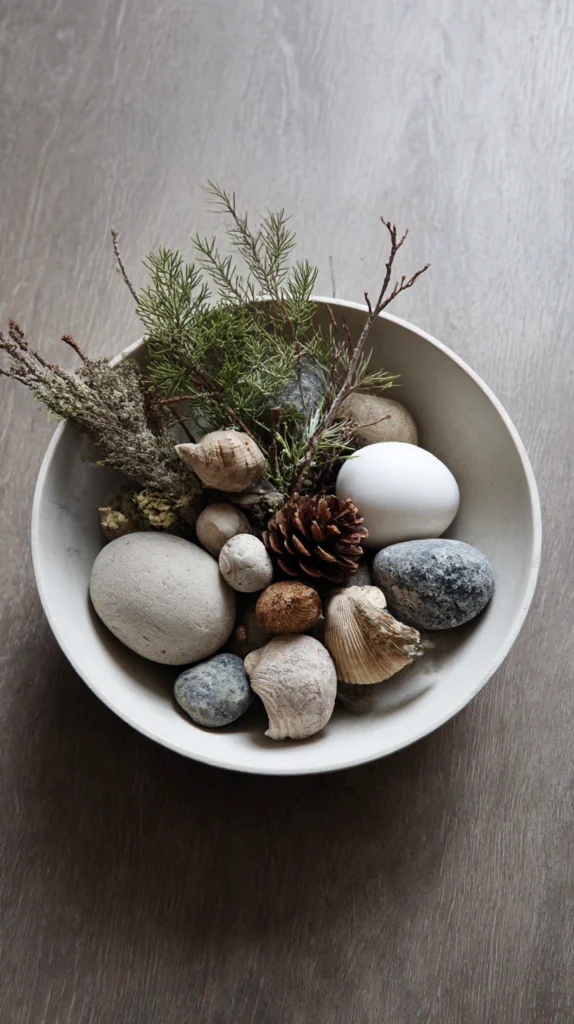
Budget: $10 – $60
A wide, low bowl filled with collected natural objects — smooth beach pebbles, fallen pine cones, dried autumn leaves, fresh garden cuttings, moss gathered from a shaded path, seed heads from the garden in late summer — creates one of the most personal and most frequently changing decorative objects in any home. The seasonal nature bowl is less a decorating concept than a practice — the habit of noticing and collecting beautiful natural things on walks and in the garden, and bringing them into the home in a vessel that shows them at their best.
The bowl itself should be plain and generous — a wide, shallow dish in natural unglazed ceramic, turned wood, or pale stone that does not compete with its contents for visual attention. The contents are the display; the bowl is the frame. A beautifully glazed or heavily decorated bowl competes with natural objects for the eye’s attention — a quiet vessel allows the gathered material to be the thing that is looked at.
Styling tip: Change the contents of a seasonal nature bowl every two to three weeks rather than allowing the same objects to remain indefinitely. The same stones and pine cones that were beautiful when first gathered become invisible after several weeks of continuous display — the eye habituates to them and stops seeing them. New material brought in regularly keeps the bowl genuinely noticed and genuinely appreciated as the changing, personal display it is intended to be.
12. The Powder Room Statement Bowl
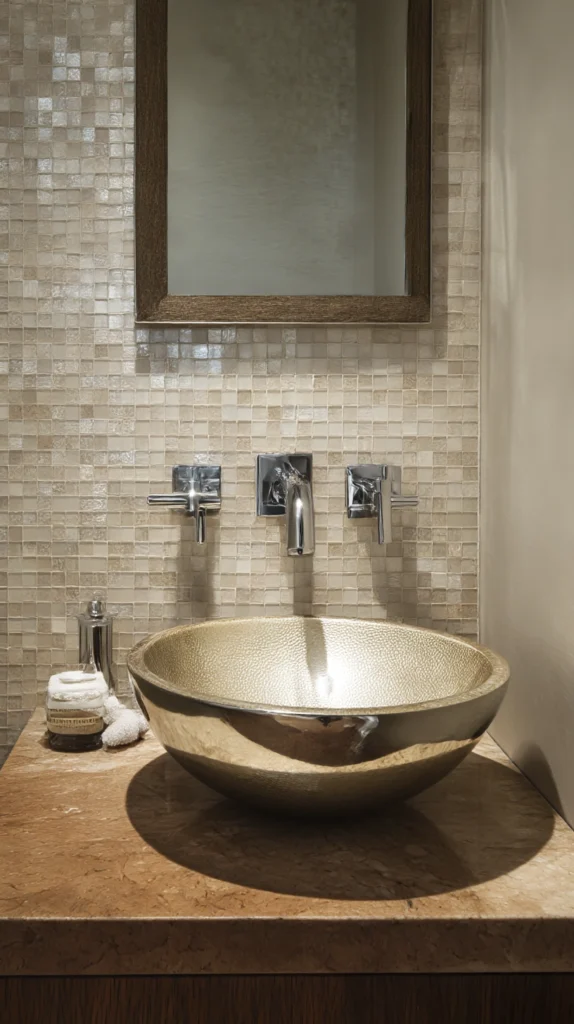
Budget: $30 – $150
A powder room or guest bathroom given a single statement bowl — a large, architecturally significant vessel in hammered brass, hand-blown glass, carved marble, or large-scale handmade ceramic — as its primary decorating object creates a small space of genuine surprise and character. The powder room is the room that guests use most and notice most acutely — it is experienced alone, in close proximity to every surface, and for long enough that every object in it is seen and considered. A single extraordinary bowl makes the powder room memorable in a way that a conventionally decorated bathroom never is.
Use the statement bowl as the vessel for the hand soap — a beautiful bowl holding a single bar of handmade soap or a small soap dish creates a hand-washing ritual that is genuinely pleasurable rather than merely functional. The combination of the beautiful vessel and the quality soap creates a powder room experience that communicates hospitality and care more effectively than any other single object in the room.
Styling tip: Place the powder room statement bowl on its own surface — a dedicated small shelf, a wall-mounted bracket, or a pedestal — rather than grouped with other objects. The statement bowl in a powder room earns its status by standing alone, with clear space on all sides, in a position where it is the first and primary object the eye encounters on entering the room. Grouping it with other objects dilutes its status and reduces it from a statement piece to an element in a collection.
13. The Wabi-Sabi Ceramic Bowl Collection
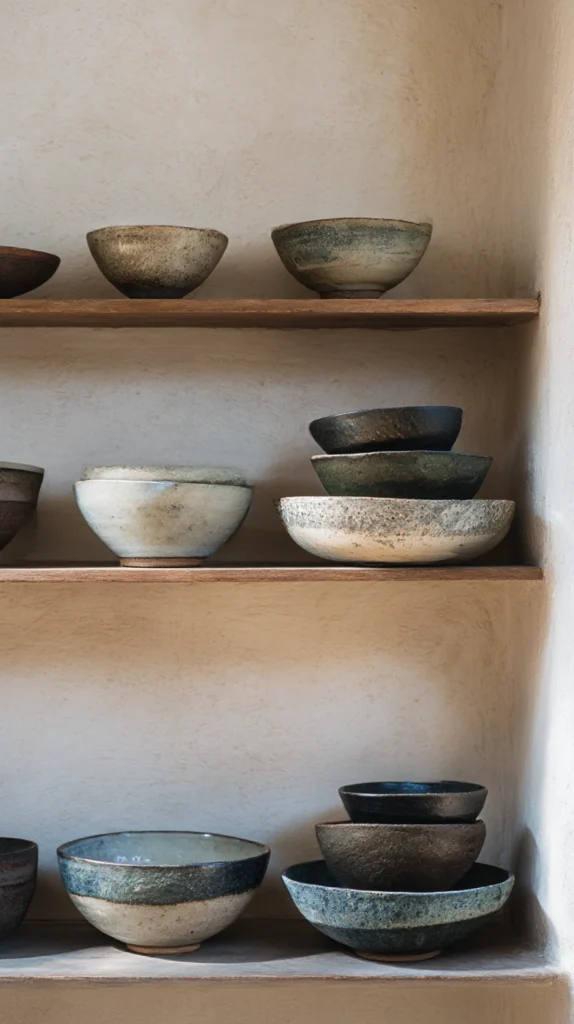
Budget: $40 – $250
A collection of ceramic bowls chosen specifically for their imperfections — irregular rims, visible throwing lines, uneven glaze pooling, kiln marks, deliberate cracks filled with gold kintsugi repair — displayed as a group on a shelf, a sideboard, or a kitchen surface celebrates the Japanese aesthetic principle that beauty is found in imperfection, incompleteness, and the passage of time. A wabi-sabi bowl collection is one of the most philosophically rich and most visually interesting decorating ideas available — and the bowls, precisely because they are imperfect, are among the most affordable handmade ceramics available.
Kintsugi-repaired bowls — ceramics mended with gold-lacquered joinery so the repair becomes the most beautiful and the most visible element of the piece — cost $30–$100 each from specialist ceramicists and create a collection of objects that is simultaneously practical, beautiful, and philosophically interesting. The gold repair lines catch the light and make the history of each bowl visible in a way that undamaged ceramics cannot express.
Styling tip: Display wabi-sabi bowls in positions where their imperfections are visible — angled so the irregular rim can be seen, turned so the most interesting glaze pooling faces forward, positioned so the kintsugi repair is the element most clearly presented to the viewer. The imperfection is the point — a wabi-sabi bowl turned to hide its most interesting feature defeats the entire purpose of the aesthetic and reduces a philosophically rich object to a conventionally pretty one.
14. The Layered Bowl Vignette
Budget: $40 – $200
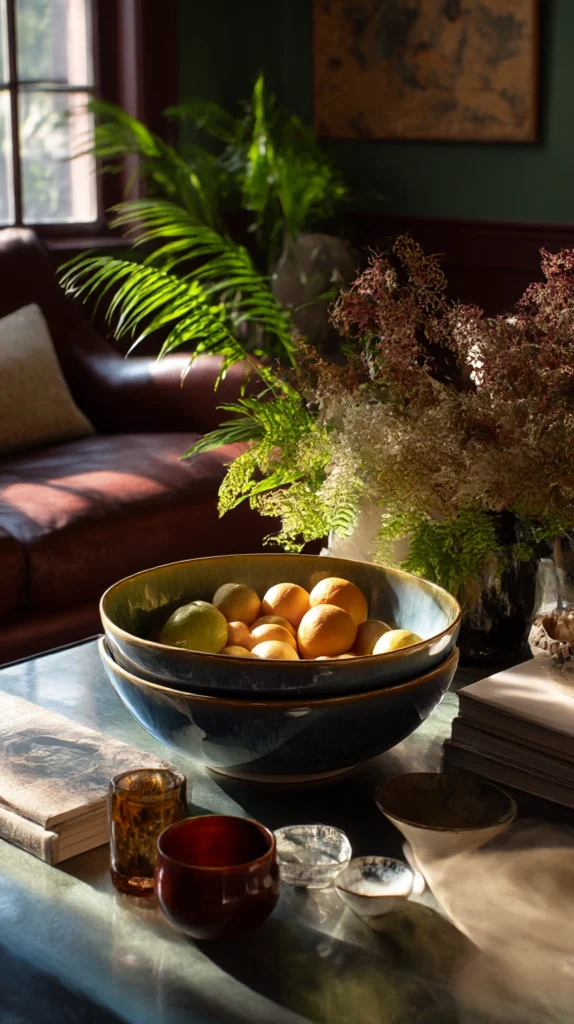
The most sophisticated bowl styling approach — placing a decorative bowl as the anchor of a complete surface vignette in which every object has been chosen for its relationship to the others — creates a surface arrangement of genuine artistic quality. A large low ceramic bowl at the centre, a taller ceramic vase with a single stem behind it and to one side, a small stack of books beside it, a smooth stone or shell placed in front, and a small plant at the back creates a surface composition with foreground, midground, and background elements that reads as a considered arrangement from any angle.
The vignette approach treats the surface as a three-dimensional composition rather than a flat collection of objects — every element has a spatial relationship to every other element, and the overall arrangement has a visual depth that flat, same-height groupings cannot achieve. The bowl is always the anchor — the lowest and widest element around which everything else finds its position.
Styling tip: Review a bowl vignette from the distance at which it will normally be seen — standing back to the natural viewing distance rather than close up where all the individual relationships are visible. A vignette that looks beautiful in close-up but reads as confusing from three metres away needs simplifying. A vignette that reads clearly from the normal viewing distance and then reveals its detail on closer inspection has achieved exactly the right balance of legibility and richness that the best surface arrangements always possess.
The decorative bowl is ultimately a very simple thing — a vessel, a form, a material — whose value in a room comes entirely from how it is used and where it is placed. The bowl that sits in the right position, contains the right objects, and occupies the right surface does something that no amount of larger or more dramatic decorating can easily replicate: it makes the surface it sits on feel complete. That completeness — the sense that everything on the surface belongs there and nothing needs to be added — is one of the most satisfying qualities a decorated room can have, and a single well-chosen bowl, placed with attention, is often all it takes to achieve it.