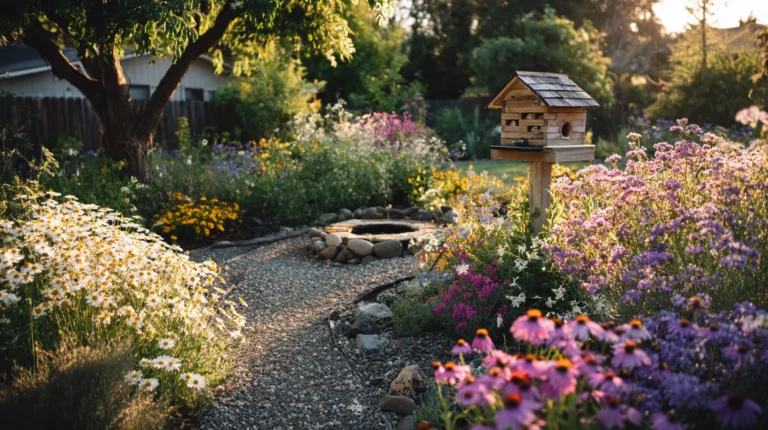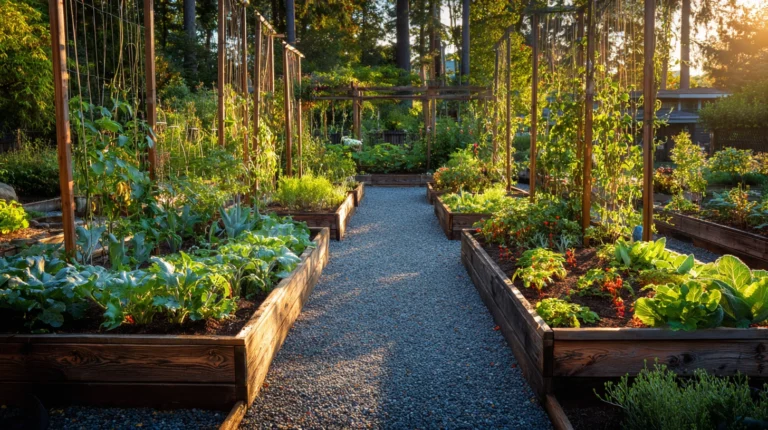

14 Eco-Friendly Summer Garden Ideas
A summer garden designed with genuine ecological intelligence is not a garden of compromises and restrictions. It is a garden of greater abundance, greater beauty, and greater daily pleasure than one designed without regard for the natural systems it inhabits and the ecological consequences of every decision made within it.
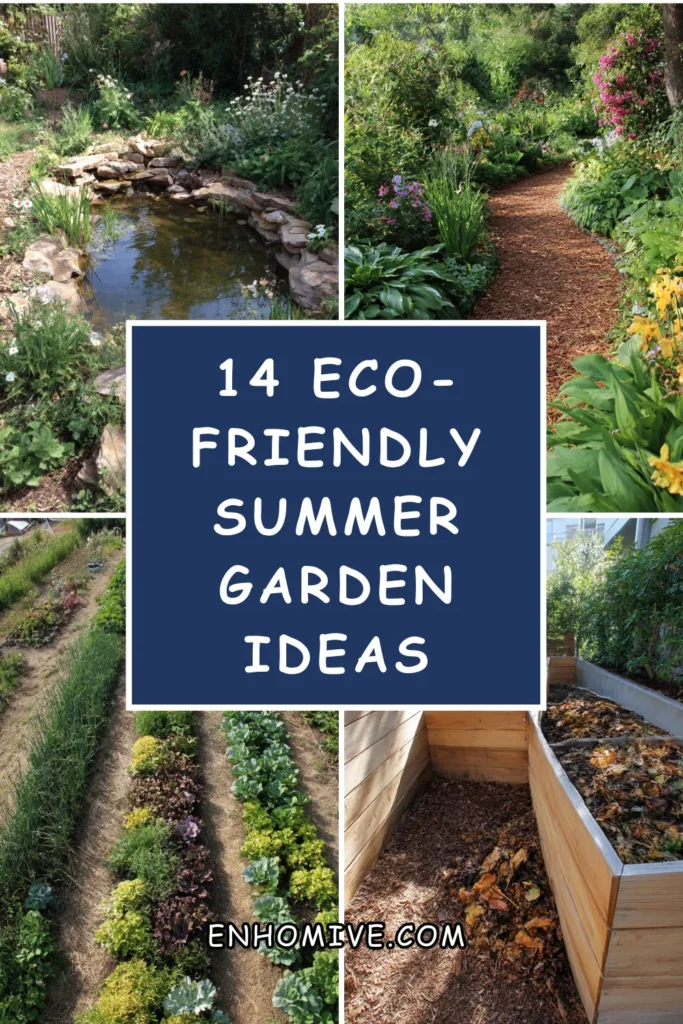
The most genuinely beautiful summer gardens are almost invariably the most ecologically considered ones. they are full of plants that belong in the landscape, alive with the pollinators and the wildlife that a chemically managed, ecologically impoverished garden cannot support, and managed with the particular patient intelligence that works with natural processes rather than against them. Here are 14 eco-friendly summer garden ideas that are practical, beautiful, and genuinely worth implementing this season.
1. Create a Rainwater Harvesting System
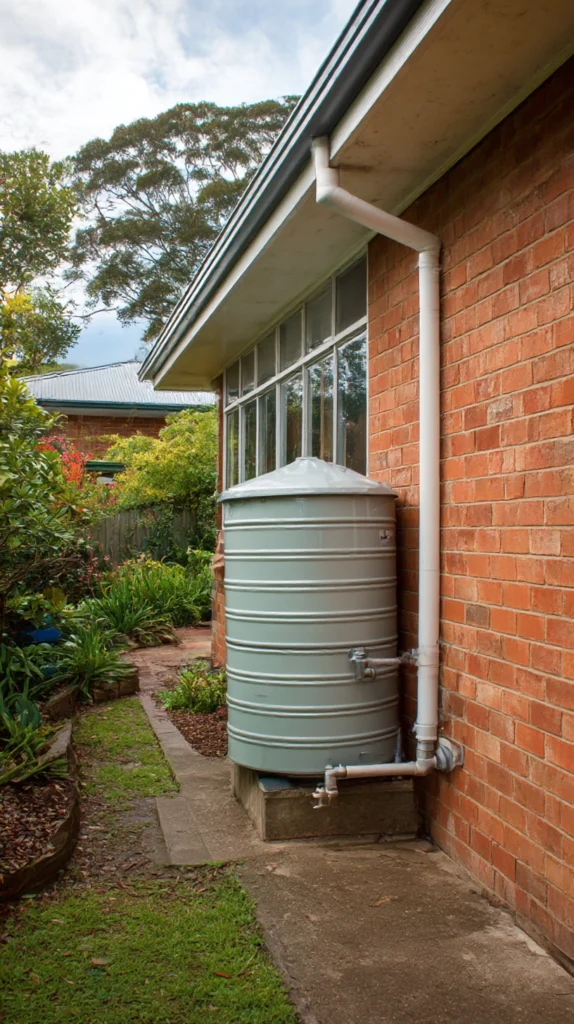
Rainwater harvesting is one of the most immediately impactful and most practically intelligent eco-friendly summer garden improvements available. A simple water butt connected to a downpipe from the house roof collects rainwater that would otherwise run directly into the drainage system and provides a genuinely free, genuinely sustainable source of irrigation water for the summer garden.
A single 200-litre water butt positioned beside a downpipe fills rapidly during even a modest rainfall event and provides sufficient water for several days of garden irrigation during dry summer periods.
Install the water butt on a raised platform of bricks or a dedicated stand to allow a watering can to be filled easily from the tap at its base. Connect multiple water butts in series for larger water storage capacity. A 1000-litre IBC tank repurposed as a rainwater collection vessel provides significant storage capacity for larger gardens and represents one of the most cost-effective large-scale rainwater harvesting solutions available.
2. Build a Compost System
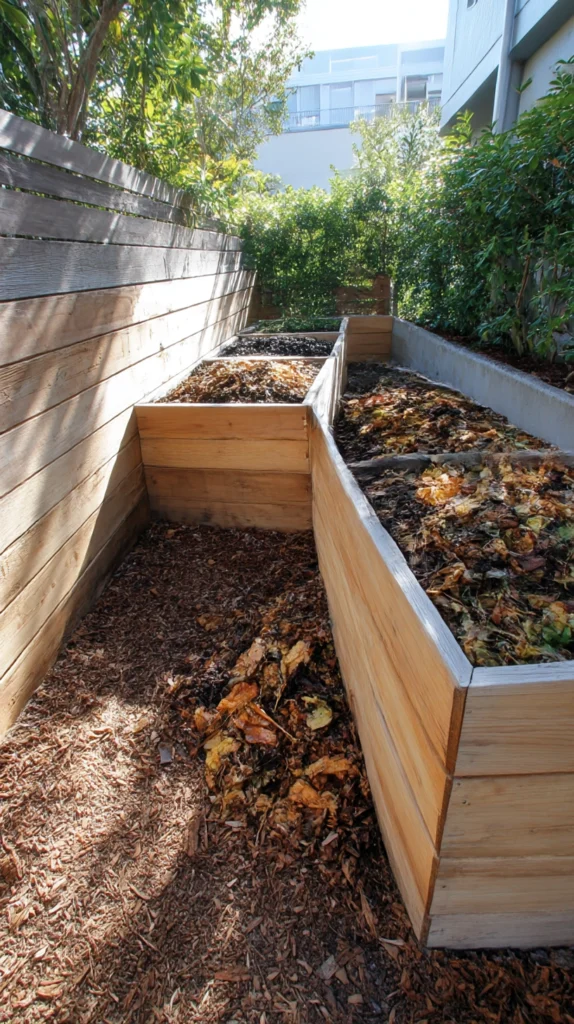
A compost system is the most ecologically fundamental and the most practically valuable eco-friendly garden installation available. It converts the kitchen and garden organic waste that most households send to landfill into a genuinely extraordinary growing medium of considerable fertility and soil-improving quality that transforms the productivity and the health of the summer garden.
A simple three-bin compost system of timber pallets, a purpose-built compost bin, or an open compost heap in a secluded corner of the garden all create an effective composting installation that produces finished compost within three to six months of initial filling.
Add kitchen waste. vegetable peelings, fruit scraps, coffee grounds, and eggshells. in combination with garden waste. grass clippings, soft prunings, and fallen leaves. in a ratio of approximately one part green nitrogen-rich material to three parts brown carbon-rich material for the most efficiently composting and the most nutritionally balanced finished compost.
Turn the compost pile regularly to introduce air and accelerate decomposition. A well-managed compost system eliminates the need for purchased soil improvers and growing media entirely within two to three growing seasons.
3. Plant a Pollinator Garden
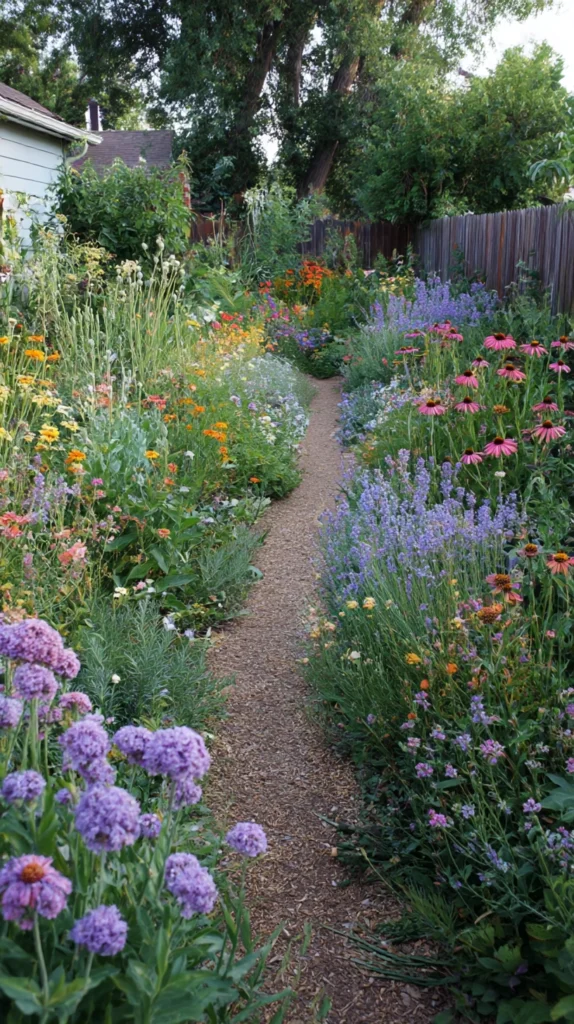
A dedicated pollinator garden. an area of the summer garden planted specifically with nectar-rich flowering plants that provide abundant food for bees, butterflies, hoverflies, and other beneficial insects throughout the season. is one of the most ecologically generous and the most visually beautiful eco-friendly garden features available.
Lavender, echinacea, agastache, verbena bonariensis, nepeta, and single-flowered dahlias are among the most reliably pollinator-attractive plants available for a summer garden and create a planting of extraordinary beauty and considerable ecological value simultaneously.
A well-planted pollinator garden buzzing with bees on a warm summer afternoon is one of the most satisfying and the most genuinely life-affirming garden experiences available. The abundance of pollinating insects it supports also directly benefits the productivity of any vegetable or fruit growing in the garden, as the majority of food crops depend on insect pollination for their fruiting and their seeding.
4. Install a Wildlife Pond
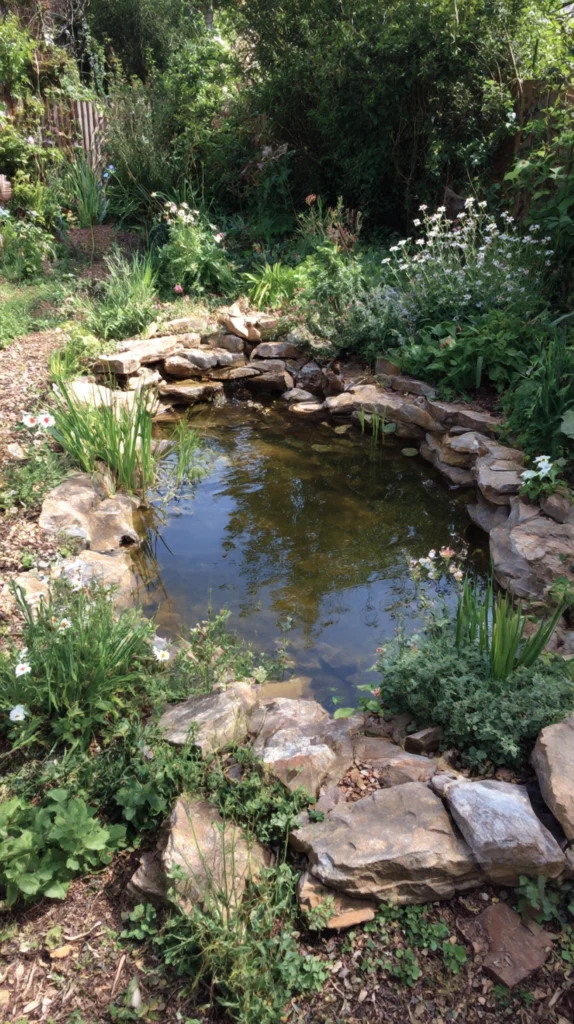
A wildlife pond is the single most ecologically impactful feature available for a summer garden and the one that creates the greatest density of biodiversity within the smallest footprint. Even a very small pond of 60 by 60 centimetres will be colonized by frogs, water beetles, pond skaters, dragonflies, and other aquatic invertebrates within a single growing season of establishment. A larger wildlife pond of two meters in diameter or more will support a richer and more complex aquatic ecosystem of extraordinary ecological value and considerable garden beauty.
Install the wildlife pond with gently sloping sides that allow easy access and exit for amphibians and small mammals and plant the margins with native aquatic and marginal plants. water iris, marsh marigold, water mint, and frogbit. that provide habitat, food, and shelter for the wildlife the pond attracts. Avoid introducing fish to a wildlife pond as they consume the amphibian spawn, aquatic invertebrates, and juvenile insects that make the pond ecologically valuable.
5. Practice No-Dig Gardening
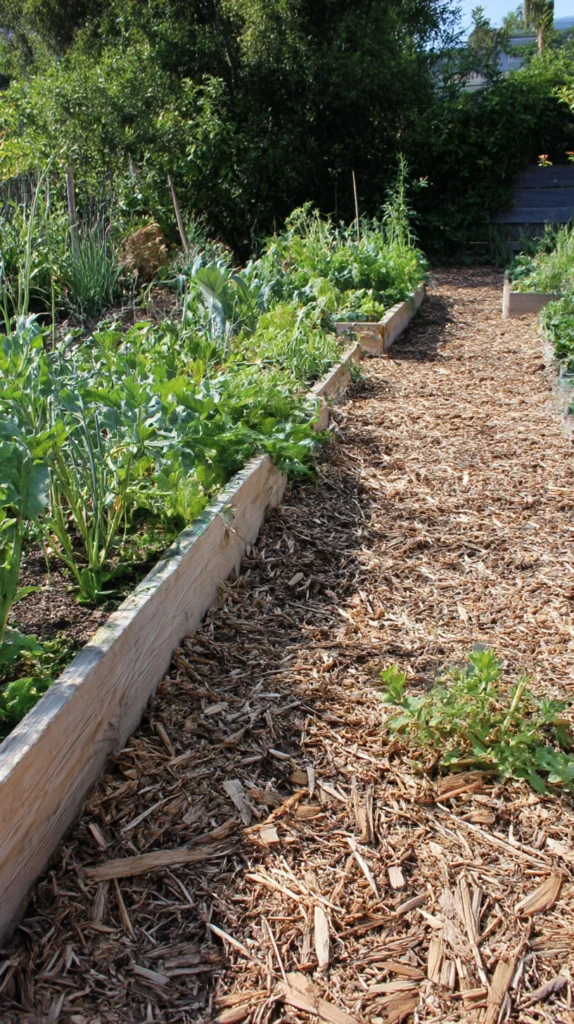
No-dig gardening. the practice of building soil fertility by layering organic matter on the surface of the growing beds rather than digging it in. is one of the most ecologically intelligent and the most practically labor-saving approaches to summer vegetable and flower gardening available.
By leaving the soil structure undisturbed, no-dig gardening preserves the extraordinary network of fungal mycelia, beneficial bacteria, soil invertebrates, and other organisms that constitute a genuinely healthy soil ecosystem and that conventional digging systematically destroys with every cultivation.
Apply a generous layer of well-rotted compost. approximately 5 to 10 centimetres in depth. to the surface of the growing beds in late winter or early spring without incorporating it into the soil. The soil organisms will draw the compost downward through their natural activity, incorporating it into the soil profile without any mechanical disturbance that would disrupt their extraordinary collaborative work. Crops planted into a no-dig bed consistently outperform those planted into conventionally dug soil of equivalent fertility within two to three seasons of no-dig management.
6. Grow from Seed
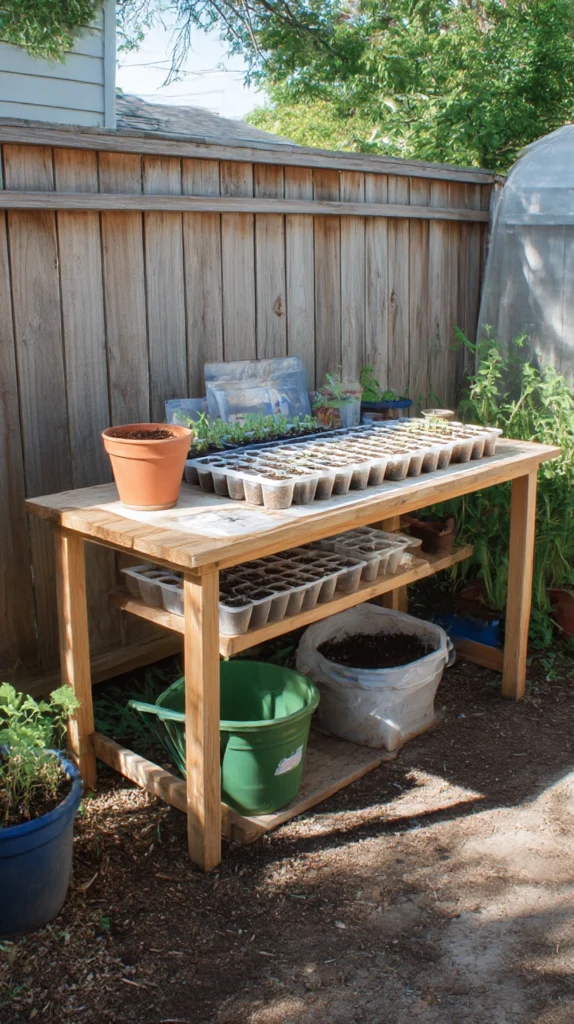
Growing summer garden plants from seed rather than purchasing plug plants or young plants in plastic pots is one of the most economically sensible, the most ecologically responsible, and the most personally rewarding eco-friendly gardening practices available.
A single packet of seeds costing a few pounds or dollars can produce dozens or hundreds of plants of a quality and a variety that purchased alternatives rarely match, and the process of growing from seed creates a relationship with each plant from the very beginning of its life that gives the resulting garden a quality of personal investment and genuine care that purchased plants cannot provide.
Collect seed from open-pollinated or heritage varieties at the end of each season for a genuinely self-sustaining, genuinely free annual seed supply that reduces both the financial and the ecological cost of the summer garden’s planting program to virtually zero over time.
7. Create a Hedgehog Highway
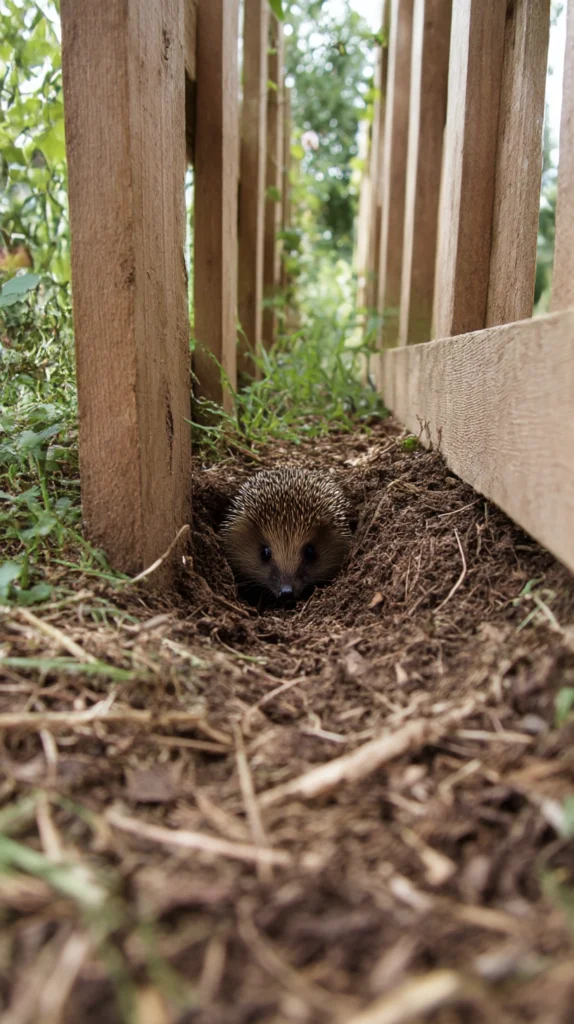
A hedgehog highway. a series of small holes of approximately 13 by 13 centimetres cut at the base of garden fences and walls that allow hedgehogs to move freely between neighboring gardens. is one of the simplest, the cheapest, and the most ecologically impactful eco-friendly garden improvements available.
Hedgehogs are one of the most beneficial garden animals available in temperate climates, consuming vast quantities of slugs, snails, and other garden pests that damage vegetable and ornamental plantings throughout the summer season.
A single hedgehog can travel up to two kilometers in a single night in search of food, and a garden that is accessible within a wider network of hedgehog-friendly gardens through a hedgehog highway is significantly more likely to be visited regularly and significantly more likely to support a genuinely resident hedgehog population of genuine ecological value.
8. Use Peat-Free Compost
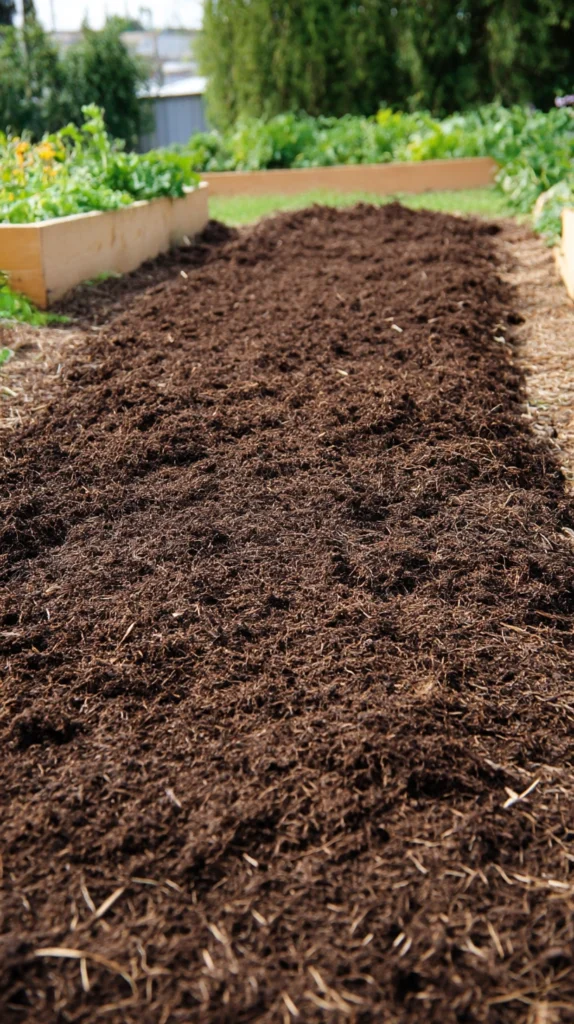
Switching to peat-free compost for all summer garden potting, seed sowing, and soil improvement is one of the most ecologically responsible and the most immediately actionable eco-friendly garden decisions available. Peat extraction destroys one of the most carbon-dense, the most biologically rich, and the most ecologically irreplaceable habitats available in the natural world. the ancient peat bog. at a rate that cannot be naturally replaced within any human timeframe.
Peat-free composts based on green compost, coir, bark, and wood fiber are now available at equivalent quality and equivalent price to peat-based alternatives in most garden supply retailers and their use eliminates a genuinely significant ecological harm from the summer garden’s operation entirely.
9. Plant a Native Wildflower Meadow
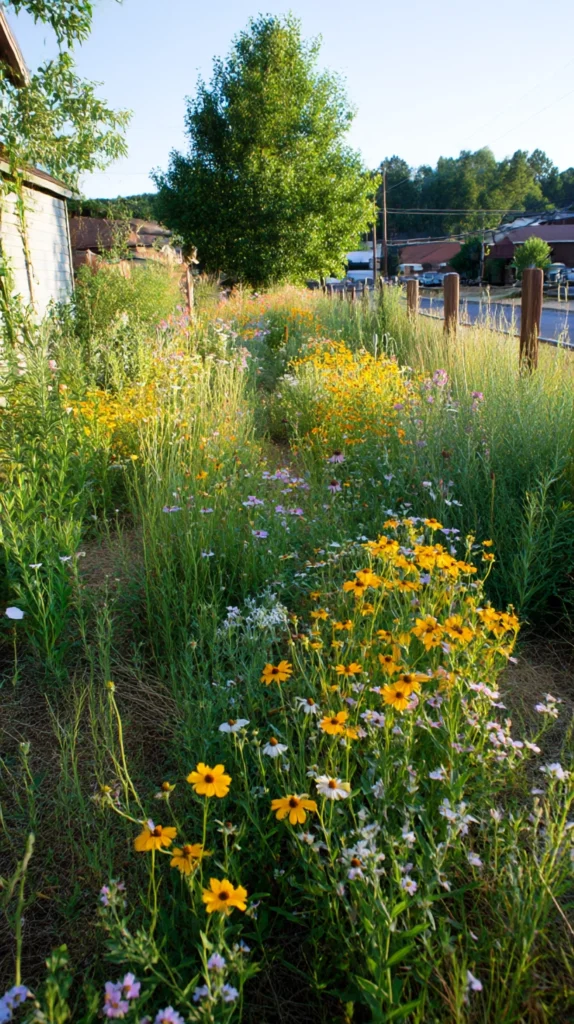
A native wildflower meadow. even a small area of two or three square meters managed as a species-rich meadow of locally native wildflowers and grasses. creates a summer garden feature of extraordinary ecological value and considerable natural beauty.
Native wildflowers provide the most nutritionally appropriate nectar and pollen available for the native insect populations of the local landscape, supporting a far broader range of specialist pollinator species than the non-native garden flowers that most conventional summer gardens rely upon. The meadow also provides habitat for small mammals, nesting insects, and overwintering invertebrates throughout the year.
10. Practice Companion Planting
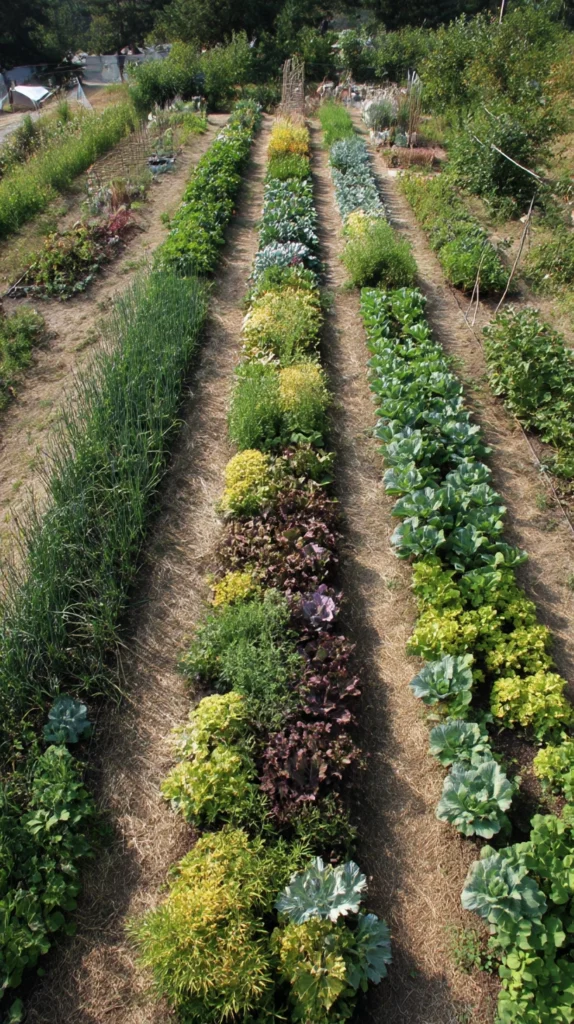
Companion planting. the practice of growing different plant species together in deliberate combinations that provide mutual benefit. is one of the most ecologically intelligent and the most practically effective eco-friendly summer gardening practices available. Marigolds planted beside tomatoes deter whitefly and attract beneficial predatory insects.
Nasturtiums planted beside brassicas attract aphids away from the crop and onto themselves as a sacrificial host. Borage planted throughout the vegetable garden attracts bumblebees with particular effectiveness and improves the pollination rates of neighboring crops significantly.
A companion-planted summer vegetable garden requires significantly fewer pesticide interventions, supports a significantly richer and more diverse beneficial insect population, and produces crops of equal or greater quality than a conventionally managed garden of equivalent size and fertility. The ecological benefits of companion planting compound over multiple growing seasons as the beneficial insect populations it supports establish and build within the garden ecosystem.
11. Create Habitat Structures
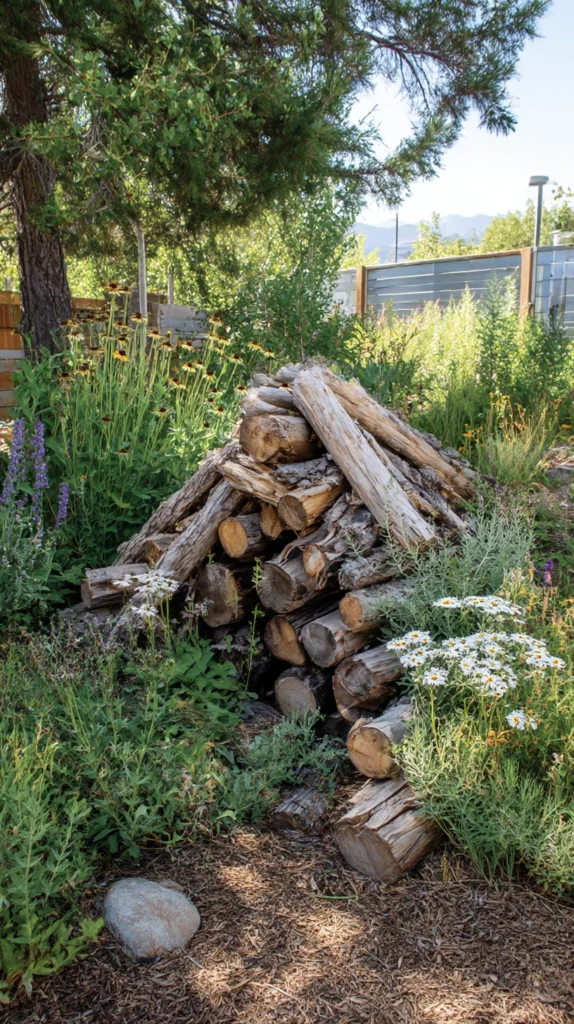
Habitat structures. insect hotels made from hollow bamboo stems and drilled timber blocks, log piles for beetles and wood-boring insects, stone piles for lizards and overwintering invertebrates, and bird nesting boxes for cavity-nesting species. installed throughout the summer garden create an extraordinary density of invertebrate and vertebrate biodiversity within a genuinely small footprint.
Each habitat structure provides a specific type of shelter for a specific range of beneficial garden animals and the cumulative ecological impact of multiple habitat structures throughout a garden is genuinely extraordinary relative to the very modest cost and very minimal effort required to create and install them.
12. Install a Solar-Powered Water Feature
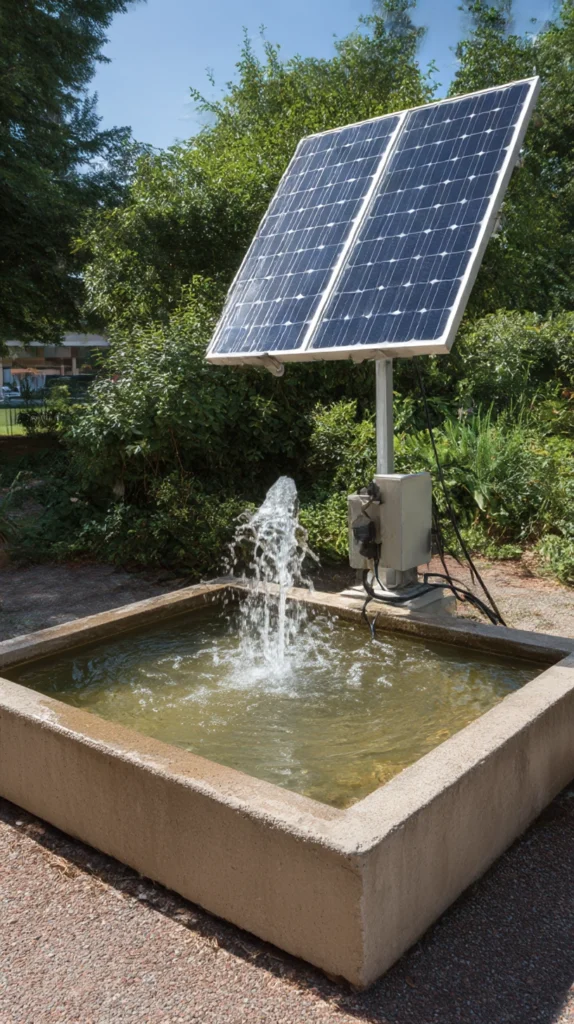
A solar-powered water feature. a small fountain, a bubble feature, or a recirculating water channel powered by a discreet solar panel positioned in a nearby sunny location. provides the ecological benefits of moving water in the garden.
Drinking water for birds and insects, a breeding habitat for beneficial aquatic insects, and the genuinely calming sensory quality of water sound. without any mains electrical connection, any ongoing energy cost, or any carbon footprint. Modern solar-powered water feature pumps are sufficiently powerful and sufficiently reliable for most small garden water feature applications.
13. Mulch All Planted Areas
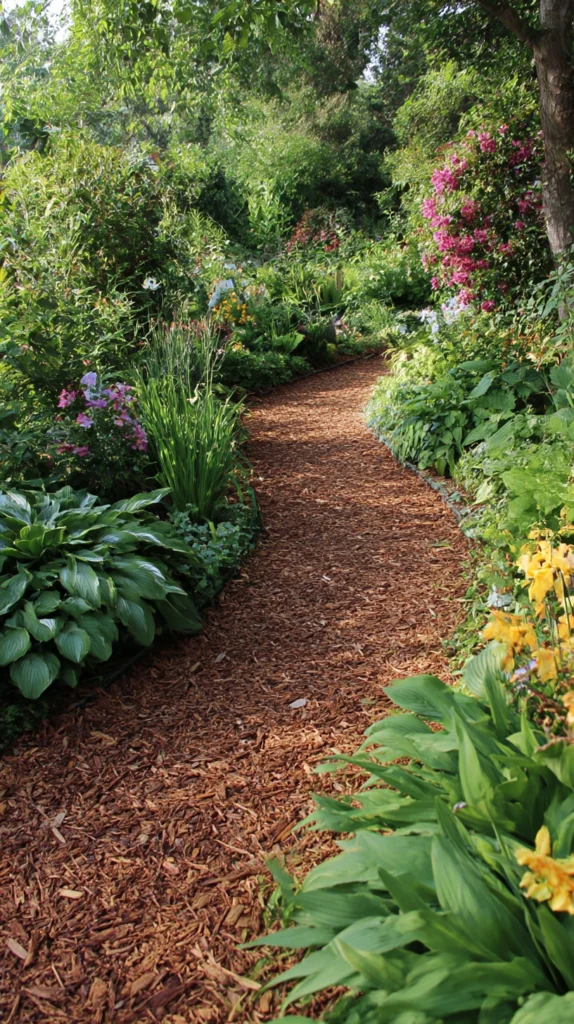
Mulching all planted areas of the summer garden with a generous layer of organic material. well-rotted garden compost, wood chip from local tree surgery operations, straw, or spent hay. is one of the most ecologically beneficial and the most practically labor-saving summer garden improvements available.
A deep organic mulch of 7 to 10 centimetres suppresses weed growth by blocking the light that weed seeds need to germinate, retains soil moisture by significantly reducing evaporation from the soil surface, moderates soil temperature through the extremes of summer heat and cold, and gradually improves soil fertility and soil structure as the mulch is incorporated into the soil by the worms and other soil organisms beneath it.
14. Embrace Rewilding in a Corner of the Garden
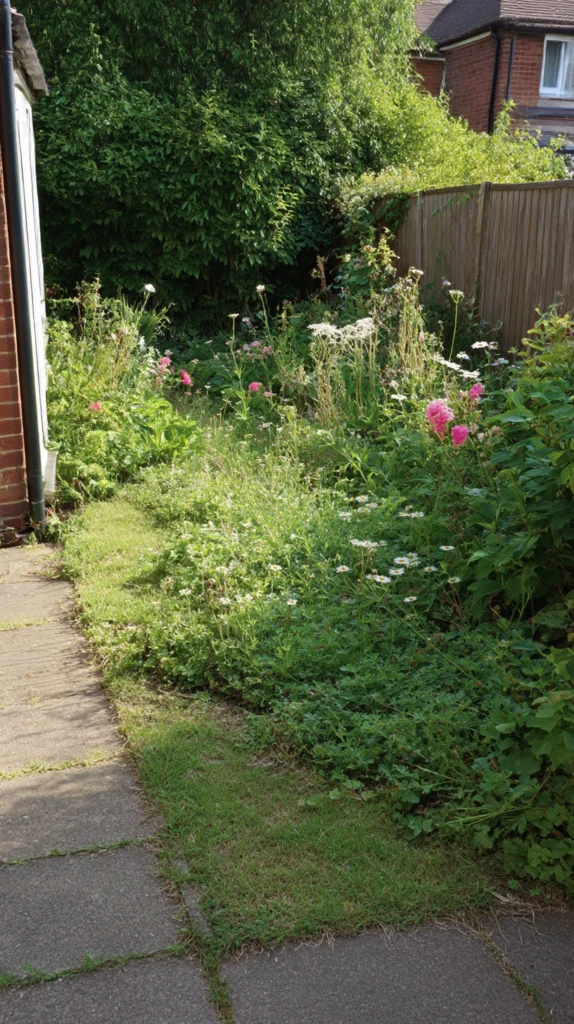
Designating a corner of the summer garden as a genuinely rewilded area. where the grass is left uncut, where fallen timber is left to decay naturally, where native bramble, ivy, and nettles are allowed to establish freely, and where the natural successional process of vegetation development is observed rather than managed. creates a summer garden feature of extraordinary ecological richness and considerable biodiversity value within the very smallest footprint.
The rewilded corner provides nesting habitat for bumblebees and solitary bees, overwintering habitat for hedgehogs and beneficial insects, food for caterpillars of many butterfly and moth species, and the particular quality of genuinely wild, genuinely unmanaged natural beauty that even the most ecologically considered conventional garden cannot replicate.
The Eco-Friendly Garden as an Act of Genuine Care
An eco-friendly summer garden designed and managed with genuine ecological intelligence is not merely a garden that causes less harm than its conventional alternative.
It is a garden that actively generates ecological benefit, supports genuine biodiversity, produces genuinely extraordinary beauty, and creates a daily outdoor environment of remarkable sensory richness and genuine natural vitality that the ecologically impoverished conventional garden simply cannot provide.
The ecological garden is the most extraordinary summer garden available and it is available to every gardener who chooses to design it with genuine care for the natural world it inhabits.