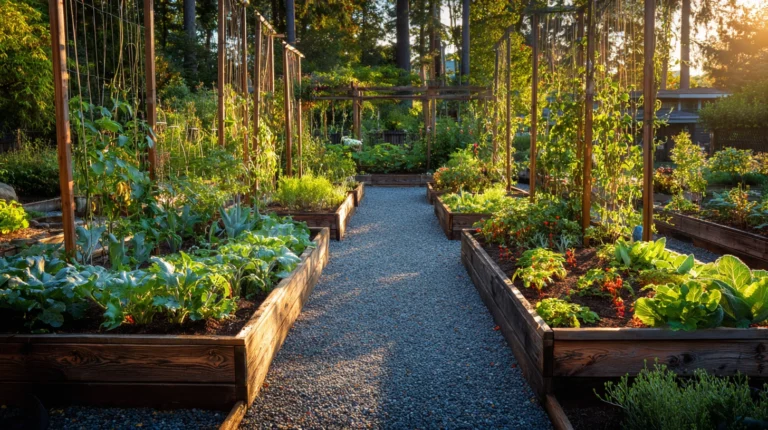

15 Perennials That Bloom All Summer
The perennial that blooms all summer is the home gardener’s most consistently sought and most genuinely valuable plant.
Unlike the annual whose single season of flowering is its entire life’s purpose, or the perennial that produces its flowers in a brief, spectacular burst before retreating to foliage for the remainder of the growing season, the long-blooming perennial creates the garden’s sustained color and sustained interest across the full stretch of the warm months from late spring through to the first autumn frosts. These plants are not simply decorative assets.
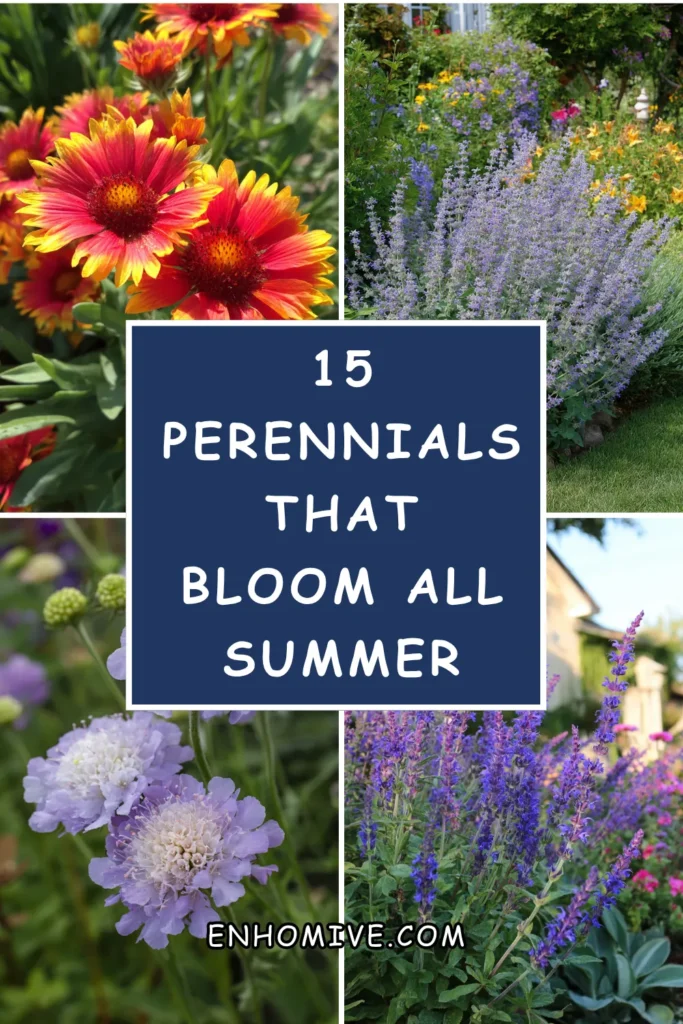
They are the garden’s structural performers whose reliable, extended flowering creates the consistent visual quality that every gardener aspires to maintain throughout the summer without the continuous replanting that the annual-dependent garden requires. Here are fifteen perennials that bloom all summer and earn their place in the garden with outstanding seasonal commitment.
1. Salvia
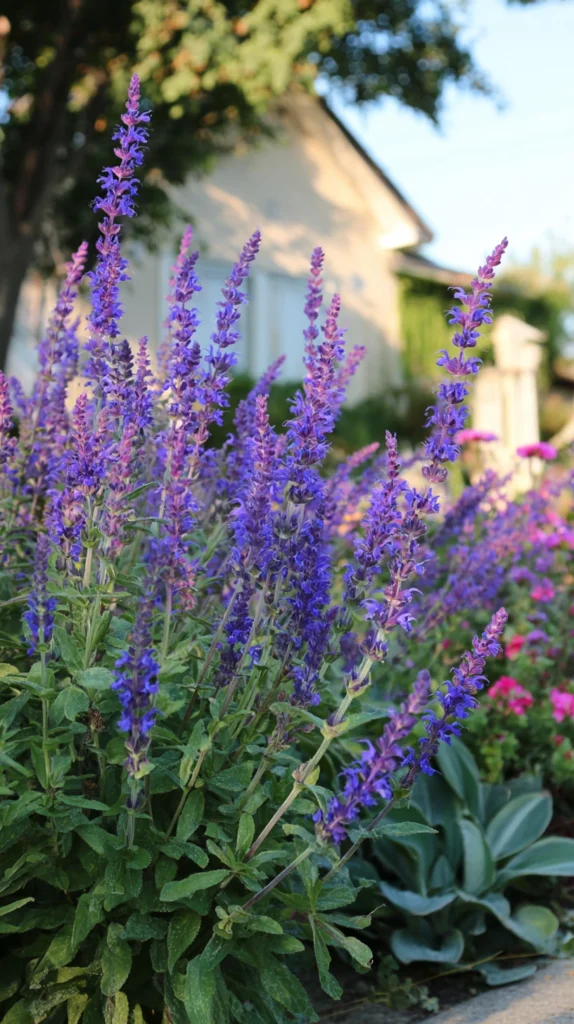
Salvia is the long-blooming perennial garden’s single most reliable and most ecologically valuable performer. Its tall spikes of tubular flowers in shades of deep blue, rich purple, warm pink, and vivid red begin in late spring and continue without significant interruption until the autumn frosts end the season. The salvia’s specific quality is the combination of its extended bloom period with its extraordinary attractiveness to bees, butterflies, and hummingbirds.
Deadhead the spent flower spikes regularly to stimulate the production of new flowering stems and to maintain the plant’s continuous blooming performance. Without deadheading, the salvia redirects its energy into seed production and the flowering period’s quality and duration both decline significantly from the plant’s maximum potential.
2. Coreopsis
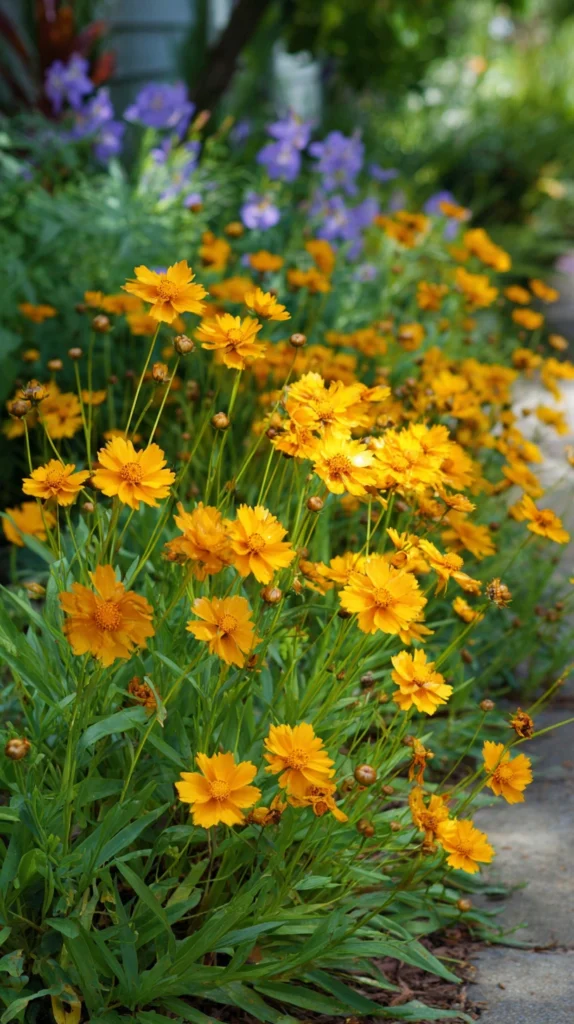
Coreopsis, the tickseed, produces its bright, daisy-like flowers in shades of warm yellow, burnt orange, and soft pink from early summer through to late autumn in the most extended blooming performance of any sun-loving perennial available in the temperate garden. Its cheerful, consistently produced flowers create the garden’s most reliably bright spot through every week of the warm season.
Choose named varieties of proven extended blooming performance rather than the species coreopsis, whose flowering season is shorter than the modern cultivars’ specifically bred blooming duration. Varieties including Moonbeam, Zagreb, and the various newer compact cultivars produce the most consistently extended flowering of all available coreopsis selections.
3. Echinacea
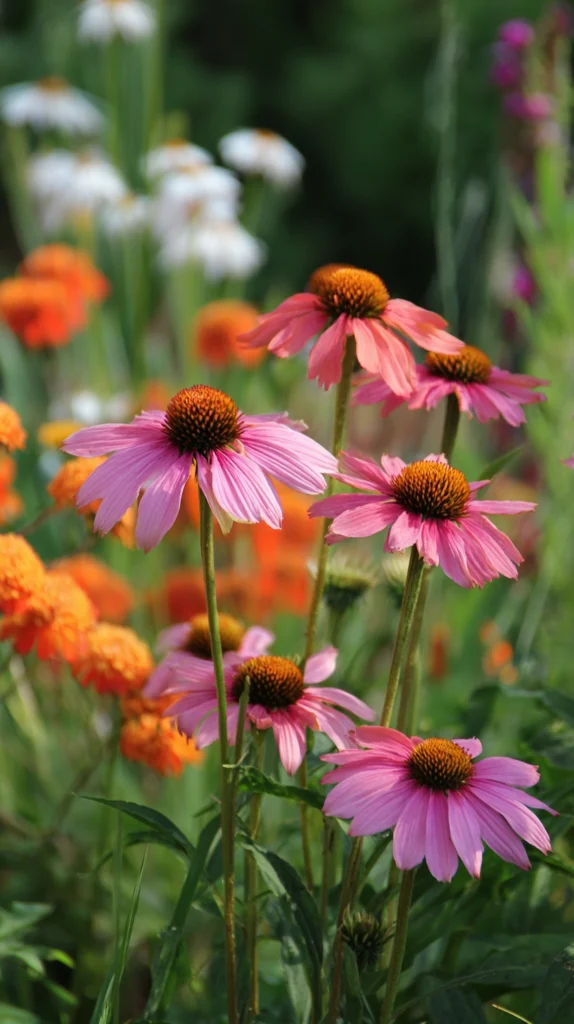
Echinacea, the coneflower, creates the midsummer and late summer garden’s most architecturally bold and most ecologically rich perennial flowering display. Its large, prominent central cone surrounded by reflexed ray petals in shades of pink, purple, orange, yellow, and white creates the garden’s most visually distinctive flower form and the wildlife garden’s most valuable nectar resource.
The echinacea’s extended blooming period spans the full twelve weeks of high summer, and the spent flower heads that follow the petals’ fall provide the winter seed source that goldfinches and other seed-eating birds specifically seek. Leave the dried seed heads standing through the autumn and winter rather than cutting them back immediately after flowering.
4. Rudbeckia
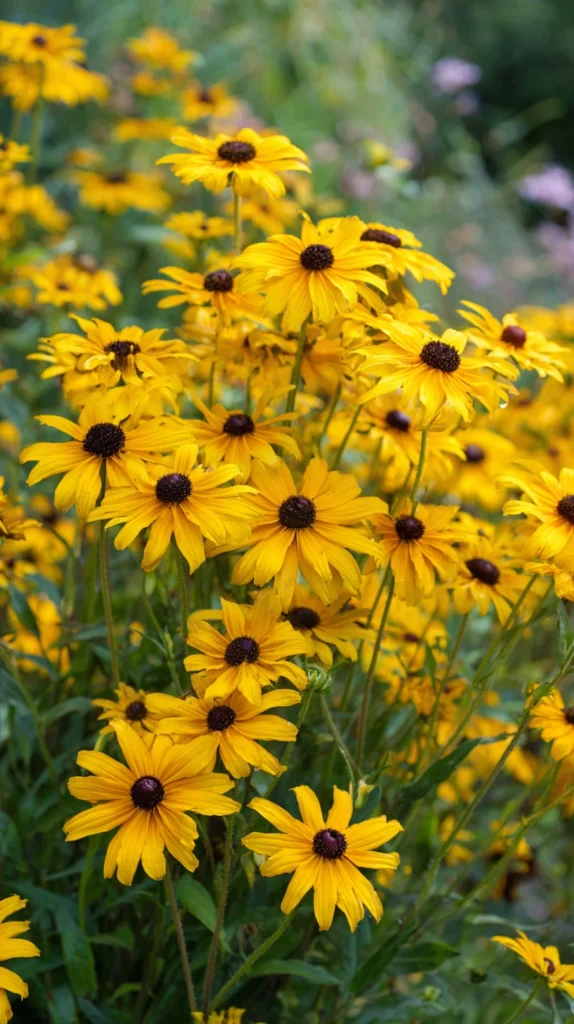
Rudbeckia, the black-eyed Susan, creates the late summer garden’s most abundantly cheerful and most consistently productive flowering display. Its bright yellow daisy flowers with their distinctive dark central cones are produced in remarkable quantities from midsummer through to the first autumn frosts, creating the long-border planting of the most sustained warm-season color.
Rudbeckia’s specific quality is its tolerance of the difficult conditions that the late summer garden creates, the heat, the dryness, and the general stress of the season’s most demanding period. While many perennials struggle and decline in the late summer heat, the rudbeckia responds to these challenging conditions with its most vigorous and most abundant flowering performance.
5. Agastache
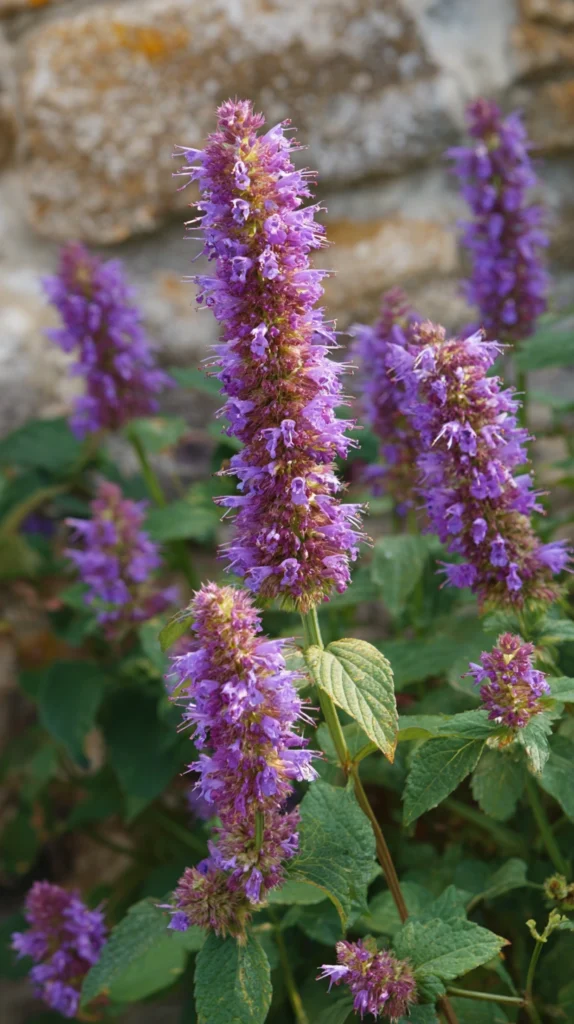
Agastache, the hyssop, creates the long-blooming perennial border’s most fragrant and most insect-attracting performer. Its tall spikes of tubular flowers in shades of blue, purple, orange, and soft pink are produced from midsummer through to the autumn frosts in a continuous display whose aromatic foliage provides the additional sensory quality of a plant that engages both the eye and the nose.
The agastache’s extraordinary attractiveness to bees and butterflies creates the garden’s most active and most visually dynamic insect destination, the specific zone of the summer garden where the pollinator activity is most concentrated and most continuously present throughout the warm months of the flowering season.
6. Gaillardia
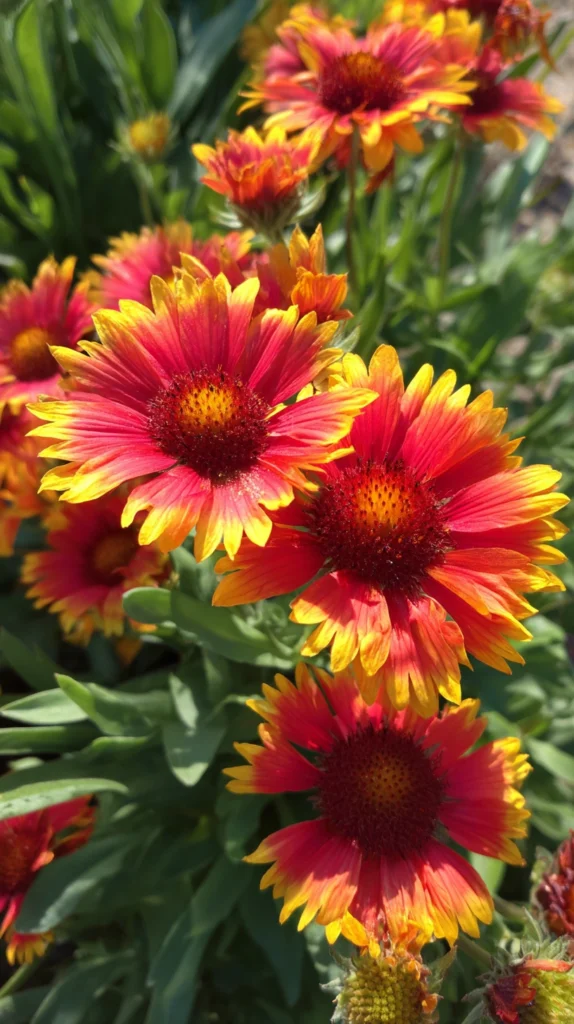
Gaillardia, the blanket flower, produces its vivid, bicolored daisy flowers in the warm shades of red, orange, and yellow from early summer through to the late autumn in the longest blooming performance of any sun-loving perennial in the temperate garden. Its specific tolerance of heat, drought, and the generally difficult conditions of the exposed sunny border makes it the perennial of most reliable performance in the most challenging garden positions.
The gaillardia’s bicolored flower, typically red petals with yellow tips surrounding a prominent central disc, creates the garden’s most boldly chromatic individual flower form and the warm-colored summer border’s most energetically vibrant contributor throughout the full length of the long summer season.
7. Penstemon
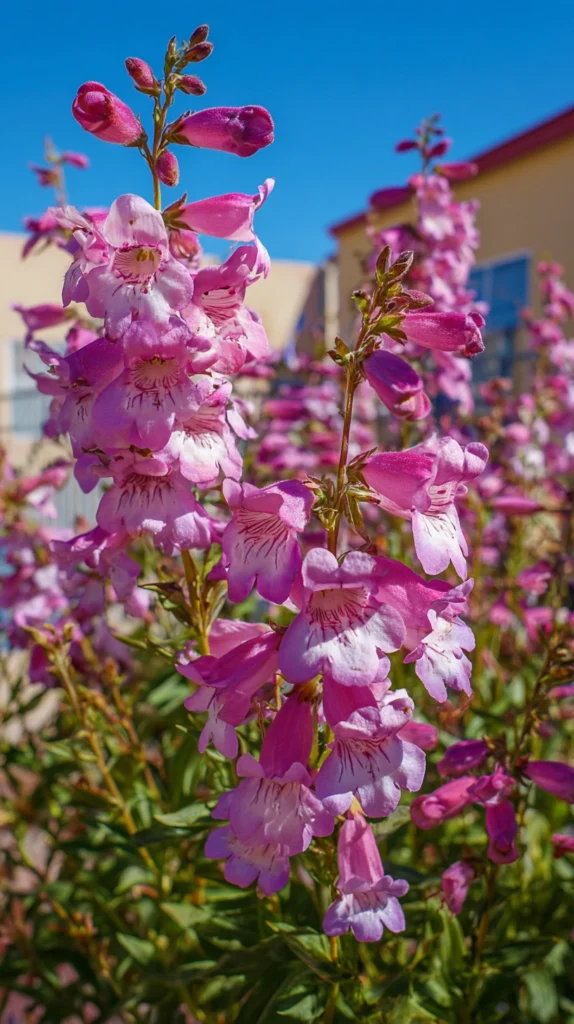
Penstemon creates the summer perennial border’s most elegantly tubular and most prolific flowering display. Its tall stems carry the bell-shaped flowers in shades of pink, purple, red, white, and the various bicolored combinations from early summer through to the late season, creating the border planting of most sustained vertical flowering interest across the complete warm season.
Deadhead the penstemon’s spent flower spikes regularly throughout the summer to maintain the plant’s vigorous flowering production. The penstemon responds to consistent deadheading with the continuous production of new flowering stems that creates the plant’s reputation for all-summer blooming among the perennial border’s most reliably productive performers.
8. Geranium
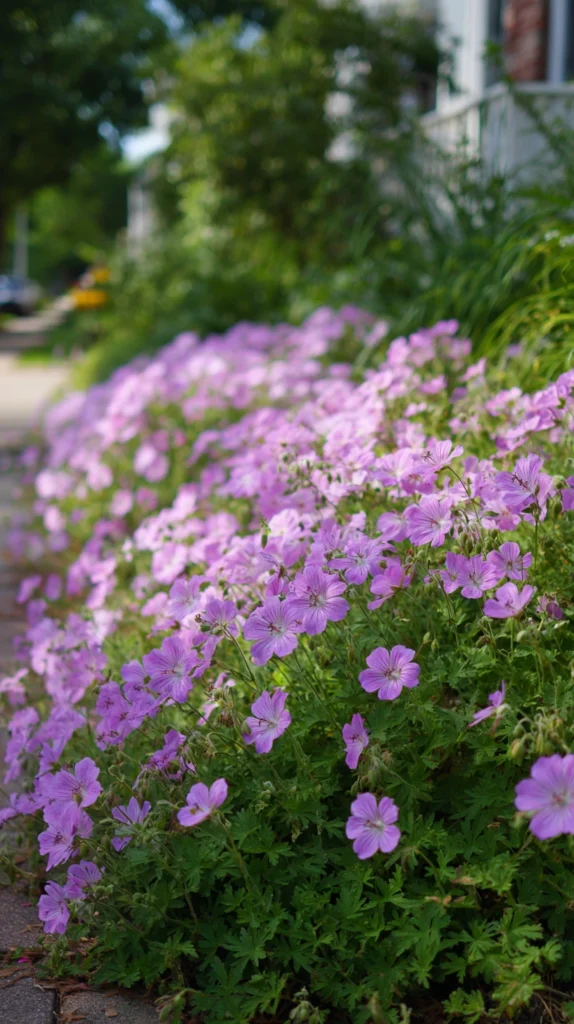
The hardy geranium, the true perennial geranium rather than the tender pelargonium that shares its common name, creates the summer garden’s most reliably long-blooming and most easily cultivated ground-level flowering performer. Many hardy geranium varieties produce their flowers continuously from late spring through to the first autumn frosts with minimal deadheading and minimal intervention.
The hardy geranium’s specific quality is its complete adaptability to the full range of garden conditions. It performs equally well in the sun and in the partial shade, in the free-draining border and in the moderately moist soil, in the formal garden and in the naturalistic planting, creating the most universally applicable all-summer perennial available to the home gardener.
9. Veronica
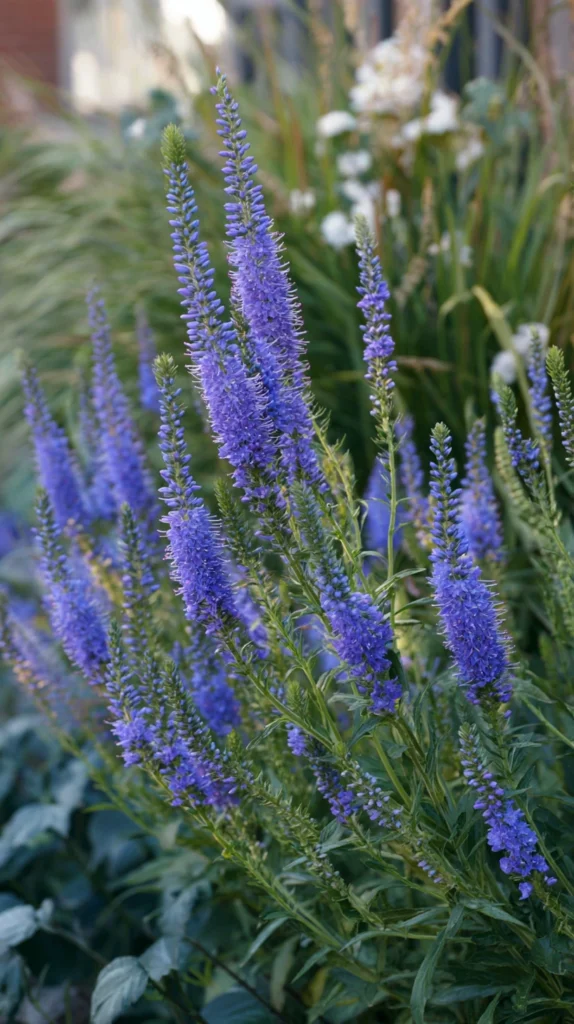
Veronica, the speedwell, creates the summer border’s most elegantly spired and most consistently produced blue and purple flowering accent. Its tall, tapering flower spikes in shades of deep blue, lilac, and soft pink are produced from early summer through to the late season in the continuous flowering display that makes the veronica one of the border’s most reliable all-summer contributors.
The veronica’s upright flower spike creates the vertical accent that the summer border requires as a counterpoint to the mounded and the spreading forms of the companion perennials. Its consistent height and its reliable vertical form create the border’s structural interest as dependably as its flowers create the border’s chromatic contribution.
10. Scabiosa
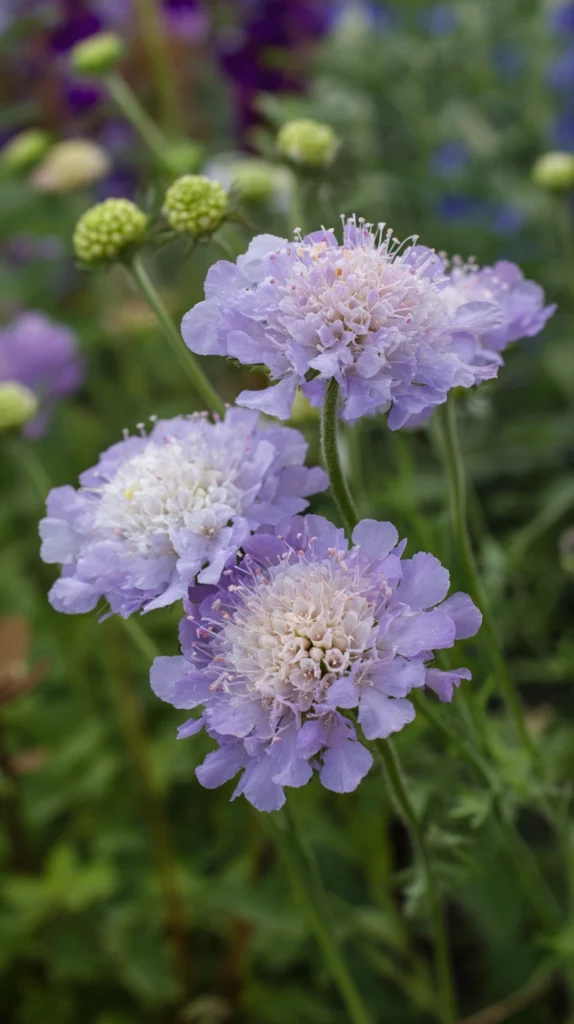
Scabiosa, the pincushion flower, produces its delicate, intricate flower heads in shades of soft lavender, pale pink, and creamy white from early summer through to the first autumn frosts in the most extended and most consistently delicate flowering performance of any summer perennial.
The flower’s specific form, its multiple tiny florets creating the cushioned surface of the pincushion that gives the plant its common name, creates the border’s most intricately detailed individual flower.
The scabiosa is among the summer garden’s most valuable pollinator plants, its open, accessible flower structure providing the nectar resource that the widest range of butterfly and bee species can exploit without the specialist tongue length that the tubular flower requires for nectar access.
11. Knautia
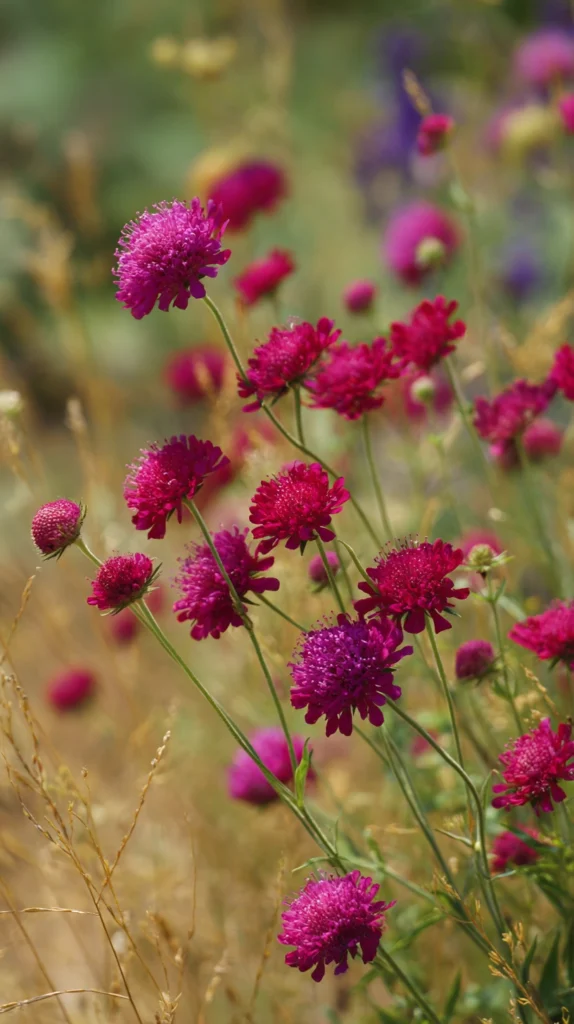
Knautia macedonica, the Macedonian scabiosa, creates the naturalistic summer border’s most freely produced and most informally beautiful long-blooming perennial display. Its small, deep crimson pincushion flowers are produced on wiry, branching stems in a continuous self-renewing performance from early summer through to the late autumn that makes it one of the most prolific flowering perennials available in the warm-colored border palette.
The knautia’s specific quality is the self-seeding generosity that creates new plants throughout the garden without any intervention, gradually populating the border with the naturalistic distribution of a plant that is at home in its environment and expressing that contentment through the generous spontaneity of its self-seeded reproduction.
12. Leucanthemum
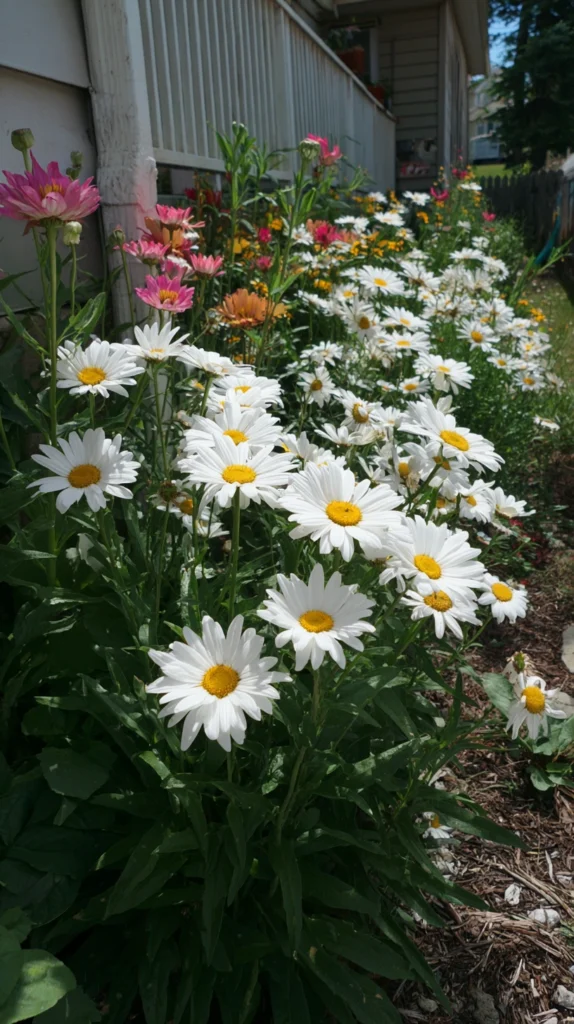
Leucanthemum, the Shasta daisy, creates the summer border’s most classically beautiful and most abundantly produced white flowering display. Its large, simple white daisy flowers with their bright yellow central discs are produced from early summer through to the late season in the continuous performance that makes the Shasta daisy the white flower of most reliable all-summer presence in the perennial border.
The Shasta daisy’s white flower creates the specific visual quality of light and freshness within the summer border that prevents the warm-colored planting from becoming oppressively saturated in its chromatic intensity. The white flower’s light-reflecting quality creates the visual breathing space that the most confidently composed summer borders use with deliberate design intelligence.
13. Liatris
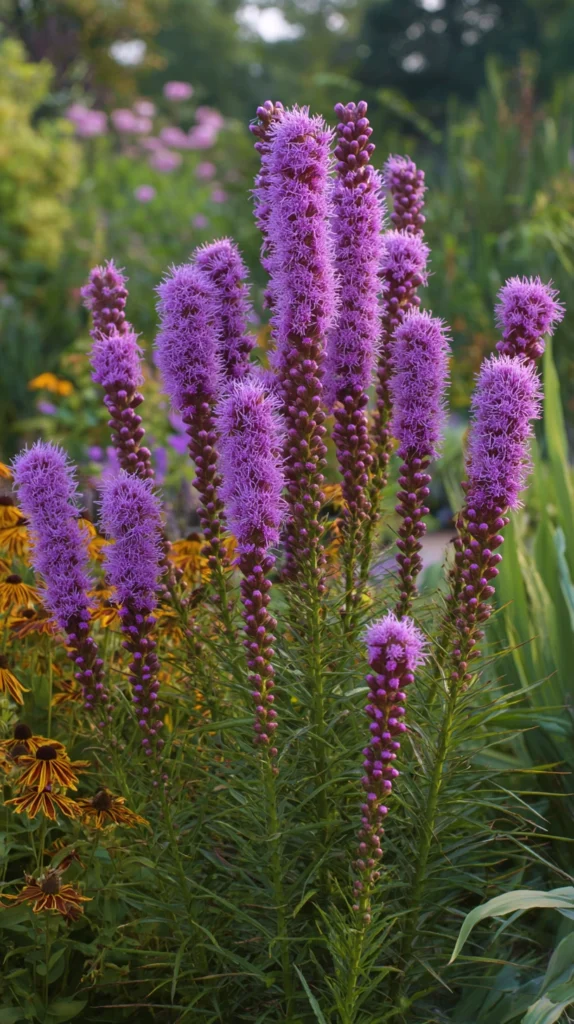
Liatris, the blazing star, creates the late summer border’s most dramatically vertical and most unusually structured flowering accent. Its tall, densely packed spikes of vivid purple or white flowers open from the top of the spike downward, the reverse of the flowering direction of most spiked perennials, creating the botanical curiosity that gives the liatris its specific character within the summer border’s flowering community.
The liatris’s flowering period spans the full heart of the summer season, and its tall vertical form creates the structural height that the midsummer border requires as its more informally spreading companions reach their peak flowering volume and the border’s internal structure risks becoming visually undifferentiated at the season’s most abundant moment.
14. Nepeta
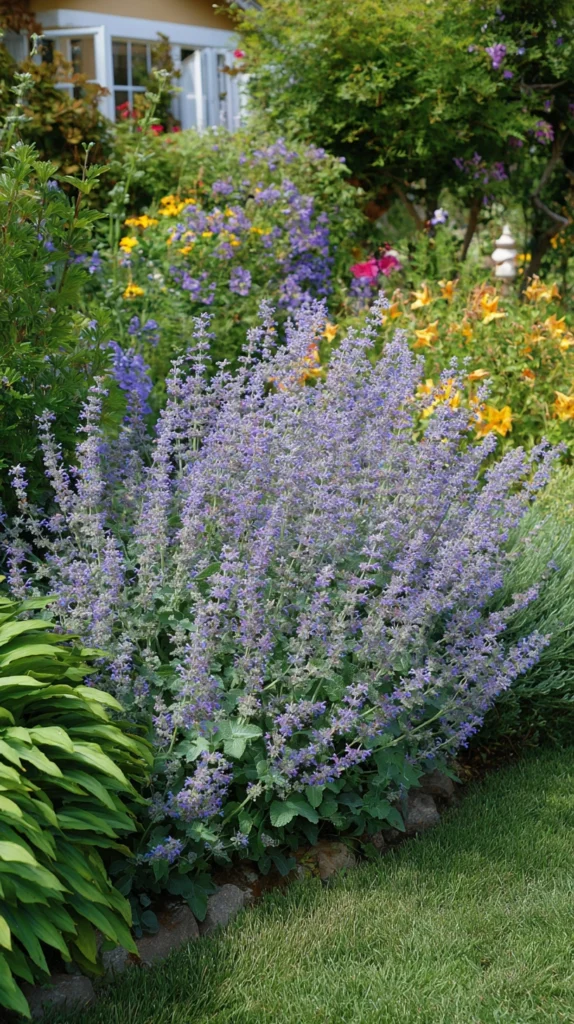
Nepeta, the catmint, creates the summer border’s most softly fragrant and most abundantly flowering front-of-border perennial. Its mounds of small lavender-blue flowers above the aromatic grey-green foliage are produced from late spring through to the autumn in the most reliably extended blooming performance of any border edging perennial available in the cool-toned color palette.
Cut the nepeta back by approximately one third of its height immediately after its first flush of flowers begins to fade in midsummer. This mid-season cutting back stimulates the production of a vigorous second flush of new growth and new flowers that creates the renewed performance of the late summer and autumn nepeta as impressive as its spring and early summer display.
15. Hemerocallis
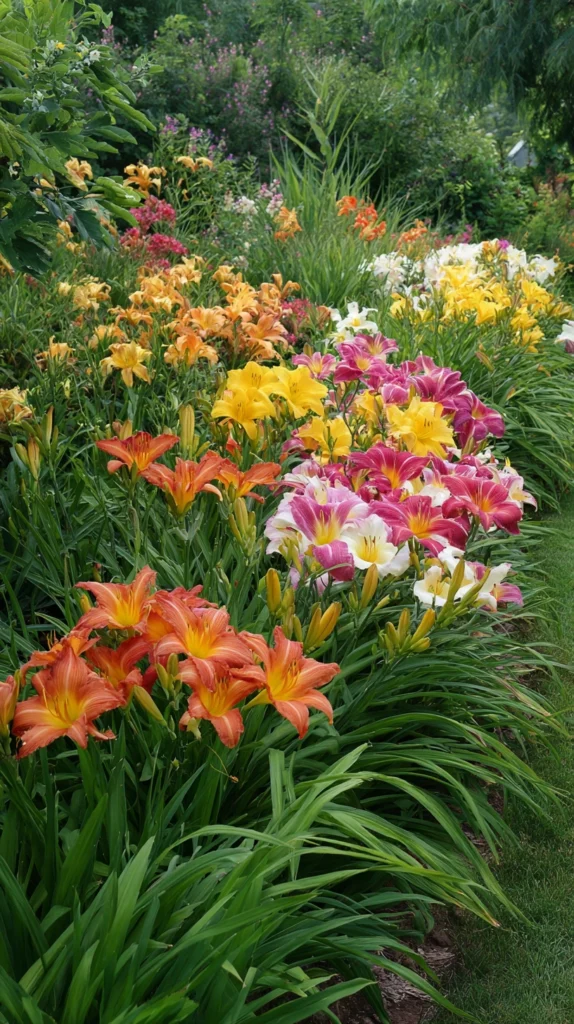
The daylily creates the summer border’s most abundantly produced and most individually dramatic trumpet flower display. Its individual flowers last only a single day, as its common name accurately describes, but the plant’s continuous production of new buds on each flower stem creates the sustained flowering performance of multiple weeks from a single established plant.
Modern daylily cultivars have been specifically bred for the extended blooming performance and the reblooming characteristic that creates the late season repeat display after the initial summer flowering.
Choose reblooming varieties for the all-summer performance that the species and the older cultivars cannot reliably provide, and the daylily becomes the summer border’s most generous and most spectacularly productive long-season perennial contributor.