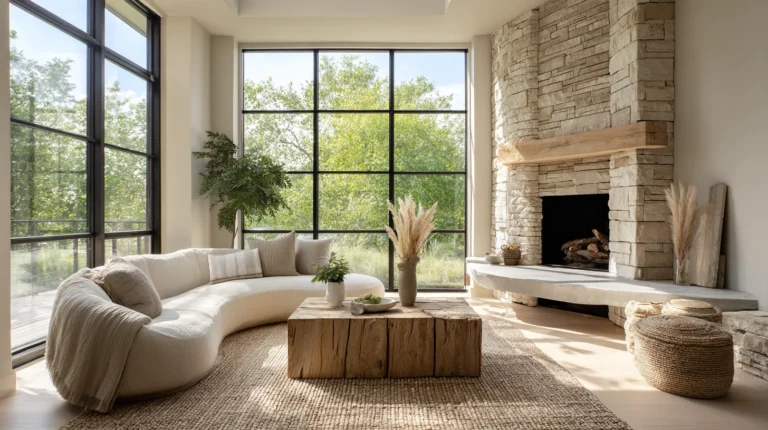

14 Summer Floor Decor Ideas That Feel Light and Stylish
There is something deeply underestimated about the floor. Walls get the artwork, shelves get the objects, tables get the arrangements — and the floor, which covers more surface area than any other plane in a room, is left to fend for itself with whatever rug happened to come with the furniture. In summer especially, the floor deserves more considered attention.

It is the surface closest to bare feet, the one that sets the thermal tone of a room, and the one that, when treated with intention, can make an entire space feel cooler, lighter, and more alive.
The fourteen ideas below approach the summer floor as a genuine design opportunity. Each one covers what you will need, what it will cost, and a practical tip to make it work in a real room rather than a staged one.
1. The Natural Jute or Sisal Layered Rug
Budget: $40 – $300
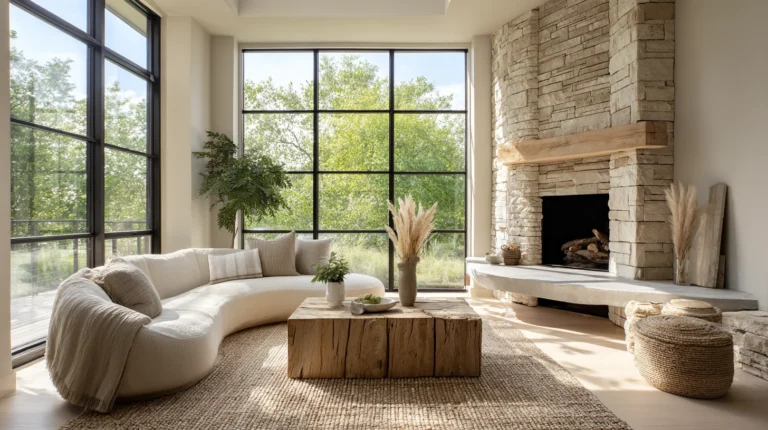
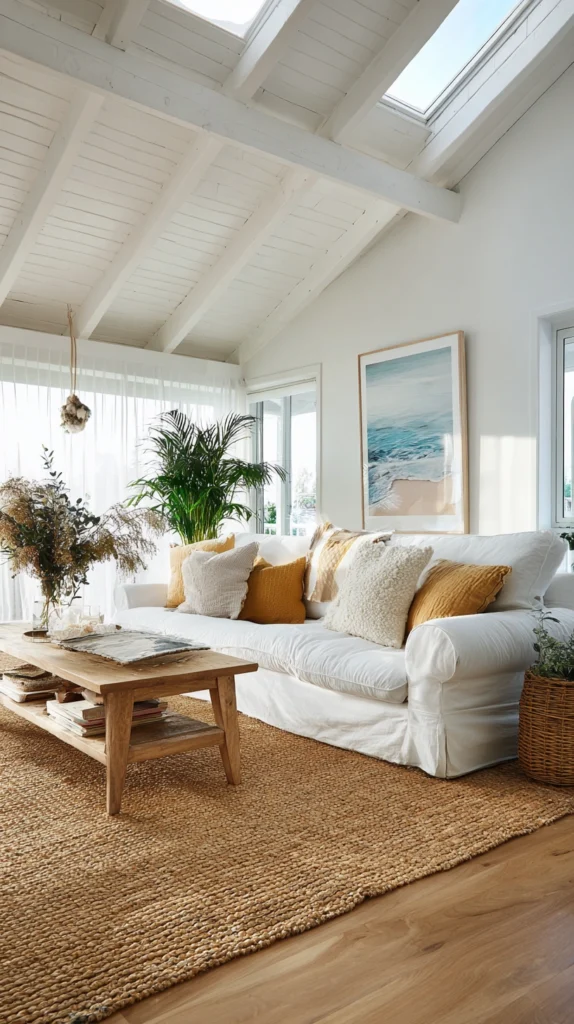
A jute or sisal rug is the summer floor’s most reliable foundation. The weave is open and textural, the tone is warm without being heavy, and the natural fibre reads as honest and unhurried in a way that synthetic alternatives never quite manage. Layered over timber floorboards or pale tiles, a well-chosen jute rug anchors a room without visually weighing it down — which is precisely what a summer floor needs.
A natural jute rug in a standard living room size costs $60 – $200. Smaller accent sizes run $20 – $60. For layering, place a second, smaller rug — a flatweave cotton kilim or a faded vintage piece — on top of the jute to add pattern without sacrificing the natural base beneath. The layered look is far more interesting than either rug alone and allows seasonal swapping of the upper layer without replacing the whole floor covering.
Decor tip: Vacuum jute and sisal in the direction of the weave rather than against it. Vacuuming across the grain pulls fibres loose over time and creates a frayed, matted surface within a season. A quick pass in one direction keeps the weave tight and extends the life of the rug significantly.
2. The Bleached Timber Floor Treatment
Budget: $50 – $400
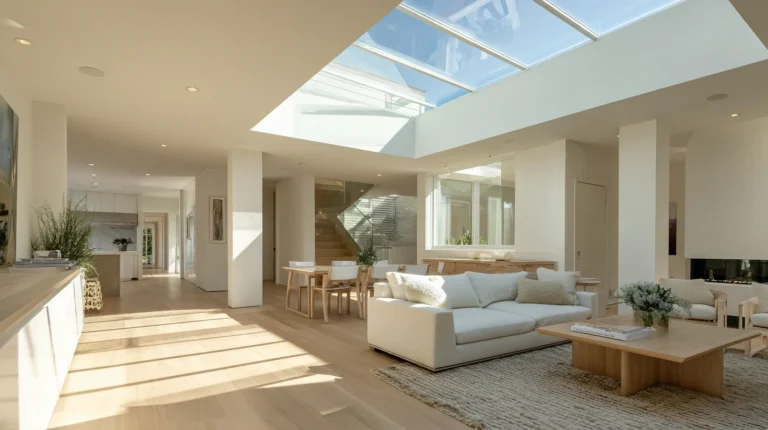
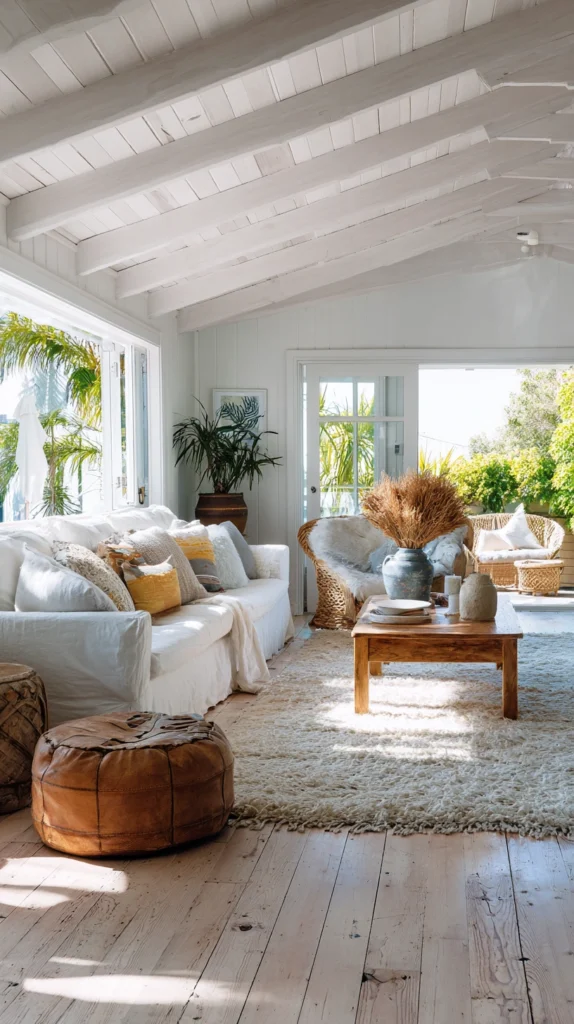
Bleached or whitewashed timber floors are the architectural equivalent of the jute rug — they make a room feel immediately lighter, cooler, and more summery without changing the structure of the space at all. On existing timber floors, a whitewash treatment can be applied over a weekend with moderate effort and basic tools. The result is a pale, sun-bleached surface that reflects light upward and transforms the entire atmosphere of the room above it.
Whitewash floor paint or diluted white floor stain costs $30 – $80 per tin for a standard room. Fine-grit sandpaper to prepare the surface adds $10 – $20. A water-based matte floor sealant applied after the whitewash — $20 – $50 — protects the finish and allows regular mopping without lifting the colour. Test in a hidden corner before committing to the full floor — timber species respond differently to whitewash, and knowing the result in advance removes all anxiety from the process.
Decor tip: Apply whitewash in thin, working coats rather than one heavy application. A heavy single coat lifts unevenly and pools in the grain, producing a blotchy finish. Two or three thin coats wiped back while still wet give a far more even, professional result with the same materials.
3. The Rattan or Bamboo Floor Mat
Budget: $20 – $120
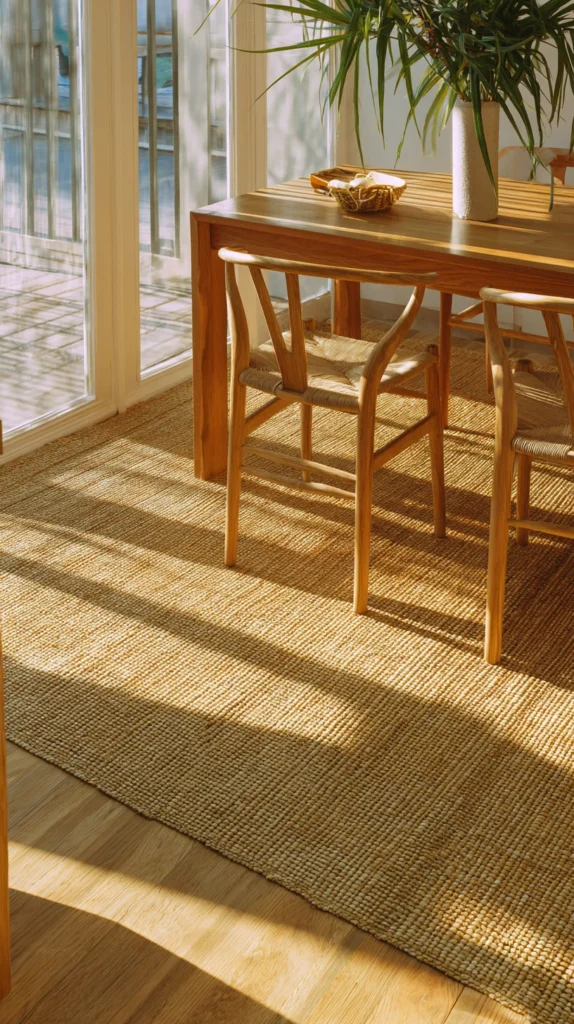
Rattan and bamboo floor mats belong to the same material family as the furniture choices covered in coastal and spa aesthetics, but their application on the floor is distinct and specific to summer. A bamboo mat under a dining table, a rattan runner in a hallway, or a woven reed mat beneath a coffee table communicates warmth, texture, and lightness simultaneously. Unlike fabric rugs, they do not trap heat, they dry quickly, and they are trivially easy to clean.
Bamboo floor mats in standard sizes cost $20 – $60. Rattan or seagrass runners for hallways run $25 – $80 depending on length. A woven reed mat in a natural, undyed finish costs $15 – $40 and works equally well indoors and on a covered outdoor terrace. The material is honest and unfussy — qualities that serve a summer floor extremely well.
Decor tip: Place a non-slip mesh underlay beneath bamboo and rattan mats on smooth floors. These materials have no natural grip on polished timber or tile and will shift underfoot with regular movement — a thin mesh layer costs $8 – $15 and removes the problem entirely.
4. The Pebble and Stone Mosaic Bathroom Floor
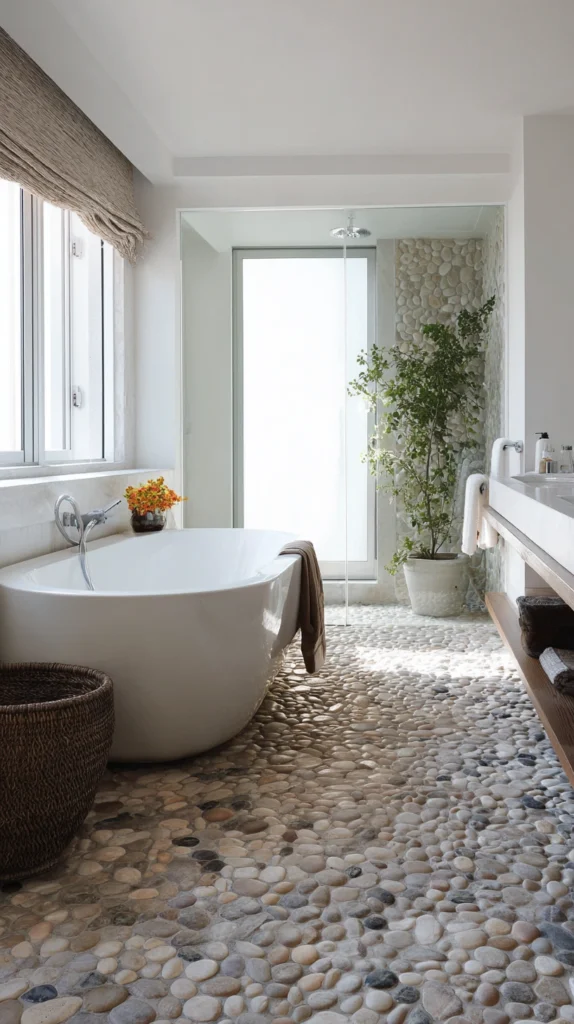
Budget: $60 – $300
River pebble mosaic tiles — genuine stone pebbles set into a mesh backing — turn a bathroom floor into something that feels connected to the outside world in a way that standard ceramic tile never achieves. The texture underfoot is immediately interesting, the natural variation in stone colour produces a floor that looks expensive regardless of what it actually cost, and the material performs perfectly in a wet environment.
River pebble mosaic tiles cost $20 – $60 per square metre. Tile adhesive and grout suitable for wet areas add $20 – $40. The installation is achievable for a competent DIY approach over a weekend for a standard bathroom floor. White or pale grey grout between the pebbles keeps the finish light — dark grout makes the same floor read as heavy and cave-like.
Decor tip: Seal river pebble floors with a natural stone sealant after grouting and annually thereafter. Unsealed natural stone in a wet environment absorbs soap residue, mineral deposits, and organic matter over time, producing a dull, stained surface that is difficult to restore without professional intervention.
5. The Outdoor Rug for the Interior Space
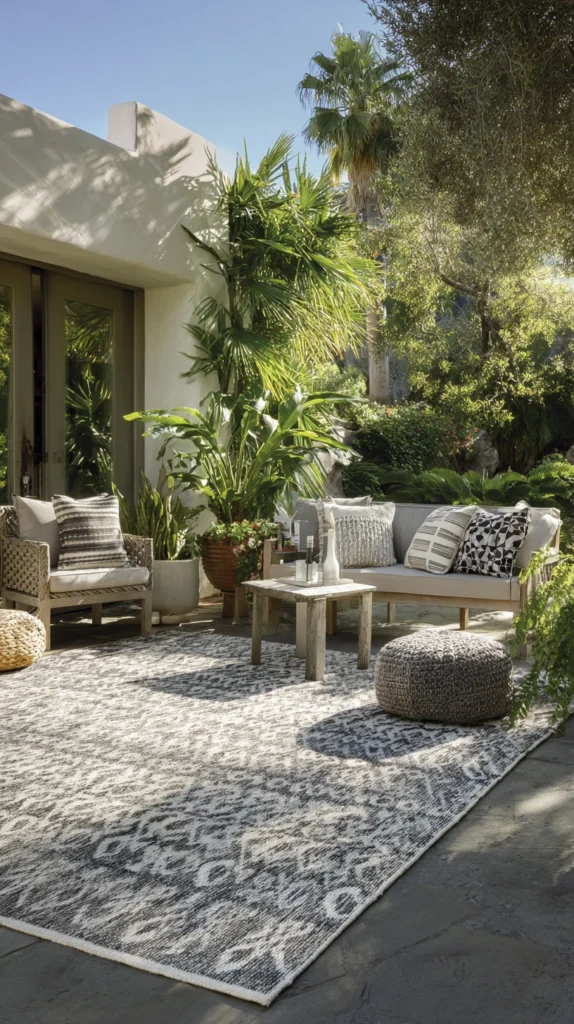
Budget: $40 – $250
One of the most underused tricks in summer decorating is bringing a flatweave outdoor rug inside. Outdoor rugs designed for patios and terraces are woven from polypropylene or recycled plastic in patterns and colourways that are increasingly indistinguishable from their indoor equivalents — but they are fade-resistant, waterproof, and can be taken outside, hosed down, and returned to the room within an hour. For homes with children, pets, or high foot traffic, this is a practical summer solution that looks entirely considered.
Flatweave outdoor rugs in living room sizes cost $40 – $150. Smaller accent sizes run $20 – $60. The pattern range has expanded enormously — geometric weaves, faded Moroccan-style prints, and solid naturals are all widely available and appropriate for indoor use. In summer especially, the distinction between indoor and outdoor becomes a design opportunity rather than a limitation.
Decor tip: Choose an outdoor rug in a pattern scale that suits the room proportions. A large bold geometric pattern on a small rug in a large room disappears. The same pattern scaled up fills the room with energy. Conversely, a small intricate pattern on a very large rug reads as texture rather than pattern — both are valid but the choice should be deliberate.
6. The Kilim or Flatweave Cotton Runner
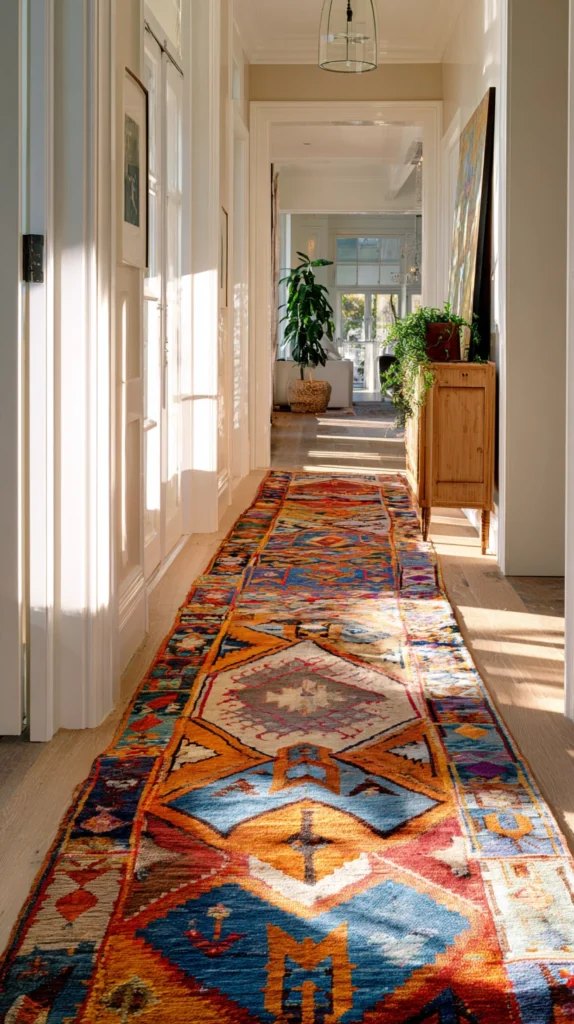
Budget: $30 – $200
A kilim runner in a hallway, a cotton flatweave in a kitchen, or a dhurrie laid across the foot of a bed — flatweave textiles are summer’s answer to the thick pile rug. They lie closer to the floor, they do not trap warmth, they launder easily, and their patterns tend toward the geometric and the bold in ways that pile rugs rarely match. A well-chosen kilim transforms the energy of a floor without adding any thermal weight.
Vintage or vintage-style kilim runners cost $40 – $150 depending on length and provenance. New cotton dhurrie rugs in flatweave run $30 – $120. Machine-washable cotton flatweaves — practical for kitchens and bathrooms — cost $20 – $60. The pattern variation within the kilim family is enormous, running from faded traditional motifs to bold contemporary geometrics, making it genuinely easy to find something that works in almost any room.
Decor tip: Rotate flatweave rugs 180 degrees every three months in rooms with directional sunlight. Flatweave textiles fade unevenly when one end receives consistently more light than the other — rotation distributes the fading evenly and extends the life of the rug without any additional effort.
7. The Painted Floor Pattern
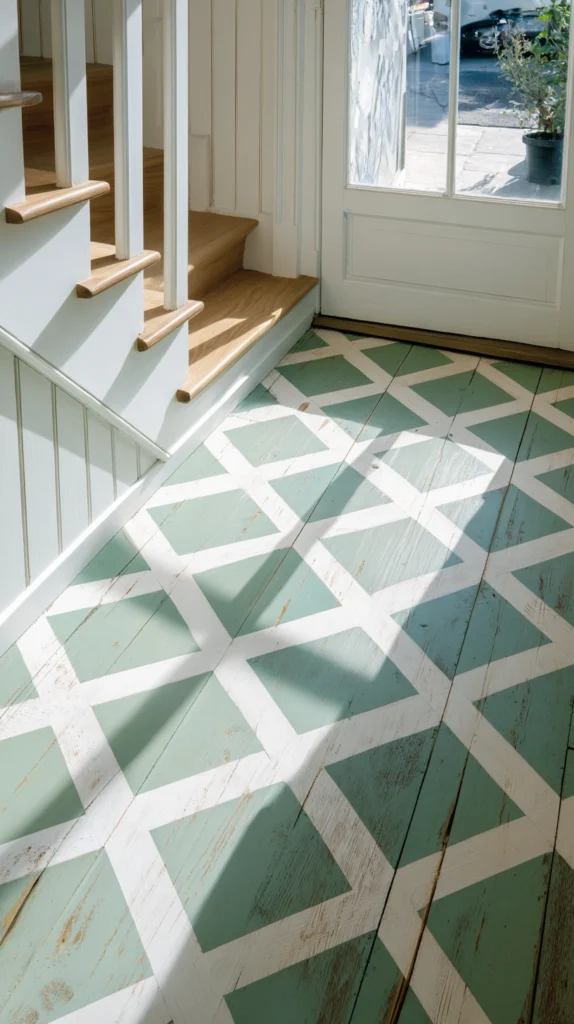
Budget: $30 – $150
A painted pattern on a timber or concrete floor is one of the most dramatic and least expensive floor transformations available. A simple geometric — a diamond grid, a border stripe, a chequerboard — applied with floor paint and painter’s tape costs almost nothing in materials and produces a floor that looks as though it was designed specifically for the room. It is also reversible with a sander, which removes all anxiety from the commitment.
Floor paint in a standard colour costs $20 – $50 per tin. Painter’s tape for clean geometric edges runs $5 – $15. A small foam roller produces crisp, even coverage on flat floors for $5 – $10. A chequerboard in white and pale sage, or a diamond grid in white and sandy cream, transforms a plain timber or concrete floor into something that reads as considered and intentional.
Decor tip: Apply at least two coats of a water-based floor sealant over the finished pattern before putting furniture back. An unsealed painted floor chips within weeks in high-traffic areas, and touching up geometric patterns is considerably harder than painting them in the first place.
8. The Indoor Plant Floor Garden
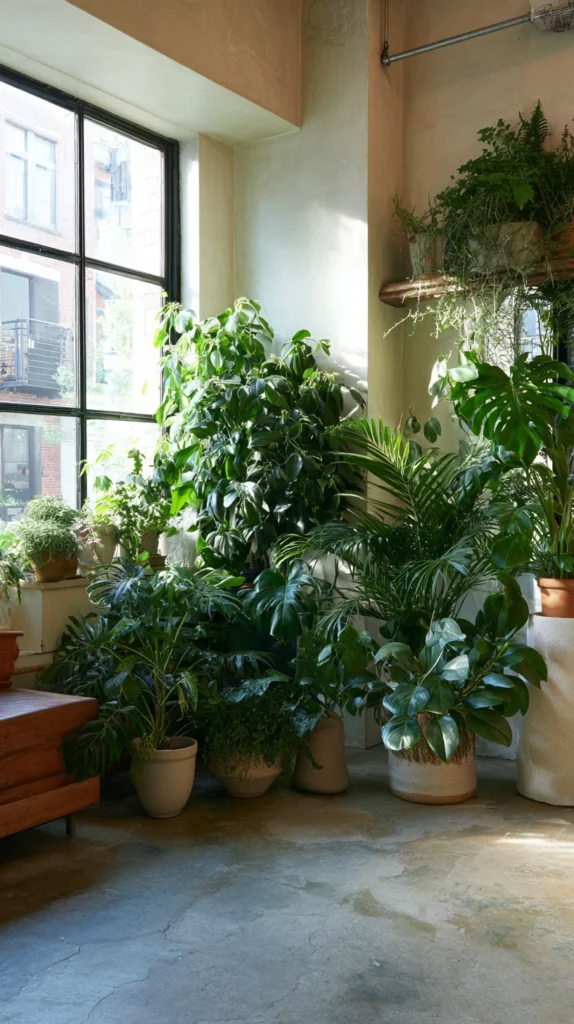
Budget: $50 – $300
A considered arrangement of floor-standing plants — large monstera, trailing pothos in hanging pots at floor level, a tall fiddle leaf fig, snake plants in varying heights — treated as a floor feature rather than background decoration changes the entire character of a corner. When plants are placed on the floor with intention and grouped thoughtfully, they function as architecture — defining space, creating shade, and bringing the unmistakable energy of living things into the room.
Large statement floor plants cost $30 – $100 depending on species and maturity. Terracotta or raw concrete floor pots run $10 – $40 each. A wooden or rattan plant stand to vary heights within the group costs $20 – $60. The grouping works best when it includes at least one very large specimen — a plant under 60 centimetres rarely commands the floor the way a 120-centimetre specimen does.
Decor tip: Place a saucer of water beneath each floor pot and top it up weekly. The slow evaporation from open saucers raises the humidity around the plant group perceptibly, which benefits tropical varieties enormously and reduces the need for misting in rooms with air conditioning running regularly.
9. The Moroccan Tile Effect With Vinyl Stickers
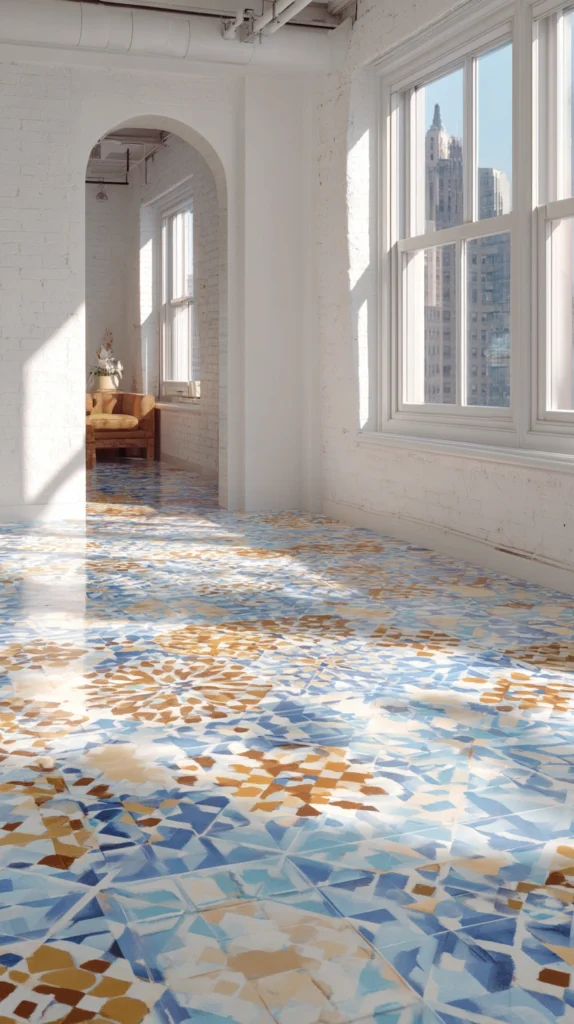
Budget: $20 – $120
Peel-and-stick vinyl floor tiles in Moroccan, encaustic, or geometric patterns have improved dramatically in quality over recent years. Applied to an existing smooth floor — tiles, vinyl, or sealed concrete — they produce a pattern that is visually indistinguishable from genuine encaustic cement tile at a fraction of the cost and with none of the installation complexity. For renters especially, this is a genuinely useful tool.
Peel-and-stick vinyl tile sheets in Moroccan patterns cost $20 – $60 for a bathroom-sized area. Larger living room coverage runs $60 – $120. The adhesive is repositionable for the first few minutes of application, which gives enough time to align pattern repeats accurately before the bond sets. Removal leaves no adhesive residue on most sealed floor surfaces.
Decor tip: Clean the existing floor thoroughly with a degreasing solution and allow it to dry completely before applying peel-and-stick tiles. Any moisture, dust, or residue beneath the tile creates lifting edges within weeks — a fifteen-minute cleaning step before application determines whether the tiles last two months or two years.
10. The Linen Floor Cushion Seating Area
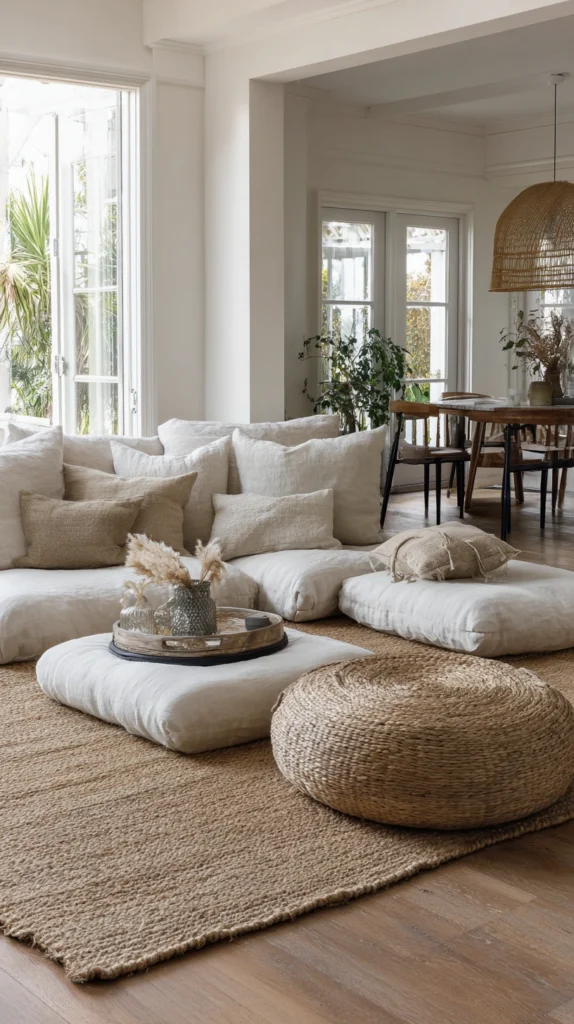
Budget: $60 – $400
Summer living invites floor-level seating in a way that other seasons rarely do. A cluster of large floor cushions in washed linen, a low rattan tray at the centre holding a candle and a small plant, and a natural jute rug defining the seating zone — this arrangement creates a relaxed, low-to-the-ground gathering space that works for meals, for evenings with friends, or simply for an afternoon with a book and nowhere to be.
Large linen floor cushions cost $30 – $80 each. A low rattan serving tray runs $15 – $40. Outdoor-grade foam inserts inside linen covers last considerably longer than standard foam and resist compression in a way that cheaper fills do not — worth specifying when purchasing. The whole arrangement can be dismantled and stored flat in minutes, making it as practical as it is comfortable.
Decor tip: Choose floor cushion covers in a washable linen or linen-cotton blend rather than dry-clean-only fabrics. Floor cushions collect dust, pet hair, and food crumbs at a rate that makes regular washing essential — a cover that cannot be machine washed becomes an inconvenience within a season.
11. The Terracotta and Warm Stone Tile Story
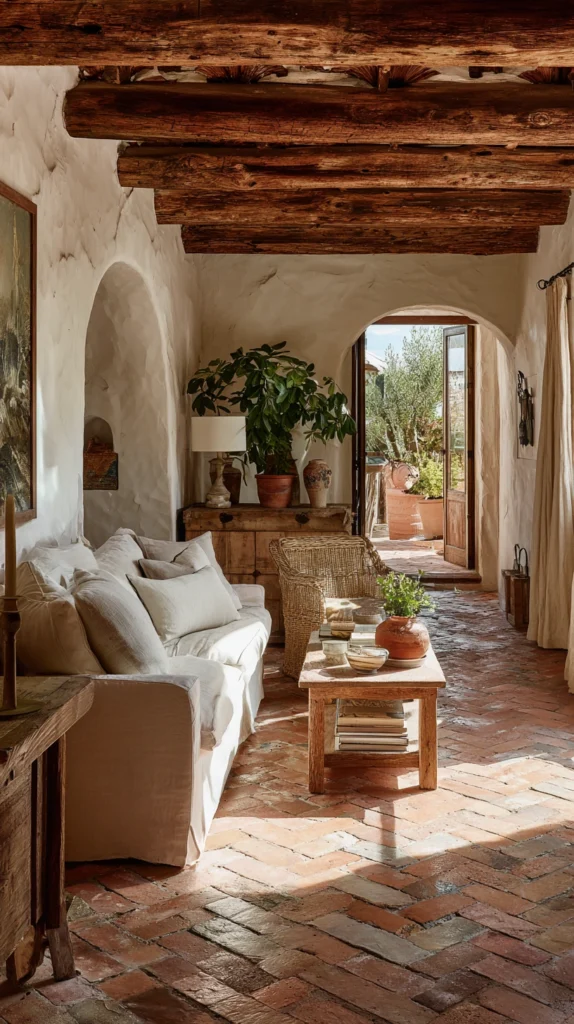
Budget: $80 – $500
Terracotta floor tiles — warm, matte, slightly irregular in their handmade versions — carry the visual warmth of Mediterranean summer interiors in a way that no other flooring material does. In a kitchen, a hallway, or a bathroom, terracotta tiles produce a floor that looks as though it has always been there, that ages beautifully with use, and that pairs equally well with white walls and natural linen as it does with warmer, earthier palettes.
Terracotta floor tiles cost $20 – $60 per square metre for machine-made versions. Handmade terracotta runs $50 – $120 per square metre and has the natural variation that makes the material genuinely beautiful. Sealing is essential — an unsealed terracotta floor stains permanently within the first week of use. A penetrating stone sealant costs $20 – $50 and should be applied before grouting as well as after.
Decor tip: Lay terracotta tiles on a warm-toned adhesive rather than a bright white one. White adhesive shows through the natural porosity of unsealed terracotta at the grout edges and gives the floor a cold, clinical look that contradicts everything terracotta is supposed to communicate.
12. The Scandi-Summer Bleached Wood Effect With Vinyl Planks
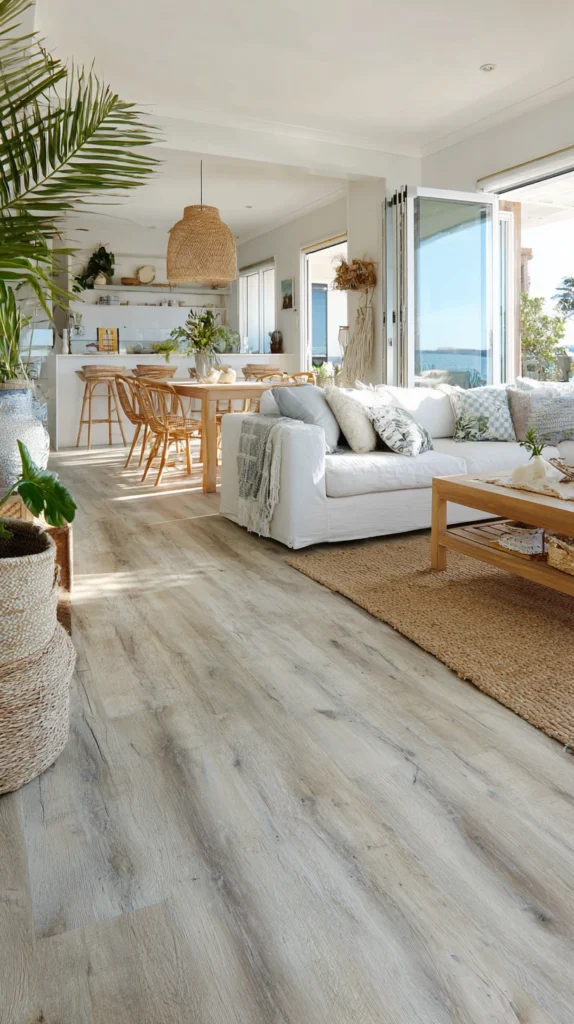
Budget: $60 – $400
Luxury vinyl plank flooring in pale bleached oak, whitewashed pine, or driftwood finishes has reached a quality level where, from standing height, it is genuinely difficult to distinguish from real timber. For renters, for rooms where real timber installation is impractical, or for homeowners who want the aesthetic without the cost of genuine hardwood, LVP in a coastal-washed finish is the most practical available route to a light summer floor.
Luxury vinyl plank in pale finishes costs $15 – $40 per square metre for the boards. Installation over an existing flat floor is a click-system DIY project requiring no adhesive and minimal tools — add $10 – $20 for trim pieces and $5 – $15 for an underlay. A standard bedroom or living room can be floored over a single weekend without professional help.
Decor tip: Acclimatise vinyl plank boards in the room for 48 hours before installation. LVP expands and contracts with temperature changes, and boards installed before acclimatisation will buckle at the joins during the first warm spell — a two-day wait before starting eliminates this entirely.
13. The Bohemian Layered Rug Gallery
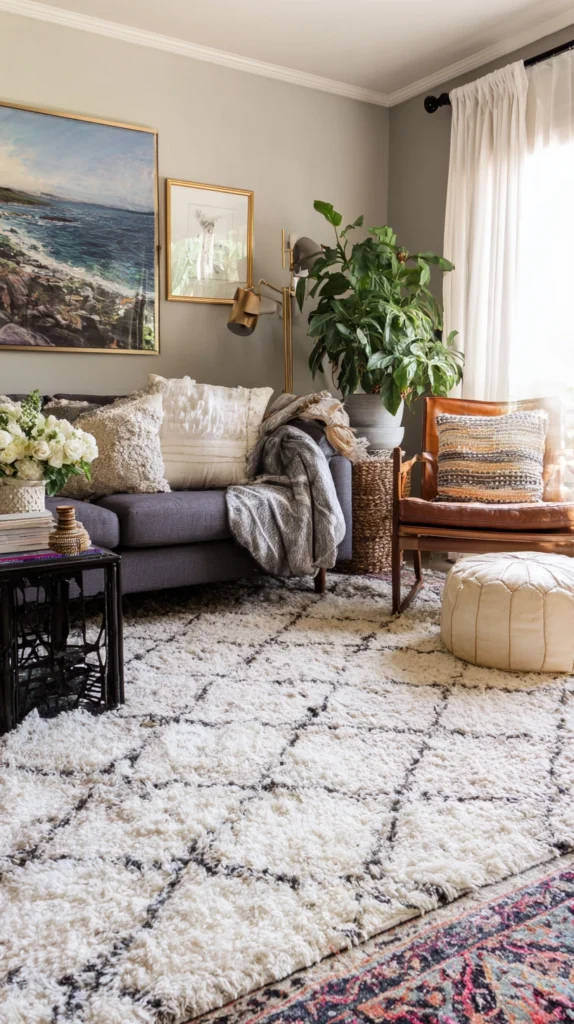
Budget: $60 – $400
Layering three rugs of different sizes, textures, and origins on top of one another — a large natural jute base, a medium vintage-style kilim in the centre, and a small Moroccan Beni Ourain accent on top — creates a floor that functions as a collection rather than a floor covering. Each layer adds depth, each contributes its own pattern and texture, and the overall effect is warm, interesting, and genuinely personal in a way that a single rug can rarely achieve.
A large jute base rug costs $60 – $180. A medium kilim or flatweave layer runs $40 – $120. A small accent rug for the top layer adds $20 – $80. The total investment is comparable to a single mid-range rug, but the result is far richer and the component parts can be rearranged or replaced individually as tastes change.
Decor tip: Ensure each layer is significantly smaller than the one beneath it — a rough guide is that each rug should cover no more than two thirds of the rug below. Layers that are too similar in size create a messy, unresolved look rather than the deliberate, collected aesthetic that good rug layering produces.
14. The Outdoor-to-Indoor Threshold Moment
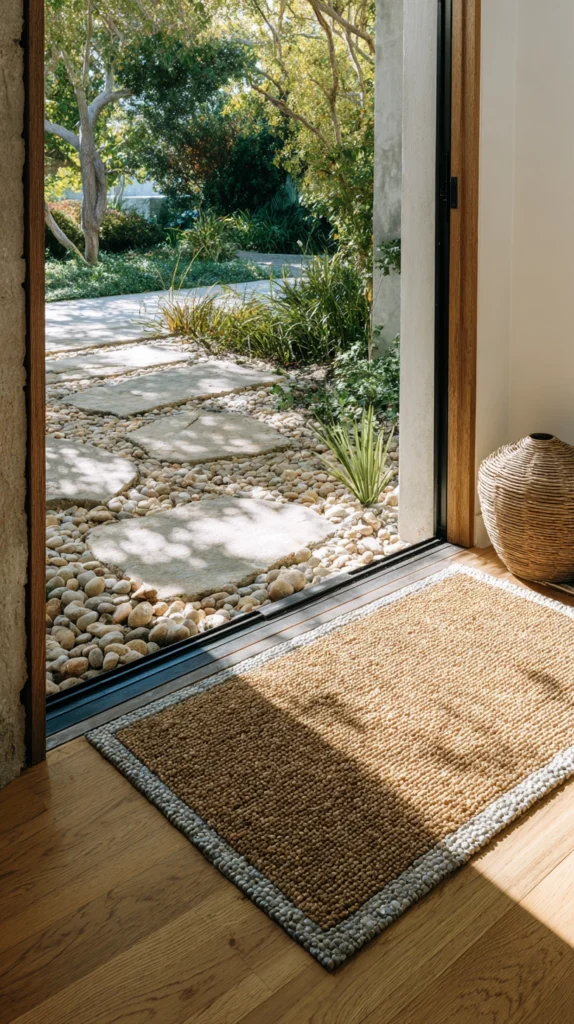
Budget: $30 – $150
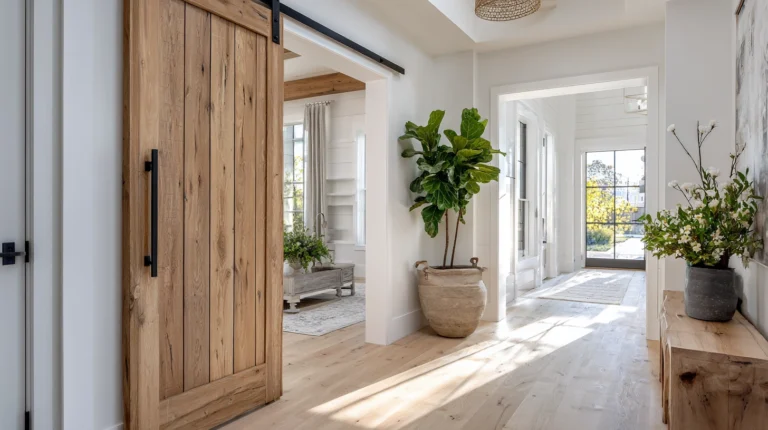
The threshold between outside and inside — the point where a back door opens onto a garden, a sliding door meets a terrace, or a hallway connects an entrance to the main living space — is one of the most overlooked floor opportunities in any home. A coir doormat inset flush with the floor, a strip of smooth pebble tile at the transition point, or a single row of terracotta tiles marking the crossing from outdoor to indoor creates a moment of intention that makes both sides of the threshold feel more considered.
A quality natural coir doormat costs $15 – $40. A narrow strip of pebble mosaic tile at a threshold runs $20 – $50 in materials. A recessed mat frame installed flush with the floor — the most polished version of this idea — costs $40 – $120 installed. The threshold treatment does not need to be elaborate to work. It simply needs to be deliberate.
Decor tip: Keep the threshold material consistent with at least one element on each side of the door — a pebble threshold that also appears in the bathroom, or a terracotta strip that echoes tiles on the terrace. Repetition across spaces creates a sense of continuity that makes a home feel designed rather than assembled.
Whatever you choose to do with your floors this summer, the guiding principle across all fourteen ideas is the same: treat the floor as the foundation it actually is, not as the afterthought it usually becomes. A room built from the floor up — where the surface underfoot is as considered as the furniture standing on it — has a coherence and a quality that no amount of accessory styling can replicate from the top down.
Start with one floor, in one room, and give it the attention it deserves. The rest of the room will follow.