
15 Shade Structure Ideas to Try Instead of the Basic Umbrella
My patio relied on one wobbly market umbrella for years, the same narrow circle of shade that moved with the sun and never actually covered the table by mid-afternoon. It worked, barely, and never once felt like a real design feature of the yard.
Tried buying a slightly bigger umbrella once. It covered marginally more table space but was still just a taller version of the same single solution, still wobbling in the same wind, still moving with the same sun.
Then I stopped thinking about shade as one single object to buy and started thinking about it as actual structure, something built or chosen specifically for the space, the sun’s path, and how the area actually gets used. The patio finally has real, reliable shade that looks intentional instead of improvised.
Why a Basic Umbrella Resists Feeling Like a Real Shade Solution
The single-point-shade problem:
What a standalone umbrella does:
- Provides a small, fixed circle of shade that rarely matches the actual seating area’s shape
- Moves and tilts with wind, often requiring constant repositioning throughout the day
- Tracks the sun poorly, leaving exposed gaps by mid-morning or late afternoon
- Resists becoming an actual architectural feature, staying a temporary object rather than part of the yard’s design
The structure-over-object principle:
- A true shade solution considers the sun’s full daily path, not just a single moment
- Built or semi-permanent structures provide more stable, more complete coverage than any single movable object
- This is a different category of thinking than simply buying a bigger or sturdier umbrella, and most outdoor spaces benefit from that larger thinking
- A single umbrella, however nice, still only solves shade for one small, fixed spot at one particular time of day
My revelation: Real outdoor shade is structure, not just one object. The sun’s full path across the day and the actual shape of the area being used both matter more than which single umbrella gets purchased.
1. A Cantilever Umbrella With a Side-Mounted Base
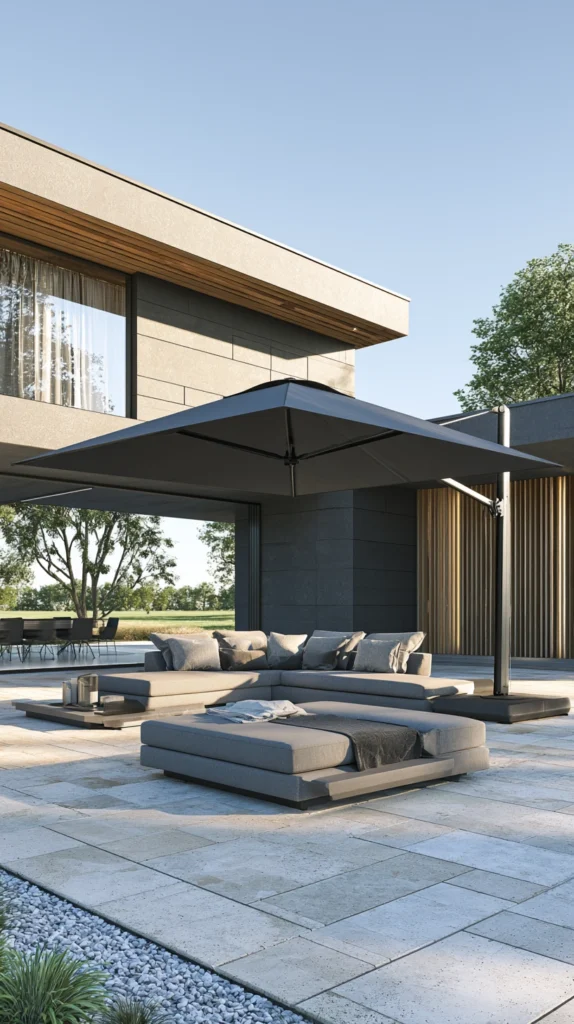
A large cantilever-style umbrella, mounted on a heavy side base rather than through the center of the table, allowing it to extend shade over an area without any central pole interrupting the space.
Why this differs meaningfully from a standard umbrella
The unobstructed-space principle:
- A standard umbrella’s center pole runs directly through the seating or table area, limiting furniture arrangement and creating an obstruction
- A cantilever design moves that pole to the side, freeing the entire shaded area underneath for furniture and movement
- This single design change solves the most common practical complaint about traditional umbrellas while still remaining a relatively simple, movable solution
Best cantilever umbrella choices
- A model with a rotating canopy, allowing it to be adjusted as the sun moves throughout the day
- A heavy, weighted base rated specifically for the canopy’s size, given the increased leverage of the offset design
Budget pick: a basic cantilever umbrella with a weighted base, $150-300 Splurge: a premium cantilever model with a built-in LED lighting ring, $400-900
My cantilever umbrella result
Switching from a standard center-pole umbrella to a cantilever model with a side base completely opened up my patio’s seating arrangement, and being able to rotate the canopy throughout the day finally provided shade that actually tracked the sun.
Cantilever Umbrella Tips
Confirm the base weight matches the canopy size:
- An undersized base on a cantilever design risks tipping, given the increased leverage compared to a standard centered umbrella
- Checking the manufacturer’s specific weight recommendation for the canopy size in use is an important safety step
2. A Retractable Pergola Canopy
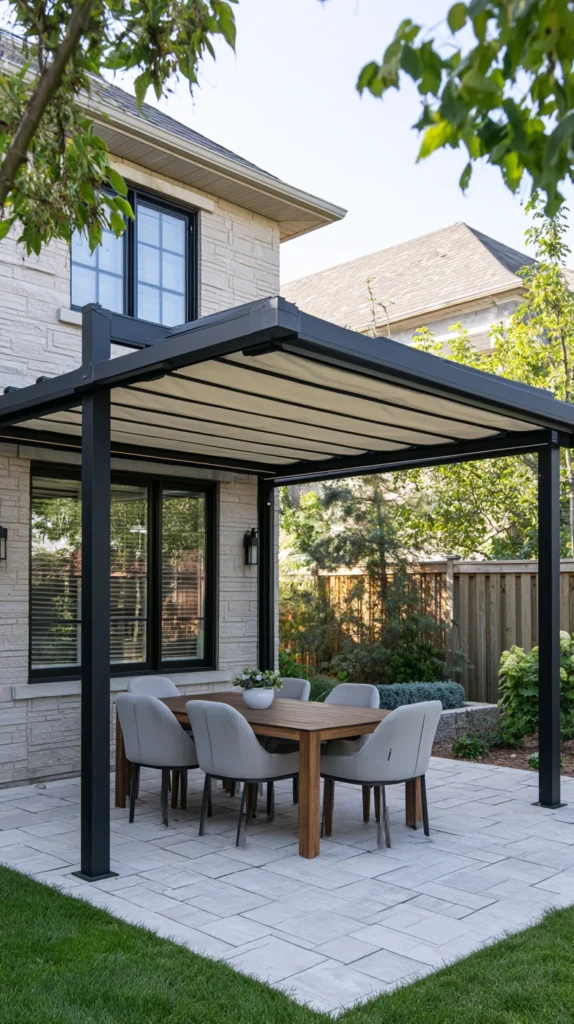
A pergola structure fitted with a retractable fabric or louvered canopy, allowing shade coverage to be adjusted or fully opened depending on conditions.
Why a retractable system solves the all-or-nothing problem
The adjustable-coverage principle:
- A fixed roof structure provides shade but also blocks all light and rain protection equally, regardless of actual conditions
- A retractable canopy allows full sun on a cooler day and full shade on a hot one, adapting to the day’s actual weather rather than committing to one fixed state
- This flexibility makes a pergola with a retractable system considerably more versatile than either a fully open structure or a fully enclosed one
Best retractable pergola options
- A motorized retractable fabric canopy for the easiest day-to-day adjustment
- A manually operated louvered roof system for a lower-cost, no-electrical alternative
Budget pick: a manually adjustable louvered pergola kit, $1,500-3,500 Splurge: a fully motorized retractable pergola system, $4,000-10,000
My retractable pergola result
Installing a manually adjustable louvered pergola over my patio means I can open the slats fully on a mild fall afternoon or close them completely during the hottest part of a summer day, a flexibility no single umbrella or fixed roof could have offered.
Retractable Pergola Tips
Check the structure’s wind rating before finalizing a purchase:
- Retractable systems vary considerably in how much wind they are rated to withstand before needing to be closed
- Confirming this rating against the typical wind conditions in the specific location avoids a structure that requires constant manual closing during normal weather
3. A Sail Shade Stretched Between Anchor Points
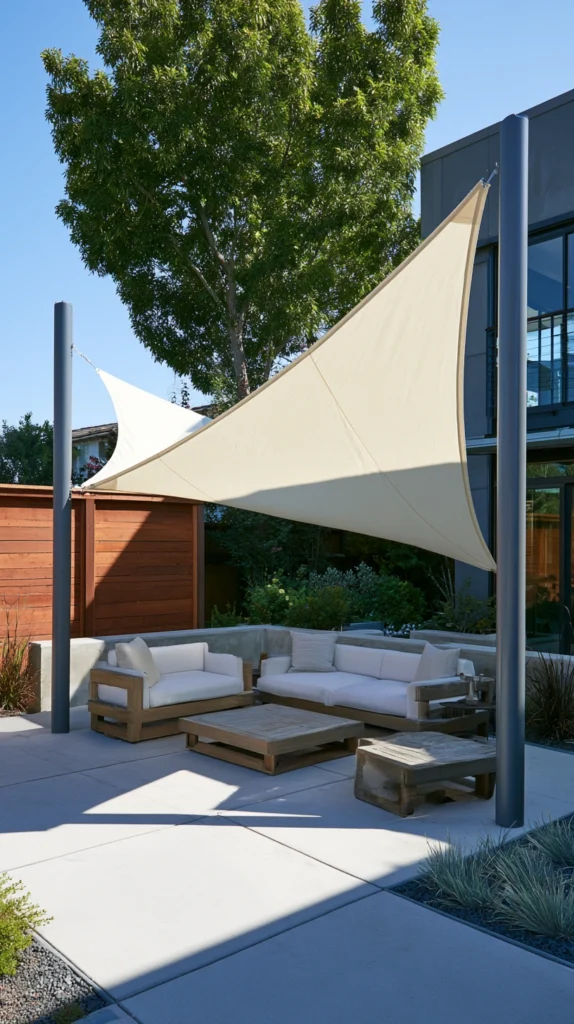
A triangular or rectangular shade sail, stretched taut between two or more fixed anchor points, such as the house, a post, or a tree.
Why a sail shade suits an irregularly shaped outdoor space
The flexible-footprint principle:
- A traditional umbrella or pergola assumes a roughly square or circular coverage area
- A shade sail can be cut and angled to fit an irregular space, stretched between whatever anchor points are actually available in that specific yard
- This makes it one of the more adaptable shade options for an oddly shaped patio, deck, or side yard
Best shade sail setups
- A single large triangular sail, anchored to the house on one side and two posts on the others
- Multiple overlapping sails at different heights and angles for a more dynamic, layered look
Budget pick: a single basic shade sail kit, $80-200 Splurge: a custom-cut commercial-grade sail with professional installation, $500-1,500
My shade sail result
Stretching a single large triangular shade sail between my house and two new posts covered an oddly angled side patio that no standard umbrella or square pergola could have fit properly, and the sail’s clean lines have become one of my favorite design details in the whole yard.
Shade Sail Tips
Tension the sail fully during installation:
- A loosely installed sail will sag, collect water during rain, and flap excessively in wind
- Using a proper turnbuckle or tensioning hardware at each anchor point ensures the sail stays taut and performs as intended
4. A Living Pergola Covered in Climbing Vines
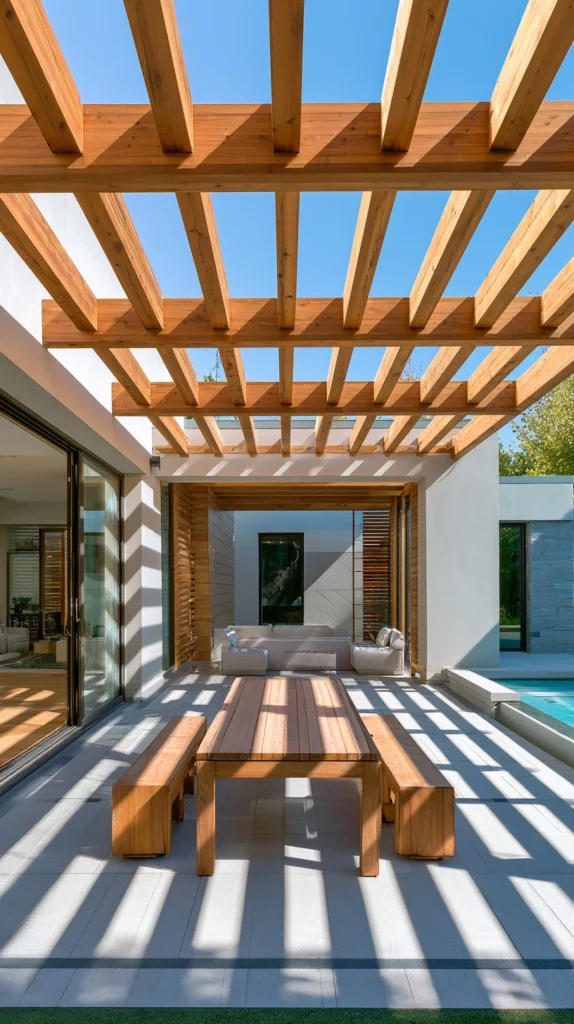
A standard pergola structure, left uncovered by fabric or solid roofing, instead trained with climbing vines to provide natural, living shade overhead.
Why living shade differs meaningfully from any manufactured option
The natural-cooling principle:
- A vine-covered pergola provides shade through actual living leaves, which also contribute a cooling effect through transpiration beyond simply blocking sun
- This option also changes appearance throughout the seasons, offering dense shade in summer and a more open structure in winter once deciduous vines drop their leaves
- The growing process itself becomes part of the yard’s ongoing character, distinct from a static manufactured shade structure
Best climbing vines for this purpose
- Wisteria for dramatic, fragrant spring blooms and dense summer coverage
- Grape vines for both shade and an actual edible harvest
- Climbing hydrangea for a slower-growing, lower-maintenance option
Budget: $200-600 for the pergola structure itself, plus $20-50 per vine for several plants
My living pergola result
Training wisteria over a simple wood pergola frame took two full growing seasons to achieve real coverage, but the resulting living canopy provides shade that feels noticeably cooler than any fabric equivalent, while also giving the yard a completely different character each season.
Living Pergola Tips
Choose vine species appropriate for the structure’s strength:
- Vigorous vines like wisteria can become quite heavy and put significant stress on a lightly built structure over time
- Confirming the pergola’s construction can support the chosen vine’s eventual mature weight prevents structural problems years into the planting
5. A Freestanding Gazebo With Curtain Sides
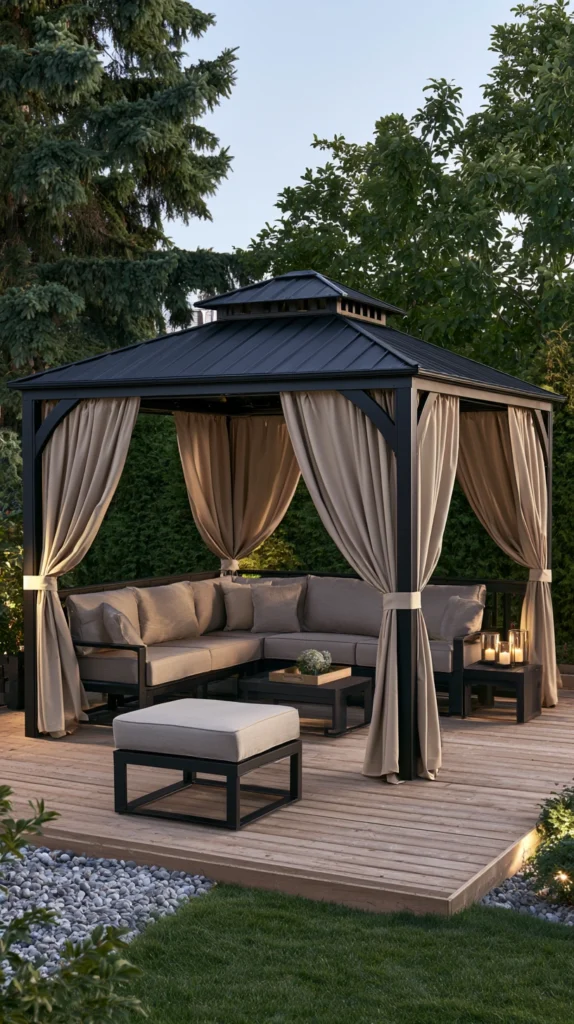
A freestanding gazebo structure, fitted with hanging curtain panels on some or all sides, providing both overhead shade and adjustable side coverage from low-angle sun.
Why side coverage matters as much as overhead shade
The low-angle-sun principle:
- Overhead shade structures address sun directly above but often do nothing for the lower-angle sun common in early morning or late afternoon
- Curtain panels on a gazebo’s sides can be drawn closed specifically when the sun is at this lower angle, addressing a gap that overhead-only structures leave unsolved
- This also adds a sense of enclosure and privacy when desired, beyond the shade function alone
Best gazebo curtain setups
- Lightweight outdoor fabric panels on a simple curtain rod system around the gazebo’s perimeter
- Panels in a color that complements the gazebo’s existing roof and frame
Budget pick: a basic gazebo with simple curtain panels, $300-700 Splurge: a premium gazebo with custom-fitted weather-resistant curtains, $1,200-2,500
My gazebo curtain result
Adding simple curtain panels to two sides of my existing gazebo, the sides that face the lowest afternoon sun, solved a glare and heat problem the overhead roof alone had never addressed, while also giving the space a more enclosed, intentional feeling when fully drawn.
Gazebo Curtain Tips
Choose tieback hardware for quickly opening panels when not needed:
- Curtain panels left closed at all times can make the space feel unnecessarily enclosed when low-angle sun is not actually a concern
- Simple tiebacks allow the panels to be opened or closed quickly depending on the time of day
6. A Tensioned Shade Cloth Over a Simple Post Frame
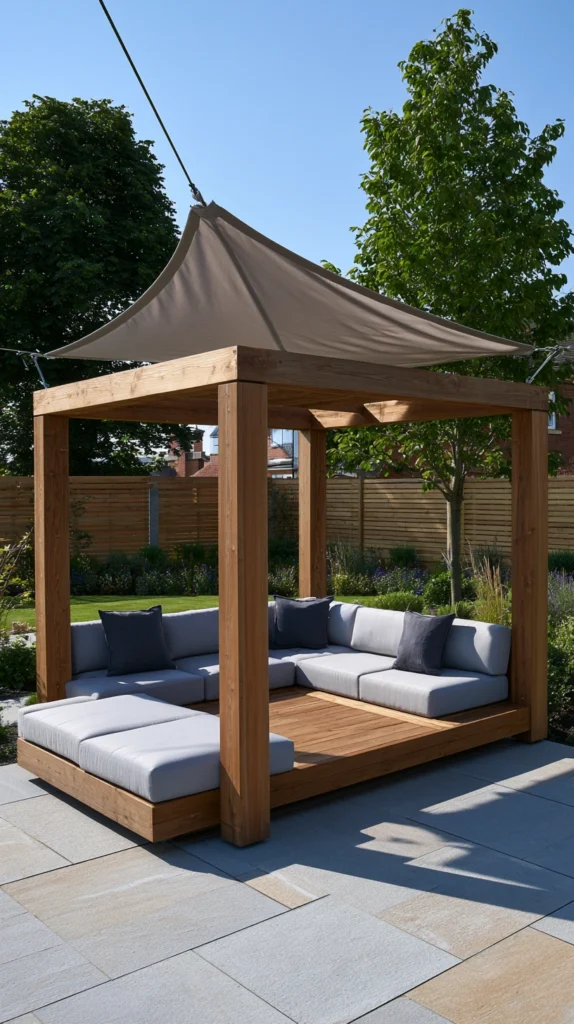
A basic post-and-beam frame, built specifically to support a stretched shade cloth rather than a solid roof, providing dappled rather than full shade.
Why dappled shade suits certain spaces better than full coverage
The partial-light-preference principle:
- Not every outdoor space benefits from full, solid shade; some plants, activities, or simply personal preference call for a softer, partially filtered light instead
- A tensioned shade cloth, similar to material used in commercial greenhouses, provides this dappled effect rather than the complete blockage of a solid roof
- This is also typically one of the more affordable structural shade options, given the simplicity of both the frame and the material itself
Best shade cloth setups
- A 50 to 70 percent density shade cloth for a balance of coverage and light filtering
- A simple cedar or pressure-treated post frame, sized to the specific area needing coverage
Budget: $150-400 for a basic post frame and shade cloth covering a modest patio area
My shade cloth result
Building a simple post frame and stretching a 60 percent density shade cloth over my vegetable garden’s seating nook provided the dappled light my tomato plants actually preferred, while still making the space comfortable to sit in during the hottest part of the day.
Shade Cloth Tips
Choose a cloth density based on the space’s actual purpose:
- A higher density percentage blocks more light and heat but also creates a darker, more enclosed feeling
- Matching the density to the specific use, deep shade for a seating area versus lighter filtering for a garden bed, produces a better result than a one-size-fits-all percentage
7. A Cabana-Style Structure With a Solid Roof and Open Sides
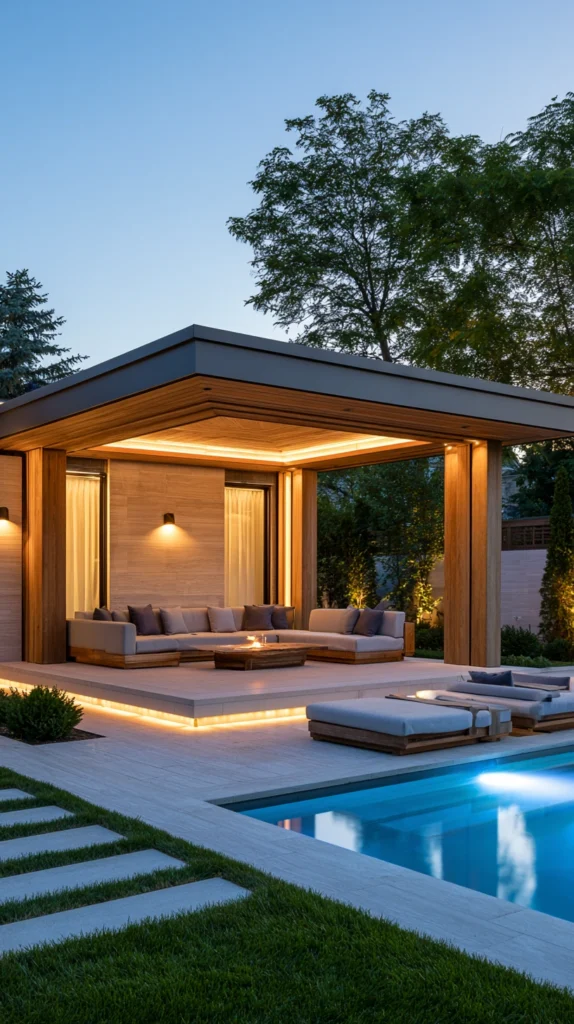
A small, freestanding cabana structure, featuring a solid roof and open or partially open sides, providing dedicated overhead protection without fully enclosing the space.
Why a solid roof outperforms fabric for certain climates and uses
The weather-protection-upgrade principle:
- Fabric shade structures, however well built, generally do not provide meaningful protection from rain, and many degrade faster under constant sun exposure
- A solid roof, whether wood, metal, or composite, handles both sun and rain reliably, extending the structure’s usable season and lifespan considerably
- The open or partially open sides keep airflow and the connection to the surrounding yard, distinguishing this from a fully enclosed room
Best cabana structure choices
- A simple wood-framed cabana with a metal or shingled roof
- A modular cabana kit, allowing for easier assembly than a fully custom-built structure
Budget pick: a modular cabana kit, $1,200-2,500 Splurge: a custom-built cabana with matching house siding and roofing materials, $4,000-9,000
My cabana result
Building a small wood cabana with a shingled roof over my pool seating area means that area stays usable and dry even during an unexpected fall rain shower, something none of my previous fabric shade options had ever provided.
Cabana Tips
Match roofing material to the home’s existing roof if visual cohesion matters:
- A cabana with a noticeably different roof material or color than the main house can look disconnected from the rest of the property
- Choosing matching or complementary roofing material ties the new structure into the home’s existing architecture
8. A Series of Strategically Planted Shade Trees
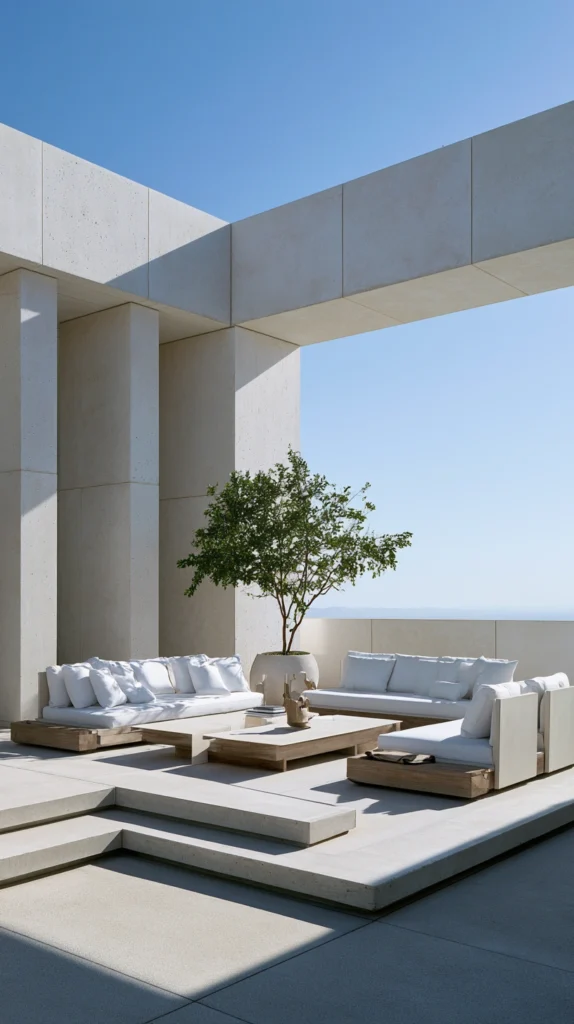
Deciduous shade trees, planted in specific locations calculated to provide shade exactly where and when it is needed most, based on the sun’s seasonal path.
Why this is the longest-term but most complete shade solution
The decades-long-investment principle:
- Every other idea on this list provides shade relatively quickly but requires a manufactured structure of some kind
- Strategically planted trees, chosen and positioned based on actual solar path calculations, eventually provide the most natural, complete, and maintenance-free shade available
- Deciduous varieties specifically offer the added benefit of dropping leaves in winter, allowing welcome sun back into the same space during colder months
Best shade tree choices and placement
- Fast-growing varieties like red maple or tulip poplar for quicker results
- Placement on the west and southwest sides of a patio or window, where afternoon sun is typically most intense
Budget: $50-300 per tree depending on size and species, with a multi-year wait for full shade benefit
My shade tree result
Planting two red maples on the southwest side of my patio five years ago has finally started providing real afternoon shade this year, and unlike any structure I could have built, the trees also drop their leaves each winter to let welcome sun back into that same space.
Shade Tree Tips
Research mature size and root spread before planting near structures:
- A tree planted too close to a patio, foundation, or septic system can cause problems years after the initial planting decision
- Checking a specific species’ mature height, canopy spread, and root behavior before choosing a final location prevents costly issues down the line
9. A Modular Shade Panel System on a Track
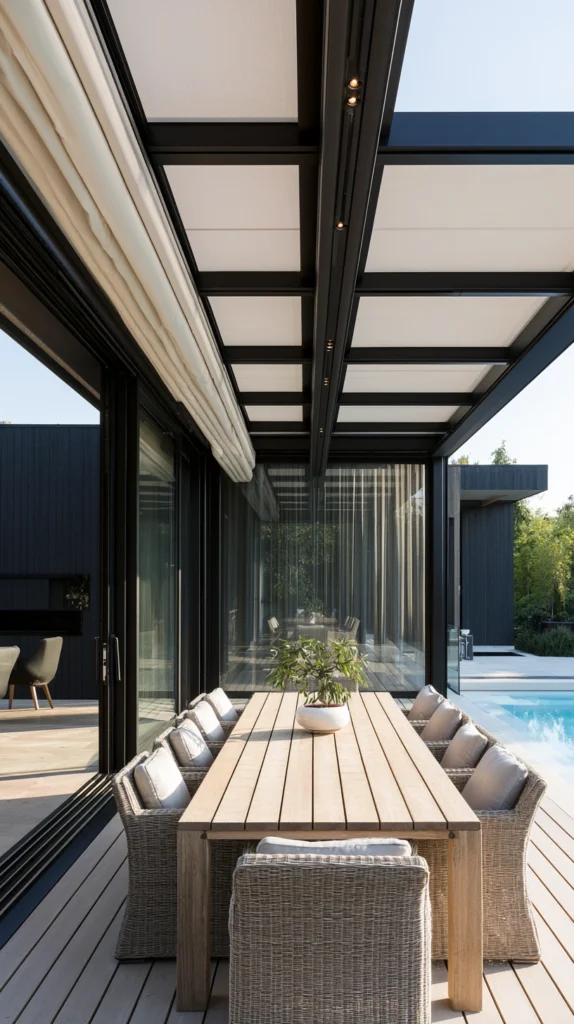
A series of sliding shade panels, mounted on an overhead track, allowing the amount and position of shade to be adjusted by sliding panels open or closed.
Why a track system offers more precise control than a fixed structure
The precision-adjustment principle:
- A fixed roof or canopy provides one set amount of coverage regardless of the sun’s specific position at any given moment
- A track-mounted panel system allows shade to be concentrated exactly where needed, sliding panels to follow the sun’s movement throughout the day
- This level of adjustability suits a household that uses an outdoor space consistently throughout long days and wants shade that genuinely tracks with them
Best track panel system choices
- A simple aluminum track with two to four sliding fabric panels
- A motorized track system for easier adjustment without manual sliding
Budget pick: a basic manual sliding panel system, $400-900 Splurge: a motorized track system with remote control, $1,500-3,500
My track panel result
Installing a simple sliding panel track over my deck lets me concentrate shade exactly where my family is sitting at any given time of day, repositioning panels in seconds rather than needing to move furniture or wait for a fixed structure’s shadow to shift naturally.
Track Panel Tips
Lubricate the track periodically for smooth sliding:
- Outdoor tracks can accumulate dust, pollen, and debris that make sliding panels stick over time
- A simple periodic cleaning and light lubrication keeps the panels moving smoothly throughout the season
10. A Bamboo or Reed Privacy and Shade Screen
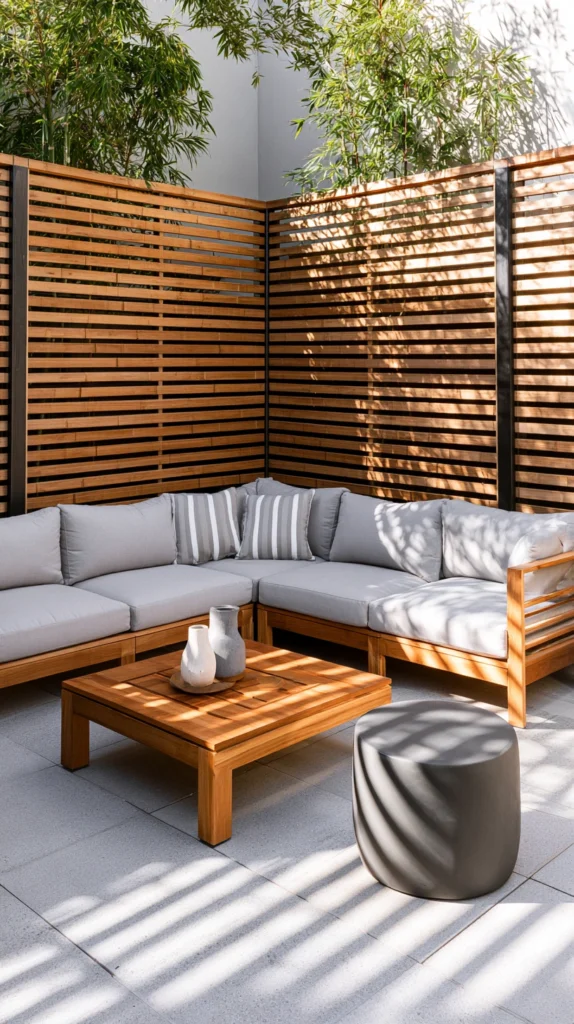
A rolled bamboo or reed screen, mounted overhead or along one side of a seating area, providing both shade and a natural material aesthetic.
Why this option suits a more casual, natural-leaning outdoor style
The natural-material-affordability principle:
- Bamboo and reed screens provide a genuinely natural material aesthetic at a considerably lower cost than most built wood or metal structures
- Mounted overhead, they function similarly to a shade cloth but with a more textured, organic visual quality
- This option also doubles easily as a privacy screen along one side of a space, addressing two needs with one material choice
Best bamboo and reed screen setups
- A simple rolled bamboo screen, mounted overhead on basic hardware
- A reed screen used vertically along one side, paired with a separate overhead solution from elsewhere on this list
Budget: $40-90 for a quality rolled bamboo or reed screen
My bamboo screen result
Mounting a simple rolled bamboo screen overhead on my small side patio provided both shade and a natural textured look for a fraction of the cost of any built structure, and pairing it with a vertical reed screen along one side added privacy from a neighboring yard at the same time.
Bamboo Screen Tips
Choose a screen treated for outdoor durability specifically:
- Some bamboo and reed products are intended for indoor decorative use only and will degrade quickly outdoors
- Confirming the product is rated for outdoor exposure before purchasing prevents an early, disappointing failure
11. A Repurposed Sailboat Boom Tent as Patio Shade
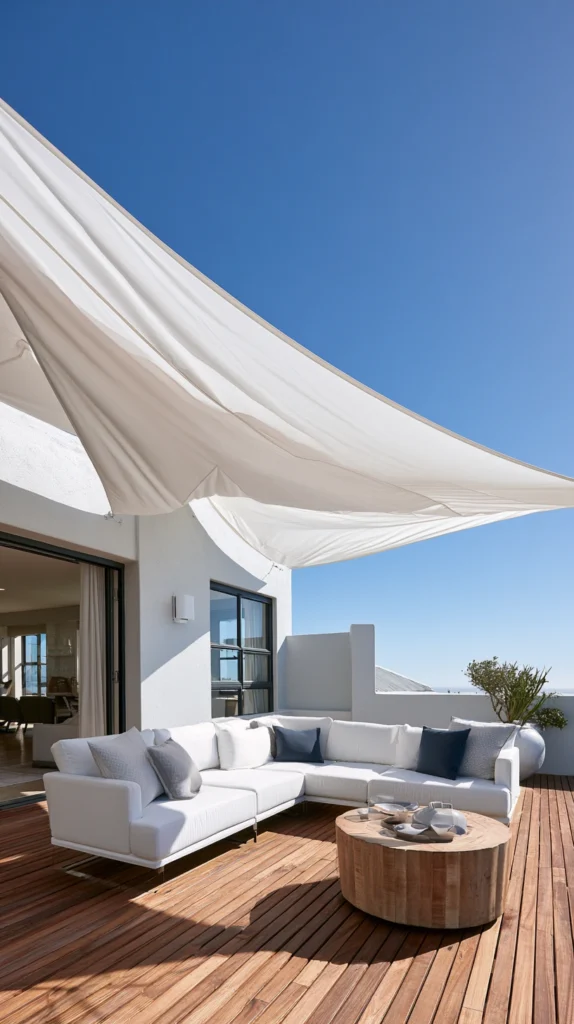
A boom tent, originally designed for sailboat cockpit shade, repurposed as an unconventional overhead shade structure for a smaller patio or deck area.
Why this unconventional option suits a smaller, more casual space
The repurposed-marine-gear principle:
- Boom tents are specifically engineered to be lightweight, weather-resistant, and quick to set up and break down, qualities equally useful on land
- This option suits a smaller patio or deck particularly well, given the typically modest size of most boom tents relative to a full backyard structure
- It also tends to be considerably more affordable than purpose-built outdoor shade structures of a similar size, since boom tents are a smaller, more specialized market
Best boom tent setups
- A used boom tent, sourced secondhand from a marine consignment shop or online marketplace
- Mounted using simple ridge line and stake hardware similar to its original sailboat application
Budget: $40-100 for a secondhand boom tent, depending on size and condition
My boom tent result
Repurposing a secondhand sailboat boom tent over my small deck provided surprisingly effective, lightweight shade for a fraction of what a comparably sized purpose-built structure would have cost, and setting it up took less than twenty minutes using its original simple hardware.
Boom Tent Tips
Check the tent’s actual dimensions against the intended deck or patio space:
- Boom tents vary considerably in size depending on the original boat they were designed for
- Measuring the intended outdoor space and comparing it against the specific tent’s dimensions before purchasing avoids an awkward fit
12. A Steel Pipe and Canvas A-Frame Shade Structure
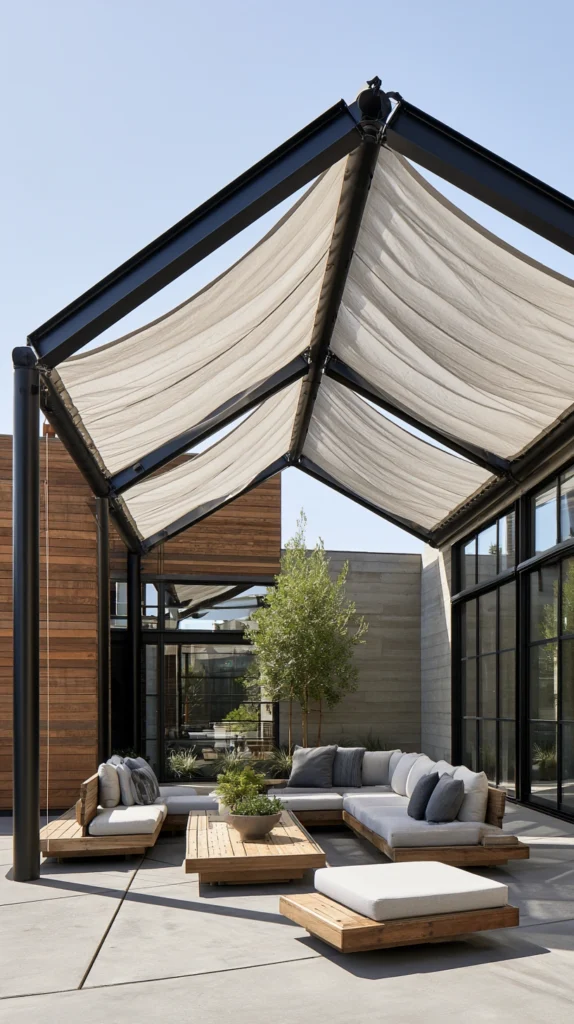
A simple A-frame structure, built from steel pipe fittings and a stretched canvas top, offering an industrial-leaning alternative to a traditional wood pergola.
Why steel pipe construction suits a more modern or industrial aesthetic
The material-style-alignment principle:
- Most built shade structures default to wood framing, which suits a traditional or farmhouse aesthetic but not every home’s style
- Steel pipe fittings, widely available and relatively simple to assemble without specialized woodworking skills, provide a cleaner, more industrial-leaning alternative
- A stretched canvas top over this frame continues that same clean, modern material language
Best steel pipe A-frame setups
- Threaded steel pipe fittings, available at most hardware stores, assembled into a simple A-frame
- A canvas or heavy-duty outdoor fabric top, grommeted and tied to the frame’s ridge and side rails
Budget: $150-350 for the steel pipe components and a canvas top, depending on size
My steel pipe result
Building a simple A-frame structure from threaded steel pipe and a stretched canvas top gave my modern-leaning backyard a shade solution that matched the home’s clean architectural lines far better than a traditional wood pergola would have.
Steel Pipe Tips
Apply a rust-inhibiting finish to any exposed threaded pipe:
- Standard steel pipe fittings are prone to rust with regular outdoor moisture exposure
- A simple rust-inhibiting paint or clear protective coating extends the structure’s lifespan considerably
13. A Floating Shade Canopy Suspended Between Trees
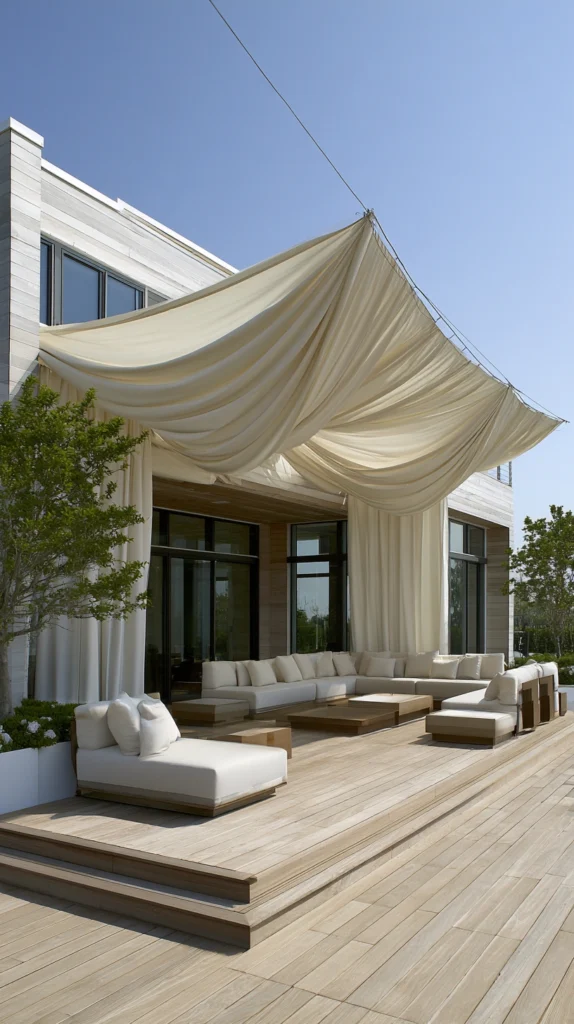
A large piece of outdoor fabric, suspended hammock-style between two or more existing trees, creating a floating overhead shade canopy without any built structure at all.
Why this suits a yard with mature trees already in place
The use-what-exists principle:
- A yard with two or more well-placed mature trees already has the structural anchor points a shade sail or canopy needs, without requiring any new posts or built framework
- This option also tends to be the lowest-cost solution on this entire list, since the trees themselves serve as the primary structure
- The slightly irregular, organic placement between trees also tends to suit a more relaxed, naturalistic yard better than a precisely engineered built structure
Best floating canopy setups
- A simple rectangular outdoor fabric panel, grommeted at the corners and tied to tree trunks or sturdy branches
- A more elaborate suspended canopy with a slight peak, using a center support rope for added height and water runoff
Budget: $30-70 for the fabric panel and basic rope or strap hardware
My floating canopy result
Suspending a large rectangular canvas panel between two mature oaks in my backyard created an instant shaded gathering spot using structure that was already standing there, for less than the cost of a single nice umbrella.
Floating Canopy Tips
Use tree-safe strapping rather than rope tied directly around the bark:
- Rope tied directly and tightly around a tree trunk can damage the bark and restrict growth over time
- Wide, flat tree-safe straps distribute pressure more evenly and avoid this kind of damage
14. A Pop-Up Shade Structure for Temporary or Rotating Use
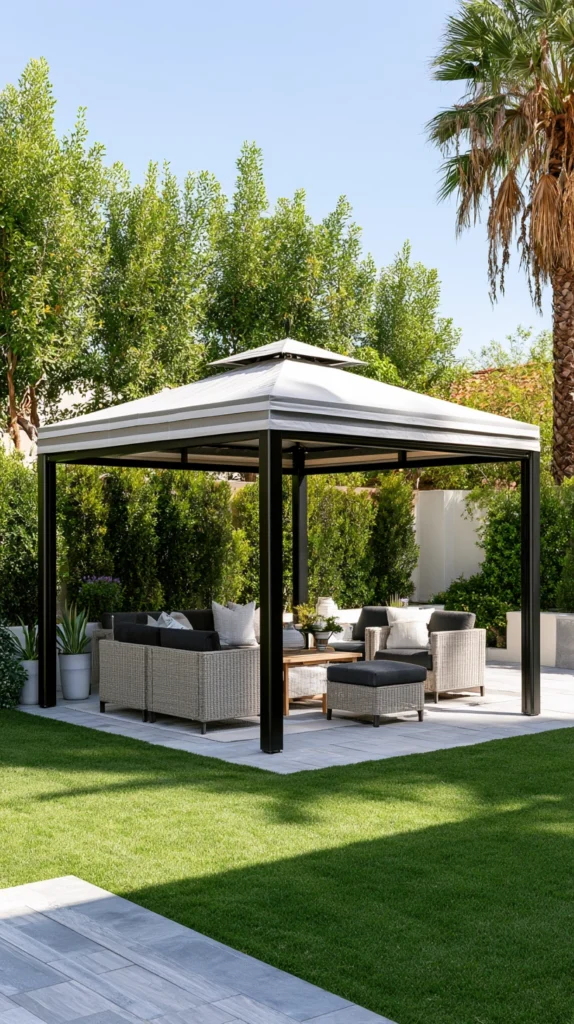
A high-quality pop-up canopy tent, used specifically as a flexible, repositionable shade solution rather than committing to one fixed location.
Why a temporary structure can outperform a permanent one in certain situations
The flexibility-over-permanence principle:
- Not every yard or every use case calls for a permanent structure; sometimes the sun’s best shade spot shifts seasonally, or the space gets used differently depending on the event
- A quality pop-up structure can be moved to wherever shade is actually needed on a given day, then broken down and stored when not in use
- This flexibility suits anyone hosting varied outdoor gatherings, where the ideal shade location might differ from one event to the next
Best pop-up structure choices
- A commercial-grade pop-up canopy with a sturdy steel frame, rather than a lightweight consumer version
- A model with adjustable height and side wall attachment options for added versatility
Budget pick: a basic consumer pop-up canopy, $80-180 Splurge: a commercial-grade pop-up structure built for repeated outdoor use, $300-600
My pop-up structure result
Investing in one commercial-grade pop-up canopy, rather than a flimsier consumer version, gave me a shade structure I can move anywhere in the yard depending on the specific gathering, and it has held up to repeated setup and breakdown far better than the cheaper version I previously owned.
Pop-Up Structure Tips
Choose a structure rated for actual wind exposure, not just sun:
- Many lower-cost pop-up canopies are not rated for any meaningful wind and can tip or become damaged in a moderate breeze
- Checking the specific wind rating, and adding proper stakes or weighted legs, makes a real difference in how reliably the structure performs
15. A Fully Combined Layered Shade System
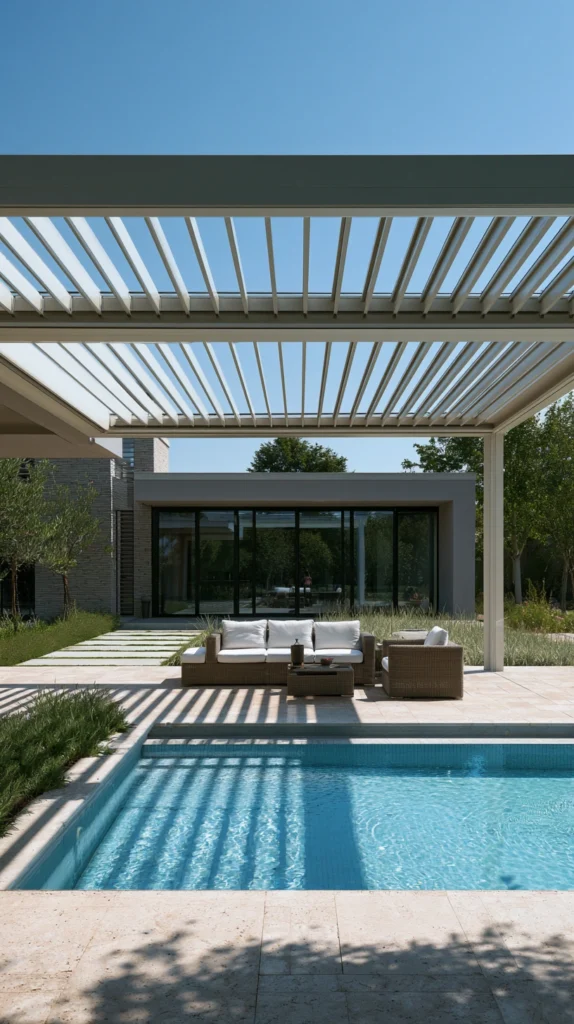
Combining a fixed structure like a pergola or cabana, a flexible sail or panel for shifting sun angles, and natural elements like trees or vines into one complete, multi-method shade approach.
Why combining several shade methods outperforms relying on just one
The complete-coverage philosophy:
- Several of the ideas on this list (a fixed structure, an adjustable sail or panel, natural tree or vine shade) each address different parts of the day, different weather conditions, and different specific spots within a larger yard
- Relying on just one method, however well chosen, leaves the rest of the yard and the rest of the day’s sun path unaddressed
- This is the most complete and most genuinely reliable version of an outdoor shade plan on this list, suited to anyone who spends significant time outdoors across a full day and a full season
How the combination works together
The fixed structure (the dependable core):
- Provides consistent, weather-resistant shade for the primary seating or gathering area regardless of conditions
The adjustable sail or sliding panel (the flexible supplement):
- Covers the gaps a fixed structure leaves during low-angle morning or evening sun
Trees, vines, or a floating canopy (the natural layer):
- Adds shade to secondary areas of the yard without requiring built structure everywhere
Building the full combined system
- Start with one fixed structure, such as a cabana or pergola, over the primary gathering space
- Add an adjustable sail or sliding panel system to address low-angle sun gaps
- Plant shade trees or train climbing vines for longer-term, lower-maintenance coverage elsewhere in the yard
- Adjust and add elements gradually as trees mature and actual use patterns become clearer over multiple seasons
Budget: $1,500-6,000 for a fully combined system, depending heavily on which specific structures and how much planting are included
My fully combined result
Combining a cabana over my main patio, a sliding panel system to catch the late afternoon sun gap, and two young shade trees still maturing on the yard’s west side has given me genuinely reliable shade across the entire day and across multiple different parts of the yard, something no single umbrella or even one larger structure had ever fully achieved on its own.
Full System Tips
Treat tree planting as a long-term complement, not the immediate solution:
- Trees take years to provide meaningful shade, so they should supplement rather than replace a more immediate structural solution
- Planning for both the immediate structure and the eventual tree canopy from the start avoids a multi-year gap in usable shade
Choosing Your Shade Structure Approach
By how permanent a solution is wanted:
- Fully temporary or repositionable: pop-up structure (idea 14), floating canopy between trees (idea 13)
- Fully permanent: cabana (idea 7), retractable pergola (idea 2), shade trees (idea 8)
By yard style:
- Modern or industrial: steel pipe A-frame (idea 12), track panel system (idea 9)
- Natural or relaxed: bamboo screen (idea 10), living vine pergola (idea 4), floating canopy (idea 13)
By budget level:
- Lower budget: floating canopy between trees (idea 13), bamboo screen (idea 10), boom tent (idea 11)
- Moderate budget: cantilever umbrella (idea 1), shade sail (idea 3), shade cloth frame (idea 6)
- Higher budget: retractable pergola (idea 2), cabana (idea 7), fully combined system (idea 15)
The non-negotiable rules across every option:
Always:
- Check wind and weight ratings for any structure before relying on it in actual outdoor conditions
- Consider the sun’s full daily and seasonal path, not just its position at one specific moment, when planning placement
- Use proper anchoring or tensioning hardware for any fabric-based shade solution
Never:
- Tie rope directly and tightly around a living tree trunk for any suspended shade structure
- Assume a lightweight consumer-grade structure will perform the same as a commercial-grade one in real wind conditions
- Plant a fast-growing or large-mature-size tree without first checking its eventual spread against nearby structures
Remember: real outdoor shade is structure built or chosen around the sun’s actual path and the space’s actual shape, not one umbrella expected to solve every condition at once, and the yards with genuinely reliable shade are usually the ones combining more than one method rather than depending on a single object.