
14 Old Money Summer Home Decor Ideas That Feel Effortlessly Luxe
Old money style has never been about display. It is about the specific quality of ease that comes from generations of living well — the worn leather armchair that was not purchased to look distinguished but became so through forty years of use, the linen slipcover that has been washed so many times it has achieved a softness that nothing new can replicate, the silver candlestick that sits on the dining table not because it was placed there decoratively but because it has always been there.
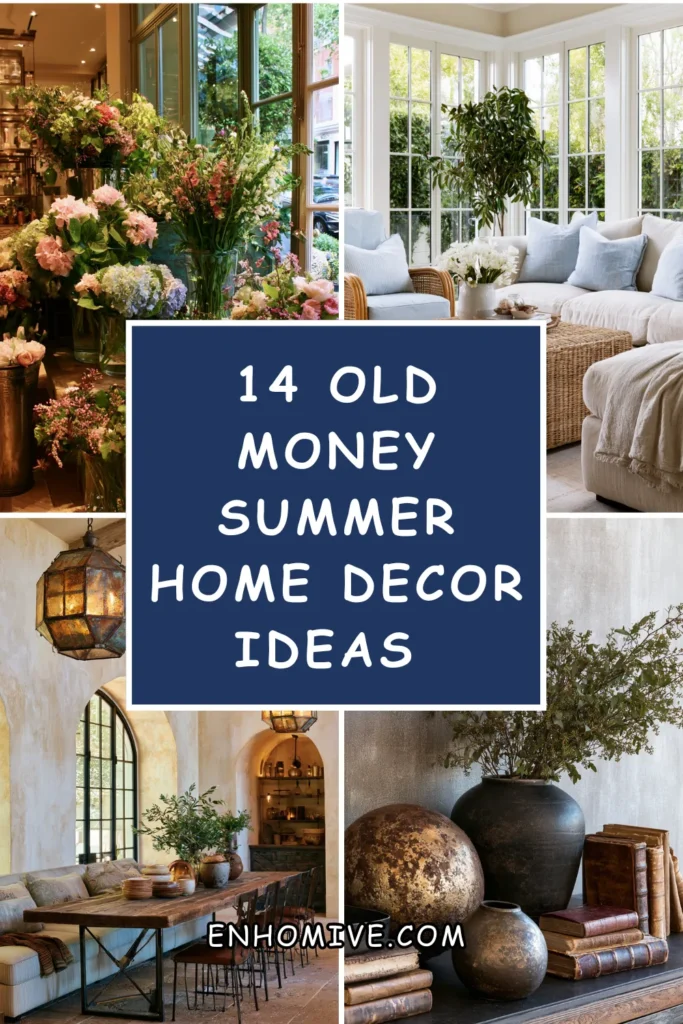
The old money summer home is the residential aesthetic that most completely captures this quality — a space that feels simultaneously luxurious and entirely unpretentious, expensive in material but indifferent to the appearance of expense, decorated not through the act of decorating but through the accumulated evidence of a life lived with genuine taste and genuine comfort over a long period of time.
The Amalfi-meets-minimalism aesthetic takes the warmth, the natural materials, and the sun-drenched colour palette of the Mediterranean coastal tradition and strips away everything decorative that does not earn its place. These fourteen ideas translate the old money summer aesthetic into practical, achievable decor decisions — each one built on the principles of quality over quantity, age over newness, and effortless comfort over deliberate impression.
1. Invest in Linen Slipcovers for Every Upholstered Piece
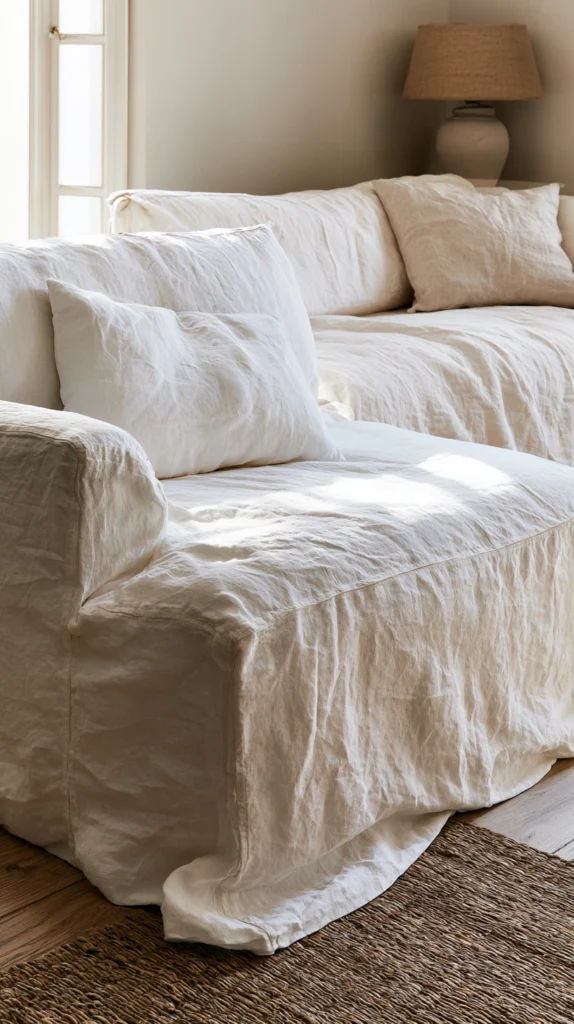
The linen slipcover — loose-fitted, slightly imprecise, washed to a softness that new fabric cannot achieve — is the upholstery treatment that most completely defines the old money summer interior and that most clearly distinguishes genuine ease from its imitation. A sofa in a perfectly tailored, unwrinkled fabric reads as new, as purchased, as trying.
The same sofa in washed Belgian linen that pools slightly at the feet and creases naturally at the seat reads as belonging to the room in the way that only time creates. Wash the slipcovers frequently, resist the impulse to iron them, and allow the fabric to develop the relaxed, lived-in quality that is not a flaw in this aesthetic but its entire point.
2. Use Faded Antique Rugs on Every Floor
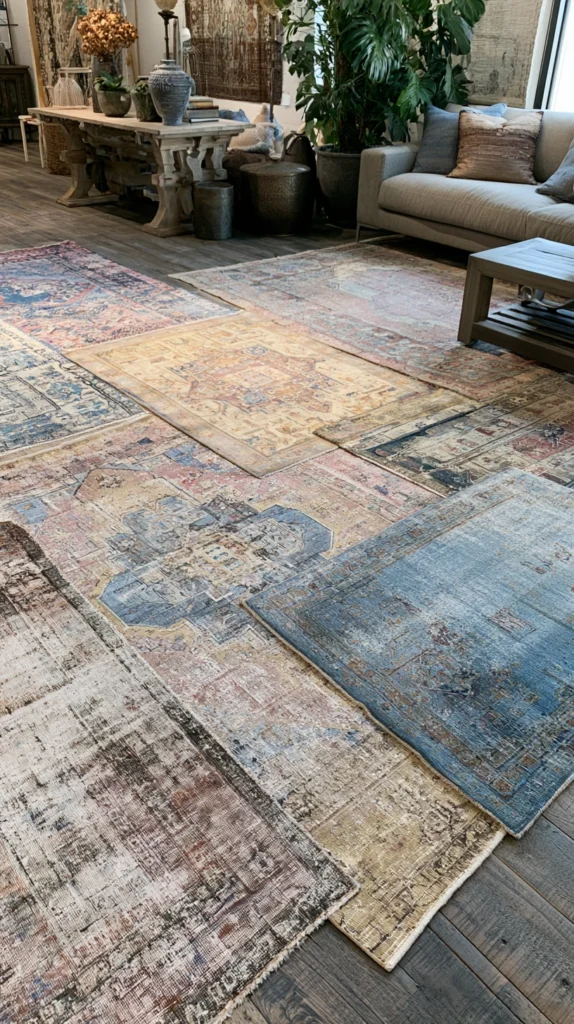
The antique rug — Persian, Turkish, or Oushak, its colours faded by decades of light and use to a soft, bleached palette of dusty rose, warm ivory, faded indigo, and sage — is the floor treatment that carries more old money authority than any new purchase at any price point.
The fading is not deterioration but transformation, the process by which a good rug becomes a great one, its colours settling into the particular harmony that only time and light together produce. Layer them on timber floors, allow their edges to curl slightly without anxiety, and if they are worn through in places, leave them — the wear is evidence of genuine use, which is the quality that makes antique rugs so irreplaceable in this aesthetic.
3. Display Inherited or Antique Objects Without Styling Them
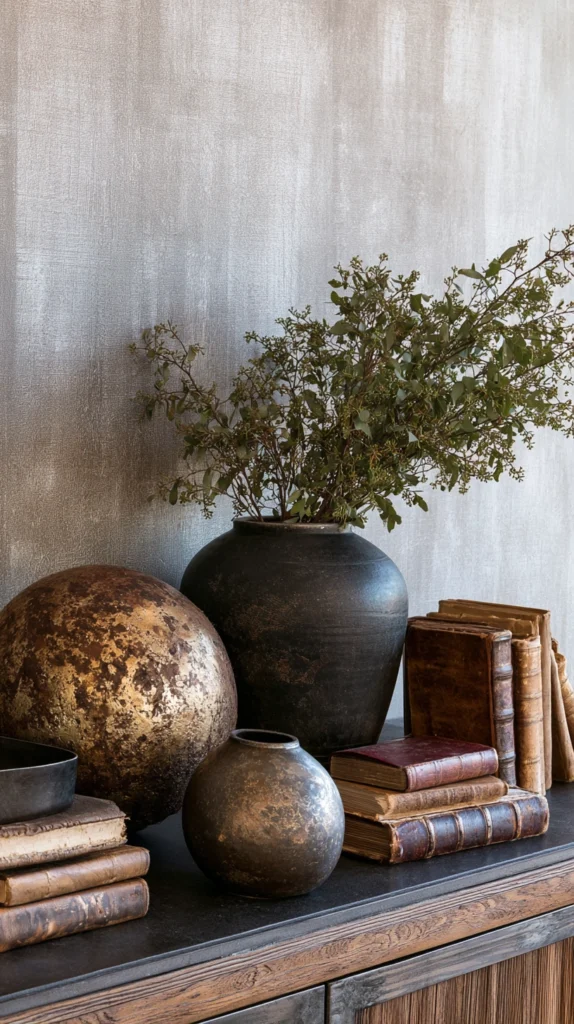
The old money interior is populated with objects that were not chosen for their decorative function but that have become decorative through the simple fact of having always been there — the brass barometer on the hallway wall, the collection of horn-handled cutlery in the kitchen drawer, the tortoiseshell frames on the mantelpiece, the leather-bound books on the library shelf that were read rather than purchased for their spines.
Display these objects — or their antique equivalents sourced from estate sales and auction houses — without the self-consciousness of deliberate styling, placed as though they arrived in their positions naturally and were never reconsidered. The arrangement that looks uncontrived is always more convincing than the arrangement that looks composed.
4. Choose a Palette of Faded, Bleached, and Sun-Washed Tones
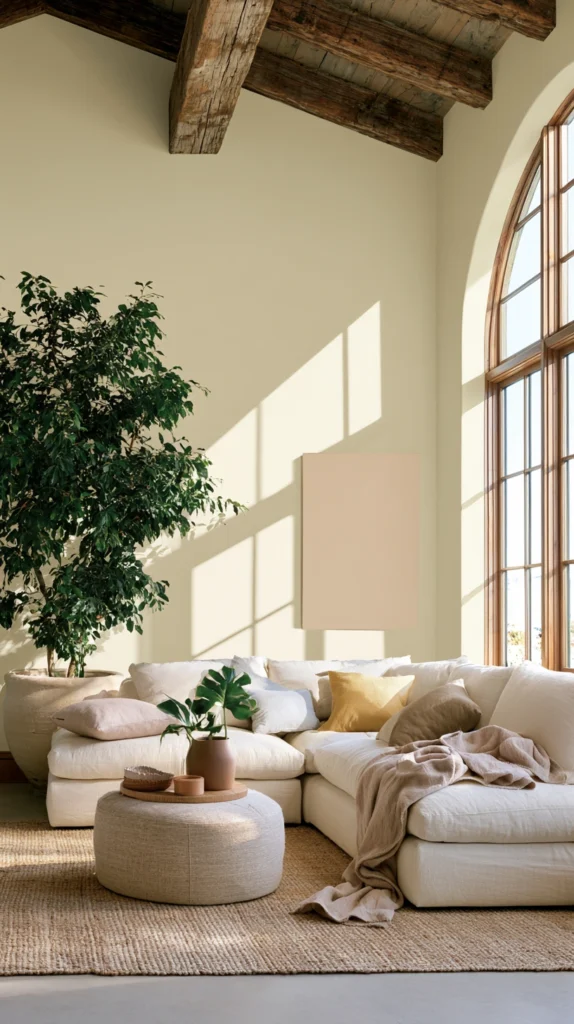
The colour palette of the old money summer home is the palette of things that have spent years in the sun — bleached linens, faded chintz, sun-washed timber, the particular pale gold of aged brass, the soft white of old painted woodwork that has yellowed imperceptibly toward cream.
Build the room’s palette from these tones — warm ivory, dusty sage, faded rose, pale aqua, weathered navy — always in their most sun-bleached, desaturated versions rather than their fresh, saturated originals. New paint in these colours achieves the palette; genuinely aged materials achieve the atmosphere. Use both, in the understanding that the aged materials do the heavier atmospheric work.
5. Keep the Library Genuinely Read
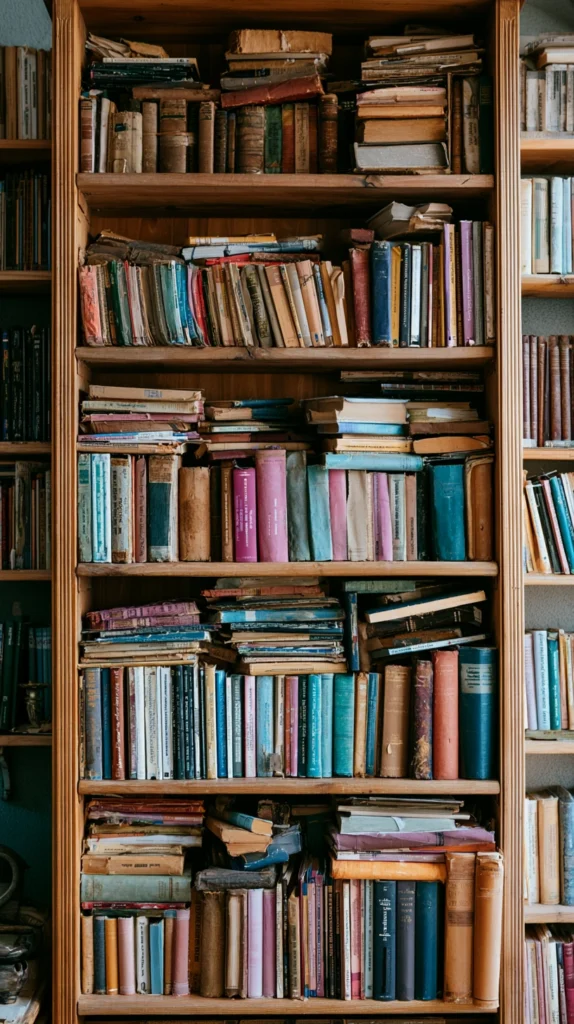
A bookshelf in an old-money summer home is not a styled object — it is a library, populated with books that were actually read, in no particular order, their spines faded and their pages marked with the evidence of genuine engagement.
The books that look best on old money shelves are the ones that look worst on styled shelves — paperbacks with broken spines, hardcovers with water-damaged jackets, books stacked horizontally because the shelf ran out of vertical space, a pressed flower fallen from between pages and never retrieved.
Remove the matching sets of leather-bound decorative volumes purchased specifically for their appearance, and replace them with the books that are actually read in this house — the result will be simultaneously more authentic and more beautiful.
6. Use Rattan and Cane Furniture for Every Outdoor and Transitional Space
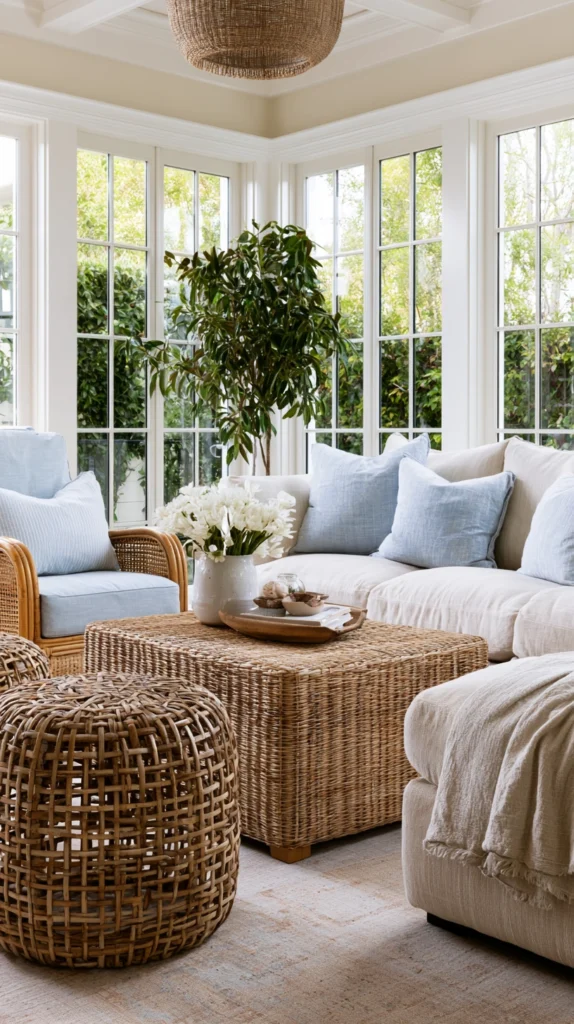
Rattan and cane — their natural material warmth, their associations with long colonial summers and unhurried coastal living, their ability to age gracefully rather than deteriorating — are the furniture materials most naturally associated with old money summer living and the ones that contribute most effortlessly to the aesthetic’s quality of relaxed, established luxury.
A rattan sofa on the porch with faded linen cushions, a cane-backed dining chair around a bleached timber table, a rattan daybed on the terrace with a single cotton throw: each of these configurations reads as genuinely old money in a way that more deliberately luxurious furniture choices frequently do not. The material’s age-appropriateness — its tendency to become more beautiful rather than less with years of outdoor use — is the quality that makes it perfect for this aesthetic.
7. Install Aged Timber or Stone Floors and Leave Them Alone
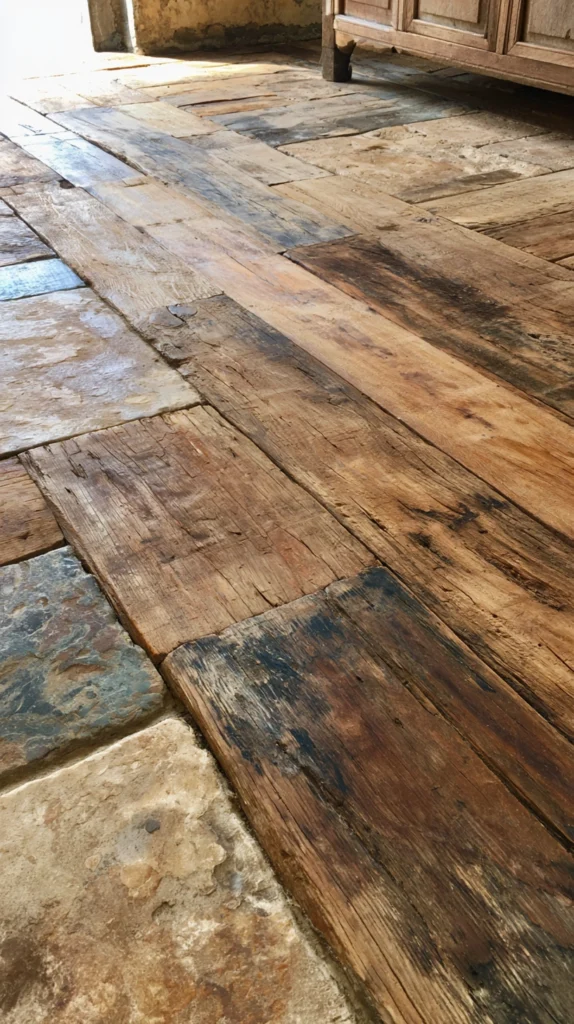
The floor of the old money summer home is aged timber — wide planks of oak or pine, slightly uneven, their grain raised by years of cleaning and their surface marked by the accumulated evidence of heavy use — or large-format stone, its surface worn smooth at the points of greatest traffic and its grout lines darkened by time.
Both of these floor surfaces share the quality of having been improved rather than diminished by use, and both require the same design treatment: leave them alone. Do not sand, refinish, or restore aged timber floors to a new condition. Do not bleach or pressure-clean worn stone back to its original colour. The patina is the value — protecting it is the correct maintenance decision and the correct design decision simultaneously.
8. Hang Portraits and Landscapes in Mismatched Frames
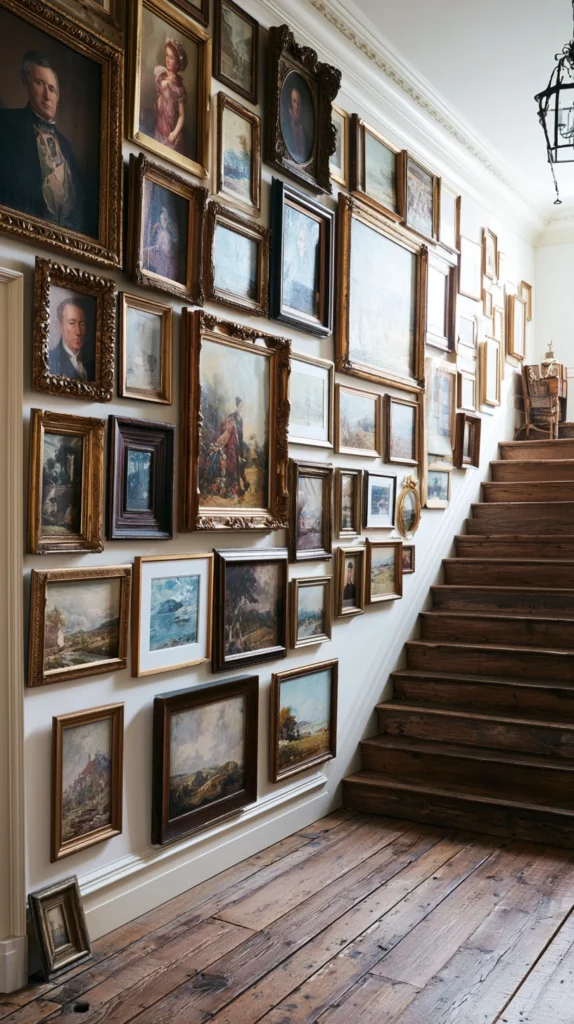
The art in an old money summer home is hung the way art accumulates over generations rather than the way it is curated for a designed interior — portraits of people who may or may not be known to the current occupants, landscapes of places that may or may not be recognisable, all in frames of varying age, size, and style that were chosen at different times for different reasons and that have achieved a collective coherence simply through proximity and time.
Source portraits and landscapes from auction houses, estate sales, and antique dealers — they need not be by known artists or of identifiable subjects, only of genuine age and genuine quality in their execution. Hang them at varying heights, in their existing frames, without the interventions of a gallery-style arrangement.
9. Set the Table With Mismatched China and Inherited Silver
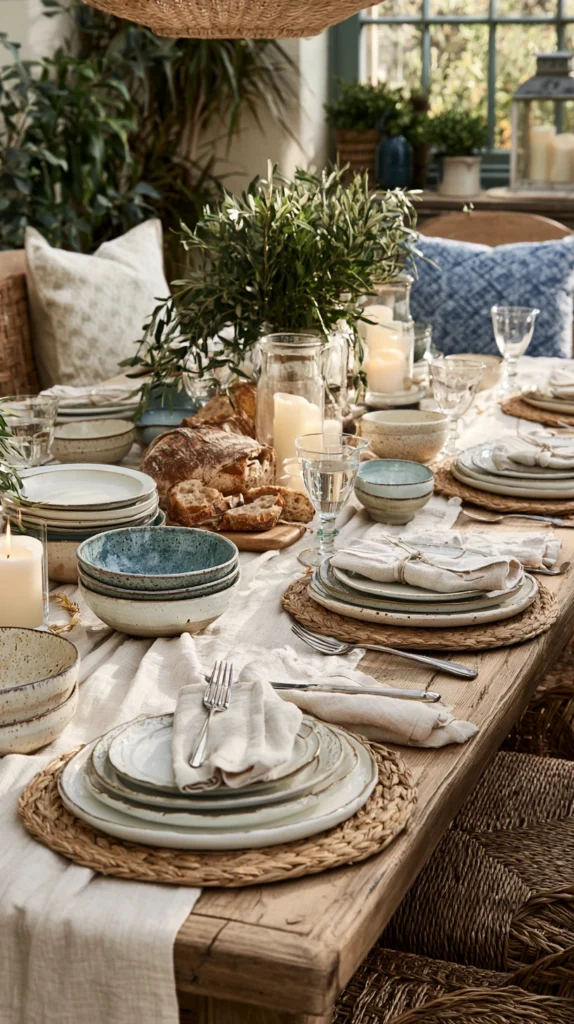
The old money dining table is set with china that does not quite match — inherited pieces from different services, supplemented over the years with individual finds from antique markets and house sales, the whole collection unified by a general quality of age and craftsmanship rather than by a common pattern or manufacturer.
Silver candlesticks of different heights, a silver serving dish that has been polished irregularly and shows it, linen napkins in slightly different shades of white from different years of purchase: the beautiful imprecision of the old money table setting is the result of genuine accumulation rather than deliberate curation.
Recreate it by sourcing single pieces of good antique china, mixing them without anxiety, and serving from them as though they have always belonged together — because in the old money aesthetic, they have.
10. Choose Lighting Fixtures That Look Found Rather Than Purchased
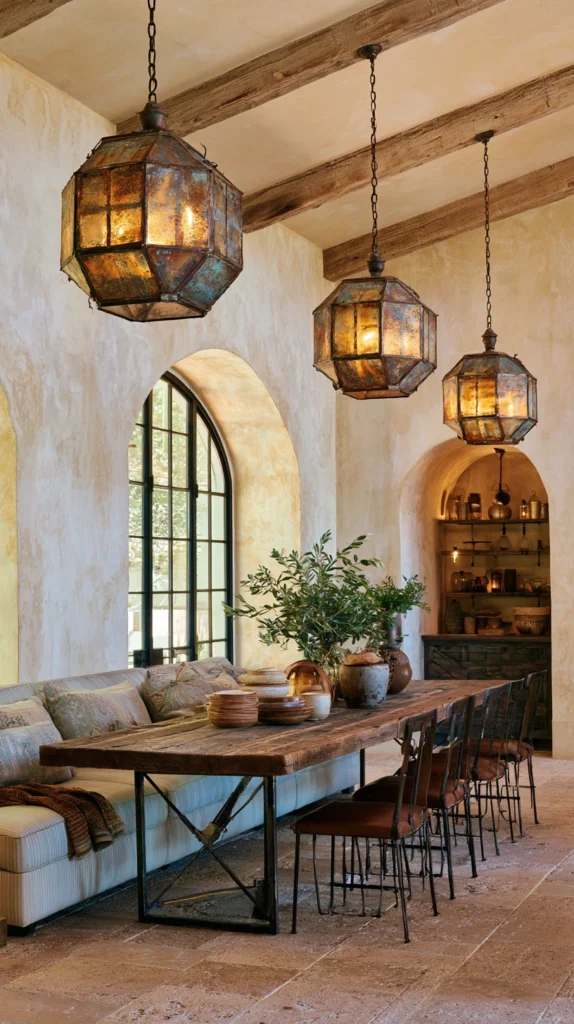
A pendant light that looks as though it was converted from an oil lamp, wall sconces in aged brass that have never been lacquered and have patinated to a warm, dark gold, a table lamp in a ceramic base of obvious age with a slightly yellowed linen shade: these are the lighting fixtures that carry old money authority, and they are found rather than purchased — in antique shops, at estate sales, in the storage rooms of country houses being cleared.
The fixture that looks deliberately chosen for its aged appearance is always less convincing than the fixture that is genuinely aged, but a quality antique shop reproduction in unlacquered brass with a natural linen shade is a perfectly serviceable substitute when the genuine article is unavailable.
11. Use Navy, Forest Green, and Faded Coral as Accent Colours
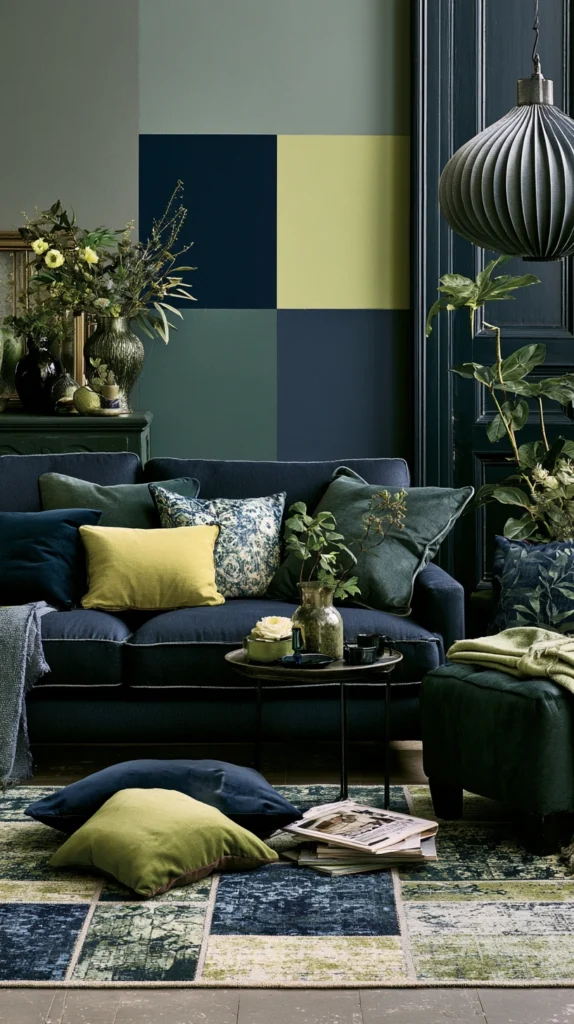
The accent colours of the old money summer home are the colours of traditional coastal and country house interiors — deep navy, forest or bottle green, faded coral, dusty rose, warm burgundy — always in their most muted, most sun-washed versions rather than their fresh, saturated originals.
A navy linen cushion faded slightly at the seams, a bottle green painted door whose finish is slightly chalky with age, a coral cotton throw that has been washed to a paler, quieter version of its original tone: these colours work in this aesthetic because they read as genuinely aged rather than deliberately applied, as though they arrived at their current tone through time rather than through a designer’s deliberate choice of the correct shade.
12. Keep Flowers Simple, Local, and Slightly Imperfect
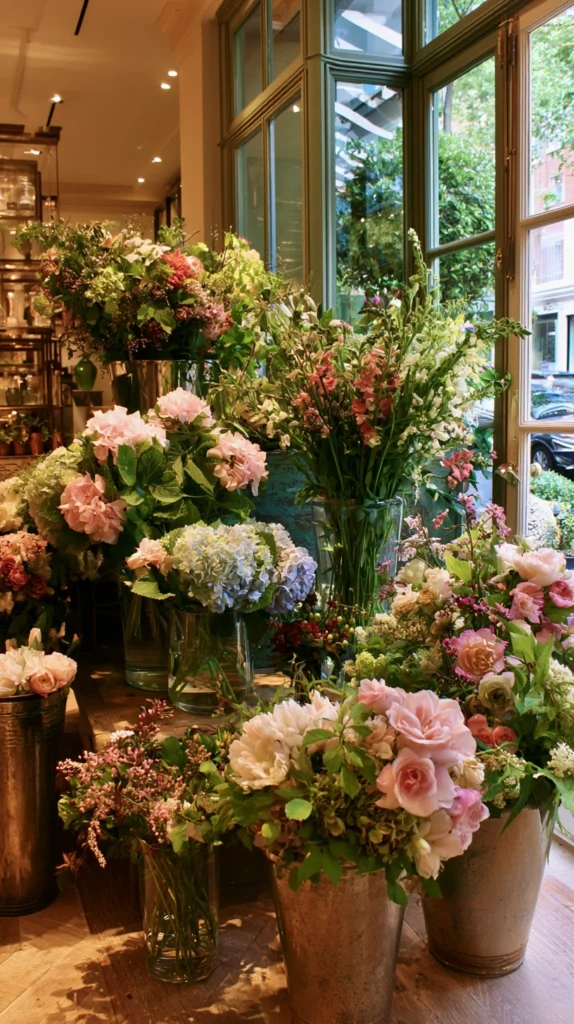
The flowers in an old money summer home are not from a florist — they are from the garden, arranged in whatever vessel was closest when they were cut, placed where they happened to be set down, and never formally positioned.
Garden roses in a slightly oversized silver trophy, sweet peas in a jam jar on the kitchen windowsill, a single stem of hydrangea in a tall glass on the bathroom shelf: the informality of the flower arrangement is as important as the flowers themselves.
Cut generously from a real garden if one is available, source from a farm stand or farmers market rather than a florist if not, and arrange without the self-consciousness of a designed composition — the imperfection of a genuinely casual arrangement is more beautiful in this aesthetic than any formally considered floral design.
13. Prioritise Deep, Genuine Comfort Over Visual Perfection
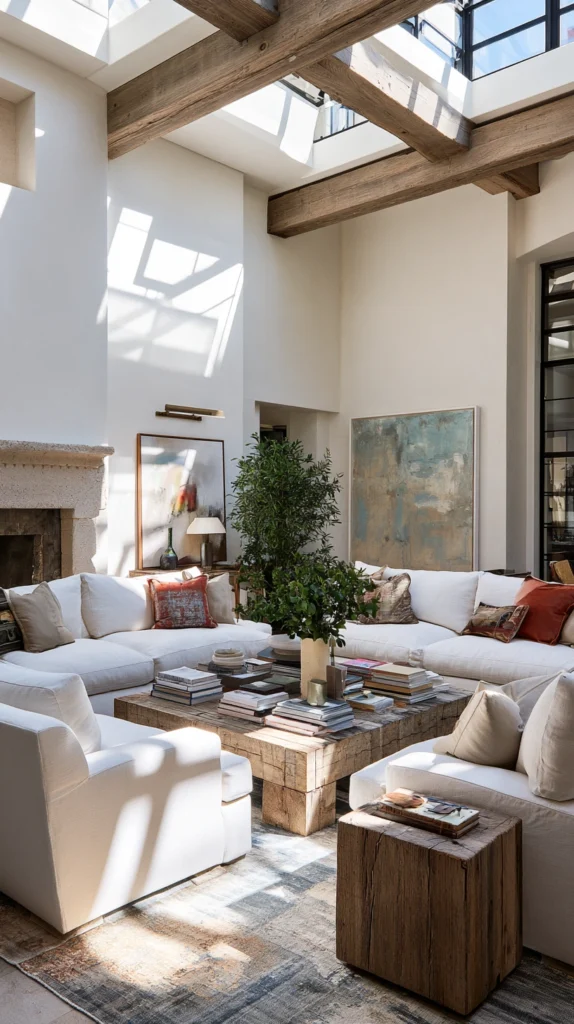
The old money summer home is deeply comfortable in the specific way that prioritises the experience of the person occupying the room over the appearance of the room to the person viewing it — deep sofas with cushions that are genuinely soft rather than decoratively firm, beds with mattresses of real quality and enough pillows for genuine reading comfort, armchairs wide enough to sit in sideways with a book.
This comfort is not accidental but the result of generations of understanding that the purpose of a summer home is rest, and that the furniture and textiles that serve rest most effectively are the correct choices regardless of their visual contribution to the room. Invest in mattress quality, in sofa depth, in the genuine softness of the linen — these are the luxury investments that the old money aesthetic demands and that no amount of decorative expenditure can substitute for.
14. Let the Garden Come Inside Without Apology
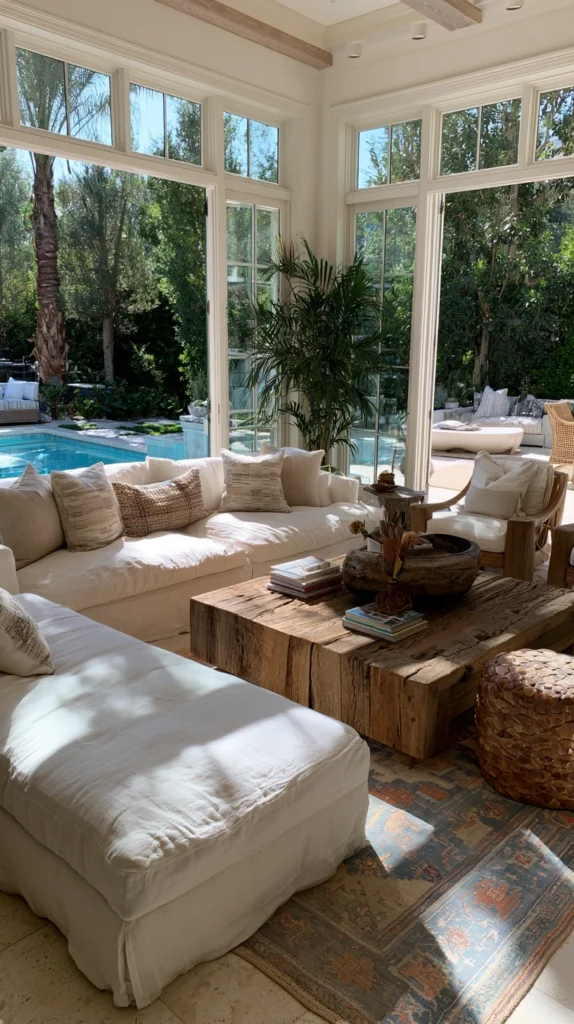
The old money summer home does not maintain a strict boundary between interior and garden — sand from the beach path comes in on bare feet and is swept out without drama, cut flowers from the garden drip briefly on the stone floor before being arranged, and dogs move between the terrace and the sitting room without being intercepted at the threshold.
This permeability — the sense that the house is genuinely embedded in its outdoor setting rather than defended against it — is one of the most distinctive and most appealing qualities of the old money summer aesthetic, and it is achieved not through any design decision but through the simple willingness to prioritise living over maintaining, to accept the evidence of genuine outdoor summer life inside the house rather than erasing it the moment it appears.
Final Thoughts: Achieving the Old Money Aesthetic Honestly
The old money summer home that feels genuinely effortless and luxurious is never the result of spending a great deal of money on things that look old and worn — it is the result of choosing quality over newness, age over trend, and the honest evidence of genuine use over the careful management of appearance.
Buy the best antique rug you can find rather than a new rug in an antique style. Source genuine, inherited-looking objects from estate sales rather than purchasing reproduction pieces designed to look inherited. Invest in the quality of the mattress, the softness of the linen, and the depth of the sofa rather than in the decorative objects that surround them.
The old money aesthetic rewards patience, genuine sourcing, and the willingness to live with things until they become truly right — and the room that achieves it honestly is immediately and unmistakably distinguishable from the room that merely approximates it.