
15 Outdoor “Resort Core” Backyard Ideas That Feel Like a Vacation
Resort core is the design philosophy that takes everything that makes a luxury hotel or high-end resort feel extraordinary — the considered spatial layout, the layered comfort, the material quality, the seamless indoor-outdoor connection, the sense that every detail has been thought about in relation to the experience of the person occupying the space — and brings it into the residential backyard with the same intentionality and the same commitment to genuine quality.
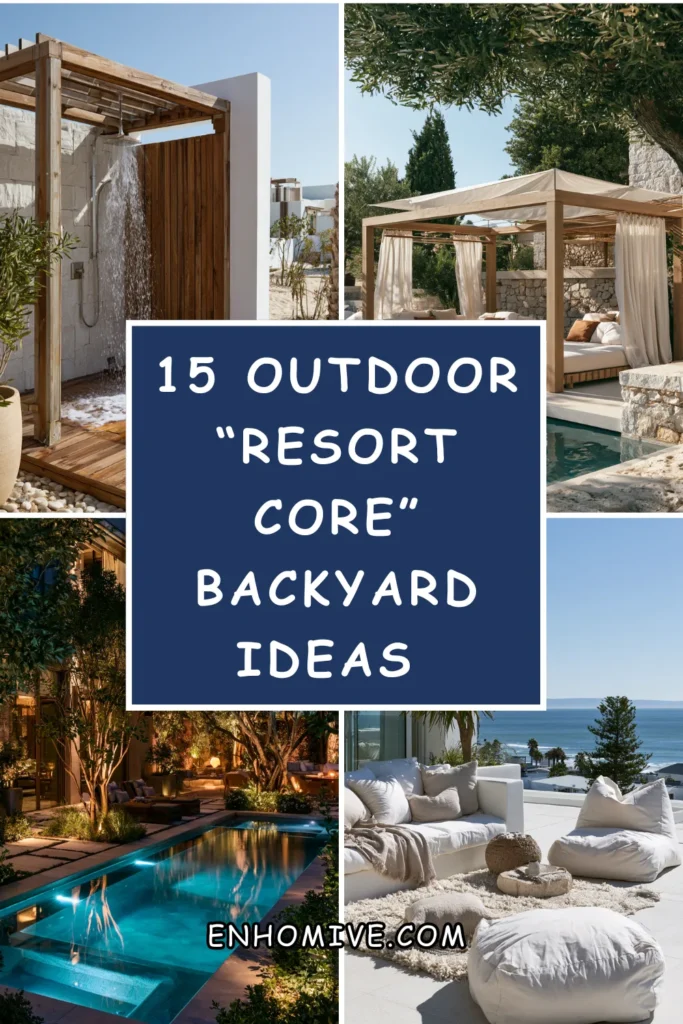
It is not about replicating the scale of a resort, which no residential backyard can match, but about replicating the feeling — the specific quality of ease, abundance, and sensory pleasure that makes people on vacation feel more alive, more present, and more deeply rested than they do in their ordinary daily environments.
The resort core backyard works because it is designed around experience rather than function — around how the space will feel to be in rather than simply what it will contain. These fifteen ideas demonstrate how to build that experience into a residential outdoor space at a range of scales and budgets, each one bringing a specific quality of resort living into the backyard in a way that is practical, achievable, and genuinely transformative.
1. Install a Pool With Clean Geometric Lines
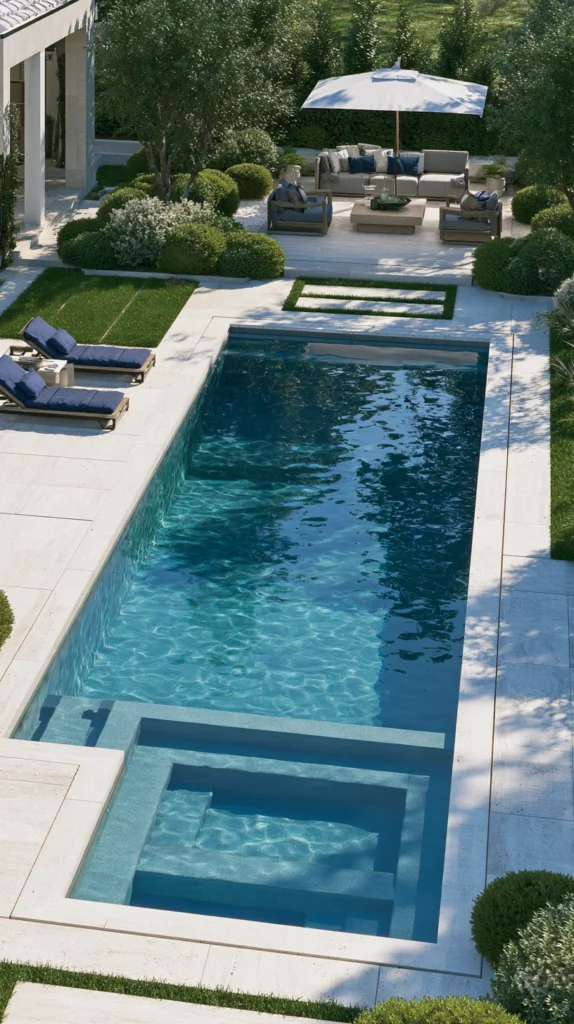
The resort pool is not defined by its size but by its geometry, its material finish, and the quality of the space surrounding it — and a residential pool of even modest dimensions, finished in a deep charcoal or midnight blue plaster with clean rectangular lines and a generous paved surround in natural stone or large-format porcelain, reads as genuinely resort-quality in a way that a pool of twice the size finished in bright blue fibreglass with a concrete lip never quite manages.
The surrounding material is as important as the pool itself — natural travertine, bush-hammered limestone, or large-format grey porcelain pavers laid in a continuous surface without visible joints create the kind of seamless, high-quality surround that elevates the entire outdoor space. Keep the pool shape simple, the water colour deep, and the surrounding material honest — these three decisions deliver more resort character than any water feature, waterfall, or decorative addition.
2. Create a Dedicated Cabana or Daybed Zone
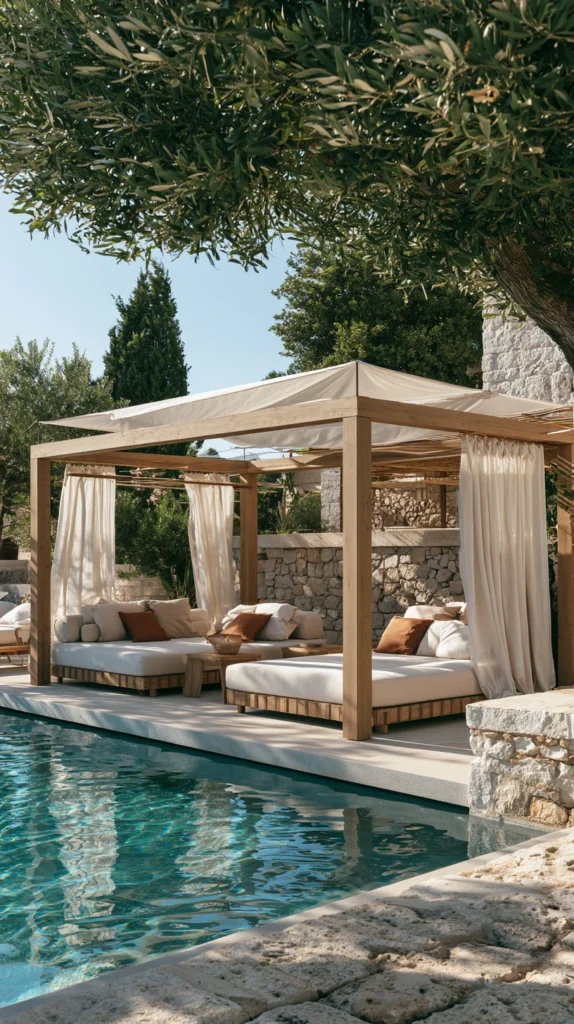
A resort pool without a shaded daybed zone is a pool without its most essential companion — the place where the hours between swims are spent in the particular combination of shade, comfort, and proximity to water that defines the luxury resort pool experience.
Build a dedicated cabana structure — a simple timber or steel frame with a canvas or linen roof panel providing generous shade — positioned at the pool’s edge with two or three quality daybeds beneath it, each wide enough for two people, each dressed with weather-resistant cushions in outdoor linen or Sunbrella fabric in white, cream, or natural.
The cabana structure does not need to be elaborate or expensive — a simple four-post frame with a stretched canvas canopy overhead costs a fraction of a permanent structure and creates the same quality of shaded outdoor room that makes resort pool areas so compelling.
3. Build an Outdoor Kitchen Worth Using
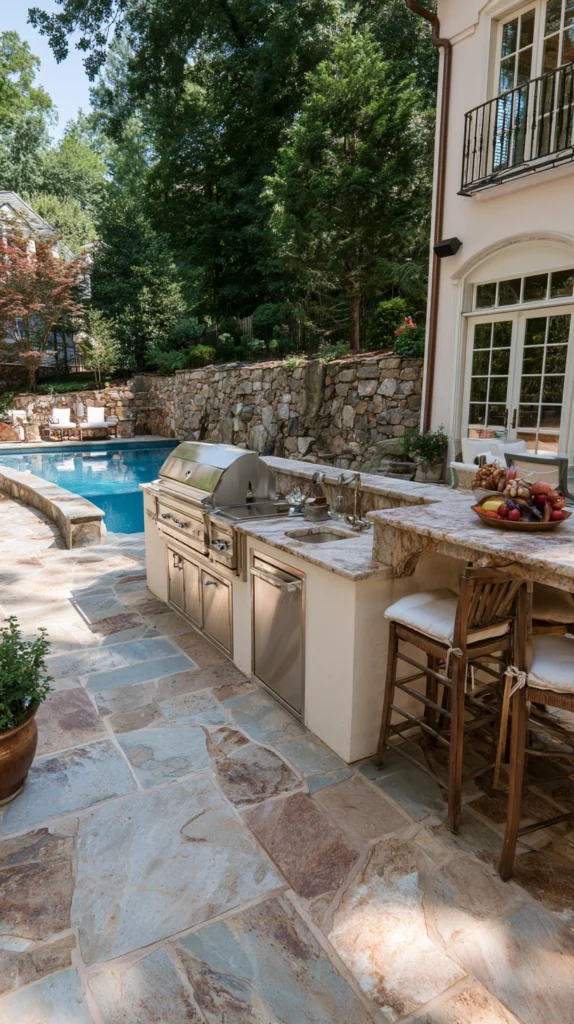
The resort core backyard treats outdoor cooking and dining as a primary experience rather than an occasional activity, and the outdoor kitchen that supports that experience needs to be genuinely equipped rather than nominally present.
A built-in gas grill of proper quality, a concrete or stone countertop with adequate preparation surface, an under-counter refrigerator, a sink with hot and cold water, and storage for equipment and utensils — these are the components of an outdoor kitchen that actually gets used every day rather than on special occasions only.
Face the cooking position so the cook is oriented toward the gathering space and the pool rather than toward a fence or a wall — in a resort core backyard, the outdoor kitchen is a social space as much as a functional one, and the cook should be part of the gathering rather than separated from it.
4. Design a Fire Feature as the Evening Focal Point
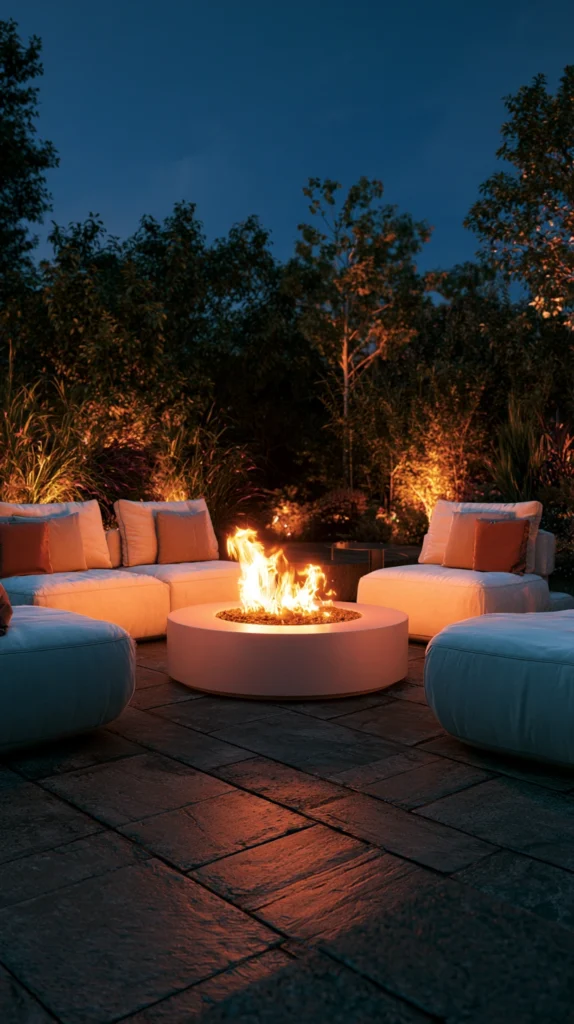
Every great resort has a fire feature — a fire pit around which evenings organise themselves, a fire bowl that signals the transition from afternoon to evening with the appearance of flame, a linear gas fire integrated into a low wall that defines the boundary between pool terrace and dining area. In a residential resort core backyard, the fire feature serves the same social and atmospheric function.
It is the element that makes the outdoor space genuinely usable and genuinely desirable after dark, the point around which seating naturally arranges itself, the source of the warm, flickering light that makes evening outdoor living feel ceremonial rather than merely casual.
Position the fire feature at the garden’s primary gathering point, ensuring the surrounding seating is generous, comfortable, and close enough to the fire to feel its warmth on cool evenings.
5. Invest in Genuinely Comfortable Outdoor Furniture
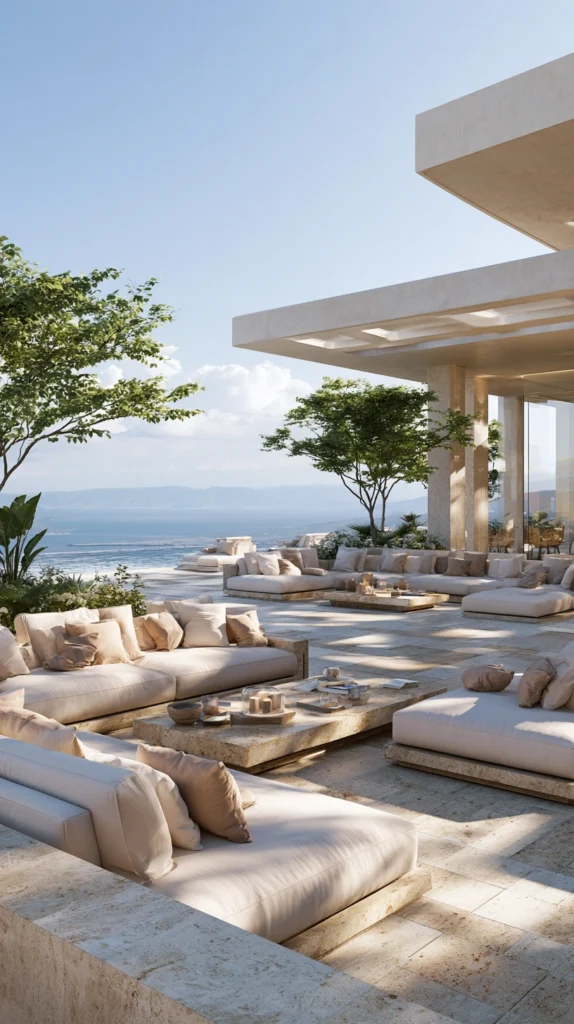
The quality of outdoor furniture in a resort core backyard is the single variable most directly responsible for how much time is actually spent outdoors, and the difference between genuinely comfortable outdoor seating and the kind that is merely weather-resistant is the difference between a backyard that is used for hours every day and one that is used for twenty minutes before people move back inside.
Deep-seated sofas with thick cushions in quality Sunbrella or outdoor linen fabric, dining chairs with proper back support and comfortable seat depth, loungers with adjustable backs and cushions thick enough to actually lie on: these are the furniture specifications that resort outdoor spaces meet as a baseline, and that residential outdoor spaces should aspire to match.
Buy fewer pieces of genuine quality rather than more pieces of lesser comfort — the resort core backyard is not furnished for appearance but for occupation.
6. Install Outdoor Shower as a Resort Ritual
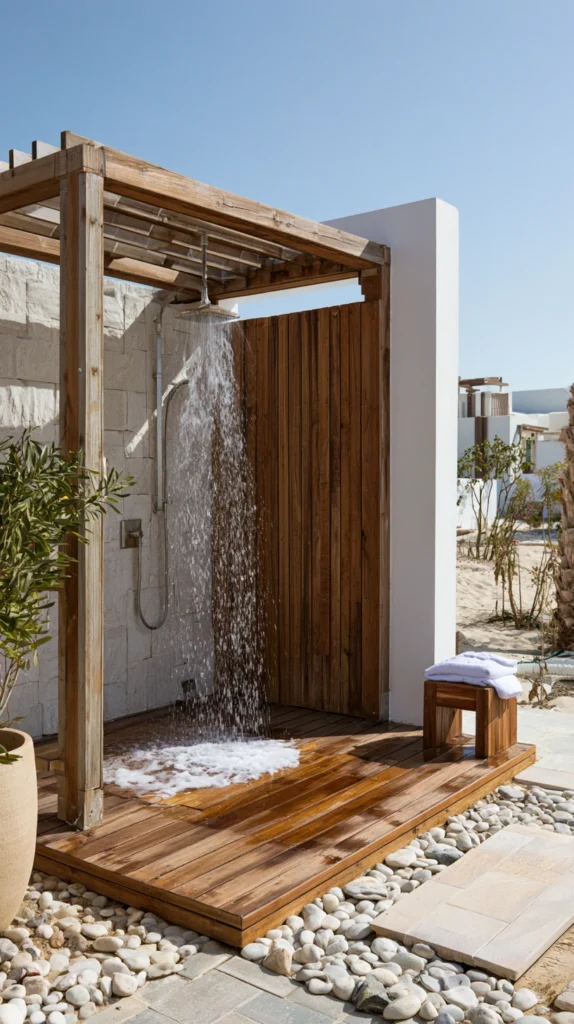
The outdoor shower at the pool’s edge — a simple, well-designed structure with a quality rainfall head, warm and cold water, and enough surrounding privacy to use it comfortably — is one of the most resort-defining additions available to a residential backyard and one of the most frequently used once installed.
The post-swim outdoor shower is a genuine sensory pleasure — warm water in the open air, the particular quality of showering outdoors that no indoor shower replicates, regardless of its specification.
And the structure that houses it is an opportunity for a small, carefully considered piece of outdoor design. Use natural timber, Corten steel, or rendered masonry for the screen enclosure, install a large rainfall head in matte black or brushed brass, and surround with privacy planting dense enough to create genuine seclusion.
7. Create a Swim-Up Bar or Pool-Edge Bar
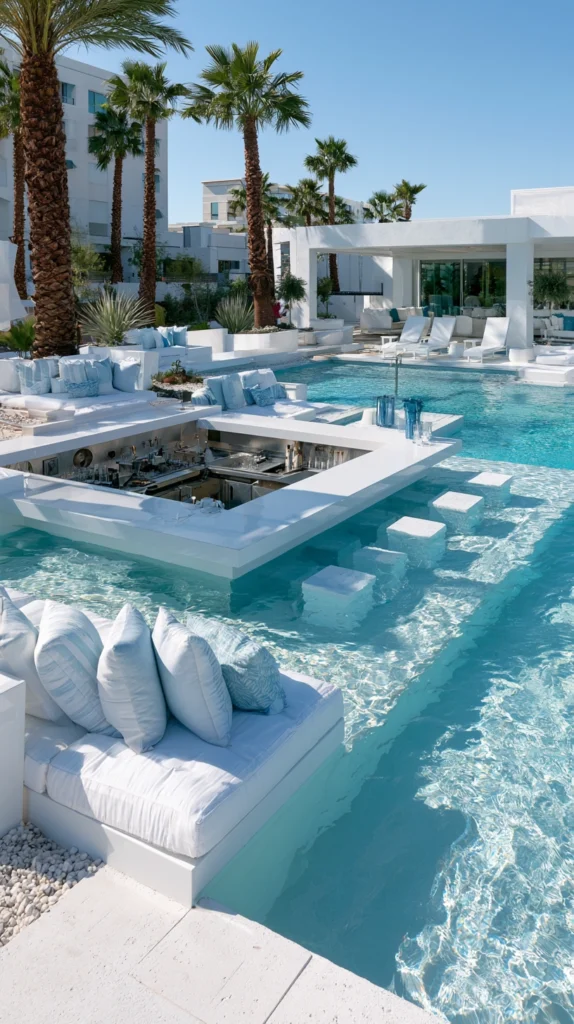
The swim-up bar — or its residential equivalent, a bar counter positioned at pool edge height with bar stools placed in shallow water or on the pool coping — is the resort feature that most completely blurs the boundary between swimming and socialising and that delivers more genuine resort atmosphere per square metre than almost any other backyard addition.
A simple rendered or stone-clad bar counter at the pool’s shallow end, fitted with a small refrigerator below the counter, a surface for drink preparation above, and a pair of quality bar stools on the pool coping beside it creates the swim-up bar experience without the engineering complexity of a fully integrated water bar.
Add a canvas parasol above, a simple teak bar surface, and a small collection of quality glassware stored in a weatherproof cabinet below — the result is the backyard feature that guests use every visit and that makes the pool space feel genuinely resort-complete.
8. Design Generous Outdoor Dining for Large Groups
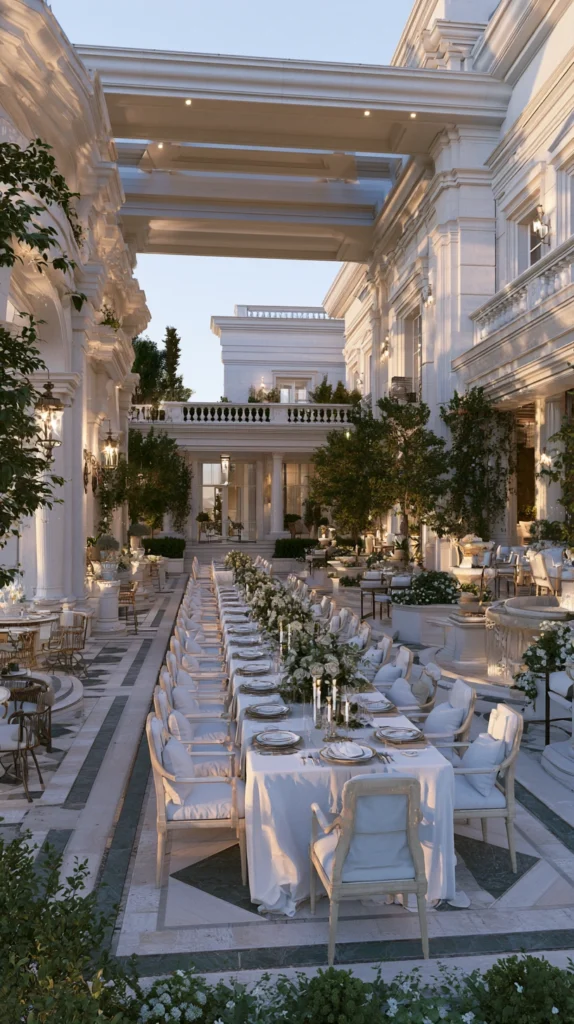
A resort core backyard treats outdoor dining as a primary entertaining mode rather than an overflow option from the indoor dining room, and the outdoor dining area should be sized, furnished, and equipped to handle the largest gathering the household regularly entertains rather than the average one.
A dining table in teak, concrete, or powder-coated steel long enough to seat ten or twelve, surrounded by quality chairs in a material that withstands weather without deteriorating, under a pergola or large parasol that provides shade during the afternoon and a sense of architectural enclosure during evening meals: this is the outdoor dining configuration that transforms a dinner party into a genuinely extraordinary experience.
String lights or a low pendant hung from the pergola overhead, candles on the table, and the warm outdoor air of a summer evening complete a dining environment that no indoor room can replicate.
9. Add a Misting System for Hot Climate Comfort
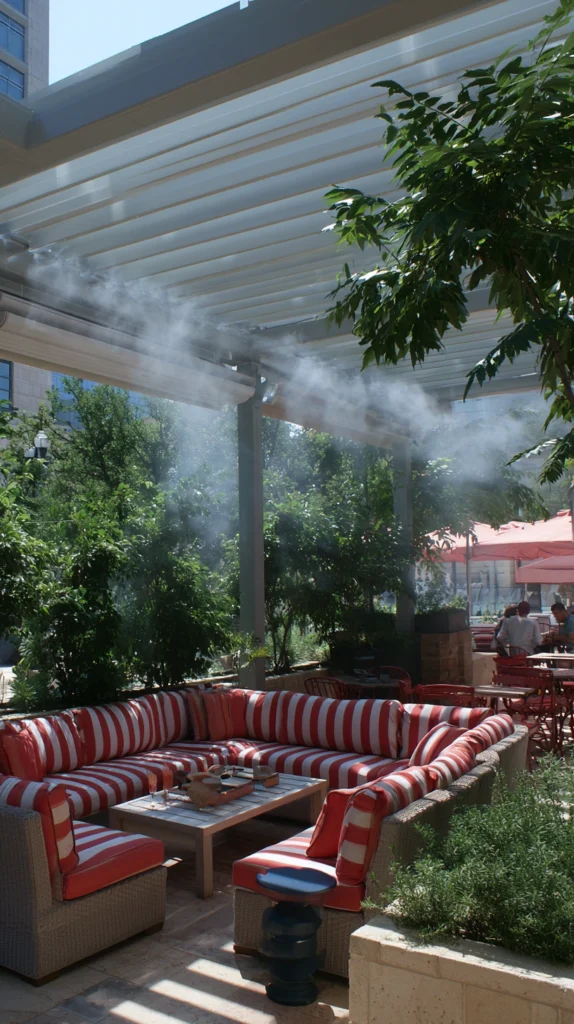
A professional misting system — fine water droplets distributed through a network of small nozzles mounted along a pergola edge, a shade structure perimeter, or a freestanding post system around the primary outdoor seating area — reduces the perceived temperature in a hot outdoor environment by eight to twelve degrees Celsius through evaporative cooling, transforming an outdoor space that would be unusable during the hottest hours of the day into one that remains genuinely comfortable.
The misting system is the resort amenity that hot climate residential properties most consistently undervalue and most immediately appreciate once installed — it is the difference between a backyard that is used from early morning until mid-afternoon and then abandoned as the heat becomes excessive, and one that remains pleasant, comfortable, and genuinely enjoyable through the full span of a summer day.
10. Build a Poolside Changing Room or Bathroom
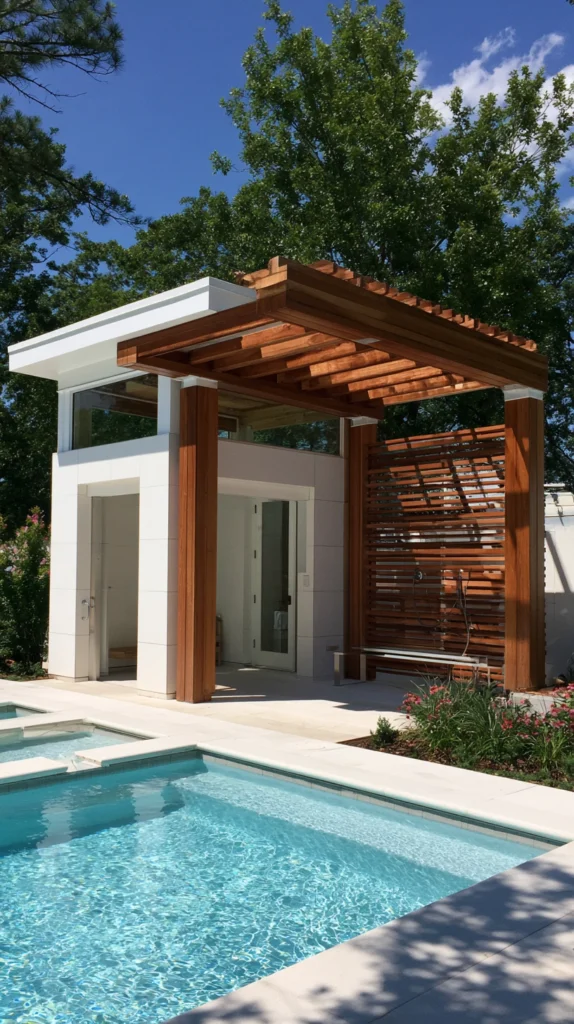
The poolside changing room — a small, well-designed structure adjacent to the pool with a shower, a toilet, and storage for towels, sunscreen, and pool equipment — eliminates the most persistent friction point in residential pool use: the necessity of walking through the house in wet swimwear every time one needs to use a bathroom, change clothing, or retrieve a towel. In a resort, this infrastructure is assumed and invisible.
It is simply provided, as a matter of course, because the resort understands that the experience of using the pool depends on every supporting element working seamlessly. Build the changing room in materials that match the main house and the broader backyard design language, keep the interior simple and easy to clean, and install it close enough to the pool that it is used naturally rather than requiring a deliberate trip to access.
11. Layer Outdoor Lighting for Atmosphere After Dark
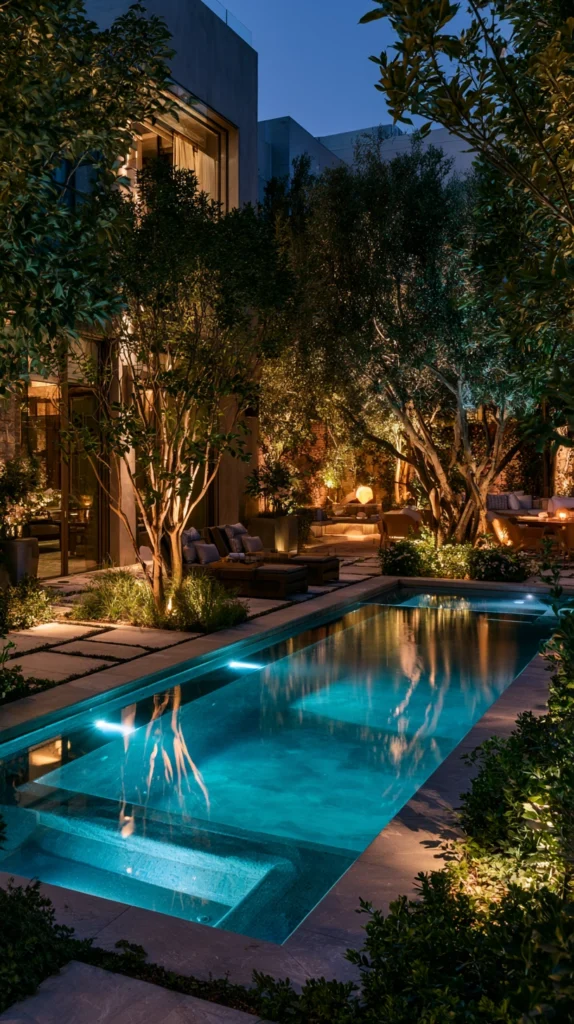
The resort core backyard after dark should feel as beautiful and as inviting as it does in daylight — an effect that requires a layered lighting scheme of considerable thought and genuine generosity rather than a few path lights and a floodlight over the pool equipment.
Underwater LED lighting in the pool, low-level landscape lighting along garden borders and planting, string lights through the overhead pergola structure, uplighting of specimen trees and architectural plants, candlelight on dining and coffee tables, and warm pathway lighting connecting the different zones of the outdoor space: together, these layers create an outdoor environment after dark that is genuinely extraordinary.
Warm, atmospheric, and lit in a way that makes every person in the space look and feel their best. All on individual circuits controlled by a single panel or smart home system for effortless management through the evening.
12. Install a High-Quality Sound System Throughout the Space
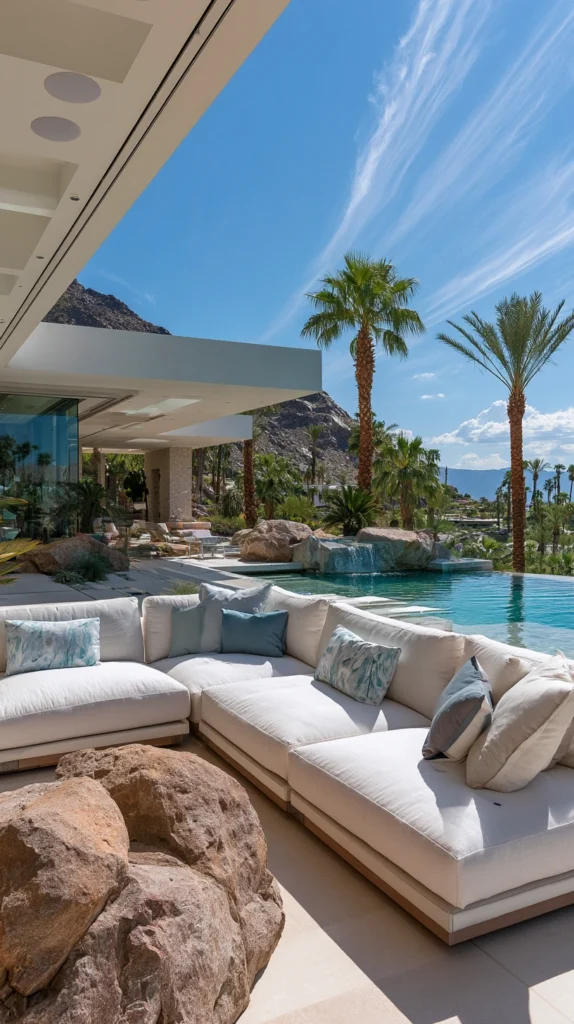
A resort core backyard has music — not from a portable Bluetooth speaker that runs out of battery at the critical moment, but from a properly installed outdoor audio system with weatherproof speakers positioned throughout the space at a height and angle that delivers even, high-quality sound coverage without needing to be played at antisocial volume.
Install ceiling-mounted speakers under the pergola and pool cabana, in-ground or landscape speakers positioned through the garden borders, and a subwoofer in a weatherproof enclosure near the primary gathering area.
The quality of outdoor audio from a properly specified system versus a portable speaker is as significant as the quality difference between a portable Bluetooth speaker and a quality home audio system indoors. Connect it to a multi-room audio system controlled from a smartphone for seamless management from anywhere in the space.
13. Create a Dedicated Wellness Zone Within the Garden
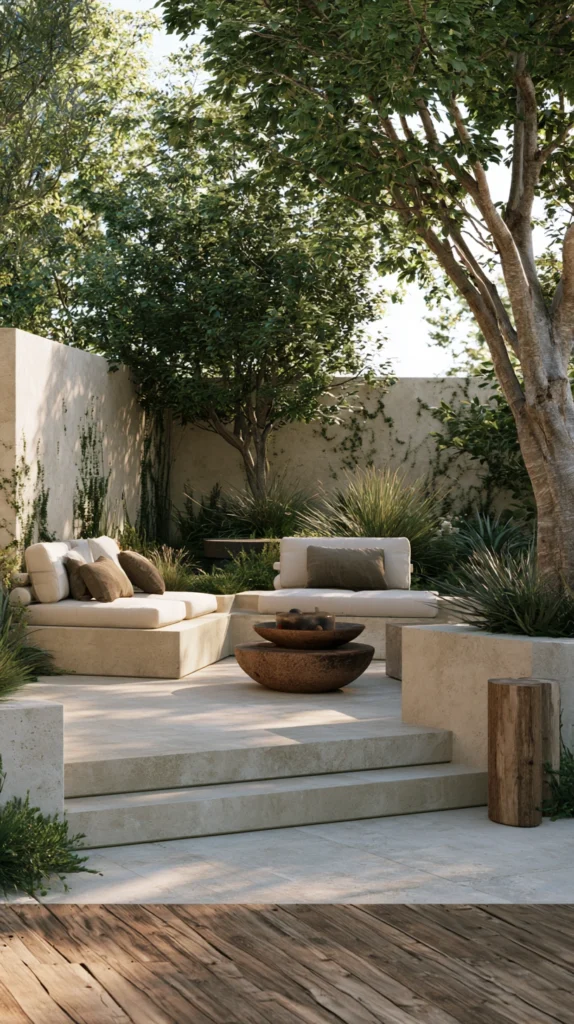
A resort core backyard acknowledges that wellness infrastructure — a sauna, a cold plunge, an outdoor yoga platform, a hammock garden — is as important to the resort experience as the pool and the dining area, and dedicates a specific zone of the garden to these functions rather than treating them as optional additions if space allows.
Position the wellness zone at a slight remove from the primary entertainment and pool area — far enough to feel separated and purposeful, close enough to function as part of an integrated outdoor experience.
A cedar barrel sauna positioned on a gravel pad with a cold plunge immediately adjacent, surrounded by tall screening planting and lit with warm low-level fixtures, creates a self-contained wellness retreat within the broader backyard that makes the overall outdoor space feel genuinely comprehensive rather than single-purpose.
14. Use Outdoor Textiles Generously and Replace Them Often
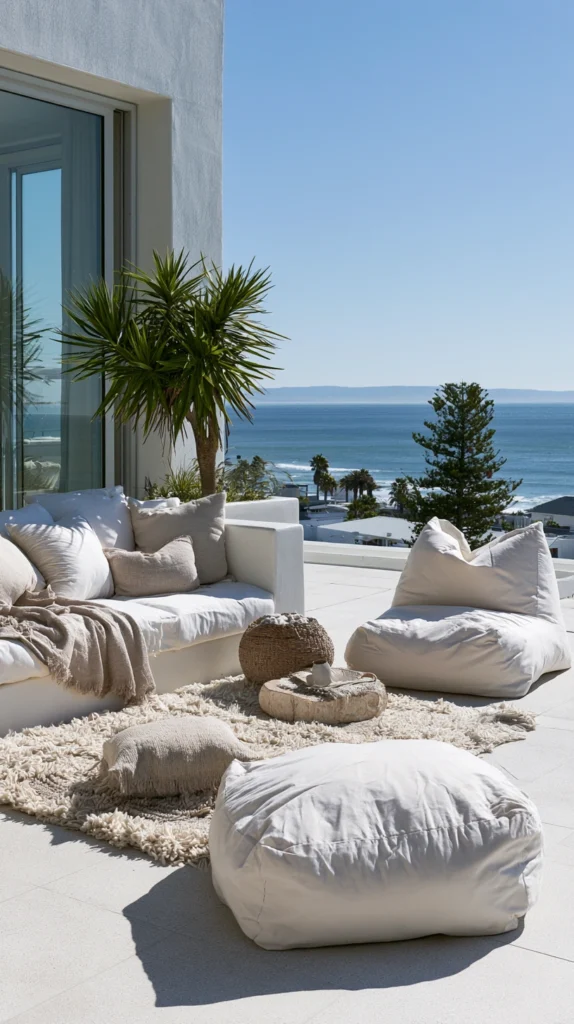
The resort experience is tactile as much as visual — the quality of the towel retrieved from the pool-side stack, the softness of the outdoor cushion settled into for an afternoon read, the weight of the cotton robe hung in the changing room — and the outdoor textiles of a resort core backyard should be selected, maintained, and replaced with the same attention to quality and freshness that a genuine resort applies to the same category.
Oversized pool towels in white or natural cotton stacked in a weatherproof basket at the pool’s edge, outdoor cushions in genuinely thick, genuinely soft all-weather fabric replaced at the first sign of deterioration, a simple outdoor throw draped over the back of each daybed for the cooler evening hours: these textile details cost relatively little individually and contribute disproportionately to how the outdoor space feels to occupy.
15. Design the Entry to the Backyard as a Threshold Moment
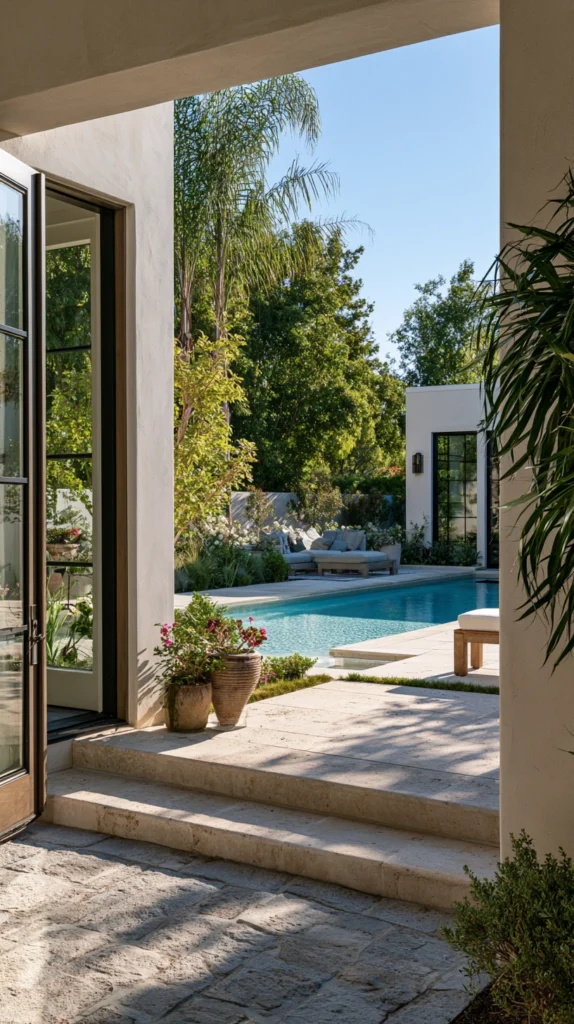
The transition from the interior of the house to the resort core backyard should feel like arriving somewhere — a deliberate threshold moment that marks the shift from indoor daily life to outdoor extraordinary life and that begins the psychological process of relaxation and presence that the resort experience is designed to create.
A pair of quality timber or steel French doors opening onto a generous paved landing, a step down to the pool level that creates a physical and spatial marker of transition, a change of material underfoot between indoor and outdoor surfaces, a planted frame of fragrant climbing plants around the doorway that provides a sensory welcome to the outdoor space: these threshold design elements cost very little beyond the deliberate attention they require and deliver the specific quality of arrival that distinguishes a resort core backyard from a merely well-equipped one.
Final Thoughts: Building a Resort Core Backyard That Delivers Every Day
The resort core backyard that genuinely feels like a vacation is not built through a single large expenditure or a single dramatic installation — it is built through the consistent application of resort-quality thinking to every design decision in the outdoor space, from the specification of the pool finish to the selection of the pool towels, from the quality of the outdoor furniture to the quality of the outdoor audio system.
Prioritise experience over appearance, comfort over style, and the seamless removal of friction from every activity the outdoor space is designed to support. The backyard that works like a resort works because every detail has been considered in relation to how the space will actually be used.
And the person who designed it understood that the goal was never to create an impressive outdoor room but to create the specific, irreplaceable feeling of being genuinely, completely, and unhurriedly on holiday in your own home.