
10 Summer Blanket Styling Ideas That Still Feel Cool
There is a specific styling problem that summer creates in rooms that were perfectly arranged in winter. The wool throws go away — or should — and what replaces them is often nothing, because the instinct is that summer rooms should not require blanketing.
The sofa arm that held a neatly folded textured throw from October to April is suddenly bare, and the bare arm communicates something colder than the wool ever did: not the warmth of winter texture but the emptiness of a surface that has not yet worked out what season it is in.

The summer blanket is not a contradiction. It is a specific category of textile — lighter, looser, more openly woven, in tones and materials that read as warm weather without adding the weight of winter — that solves the bare arm problem while creating the particular comfort of having something within reach on an evening that starts warm and ends cooler than expected. The difference between a summer blanket and a winter one is not warmth but weight, not colour but material, not the presence of the object but everything about how it is chosen and placed.
Each idea below is a specific approach to the summer blanket — its material, its placement, its styling — that keeps the room feeling light and seasonal while solving the bare surface problem that summer reliably creates.
1. The Linen Throw on the Sofa Arm
Budget: $25 – $80
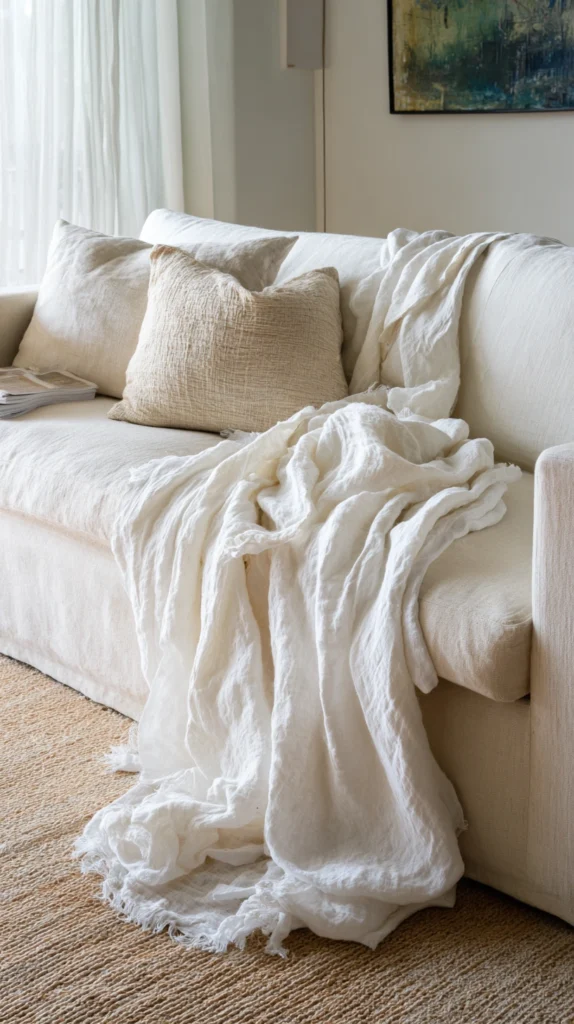
A washed linen throw — pre-washed to remove the initial stiffness, in a colour that relates to the existing sofa rather than contrasting with it sharply — draped over one arm of the sofa in a loose, half-folded arrangement is the summer blanket in its most classic and most effective form. Linen is the summer blanket material above all others because it reads as warm weather through its colour, its weight, and its particular ability to drape without bulk.
Washed linen throws cost $25–$60 in natural, white, soft sage, or warm sand. Pre-washed versions arrive in their best state; unwashed linen requires three or four home washes before it softens enough to drape naturally. Fold the throw in thirds lengthways first, then drape it over the arm so one end falls below the arm onto the seat cushion and the other trails slightly toward the floor. The asymmetric drape reads as placed with casual intention; a neatly folded rectangle balanced symmetrically on the arm reads as on display rather than in use.
Style tip: Choose a throw that is slightly too long for the sofa rather than one that fits it exactly. A throw with excess length can be scrunched and folded in a way that produces the relaxed quality that the summer blanket needs; one cut precisely to the sofa width has nowhere to go and sits with the flat exactness of a measured object rather than the casual quality of something that was folded and placed.
2. The Cotton Gauze Layer on the Bed
Budget: $20 – $70
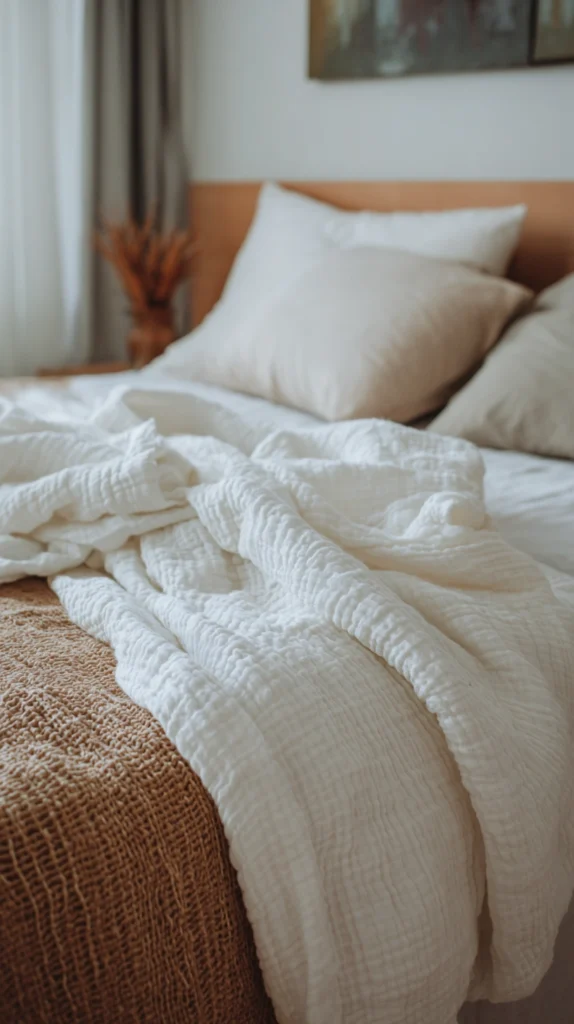
A cotton gauze blanket — the type made from open-weave muslin or cheesecloth-weight cotton — folded across the foot of the bed in summer is the lightest possible sleeping layer and the most honest expression of summer bedding available. Gauze cotton traps almost no heat, has the specific texture of fabric that was clearly made with warmth as a secondary rather than primary consideration, and folds into a surface covering of such minimal weight that its presence on the bed communicates summer more directly than any colour or pattern choice.
A cotton gauze blanket in queen size costs $20–$50. A double-weave version — two layers of gauze sewn together — runs $35–$70 and provides slightly more warmth for cool summer nights while maintaining the open-weave quality that distinguishes it from a standard cotton blanket. Wash in cold water and line dry — gauze cotton washed in warm water and tumble dried shrinks at the edges before the centre and produces a distorted blanket that will not lie flat regardless of how carefully it is straightened.
Style tip: Fold the gauze blanket in a horizontal strip of approximately 30 centimetres in depth and position it across the foot of the bed rather than folding it in a square. A horizontal strip at the foot of the bed reads as the deliberate final layer of a made bed — the finishing element that a hotel bed always has and a home bed often lacks. A square fold reads as a blanket placed rather than a bed made.
3. The Waffle Weave Basket Display
Budget: $30 – $120
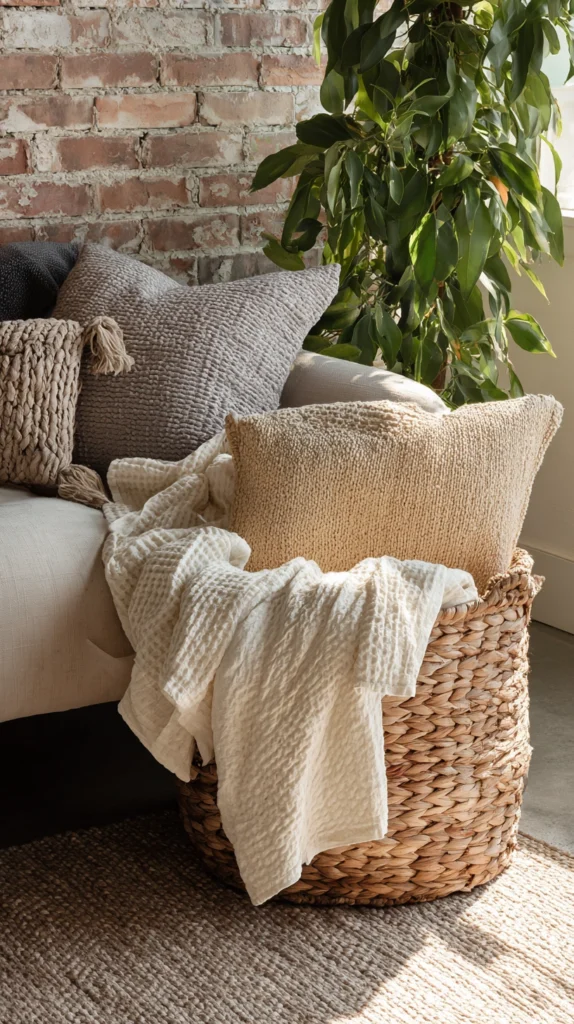
A collection of waffle weave throws — two or three in coordinating tones, loosely folded and placed in an open basket beside the sofa — creates a summer blanket display that is simultaneously functional and decorative. The waffle weave is the summer blanket fabric of choice for basket display because its textured surface creates visual interest at a distance and communicates lightness up close in a way that a smooth cotton fold does not.
Waffle weave throws in cotton or a cotton-linen blend cost $20–$50 each. A large open basket of wicker or seagrass costs $20–$50. Fold each throw loosely — not in tight hospital corners but in the relaxed, approximate fold of something that has been used and replaced — and stack them in the basket with the largest at the bottom and the smallest draped over the top edge rather than placed inside. The draped top throw reads as just removed and returned; the stacked interior reads as kept in reserve.
Style tip: Choose waffle throws in tones from the same colour family rather than coordinating contrasting colours. Two throws in two shades of the same natural tone — one ivory and one warm cream, or one pale sage and one deeper sage — read as a collected, consistent display; two throws in contrasting colours read as two individual throws that have been placed in the same basket.
4. The Muslin Swaddle as Adult Throw
Budget: $10 – $40
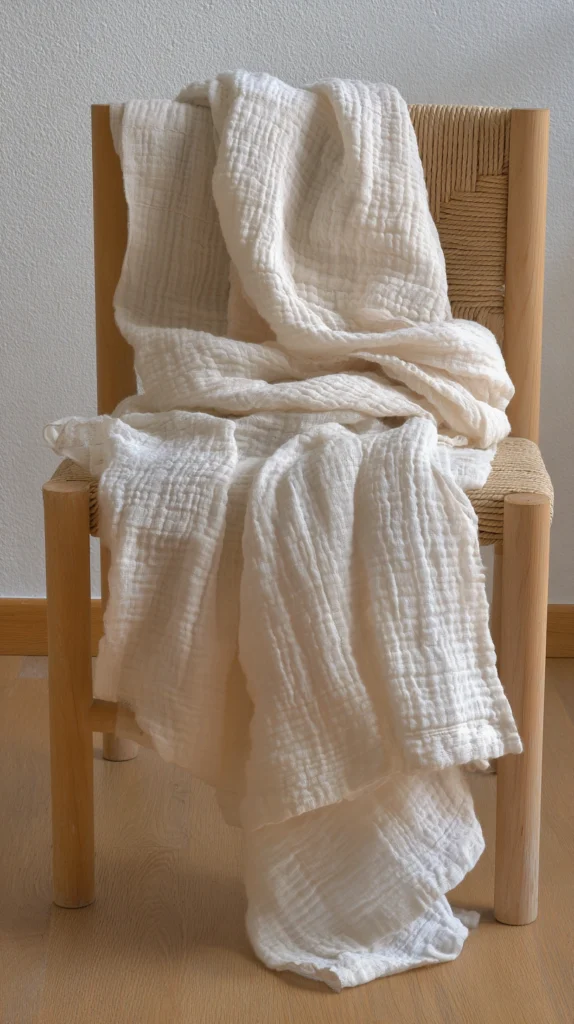
A large muslin square — the kind designed for babies but scaled to adult use, available in 120 by 120 centimetre sizes — is the lightest, most breathable, and most inexpensive summer blanket available and the one that most honestly communicates summer through its material and its weight. Muslin is the fabric that most completely surrenders to drape — it has no structural resistance, no self-supporting quality — and draped over a chair or a sofa it collapses into folds that read as entirely casual and entirely comfortable simultaneously.
A large cotton muslin square costs $8–$20. A double muslin — two layers of gauze — runs $15–$35 and adds the slight warmth needed for a cool evening without losing the open-weave quality that defines the material. Drape rather than fold — the muslin is doing its best work when it is not folded at all, simply gathered and laid across a chair arm or a sofa back in the approximate arrangement that someone sitting under it would produce.
Style tip: Wash muslin in hot water before using it as a throw — not to shrink it, since cotton muslin is pre-shrunk in most commercial versions, but to remove the slight chemical smell of new fabric that is particularly noticeable in the open-weave muslin where the fibre has less mass to absorb and mask the smell. A muslin washed twice and line-dried in fresh air smells of nothing — which for a throw that will be near the face of a sleeping or resting person is the correct condition.
5. The Hammered Cotton Quilt Fold
Budget: $40 – $150
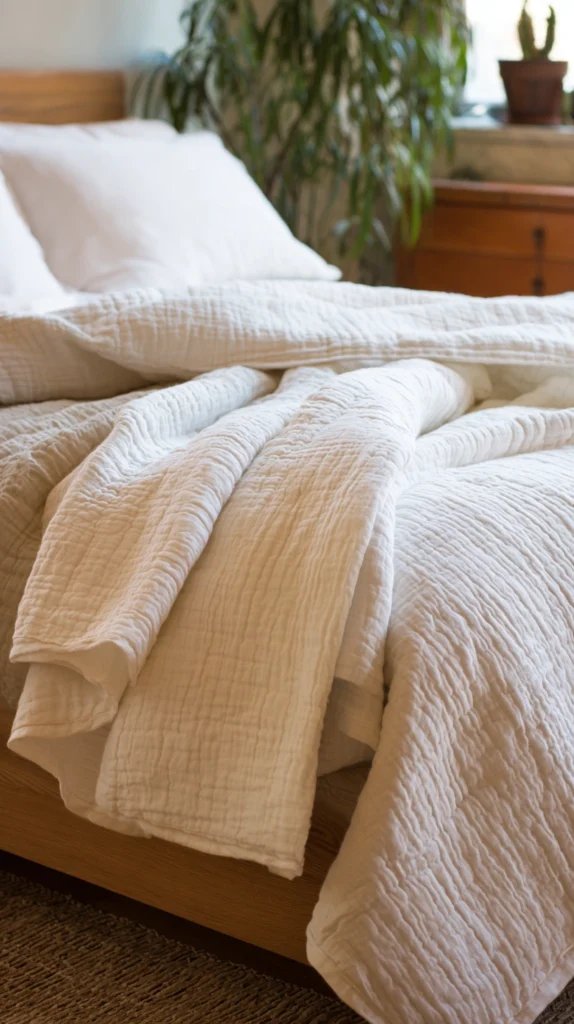
A lightweight cotton quilt — not the thick, insulated version of winter but a summer quilt, single-layer or lightly padded, in a simple pattern or plain colour — folded at the foot of the bed or draped over the arm of an armchair provides the visual substance of a blanket with the thermal weight of a sheet. The quilt form — the stitching, the slight padding, the visual depth it creates — communicates blanketing without communicating heaviness, which is the specific combination that summer styling needs.
A lightweight cotton summer quilt in double size costs $40–$100. A hand-stitched version runs $60–$150. In plain white or natural cotton, a summer quilt reads as summer bedding; in a printed cotton pattern — a simple geometric or a botanical print — it reads as the decorative layer of a summer bed that was made with intention. Fold the quilt in thirds widthways and then lay it across the foot of the bed with the fold facing the viewer — the fold line is the visual detail that communicates the quilt as a layer rather than as a covering.
Style tip: Use a different fold for the quilt on the bed than for any throws elsewhere in the room. If the sofa throw is draped informally, the bed quilt should be folded precisely — the contrast between the casual and the formal tells a consistent story about how each textile is intended to be used. The casual drape belongs in the living room where relaxation is the primary activity; the precise fold belongs in the bedroom where the bed is made daily.
6. The Crochet or Open-Knit Display
Budget: $20 – $80
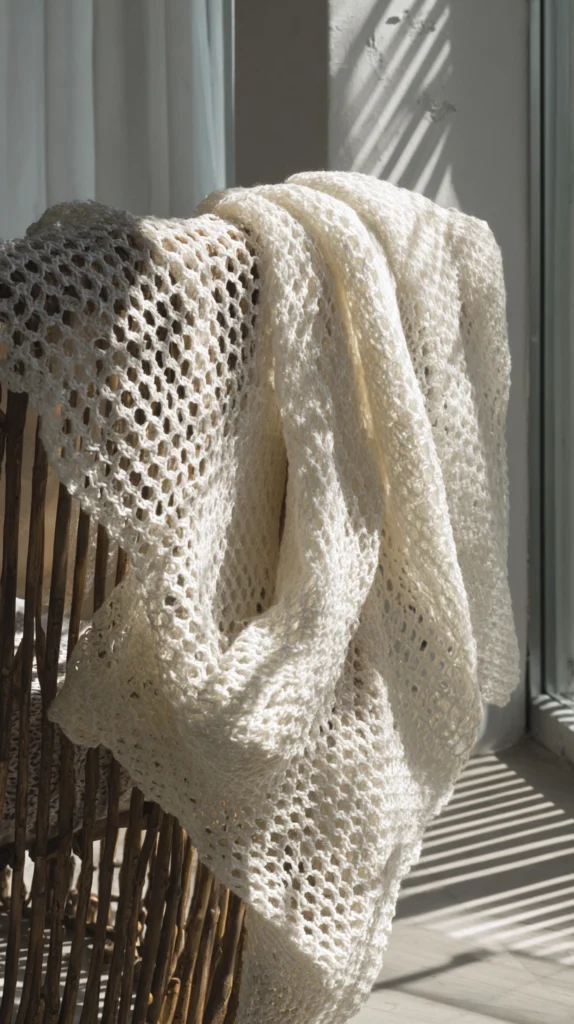
An open-knit or crochet blanket — one with visible holes in the weave through which the background surface is seen — is the summer equivalent of the heavy winter cable knit and reads as a completely different season while occupying the same position on the sofa arm or the chair back. The open knit communicates lightness through its literal openness — air passes through it, light passes through it, and the visual weight is the weight of the yarn only rather than the weight of a solid textile.
A cotton crochet blanket costs $20–$60. An open-knit cotton version in a loose stitch runs $25–$80. Choose natural cotton or linen yarn rather than acrylic — the natural fibre has the warmth of tone that an acrylic crochet blanket lacks, and in summer the material honesty of cotton or linen reads as genuinely seasonal in a way that synthetic fibre does not regardless of the colour or the pattern.
Style tip: Display the open-knit blanket in a position where light passes through it rather than where it lies flat against an opaque surface. An open-knit blanket on the back of a chair lit from behind shows the pattern of the knit in the light and shadow cast through the holes; the same blanket folded flat on a sofa surface reads as pattern only. The lit-through display is available on any chair positioned near a window, and it is worth choosing the display position with that quality of light in mind.
7. The Outdoor Blanket by the Fire Pit
Budget: $30 – $120
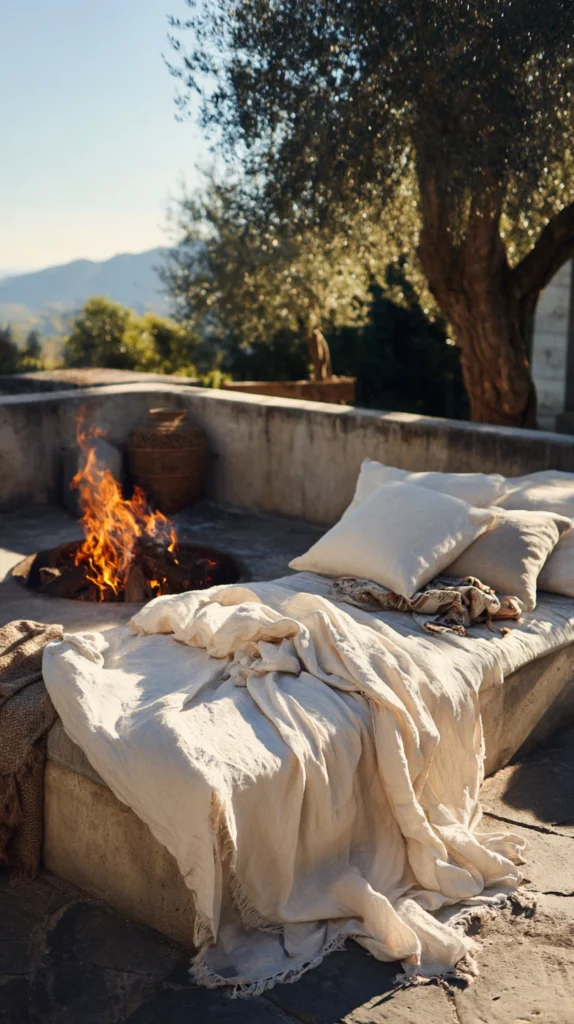
A basket of outdoor blankets placed beside the fire pit or the primary outdoor seating area — within reach without standing, replenished before it empties — extends the comfortable hours of summer evening outdoor sitting and communicates that the outdoor space was set up for staying rather than visiting. The outdoor blanket for summer use is specifically a cotton or acrylic outdoor version — washable, quick-drying, and tolerant of the damp that outdoor evenings eventually produce — rather than an indoor textile carried outside.
Outdoor cotton throws cost $20–$50 each. Outdoor waterproof-backed blankets run $25–$60. A wicker or rattan basket to hold them costs $20–$50. Keep two to three blankets in the basket consistently — enough for the likely number of people who will stay late, since the last guests to leave are always the ones who needed the blankets most and the ones the basket should still contain something for.
Style tip: Roll the outdoor blankets rather than folding them for basket display. A rolled blanket in a basket takes up less space than a folded one, shows its colour along its length rather than only at the fold, and can be removed and unrolled in a single motion without producing the cascade of unfolding that a stacked folded blanket always requires. The roll is the outdoor storage format that works and the fold is the indoor display format — use each in the context it suits.
8. The Sheer Bed Canopy with Lightweight Blanket
Budget: $40 – $200
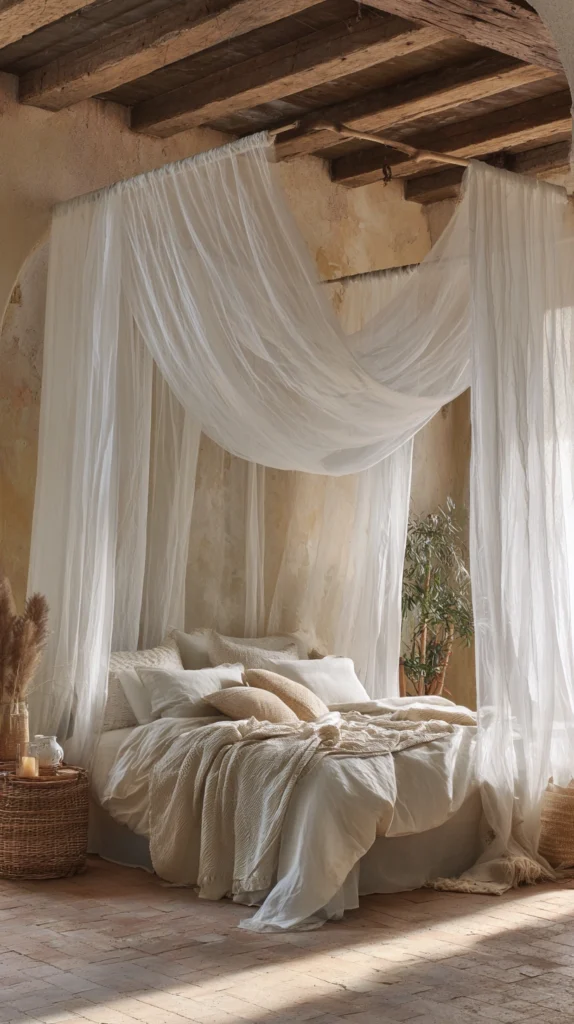
A sheer fabric bed canopy — hung from the ceiling above the bed, falling on two or three sides to near-floor level — combined with a single lightweight blanket across the foot of the bed creates the most complete summer bedroom arrangement on this list. The canopy provides the sense of enclosure that heavy winter bedding provides by other means, and the combination of sheer overhead fabric and minimal bedding below it is the specific visual language of a warm weather bedroom.
A ready-made sheer bed canopy costs $25–$60. Sheer fabric purchased by the metre and suspended from a ceiling hook runs $15–$40 in materials. A lightweight blanket at the foot of the bed costs $20–$60. The canopy and the blanket are styled as a pair — both in white or both in natural, or the canopy in white and the blanket in a complementary colour — rather than chosen independently. The pair relationship between them is what makes the arrangement read as designed rather than assembled.
Style tip: Hang the canopy off-centre above the bed — centred on one pillow rather than on the bed as a whole — rather than at the exact geometric centre of the headboard. A canopy hung off-centre produces an asymmetry that reads as romantic and intentional; one hung at the exact centre reads as symmetrical and formal. The slight offset is the styling decision that changes the mood of the canopy from hotel room to something with more character.
9. The Reading Chair Throw

Budget: $20 – $70
A single throw on the reading chair — draped over the back of the chair rather than folded on the seat, so it falls down both sides and creates the appearance of something just removed by the last person who sat in it — is the domestic detail that communicates habitation most convincingly. A throw on the back of a chair is the furniture equivalent of a cup of tea still steaming: evidence that someone has recently been in this spot and may return to it.
A cotton or linen throw in a size proportional to the chair costs $20–$60. Drape it over the back with approximately two-thirds of the throw falling behind the back and one-third in front — the heavier fall behind anchors it and the front fall frames the seat cushion without covering it. A throw that covers the seat cushion hides the chair; one that frames it reveals it.
Style tip: Choose a throw for the reading chair that is a different texture from the throw on the sofa — if the sofa has a smooth linen throw, the reading chair throw might be open-knit cotton, or waffle weave, or a slightly textured plain cotton. The variety of textures across the room’s throws communicates a collection of different textiles rather than a matched set, and the collection reading is always warmer and more personal than the matching set.
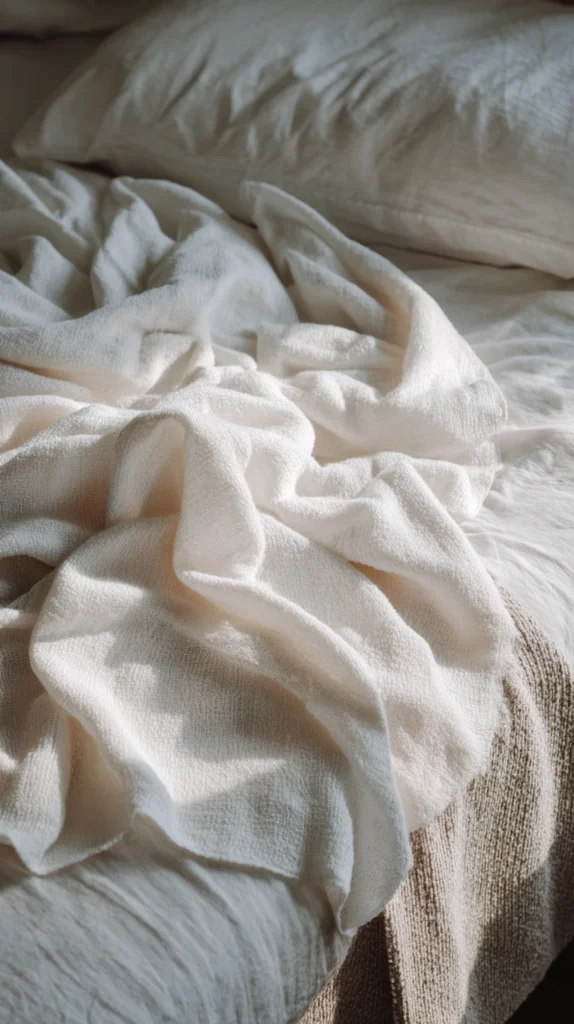
10. The Children’s Summer Nap Blanket
Budget: $10 – $40
A small cotton or muslin blanket — lightweight, easily washable, in a colour or a simple pattern that relates to the child’s room — folded at the end of the bed or kept in a basket beside the sofa creates the child’s summer version of the adult summer blanket. Children require blankets in summer for the same reasons adults do — the evening cools, the air conditioning chills, the afternoon nap needs something to signal sleep — and the children’s summer blanket is the specific textile that addresses those needs without adding the weight of a full duvet to a warm night.
A cotton muslin blanket in a small single size costs $8–$20. A double-layer gauze version runs $15–$35. A simple printed cotton blanket in a children’s pattern costs $10–$25. Wash before first use — children’s textiles accumulate the particular smell of new fabric and the sizing used in manufacturing, and a child who is sensitive to smell will reject a blanket that smells unfamiliar regardless of how appropriate its weight and texture might otherwise be.
Style tip: Involve the child in choosing the summer blanket — from a selection of two or three options in materials and weights that are appropriate — rather than presenting a single option. A blanket a child chose is a blanket a child uses; one that appeared without consultation is a blanket that may be rejected in favour of the familiar winter duvet regardless of its superior suitability for the season. The choice is the investment in the object’s use.
The best summer blanket is not the most beautiful or the most carefully styled — it is the one that is within reach when needed, light enough not to make the summer night warmer than it should be, and placed with enough care that it communicates that the room was thought about rather than simply lived in.
Choose the material honestly — linen for the sofa, gauze for the bed, cotton for the outdoors — place it with the casual intention that summer requires rather than the precise arrangement of winter, and then leave it to do what a summer blanket does best: make a warm room feel looked after without making it feel heavy.