
15 Indoor-Outdoor Summer Living Ideas
Summer is the season that makes the indoor-outdoor home genuinely possible — the months when the temperature, the light, the air quality, and the specific quality of evening warmth combine to make moving freely between the interior and the exterior of the house not just pleasant but genuinely preferable to staying in either space exclusively.
The summer home that takes full advantage of this possibility — that is designed, arranged, and used in a way that treats the indoor and outdoor spaces as a single continuous living environment rather than two separate zones with a door between them — delivers a quality of daily life that the sealed interior and the occasional outdoor visit cannot approach.
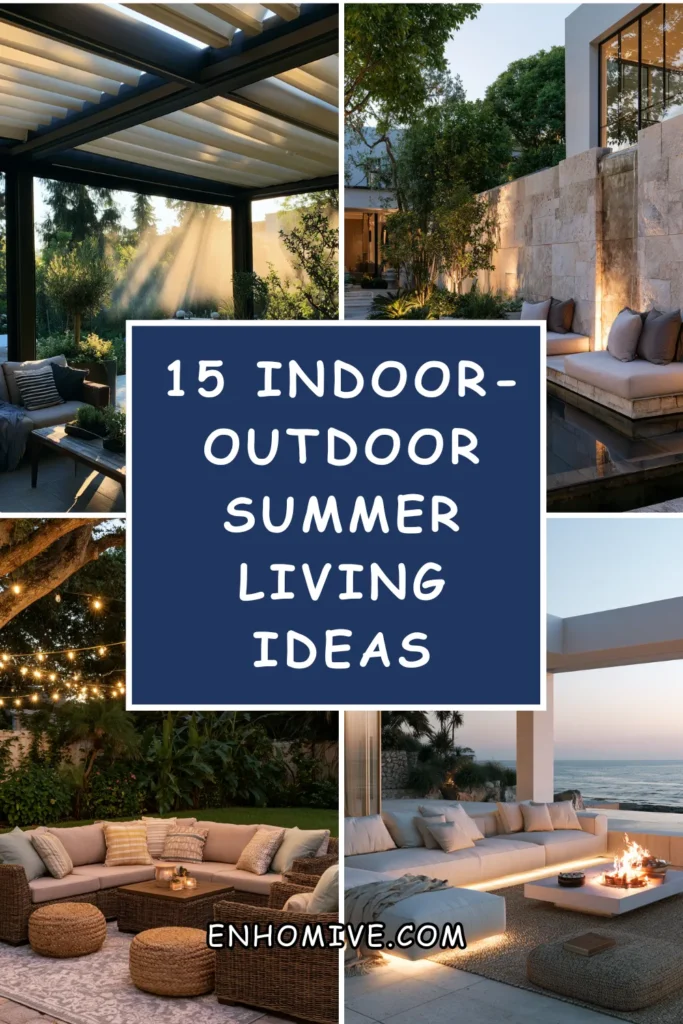
Indoor-outdoor summer living is not an architectural achievement reserved for houses with expensive glass wall systems and generous outdoor rooms. It is a way of using and arranging any home — of opening what can be opened, moving what can be moved, and designing the relationship between interior and exterior spaces with the same intention and the same intelligence applied to any other aspect of the domestic environment. These fifteen ideas demonstrate exactly how to achieve it across a range of homes, budgets, and outdoor spaces.
1. Remove Every Barrier Between the Kitchen and the Outdoor Dining Area
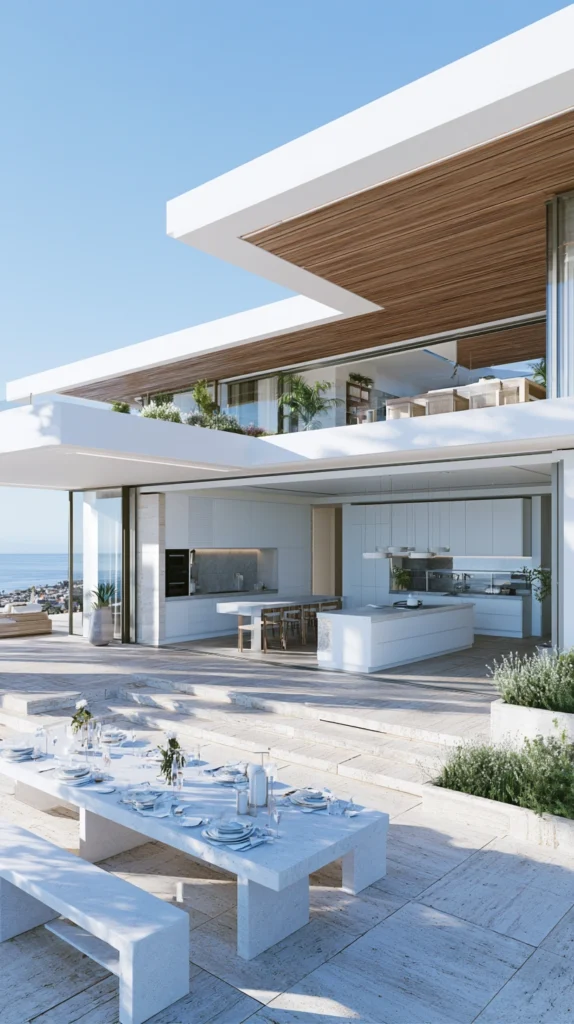
The kitchen that connects directly and immediately to the outdoor dining space — through a wide open doorway, a pass-through window above the counter, or a set of folding glass doors that eliminate the wall between the cooking zone and the terrace
It is the summer home’s most important architectural connection, the one that transforms the daily reality of summer cooking and eating from a series of trips between two separate spaces into a single continuous experience of preparing, serving, and eating food in the warm summer air.
Open the connection as wide as the architecture allows, position the outdoor dining table close enough to the kitchen opening to receive food directly from the cooking surface without requiring the cook to navigate the full outdoor space, and the summer kitchen and the summer dining table become a single room with a very high ceiling — the open sky above and the garden around.
2. Create a Continuous Floor Surface Between Inside and Outside
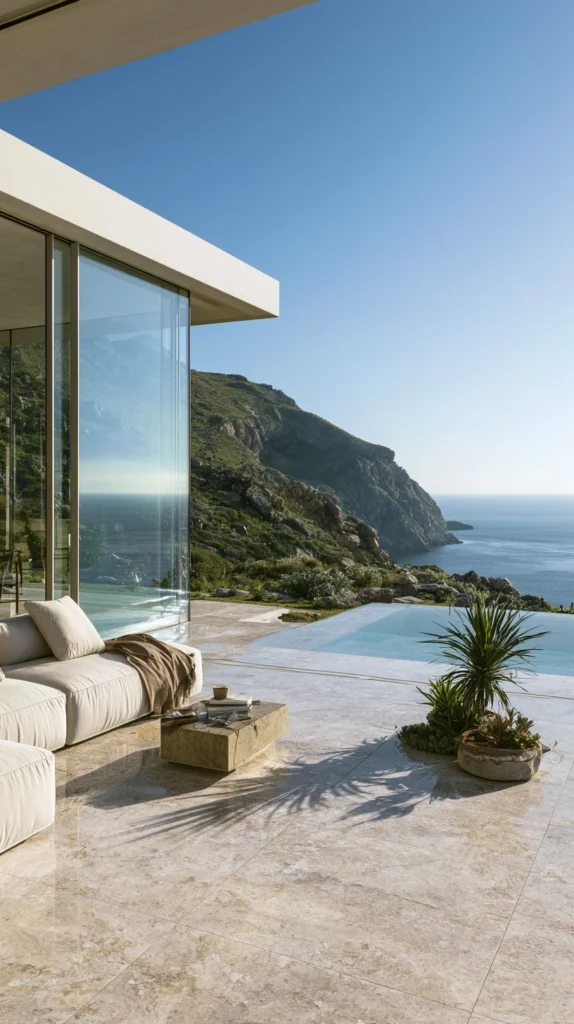
The floor material that runs without interruption from the interior living space through the open doors and across the outdoor terrace — the same porcelain, the same stone, or the same timber species treated for both indoor and outdoor use.
It eliminates the material boundary between the two spaces at the level where the boundary is most physically experienced and most visually registered. When the eye looks from the sofa to the garden through open glass doors and sees the same floor surface in both spaces, the brain registers a single room of generous dimensions rather than a smaller room with a view of an outdoor area beyond it.
Install the outdoor surface at the same level as the interior floor, eliminate the threshold step that most door installations create, and the floor continuity is complete — the most important and most cost-effective indoor-outdoor design intervention available to any summer home.
3. Move the Sofa Outdoors for the Summer Months
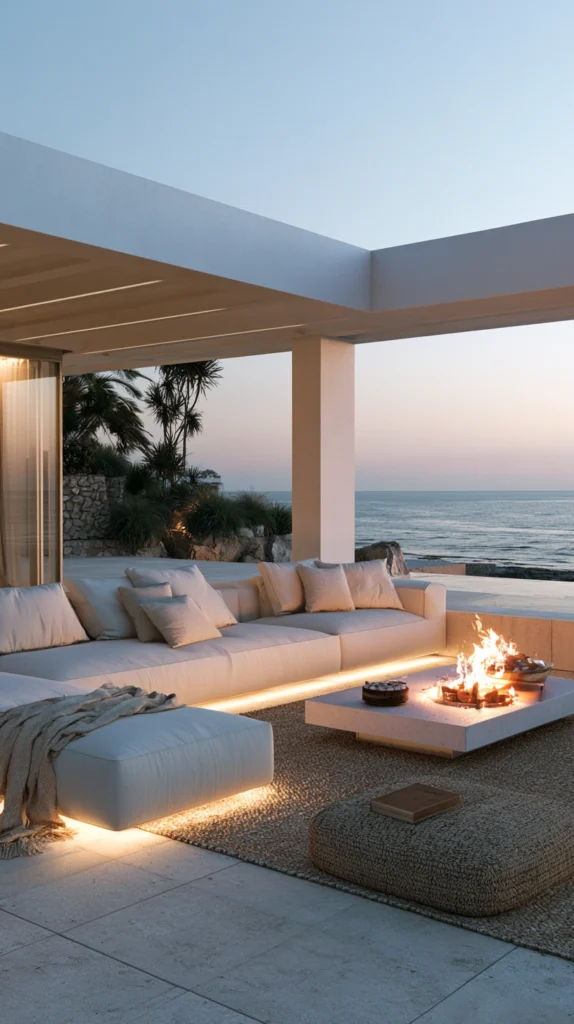
The summer living room is not necessarily inside the house — in climates where the summer temperature makes outdoor occupation genuinely comfortable for the majority of the day and the evening, moving the primary seating arrangement outdoors for the summer months converts the outdoor space from a garden with furniture in it into the household’s genuine living room, the space where reading, conversation, afternoon rest, and the social gathering of daily life actually happens rather than being conducted indoors with the occasional migration to the outdoor space for special occasions.
A quality outdoor sofa of generous depth and genuine comfort, positioned under a pergola or shade structure that provides the overhead enclosure that makes the outdoor seating feel genuinely room-like rather than exposed, is the summer living room in its most complete and most comfortable expression.
4. Install a Summer Kitchen Outdoors
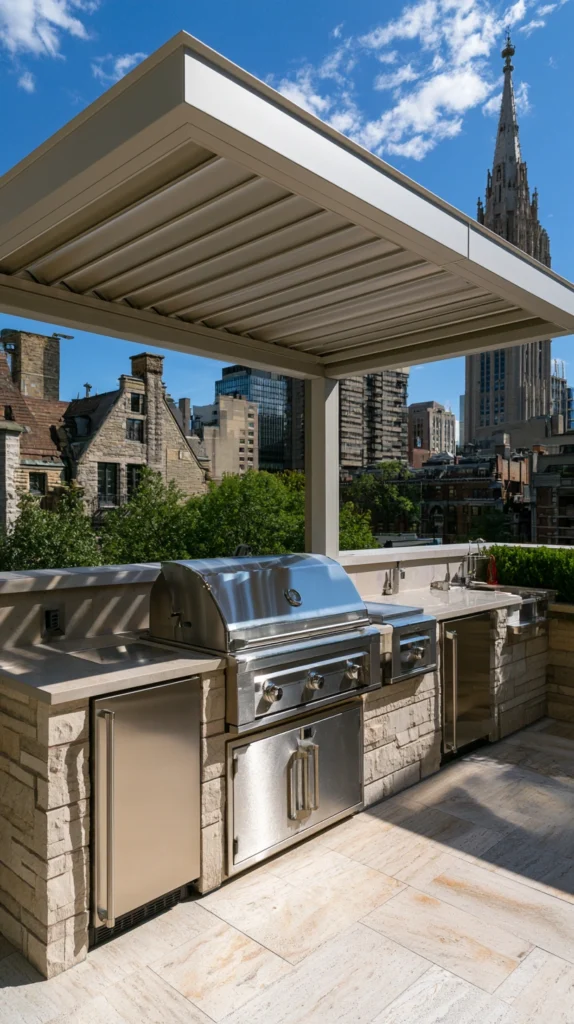
An outdoor kitchen — equipped with a quality grill, a preparation surface of adequate size, a refrigerator for cold ingredients and drinks, and a sink with running water — converts the summer cooking experience from an indoor activity with outdoor eating into a genuinely outdoor activity from the first ingredient to the last dish, keeping the indoor kitchen cool, keeping the cook present with the outdoor gathering, and creating the specific quality of outdoor culinary experience that makes summer cooking feel entirely different from its indoor equivalent.
The summer kitchen does not require a permanent, elaborate installation — a quality portable grill on a simple outdoor counter, supplemented by a small outdoor refrigerator and a simple prep surface, creates the functional outdoor kitchen that supports the full range of summer cooking without the construction investment of a built-in installation.
5. Set Up a Permanent Outdoor Reading and Rest Zone
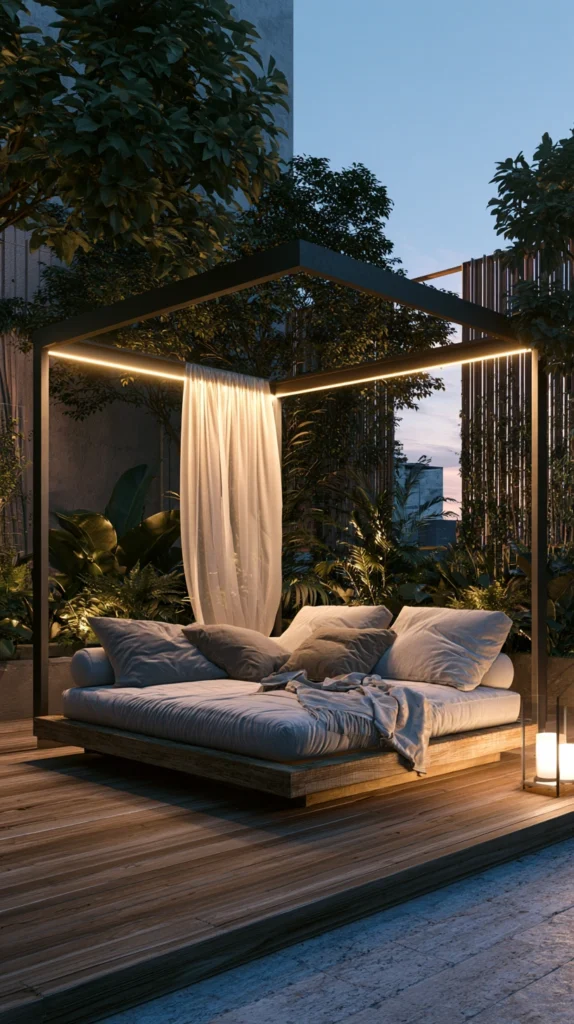
A dedicated outdoor reading and rest zone — a daybed or a pair of quality loungers under a shade structure, accompanied by a small side table for books and drinks, positioned in the garden’s most pleasant and most private corner — creates the outdoor equivalent of the interior reading room, a specific place dedicated to the specific activity of unhurried rest and reading that summer makes possible and that the indoor equivalent cannot replicate with the same quality of warm air, natural light, and ambient garden sound.
The permanence of the installation is the detail that transforms occasional outdoor reading into a genuine daily habit — the daybed that is always ready, always cushioned, always positioned for the afternoon light does not require the friction of setup and preparation that converts a genuinely good intention into a less-frequent-than-intended reality.
6. Use Outdoor Curtains to Create Summer Rooms
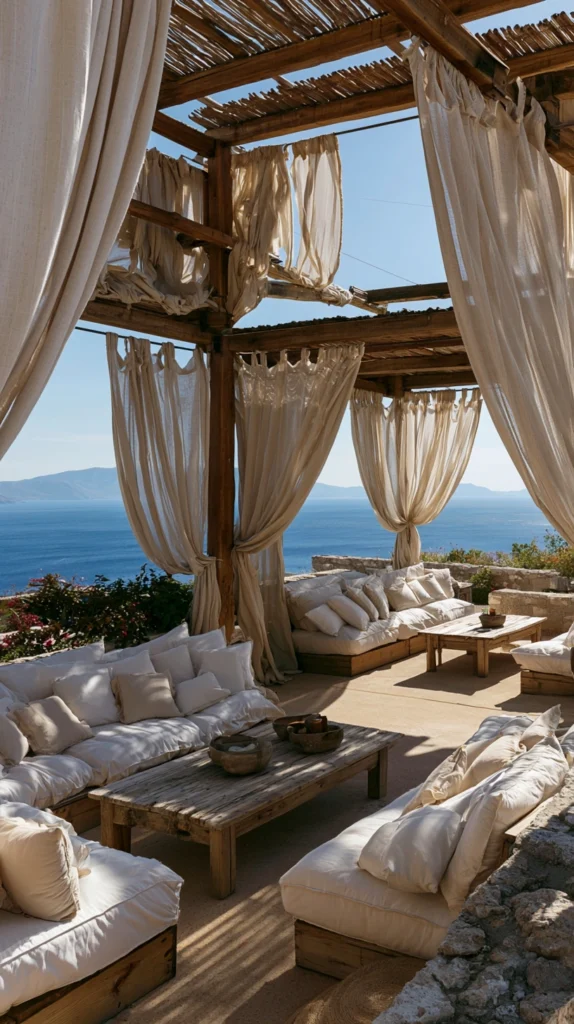
Outdoor curtains — sheer linen panels hung from a pergola’s outer beam, canvas panels on a simple tension wire between two posts, or a simple fabric canopy stretched above a seating area — create the overhead and lateral enclosure that converts an open outdoor area into a genuine summer room of considerable intimacy and considerable atmosphere.
The curtain’s ability to be opened completely when the breeze and the view are the priority and drawn closed when shade, privacy, or the particular quality of filtered light through pale fabric is the desired experience makes it the most flexible and the most immediately transformative outdoor summer room element available.
Specify outdoor-rated fabrics in warm natural tones — linen, canvas, or a quality outdoor textile in cream, natural, or warm stripe — for the material warmth and the visual character that synthetic alternatives cannot achieve with the same quality of genuine summer atmosphere.
7. Bring Interior Lighting Standards Outdoors
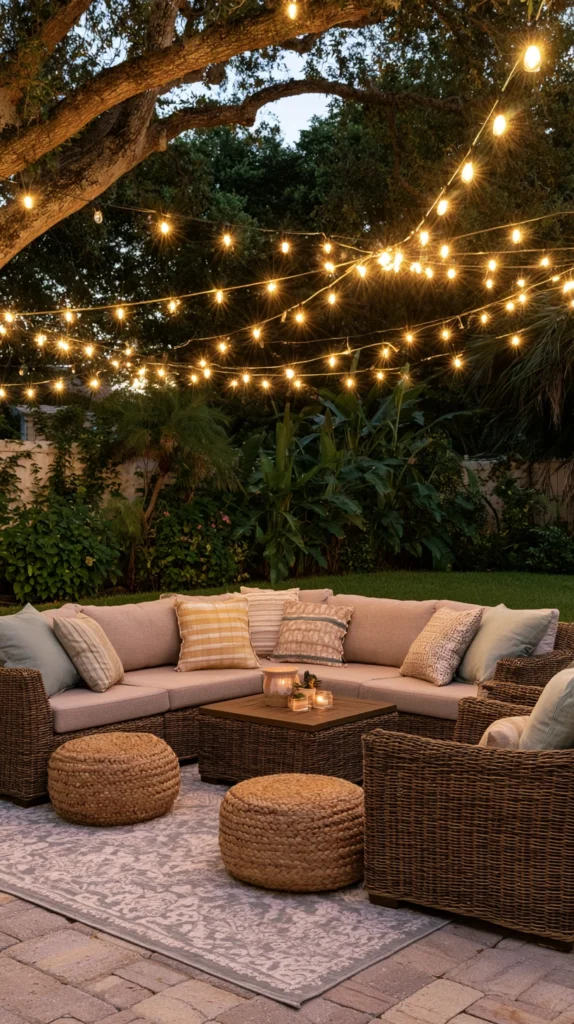
The outdoor summer space that is genuinely used through the evening hours — for dinner, for conversation, for the specific quality of summer night air that makes outdoor occupation so pleasurable after dark — requires a lighting scheme of comparable quality and comparable thoughtfulness to the interior lighting scheme of the same house. String lights hung in generous catenary curves above the outdoor dining area. Lanterns on the dining table are genuinely lit each evening rather than purely decorative.
Low-level pathway lighting through the garden that makes evening movement between different outdoor zones safe and visually beautiful. Uplighting of the specimen trees and the significant planting that creates the three-dimensional quality of evening garden illumination, which makes the outdoor space feel genuinely extraordinary after dark. The outdoor summer space with a genuinely considered lighting scheme is used two or three hours longer each evening than the same space lit by a single security light.
8. Create a Summer Bedroom Connection to the Outdoors
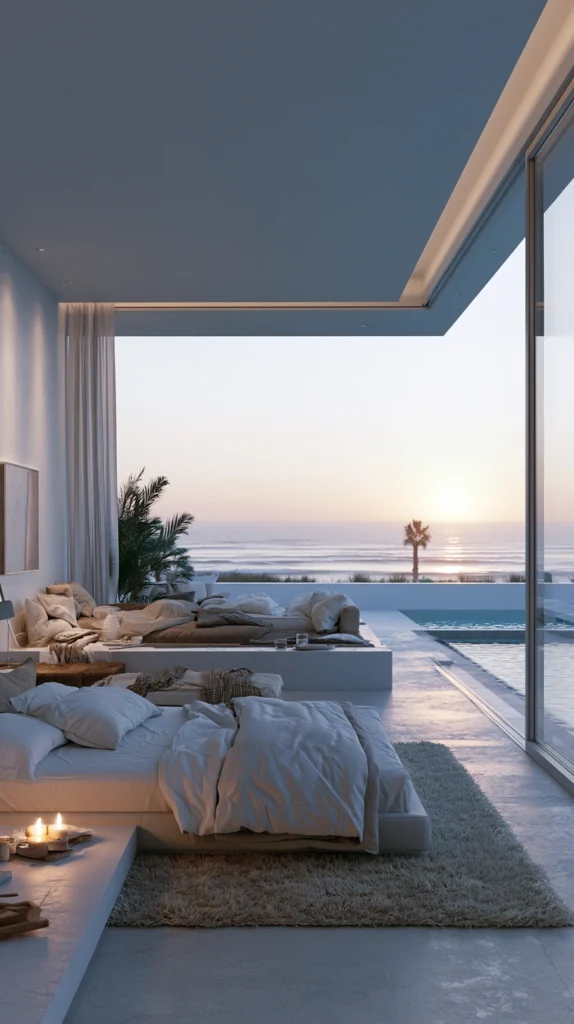
The bedroom that opens directly to the outdoor summer environment — through French doors onto a private terrace, through a sliding glass panel onto a garden balcony, or through a screened sleeping porch that allows the summer night air to flow freely through the sleeping space while keeping insects at bay — delivers a quality of summer sleep that the sealed, climate-controlled bedroom cannot approach. The specific quality of sleeping in genuine contact with the summer night air.
The temperature, the sound of the garden at night, the quality of darkness that outdoor space provides even in an urban environment, is one of the most consistently restorative sleeping experiences available, and the bedroom designed to enable it through the summer months is the bedroom that makes the summer season genuinely distinct from every other season in its daily and nightly quality.
9. Set Up an Outdoor Coffee and Breakfast Station
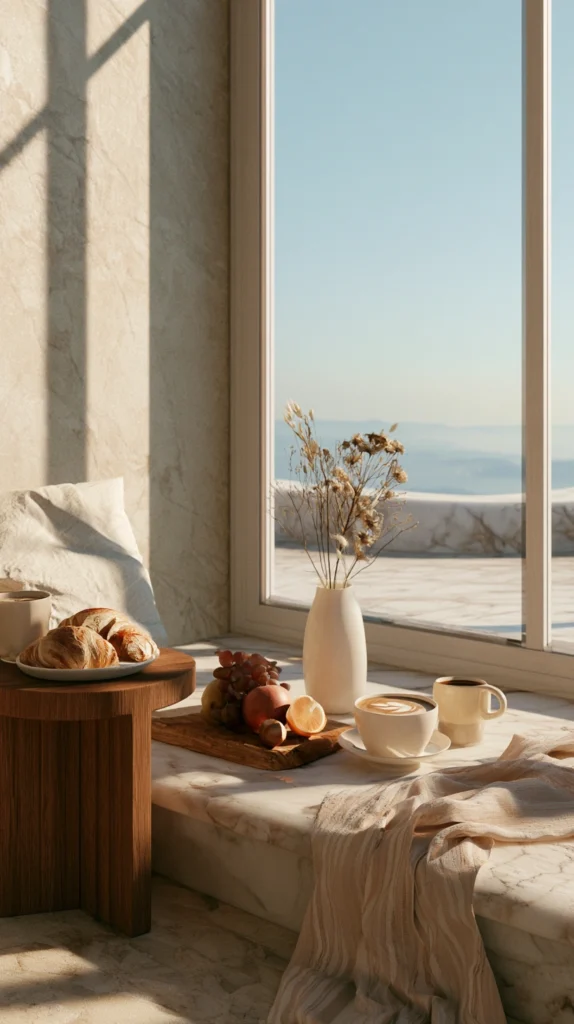
A dedicated outdoor coffee and breakfast station — a small table positioned in the spot that receives the best morning light the garden offers, carrying a simple insulated carafe of coffee, a pair of cups, and the minimal equipment for a morning spent outside rather than inside.
It creates the summer habit that most completely changes the quality of the daily morning routine, replacing the indoor kitchen breakfast with an outdoor one that begins the day in natural light, warm air, and the particular quality of summer morning garden atmosphere that no interior, however beautifully designed, can replicate.
The outdoor breakfast habit, once established, becomes one of the summer’s most consistently anticipated daily pleasures — and the station that is set up before bed and ready without preparation in the morning is the one that gets used every day rather than occasionally.
10. Install a Misting System for Hot Climate Comfort
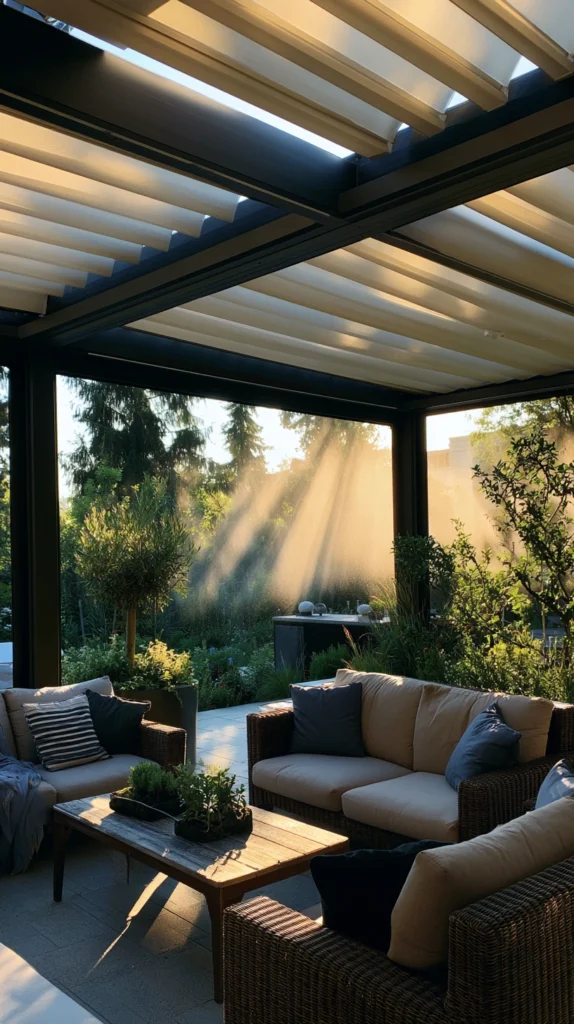
A misting system — its fine water droplets reducing the perceived temperature in the outdoor living area by eight to twelve degrees through evaporative cooling — is the outdoor summer comfort addition that most directly extends the hours during which the outdoor space is genuinely comfortable for occupation in hot climates, converting the mid-afternoon period that is typically too hot for comfortable outdoor use into a genuinely pleasant outdoor occupation zone.
Install the misting system along the pergola’s outer edge above the primary seating area, connect to a simple timer that activates during the hottest hours of the afternoon, and the outdoor summer living room becomes comfortable from morning through evening rather than retreating from the midday heat for three or four hours of each summer day.
11. Grow Herbs and Edibles Within Arm’s Reach
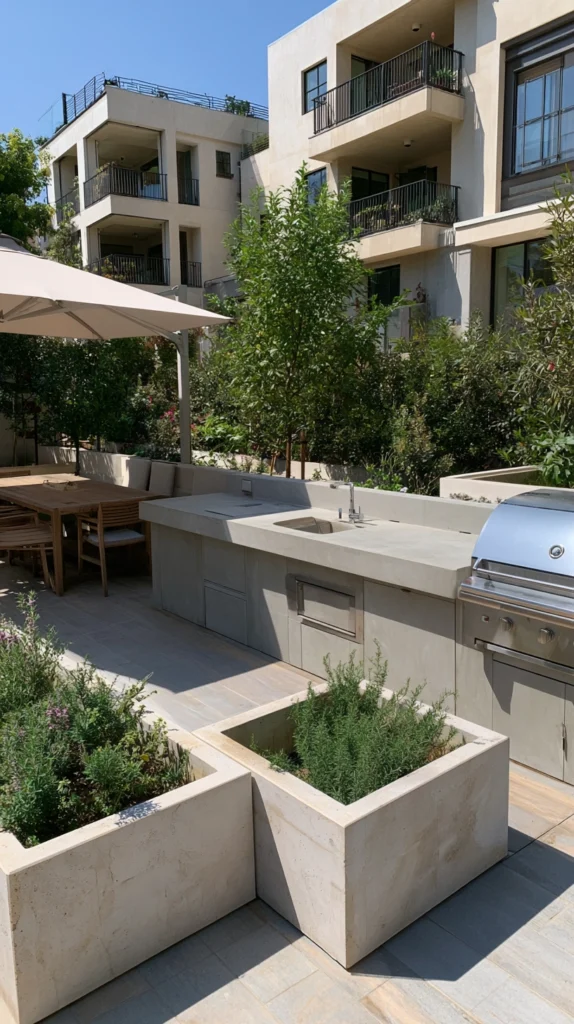
A summer herb and edible garden positioned immediately adjacent to the outdoor kitchen and the outdoor dining area — its growing containers within arm’s reach of the cooking surface and the dining table.
It creates the most direct possible connection between the summer outdoor living space and the summer garden’s productive capacity, the basil torn directly from the plant beside the table into the dish, the mint cut from the pot beside the grill into the drink, the tomatoes picked from the plant beside the outdoor kitchen and placed directly onto the platter.
The edible garden adjacent to the outdoor living space is the indoor-outdoor summer living detail that most completely and most daily connects the experience of eating, cooking, and living outdoors to the natural productive cycle of the summer garden.
12. Create a Water Feature That Cools the Outdoor Air
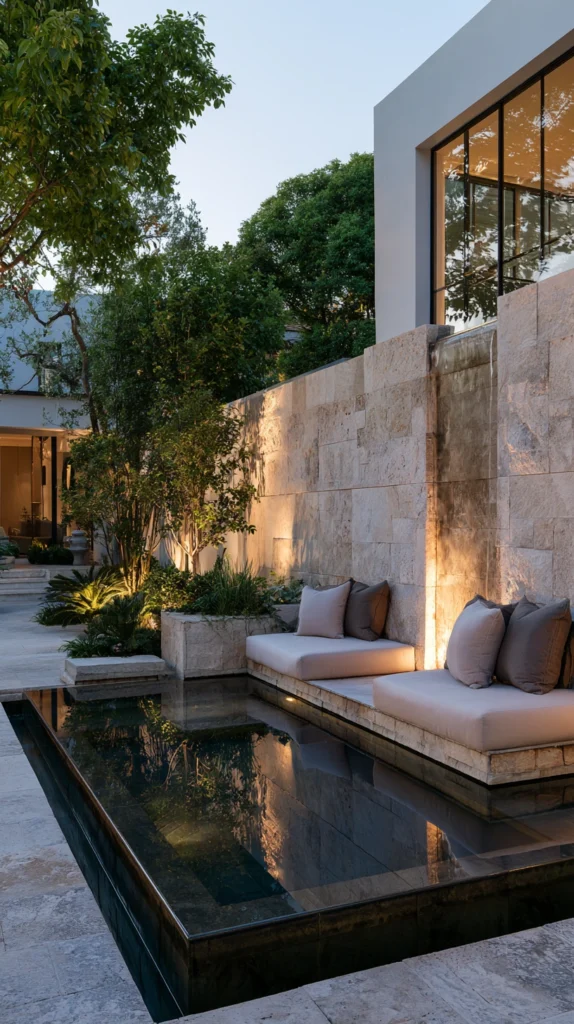
A water feature positioned within the primary outdoor living area — a simple recirculating wall fountain, a shallow reflecting pool, or a small cascade beside the seating area — contributes to the summer outdoor living environment through two simultaneous mechanisms: its acoustic contribution of moving water sound that masks urban noise and creates the quality of calm that makes extended outdoor occupation genuinely restful, and its microclimate contribution of increased local humidity and slightly reduced temperature in its immediate vicinity that makes the outdoor space physically more comfortable on the hottest summer days.
Position the water feature on the windward side of the primary seating area so the prevailing summer breeze carries the cooled, slightly humid air from the water surface across the seating zone for the maximum microclimate benefit.
13. Design a Summer Wardrobe Station Near the Outdoor Space
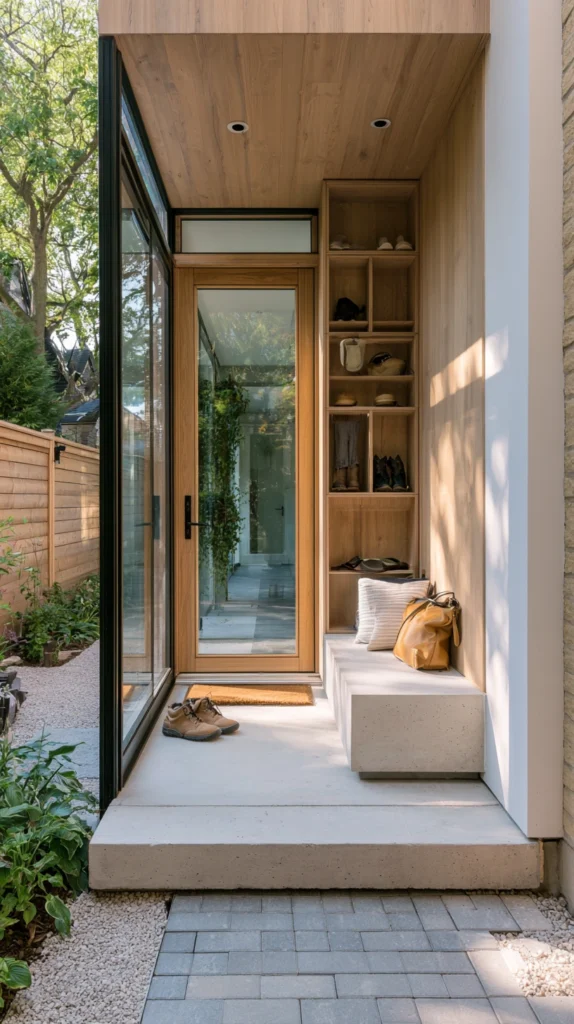
A small wardrobe or storage unit positioned near the primary indoor-outdoor transition point — carrying the hats, sunglasses, light cover-ups, and outdoor footwear of the summer daily life — creates the infrastructure that makes the indoor-outdoor movement of the summer home genuinely effortless rather than repeatedly interrupted by the need to return to the main house for the hat left on the bedroom chair or the sunglasses on the kitchen counter.
The summer wardrobe station is the hosting corner idea applied to the personal accessories of summer outdoor life — everything needed for moving outside immediately available at the point of transition between inside and outside, the friction of the transition reduced to the minimum that good organisation can achieve.
14. Host Every Meal Outdoors That the Weather Allows
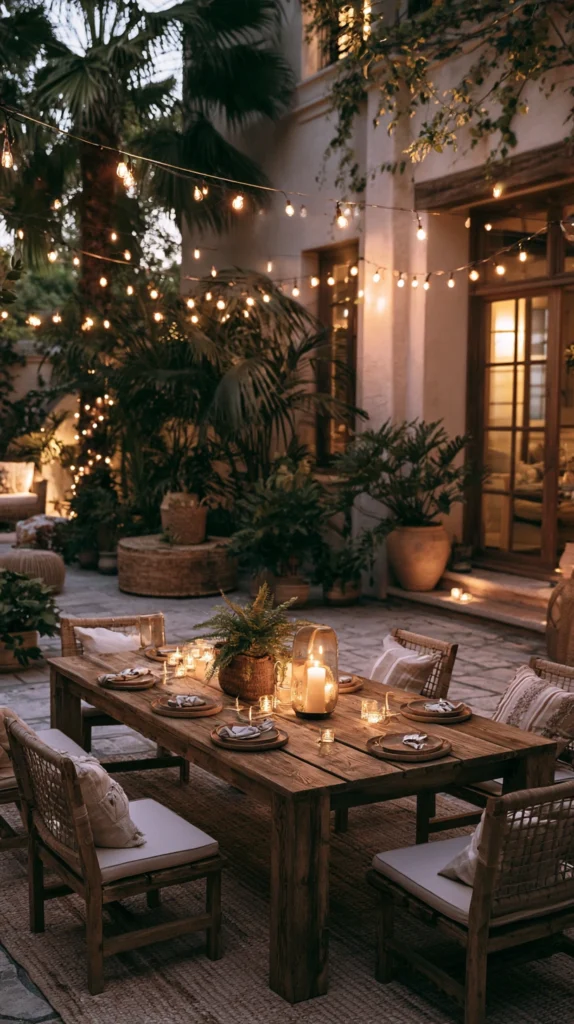
The most powerful indoor-outdoor summer living idea requires no design intervention, no material investment, and no structural change — it is simply the decision to host every meal that the weather allows outdoors rather than indoors, to make the outdoor dining experience the default summer choice rather than the special occasion alternative to the interior dining room. Summer breakfast on the terrace. Lunch in the garden. Dinner under the string lights.
The meal moved outdoors is the daily practice that most completely and most immediately transforms the quality of summer living — not because the food tastes better outside, though it frequently does, but because the combination of natural light, warm air, the sound of the garden, and the specific quality of ease that outdoor eating produces in every person around the table creates a mealtime experience of such consistent pleasure and such consistent connection that the indoor alternative feels genuinely impoverished by comparison from the first outdoor meal of the summer to the last.
15. Keep the Indoor-Outdoor Threshold Completely Clear
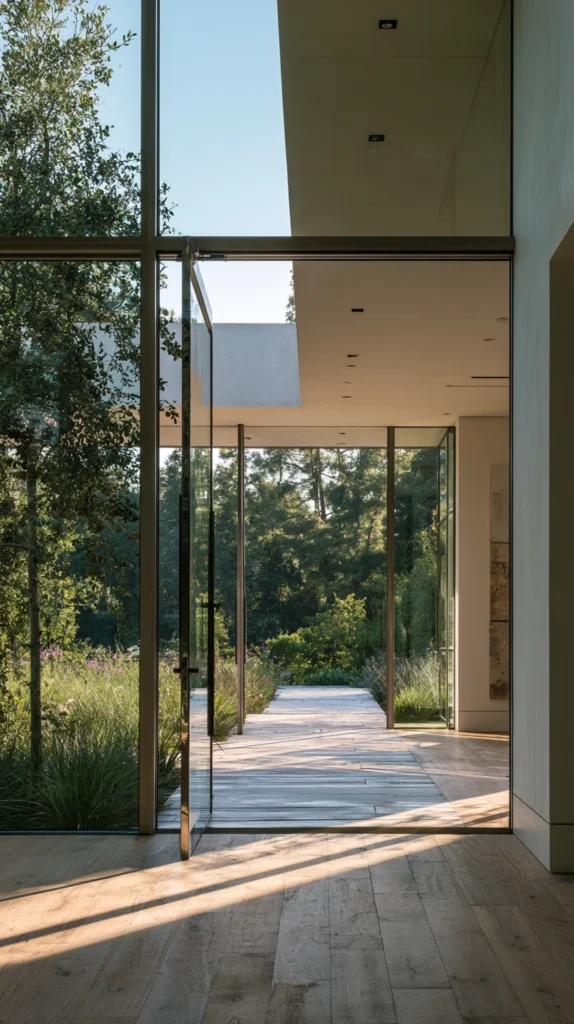
The indoor-outdoor summer home that functions most effortlessly — that allows the free, uncomplicated movement between interior and exterior that summer living at its best makes possible — is the one where the threshold between inside and outside is kept completely clear of the furniture, the equipment, and the accumulated domestic objects that most homes gradually deposit at every transition point until the movement between rooms becomes a negotiated passage rather than a free one. Clear every door threshold of every object that is not permanently and intentionally placed there.
Remove the shoe rack that blocks the back door, the umbrella stand that narrows the opening, the side table that was placed beside the door temporarily and remained permanently. The clear threshold is the most important and most consistently maintained element of the indoor-outdoor summer home — and the home that keeps it clear throughout the summer is the home that uses its outdoor space most freely, most frequently, and most joyfully of all.
Final Thoughts: Living the Indoor-Outdoor Summer Fully
The indoor-outdoor summer that is genuinely lived rather than occasionally visited is the product of design decisions made in advance of the season — the outdoor furniture positioned and cushioned before the first warm day, the outdoor kitchen stocked and ready before the first outdoor dinner, the threshold cleared and the curtains hung before the first morning when the back door wants to be opened and left open.
Prepare the indoor-outdoor home for summer as deliberately and as completely as the interior is prepared for winter — with the same attention to comfort, the same quality of material and lighting, and the same commitment to the specific quality of daily life that the season makes possible. The summer that is lived fully indoors and outdoors simultaneously is the summer that is remembered most warmly and most completely when autumn arrives and the doors close again.