
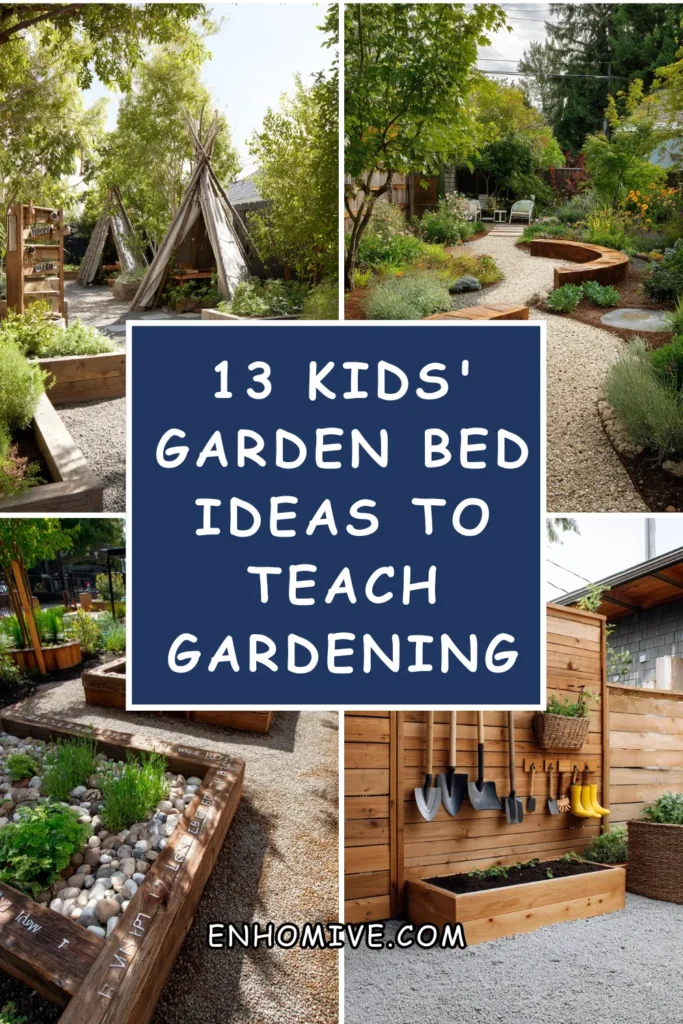
13 Kids’ Garden Bed Ideas to Teach Gardening
The garden bed changed how my kids related to food and patience more than any lesson I ever tried to teach them directly. Not a chore chart. Not a screen-time restriction. Not a structured curriculum or a store-bought kit promising to make gardening simple.
Their own actual patch of dirt.
Because giving children genuine ownership over a specific growing space did something no amount of explaining ever managed. Before it: gardening as something the adults in the house did, occasionally narrated to the kids standing nearby, watching rather than participating.
After it: a bed that was unmistakably theirs, planted with their own choices, watered on their own initiative, the first harvest treated like a genuine personal accomplishment because it actually was one.
A kids’ garden bed is not simply a section of the adult garden where children are allowed to help occasionally. It is a dedicated space, scaled and planned specifically for a child’s actual height, attention span, and interests, giving them real ownership rather than supervised participation in an adult project. The garden: no longer just the parents’ domain with children as occasional assistants, but a space where kids get to be the actual gardeners.
Here are 13 kids’ garden bed ideas to teach gardening — from the simplest container start to the most fully developed dedicated growing space — built on that understanding.
Why Genuine Ownership Teaches Gardening Better Than Supervised Helping
The ownership principle
A child who has their own specific bed, chosen and planted according to their own interests, engages with the entire growing process far more attentively than a child simply assisting with a parent’s garden, since the outcome genuinely belongs to them.
The scale-to-child consideration
Without child-scaled planning:
A garden bed sized and organized for adult reach and adult plant preferences, with children participating only in the specific tasks an adult directs.
The garden: technically involving children, but not genuinely theirs in any meaningful sense.
With child-scaled planning:
A bed sized specifically for a child’s actual height and reach, planted with crops chosen partly for their appeal to children — quick results, bright colors, edible snacking varieties.
The garden: becoming a space children genuinely direct and care for themselves, within appropriate guidance.
The quick-reward case
Children generally have less patience for a months-long growing cycle than adults, making fast-growing, visually rewarding plants — radishes, sunflowers, cherry tomatoes — particularly valuable for sustaining genuine engagement through an entire growing season.
The failure tolerance principle
A child’s garden bed benefits from a household attitude that treats failed or struggling plants as a genuine learning opportunity, rather than a problem requiring immediate adult correction — a wilted plant a child chose and tended themselves teaches more about real gardening than a perfectly maintained bed an adult quietly rescues at every sign of trouble.
The Five Elements of an Effective Kids’ Garden Bed
Before planting any specific bed:
Appropriate scale
A bed sized to a child’s actual height and reach, rather than a standard adult-scaled garden bed.
The foundational planning decision every other choice builds upon.
Ensures genuine independent access rather than requiring constant adult assistance.
Fast-growing, rewarding plants
Radishes, sunflowers, and other quick-germinating, visually satisfying varieties.
Sustains a child’s attention and enthusiasm through the growing process.
Balances the longer timeline of slower-growing vegetables elsewhere in the bed.
Genuine tool access
Child-sized gardening tools, sized and weighted appropriately for actual use.
Removes a significant barrier to real independent participation.
Worth the investment over assuming adult tools will simply work at a smaller scale.
Sensory and interactive elements
Plants and features engaging touch, smell, and visual interest beyond pure vegetable production.
Extends the bed’s appeal beyond only harvest-focused crops.
Particularly valuable for younger children with shorter attention spans.
Room for genuine mistakes
A planting and maintenance approach tolerating some failure and experimentation.
Central to the actual learning process gardening is meant to provide.
Requires a household willingness to let a child’s choices play out rather than over-correcting.
1. The Raised Bed Scaled to Child Height
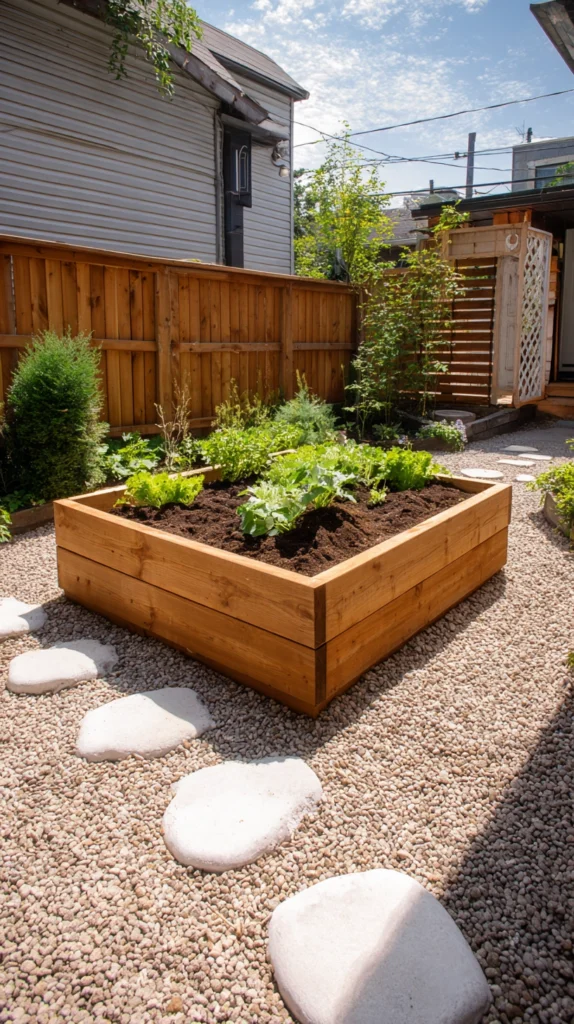
A raised garden bed, built specifically at a height and depth accessible to a young child, rather than a standard adult-height raised bed requiring a step stool or constant lifting.
Why scale matters more than any single plant choice
A bed genuinely built for a child’s own height and reach removes the single biggest barrier to independent gardening — the physical inability to comfortably work in a space designed for adult bodies.
The height
A lower bed height, generally 8 to 12 inches, allowing a young child to reach all the way across and into the bed without needing to climb or stretch awkwardly.
The width
A narrow bed, no more than 2 to 3 feet across, ensuring a child can reach the center from either side without needing to step directly into the growing soil.
The construction
Simple untreated wood boards, assembled into a basic rectangular frame, requiring no specialized construction skill beyond basic measuring and assembly.
The location
Positioned in a sunny spot easily and safely accessible to the child, ideally visible from a window or door so the bed remains part of the household’s regular daily view and routine.
The overall value
A bed genuinely built around a child’s actual physical capabilities, removing the scale mismatch that often turns supervised “helping” into the primary mode of a child’s garden participation.
Cost breakdown: Raised bed lumber and construction: $40–100 Soil: $30–70 Total: $70–170
2. The Alphabet or Rainbow Garden
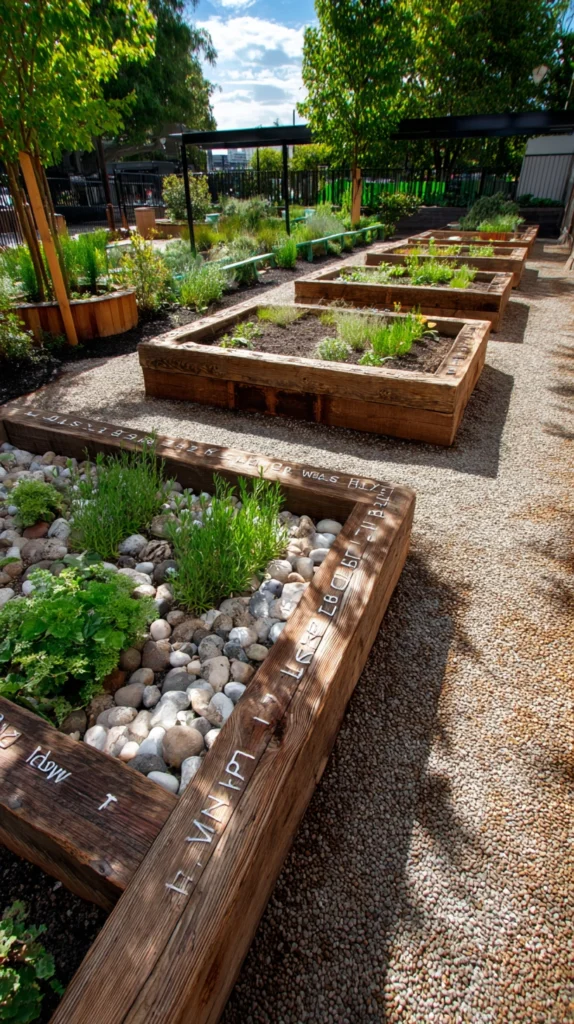
A garden bed organized around a specific theme — planting vegetables in alphabetical order, or arranging flowers by color to form a rainbow pattern — combining a learning concept directly into the planting plan.
Why a thematic organizing principle adds an educational layer beyond basic planting
Organizing a bed around the alphabet or color combines an academic learning concept — letter recognition, color identification — directly into the physical planting process, reinforcing the lesson through hands-on, repeated engagement.
The alphabet approach
Vegetables and flowers chosen specifically for names starting with different letters — arugula, beets, carrots — planted in alphabetical rows, with a small marker at each row displaying the corresponding letter.
The rainbow approach
Flowers or vegetables chosen and arranged specifically by color, creating a visual rainbow effect across the bed as the plants mature and bloom.
The marker system
Small painted stones, wood stakes, or laminated cards marking each specific plant and its corresponding letter or color, reinforcing the educational theme throughout the growing season.
The plant selection flexibility
Adjustable based on what is genuinely available and season-appropriate, rather than requiring an exact, rigid alphabet sequence, prioritizing the underlying educational concept over strict letter-by-letter completion.
The overall value
A garden bed that reinforces a specific early learning concept through repeated, hands-on engagement, making the educational content feel like a natural part of the gardening process rather than a separate lesson.
Cost breakdown: Seeds and plant starts (varied): $20–40 Markers or stakes: $8–15 Total: $28–55
3. The Pizza Garden
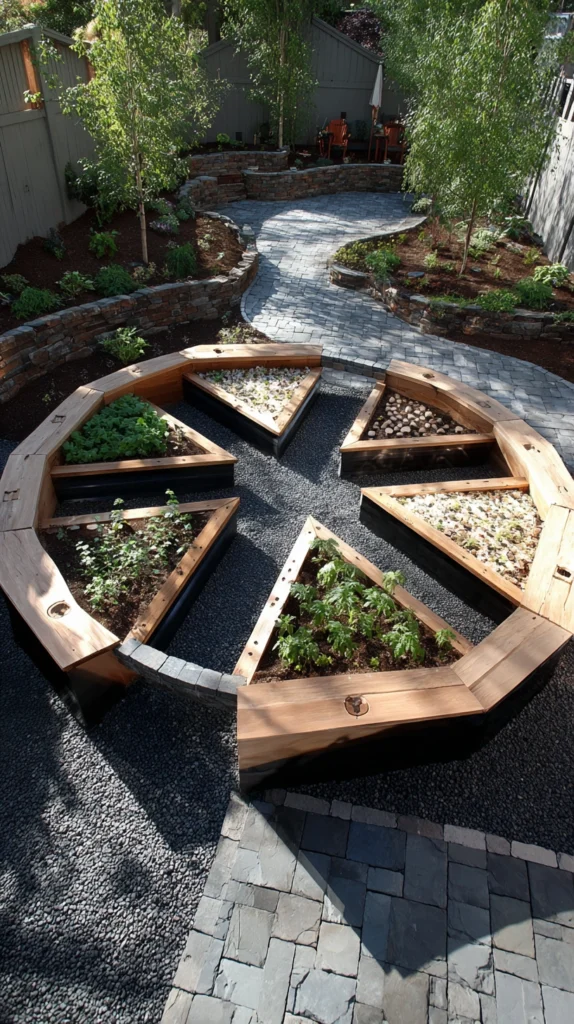
A circular bed divided into wedge-shaped sections, each planted with an ingredient used in a homemade pizza — tomatoes, basil, oregano, peppers, and onions.
Why a themed “recipe garden” connects growing directly to a tangible, appealing outcome
Rather than growing vegetables in the abstract, a pizza garden gives children a clear, appealing endpoint — an actual meal they helped grow every ingredient for — providing strong motivation to see the entire growing process through to harvest.
The bed shape
A circular bed, divided into wedge-shaped sections, similar to actual pizza slices, with each wedge planted with a single specific ingredient.
The ingredient selection
Tomatoes, basil, oregano, bell peppers, and onions, chosen specifically because they combine directly into a genuine homemade pizza sauce and topping set.
The harvest celebration
A specific planned pizza-making activity once the ingredients mature, using the child’s own harvested produce, providing a clear, tangible reward for the entire season’s growing effort.
The plant care connection
Each ingredient’s specific care requirements taught in the context of “what pizza needs,” giving otherwise abstract gardening concepts like watering frequency and sun requirements a concrete, motivating context.
The overall value
A themed garden with an unusually clear, motivating endpoint, the eventual pizza-making activity providing strong incentive for a child to stay engaged through the entire growing season.
Cost breakdown: Tomato, basil, oregano, pepper, and onion starts: $25–45 Total: $25–45
4. The Sunflower House
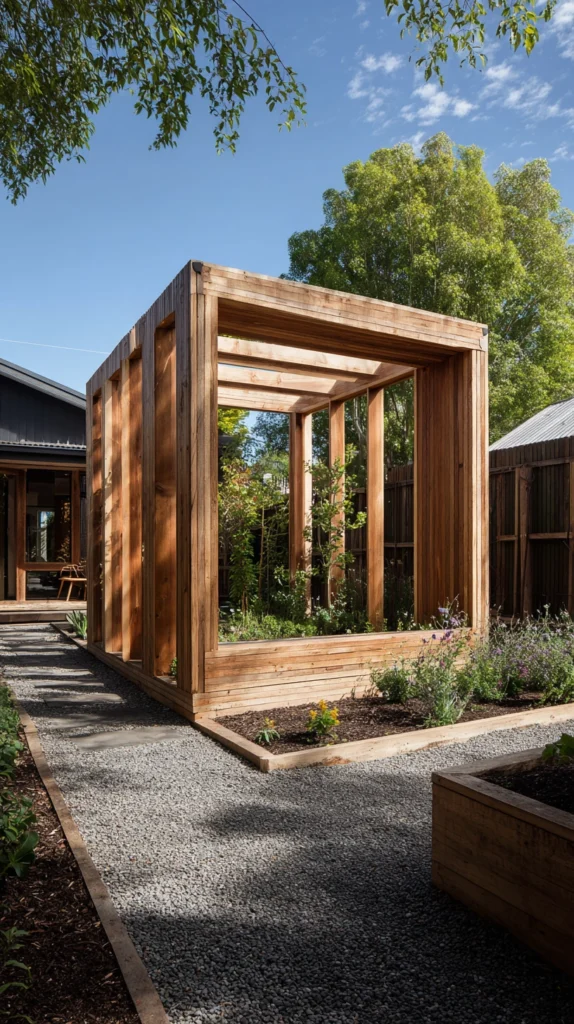
Tall sunflowers planted in a square or rectangular perimeter, with a small opening left as a “doorway,” creating a living, growing playhouse structure as the plants mature.
Why a living structure combines genuine plant growth with an immediately appealing play space
Rather than a purely production-focused bed, a sunflower house gives children a tangible, exciting reason to watch and measure the plants’ growth daily, since the payoff is literally a space they can play inside once the sunflowers reach full height.
The layout
Tall sunflower varieties planted in a square or rectangular perimeter, spaced to eventually form solid walls once fully grown, with a small gap left open as a doorway.
The variety selection
Mammoth or another genuinely tall sunflower variety, capable of reaching 8 feet or more, ensuring the eventual “house” provides real enclosed space a child can stand inside.
The growth tracking
A simple height chart or a series of photos taken weekly, tracking the sunflowers’ progress and building anticipation as the eventual walls take shape.
The seasonal timeline
Planted early in the season to allow adequate time for the sunflowers to reach full height before the growing season’s end, since this specific project depends on the plants achieving genuine substantial size.
The overall value
A project combining real botanical growth with an immediately tangible, exciting play reward, sustaining a child’s engagement and curiosity throughout the entire growing process.
Cost breakdown: Mammoth sunflower seeds: $5–12 Total: $5–12
5. The Container Garden for Small Spaces
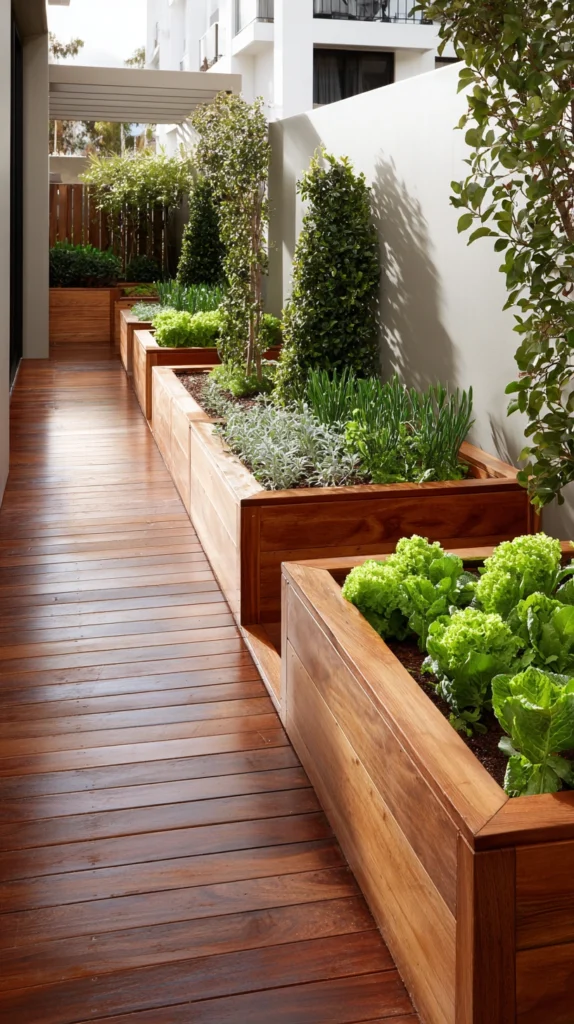
Several containers, sized and arranged specifically for a child’s own growing space, providing a genuine gardening experience even without any available ground space for an in-ground or raised bed.
Why containers offer full ownership even in the smallest available space
Not every household has room for a dedicated ground-level bed, but a small collection of containers — on a porch, a balcony, or a windowsill — provides the same genuine sense of ownership and hands-on responsibility within whatever space is actually available.
The container selection
Several pots or a window box, sized appropriately for the child’s chosen plants, positioned somewhere the child can easily reach and tend without requiring adult assistance for every interaction.
The plant selection
Compact, container-friendly varieties — cherry tomatoes, herbs, or bush-type beans — chosen specifically for their suitability to a smaller container environment.
The personalization
Containers the child helps choose or decorate themselves, reinforcing the same sense of genuine ownership central to any dedicated garden bed, even at this smaller scale.
The location
Positioned somewhere the child passes regularly, encouraging the same casual daily checking and watering habit a ground-level bed would similarly support.
The overall value
Genuine gardening ownership achieved within the smallest available footprint, proving the core educational and ownership principles do not require a large yard to succeed.
Cost breakdown: Containers (3–4): $20–45 Plant starts and soil: $25–50 Total: $45–95
6. The Pollinator and Butterfly Garden
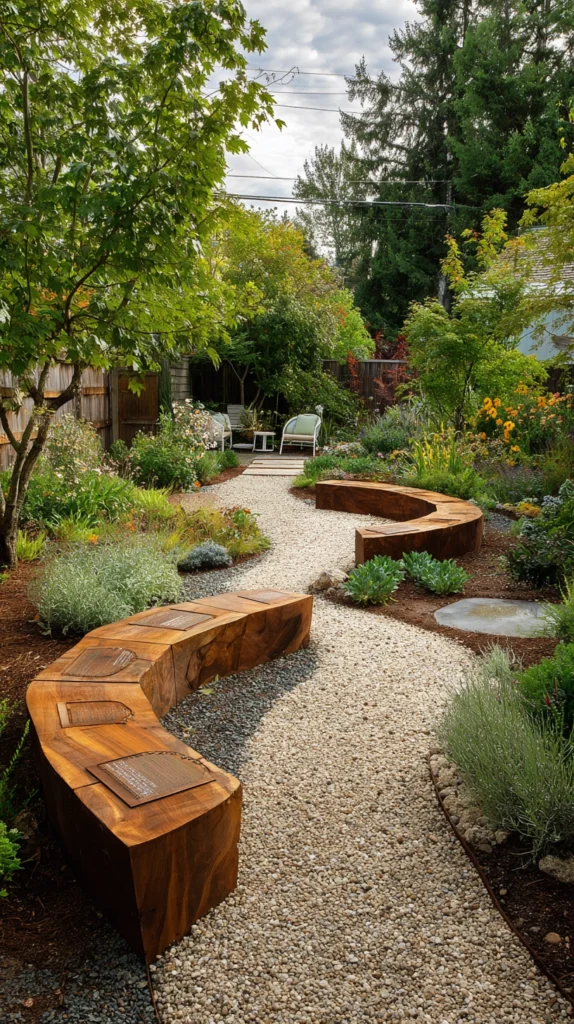
A small bed planted specifically with flowers known to attract butterflies and bees, teaching children about pollination and the broader ecological relationships a vegetable garden depends on.
Why a pollinator garden extends the lesson beyond growing food alone
A vegetable garden teaches where food comes from, but a pollinator-focused bed teaches the broader ecological system that makes that food production possible in the first place, extending a child’s understanding beyond pure harvest outcomes.
The plant selection
Milkweed, zinnias, coneflowers, and other known pollinator-attracting varieties, chosen for their genuine appeal to butterflies and bees rather than for any harvestable yield.
The observation activity
A simple insect or butterfly identification chart, encouraging the child to observe and record which specific pollinators visit their garden throughout the season.
The connection to the vegetable bed
Positioned near or connected conceptually to any adjacent vegetable growing space, helping a child understand the direct relationship between the pollinators their flower bed attracts and the successful pollination of vegetables elsewhere in the garden.
The seasonal timing
Flowers chosen and timed to bloom across as much of the growing season as possible, providing an extended window of pollinator activity and observation opportunity.
The overall value
A garden bed teaching genuine ecological understanding alongside basic planting and harvesting skills, broadening a child’s overall comprehension of how a garden actually functions.
Cost breakdown: Pollinator flower seeds or starts: $15–30 Identification chart: $5–10 Total: $20–40
7. The Salad Bar Garden
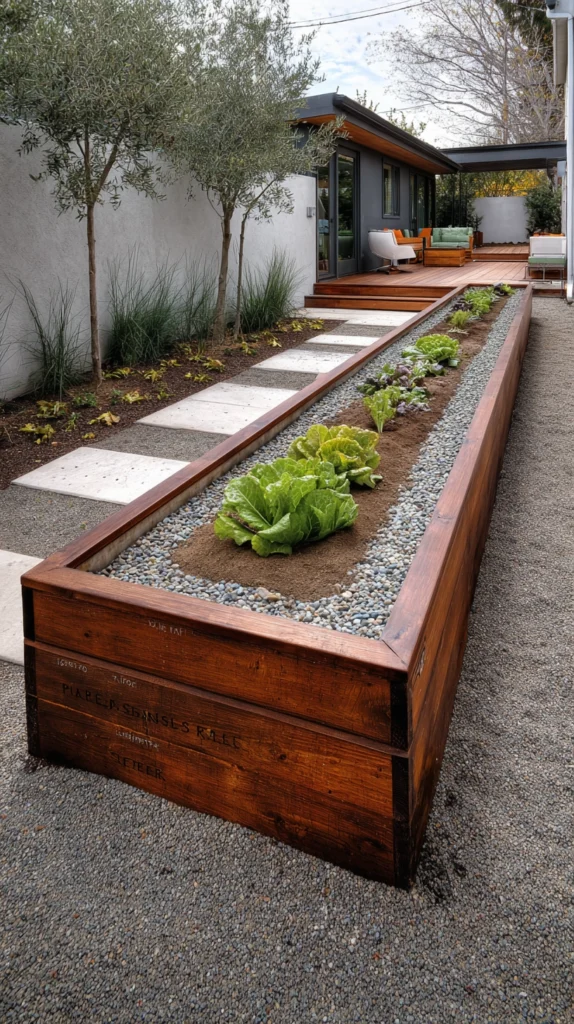
A bed planted entirely with lettuce, cucumbers, cherry tomatoes, and other salad ingredients, allowing children to harvest and assemble their own fresh salad directly from the garden.
Why a salad-focused bed provides frequent, repeated small harvests rather than one single seasonal payoff
Unlike a single large harvest at a season’s end, salad greens and quick vegetables can be picked repeatedly throughout the growing season, providing children with frequent small rewards rather than a single distant payoff.
The plant selection
Loose-leaf lettuce varieties (which regrow after cutting), cherry tomatoes, cucumbers, and radishes, all suited to repeated, staggered harvesting throughout the season.
The cut-and-come-again technique
Lettuce harvested by cutting the outer leaves rather than pulling the entire plant, allowing continued regrowth and repeated harvests from the same planting.
The harvest ritual
A specific, regular practice of the child harvesting ingredients for that evening’s salad, connecting the garden bed directly to an actual daily household meal rather than an abstract, distant growing project.
The dressing and assembly involvement
The child involved in washing, assembling, and even dressing their own harvested salad, extending their ownership of the process from garden to table.
The overall value
Frequent, small, repeated harvest rewards throughout the growing season, sustaining engagement far more consistently than crops requiring a single distant harvest date.
Cost breakdown: Lettuce, cherry tomato, cucumber, and radish seeds or starts: $15–35 Total: $15–35
8. The Fairy or Gnome Garden Corner
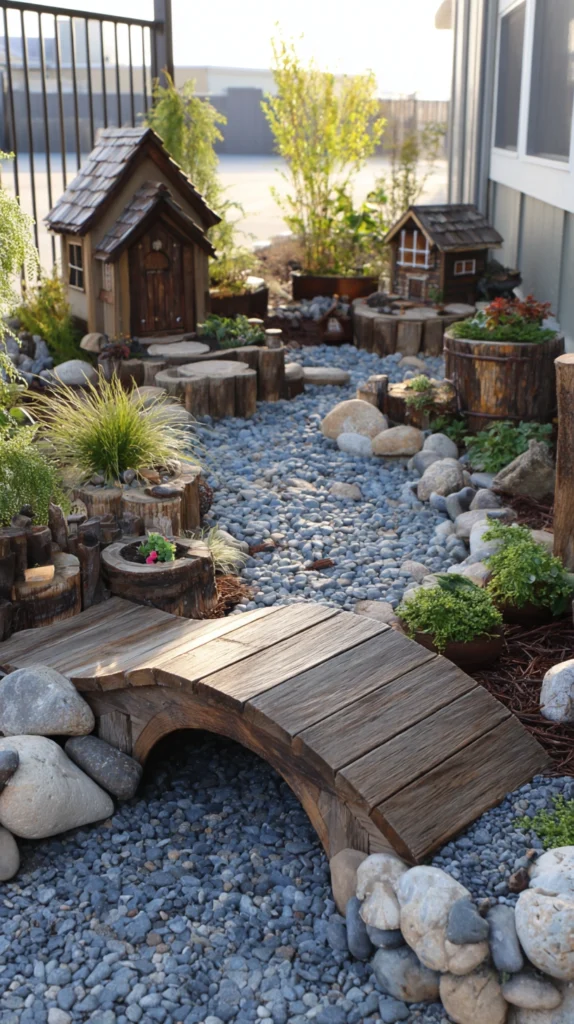
A small themed corner within or adjacent to the child’s garden bed, featuring miniature figures, tiny paths, and small structures, blending imaginative play directly into the gardening space.
Why a whimsical corner extends the garden’s appeal beyond pure vegetable production
Not every child is initially motivated purely by growing food. A small fairy or gnome garden corner adds an imaginative play element that can draw a reluctant young gardener into the broader space, and often into genuine plant care as a secondary interest.
The miniature elements
Small figures, tiny paths made from pebbles, and miniature structures — a small fairy house, a tiny bridge — arranged within a designated corner of the child’s garden bed or nearby.
The living component
Moss, small ground-cover plants, or miniature flowers, providing a living, growing element within the otherwise purely decorative fairy garden scene.
The child-led development
The specific arrangement and story largely directed by the child themselves, reinforcing the same sense of genuine ownership central to the broader gardening bed.
The connection to the vegetable bed
Positioned adjacent to or within view of any vegetable-growing section, allowing the child’s imaginative play to naturally draw their attention toward the more production-focused parts of the garden as well.
The overall value
An imaginative, playful entry point into gardening for a child who might not be initially motivated purely by vegetable harvests, often building genuine interest in plant care as a secondary effect of the play itself.
Cost breakdown: Miniature figures and structures: $15–35 Moss or ground-cover plants: $10–20 Total: $25–55
9. The Weekly Growth Journal Station
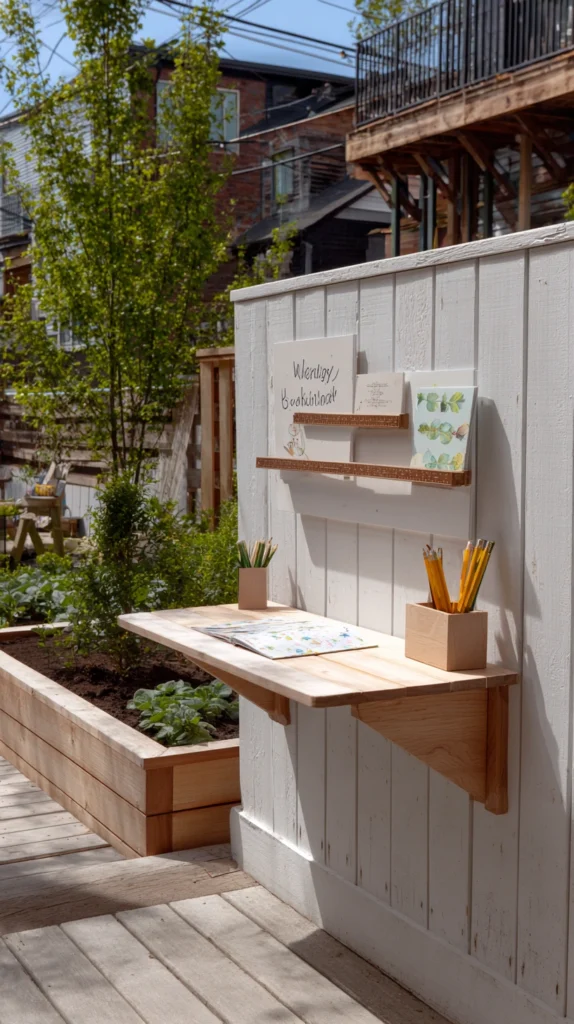
A small table or clipboard positioned beside the garden bed, holding a simple journal where the child records observations, measurements, and drawings of their plants’ progress.
Why documentation reinforces the educational value of the whole gardening project
Regularly recording observations — plant height, new leaves, first blooms — builds genuine scientific observation skills and reinforces the sense that the garden is a real, ongoing project worth tracking, rather than a passive backdrop.
The journal
A simple notebook or a printed observation sheet, kept in a small weatherproof container or clipboard near the bed itself.
The recording routine
A specific, regular time — once a week, for instance — dedicated to measuring, drawing, or writing about the garden’s current state, building a consistent habit around the observation practice.
The measurement tools
A simple ruler or measuring tape, kept alongside the journal, allowing the child to track specific plant height and growth rate over time.
The drawing component
Space within the journal specifically for simple sketches, encouraging observational drawing skills alongside the written or measured records.
The overall value
A structured practice building genuine scientific observation and documentation skills, reinforcing the educational value of the gardening project beyond the purely hands-on planting and harvesting activities.
Cost breakdown: Journal or notebook: $5–12 Ruler or measuring tape: $3–8 Total: $8–20
10. The Child-Sized Tool Station
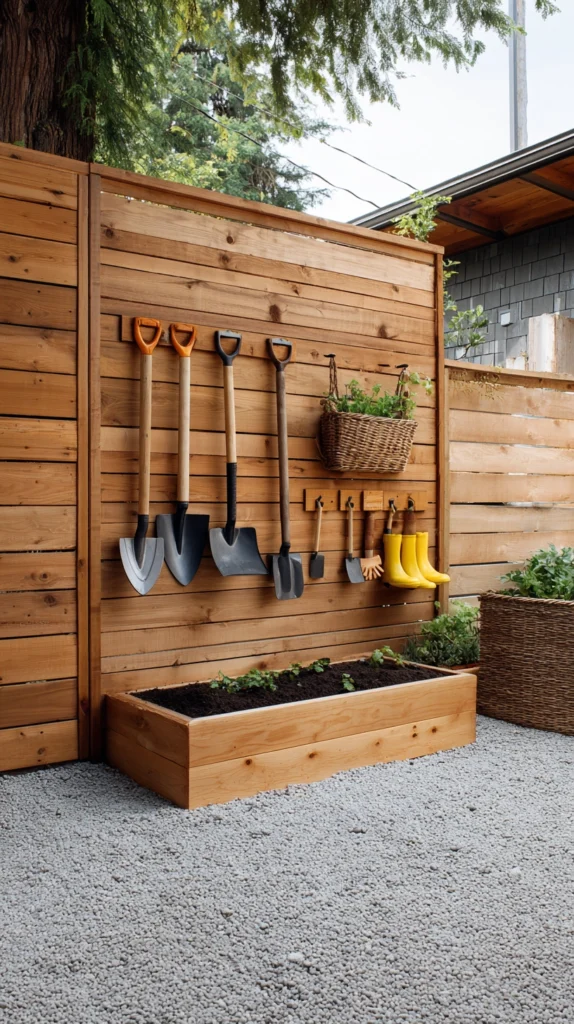
A small dedicated storage spot holding genuinely child-sized gardening tools — a trowel, gloves, a small watering can — positioned near the bed for easy independent access.
Why properly scaled tools remove a significant barrier to genuine independent participation
Adult-sized tools are often too heavy, too large, or too awkward for a young child to use effectively, and providing genuinely scaled alternatives removes a barrier that would otherwise force constant adult assistance for basic tasks.
The tool selection
A small trowel, hand fork, and watering can, sized specifically for a child’s hands and strength, rather than assuming standard adult tools will simply work at a reduced scale.
The storage solution
A small bucket, a designated hook system, or a simple bin, positioned near the bed itself, keeping the tools organized and easily accessible without requiring a trip back to a garage or shed for every task.
The glove sizing
Genuinely child-sized gardening gloves, protecting small hands during actual soil work, chosen for real fit rather than oversized adult gloves that would hinder rather than help.
The independence this enables
A child able to retrieve and use their own tools without needing an adult to fetch or hold anything for them, reinforcing the same sense of genuine independent ownership central to the whole project.
The overall value
Properly scaled tools removing a significant practical barrier to genuine hands-on, independent gardening participation.
Cost breakdown: Child-sized tool set: $15–30 Storage bucket or bin: $8–15 Total: $23–45
11. The Bean Teepee Living Structure
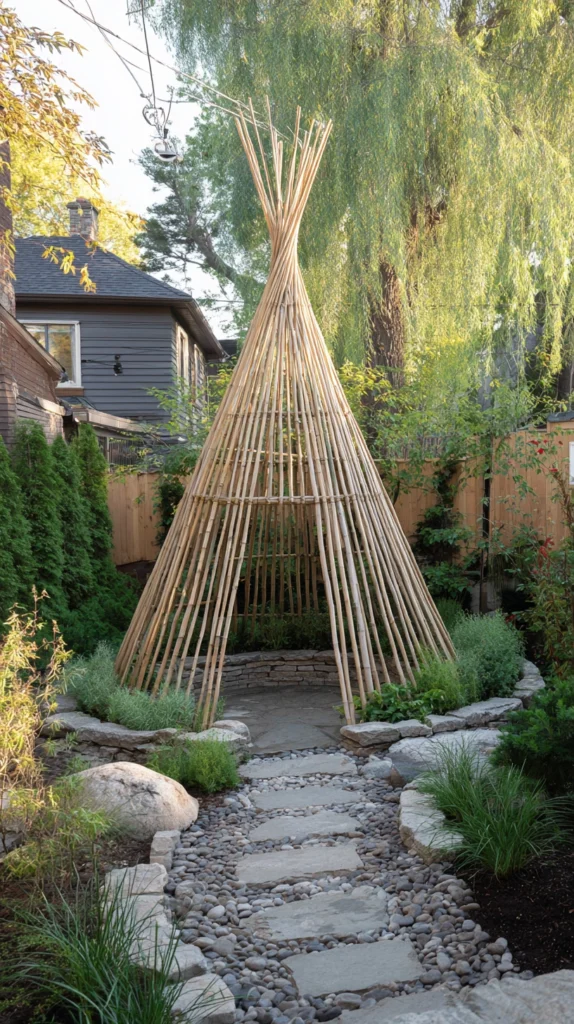
Pole beans planted around a teepee-shaped stick or bamboo frame, creating a living, climbing structure children can watch grow and eventually sit inside.
Why a climbing structure combines vertical growth observation with an appealing play space
Similar to the sunflower house concept but achieved through climbing rather than height alone, a bean teepee gives children a specific, exciting structure to watch develop as the vining plants climb the frame, with the eventual enclosed space serving as a genuine reward.
The frame construction
Long bamboo poles or sturdy sticks, tied together at the top in a teepee shape, with a small gap left as an entrance, similar in concept to the sunflower house.
The bean variety
Pole beans specifically, rather than bush varieties, chosen for their genuine climbing habit and ability to cover the frame’s full height over the growing season.
The growth observation
Watching the vines climb daily, providing an engaging, visible growth process considerably faster and more dramatic than many other vegetable varieties.
The harvest integration
Beans themselves harvested and eaten throughout the season, combining the structural play element with a genuine, ongoing vegetable harvest.
The overall value
A dual-purpose project combining fast, visible climbing growth with both a play structure and a genuine harvestable crop, appealing to a child’s interest in both process and tangible reward.
Cost breakdown: Bamboo poles or sticks: $10–20 Pole bean seeds: $5–10 Total: $15–30
12. The Seed-Saving and Cycle-of-Life Bed
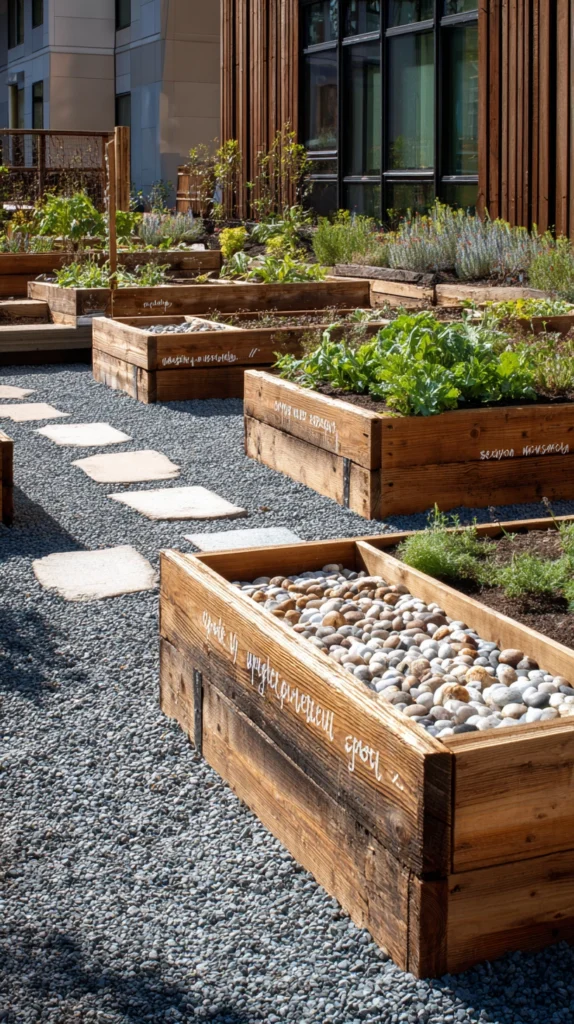
A section of the garden specifically dedicated to letting a few plants go to seed, teaching children the complete life cycle from seed to harvest to seed again.
Why understanding seed-saving completes a child’s picture of where food actually comes from
Most gardening projects focus on the seed-to-harvest portion of a plant’s life, skipping the equally important concept that a harvested plant’s seeds can themselves become next year’s garden, completing rather than ending the growing cycle.
The plant selection
Easy-to-save varieties — sunflowers, beans, or peas — whose seeds are large, visible, and simple for a child to collect and understand.
The seed collection process
A specific plant or two deliberately left unharvested, allowed to fully mature and dry, with the child directly involved in collecting and storing the resulting seeds.
The storage and labeling
Small envelopes or jars, labeled by the child themselves with the plant name and collection date, teaching basic organization alongside the seed-saving concept itself.
The following season connection
The saved seeds specifically used to start next year’s garden, providing a genuine, tangible demonstration of the complete growing cycle across multiple seasons rather than treating each year as an entirely separate project.
The overall value
A complete understanding of the growing cycle, from seed to harvest and back to seed again, extending a child’s gardening education across multiple seasons rather than treating each year in isolation.
Cost breakdown: Seed envelopes: $3–8 Total: $3–8 (using seeds saved from the existing garden)
13. The Complete Kids’ Teaching Garden (The Fully Developed Learning Space)
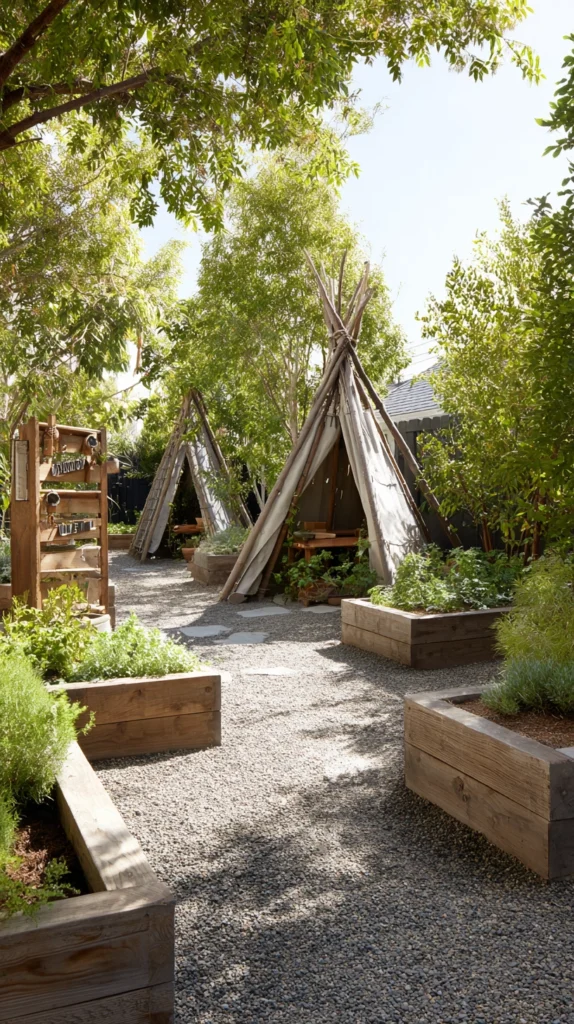
A complete kids’ garden combining several of the approaches above — a properly scaled bed, themed sections, genuine tools, a documentation practice, and a full seed-to-seed cycle — treating the space as a comprehensive, ongoing educational project rather than a single season’s planting activity.
What separates the complete teaching garden from a single themed bed
A single pizza garden bed planted once: a good, engaging start. A complete kids’ teaching garden: multiple sections and practices — themed planting, proper tools, documentation, pollinator education, and seed-saving — working together across a full season and into the next, creating a genuinely comprehensive gardening education rather than one isolated project.
The elements of the complete kids’ teaching garden
The scaled bed
A raised bed built specifically to the child’s own height and reach, ensuring genuine independent access.
The themed section
A pizza garden, alphabet garden, or salad bar planting, connecting abstract growing concepts to a tangible, motivating outcome.
The pollinator corner
A small section attracting butterflies and bees, extending the child’s understanding to the broader ecological system.
The tools and documentation
Child-sized tools stored nearby, alongside a weekly growth journal building observation and recording habits.
The full cycle understanding
At least one plant deliberately allowed to go to seed each season, teaching the complete growing cycle across multiple years.
The complete design in action
A full growing season:
Spring: The child planning their bed’s sections, choosing seeds, and helping build or prepare the raised bed itself.
Summer: Daily watering and observation, weekly journal entries tracking growth, the sunflower house or bean teepee climbing taller by the week.
Late summer: The pizza garden’s first harvest, celebrated with an actual homemade pizza using the child’s own grown ingredients.
Fall: Seeds collected from a few chosen plants, labeled and stored by the child themselves for the following spring.
The complete kids’ teaching garden: not a single season’s planting project, but an ongoing, multi-year educational practice, giving children genuine ownership over the full cycle of growing, harvesting, and starting again.
Cost breakdown for the complete teaching garden: Assuming a starting point of an empty yard corner: Scaled raised bed: $70–170 Themed planting (pizza or salad garden): $25–45 Pollinator section: $20–40 Child-sized tools: $23–45 Journal and documentation supplies: $8–20 Bean teepee or sunflower house structure: $15–30 Total: $161–350
Phased over a growing season:
Early spring: The raised bed construction and initial themed planting
Mid-season: Tool station, journal practice established, structural elements like a bean teepee or sunflower house planted
Late season: Harvest celebrations, seed-saving practice, and planning for the following year’s garden
The complete kids’ teaching garden: not a large investment, but a genuinely comprehensive, multi-year educational space, built to grow in scope and understanding right alongside the children tending it.
The Question Before Any Kids’ Garden Bed Decision
Before planting any specific bed:
What is the primary goal for this particular child’s gardening experience?
If the answer is: basic engagement and quick, satisfying results — the sunflower house or bean teepee, providing fast, visible, dramatic growth.
If the answer is: connecting gardening to food the child already loves — the pizza garden or salad bar bed.
If the answer is: broader ecological and scientific understanding — the pollinator garden and the weekly growth journal.
If the answer is: a reluctant gardener needing an imaginative entry point — the fairy or gnome garden corner, using play to build initial interest.
The design follows the specific child’s age, attention span, and existing interests, more than any single universal kids’ gardening template. Every idea on this list builds engagement and learning through a different specific approach. The question is which particular entry point matters most for this specific child, this specific season.
The single raised bed, scaled to a child’s own height and planted with whatever they genuinely chose: still provides real ownership and a genuine gardening education. The complete teaching garden, developed across a full season and beyond: a comprehensive, ongoing practice that grows in depth and understanding right alongside the child tending it.
That ongoing growth, in the child as much as the plants: the whole point of building a garden specifically for kids rather than simply letting them help in the adult one.
Getting Started This Weekend
The immediate kids’ garden bed solution:
Measure the child’s actual height and reach before building or choosing any bed.
The single most important planning detail, ensuring genuine independent access rather than a bed still requiring constant adult assistance.
Let the child choose at least one plant themselves, even if it seems like an unusual or challenging choice.
Genuine ownership depends on real decision-making input, not just supervised participation in adult choices.
Start a simple weekly journal practice from the very first planting, rather than adding it later.
Building the observation habit from day one, rather than trying to introduce it partway through the season.
Choose at least one fast-growing plant, like radishes or sunflowers, to sustain early enthusiasm while slower crops develop.
The rest of the design: the elaboration of this moment.
The child’s own bed: the beginning. The teaching garden: what gets grown, observed, and learned within it, season after season.