
14 Pollinator Garden Ideas to Attract Bees and Butterflies
Our backyard used to be quiet in a way I didn’t notice until it changed.
No hum, no flutter, just green grass and a few tidy flower beds nobody visited.
I ripped out a third of the lawn and planted for the bees instead of for the neighbors.

Within one season the whole yard sounded different, buzzing and fluttering from morning to dusk.
Here are 14 ways to build a garden that actually works for the pollinators doing the real work out there.
Why pollinator gardens need a different approach than ornamental ones
Standard flower beds are chosen for how they look from the porch.
- Pollinator gardens are chosen for bloom timing, nectar accessibility, and native origin instead
- Double-petaled hybrid flowers often look showy but are useless to bees, since the extra petals block access to nectar
- A garden built around insects tends to need less water and fewer chemicals than one built purely for looks
Once you plant with pollinators as the actual audience, the garden becomes noticeably more alive.
1. Native Wildflower Meadow Patch
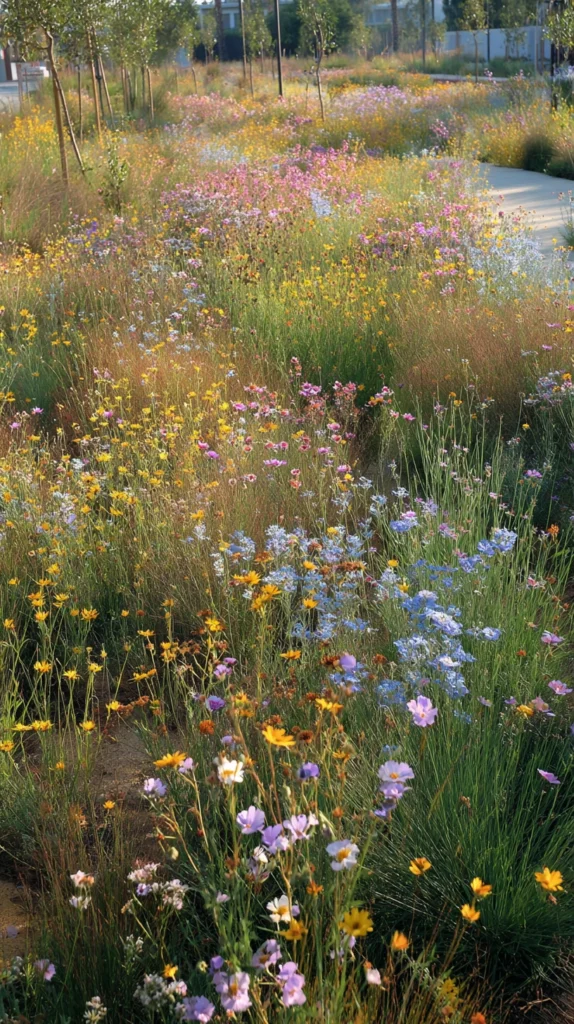
The single highest-impact planting for local pollinators.
Build it:
- Choose a seed mix specifically labeled native to your region, not a generic wildflower blend
- Prepare the soil by removing existing grass rather than planting directly over it
- Water consistently through the first season only, then let it establish on its own
Why native species matter more than variety count:
- Local bees and butterflies evolved alongside native plants specifically, and many can’t use non-native nectar sources at all
- Native plants require far less water and fertilizer once established, since they’re already suited to your climate
- A single native meadow patch often supports more insect species than an entire yard of imported ornamentals
Cost breakdown: Native seed mixes run $15 to $30 for enough coverage of a 200 square foot patch.
2. Milkweed Patch for Monarch Butterflies
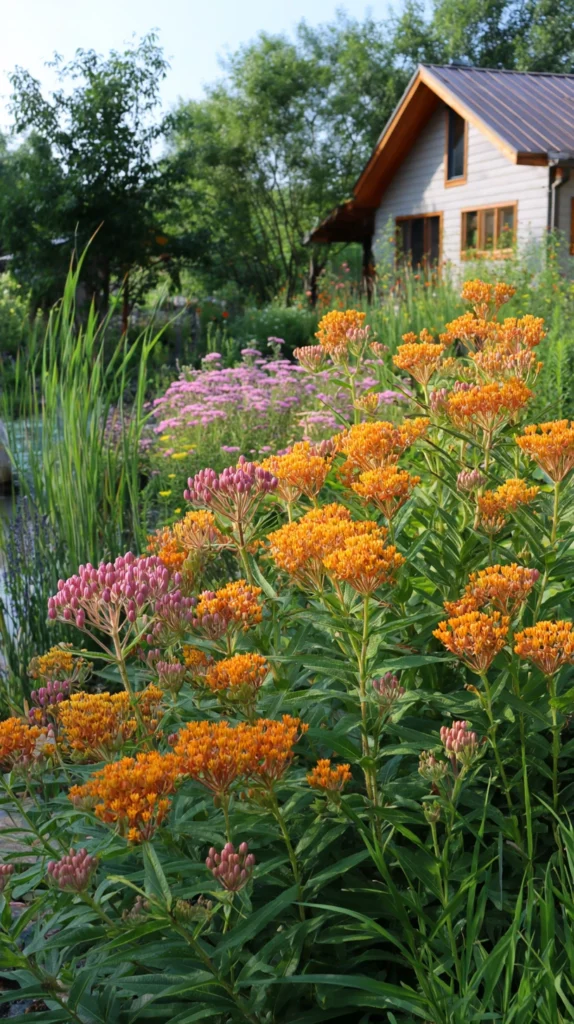
The one plant monarch caterpillars can’t survive without.
Build it:
- Plant a milkweed variety native to your specific region, since species vary considerably by climate
- Group at least five to seven plants together rather than scattering single plants throughout the yard
- Leave some plants slightly ragged and chewed looking, since that means caterpillars are actually feeding
Why milkweed deserves its own dedicated section:
- Monarch caterpillars can only eat milkweed leaves, making this plant a genuine bottleneck species
- A single patch can support an entire generation of monarchs through a full life cycle
- Milkweed’s flowers also draw in a wide range of other pollinators beyond just monarchs
Cost breakdown: Milkweed starts run $4 to $8 per plant, with five to seven plants costing $20 to $50 total.
3. Continuous Bloom Succession Planting
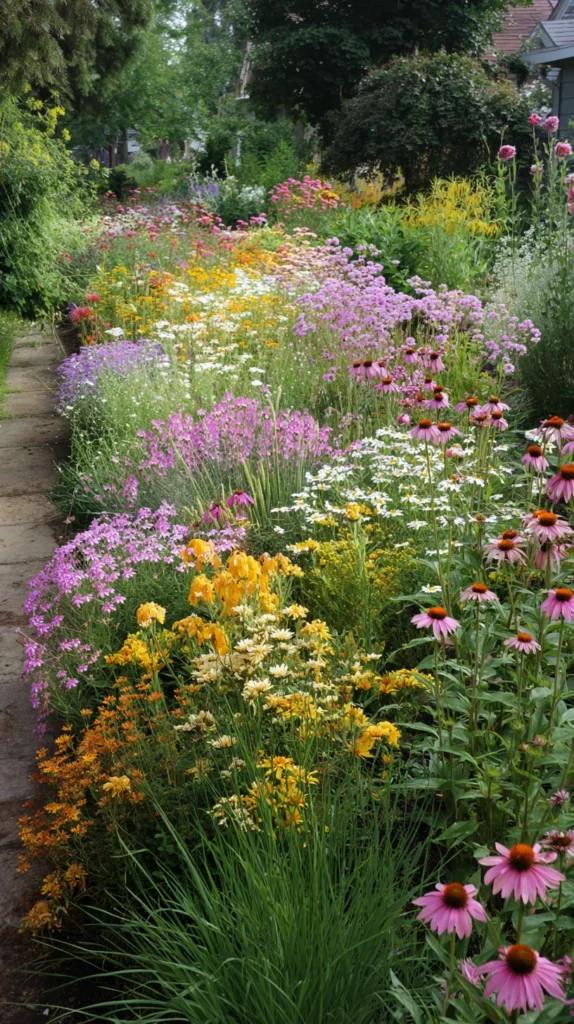
Ensuring something is always flowering from spring through fall.
How to plan it:
- Chart out three bloom windows: early spring, mid-summer, and late fall
- Choose at least two to three plant varieties for each window rather than relying on one
- Stagger planting locations so gaps in one section overlap with blooms in another
Why gaps in bloom timing hurt pollinators most:
- Bees and butterflies need a consistent nectar source across their entire active season, not just a few peak weeks
- A garden that blooms only in June leaves pollinators with nothing through late summer and fall
- Late-season bloomers like asters and goldenrod are especially critical, since they fuel insects preparing for winter
Cost breakdown: Budget $10 to $15 per plant variety across the three bloom windows, typically $150 to $250 for a full-season planted bed.
4. Flat-Topped Flower Clusters for Easy Landing
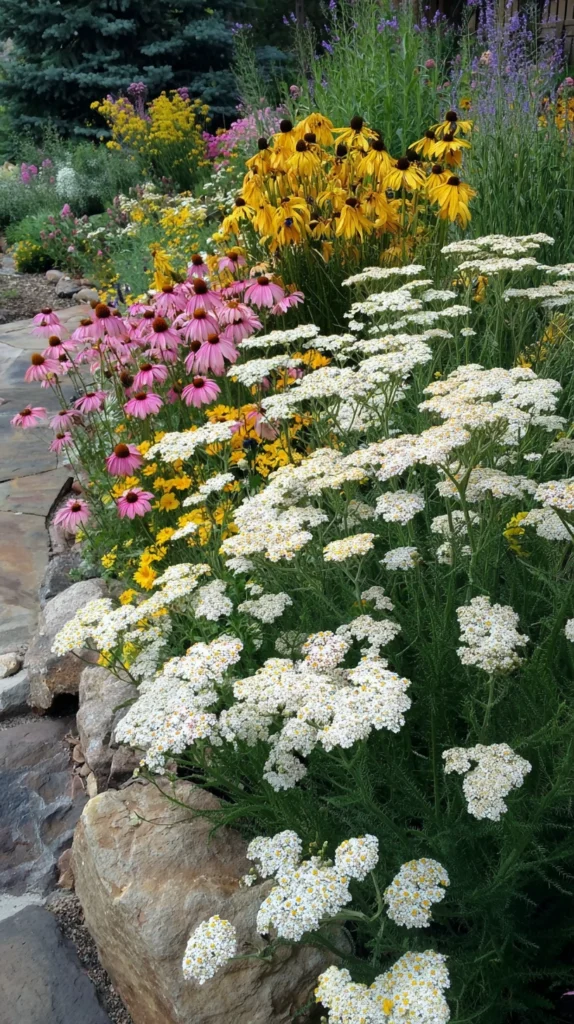
Flower shapes chosen specifically for pollinator accessibility.
What to plant:
- Yarrow, with its broad flat flower clusters ideal for landing insects
- Coneflowers, offering a stable central disc that bees can walk across easily
- Sedum, blooming late season with dense, flat flower heads that draw huge numbers of bees at once
Why flower shape matters as much as flower color:
- Deep tubular flowers suit only long-tongued pollinators like certain butterflies and hummingbirds
- Flat, open flower clusters serve the widest range of bees, beetles, and smaller butterflies at once
- Mixing flower shapes throughout the garden ensures no pollinator type gets left out
Cost breakdown: Yarrow, coneflower, and sedum starts run $5 to $10 each, typically $60 to $100 for a well-stocked bed.
5. A Dedicated Bee Bath
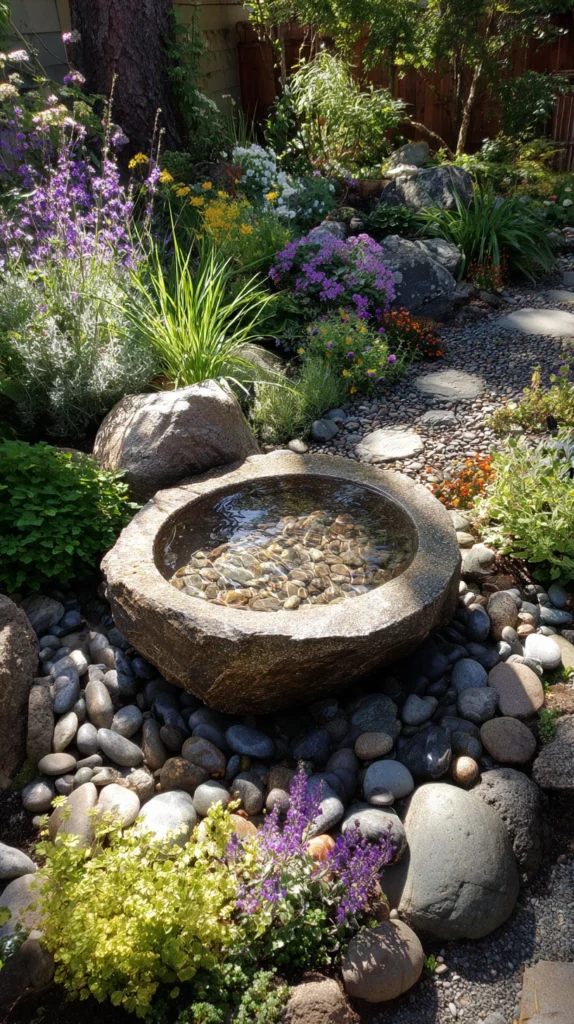
Water access that bees can actually use safely.
Build it:
- A shallow dish or birdbath filled with clean water
- Flat stones or marbles placed inside so bees have a dry landing spot to drink from without drowning
- Positioned in a sunny spot near the flower beds, refreshed every few days to prevent mosquito breeding
Why a standard birdbath alone doesn’t serve bees:
- Bees can’t swim and will drown in open water without a landing surface
- The shallow depth and dry stones give them a safe place to drink without the risk deeper water poses
- Placing it near, but not directly among, the flowers keeps bees from having to cross open lawn to reach it
Cost breakdown: A simple shallow dish and stones run $10 to $20 total, using items often already on hand.
6. Bare Ground Patch for Native Ground-Nesting Bees
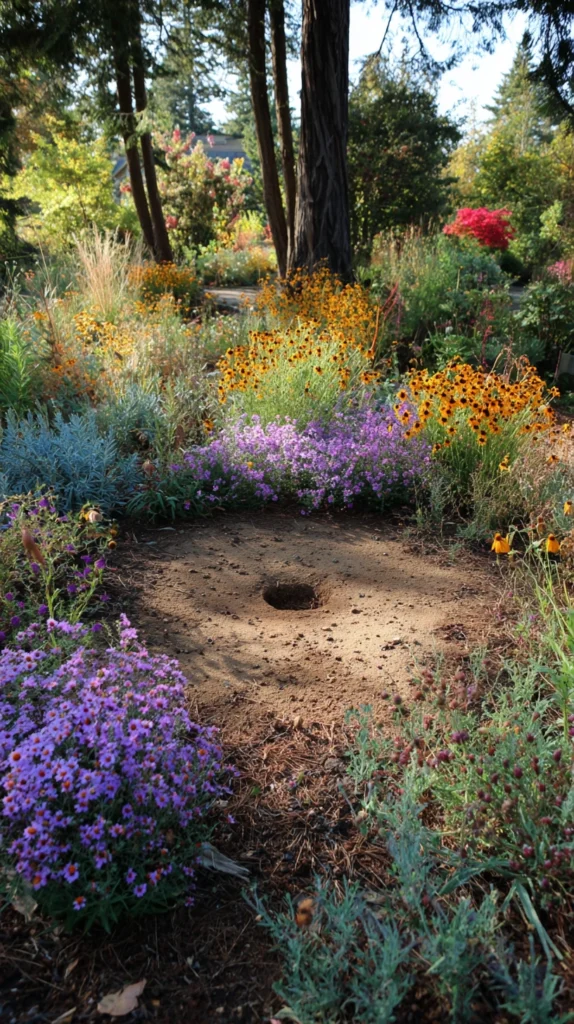
An intentionally unplanted section most gardens overlook entirely.
Setup:
- A small patch of bare, undisturbed soil, roughly two to three feet across
- South-facing exposure for warmth, since many ground-nesting bees prefer sun-warmed soil
- Left completely untilled and unmulched, since mulch blocks the tunnel entrances these bees need
Why bare soil is a genuine pollinator habitat, not neglect:
- The majority of native bee species nest in the ground rather than in hives, and need exposed soil to do it
- Mulching every inch of a garden, however tidy it looks, removes this nesting habitat entirely
- One small bare patch can support dozens of individual ground-nesting bees over a season
Cost breakdown: Free, this is simply choosing not to mulch or plant one small section.
7. Bee Hotel for Cavity-Nesting Species
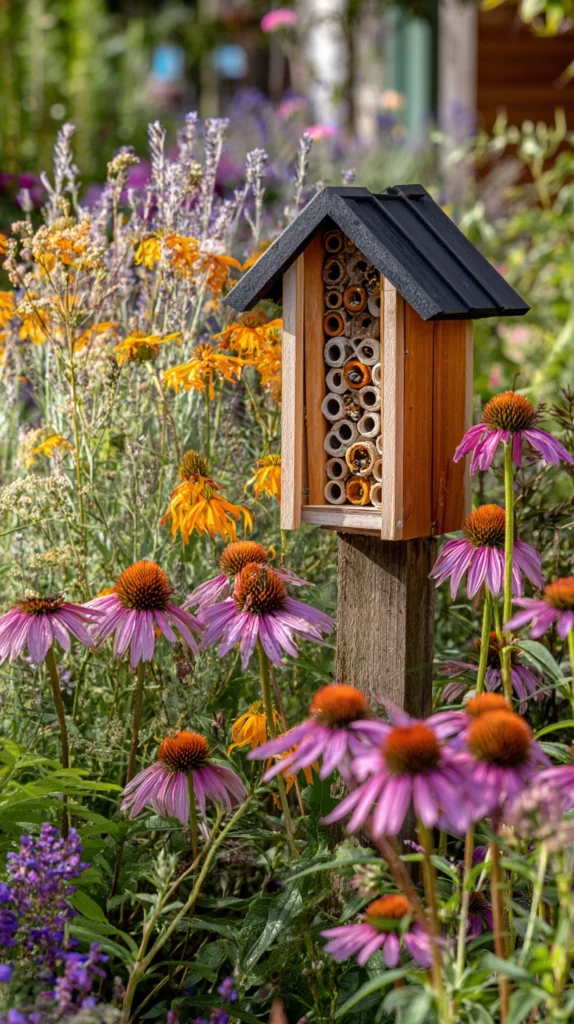
A built structure for the bees that nest in hollow stems rather than ground.
Build it:
- A wooden frame filled with bundles of hollow bamboo, reed, or drilled wood blocks
- Hole diameters varying between roughly a quarter inch and three-eighths inch to suit different species
- Mounted at a slight forward tilt, facing morning sun, at least three feet off the ground
Why cavity-nesting bees need a different setup than ground bees:
- Species like mason bees and leafcutter bees nest in hollow stems and pre-existing holes rather than soil
- A well-built hotel can house dozens of individual nesting tubes in a small footprint
- Cleaning or replacing the tubes every one to two years prevents mold and parasite buildup
Cost breakdown: A simple bee hotel kit runs $20 to $40, or build one from scrap wood and bamboo for under $15.
8. Butterfly Puddling Station
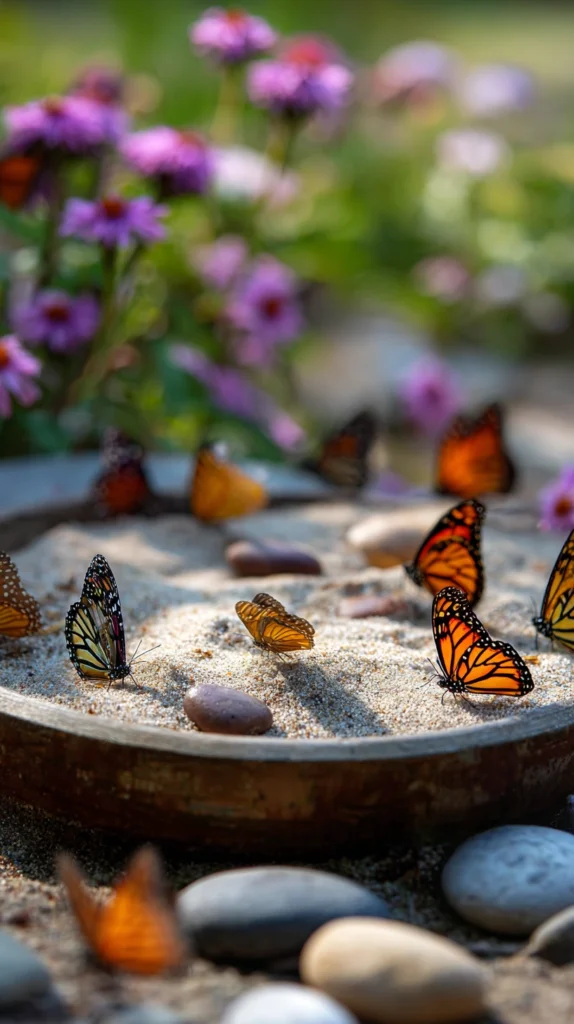
A mineral-rich water source specifically for butterflies.
Build it:
- A shallow dish or sunken tray filled with damp sand mixed with a small amount of compost or manure
- Kept consistently moist rather than fully wet, replenished as it dries out
- Positioned in a sunny, sheltered spot near the flower beds
Why butterflies need something different than bees do:
- Male butterflies specifically seek out minerals and salts found in damp soil, not just nectar
- This behavior, called puddling, is essential to butterfly reproduction and rarely occurs without a dedicated spot
- A puddling station often draws in visible groups of butterflies at once, unlike scattered garden visits
Cost breakdown: A shallow tray and sand mix run $10 to $15 total.
9. Layered Planting Heights for Habitat Diversity
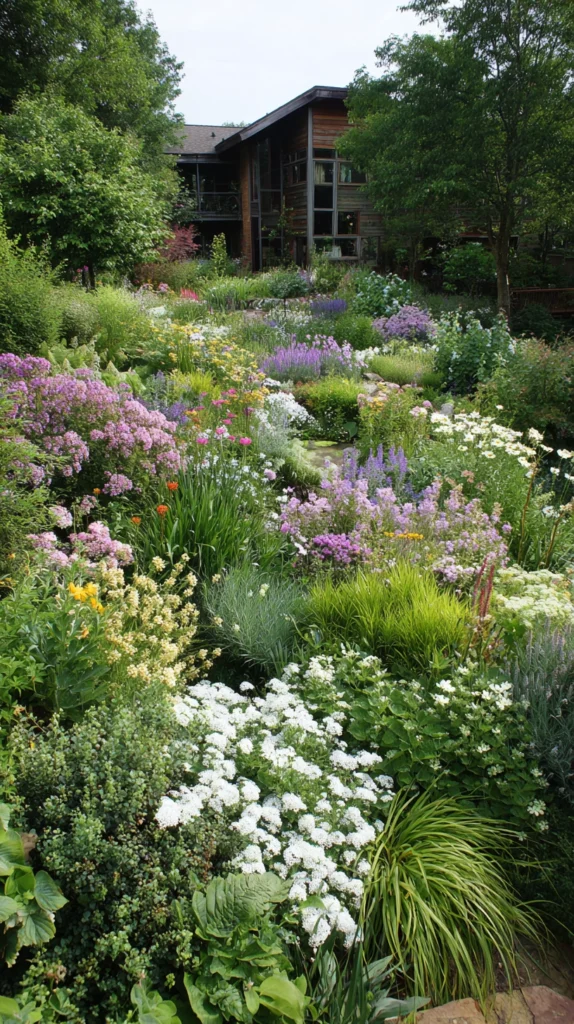
Structuring the garden in vertical layers, not just a flat bed.
How to plan it:
- Ground cover and low bloomers at the front edge
- Mid-height perennials in the center of the bed
- Flowering shrubs or small trees at the back for height and shelter
Why height variation supports more pollinator species overall:
- Different insects and butterflies prefer different flight heights and shelter needs
- A layered garden creates windbreaks and shaded resting spots that a flat bed can’t offer
- It also simply extends the growing season, since shrubs and trees often bloom earlier or later than perennials
Cost breakdown: Adding one flowering shrub to an existing bed runs $25 to $60 depending on variety and size.
10. Herb Bed Left to Flower
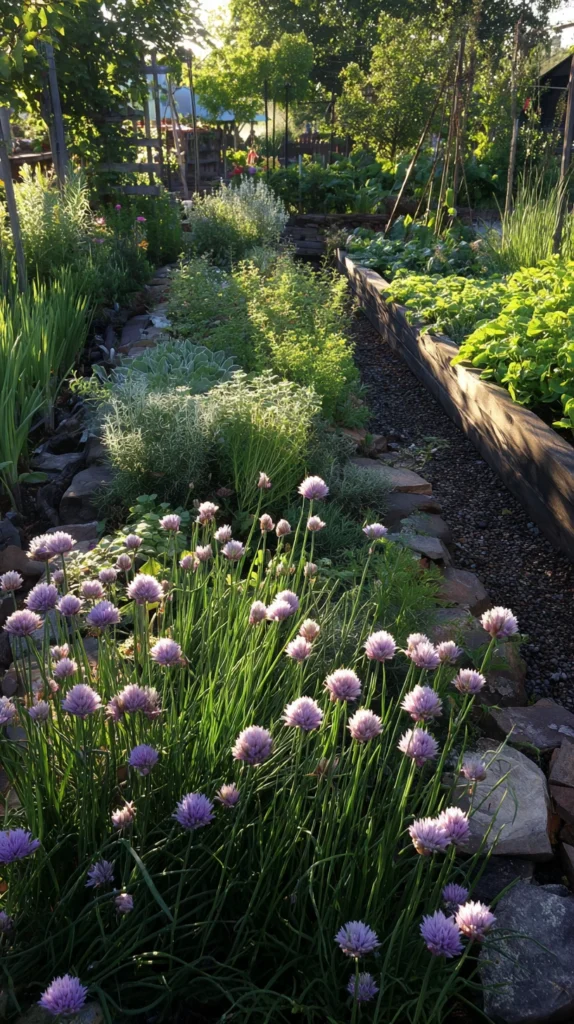
Culinary herbs allowed to bolt and bloom instead of being cut back.
What to let flower:
- Basil, which produces small but bee-favored blooms once it bolts
- Oregano and thyme, both prolific bloomers that draw in bees constantly
- Chives, with purple pompom flowers bees visit heavily in early summer
Why letting herbs bloom benefits both the garden and the kitchen:
- Herbs are often treated as purely culinary, missed as a pollinator resource entirely
- Letting even a few plants bolt and flower costs nothing beyond a slightly less tidy appearance
- The flowers are still edible in most cases, adding a garnish option beyond the leaves themselves
Cost breakdown: Free if you already grow herbs, simply by leaving a few plants unharvested to bloom.
11. Night-Blooming Flowers for Moths
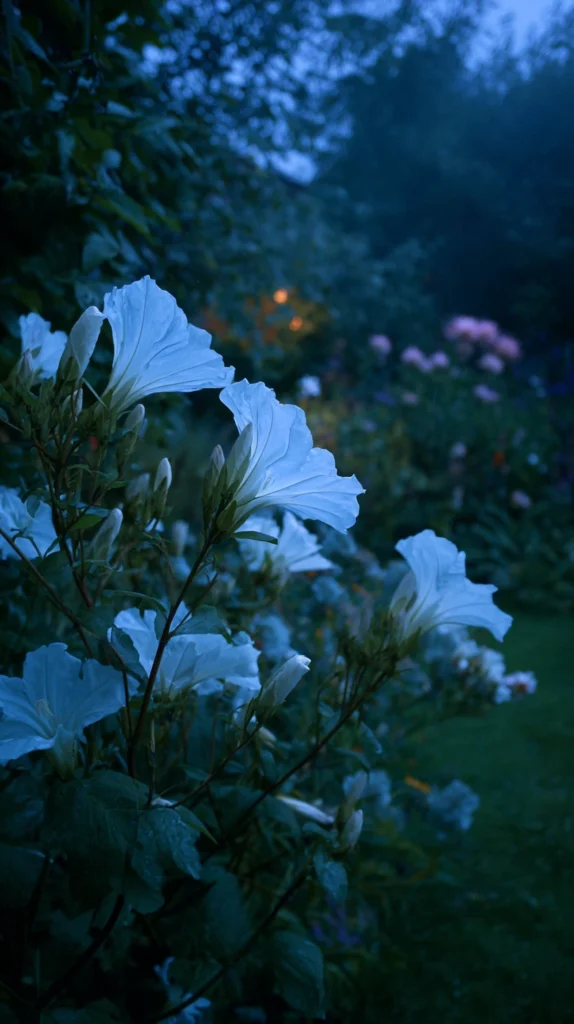
Extending pollinator support into the evening hours.
What to plant:
- Evening primrose, opening specifically at dusk
- Moonflower vine, with large white blooms that glow under evening light
- Nicotiana, releasing fragrance most strongly after sundown
Why moths deserve a section of their own:
- Moths are pollinators too, and are almost entirely overlooked in typical garden planning
- Night-blooming flowers are specifically adapted to attract moths rather than daytime bees and butterflies
- A moth-friendly section also tends to smell strongest in the evening, adding a sensory benefit to outdoor evenings
Cost breakdown: Night-blooming flower seeds or starts run $5 to $12 depending on variety.
12. Pesticide-Free Zone With a Visible Marker
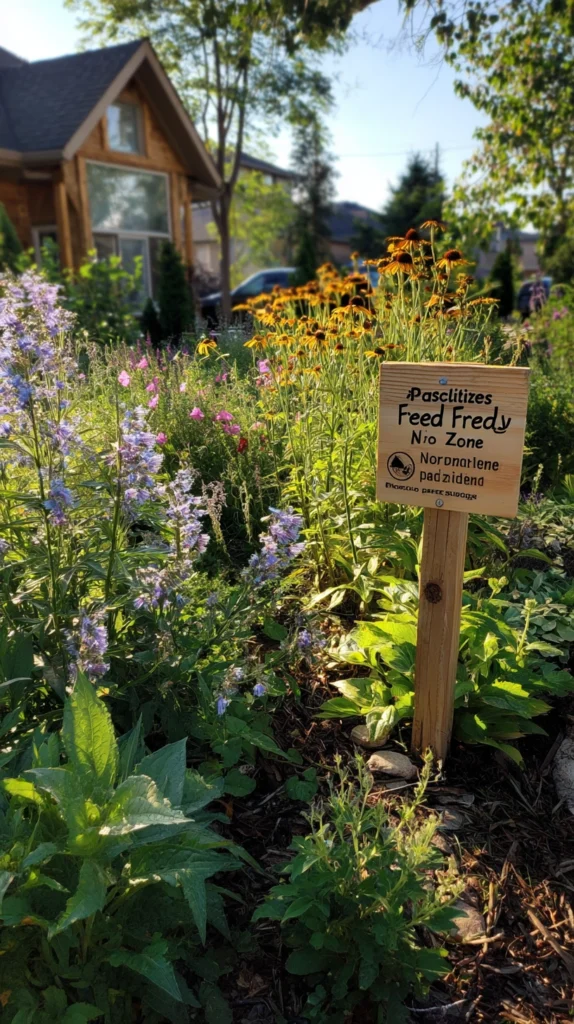
A section of the garden with an explicit no-spray commitment.
Setup:
- A small sign or marker noting the area as pesticide-free for anyone else who tends the yard
- Hand-removal of pest insects rather than spraying, accepting some visible plant damage
- Companion planting with pest-repelling herbs like basil or marigold instead of chemical treatments
Why a visible boundary matters, not just a private decision:
- Pesticide drift from neighboring sections of a treated yard can still affect a pollinator bed nearby
- A clear marker prevents a well-meaning family member or landscaper from accidentally spraying the wrong section
- Accepting minor pest damage is often the tradeoff for a genuinely healthy pollinator population
Cost breakdown: Free beyond a simple handmade or purchased garden marker, typically under $10.
13. Butterfly Host Plants Beyond Milkweed
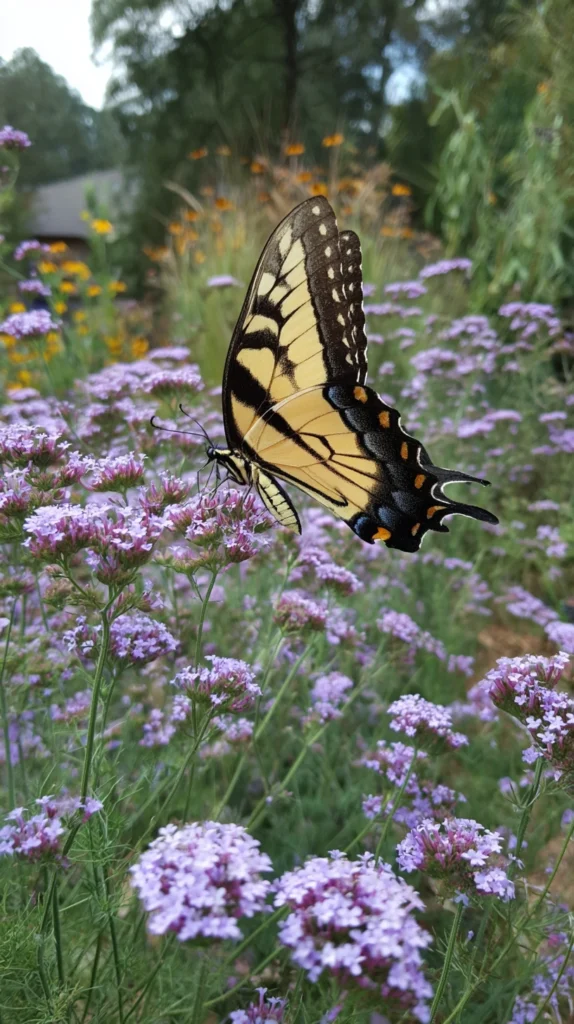
Feeding caterpillars, not just adult butterflies.
What to plant:
- Parsley, dill, and fennel for swallowtail caterpillars specifically
- Violets for fritillary butterfly caterpillars
- Native asters for pearl crescent butterfly caterpillars
Why adult nectar plants alone aren’t enough:
- Butterflies need specific host plants for their caterpillars to eat, entirely separate from adult nectar sources
- A garden full of nectar flowers but no host plants will attract adult butterflies without ever supporting a full life cycle
- Host plants often get chewed and look rough, which is a genuine sign the garden is working as intended
Cost breakdown: Host plant starts run $4 to $10 each, typically $30 to $60 for a small dedicated host section.
14. Reduced Lawn, Increased Flowering Ground Cover
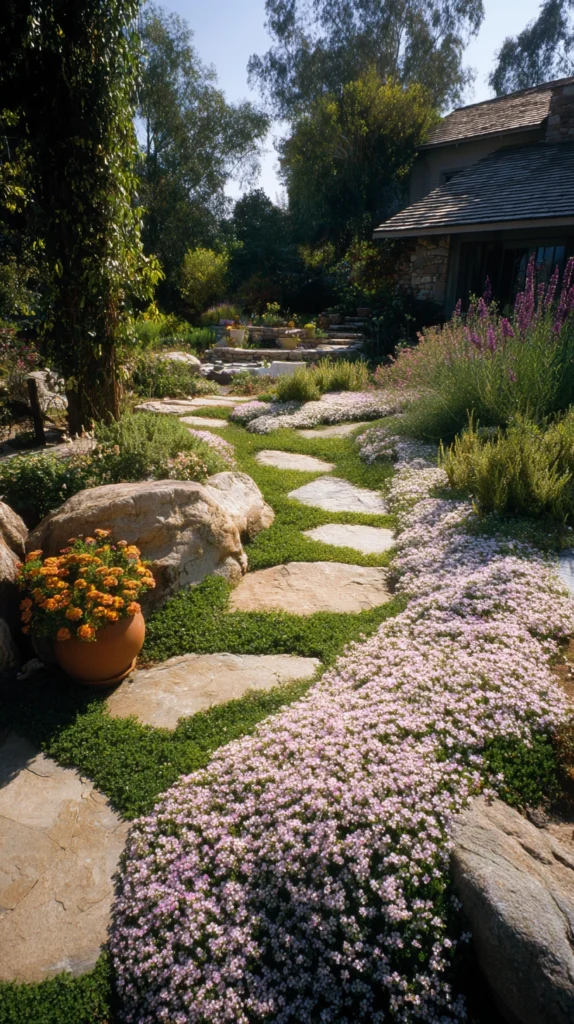
Replacing turf grass with something pollinators can actually use.
Build it:
- Remove a section of lawn, starting small if converting the whole yard feels overwhelming
- Replace with low-growing flowering ground covers like creeping thyme or clover
- Mow remaining lawn less frequently, allowing clover and other low bloomers already present to flower between cuts
Why turf grass is essentially a pollinator dead zone:
- Traditional lawn grass offers no nectar, no pollen, and no nesting habitat whatsoever
- Even a partial conversion to flowering ground cover meaningfully increases the food available in a yard
- Reduced mowing frequency alone, without any new planting, often lets existing clover bloom and support bees
Cost breakdown: Flowering ground cover seed runs $10 to $25 per 500 square feet of coverage.
Getting started this weekend
You don’t need to convert the whole yard before pollinators start showing up.
- Start with one native flower bed and a shallow bee bath
- Add the bare ground patch and bee hotel once the flowers are established
- Save larger projects like lawn conversion or a full bloom succession plan for the following season
My own yard went from silent to genuinely buzzing within one growing season, starting with just a single native bed.
Budget reality
Pollinator gardens can start almost entirely free and grow from there.
- Under $20: Bee bath, bare ground patch, pesticide-free marker, letting herbs bolt
- $20-60: Bee hotel, milkweed patch, puddling station, night-blooming flowers
- $60-150: Flat-topped flower clusters, host plant section, layered shrub planting
- $150+: Full native meadow patch, complete bloom succession planting, lawn conversion
Most of the real impact comes from plant choice and habitat details, not the total amount spent.
What actually attracts bees and butterflies
It was never really about how many flowers were planted.
It’s the native species chosen over the imported hybrid, the bare patch of soil left alone on purpose, the herbs allowed to bloom instead of getting cut back too soon.
Start with one section built specifically for pollinators, and let the rest of the yard follow from there.